You can nourish your eyes and soothe persistent irritation simply by adjusting what you put on your plate. Choosing the right foods for tear production restores vital moisture and calms frustrating scratchiness naturally.
As we age, declining natural lubrication often makes reading, driving, or enjoying hobbies uncomfortable. Fortunately, targeted nutrition strengthens your tear film from within, providing lasting daily comfort.
Exploring a nutrient-rich dry eye diet empowers you to protect your vision effortlessly. Wholesome ingredients revitalize your eyes, brighten your daily life, and restore long-term visual comfort.

Understanding the Basics of Healthy Tear Production for Seniors
Your tears are far more complex than simple drops of saltwater. Healthy tears consist of three distinct, carefully balanced layers that shield your eyes from debris, friction, and environmental strain.
The inner mucin layer, created by specialized goblet cells, anchors tears smoothly to your cornea. Without adequate mucin, tears cannot stick to the ocular surface properly.
Next, your lacrimal glands produce the middle aqueous layer, which is over 98% water. This layer delivers essential oxygen, electrolytes, and protective proteins to keep delicate tissues nourished.
Finally, tiny meibomian glands along your eyelid margins secrete an outer lipid layer. This delicate oil barrier seals in moisture and prevents tears from evaporating into the surrounding air.
Research from the global Tear Film and Ocular Surface Society shows dry eye affects between 5% and 50% of people worldwide. In the United States, roughly 11.7% of adults over age 50 live with chronic dryness.
By comparison, less than 1% of adults under age 40 receive a dry eye diagnosis. As our bodies age, tear production naturally slows down, leading to persistent irritation and fatigue.
Hormonal changes also play a significant role in ocular comfort. Postmenopausal women experience dry eye at nearly twice the rate of men due to shifts in estrogen and androgen levels.
Furthermore, roughly 86% of dry eye cases stem from evaporative dry eye or meibomian gland dysfunction. When these oil glands clog, tears evaporate too quickly, leaving eyes gritty and inflamed.
Environmental factors like indoor heating, air conditioning, and screen time can exacerbate this delicate imbalance. Older eyes possess fewer antioxidant reserves to combat these daily dry air challenges.
Understanding how nutrition interacts with ocular anatomy gives you the tools to take charge of your comfort. Small, mindful adjustments to your grocery list can yield profound benefits for your visual well-being.
Embracing dedicated foods for eye health addresses the root causes of tear instability. High-quality nutrients support all three tear layers and encourage dependable natural dry eye relief.
Practical Tips for a Healthier, Happier Life
Adopting a targeted dry eye diet is one of the kindest gifts you can give your eyes. Wholesome foods supply the biochemical fuel needed to calm inflammation and enrich tear composition.
Eating for ocular wellness does not require rigid dieting or tasteless meals. Instead, it invites you to savor fresh, colorful ingredients that celebrate vibrant health and culinary pleasure.
Here are seven delicious, nutrient-dense foods you can easily weave into your weekly meals to support comfortable tear production.
1. Wild Salmon and Sardines
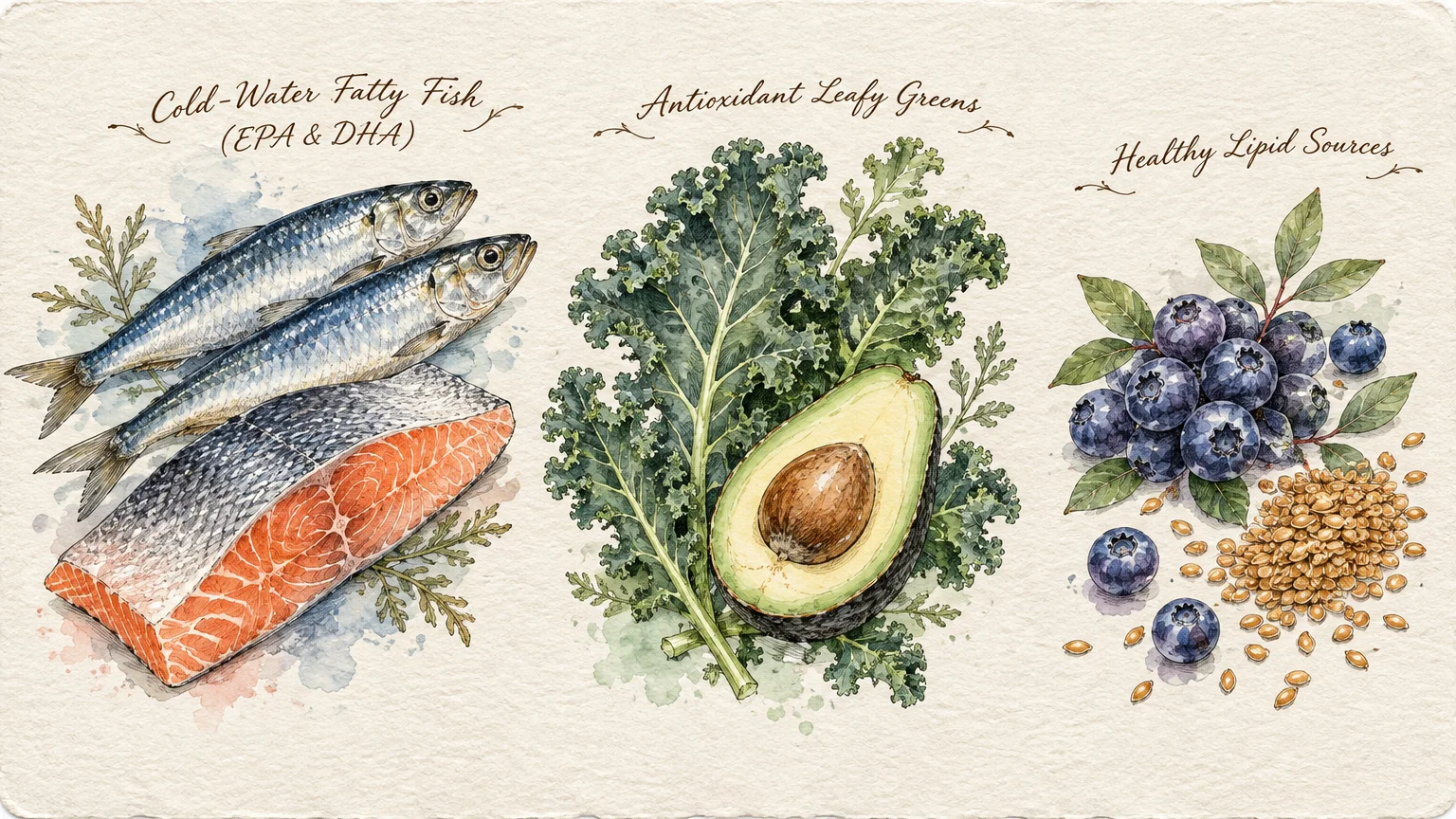
Cold-water fatty fish provide exceptional concentrations of eicosapentaenoic acid (EPA) and docosahexaenoic acid (DHA). These essential fats serve as natural building blocks for the lipid layer of your tear film.
Consuming omega-3 for dry eyes strengthens the oily coating produced by your meibomian glands. A strong oil layer stops tears from evaporating prematurely when you read or watch television.
In the landmark NIH-funded DREAM study, researchers evaluated 3,000 milligrams of daily omega-3s against an olive oil placebo over 12 months. Both groups demonstrated substantial symptom relief, with 61% of the omega-3 group reporting meaningful improvements.
These findings highlight the remarkable value of enjoying whole-food fatty fish rather than relying strictly on synthetic supplements. Try baking a wild salmon fillet with lemon and dill twice each week.
When shopping, choose wild-caught Alaskan salmon or Atlantic sardines whenever possible. These varieties typically boast superior nutrient profiles and lower environmental contaminant levels than conventionally farmed alternatives.
If you enjoy small fish, canned sardines packed in water or olive oil offer a convenient, budget-friendly lunch option. They deliver potent anti-inflammatory compounds straight to your sensitive ocular surface.
2. Sweet Potatoes and Carrots
Vibrant orange vegetables are packed with beta-carotene, a provitamin that your body readily converts into active vitamin A. Vitamin A plays an indispensable role in maintaining the goblet cells on your conjunctiva.
These specialized cells manufacture the mucin layer, which glues tears smoothly across your cornea. A deficiency in vitamin A leads directly to poor tear distribution and painful surface dryness.
The Recommended Dietary Allowance for vitamin A is 900 micrograms RAE daily for men and 700 micrograms RAE for women. A single baked sweet potato easily surpasses this daily benchmark.
Roasting sweet potato wedges with a light drizzle of olive oil enhances nutrient absorption. Because vitamin A is fat-soluble, pairing it with healthy fats ensures your eyes receive maximum benefits.
You can also bake sweet potato slices in the oven until tender and top them with cinnamon. This provides a comforting, naturally sweet side dish that supports healthy vision without adding refined sugar.
Crunchy baby carrots also make a wonderful afternoon snack when paired with creamy hummus. Adding them to vegetable soups or stews softens them for easy chewing while preserving their vital nutrients.
3. Bell Peppers and Citrus Fruits
Bright bell peppers, oranges, and grapefruits supply your body with generous amounts of vitamin C. This potent antioxidant helps defend delicate lacrimal glands against cellular damage caused by oxidative stress.
Clinical findings from the landmark AREDS trials confirm that antioxidants shield aging ocular structures from chronic deterioration. Vitamin C actively supports healthy blood vessels that nourish tear-producing glands.
Just half a cup of sliced red bell pepper provides more than your entire daily requirement of vitamin C. Their crisp sweetness brightens cold salads and warm stir-fry dishes alike.
Pairing sliced peppers with a small amount of guacamole or vinaigrette helps your body absorb their fat-soluble nutrients. This simple culinary pairing combines crisp hydration with essential dietary fats.
Starting your morning with fresh orange segments or sliced strawberries gives your immune system and your tear ducts an invigorating lift. These fruits also supply modest amounts of water for immediate hydration.
If acidic citrus irritates your stomach, sweet yellow bell peppers or cantaloupe offer gentler alternatives with equal antioxidant power. They bring vibrant color and soothing moisture to your plate.
4. Walnuts and Flaxseeds
If you prefer plant-based fats, walnuts, chia seeds, and freshly ground flaxseeds provide rich quantities of alpha-linolenic acid (ALA). ALA is a valuable plant-derived omega-3 fatty acid.
Your body converts ALA into anti-inflammatory lipids that soothe irritated ocular tissues. Regular consumption helps calm burning sensations and gritty feelings along the eyelid margins.
Walnuts make a delicious, heart-healthy snack that requires zero cooking or preparation. A small handful each morning delivers healthy fats, fiber, and trace minerals to your body.
Store your walnuts and flaxseeds in the refrigerator or freezer to protect their fragile oils from oxidation. Keeping them fresh guarantees you receive the highest concentration of active anti-inflammatory lipids.
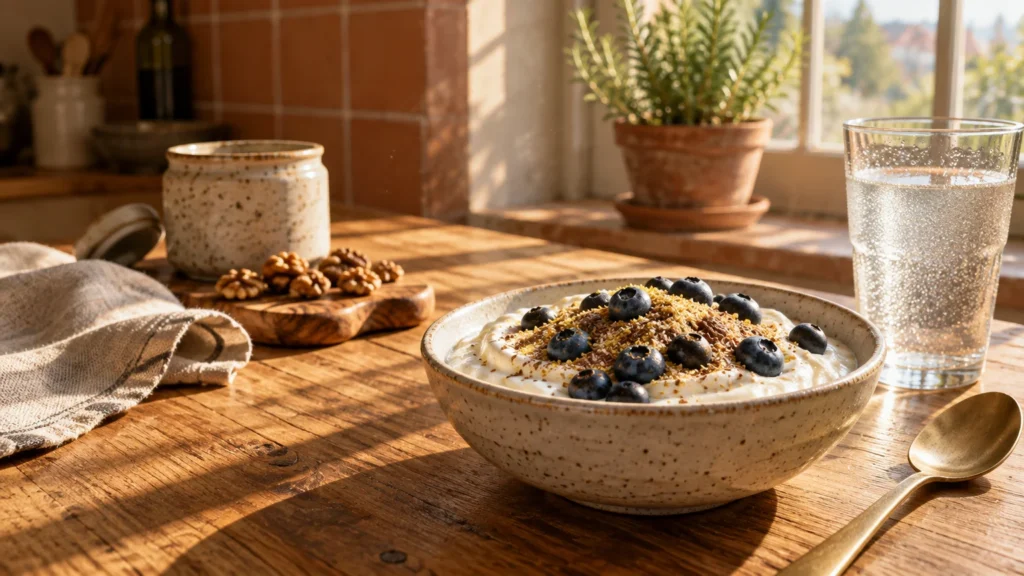
Stirring a tablespoon of ground flaxseed into warm morning oatmeal is a simple way to enrich your daily routine. Ground seeds are far easier for your digestive system to absorb than whole seeds.
You can also sprinkle chia seeds over yogurt or blend them into fruit smoothies. They swell with fluid, providing both essential fats and sustained hydration throughout your busy day.
5. Dark Leafy Greens
Spinach, kale, collard greens, and Swiss chard contain exceptional levels of lutein and zeaxanthin. These plant pigments accumulate directly within ocular tissues to filter blue light and neutralize oxidative damage.
Leafy greens also supply valuable vitamin E and folate, which support cellular repair throughout your eyes. Protecting your meibomian glands from oxidative stress keeps their oils clear and flowing freely.
Steaming fresh spinach with garlic creates a tender, nutrient-dense side dish that pairs wonderfully with any protein. Cooking greens gently actually helps your body absorb their carotenoids more efficiently.
Adding a squeeze of fresh lemon juice over cooked greens enhances the absorption of their plant-based iron. This simple culinary trick elevates flavor while multiplying the nutritional value of your meal.
Tossing tender baby kale into a lunchtime salad offers an easy texture that is gentle on dental work. Add a splash of vinaigrette made with extra virgin olive oil to maximize nutrient uptake.
If you find raw greens difficult to digest, try blending a handful of mild baby spinach into a morning smoothie. You will enjoy all the tear-supporting benefits without altering the refreshing fruit flavor.
6. Cucumbers and Celery
Proper tear volume relies entirely on your body having sufficient water to produce the middle aqueous layer. Because older adults often experience a blunted thirst sensation, subclinical dehydration frequently dries out the eyes.
The National Academy of Medicine advises total daily fluid intakes of 2.7 liters for women and 3.7 liters for men. Water-dense produce like cucumbers and celery makes meeting these daily targets much easier.
Cucumbers consist of over 95% water and contain trace minerals such as silica and potassium. These electrolytes help your cells retain fluid where your ocular tissues need it most.
Slicing chilled cucumbers into a pitcher of drinking water imparts a crisp, refreshing flavor that encourages regular sipping. You can also dip crunchy celery sticks into guacamole or almond butter for a hydrating snack.
Snacking on crisp cucumber rounds during warm afternoons also helps replenish vital intracellular fluids. Their high water content gently hydrates your system without creating sudden spikes in blood pressure.
Enjoying a chilled gazpacho or a simple cucumber salad in the summer replenishes fluids lost to dry air. Eating your hydration ensures a steady, slow-release absorption of essential water throughout the afternoon.
7. Pumpkin Seeds and Lean Poultry
Pumpkin seeds, oysters, and lean poultry deliver generous amounts of dietary zinc. Zinc is a vital trace mineral that works closely with vitamin A to safeguard your visual system.
Specifically, your body requires zinc to produce the enzymes that transport vitamin A from your liver to your ocular surface. Without sufficient zinc, your tear glands cannot utilize vitamin A effectively.
The Recommended Dietary Allowance for zinc is 11 milligrams daily for men and 8 milligrams daily for women. A single ounce of roasted pumpkin seeds provides nearly a third of your daily need.
Sprinkle shelled pumpkin seeds, also known as pepitas, over warm soups, roasted vegetables, or garden salads. They add a delightful nutty crunch without posing a hazard to sensitive teeth.
Lightly toasting pumpkin seeds in a dry skillet over low heat unlocks their rich, earthy aroma. Be sure to avoid excessive salt to protect your cardiovascular health and maintain optimal fluid balance.
Tender roasted chicken breast or turkey also supplies bioavailable zinc alongside complete proteins. These amino acids help maintain the delicate microscopic cellular architecture of your tear-producing glands.

Important Safety Precautions to Keep in Mind
While improving your diet offers wonderful benefits, making changes thoughtfully ensures your safety and comfort. Always introduce new fibrous foods and seeds gradually to allow your digestion time to adjust comfortably.
If you take prescription blood thinners such as warfarin, be mindful of sudden shifts in your vitamin K intake. Dark leafy greens contain high levels of vitamin K, which can influence blood-clotting medications.
Consult your physician before dramatically increasing your consumption of spinach, kale, or collard greens. Consistent daily intake is far safer than erratic spikes when managing anticoagulant therapies.
If you have kidney disease or are on a potassium-restricted diet, speak with your dietitian before increasing sweet potatoes or leafy greens. Individual medical needs always take precedence over general dietary recommendations.
Be cautious with high-dose dietary supplements, particularly preformed vitamin A (retinol). Excessive vitamin A accumulates in the liver and can cause serious toxicity over time.
Focusing on beta-carotene from colorful fruits and vegetables is much safer because your body converts only what it requires. Whole foods provide balanced nutrients without the risks linked to isolated megadosing.
For seniors with dental bridges or chewing difficulties, raw seeds and crunchy nuts may feel challenging to eat. Opt for creamy walnut butter, finely ground flaxseed, or softened cooked vegetables instead.
Always wash fresh produce thoroughly to eliminate potential surface bacteria and contaminants. Proper food preparation safeguards your digestive health while you nourish your precious vision.

When to Speak with a Healthcare Professional
Dietary improvements provide powerful baseline support, but they cannot replace professional medical evaluations. Persistent or worsening ocular symptoms require a thorough examination by an optometrist or ophthalmologist.
Schedule an appointment immediately if you experience sharp eye pain, sudden changes in vision, or extreme light sensitivity. These warning signs may indicate corneal scratches, infections, or acute ocular emergencies.
You should also consult an eye care specialist if you notice thick yellow discharge or persistent crusting along your eyelids. These symptoms frequently point to bacterial infections that require prescription antimicrobial drops.
Mention your symptoms to your primary care physician, as dry eyes can occasionally signal underlying autoimmune conditions like Sjögren’s syndrome or rheumatoid arthritis. A complete medical review ensures no underlying conditions go unaddressed.
Share an updated list of all medications you take with your healthcare team during your visits. Common prescriptions like antihistamines, blood pressure pills, and antidepressants can worsen ocular dryness.
Do not hesitate to seek guidance if dry eye discomfort interferes with your ability to read, drive, or sleep peacefully. Modern eye care offers numerous gentle therapies that work alongside healthy nutrition to restore lasting ease.
For authoritative, trustworthy health information, always consult official sources like the National Institute on Aging (NIA) and MedlinePlus from the National Library of Medicine. The CDC also provides excellent resources for older adults.
Frequently Asked Questions
How quickly will dietary changes improve my dry eye symptoms?
Most seniors notice positive improvements within four to eight weeks of consistent nutritional changes. Cells require adequate time to absorb new fatty acids and rebuild tear film stability.
Consistency is essential when using foods for tear production. Incorporating these healthy items into your everyday meals ensures ongoing moisture and steady relief.
Can drinking more plain water completely cure dry eyes?
Increasing water intake supports the aqueous tear layer, but water alone cannot resolve dry eyes. Because most cases involve poor oil quality, you also need healthy dietary fats to prevent evaporation.
Combining proper hydration with omega-3 fatty acids creates a balanced, stable tear film that lasts. Eating water-rich vegetables offers both fluid and cellular minerals simultaneously.
Are fish oil supplements better than eating whole fish?
Whole fish is generally preferable because it provides complete proteins, selenium, and vitamin D alongside healthy fats. The synergistic blend of nutrients in whole food improves total absorption.
Findings from the DREAM study showed that whole dietary sources provide significant symptom relief without megadoses. If you dislike fish, speak with your doctor about a clean, tested supplement option.
Why do my eyes water constantly if they are actually dry?
Watery eyes are often a natural reflex triggered by chronic ocular surface irritation. When tears lack adequate protective oils, the cornea dries out and signals the lacrimal gland to flood the eye.
These reflex tears consist mostly of water and quickly roll down your cheeks without soothing the eye. Nourishing your meibomian glands helps tears cling properly and stops reflex tearing.
Disclaimer: This article is for informational purposes only and does not constitute medical advice. Always seek the advice of your physician or other qualified health provider with any questions you may have regarding a medical condition.