Maintaining steady physical energy and sharp thinking becomes increasingly vital as you celebrate your golden years. A subtle drop in key nutrients can quietly drain your vitality before you realize what is happening.
Vitamin B12 supports your nerves, brain cells, and red blood cells every single day. Recognizing early warning signals allows you to protect your strength and safeguard your cherished independence.
Here are the essential clues to watch for and practical ways to replenish your body. Simple adjustments can help you feel vibrant, focused, and energized again.
Understanding the Basics of Vitamin B12 for Seniors
Vitamin B12, also called cobalamin, is an essential water-soluble nutrient that your body cannot manufacture. You must obtain it consistently through the foods you eat or targeted dietary supplements.
Inside your body, this vitamin plays an indispensable role in producing healthy red blood cells. It also supports DNA synthesis, which allows your tissues to repair and renew themselves efficiently.
Perhaps most importantly, vitamin B12 preserves the myelin sheath that insulates your delicate nerve fibers. Without this protective coating, nerve communication slows down, leading to neurological complications.
Understanding vitamin b12 for seniors requires looking closely at how our digestive systems evolve over time. Even if you consume a nutritious diet, your body may struggle to extract this vital compound.
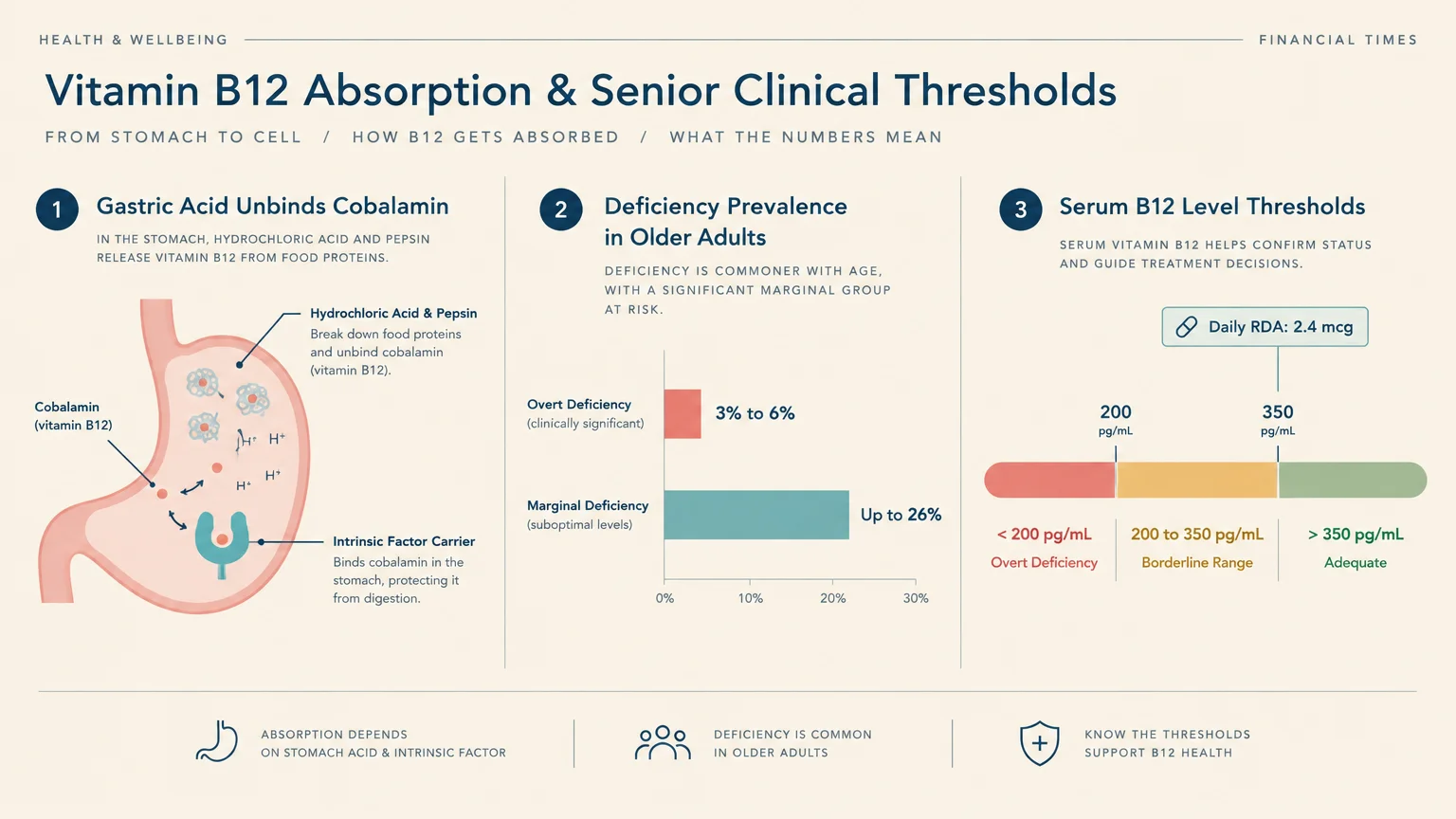
In natural food sources, cobalamin remains tightly bound to animal proteins. Your stomach must produce adequate hydrochloric acid and pepsin enzymes to unbind the nutrient for later absorption.
Unfortunately, between 10% and 30% of older adults develop atrophic gastritis as they age. This chronic condition inflames the stomach lining and significantly diminishes natural gastric acid secretion.
Without sufficient stomach acid, your digestive tract cannot liberate food-bound cobalamin effectively. As a consequence, the nutrient passes through your system unabsorbed, slowly depleting your liver’s storage reserves.
Additionally, between 8% and 9% of older adults experience autoimmune atrophic gastritis. This autoimmune variant destroys specialized parietal cells responsible for making intrinsic factor.
Intrinsic factor is a crucial transport protein that carries cobalamin to receptors in your small intestine. When intrinsic factor vanishes, pernicious anemia develops; this condition accounts for 15% to 25% of adult deficiencies.
Data from national health surveys reveals that 3% to 6% of older adults suffer from overt deficiency. Even more concerning, up to 26% of seniors live with marginal or borderline deficiencies.
The standard Recommended Dietary Allowance for adults aged 55 and older is 2.4 micrograms per day. However, national dietary guidelines urge seniors to obtain this amount primarily through fortified foods or supplements.
Crystalline forms found in fortified products do not require stomach acid for protein cleavage. Your body absorbs this free form much more readily, making it an ideal choice for mature adults.
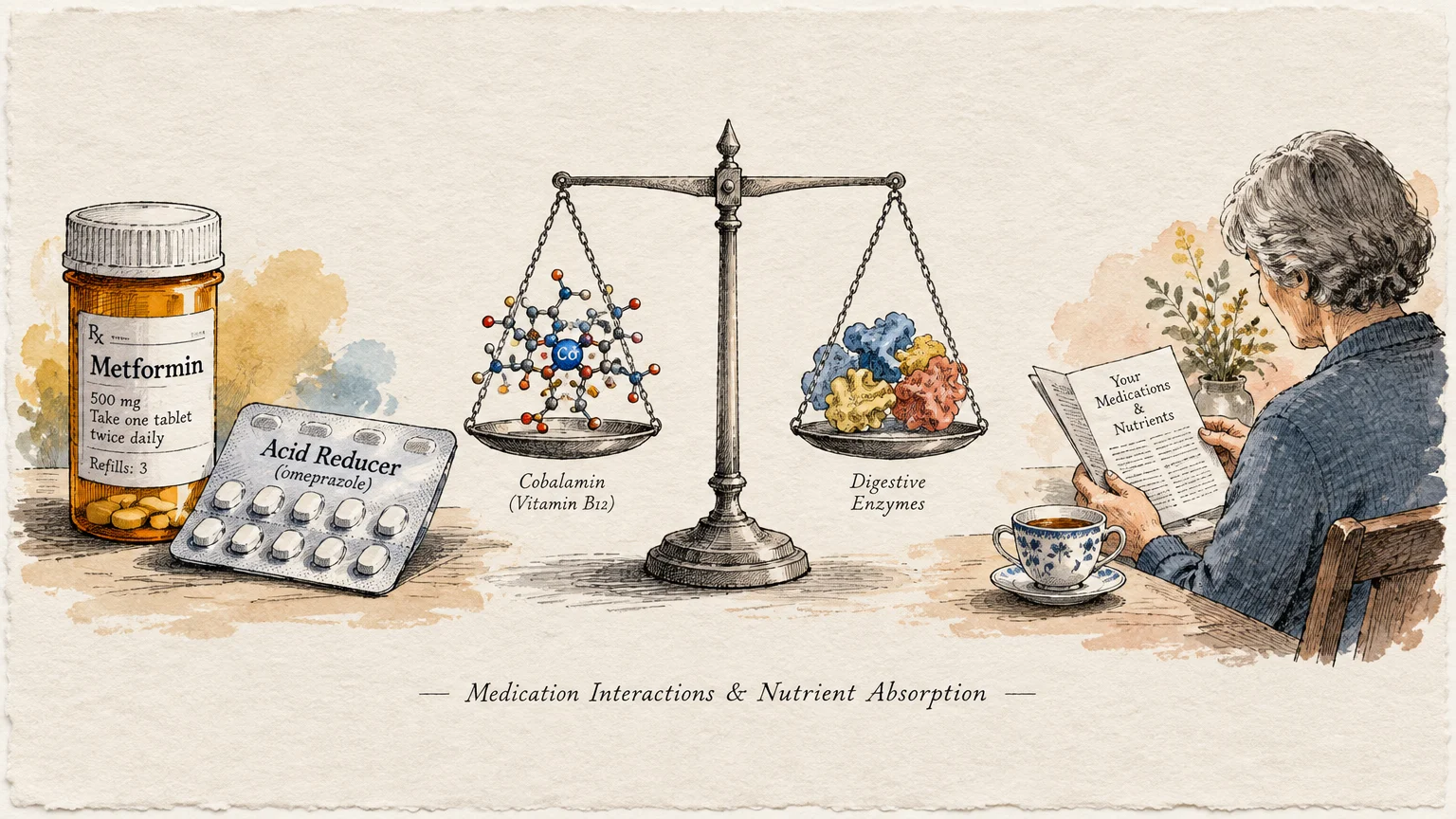
Common medications can compound these age-related absorption hurdles. For example, prolonged use of metformin for blood sugar management is associated with a 10% to 30% reduction in absorption.
Because of this effect, the American Diabetes Association advises periodic screening for anyone taking metformin. Long-term use of acid-suppressing proton pump inhibitors and H2 blockers similarly impairs natural digestion.
Standard medical guidelines identify serum levels below 200 pg/mL as an overt deficiency. Meanwhile, readings between 200 and 350 pg/mL indicate a borderline status that often triggers hidden symptoms.
Up to half of all seniors testing in this borderline range exhibit cellular deficiency. Measuring secondary markers like methylmalonic acid and homocysteine provides doctors with definitive diagnostic confirmation.

Practical Tips for a Healthier, Happier Life
Recognizing the early warning signals of nutrient depletion gives you the power to intervene quickly. Being attentive to your body helps prevent minor deficits from turning into lasting health challenges.
Below are six key signs that your body needs more cobalamin, followed by actionable steps to restore your reserves.
1. Unexplained Fatigue and Persistent Exhaustion
Do you feel exhausted even after a full night of peaceful sleep? Lingering fatigue is one of the most frequent vitamin b12 deficiency signs observed in mature individuals.
When your system lacks adequate cobalamin, red blood cell production falters noticeably. Your bone marrow begins releasing oversized, immature red blood cells that cannot function normally.
This condition, called megaloblastic anemia, impairs the delivery of vital oxygen to your organs and muscles. As your tissues starve for oxygen, you experience heavy limbs and overwhelming physical sluggishness.
Simple daily tasks, like tidying your living room or strolling through the grocery store, can leave you completely drained. You may also notice your heart beating faster as it works harder to circulate oxygen.
Revitalize your mornings by enjoying a bowl of fortified oatmeal or whole-grain flakes with fortified almond milk. This effortless breakfast swap delivers easily absorbed crystalline nutrients directly to your bloodstream.
2. Numbness, Tingling, and Sensations of Pins and Needles
A curious prickling sensation in your fingers or toes warrants prompt attention. These tingling sensations are common b12 deficiency symptoms that point directly toward irritated peripheral nerves.
Cobalamin plays a mandatory role in synthesizing myelin, the fatty protective coat surrounding your nerve pathways. When nutrient levels decline, this protective myelin layer gradually degrades and frays.
As myelin breaks down, electrical impulses travel erratically through your peripheral nervous system. You might feel burning in your soles, cold sensations in your fingers, or temporary numbness.
Left unaddressed, prolonged myelin damage can lead to lasting peripheral nerve complications. Replenishing your nutrient stores early halts this destructive process and allows your delicate nerve sheaths to mend.
Keep a daily sensory log to document where and when these tingling sensations occur. Sharing these concrete observations with your physician accelerates an accurate diagnosis and treatment plan.
3. Unsteadiness, Loss of Balance, and Mobility Changes
Have you noticed unexpected stumbles or found yourself relying heavily on nearby furniture for support? Balance changes often signal that nerve pathways controlling spatial awareness are struggling.
Your nervous system relies on specialized sensory fibers to inform your brain about foot placement. When a nutrient shortfall damages these sensory pathways, your proprioception—or positional awareness—becomes dull and sluggish.
This sensory disconnect makes walking across thick carpets, dimly lit rooms, or uneven sidewalks surprisingly hazardous. For older adults, declining balance dramatically increases the risk of dangerous accidental falls.
Rebuilding your balance involves both nutritional therapy and targeted physical movement. As you replenish your internal reserves, your nerves slowly regain the ability to transmit crisp spatial signals.
Practice gentle stability exercises daily, such as standing on one foot while holding a solid counter. Pairing these exercises with proper nutrition restores your physical confidence and preserves your mobility.
4. Brain Fog, Forgetfulness, and Verbal Slips
Experiencing moments of forgetfulness or struggling to find familiar words during conversations can feel deeply unsettling. Fortunately, cognitive fogginess often reflects reversible nutritional shortages rather than progressive neurological decline.
Cobalamin helps regulate homocysteine levels, an amino acid that can irritate brain vasculature when elevated. Furthermore, this vitamin actively supports the chemical messengers required for swift memory recall and mental focus.
When levels sink, processing speeds slow down and concentration becomes frustratingly difficult to maintain. These low b12 symptoms are frequently misattributed to normal aging or early dementia.
Clinical studies demonstrate that restoring adequate levels can clear brain fog and sharpen everyday cognitive performance. Reversible cognitive changes often resolve completely once nutritional balance returns.
Nourish your brain by pairing regular mental stimulation with nutrient-dense meals. Solve daily puzzles, enjoy stimulating books, and incorporate fortified nutritional yeast into your favorite soups and salads.
5. Low Spirits, Irritability, and Heightened Worry
Your emotional equilibrium depends heavily on the continuous synthesis of essential neurotransmitters. Vitamin B12 serves as an indispensable coenzyme in manufacturing serotonin and dopamine, chemicals that foster emotional calm.
When your body runs low on this essential nutrient, neurotransmitter production drops noticeably. You might experience unexplained mood swings, bouts of low motivation, or unexpected surges of anxiety.
Research shows that seniors with low cobalamin concentrations face a higher incidence of clinical depression. Addressing a nutritional deficit provides foundational support for your mental and emotional well-being.
Do not dismiss persistent low spirits as an inevitable burden of getting older. Simple blood tests can reveal whether your mood changes have an easily treatable biochemical root.
Support your emotional health by spending time outdoors in refreshing natural light each morning. Gentle walking outdoors stimulates feel-good endorphins while you work with your doctor on nutritional therapies.
6. A Tender, Smooth Tongue and Mouth Irritation
Your mouth often provides visible clues when your body is craving essential B vitamins. A classic warning sign is atrophic glossitis, a condition that alters the surface of your tongue.
Tiny textured nodules called papillae cover a healthy tongue and house your taste buds. When cobalamin levels plummet, these delicate papillae shrink and vanish, leaving your tongue remarkably smooth and shiny.
Your tongue may also become swollen, inflamed, and intensely red. Many people report a persistent burning sensation or sharp discomfort when consuming spicy, warm, or acidic foods.
In addition to tongue changes, you might develop shallow mouth ulcers or notice a diminished sense of taste. These symptoms can make eating uncomfortable, leading to unintended weight loss and further nutritional deficits.
Soothe oral tenderness by rinsing gently with warm saltwater after meals. Choose soft, soothing foods like smoothies, yogurt, and mild vegetable purees while your body rebuilds its nutrient stores.
Actionable Steps to Replenish Your Vitamin B12
Eating a thoughtful variety of nutrient-rich foods provides a solid foundation for optimal wellness. Wild salmon, canned tuna, lean poultry, pasture-raised eggs, and Greek yogurt offer exceptional natural nutrition.
For plant-based eaters, fortified nutritional yeast offers an outstanding savory addition to roasted vegetables. Fortified plant milks and fortified breakfast cereals also supply reliable crystalline forms.
Under normal digestive conditions, your stomach can only absorb 1.5 to 2.0 micrograms per meal using intrinsic factor. However, passive diffusion through intestinal walls absorbs roughly 1% to 2% of any oral dose.
By utilizing high-dose oral supplements containing 500 to 1,000 mcg, you bypass compromised intrinsic factor entirely. This predictable passive absorption ensures seniors absorb sufficient amounts to replenish depleted body reserves.
Taking advantage of proven b12 supplement benefits helps you maintain steady physical energy and vibrant mental focus. Consistency is key; take your supplement at the same time each morning with water.
Important Safety Precautions to Keep in Mind
Vitamin B12 is remarkably safe for older adults because it dissolves in water. Your body easily flushes any extra amount out through your urine, preventing dangerous toxicity.
Because of this exceptional safety profile, health authorities have not established a tolerable upper intake level. High doses are generally well tolerated, even when taken over extended periods.
However, you must exercise caution regarding high doses of folic acid, also known as vitamin B9. Excessive folate intake can correct anemia on a blood test while masking advancing nerve damage.
If you consume high doses of folic acid without addressing cobalamin, neuropathy can silently worsen. Always ensure your healthcare provider evaluates both vitamins together before initiating high-dose folate therapy.
Be mindful of how your regular prescription medications interact with nutrient absorption. Heartburn medications like omeprazole and famotidine suppress gastric acid, hindering your ability to liberate food-bound cobalamin.
If you take acid-reducing medications or metformin, you will likely require crystalline supplements rather than relying solely on food. Discuss your complete medication list with your doctor to determine appropriate supplement dosages.
Select quality supplements verified by independent testing seals, such as USP or NSF International. These certifications ensure your product contains the pure ingredients listed on the label without harmful contaminants.

When to Speak with a Healthcare Professional
While educational resources offer helpful guidance, they cannot replace personalized clinical care from a physician. If you experience persistent numbness, gait instability, or noticeable memory changes, schedule an evaluation immediately.
During your appointment, ask your doctor to order a complete blood count and a serum cobalamin panel. If your serum test falls between 200 and 350 pg/mL, request follow-up methylmalonic acid testing.
A methylmalonic acid level exceeding 0.27 µmol/L signals an active cellular deficiency requiring treatment. Your physician can determine whether you require initial intramuscular injections or daily high-dose oral supplementation.
Clinical injections quickly replenish depleted stores in individuals with severe neurological symptoms or advanced malabsorption. For maintenance, high-dose oral therapy of 1,000 mcg daily typically delivers equivalent long-term outcomes.
Regular follow-up blood tests every six to twelve months will confirm that your levels have stabilized safely. This proactive partnership with your healthcare provider protects your vitality, mobility, and cherished independence.
For authoritative, trustworthy health information, always consult official sources like the National Institute on Aging (NIA) and MedlinePlus from the National Library of Medicine. The CDC also provides excellent resources for older adults.
Disclaimer: This article is for informational purposes only and does not constitute medical advice. Always seek the advice of your physician or other qualified health provider with any questions you may have regarding a medical condition.
Frequently Asked Questions
Can seniors get enough vitamin B12 through a healthy diet alone?
Eating nutrient-dense foods is wonderful, but age-related digestive changes often impair natural absorption. Because atrophic gastritis reduces stomach acid, older adults struggle to liberate food-bound cobalamin from meats and dairy.
For this reason, dietary guidelines recommend that adults over 50 consume fortified foods or daily supplements. These crystalline sources do not require stomach acid for absorption, ensuring reliable nutrient uptake.
What is the difference between cyanocobalamin and methylcobalamin?
Cyanocobalamin is a synthetic, highly stable form that your body converts into active cobalamin coenzymes. Methylcobalamin is a naturally occurring, bioidentical form involved directly in neurological methylation processes.
Both forms effectively elevate blood levels and resolve clinical deficiencies in medical studies. You can consult your healthcare provider to decide which formulation best matches your unique metabolic needs.
How long does it take to recover from low cobalamin levels?
Most individuals experience noticeable improvements in energy and red blood cell counts within two to four weeks. However, repairing damaged nerve pathways takes more time, often requiring three to six months.
Severe nerve damage may take up to a full year to heal completely. Initiating treatment early prevents permanent nerve injury and accelerates your journey back to vibrant health.
Are vitamin B12 injections better than high-dose oral pills?
Intramuscular injections bypass the digestive system entirely, making them ideal for rapid replenishment in severe malabsorption. However, high-dose oral supplements of 500 to 1,000 mcg achieve comparable blood levels over time.
Through passive diffusion, your body absorbs 1% to 2% of oral doses even without intrinsic factor. Your physician will help you choose between injections and oral therapy based on your symptoms.