
Your annual wellness visit offers the ideal moment to optimize your vitality and prevent hidden nutritional gaps. Asking your doctor about key nutrients can protect your energy, bone strength, and brain health as you age.
Natural digestive changes often alter how your body absorbs critical micronutrients after age 60. A focused conversation helps you select the right supplements while avoiding risky interactions with daily prescription medications.
Discussing these five targeted vitamins empowers you to take charge of your longevity with confidence. You can work alongside your physician to build a personalized, balanced plan that truly supports your active lifestyle.
Understanding the Basics of Essential Vitamins for Seniors
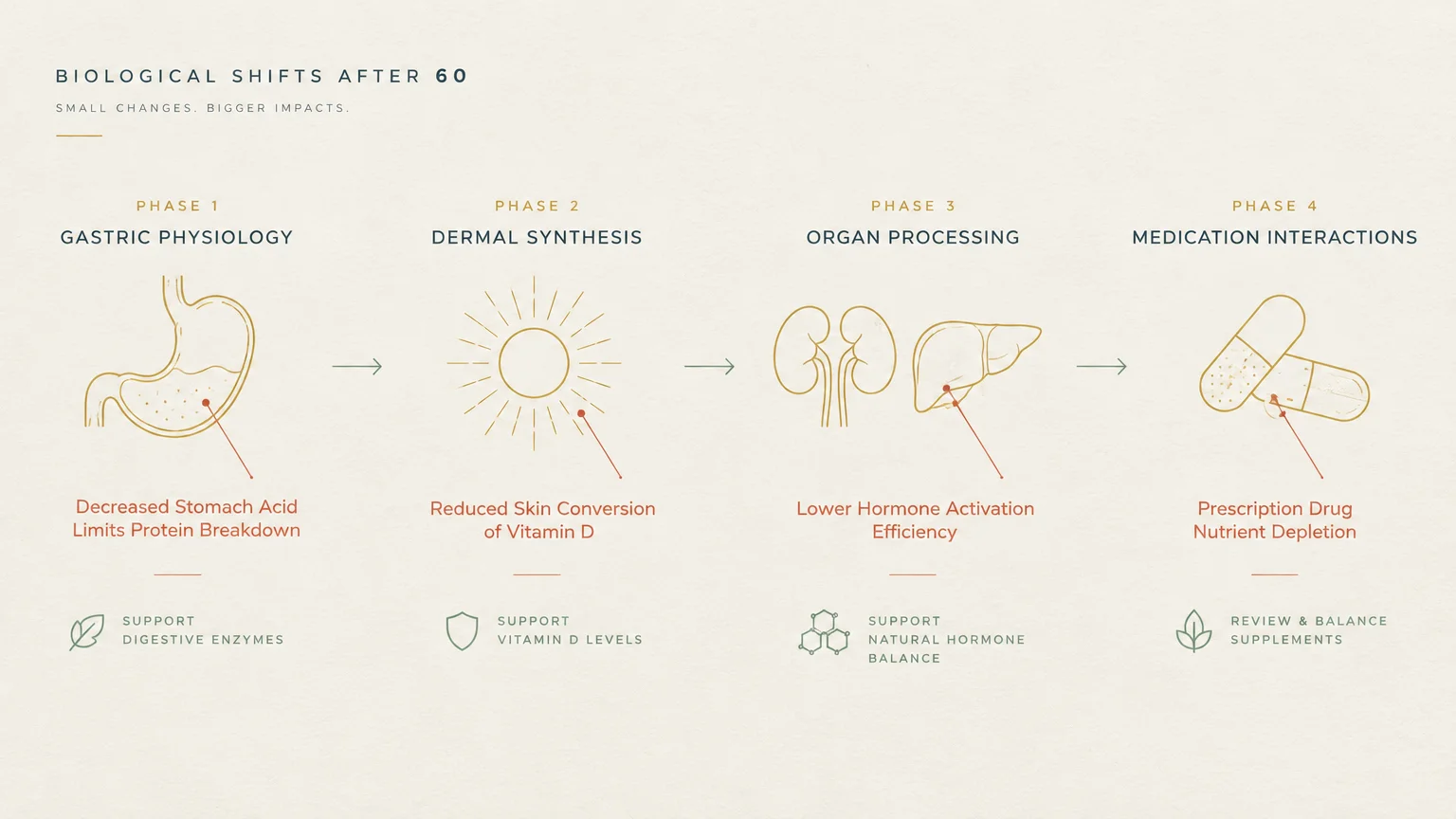
Aging gently alters your digestive physiology in subtle ways that affect nutrient absorption. Even if you eat nutritious meals every day, your gastrointestinal tract may extract fewer vitamins than it once did.
As the years pass, stomach acid production naturally declines for many older adults. This change makes it much harder to break down food proteins and release bound micronutrients.
Your skin also produces less vitamin D when exposed to natural sunlight. At the same time, your liver and kidneys convert raw nutrients into active hormones with lower efficiency.
These biological shifts mean that standard dietary recommendations for younger adults no longer fit your needs. Your body requires targeted nutritional strategies designed specifically for your stage of life.
Many seniors also take prescription medications to manage blood pressure, cholesterol, or blood sugar levels. While these medications are lifesaving, some can gradually deplete essential vitamins in your system.
A routine senior vitamin checkup allows your doctor to identify these quiet depletions early. Addressing minor shortfalls promptly prevents them from turning into disruptive health challenges later on.
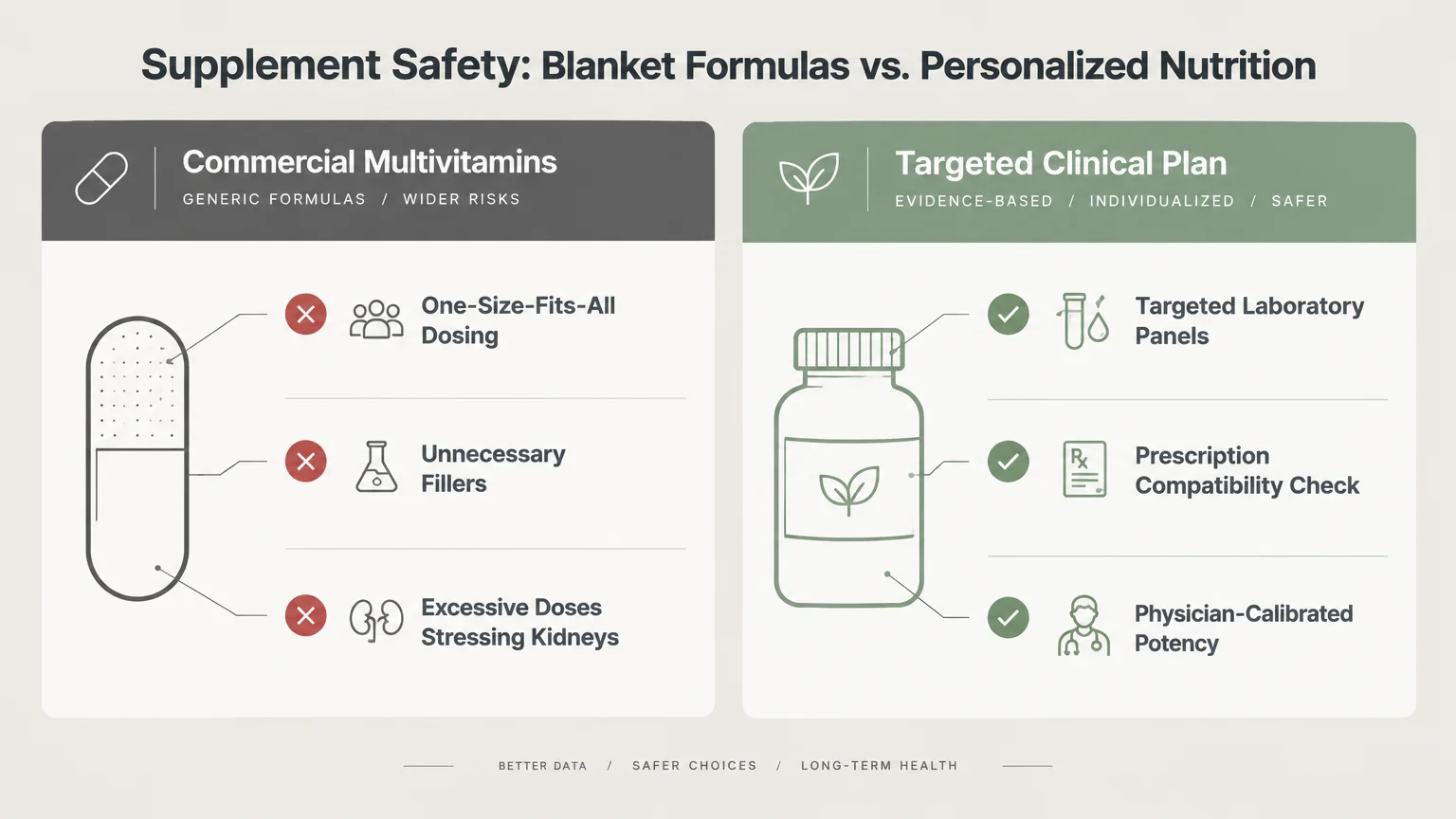
Standard commercial multivitamins often take a one-size-fits-all approach that ignores your personal biology. Some over-the-counter formulas contain unnecessary fillers or excessive doses that stress your kidneys.
Personalized nutrition focuses on what your unique body actually needs to thrive. Partnering with your primary care provider ensures that you supplement with purpose, safety, and precision.
Modern clinical guidelines emphasize evaluating your symptoms alongside targeted laboratory panels. This combined approach gives your doctor an accurate picture of your internal cellular health.
Understanding these fundamental changes helps you advocate for your health during medical appointments. You can ask informed questions and make collaborative decisions that enhance your daily well-being.
Staying proactive about essential vitamins after 60 protects your physical independence and mental clarity. It provides the strong biochemical foundation your body needs to remain energetic and resilient.

Practical Tips for a Healthier, Happier Life
Navigating the world of dietary supplements can feel confusing without clear clinical guidance. Focusing on five specific vitamins to ask doctor about provides an organized framework for your wellness discussions.
These essential nutrients rank among the most important vitamins for seniors seeking to protect neurological function and bone density. Let us explore each vitamin and how you can approach it collaboratively with your physician.
1. Vitamin B12: Guarding Your Nervous System and Energy
Vitamin B12 is essential for producing healthy red blood cells and maintaining the protective myelin sheath around nerves. Without adequate B12, you may experience persistent fatigue, balance instability, and memory lapses.
Clinical research reveals that 10% to 15% of adults over 60 are clinically deficient in vitamin B12. Furthermore, up to 40% exhibit low or marginal blood levels that cause subtle symptoms.
The recommended daily intake is 2.4 mcg for older adults. However, absorbing natural B12 from animal protein requires robust stomach acid and an internal transport protein called intrinsic factor.
Between 10% and 30% of seniors develop atrophic gastritis, a condition that substantially decreases stomach acid output. For this reason, medical guidelines advise seniors to consume fortified foods or synthetic crystalline B12 supplements.
Crystalline forms of vitamin B12 do not require gastric acid for protein separation, making them readily absorbable. Your doctor can recommend an appropriate oral dosage or sublingual tablet tailored to your needs.
Long-term use of common medications like metformin for diabetes or proton pump inhibitors for acid reflux directly inhibits B12 absorption. If you take these medications daily, schedule a vitamin deficiency screening promptly.
A serum B12 reading below 180 to 200 pg/mL confirms a clinical deficiency. If your result is borderline between 180 and 350 pg/mL, your doctor can order a methylmalonic acid test to confirm cellular starvation.
2. Vitamin D: Preserving Bones, Muscles, and Longevity
Vitamin D acts as a master hormone that controls calcium absorption, bone mineralization, and immune defense. Maintaining adequate levels helps protect you against bone fractures, muscle weakness, and debilitating falls.
The National Academy of Medicine recommends 600 IU (15 mcg) daily for adults ages 51 to 70. That recommendation rises to 800 IU (20 mcg) daily for adults aged 71 and older.
In August 2024, the Endocrine Society updated its clinical guidelines regarding routine vitamin D screening. The society advised against routine 25-hydroxyvitamin D blood tests in healthy, asymptomatic adults.
However, the Endocrine Society specifically recommended empiric vitamin D supplementation for adults aged 75 and older to lower mortality risk. They also recommended daily supplementation for adults with prediabetes to reduce the risk of type 2 diabetes.
Medicare coverage rules align closely with federal preventive recommendations. Medicare Part B does not cover routine screening in healthy individuals, approving laboratory tests only when deemed medically necessary for conditions like osteoporosis or kidney disease.
The safe upper limit for adult vitamin D intake is 4,000 IU daily. Ask your doctor whether empiric supplementation or a diagnostic blood draw best matches your personal medical history.
3. Vitamin B6: Supporting Brain Function and Metabolism
Vitamin B6, or pyridoxine, plays an indispensable role in cellular metabolism, cognitive function, and immune resistance. It helps your body synthesize crucial neurotransmitters that regulate your mood and sleep cycles.
Unlike many other nutrients, the recommended intake for vitamin B6 increases significantly after age 50. Men require 1.7 mg daily, while women need 1.5 mg daily, up from 1.3 mg during earlier adulthood.
Older adults frequently experience marginal B6 levels due to reduced dietary intake and altered renal clearance. Including chickpeas, wild salmon, and fortified cereals in your diet helps support these age-adjusted targets.
Caution is essential because over-the-counter energy formulas frequently contain mega-doses of B6 that far exceed your daily requirements. The established tolerable upper intake level for adults is 100 mg daily.
Excessive B6 intake over months can paradoxically cause sensory peripheral neuropathy, producing painful numbness and tingling in your hands and feet. Review all supplement labels with your doctor to avoid accidental overdosing.
4. Vitamin B9 (Folate): Striking the Right Balance
Folate, also known as vitamin B9, supports healthy cellular division, DNA repair, and red blood cell synthesis. Adults need 400 mcg of dietary folate equivalents (DFE) daily from nutritious foods and supplements.
Dark leafy greens, asparagus, beans, and citrus fruits supply natural folate that nourishes your cardiovascular system. However, many manufactured foods and daily multivitamins contain synthetic folic acid.
The tolerable upper intake level for synthetic folic acid is 1,000 mcg (1 mg) daily. Consuming high-dose folic acid supplements without medical supervision poses a serious diagnostic danger for older adults.
Excessive folic acid can correct the megaloblastic anemia caused by an underlying B12 deficiency. While your blood counts appear normal on paper, severe nerve damage continues to progress silently without treatment.
Your physician should always evaluate your vitamin B12 and folate levels together. This comprehensive senior vitamin checkup ensures that your neurological health remains thoroughly protected while treating any subtle anemia.
5. Vitamin K: Protecting Bones and Cardiovascular Harmony
Vitamin K serves as a critical biological partner to vitamin D by directing calcium straight into your bone matrix. It prevents calcium from depositing dangerously inside your arterial walls and soft tissues.
The recommended adequate intake is 120 mcg daily for adult men and 90 mcg daily for adult women. You can find vitamin K naturally in collard greens, spinach, broccoli, and fermented foods.
A vital clinical interaction exists between vitamin K and anticoagulant medications such as warfarin. Vitamin K directly assists your liver in manufacturing blood-clotting proteins, counteracting the intended effect of blood thinners.
Sudden changes in your vitamin K consumption can dangerously destabilize your International Normalized Ratio (INR) levels. These sudden shifts increase your clinical risk for serious blood clots or life-threatening hemorrhages.
You must inform your healthcare team before starting any new supplement containing vitamin K. Consistency in your daily dietary intake is the key to staying safe while taking anticoagulant therapy.
Actionable Routines for Optimal Nutrient Utilization
Maximizing the benefits of your supplements requires thoughtful timing and consistent daily habits. Simple adjustments in how you take your vitamins can dramatically improve gastrointestinal absorption.
Fat-soluble vitamins such as D and K require dietary lipids for efficient transport across your intestinal wall. Always take these supplements alongside a meal containing healthy fats like avocado, olive oil, or eggs.
Water-soluble B vitamins dissolve quickly and support natural cellular energy production throughout your morning hours. Take them with your breakfast to avoid potential sleep disruption later in the evening.
Using a compartmentalized weekly pill organizer prevents missed doses and accidental double dosing. Keeping your supplement routine orderly removes guesswork and keeps your clinical plan running smoothly.
Maintain an accurate written list of every vitamin, mineral, and botanical extract you take each day. Bring this comprehensive inventory to every single medical appointment for careful review.
Important Safety Precautions to Keep in Mind
Many people mistakenly assume that over-the-counter dietary supplements are entirely harmless because they do not require a prescription. In reality, high doses of isolated nutrients can strain your vital organs.
Unlike water-soluble vitamins that exit through urine when consumed in excess, fat-soluble vitamins accumulate inside your liver and adipose tissue. Chronic accumulation of vitamins like A and D can cause dangerous toxicity over time.
The Food and Drug Administration does not inspect dietary supplements for safety and efficacy before they enter retail store shelves. This regulatory gap makes third-party quality verification essential for consumer safety.
Look for recognized seals of quality from independent organizations such as USP, NSF International, or ConsumerLab. These respected certifications verify that the bottle contains the stated ingredients without harmful contaminants or heavy metals.
Never begin a high-dose vitamin regimen without first consulting your primary care provider. Unsupervised supplementation can mask underlying diseases or skew standard diagnostic lab results.
Supplements should always serve as an addition to a wholesome diet rather than a replacement for real food. Whole foods provide dietary fiber, phytonutrients, and synergistic enzymes that pills simply cannot replicate.
Be mindful of overlapping ingredients if you take multiple nutritional products at the same time. Many fortified protein powders, drinks, and daily multivitamins combine to create unintended mega-doses.
Pay close attention to how your stomach tolerates new vitamins or mineral compounds. If a supplement causes nausea, acid reflux, or bowel irregularity, stop taking it and notify your physician.

When to Speak with a Healthcare Professional
Your physician is your most valuable ally in creating a safe and effective nutritional strategy. Scheduling regular conversations ensures your supplement regimen evolves as your health profile changes over time.
Contact your doctor immediately if you notice new or unexplained neurological symptoms. Sensations like tingling in your feet, pins and needles in your hands, or unsteady balance demand prompt medical evaluation.
Persistent physical exhaustion that does not improve after restful sleep warrants clinical attention. Your provider can order focused blood tests to screen for underlying B12 deficiency or anemia.
Sudden changes in your cognitive focus, such as heightened forgetfulness or brain fog, also require professional assessment. Early identification of nutritional deficiencies can reverse cognitive symptoms before permanent damage occurs.
Whenever your doctor prescribes a new medication, ask specifically how it might interact with your current vitamins. Antacids, antibiotics, diuretics, and diabetes therapies frequently alter nutrient handling in your body.
Prepare for your next clinical visit by placing all your supplement bottles into a single bag. Showing the exact labels to your doctor eliminates confusion regarding brand dosages and hidden ingredients.
Advocate for your well-being by asking whether specific blood tests are clinically warranted for your situation. Open communication transforms your checkup into a collaborative partnership focused on vibrant healthy aging.
Frequently Asked Questions
Can a standard multivitamin replace individualized vitamin testing?
A generic multivitamin cannot replace personalized clinical testing or targeted medical supplementation. Most broad-spectrum formulas contain arbitrary amounts that may provide too little of what you lack and too much of what you already have.
Customizing your intake based on medical guidance ensures you address verified deficiencies effectively. This targeted strategy prevents excessive nutrient loading while safeguarding your metabolic health.
Does Medicare cover routine screening for vitamin levels?
Medicare Part B does not cover routine screening for vitamin levels in healthy, symptom-free individuals. Coverage guidelines require that diagnostic testing be medically necessary to evaluate established symptoms or specific chronic conditions.
If you experience malabsorption, unexplained anemia, bone loss, or take medications like metformin, your physician can document clinical necessity. Discuss billing and diagnostic criteria with your healthcare clinic prior to lab testing.
Should I get my daily nutrients from whole foods or supplements?
Whole foods should always form the primary cornerstone of your daily nutritional intake. Fresh vegetables, fruits, legumes, nuts, and clean proteins supply balanced micronutrients alongside beneficial dietary fiber.
However, age-related declines in stomach acid make synthetic supplements essential for nutrients like crystalline B12. Supplements serve as targeted tools to fill physiological gaps that food alone cannot reliably satisfy.
How often should I review my supplements with my physician?
You should review your complete supplement regimen with your doctor at least once a year during your annual wellness visit. This annual reconciliation ensures that your daily vitamins align with your ongoing health status.
Schedule an earlier review whenever your doctor adjusts your prescription medications or diagnoses a new medical condition. Proactive updates prevent dangerous drug-nutrient interactions and keep your body functioning at its absolute best.
For authoritative, trustworthy health information, always consult official sources like the National Institute on Aging (NIA) and MedlinePlus from the National Library of Medicine. The CDC also provides excellent resources for older adults.
Disclaimer: This article is for informational purposes only and does not constitute medical advice. Always seek the advice of your physician or other qualified health provider with any questions you may have regarding a medical condition.