Your daily meals directly shape your natural personal fragrance by influencing how your body processes nutrients. Choosing the right aromatic fruits, crisp vegetables, and herbal teas can gently refresh your skin scent while boosting your confidence.
Certain wholesome ingredients break down into sweet, pleasant aromas that keep you feeling renewed throughout the day. Conversely, heavier dishes can release pungent sulfur molecules through your sweat glands and breath.
Making thoughtful grocery swaps offers an effortless way to cultivate an appealing, clean aroma naturally. Discover how simple dietary choices help you smell fresh, vibrant, and thoroughly rejuvenated from the inside out.

Understanding the Basics of Diet and Body Odor for Seniors
Your skin serves as an active organ of elimination, constantly processing and releasing metabolic byproducts. Perspiration itself actually begins as an odorless liquid produced by your eccrine and apocrine sweat glands.
Unpleasant body odor only develops when surface bacteria break down the proteins, fatty acids, and chemical compounds within that sweat. Consequently, the foods you digest provide the fuel that shapes your personal scent.
As you celebrate more birthdays, your natural skin physiology and digestive processes undergo subtle transformations. Your body produces fewer natural skin oils, but those remaining lipids are more vulnerable to atmospheric oxidation.
When specific omega-7 fatty acids oxidize on mature skin, they produce an organic compound called 2-nonenal. Many experts describe this distinct aroma as slightly grassy, waxy, or resembling aged parchment.
While 2-nonenal is a completely natural part of aging, diet and body odor remain closely intertwined. Consuming foods high in protective antioxidants helps defend skin lipids against this chemical oxidation process.
Changes in digestive speed also affect how your body handles potent aromatic compounds. A slower metabolism allows foods to spend more time breaking down in your gastrointestinal tract.
When transit times lengthen, volatile organic chemicals can absorb into your bloodstream rather than leaving through normal bowel movements. Once inside your blood, these molecules travel directly to your breath and pores.
Your hydration habits also exert a powerful influence on your everyday scent profile. Drinking sufficient water helps your kidneys efficiently filter out waste products before they accumulate.
Dehydration causes bodily secretions to become concentrated, which intensifies any natural or dietary odors. Maintaining optimal fluid levels keeps your perspiration diluted, light, and barely noticeable.
By understanding how foods that affect body odor operate internally, you can tailor your daily meals with confidence. Wholesome nutrition offers an effective, gentle approach to smelling wonderful at any age.

Practical Tips for a Healthier, Happier Life
Cultivating an appealing scent does not require complicated routines, expensive sprays, or harsh soaps. Instead, nourishing your body with foods that improve scent creates a natural, lasting freshness.
Here are twelve foods that directly influence your natural aroma, split between fragrant allies to embrace and pungent items to enjoy in moderation.
1. Crisp Apples and Pears
Fresh tree fruits like apples and pears are exceptional foods that make you smell good. Chewing their firm flesh stimulates abundant saliva production, which cleanses oral bacteria and washes away trapped food particles.
Apples also contain generous amounts of pectin, a soluble fiber that binds to waste compounds in your intestines. By promoting regular digestion, pectin prevents stale metabolic gases from recirculating into your bloodstream.
Enjoying a sliced crisp apple as an afternoon snack provides an immediate breath boost. Pair it with a light sprinkle of cinnamon for an extra layer of aromatic benefits.
2. Vibrant Citrus Fruits
Oranges, grapefruits, lemons, and limes contain abundant vitamin C and natural organic acids. Your metabolism readily absorbs their fragrant essential oils, helping your body neutralize foul-smelling compounds.
The natural acidity of citrus fruits creates an unwelcoming oral environment for odor-causing microbes. As your body processes citrus, its bright components impart a clean, energized scent to your perspiration.
Starting your morning with a glass of warm lemon water gently wakes your digestive tract. You can also peel a fresh mandarin orange after lunch for a convenient, aromatic treat.
3. Fresh Green Herbs
Fresh parsley, cilantro, and mint are nature’s most potent internal deodorizers. They owe their vibrant color to chlorophyll, a plant pigment renowned for neutralizing stubborn systemic odors.
Mint leaves contain refreshing menthol, which naturally diffuses through your breath and sweat glands. Parsley is particularly famous for binding to sulfur compounds and erasing lingering garlic breath.
Try blending fresh mint into your favorite fruit smoothies or stirring chopped parsley into vegetable soups. These versatile green herbs enhance your meals while keeping your scent clean and herbal.
4. Soothing Green Tea
Green tea is packed with potent polyphenols, most notably epigallocatechin gallate, commonly known as EGCG. These natural antioxidants actively prevent oral bacteria from producing smelly volatile sulfur compounds.
Beyond oral hygiene, green tea assists your liver in processing daily environmental and metabolic toxins. This gentle internal cleansing prevents accumulated wastes from venting through your skin as unpleasant odors.
Replace your afternoon cup of coffee with freshly brewed, unsweetened green tea. The gentle caffeine lift provides sustained mental focus without dehydrating your skin.
5. Cultured Yogurt and Kefir
Plain yogurt, kefir, and fermented dairy provide billions of beneficial live probiotic bacteria. These friendly microorganisms help maintain a balanced gut microbiome by outcompeting harmful, gas-producing microbes.
A balanced digestive system produces significantly fewer foul-smelling sulfides and amines during food breakdown. When your gut stays happy, your skin and breath naturally reflect that harmonious state.
Select plain, unsweetened probiotic yogurt to avoid feeding excess sugar to unwanted yeasts. Swirl in a few fresh blueberries and a drizzle of raw honey for natural flavor.
6. Sweet Cardamom and Cinnamon
Cardamom and Ceylon cinnamon contain sweet, volatile essential oils like cineole and cinnamaldehyde. When digested, these delightful aromatic compounds travel through your tissues and impart a warm, comforting personal scent.
Traditional cultures across Asia and the Middle East have used cardamom pods for centuries as portable breath fresheners. Chewing a single cardamom seed cleanses the palate and leaves a lingering floral aroma.
Dust ground cinnamon over warm oatmeal or steep whole cardamom pods in hot herbal tea. These gentle spices elevate both your culinary creations and your body fragrance effortlessly.
7. Pure Water and Herbal Infusions
Staying thoroughly hydrated remains the single most reliable strategy for optimizing your natural scent. Water dilutes the concentration of sweat, making it virtually impossible for surface bacteria to create harsh odors.
Ample fluids also ensure that your kidneys flush out metabolic residues through regular urination. When you neglect hydration, those same waste products escape through your skin in concentrated perspiration.
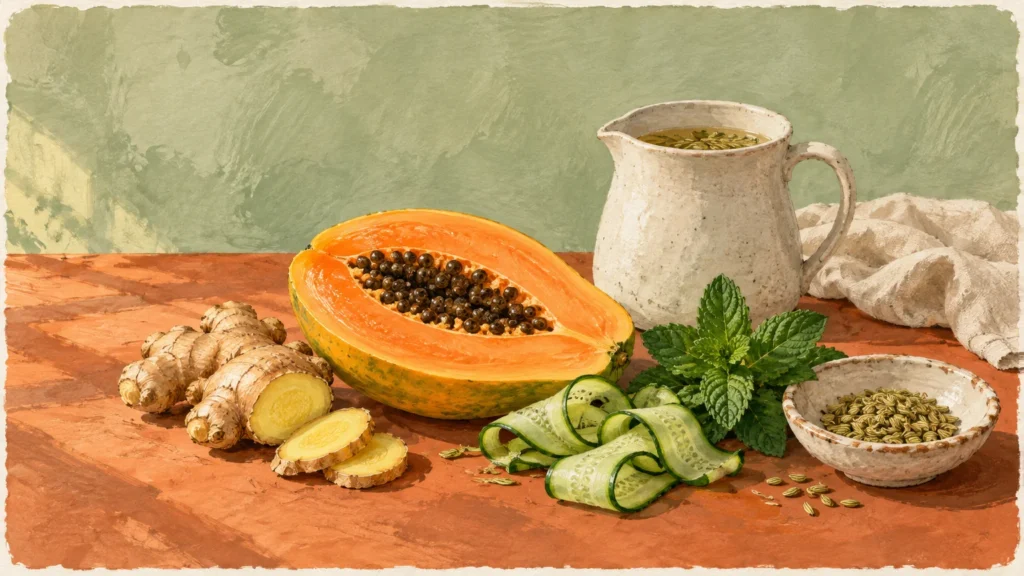
Keep a reusable water bottle near your favorite armchair to encourage steady, gentle sipping. Infusing your water with cucumber slices or rosemary sprigs adds a refreshing, spa-like touch.
Foods to Enjoy Mindfully and in Moderation
While certain ingredients enhance your natural scent, several common staples rank as foods that cause bad odor. You do not need to banish these items, but consuming them with awareness makes a dramatic difference.
8. Red Meat
Beef, lamb, and pork require complex digestive enzymes and substantial transit time to break down fully. If your digestion is sluggish, meat proteins can ferment in your intestinal tract.
This fermentation process releases byproducts that enter your bloodstream and alter your sweat composition. Scientific research confirms that people who avoid red meat consistently produce a more attractive, pleasant body scent.
Try swapping one or two red meat dinners each week for baked salmon, white beans, or grilled chicken. Your cardiovascular system and your natural skin fragrance will both appreciate the change.
9. Garlic and Onions
Garlic, onions, shallots, and leeks contain remarkable health properties, but they are rich in allicin. When digested, allicin transforms into allyl methyl sulfide, a persistent, sulfurous chemical compound.
Because your liver cannot metabolize allyl methyl sulfide fully, it enters your bloodstream and travels everywhere. It then seeps continuously through your breath and sweat for twenty-four to forty-eight hours.
You never have to give up these heart-healthy alliums entirely. Simply save heavily seasoned garlic dishes for quiet evenings when you have no major social obligations planned.
10. Cruciferous Vegetables
Broccoli, cauliflower, Brussels sprouts, and cabbage contain potent sulfur compounds called glucosinolates. These compounds provide extraordinary cellular protection, yet they break down into smelly hydrogen sulfide inside your gut.
The resulting sulfur gases escape through your digestive system, breath, and apocrine sweat glands. As a consequence, eating large portions of raw cruciferous vegetables can lead to a sharp, pungent body scent.
Lightly steaming or roasting your cruciferous veggies significantly eases digestion and lessens odor production. Pairing them with fresh herbs like parsley also helps neutralize lingering sulfur molecules.
11. Alcoholic Beverages
When you sip beer, wine, or spirits, your liver works diligently to metabolize the ethanol into acetic acid. However, your body can only process a finite amount of alcohol per hour.
The remaining alcohol circulates through your blood and escapes directly through your breath and pores. This process creates a sour, heavy aroma that can linger well into the following morning.
Enjoying an occasional glass of wine is fine, but alternating each drink with tall glasses of water helps immensely. Staying hydrated accelerates alcohol clearance and preserves your natural freshness.
12. Pungent Spices Like Fenugreek and Cumin
Heavy curry powders, cumin, and fenugreek seeds contain potent aromatic molecules like sotolon. These intense compounds do not break down during digestion; instead, they pass directly into your sweat and urine.
Eating large amounts of fenugreek can cause your sweat to smell distinctly like sweet maple syrup for several days. Heavy cumin consumption can produce a persistent, musky aroma from your underarm sweat glands.
Use these bold spices in moderate amounts and balance them with soothing cooling herbs like mint or cilantro. Mindful seasoning allows you to enjoy rich culinary flavors without overwhelming your natural scent.

Important Safety Precautions to Keep in Mind
Never adopt an overly restrictive diet purely to change how you smell. Eliminating nutritious foods like broccoli, onions, and legumes can deprive your body of essential vitamins, minerals, and prebiotic fibers.
Healthy aging requires a wide spectrum of wholesome nutrients to maintain bone density and muscle mass. Always prioritize your fundamental nutritional needs above any cosmetic fragrance preferences.
If you decide to increase your intake of citrus fruits, do so with care if you experience frequent acid reflux. Highly acidic foods can irritate your esophagus and aggravate hiatal hernias in older adults.
Similarly, the natural citric acid in lemons and oranges can gradually erode sensitive dental enamel. Rinse your mouth thoroughly with plain water after enjoying citrus to safeguard your teeth.
Fluid management requires special attention if you live with congestive heart failure or chronic kidney disease. In these situations, drinking excessive water to flush odors can cause dangerous fluid retention and swelling.
Always adhere strictly to the daily fluid guidelines provided by your cardiologist or nephrologist. Never increase your daily beverage intake without consulting your medical team first.
Be cautious with concentrated herbal teas or commercial odor-neutralizing dietary supplements. Certain concentrated herbs, including green tea extracts, can interfere with blood thinners, blood pressure medications, or thyroid therapies.
Sticking to culinary amounts of herbs and spices used in home cooking is both gentle and safe. Culinary garnishes enhance your meals naturally without the risks linked to high-dose supplements.

When to Speak with a Healthcare Professional
While everyday dietary choices subtly alter your personal scent, sudden or drastic shifts in body odor require immediate medical attention. Unexplained aromatic changes often serve as early diagnostic signs of underlying systemic illnesses.
If your breath suddenly develops a sweet, fruity, or nail-polish-remover scent, seek prompt medical care. This distinct smell can indicate diabetic ketoacidosis, a life-threatening complication associated with elevated blood sugars.
An intense ammonia or urine-like odor emanating from your breath or skin could point to compromised kidney function. When kidneys cannot clear urea, the body attempts to excrete nitrogen compounds through perspiration.
A musty, sweet, or slightly sulfurous breath odor, sometimes called fetor hepaticus, can signal advanced liver disease. Your liver may be struggling to filter toxic substances from your bloodstream.
You should also schedule a medical evaluation if unusual body odor is accompanied by drenching night sweats, unexplained weight loss, or persistent low-grade fevers. These symptoms can indicate hormonal imbalances, thyroid disorders, or hidden systemic infections.
Never feel uncomfortable or self-conscious about bringing up scent concerns during your doctor visits. Healthcare professionals evaluate changes in body odor with compassion, recognizing them as valuable biological indicators.
This article offers educational wellness ideas, but it does not replace personalized clinical advice or medical treatment. Always consult your primary care doctor before making significant modifications to your daily diet.
For authoritative, trustworthy health information, always consult official sources like the National Institute on Aging (NIA) and MedlinePlus from the National Library of Medicine. The CDC also provides excellent resources for older adults.
Frequently Asked Questions
Why does body odor change as we grow past age fifty?
As you age, your skin produces more lipid compounds while natural antioxidant defenses gradually decline. When these fatty acids oxidize on your skin surface, they form an organic compound called 2-nonenal.
Because 2-nonenal does not dissolve easily in plain water, it often lingers on clothing and bedding. Eating antioxidant-rich fruits and vegetables protects your skin lipids from oxidizing in the first place.
Natural hormonal shifts also modify the bacterial colonies residing on your skin. Nourishing your body with clean, wholesome foods helps maintain a balanced, pleasant skin microbiome.
Can drinking extra water really eliminate bad body odor?
Adequate hydration plays an indispensable role in maintaining a fresh natural scent. Water dilutes perspiration, preventing bacteria from concentrating and releasing pungent odors as they feed.
Ample hydration also enables your kidneys to remove waste products through your urinary system efficiently. When your kidneys work properly, fewer metabolic chemicals escape through your sweat glands.
However, water alone cannot fully override a diet heavy in sulfurous or heavily spiced foods. Combining optimal hydration with wholesome nutrition produces the best internal deodorizing results.
Should I completely stop eating garlic and cruciferous vegetables?
You definitely do not need to cut these extraordinary vegetables out of your daily diet. Garlic, onions, and broccoli provide powerful cardiovascular benefits, immune support, and cancer-fighting nutrients.
Instead of eliminating them, practice thoughtful meal timing and gentle cooking techniques. Steaming your vegetables and enjoying garlic on quiet evenings lets you reap their benefits without social worry.
Chewing a sprig of fresh parsley or sipping green tea after meals will also neutralize sulfur compounds effectively. Balance and moderation always yield the healthiest and most sustainable outcome.
How quickly does dietary change improve personal scent?
Most individuals notice a marked improvement in their breath and skin scent within twenty-four to forty-eight hours. That is the typical duration required for your digestive system to process and eliminate previous meals.
Drinking plenty of water and adding fresh herbs can deliver noticeable freshness even sooner. As your digestive tract clears, lingering aromatic compounds steadily fade away.
Committing to a consistent diet rich in fruits, greens, and cultured yogurt provides lasting improvements. Over several weeks, your overall skin scent becomes noticeably lighter, cleaner, and more appealing.
Disclaimer: This article is for informational purposes only and does not constitute medical advice. Always seek the advice of your physician or other qualified health provider with any questions you may have regarding a medical condition.