The way you prepare your meals transforms both their nutritional value and your vitality. Choosing the best cooking methods for nutrition helps your body absorb vital vitamins, manage digestion, and protect your cardiovascular health.
Many standard kitchen routines quietly strip away delicate micronutrients or introduce harmful oxidized fats. Learning the healthiest way to cook food ensures that every wholesome ingredient delivers its full wellness benefits to your plate.
This comprehensive cooking method health comparison reveals how dietitians evaluate everyday culinary techniques. Explore dietitian approved cooking techniques that enhance your daily energy while creating flavorful, comforting meals at home.
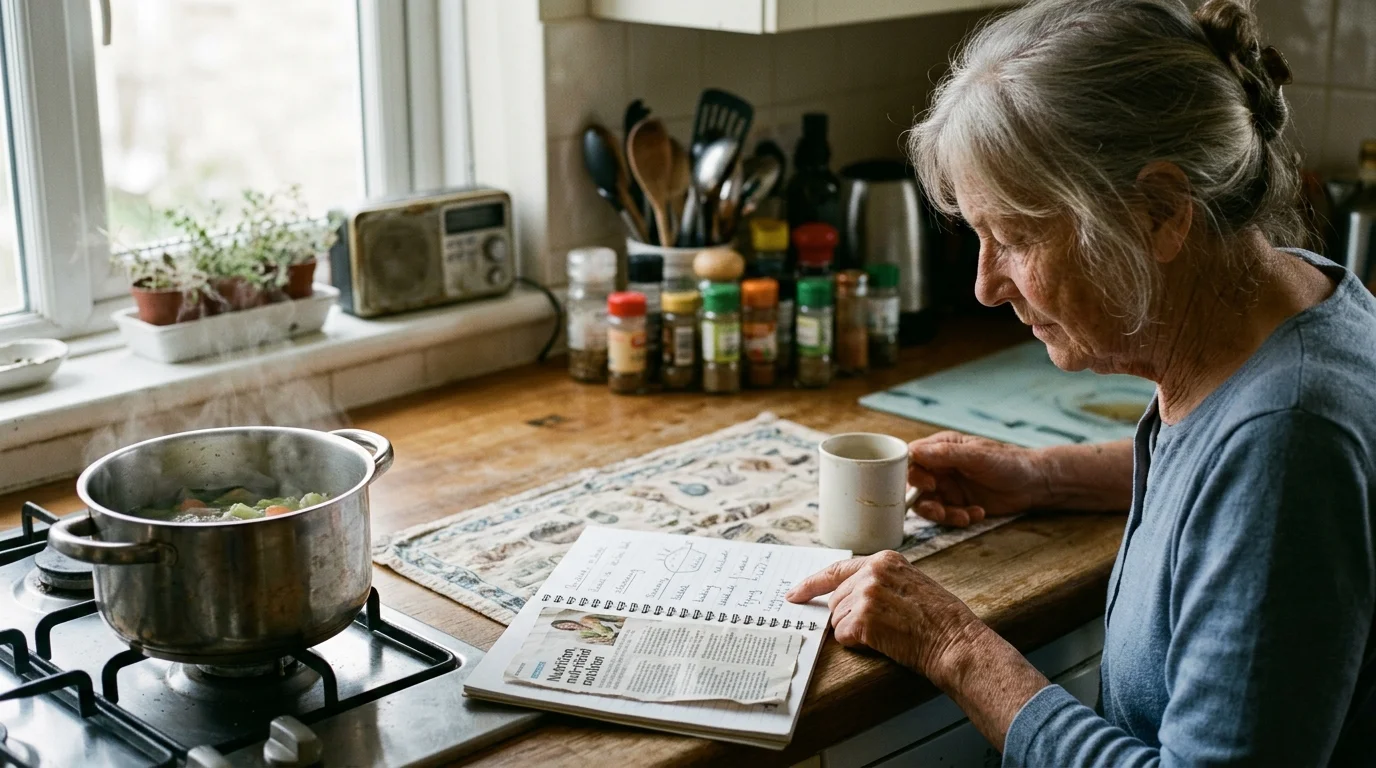
Understanding the Basics of Cooking Methods for Seniors
Cooking is far more than a way to make ingredients palatable; it is a biochemical process that alters the molecular structure of your food. When you apply heat, you break down rigid plant cell walls, which makes complex carbohydrates easier to digest and liberates valuable antioxidants like lycopene in tomatoes and beta-carotene in carrots. However, intense heat, prolonged exposure to water, and excessive cooking fats can also destroy heat-sensitive micronutrients or generate unwanted chemical compounds. As your body ages, your digestive tract produces fewer enzymatic secretions and lower amounts of stomach acid, making nutrient bioavailability and gentle food textures essential for maintaining your energy and strength.
Dietitians evaluate cooking techniques by measuring two primary factors: nutrient retention and the creation of inflammatory byproducts. Water-soluble nutrients—specifically vitamin C, folate, thiamine, and other B-complex vitamins—leach rapidly into hot cooking liquids. If you discard the cooking water, you lose a substantial portion of these immune-supporting and nerve-protecting vitamins. Meanwhile, fat-soluble vitamins such as vitamins A, D, E, and K require a small amount of healthy dietary fat for optimal absorption in your small intestine, making moderate oil usage advantageous when managed correctly.
Another crucial consideration for older adults is the formation of Advanced Glycation End-products, often abbreviated as AGEs. When you subject proteins and fats to dry, high-temperature cooking methods like deep-frying, direct broiling, or prolonged roasting, sugars bond with proteins to create these pro-inflammatory compounds. Clinical research links high systemic levels of AGEs to arterial stiffness, impaired kidney function, joint discomfort, and increased oxidative stress. Choosing gentle, moisture-rich culinary methods suppresses the formation of these compounds, helping you protect your cardiovascular system and preserve your cellular health over the long term.
Thermal stability of cooking fats represents another foundational health pillar. Every cooking oil possesses a specific smoke point, the temperature at which the fatty acid chains break down, release noxious fumes, and produce toxic lipid peroxides and aldehydes. Using stable, polyphenol-rich oils like extra virgin olive oil or avocado oil at appropriate temperatures prevents the ingestion of oxidized lipids, supporting your liver and vascular endothelial lining. Understanding these core physiological interactions empowers you to take command of your kitchen with confidence, purpose, and joy.
Practical Tips for a Healthier, Happier Life
Registered dietitians evaluate cooking methods based on clinical data regarding vitamin retention, lipid stability, compound formation, and digestive ease. Below are the 11 most common cooking techniques, arranged deliberately from the most health-promoting to the least beneficial for your daily vitality.
1. Steaming — The Gold Standard for Nutrient Retention
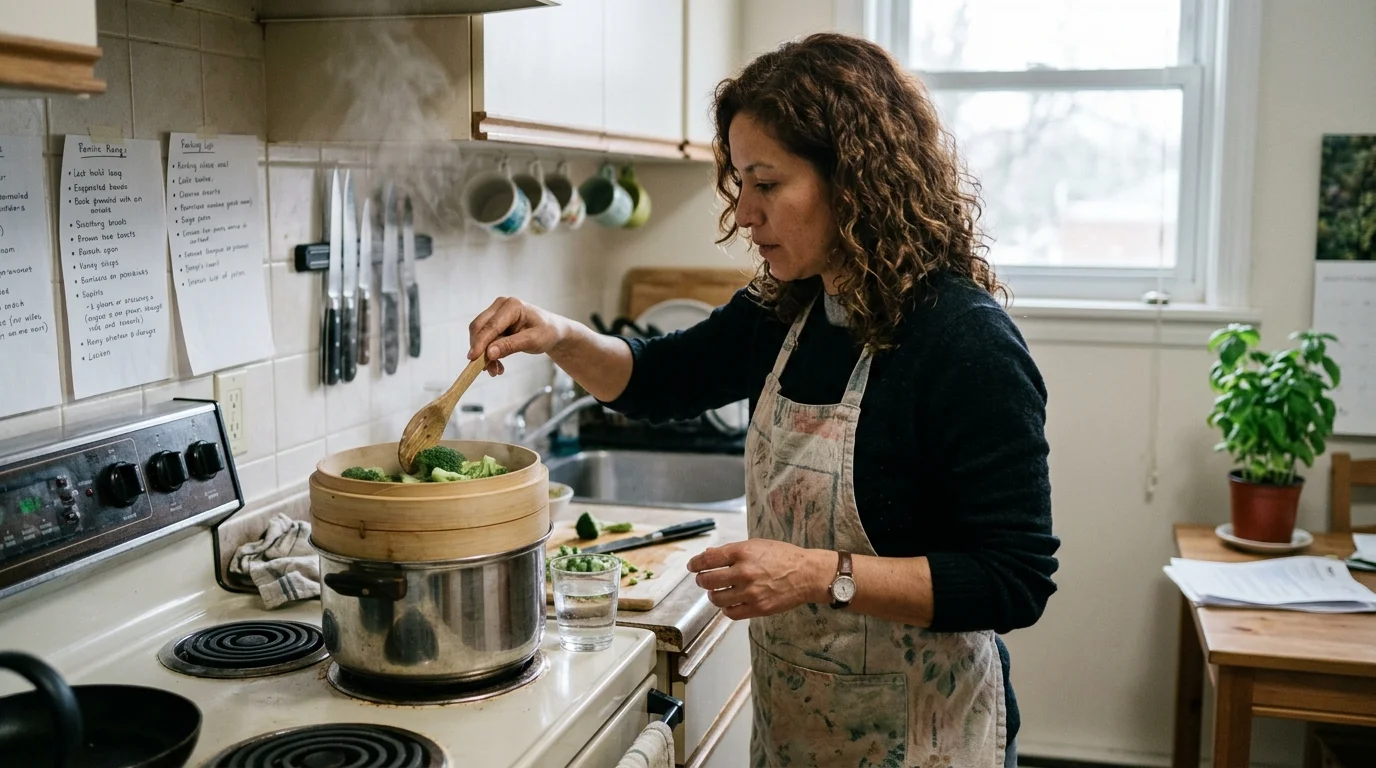
Steaming occupies the top spot among the healthiest cooking methods ranked by nutritional experts. By suspending vegetables, fish, or poultry over gently simmering water, you cook the food through indirect vapor heat without submerging it in liquid. This technique preserves up to 90 percent of delicate water-soluble vitamins, particularly vitamin C and the cancer-fighting glucosinolates found in broccoli, cauliflower, and Brussels sprouts. Because steaming requires zero added butter or processed cooking oils, it provides a clean, heart-healthy foundation that lets the natural, vibrant flavors of your produce shine through effortlessly.
To incorporate steaming into your daily routine, invest in a simple stainless steel basket or a lightweight bamboo steamer. Steam your vegetables until they are fork-tender yet retain their bright, vivid color, which usually takes between three and seven minutes. Lightly toss steamed greens with a teaspoon of extra virgin olive oil and a squeeze of fresh lemon juice just before serving. This simple addition enhances the absorption of fat-soluble vitamins while keeping sodium levels completely under your control.
2. Microwaving — Fast, Convenient, and Remarkably Nutritious
Despite persistent culinary myths, microwaving ranks among the finest dietitian approved cooking techniques available in modern kitchens. Microwave ovens work by emitting non-ionizing radiofrequency waves that cause water molecules within the food to vibrate rapidly, generating localized friction and heat. Because this process heats food from within in a fraction of the time required by conventional ovens, delicate antioxidants, polyphenols, and B vitamins experience minimal thermal degradation. Furthermore, microwaving requires little to no added water, preventing valuable micronutrients from leaching away.
Use microwave cooking for quick, single-serving portions of fresh or frozen vegetables. Place your chopped vegetables in a microwave-safe glass or ceramic dish, add two tablespoons of water, cover with a microwave-safe lid or ceramic plate, and cook on high for two to four minutes. Avoid using plastic containers or plastic wraps that contain plasticizers, as these can migrate into warm foods. Microwaving also allows seniors with reduced hand strength or limited stamina to prepare nutrient-dense meals safely without managing heavy boiling pots on a hot stove.
3. Pressure Cooking — High Efficiency for Tender, Bioavailable Meals
Modern electric pressure cookers have revolutionized wholesome home cooking by combining sealed steam with elevated atmospheric pressure. Under high pressure, the boiling point of water increases from 212°F to roughly 250°F, cutting total cooking durations by up to 70 percent. This rapid cooking time, combined with an oxygen-free sealed environment, minimizes the oxidative loss of heat-sensitive nutrients such as ascorbic acid and beta-carotene. Furthermore, pressure cooking breaks down tough plant lectins and phytic acid in beans, lentils, and whole grains, making essential minerals like iron, zinc, and magnesium far easier for your body to absorb.
Pressure cooking is exceptionally helpful if you experience chewing difficulties or digestive sensitivities. It transforms economical, lean cuts of meat and fibrous root vegetables into melt-in-your-mouth stews and tender side dishes without requiring excess saturated fats. When you utilize the flavorful liquid remaining in the pot to create rich broths or gravies, you consume every single micronutrient that escaped during the pressurized cooking cycle.
4. Poaching and Sous-Vide — Gentle, Low-Temperature Moisture
Poaching involves submerging delicate proteins like eggs, skinless chicken breast, or wild salmon in liquid maintained between 160°F and 180°F, well below a rolling boil. Sous-vide takes this gentle philosophy a step further by vacuum-sealing ingredients in food-grade pouches and immersing them in a precisely calibrated water bath. Because these methods never subject your food to harsh, blistering dry heat, they produce virtually zero inflammatory AGEs or oxidized fats. They also keep proteins exceptionally juicy and tender, preventing the tough, rubbery textures that can strain sensitive teeth and dental bridges.
To elevate flavor during poaching, infuse your poaching water with aromatic herbs, sliced garlic, ginger, and low-sodium vegetable broth rather than relying on heavy table salt. Poached wild-caught salmon provides a rich dose of anti-inflammatory omega-3 fatty acids without degrading these fragile polyunsaturated fats through intense heat. This method guarantees a comforting, easily digestible meal that supports joint flexibility and cognitive health.
5. Stewing and Slow Cooking — Wholesome Broth Preservation and Deep Comfort
Slow cooking and stewing involve simmering ingredients in liquid over several hours at moderate temperatures, typically between 190°F and 210°F. While prolonged exposure to heat does cause some water-soluble vitamins to migrate out of whole vegetables and meats, those nutrients remain trapped inside the surrounding cooking broth. Because you consume the liquid alongside the solid ingredients, your total nutritional recovery remains remarkably high. Slow cooking also dissolves tough connective collagen in meats into gelatin, which coats the gastrointestinal tract and supports gut mucosal integrity.
Prepare comforting one-pot meals by layering seasonal root vegetables, legumes, leafy greens, and lean proteins in a slow cooker. Add low-sodium broth, aromatic rosemary, oregano, and black pepper, then allow the unit to simmer gently on low for six to eight hours. The extended, slow heating tenderizes fibrous ingredients, making hearty, fiber-rich legumes effortless to chew and digest without causing gastrointestinal distress.
6. Sautéing and Stir-Frying — Quick Searing with Heart-Healthy Fats
Sautéing and stir-frying involve cooking bite-sized ingredients rapidly in a wide pan or wok over medium-high heat using a minimal amount of cooking oil. Because the ingredients cook in just a few minutes, the interior of vegetables remains crisp and packed with heat-labile vitamins. The brief application of heat enhances the bioavailability of fat-soluble carotenoids, while the light coating of heart-healthy oil assists your body in assimilating these vital compounds efficiently.
To maximize the cardiovascular benefits of sautéing, choose heat-stable oils rich in monounsaturated fats, such as extra virgin olive oil or avocado oil. Keep your ingredients moving continuously across the pan to ensure even heat distribution and avoid scorching. If the pan becomes too dry, add two tablespoons of low-sodium broth or water rather than pouring in extra oil. This simple habit keeps your total caloric intake balanced while preserving the crisp, delightful texture of your favorite stir-fry vegetables.
7. Baking and Roasting — Dry-Heat Caramelization with Controlled Temperatures
Baking and roasting rely on dry, circulating hot air inside an oven to cook foods thoroughly from the outside inward. This technique encourages natural caramelization and the Maillard reaction, yielding deep, savory flavors in root vegetables, squash, and lean poultry. While roasting requires little to no excess fat, the prolonged exposure to dry, ambient heat can reduce vitamin C concentrations and stimulate moderate amounts of AGEs if foods are cooked at excessively high temperatures for prolonged periods.
Keep your oven temperature at or below 375°F to achieve tender caramelization without producing charred edges or burning delicate oils. Lightly mist your chopped carrots, sweet potatoes, and parsnips with olive oil before arranging them on parchment paper. Pairing roasted root vegetables with fresh, raw herbs like parsley or cilantro after baking introduces fresh vitamin C to balance any minor nutrient losses sustained during the roasting process.
8. Air Frying — Modern Convection Without the Heavy Oil Burden
Air fryers function as compact, highly efficient convection ovens that circulate superheated air rapidly around your food, producing a crisp exterior similar to traditional frying. Dietitians view air frying as a practical harm-reduction tool because it slashes added oil requirements by 70 to 80 percent compared to conventional deep-frying. By minimizing oil usage, you reduce your consumption of oxidized fats and excess calories, supporting healthy body weight and optimal blood lipid levels.
Although air frying is substantially healthier than deep-frying, high dry heat can still generate small quantities of acrylamide in starchy foods like white potatoes if they are overcooked. To keep your air-fried meals nourishing, use moderate heat settings around 350°F and cook foods only until they reach a light golden hue rather than dark brown. Air-fry seasoned chickpeas, zucchini slices, or skinless chicken tenders for a delightful crunch that remains gentle on your arteries.
9. Grilling and Broiling — High Direct Heat with Chemical Caveats
Grilling and broiling utilize intense radiant heat to cook meat, fish, and vegetables quickly. On the positive side, this direct heat allows excess animal fats to melt and drip away from the protein, lowering the overall saturated fat content of the meat. However, when fat drips onto open flames or hot heating elements, it creates smoke containing polycyclic aromatic hydrocarbons (PAHs). Simultaneously, the extreme surface temperatures create heterocyclic amines (HCAs) and elevated levels of AGEs on the charred exterior of the meat, both of which are linked to chronic inflammation.
If you enjoy the smoky flavor of grilling, apply dietitian-recommended safety strategies to minimize harmful compound formation. Marinate your meats for at least 30 minutes in a mixture containing rosemary, thyme, garlic, and lemon juice; studies show that herbal antioxidants can reduce HCA formation by up to 90 percent. Always grill over indirect heat, avoid burning or blackening the exterior, and trim away any visible charred portions before eating.
10. Pan-Frying — Shallow Searing with Increased Oil Absorption
Pan-frying involves cooking ingredients in a shallow layer of hot oil, typically covering one-third to one-half the depth of the food. Unlike brief sautéing, pan-frying requires extended cooking times at elevated temperatures to ensure the interior is cooked through. This prolonged contact allows food, particularly battered or breaded items, to soak up substantial amounts of dietary fat. As cooking oils sit at elevated temperatures in an open skillet, they undergo thermal degradation, generating free radicals and inflammatory lipid peroxides that strain cardiovascular health.
If you choose to pan-fry, avoid heavy flour breading, which acts like a sponge for heated oil. Use an oil with a high smoke point like avocado oil, maintain steady heat without letting the oil smoke, and drain the cooked food thoroughly on unbleached paper towels before eating. Moderating the frequency of pan-fried meals helps prevent unnecessary spikes in dietary calories and supports smooth, comfortable arterial function.
11. Deep-Frying — High Caloric Density and Pro-Inflammatory Oxidation
Deep-frying ranks as the least healthy cooking technique across clinical nutritional evaluations. Submerging food entirely in vats of boiling oil at 350°F to 375°F fundamentally alters the nutritional integrity of the meal. The intense heat causes substantial water loss from the food, which is replaced directly by absorbed cooking oil, dramatically increasing its caloric and saturated fat density. Furthermore, reheating frying oil multiple times creates trans-fat isomers, cyclic fatty acids, and high concentrations of acrylamides and advanced glycation end-products.
Frequent consumption of deep-fried foods is strongly associated with systemic low-grade inflammation, insulin resistance, endothelial dysfunction, and elevated LDL cholesterol. Older adults aiming to maintain vibrant cardiovascular and cognitive health should reserve deep-fried items for very rare occasions. Swap deep-fried fish fillets or french fries for crispy air-fried or oven-baked alternatives to enjoy wonderful crunch and flavor without compromising your long-term wellness.
Important Safety Precautions to Keep in Mind
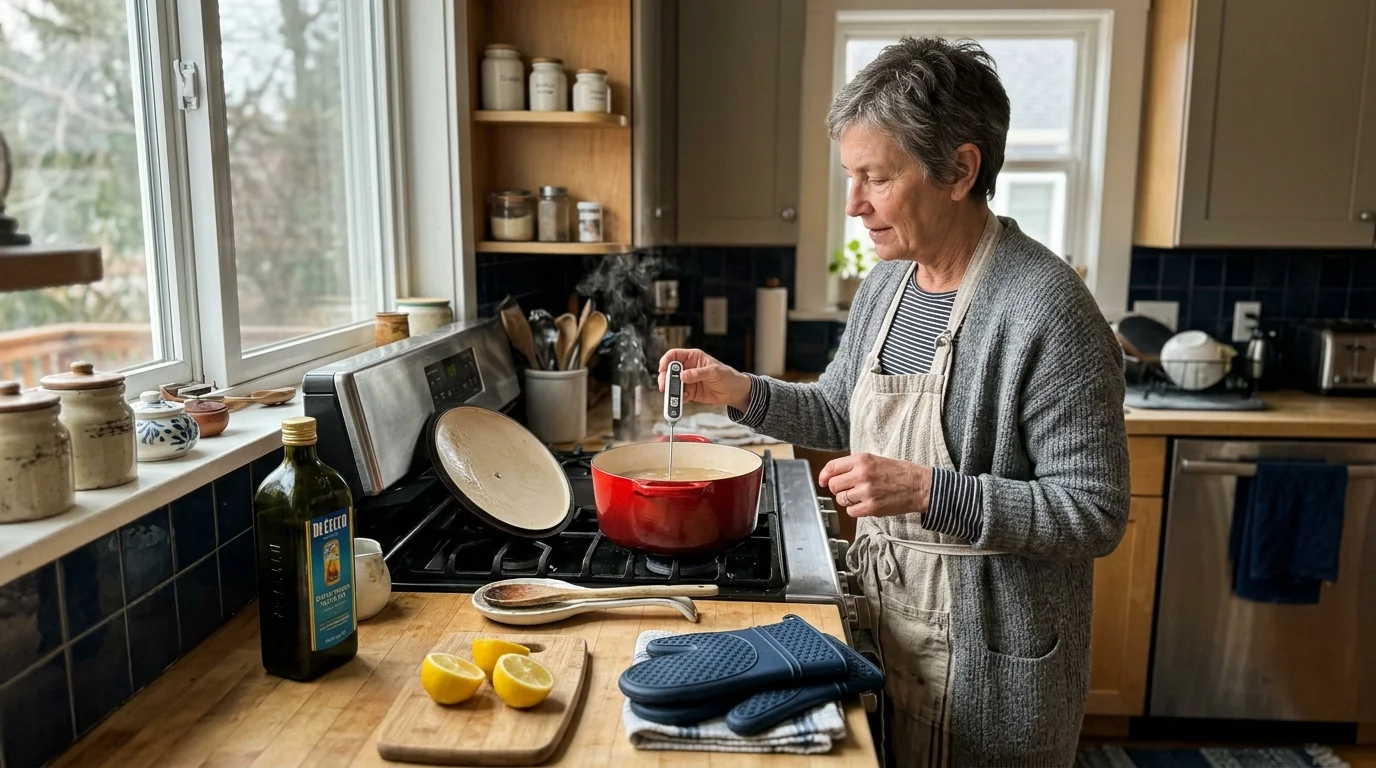
Kitchen safety and proper food hygiene become increasingly vital as your immune system changes with age. Older adults are more susceptible to severe foodborne illnesses caused by pathogens like Salmonella, Listeria, and Campylobacter. Always utilize a reliable digital food thermometer rather than relying on visual inspection alone. Ensure poultry reaches a minimum internal temperature of 165°F, ground meats reach 160°F, and whole cuts of meat or fish reach 145°F before resting. Never leave perishable foods sitting at room temperature for more than two hours after cooking.
Ergonomics and burn prevention also deserve careful attention in your daily cooking routine. Handling heavy, boiling stockpots or cast-iron pans can strain arthritic wrists and increase the risk of accidental hot-liquid spills. Choose lightweight, high-quality stainless steel or ceramic-coated cookware with dual heat-resistant handles to ensure stable gripping. When using electric pressure cookers, always allow the pressure to dissipate naturally or use the quick-release valve with a silicone utensil to keep hot steam away from your face and hands.
Pay close attention to oil stability and smoke points to prevent accidental kitchen fires and avoid breathing harmful aerosolized fumes. Never heat unrefined oils, extra virgin olive oil, or butter to the point of smoking. If an oil begins to smoke, remove the pan from the heat source immediately, turn off the burner, and discard the degraded oil once it cools. Storing your cooking oils in dark glass bottles inside a cool, shaded pantry protects them from light-induced rancidity and preserves their heart-healthy antioxidants.

When to Speak with a Healthcare Professional
While adopting healthier culinary methods provides a robust foundation for wellness, individual medical conditions often dictate personalized food preparation strategies. Nutritional requirements are never one-size-fits-all, and specific health challenges require guidance from your medical team. You should consult your physician or a registered dietitian under the following clinical circumstances:
If you have been diagnosed with Chronic Kidney Disease (CKD), standard steaming or pressure-cooking methods may retain too much potassium in your vegetables. In advanced kidney disease, dietitians frequently recommend double-boiling high-potassium produce (like potatoes and leafy greens) in large volumes of water and discarding the liquid to leach out excess minerals safely. Conversely, individuals managing Congestive Heart Failure or severe hypertension must coordinate precise sodium restrictions and learn how to season gently steamed dishes using non-sodium citrus, vinegars, and potassium-safe herbs.
You should also seek prompt medical guidance if you experience new or worsening digestive discomfort, such as persistent acid reflux, difficulty swallowing (dysphagia), or unexplained weight loss. High-fat cooking methods often delay gastric emptying and trigger painful heartburn, while swallowing challenges require targeted texture modifications, such as pureeing or gentle braising, to prevent dangerous aspiration pneumonia. Your doctor can refer you to a speech-language pathologist or a clinical dietitian who can tailor your food preparation techniques to your exact physiological needs.
Frequently Asked Questions
Does boiling vegetables destroy all their nutritional value?
Boiling does not destroy all nutrients, but it causes significant loss of water-soluble vitamins like vitamin C, folate, and thiamine, which leach into the boiling water. If you discard the water, those nutrients are lost. However, if you use the cooking water as a base for soups, stews, or gravies, you recover those valuable vitamins. For simple vegetable side dishes, steaming or microwaving remains a superior choice for maximum vitamin retention.
Is microwaving food safe, or does it emit harmful radiation?
Microwaving is completely safe and highly recommended by dietitians for preserving nutrients. Microwave ovens use non-ionizing radiofrequency waves that cause water molecules in food to vibrate and heat up; they do not make your food radioactive or alter its fundamental chemical safety. Because microwaving cooks food rapidly with very little added water, it often preserves more heat-sensitive antioxidants and vitamins than traditional stovetop boiling or oven baking.
What is the healthiest cooking oil for everyday home meals?
Extra virgin olive oil is widely recognized by cardiologists and dietitians as the healthiest oil for everyday cooking. It is rich in heart-protective monounsaturated oleic acid and potent polyphenolic antioxidants that protect the oil from breaking down under moderate heat. For higher-heat cooking techniques like searing or air frying, avocado oil is another outstanding choice due to its high smoke point and favorable monounsaturated fat profile.
How does air frying compare to traditional oven roasting?
Air frying and oven roasting are very similar in their underlying nutritional science, as both rely on circulating dry, hot convection air. However, because an air fryer circulates air within a much smaller, concentrated chamber, it cooks food faster and creates a crispier exterior with less added oil than a standard oven. Both methods are exceptionally healthy alternatives to deep-frying when maintained at temperatures below 375°F to prevent excessive browning.
For authoritative, trustworthy health information, always consult official sources like the National Institute on Aging (NIA) and MedlinePlus from the National Library of Medicine. The CDC also provides excellent resources for older adults.
Disclaimer: This article is for informational purposes only and does not constitute medical advice. Always seek the advice of your physician or other qualified health provider with any questions you may have regarding a medical condition.