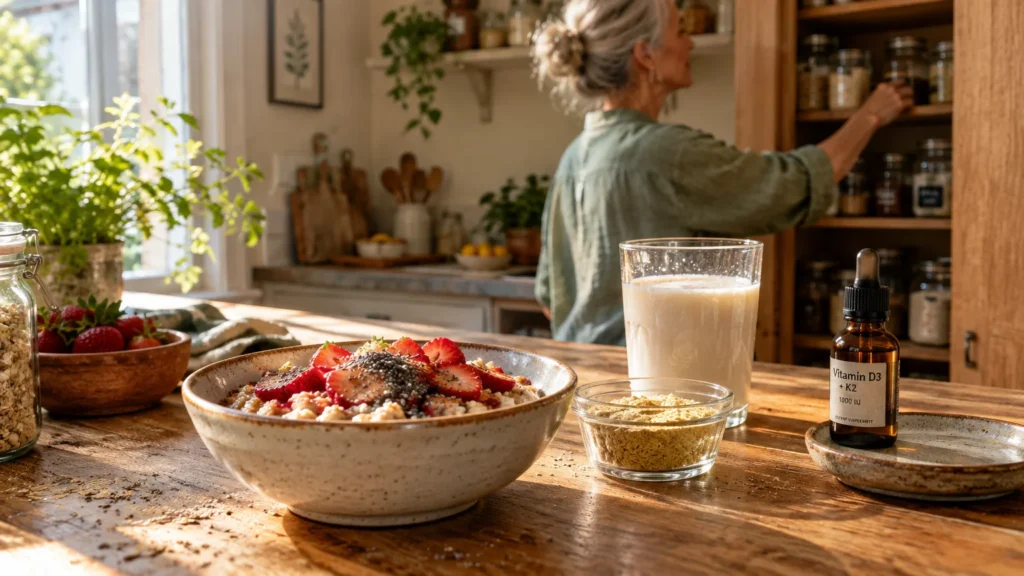
Maintaining smooth, comfortable digestion becomes essential for your overall vitality, daily energy, and independence as you age. Eating nutrient-dense, high fiber foods for seniors naturally revitalizes your gut, prevents sluggish bowel movements, and nourishes beneficial gut bacteria without relying on harsh over-the-counter laxatives. As naturally occurring physiological changes slow gastrointestinal motility during your golden years, selecting the best fiber foods offers a gentle, delicious path to lasting digestive comfort. Adding rich, natural sources of plant-based fiber into your daily routine improves nutrient absorption, balances blood sugar levels, and keeps your body feeling light and energized every single day.
Understanding the Basics of Digestive Health for Seniors
Your digestive tract changes naturally over time. As you reach your sixties and beyond, your stomach produces less acid, intestinal muscle contractions slow down, and your overall gut motility decreases; these factors frequently lead to uncomfortable bloating, sluggishness, and chronic constipation. Dietary fiber provides the ultimate natural solution to keep your digestive machinery operating smoothly. Fiber consists of complex plant carbohydrates that your body cannot fully digest or absorb. Instead of breaking down into simple sugars, dietary fiber travels through your stomach and intestines, performing critical maintenance work along the entire length of your digestive system.
To optimize your gut health, you must understand the two distinct forms of fiber: soluble fiber and insoluble fiber. Soluble fiber dissolves in water to form a soft, gel-like substance in your gut. This gel slows digestion gently, buffers blood sugar spikes, helps manage cholesterol levels, and creates softer, easier-to-pass stools. Insoluble fiber acts like a microscopic sponge and broom; it absorbs fluids, adds substantial bulk to your waste, and physically stimulates your intestinal walls to keep waste moving at a healthy pace.
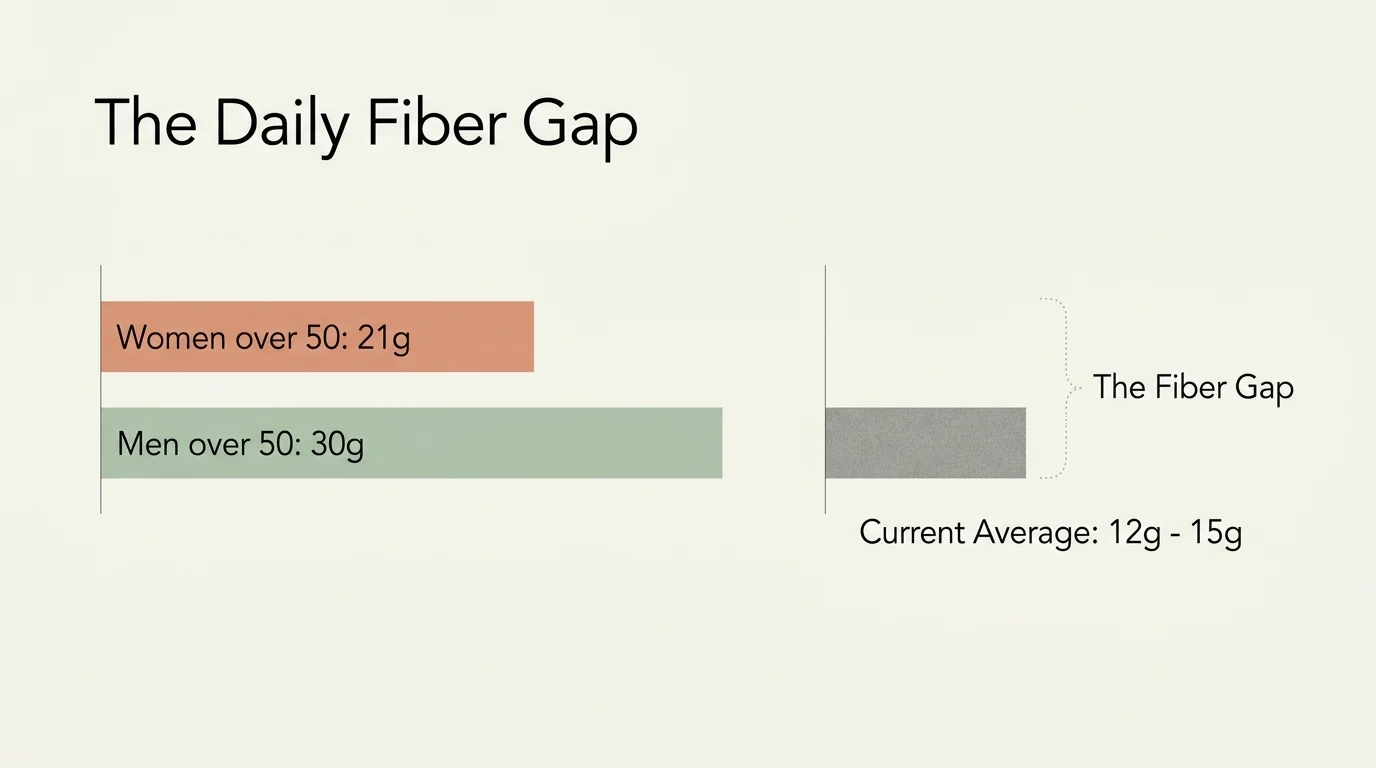
According to the Dietary Guidelines for Americans, women over age 50 should consume at least 21 grams of fiber daily, while men over age 50 need at least 30 grams per day. Unfortunately, nutritional surveys reveal that over 90 percent of older adults fall significantly short of these targets, averaging only 12 to 15 grams per day. Closing this fiber gap transforms your health. High-fiber plant foods act as prebiotics—nourishing the trillions of friendly bacteria in your microbiome. As these beneficial microbes ferment dietary fiber, they release short-chain fatty acids like butyrate, which strengthen your colon lining, reduce systemic inflammation, and boost your immune defenses.

10 High-Fiber Foods That Support Digestion in Older Adults
Incorporating digestive health foods into your daily routine does not mean eating bland or unappealing meals. Nature offers a vibrant variety of flavorful, nutrient-packed ingredients that protect your gut and delight your palate. Here are ten outstanding, easy-to-prepare foods for digestion that support optimal gut health in your golden years.
1. Warm Rolled Oats
Rolled oats serve as a gold standard among fiber rich foods for elderly individuals seeking gentle digestive relief. A single cup of cooked oatmeal delivers roughly 4 grams of total dietary fiber, dominated by a special soluble fiber known as beta-glucan. Beta-glucan dissolves into a soothing gel within your digestive tract, softening stool and smoothing gastrointestinal transit. Oats are naturally gentle on sensitive stomachs and exceptionally easy to chew. Prepare a warm bowl of oatmeal with water or unsweetened almond milk, and top it with a pinch of cinnamon and cooked berries for a cozy, heart-healthy breakfast.
2. Tender Cooked Lentils
Lentils rank among the most nutrient-dense legumes available, supplying a massive 15 grams of dietary fiber per cooked cup. They offer a balanced mix of soluble and insoluble fiber, making them powerhouse foods for digestion. Beyond fiber, lentils deliver nearly 18 grams of plant-based protein per serving, which supports muscle preservation as you age. When simmered until soft, lentils become wonderfully easy to chew and digest. You can easily fold cooked red or brown lentils into comfort foods like vegetable soups, turkey chili, or warm grain bowls without overburdening your stomach.
3. Soaked Chia Seeds
Do not let their miniature size fool you; two tablespoons of chia seeds pack an extraordinary 10 grams of dietary fiber. Chia seeds possess unique hydrophilic properties, meaning they can absorb up to ten times their weight in water. As they absorb fluid, they expand into a soft, gelatinous mucilage that lubricates your digestive tract and prevents hard, dry stools. To make chia seeds safe and effortless to swallow, soak them in warm milk, kefir, or water for at least twenty minutes until they form a soft pudding texture.
4. Creamy Fresh Avocados
While most fruits provide high amounts of natural sugars, avocados stand out as a rare high-fiber, low-sugar fruit packed with healthy monounsaturated fats. Half a medium avocado offers approximately 5 grams of dietary fiber alongside heart-protective fats. The lush, creamy texture of avocado makes it an ideal option if you experience chewing difficulties, sensitive teeth, or dry mouth. Furthermore, the healthy fats in avocado assist your digestive tract in absorbing crucial fat-soluble vitamins like A, D, E, and K from the rest of your meal. Enjoy avocado sliced on whole-grain toast, mashed into side dishes, or blended into morning smoothies.
5. Soft Ripe Pears
A single medium pear with its skin intact provides about 5.5 grams of fiber, making it one of the absolute best fiber foods in the produce aisle. Pears contain high concentrations of insoluble pectin and a naturally occurring sugar alcohol called sorbitol. Sorbitol acts as a gentle, natural osmolyte by drawing water into your large intestine, softening your stool, and encouraging natural bowel regularity without causing harsh abdominal cramping. Choose ripe, soft pears and eat them fresh, or gently poach pear slices in warm water with a dash of vanilla for a comforting dessert.
6. Antioxidant-Rich Raspberries
Berries are magnificent digestive powerhouses, with raspberries leading the category by offering 8 grams of dietary fiber per cup. Raspberries combine soluble pectin with tiny insoluble seed cellulose, promoting quick transit times and bulkier, healthier stools. They are also packed with antioxidant polyphenols that soothe low-grade intestinal inflammation. If raw seeds bother your stomach or dental work, blend fresh or frozen raspberries into a morning smoothie or fold them into soft Greek yogurt to enjoy their delicious flavor and fiber benefits effortlessly.
7. Creamy Chickpeas (Garbanzo Beans)
Chickpeas deliver an impressive 12 grams of dietary fiber per cooked cup, alongside valuable folate and iron. They contain abundant resistant starch, a unique dietary fiber that passes through your small intestine unabsorbed to feed beneficial probiotic bacteria in your lower colon. These bacteria ferment resistant starch into beneficial short-chain fatty acids that nourish your intestinal walls. You can blend cooked chickpeas with garlic, lemon, and olive oil to make smooth homemade hummus, or simmer them slowly in mild coconut curries until melt-in-your-mouth soft.
8. Baked Sweet Potatoes
A medium baked sweet potato cooked with its skin provides about 4 grams of dietary fiber, along with rich stores of beta-carotene, vitamin C, and potassium. The soluble pectin in sweet potatoes forms a protective gel in your stomach, rendering it incredibly gentle on hyper-sensitive digestive systems. Sweet potatoes naturally soothe irritated gut tissue while regulating bowel transit times. Bake sweet potatoes until tender, leave the thin edible skin on for maximum fiber, and mash them with a touch of extra virgin olive oil or cinnamon.
9. Plump Prunes (Dried Plums)
Prunes remain a classic, time-tested natural remedy for sluggish digestion, and modern science confirms their effectiveness. Four plump prunes supply approximately 3 grams of dietary fiber, along with natural sorbitol and active phenolic compounds. These combined nutrients stimulate gentle muscular contractions in your colon walls while drawing needed hydration into hard waste. If chewing dried fruit feels tough on your teeth, steep prunes in hot water or warm herbal tea for fifteen minutes to soften them into a rich, easily digestible snack.
10. Nutty Ground Flaxseeds
Ground flaxseed offers a incredibly simple way to fortify almost any meal with extra fiber. Just two tablespoons of ground flaxseed deliver 4 grams of total fiber, plus heart-healthy alpha-linolenic acid (an plant-based omega-3 fatty acid). Flaxseed contains abundant mucilage fiber, which expands when mixed with liquid to coat and soothe your stomach lining. Always choose finely ground flaxseed rather than whole flaxseeds, as whole seeds pass through your digestive system unabsorbed. Stir a spoon of ground flaxseed into oatmeal, puréed soups, or applesauce for an easy fiber boost.

Important Safety Precautions to Keep in Mind
Increasing your daily intake of high fiber foods for seniors produces incredible long-term health rewards, but you must make these dietary changes thoughtfully. Introducing too much fiber too fast can overwhelm your digestive system, leading to uncomfortable side effects such as intestinal gas, abdominal bloating, and stomach cramps. To give your gut microbiome and digestive tract ample time to adjust, increase your daily fiber intake gradually over three to four weeks—adding just 3 to 5 extra grams of fiber every few days.
Hydration represents another critical safety factor when eating a higher-fiber diet. Fiber functions like a dry sponge inside your body; it relies on abundant water to swell, soften, and move waste through your colon efficiently. If you increase your fiber intake without drinking enough fluids, dietary fiber can actually worsen constipation or form dense, painful blockages. Aim to drink at least 6 to 8 glasses of liquids daily, emphasizing water, herbal teas, and warm broths, unless your healthcare provider has placed you on a fluid restriction for kidney or heart conditions.
If you wear dentures, have dental implants, or experience swallowing difficulties, adapt the texture of high-fiber foods to protect your safety. Raw vegetables and tough fruit skins can pose choking hazards or cause sore gums. Pureeing, steaming, roasting, or stewing fiber-rich produce softens tough cellular walls while preserving every gram of dietary fiber. Finally, keep in mind that concentrated fiber can sometimes bind to prescription medications if consumed simultaneously. Eat high-fiber meals or supplements at least one to two hours apart from vital daily medications—particularly thyroid medications, heart treatments, or blood sugar drugs—to ensure optimal pharmaceutical absorption.

When to Speak with a Healthcare Professional
While adopting a diet rich in best fiber foods supports long-term digestive well-being, dietary changes should complement—never replace—professional medical oversight. You should closely monitor your body’s signals and contact your primary care physician or a registered dietitian if you encounter persistent digestive troubles. Chronic gastrointestinal symptoms can sometimes signal underlying medical conditions that require formal diagnosis and specialized treatment.
Schedule an appointment with your healthcare provider promptly if you experience any of the following warning signs:
Persistent or severe abdominal pain: Sharp, cramping, or localized stomach pain that does not subside after passing gas or having a bowel movement demands professional evaluation.
Unexplained weight loss: Dropping weight rapidly without intentional dietary restriction or increased physical activity warrants a thorough medical checkup.
Visible blood in your stool: Finding bright red blood on toilet tissue or noticing dark, tarry, black stools indicates potential bleeding in your gastrointestinal tract and requires immediate medical attention.
Sudden, prolonged changes in bowel habits: Chronic diarrhea, severe constipation lasting more than a week, or alternating cycles of both that persist for longer than two weeks require investigation.
Persistent nausea or vomiting: An inability to keep fluids or simple foods down without nausea interferes with nutrition and hydration, requiring prompt guidance from a doctor.
If you manage existing health conditions such as diverticulitis, inflammatory bowel disease (Crohn’s disease or ulcerative colitis), irritable bowel syndrome (IBS), or advanced kidney disease, speak with your specialist before making major dietary alterations. A personalized, professional approach ensures you achieve digestive comfort safely and effectively.
Frequently Asked Questions
Can I rely on fiber supplements instead of eating high-fiber whole foods?
Fiber supplements such as psyllium husk or methylcellulose can help bridge gaps in your diet, but whole plant foods remain superior. Whole foods deliver a complete nutritional matrix including essential vitamins, minerals, antioxidants, and water that synthetic or refined supplements simply lack. Whenever possible, rely on delicious whole foods as your primary fiber source, using supplements only as a secondary aid under medical supervision.
How fast will increasing my fiber intake improve my digestion?
Many older adults notice significant improvements in stool softness and bowel regularity within 3 to 7 days of increasing their fiber and fluid intake. However, full intestinal adaptation and microflora balancing usually require 3 to 4 weeks of consistent habits. Give your digestive system time, maintain steady fluid intake, and celebrate gradual, sustainable progress.
What should I do if eating higher-fiber foods causes gas or bloating?
If you experience gas or bloating, scale back your fiber intake slightly and slow your pace of dietary change. Make sure you cook high-fiber vegetables thoroughly rather than eating them raw, as cooking breaks down tough fibers into gentler forms. Sipping warm peppermint or ginger tea after meals can also relax your intestinal muscles and reduce excess gas naturally.
Are cooked vegetables better than raw vegetables for senior digestive health?
Cooked vegetables are generally much gentler on an aging digestive system. Cooking heat softens rigid plant cell walls (cellulose), making nutrients easier for your digestive enzymes to extract and absorb. Cooked vegetables reduce chewing strain, prevent choking risks, and minimize intestinal gas while delivering the full array of health-promoting fiber.
For authoritative, trustworthy health information, always consult official sources like the National Institute on Aging (NIA) and MedlinePlus from the National Library of Medicine. The CDC also provides excellent resources for older adults.
Disclaimer: This article is for informational purposes only and does not constitute medical advice. Always seek the advice of your physician or other qualified health provider with any questions you may have regarding a medical condition.