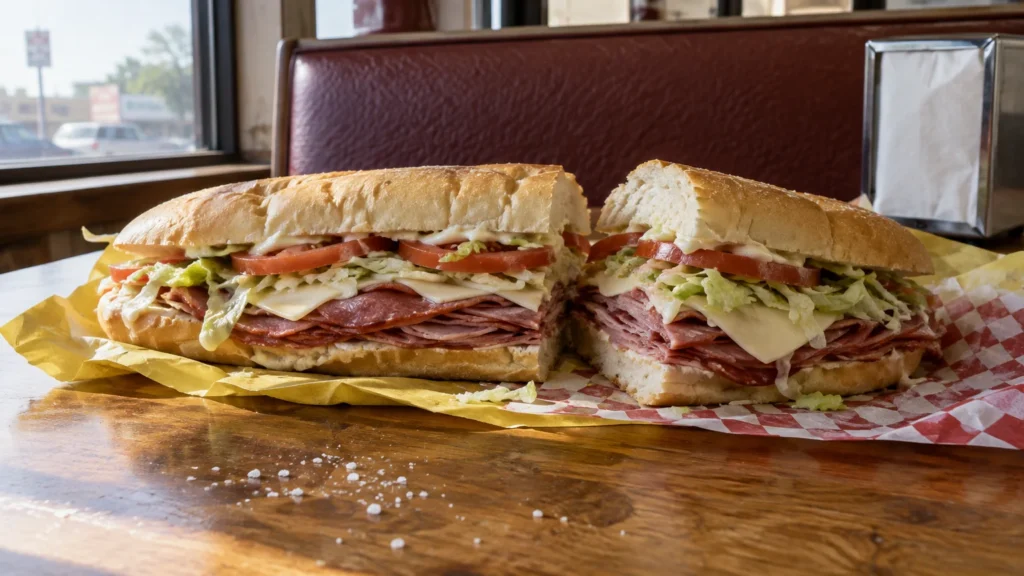
A quick sandwich feels like an easy lunch, yet physicians now urge older adults to rethink what goes between the bread. Cutting back on processed deli meats protects your heart, sharpens your memory, and lowers serious foodborne illness risks.
Everyday cold cuts like salami, bologna, cured ham, and pre-packaged turkey pack hidden sodium, saturated fat, and chemical preservatives. Even packages labeled natural or uncured often deliver the same concerning compounds.
You do not have to give up satisfying lunches to follow sound medical advice. Inside, you will learn which deli meats to limit, how to read tricky labels, and what delicious swaps keep you thriving.
The Important Role of Nutrition in Limiting Deli Meats
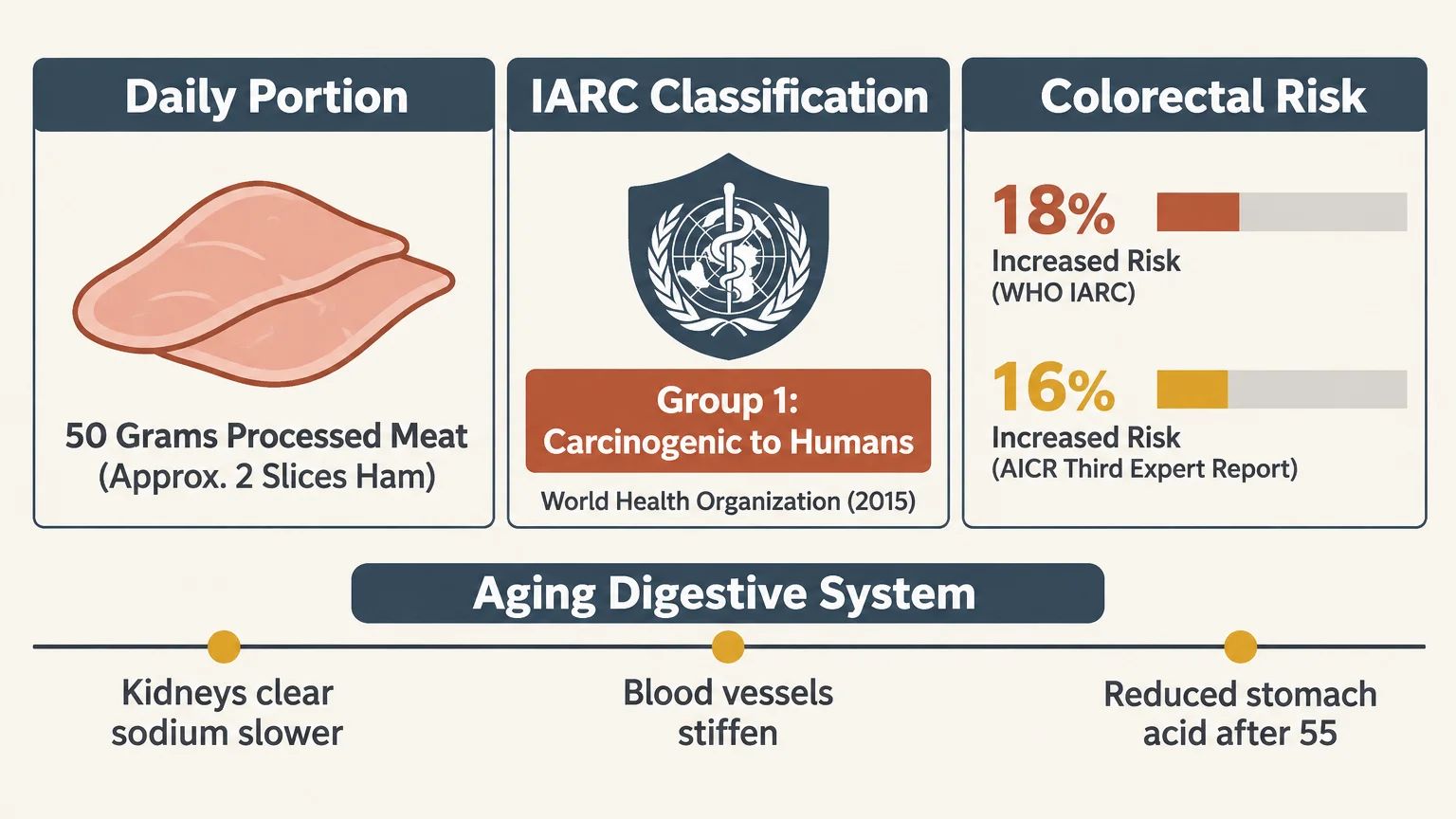
As you move past age 55, your body handles salt, saturated fat, and foodborne bacteria differently than it did in your thirties. Your kidneys clear excess sodium more slowly, your blood vessels stiffen, and your stomach produces less protective acid.
Understanding processed meat risks helps you make smart daily choices without feeling deprived. When you look closely at deli meats health research, four clear medical reasons explain why doctors recommend cutting back.
Processed Meat Risks and Colorectal Cancer
Health agencies define processed meat as any meat preserved through salting, curing, fermentation, or smoking. That broad category covers deli ham, salami, bologna, pepperoni, bacon, hot dogs, and sliced luncheon turkey.
In 2015, the World Health Organization’s International Agency for Research on Cancer placed processed meat in Group 1, classifying it as “carcinogenic to humans.” Researchers reached that conclusion after reviewing strong evidence linking processed meat directly to colorectal cancer.
Portion size matters more than many shoppers realize. That same international review found that eating just 50 grams of processed meat daily—roughly two slices of ham or slightly over two slices of deli turkey—raises colorectal cancer risk by 18%.
The American Institute for Cancer Research reports a 16% risk increase per 50-gram daily serving in its Third Expert Report. Because even small amounts carry measurable danger, the institute advises eating “little, if any, processed meat” each week.
If you still enjoy fresh red meat like beef or pork tenderloin, keeping portions to 12 to 18 ounces per week aligns with cancer prevention guidance. Globally, the Global Burden of Disease Project links over 34,000 cancer deaths annually to high processed meat intake.
Chemical curing agents explain part of that hazard. When nitrites meet proteins during curing or high-heat cooking, they can form compounds inside your digestive tract that damage the lining of your colon over time.
Your Brain Health and Cognitive Aging
What you put on your lunch plate also shapes how well your brain ages. Recent research shows that frequent cold-cut meals may quietly speed up memory loss and cognitive decline.
A landmark 43-year analysis published in Neurology in early 2025 tracked 133,771 U.S. adults across decades of eating habits. Researchers from Mass General Brigham, Brigham and Women’s Hospital, and the Harvard T.H. Chan School of Public Health led the investigation.
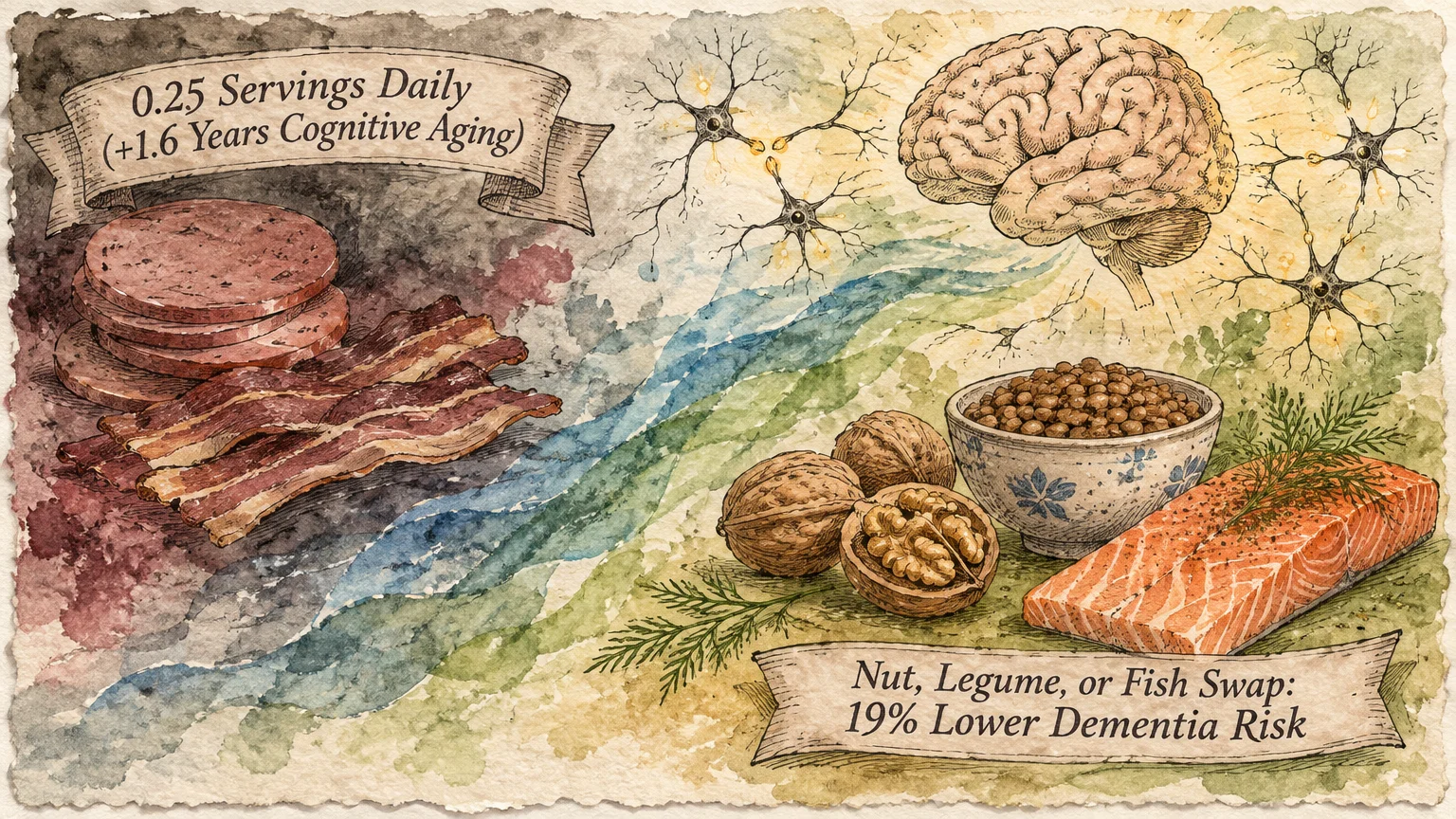
Eating 0.25 servings or more of processed red meat daily—around 1.5 slices of bologna or two strips of bacon—was linked to a 13% higher dementia risk. Participants at that level also showed a 14% higher risk of subjective cognitive decline.
Every additional daily serving of processed red meat corresponded to 1.6 extra years of cognitive aging. Fortunately, the same study uncovered an encouraging solution you can put into practice right away.
Replacing just one daily serving of processed red meat with nuts, legumes, or fish lowered dementia risk by 19%. That single swap protects blood flow to your brain while delivering healthy fats and antioxidants.
Additional evidence arrived in June 2026 from another Harvard T.H. Chan School of Public Health team. That study followed more than 5,300 adults over age 50 for an average of nine years.
Older adults with high daily intakes of ultra-processed foods faced a 58% higher dementia risk and a 46% higher risk of cognitive impairment. Among every food group measured, processed meats carried the single highest risk.
Sodium Deli Meat and Blood Pressure Control
High blood pressure affects most older Americans, making sodium deli meat a primary concern during doctor visits. According to Centers for Disease Control and Prevention data published in October 2024, 47.7% of all U.S. adults have hypertension.
That number climbs to 52.5% among adults aged 40 to 59 and surges to 71.6% among adults 60 and older. Even more concerning, only 20.7% of adults with high blood pressure keep it controlled below 130/80 mm Hg.
The 2025–2030 Dietary Guidelines for Americans, released in January 2026, set the daily sodium cap at less than 2,300 milligrams—about one teaspoon of table salt. They also advise keeping saturated fat under 10% of your daily calories.
For most adults, especially anyone managing high blood pressure, the American Heart Association recommends an ideal target of 1,500 milligrams of sodium per day. Cutting your daily sodium by 1,000 milligrams produces measurable improvements in blood pressure and heart health.
Most people eat far more salt than they realize, with average U.S. intake exceeding 3,100 to 3,400 milligrams daily. Roughly 90% of Americans surpass recommended limits, yet the saltshaker on your kitchen table is rarely the culprit.
Over 70% of dietary sodium hides inside packaged, prepared, and restaurant foods. That is why the American Heart Association places cold cuts and cured meats squarely among its top “Salty Six” sodium sources.
While the 2025–2030 federal guidelines encourage higher protein intake to preserve muscle as you age, experts urge caution with how you get it. Choosing cured meats to hit protein goals raises saturated fat and sodium, whereas lean fresh meats and plants protect your heart.
Why Listeria Poses a Serious Threat After 65
Beyond chronic heart and brain concerns, deli meats carry an immediate infectious risk for older adults. Ready-to-eat cold cuts are a frequent source of Listeria monocytogenes, a dangerous bacterium that thrives where other germs die.
Unlike Salmonella or E. coli, Listeria grows easily in cold, damp refrigerators at temperatures as low as 31°F and even survives freezing. After exposure, symptoms can take up to 70 days to appear, making the source hard to trace.
Government health figures show roughly 1,600 Americans contract listeriosis every year, and about 260 die from the infection. That 15% to 20% mortality rate makes Listeria the third leading cause of U.S. foodborne illness deaths.
More than half of all Listeria cases strike older adults, and nearly half of adults 65 and older with lab-confirmed foodborne illnesses require hospital care. Age-related drops in immune response and stomach acid make fighting off these bacteria much harder.
The 2024 Boar’s Head deli-meat outbreak underscored how fast a contamination event can spread. That incident caused 61 confirmed illnesses, 60 hospitalizations, and 10 deaths across 19 states, prompting an 11.7-million-pound product recall.
Federal food safety inspectors tightened oversight starting in January 2025 by expanding testing across ready-to-eat meats and processing equipment. Active recalls still occur, including a November 2026 public health alert involving ready-to-eat meat items.
Because contamination cannot be seen, smelled, or tasted, health officials advise adults 65 and older—and urge caution starting at age 50—to avoid unheated deli meats. Reheating cold cuts until steaming hot eliminates the bacterial threat.
Foods to Embrace and Foods to Limit
Sorting through the supermarket deli case can feel confusing when bright packages promise lean protein or homestyle flavor. Knowing exactly which cuts create the highest trouble helps you steer clear of hidden traps.
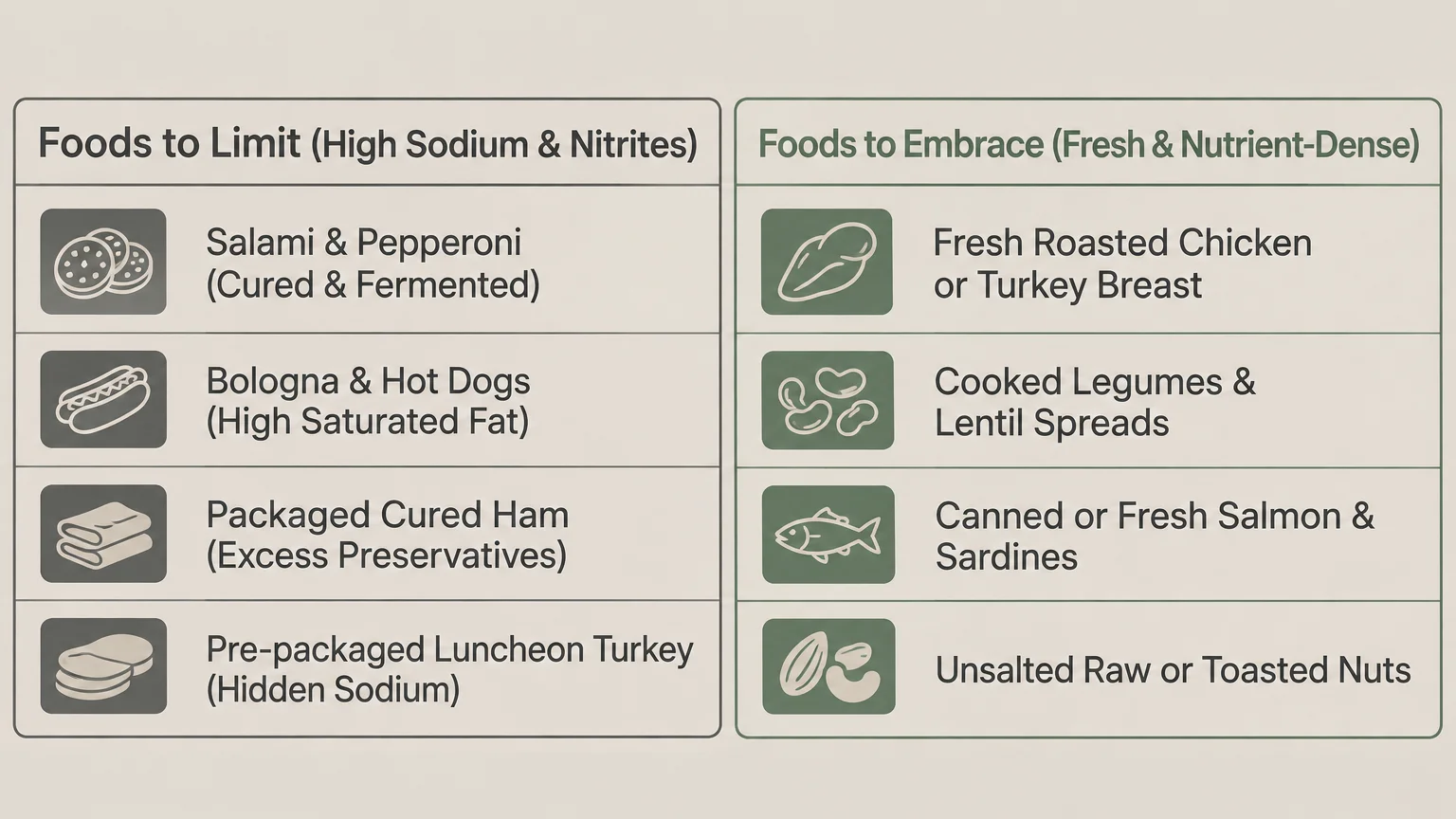
Doctors’ diet advice focuses on cutting cured, fatty, and ultra-salty meats while bringing fresh, minimally processed proteins back to your table. Here is how to tell the worst offenders from your healthiest lunch choices.
Deli Meats Doctors Recommend Limiting
Salami, Pepperoni, and Bologna: Dry-cured sausages and emulsified lunch meats combine heavy saturated fat with dense sodium in every thin slice. U.S. Department of Agriculture nutrient records show Italian pork salami packs 3.69 grams of saturated fat in a single ounce.
Even reduced-sodium pork and beef salami still delivers 623 milligrams of sodium per three-ounce portion. Meanwhile, classic bologna carries 3.32 grams of saturated fat per ounce, and smoked turkey-and-beef kielbasa packs 672 milligrams of sodium and 3.50 grams of saturated fat per two ounces.
Cured Ham and Canned Luncheon Meats: Traditional deli ham relies on salt-water brines and curing agents for its pink color and shelf life. Nutrient data show cured bone-in ham contains between 614 and 719 milligrams of sodium in just three ounces.
Reduced-salt versions rarely solve the problem on their own. Canned ham or pork luncheon meat labeled 25% reduced sodium still contains 580 milligrams of sodium per two-ounce serving—nearly a third of a heart-healthy daily budget.
Pre-Packaged and Rotisserie Deli Turkey: Many shoppers swap ham for turkey thinking they made a heart-smart move, yet deli poultry often hides shockingly high salt. The American Heart Association warns that deli or pre-packaged turkey can pack up to 1,050 milligrams of sodium.
Nutrient breakdowns reveal how dramatically turkey products vary by brand and preparation. Rotisserie-style white-meat deli turkey reaches 576 milligrams of sodium in a single ounce, and turkey ham carries 290.6 milligrams per ounce.
Even formed oven-roasted turkey breast averages 269 milligrams of sodium per 1.59-ounce portion before you add bread, cheese, or mustard. When you stack three or four slices on a sandwich, your sodium count climbs fast.
Uncured Meats Made With Celery Powder: Bright green labels boasting “no added nitrites” tempt health-conscious shoppers into buying pricey cold cuts. Under federal labeling rules, meats cured with natural nitrate sources like celery powder must display the word “uncured.”
Those packages must also print a disclaimer stating, “no added nitrates or nitrites except those naturally occurring in celery powder.” Both U.S. and European food safety reviews confirm that cultured celery powder converts into active nitrite during processing.
Tests show finished “uncured” meats contain residual nitrite levels between 100 and 180 parts per million—comparable to meat cured with synthetic sodium nitrite. Your digestive tract treats both versions the exact same way.
Healthy Lunch Meat Alternatives to Embrace
Home-Roasted Chicken and Turkey Breast: The cleanest healthy lunch meat is poultry you roast yourself without brines or curing powders. Seasoning a fresh turkey tenderloin or chicken breast with olive oil, black pepper, and rosemary keeps sodium minimal.
Freshly roasted, unsalted chicken breast supplies muscle-supporting protein with very little sodium. You get tender slices for sandwiches with zero chemical preservatives.
Wild Salmon, Sardines, and Low-Sodium Tuna: Canned or poached fish turns a mundane sandwich into a brain-boosting meal. Fatty fish delivers omega-3 fats and vitamin B12, nutrients older adults need for memory and nerve function.
Look for “no salt added” canned salmon or water-packed tuna to keep sodium in check. Swapping processed meat for fish aligns directly with the 19% reduction in dementia risk found in recent long-term studies.
Beans, Lentils, Hummus, and Nuts: Plant proteins bring fiber, potassium, and antioxidants that actively relax blood vessels and lower blood pressure. Smashed chickpeas tossed with lemon juice and herbs create a creamy, satisfying sandwich filling in minutes.
Spreading thick garlic hummus or walnut-lentil pate on whole-grain bread adds rich flavor without saturated fat. Replacing daily cold cuts with nuts and legumes gives your heart and brain lasting protection.
Hard-Boiled Eggs and Fresh Cheeses: Eggs offer gentle, affordable protein that cooks in ten minutes and stays safe in the shell for days. Chopped eggs folded with plain nonfat Greek yogurt, chives, and Dijon mustard replace salty ham effortlessly.
Fresh mozzarella slices paired with ripe tomato, basil, and cracked pepper make another crisp, low-sodium lunch. Choose fresh, unaged cheeses instead of processed cheese slices to keep salt low.
For science-based nutrition information, refer to the U.S. Department of Agriculture at Nutrition.gov and the Dietary Guidelines for Americans. The National Institute on Aging also has excellent resources on healthy eating for seniors.
A Simple, Healthy Meal Idea
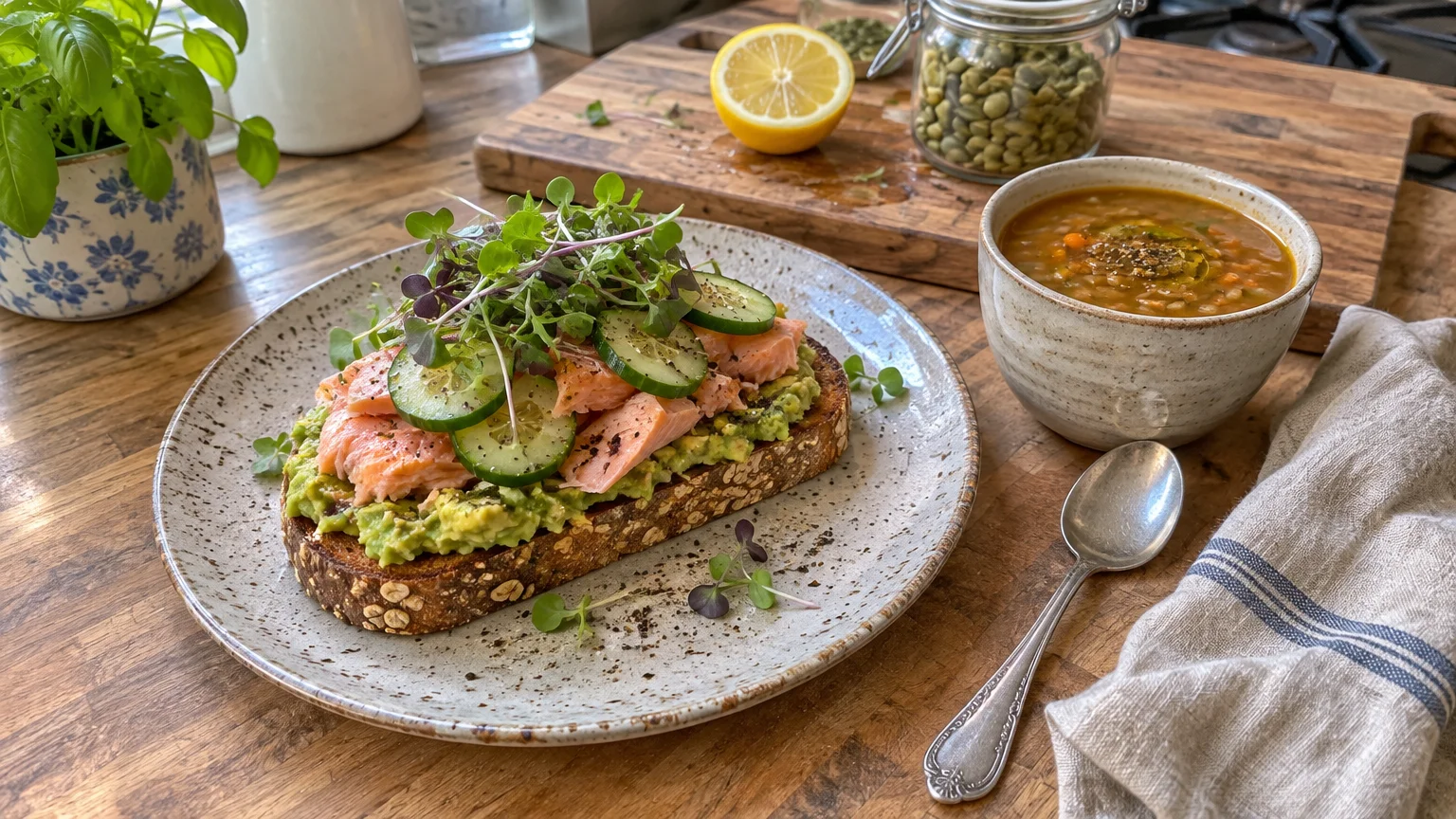
Transitioning away from cold cuts works best when your replacement lunch tastes even better than an ordinary deli sandwich. This warm open-faced toast delivers bright herbs, creamy healthy fats, and tender protein in under ten minutes.
Warm Lemon-Herb Chicken and Avocado Tartine
Start with one thick slice of sprouted whole-grain or sourdough bread and toast it until crisp and golden. Rub the warm surface lightly with half a peeled garlic clove for instant savory aroma without adding salt.
Mash a quarter of a ripe avocado with a squeeze of fresh lemon juice, a pinch of black pepper, and chopped fresh dill. Spread the creamy green mixture evenly across your warm toast as a heart-healthy stand-in for mayonnaise.
Top the avocado with three ounces of thinly sliced, home-roasted chicken breast warmed gently in a skillet with a splash of olive oil. Heating the meat until steaming hot ensures safety while releasing rich, comforting flavor.
Finish the tartine with thin cucumber ribbons, sliced cherry tomatoes, and a handful of baby arugula for crisp texture. Serve alongside a cup of fresh berries or vegetable soup for a balanced meal.
Quick 5-Minute Plant-Based Variation
If you want a meatless option backed by brain-health research, swap the chicken for half a cup of rinsed, no-salt-added canned chickpeas. Mash the beans roughly with a fork so they hold together on bread without turning completely smooth.
Stir in two tablespoons of chopped toasted walnuts, a teaspoon of olive oil, diced celery, and fresh lemon zest. Pile the mixture onto your garlicky toast for a crunchy, fiber-rich lunch that keeps blood sugar steady all afternoon.
Tips for Shopping and Meal Prep
Changing lifelong grocery habits gets much easier when you have simple rules to rely on in the store and kitchen. These practical strategies take the guesswork out of buying, storing, and preparing safer lunches.
Read Nutrition Labels Past the Front Claims
Marketing phrases on deli packaging often distract shoppers from the numbers that truly matter. Flip every package over and scan the Nutrition Facts label before placing it in your cart.
Under Food and Drug Administration rules, 5% Daily Value or less of sodium per serving counts as low, while 20% or more counts as high. Official label definitions classify “low sodium” as 140 milligrams or less per serving and “very low sodium” as 35 milligrams or less.
Be cautious with packages stamped “reduced sodium,” because that claim only guarantees 25% less salt than the standard recipe. A very salty ham cut by a quarter can still exceed 500 milligrams per modest serving.
In December 2024, federal regulators updated the official criteria for using the word “healthy” on food labels. Qualifying single foods must now stay at or below 10% Daily Value of sodium per serving alongside strict saturated fat and added sugar caps.
While the FDA issued draft voluntary sodium reduction targets in August 2024 to help manufacturers lower average national intake toward 2,750 milligrams daily, change takes time. Reading the milligram line yourself remains your strongest defense.
Follow Strict Fridge and Reheating Rules
Smart storage habits shrink your risk of Listeria exposure right inside your own kitchen. Keep a simple appliance thermometer in your refrigerator to verify the temperature stays at 40°F or below at all times.
According to federal cold storage charts, opened packages or freshly sliced deli luncheon meats stay safe for only three to five days in the fridge. Unopened sealed packages keep for two weeks, and frozen portions hold safely for one to two months at 0°F.
Opened packages of hot dogs and bacon keep safely for just one week. Write the opening date directly on the wrapper with a permanent marker so questionable leftovers never linger in the back drawer.
Whenever you choose to eat store-bought cold cuts, follow the CDC safety step for adults 65 and older. Heat deli slices, fermented sausages, or hot dogs in a skillet or microwave until they reach 165°F and steam visibly before eating.
Batch-Cook and Freeze Your Own Slices
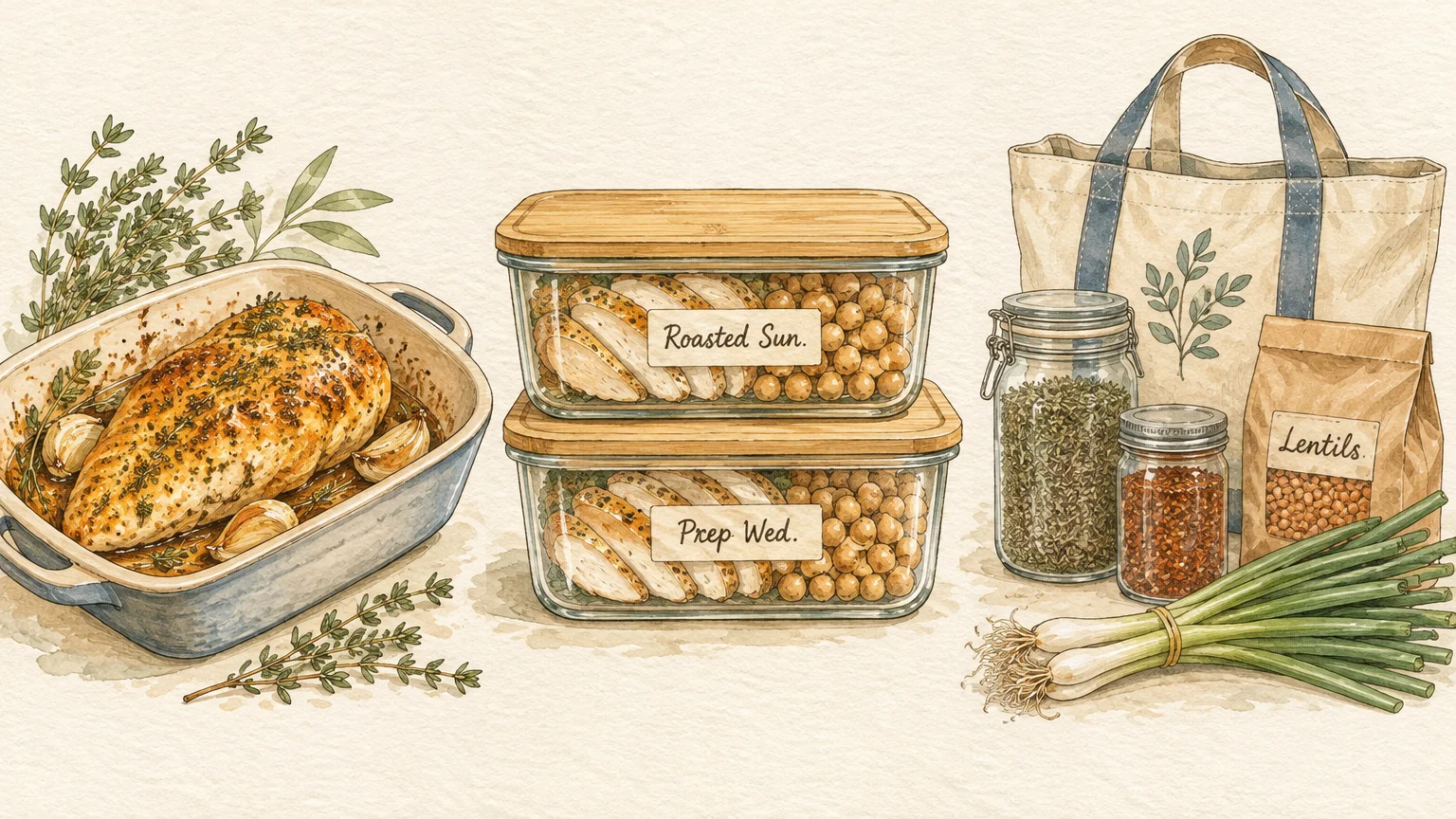
You can match the speed of pre-packaged lunch meat by dedicating thirty minutes on Sunday to roasting your own protein. Bake two bone-in turkey breasts or four boneless chicken breasts seasoned with garlic powder, thyme, and paprika.
Let the meat cool completely, then slice it thinly against the grain with a sharp carving knife. Divide the slices into two- or three-day portions inside labeled freezer bags and press out extra air before sealing.
Keep one small bag in the refrigerator for immediate lunches and move the rest into the freezer. Defrosting a fresh batch overnight gives you convenient, preservative-free sandwich meat whenever you want it.
Frequently Asked Questions
Is deli turkey healthier than ham or salami?
Deli turkey usually contains less saturated fat than pork salami or bologna, yet it still poses serious risks. Many sliced turkey brands pack 269 to 576 milligrams of sodium per small serving, and pre-packaged cuts can reach 1,050 milligrams.
Deli turkey also counts as processed meat and carries the same Listeria hazards when eaten cold. Roasting fresh turkey breast at home gives you true lean protein without the salt or curing chemicals.
Are uncured deli meats safer than regular cold cuts?
No, “uncured” meats do not protect you from processed meat risks. Producers use cultured celery powder, which naturally converts to nitrite and leaves 100 to 180 parts per million of residual nitrite—matching conventional cured meats.
Uncured cold cuts also remain high in sodium and carry identical refrigeration risks for Listeria. Treat uncured ham, bacon, and turkey as occasional foods rather than everyday staples.
How do I make store-bought lunch meat safe from Listeria?
If you are 65 or older, federal health experts advise avoiding cold, unheated deli meats completely. To make them safe, heat the slices in a pan or microwave until they reach an internal temperature of 165°F and appear steaming hot.
Always refrigerate opened deli meats at 40°F or below and discard any leftovers after three to five days. Wash cutting boards, knives, and hands with warm soapy water after handling packages.
How much sodium should older adults eat per day?
The 2025–2030 Dietary Guidelines for Americans cap daily sodium at less than 2,300 milligrams for adults. However, because over seven in ten adults 60 and older have high blood pressure, the American Heart Association recommends aiming for 1,500 milligrams daily.
Even trimming 1,000 milligrams from your current routine helps lower blood pressure. Cutting back on cold cuts, canned soups, and salty condiments gets you halfway there quickly.
What is the best swap for a daily bologna or ham sandwich?
Freshly roasted chicken or turkey slices, canned low-sodium salmon, and mashed chickpea salad make top replacements. Long-term studies show that swapping just one daily serving of processed meat for nuts, legumes, or fish lowers dementia risk by 19%.
Pair those clean proteins with whole-grain bread, crisp greens, avocado, or tomato for fullness without excess salt. Your heart, blood pressure, and memory will thank you with every bite.
Disclaimer: This article is for informational purposes only and does not constitute medical advice. Always seek the advice of your physician or other qualified health provider with any questions you may have regarding a medical condition.