Walnuts deliver significantly more plant-based omega-3 fatty acids, while almonds win the race for daily protein. Choosing between these two powerhouses comes down to your personal wellness goals.
As you age, your body requires distinct nutrients to protect your memory, preserve lean muscle, and support your arteries. Both nuts offer remarkable health benefits for vibrant senior living.
Discovering how their nutritional profiles compare helps you make the most nourishing choice for your breakfast bowl or afternoon snack. Here is how almonds and walnuts stack up for your long-term vitality.

The Important Role of Nutrition in Healthy Aging
Nutrition serves as the master key to maintaining energy, mobility, and independence as you grow older. Your body processes vitamins, minerals, and macronutrients with greater sensitivity than it did in previous decades.
Maintaining arterial elasticity, bone mineral density, and sharp cognitive function requires consistent, thoughtful choices. Every meal and snack provides an opportunity to nourish your cellular resilience.
Many older adults experience gradual declines in muscle mass alongside slower digestive transit. Wholesome foods packed with natural fiber and clean plant protein directly counteract these physical changes.
At the same time, low-grade systemic inflammation can wear down your cardiovascular system over time. Antioxidant-rich foods help calm this internal stress before it harms delicate blood vessels.
Whole tree nuts provide concentrated packets of sustained nourishment in convenient, bite-sized portions. They supply clean energy without triggering rapid, destabilizing surges in your blood glucose levels.
When you compare almonds vs walnuts, you discover two distinct nutritional paths toward long-term vitality. Understanding their unique gifts empowers you to customize your daily diet for maximum benefit.
Omega-3 Fatty Acids: Why Walnuts Claim the Crown
When your primary dietary goal is elevating your omega-3 intake, walnuts claim an effortless victory. They stand in an elite category among all tree nuts for their unique fatty acid concentration.
Almonds provide many admirable health perks, but they cannot compete in this specific nutritional arena. Examining the exact measurements reveals why walnuts earn such widespread acclaim.
The Power of Alpha-Linolenic Acid
Walnuts serve as the richest tree-nut source of alpha-linolenic acid, the essential plant form of omega-3. A standard 1-ounce serving provides between 2.5 and 2.57 grams of ALA.
To picture that portion, 1 ounce equals approximately 14 walnut halves. That modest handful transforms walnuts into the only tree nut officially recognized as an excellent source of ALA.
Almonds contain merely trace or negligible amounts of ALA by comparison. A 1-ounce portion of almonds supplies only 0.001 to 0.05 grams of this essential fatty acid.
For adults aged 51 and older, the daily recommended adequate intake of ALA is 1.6 grams for men. Women in that same age bracket require 1.1 grams each day.
A single 1-ounce serving of walnuts easily exceeds the entire daily requirement for both men and women. This makes walnuts the clear champion among omega-3 nuts.
Adding this singular nut to your morning routine guarantees that your body receives its baseline plant omega-3s. It provides immediate peace of mind for your cardiovascular health.
Brain Health and Cardiovascular Protection
Your brain is composed largely of structural fats and demands constant protection against cellular oxidation. Walnuts supply specialized polyphenols and ALA that defend neural membranes from daily wear and tear.
The human body converts plant-based ALA into marine omega-3s at a relatively modest rate. Conversion rates to EPA and DHA typically remain below 15 percent, often measuring between 5 and 10 percent.
This means walnuts support your vitality primarily through ALA itself rather than replacing marine sources. ALA exerts direct anti-inflammatory actions that soothe your arterial linings and support balanced blood pressure.
The synergistic combination of ALA and potent polyphenols promotes relaxed blood vessels. This relaxed state encourages smoother blood circulation throughout your brain and peripheral tissues.
These vascular advantages form the foundation of the documented walnuts health benefits recognized by medical researchers. Regular consumption helps keep your mind alert and your circulation robust.
If you prefer a plant-forward diet without relying entirely on seafood, walnuts belong in your kitchen cupboard. They provide unmatched plant-derived vascular support.
Protein Content: Why Almonds Win for Muscle Preservation
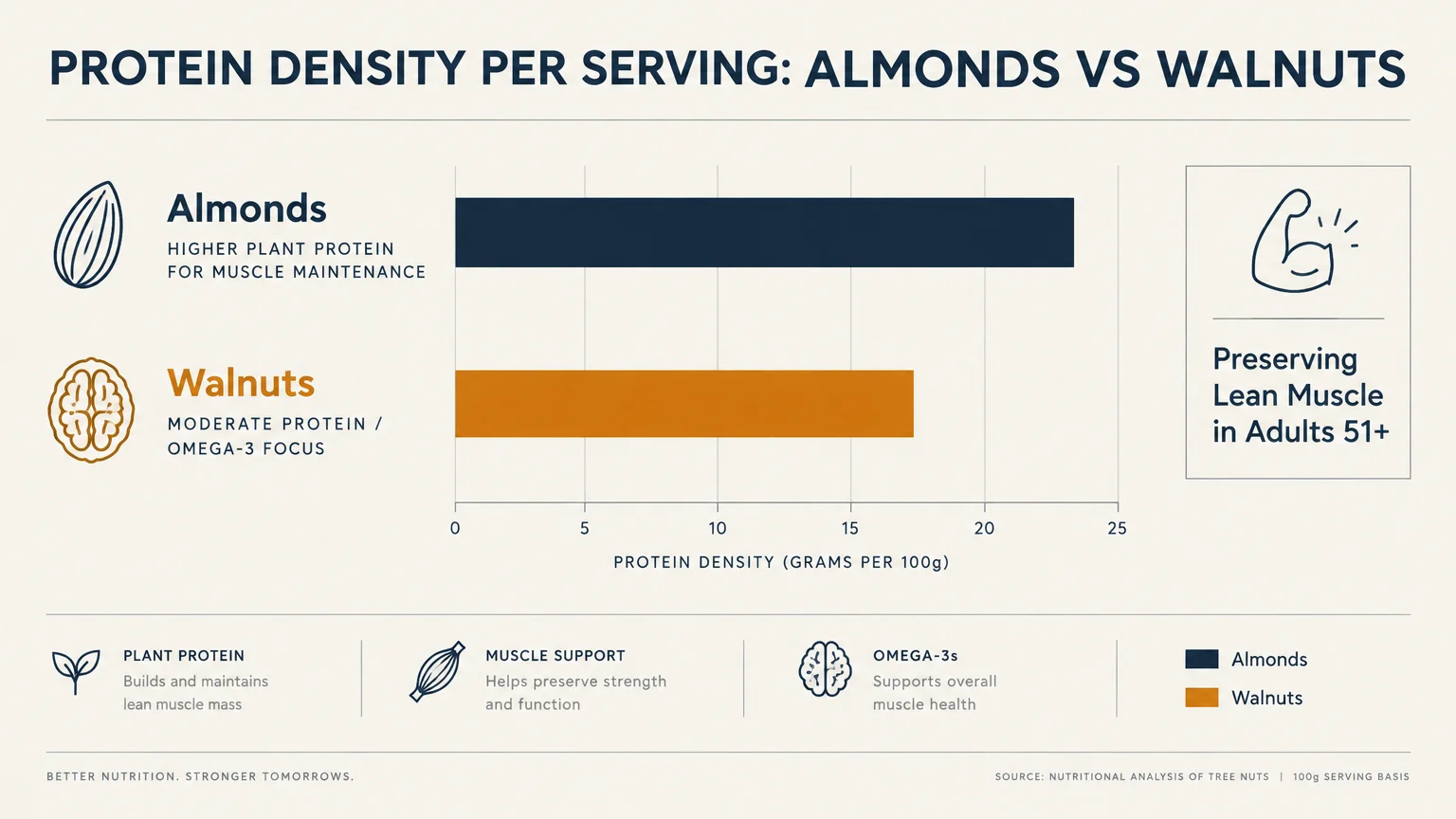
While walnuts dominate the omega-3 category, almonds emerge victorious when you measure protein in nuts. Almonds supply your physical frame with the vital materials needed for daily renewal.
Protein requirements change as you mature, making the density of your protein sources especially important. Almonds deliver exceptional muscle-sparing nutrition in every crunchy bite.
Protecting Muscle Mass After Fifty
A standard 1-ounce serving of almonds provides 6 grams of protein. That serving equals roughly 23 whole almonds, making it a filling and substantial portion.
This 6-gram total ties almonds with pistachios for the highest protein content among all tree nuts. They offer unmatched plant-based density for older adults.
Walnuts offer a respectable 4 to 4.3 grams of protein per 1-ounce serving. While helpful, walnuts fall noticeably behind almonds in this muscle-building category.
Sarcopenia, the natural age-related loss of skeletal muscle tissue, accelerates quietly after age fifty. Consuming sufficient protein helps preserve your physical strength, balance, and daily autonomy.
When your diet lacks adequate protein, your body draws amino acids directly from your muscles. Snacking on almonds helps shield your muscular framework from this gradual breakdown.
Whether you enjoy brisk walking, yoga, or tending your garden, your muscles require regular replenishment. Almonds provide the exact amino acids needed to maintain your physical resilience.
Satiety and Blood Sugar Regulation
The robust protein in almonds works together with dietary fiber to slow down digestion. This gradual breakdown prevents sharp spikes in blood glucose after you eat.
When your digestive system absorbs nutrients steadily, you experience calm, prolonged energy rather than midday sluggishness. Almonds keep your metabolic rhythms remarkably smooth.
This sustained satiety curbs unnecessary between-meal grazing on refined crackers or sugary cookies. You feel comfortably satisfied long after finishing your morning or afternoon snack.
For seniors managing insulin resistance or type 2 diabetes, this steady glycemic profile proves deeply protective. Almonds offer dependable metabolic stability without extra medication adjustments.
Choosing almonds over processed carbohydrate snacks helps keep your blood sugar in a safe, steady range. Your pancreas and circulatory vessels will thank you for the gentle treatment.
By choosing almonds, you satisfy your hunger while investing in your physical stamina. They represent one of the healthiest nuts you can add to your pantry.
Key Micronutrients for Seniors: Calcium, Magnesium, and Vitamin E
A thorough comparison of almonds and walnuts extends far beyond macronutrients. The essential minerals and fat-soluble vitamins tucked inside these nuts play crucial roles in your daily wellness.
Older adults frequently absorb micronutrients less efficiently from regular meals. Choosing nutrient-dense tree nuts helps bridge these common nutritional gaps with whole-food ease.
Vitamin E for Cellular Defense
Almonds serve as an extraordinary storehouse of vitamin E, an essential fat-soluble antioxidant. Walnuts, by contrast, offer merely fractional traces of this vital compound.
A single ounce of almonds delivers 7.3 mg of vitamin E. This generous serving fulfills nearly 50 percent of the 15 mg Daily Value.
Walnuts supply only 0.2 mg of vitamin E in that same serving size. Almonds are the undeniable winner for antioxidant defense.
Vitamin E protects cellular membranes from environmental oxidants and normal metabolic waste. It defends your skin elasticity, supports eye health, and protects cognitive pathways.
Furthermore, adequate vitamin E intake bolsters T-cell-mediated immune function in older adults. It strengthens your internal shield against seasonal bugs and environmental threats.
Adding 23 almonds to your daily routine gives you an effortless boost of this cell-protecting nutrient. It serves as natural insurance for healthy cellular longevity.
Bone Density and Muscle Function
Calcium and magnesium operate in close biochemical harmony to maintain your skeletal strength and regulate muscle contractions. Almonds hold a significant advantage in both minerals.
One ounce of almonds delivers 76 mg of calcium and 77 mg of magnesium. These meaningful quantities support bone remodeling and continuous cellular communication.
Walnuts supply between 28 and 30 mg of calcium and 45 mg of magnesium per ounce. While still beneficial, their mineral totals remain considerably lighter.
Magnesium is famous for relaxing tightened muscles and preventing disruptive nighttime leg cramps. It also encourages a calm nervous system before you drift off to sleep.
When combined with daily sunshine or vitamin D supplements, the calcium in almonds helps defend bone mineral density. It helps keep your bones sturdy and resistant to fractures.
If bone health and peaceful muscle relaxation top your personal wellness checklist, almonds deserve a permanent spot in your kitchen. They provide essential structural support.
Dietary Fiber and Digestive Wellness
A comfortable, predictable digestive system plays a huge part in how energetic you feel each day. Dietary fiber provides the mechanical and prebiotic foundation for gut harmony.
Aging often slows down intestinal motility, making adequate fiber intake a daily necessity for comfortable living. Choosing high-fiber tree nuts provides natural, gentle relief.
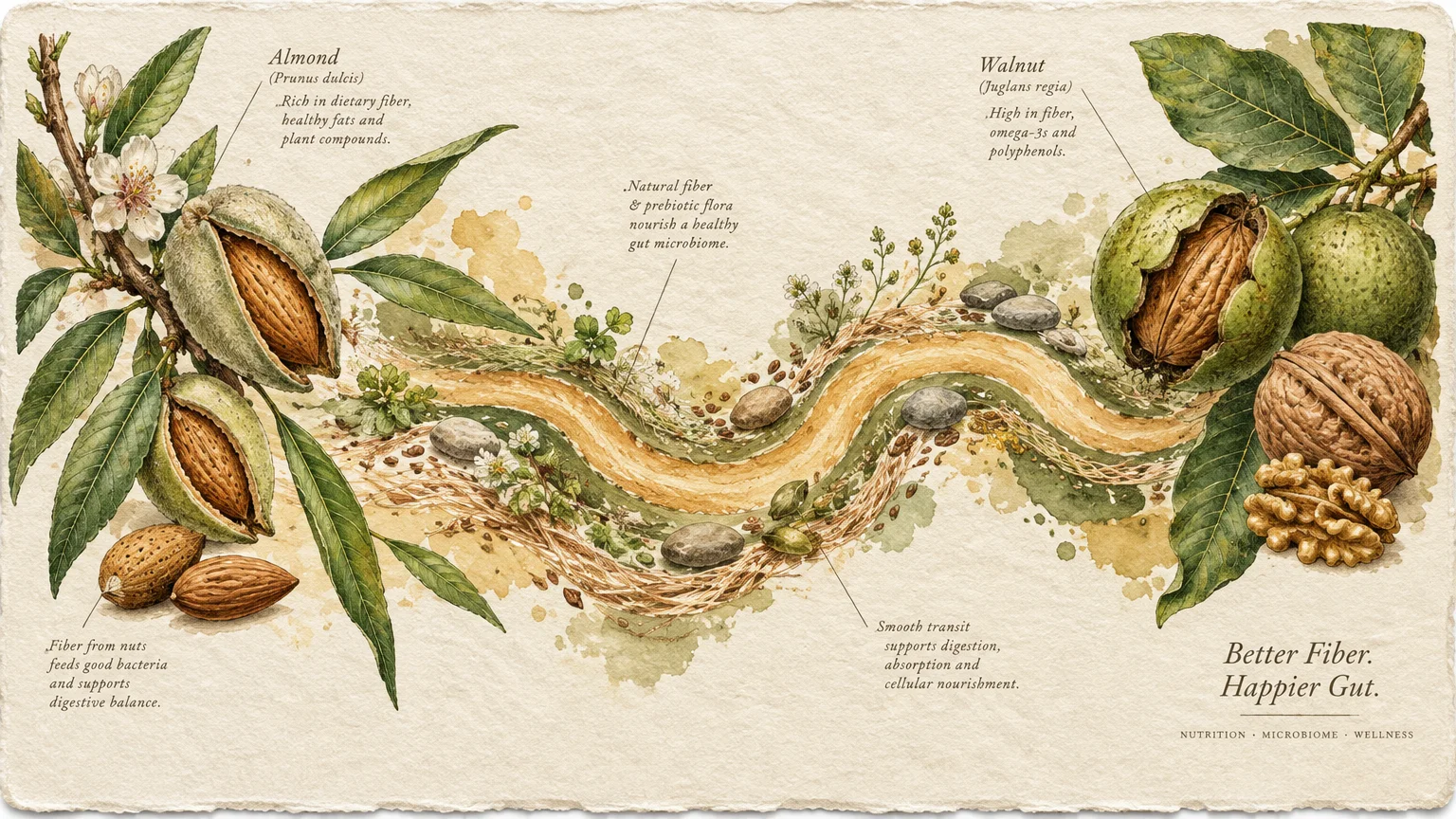
Almonds lead all culinary tree nuts in fiber content, offering 3.5 to 4 grams per 1-ounce serving. This makes them a premier food for regular elimination.
Walnuts supply 2 grams of dietary fiber in an equivalent 1-ounce portion. While supportive, walnuts provide only about half the digestive bulk found in almonds.
The insoluble fiber in almonds gently sweeps through the intestinal tract, adding volume to stool and preventing constipation. It reduces uncomfortable bloating and digestive strain.
At the same time, both almonds and walnuts supply prebiotic compounds that nourish beneficial gut bacteria. These friendly microbes ferment fiber into nourishing short-chain fatty acids.
These fatty acids strengthen your gut barrier and promote systemic immune health. Nourishing your microbiome with nuts helps your entire digestive tract operate harmoniously.
Fats, Calories, and Modern FDA Standards
Many seniors remember the fat-phobic dietary advice of the late twentieth century with lingering suspicion. Fortunately, modern nutritional science has set the record straight on wholesome plant fats.
Your cardiovascular system, nervous tissue, and cell membranes thrive on healthy unsaturated fats. Almonds and walnuts present distinct yet equally beneficial lipid profiles.
Understanding Healthy Fat Ratios
A 1-ounce serving of almonds contains roughly 160 to 164 calories and 14 to 14.2 grams of total fat. Monounsaturated fats dominate this profile at 9 grams.
Almonds also carry 3.5 grams of polyunsaturated fat and just 1 gram of saturated fat. This monounsaturated dominance mirrors the heart-healthy Mediterranean diet.
Walnuts pack slightly more energy, delivering 185 to 190 calories and 18 to 18.5 grams of total fat per ounce. Polyunsaturated fats reign supreme here at 13 grams.
Walnuts also supply 2.5 grams of monounsaturated fat and 1.5 grams of saturated fat. This polyunsaturated composition explains their soft, crumbly bite and rich mouthfeel.
Both nuts keep saturated fat remarkably low, ensuring that your blood vessels receive pure, heart-protective lipids. Neither nut contains any dietary cholesterol.
The Modern FDA Healthy Label
The Food and Drug Administration finalized a modernized definition of the implied nutrient content claim “healthy” on December 27, 2024. The rule took effect on February 25, 2025.
Food companies have until the final compliance date of February 25, 2028, to update their product labels. This modern standard reflects current dietary evidence.
Under the outdated 1994 rule, nuts were excluded from using the “healthy” claim because of their total fat content. That obsolete restriction penalized nutrient-dense foods unfairly.
Under the modernized rule, plain almonds and walnuts now officially qualify to display the “healthy” claim on packaging. Regulators finally prioritize fat quality over arbitrary total fat limits.
Additionally, both nuts carry long-standing FDA-authorized qualified health claims regarding heart disease. The FDA authorized this claim for most nuts in July 2003 and specifically for walnuts in March 2004.
These claims state that eating 1.5 ounces per day of most nuts as part of a low-saturated-fat diet may reduce coronary heart disease risk. This guidance provides immense clinical reassurance.
Knowing that federal health agencies endorse these foods allows you to enjoy them with complete confidence. They deliver certified cardiovascular protection for older adults.
Foods to Embrace and Foods to Limit
Maximizing the wellness benefits of almonds and walnuts requires placing them within a vibrant, whole-food pattern. What you avoid matters just as much as what you embrace.
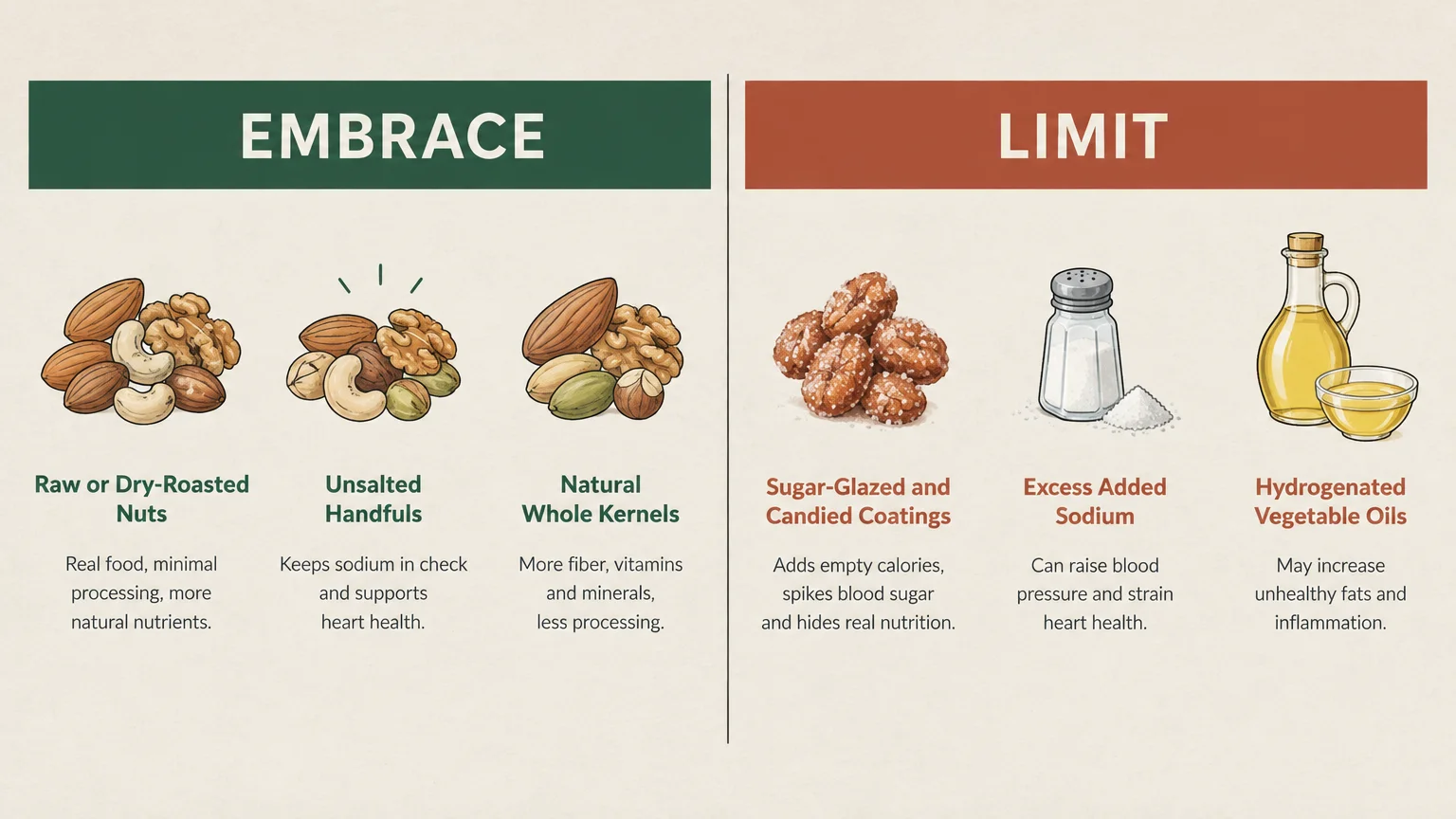
Embrace plain raw or dry-roasted almonds and walnuts to avoid unneeded sodium and industrial processing oils. Plain varieties preserve delicate antioxidants and pure flavors.
Welcome rich blueberries, blackberries, and sliced apples into your daily snacking routine. Their colorful anthocyanins work alongside nut fats to protect delicate blood vessel linings.
Incorporate dark leafy greens such as baby spinach, Swiss chard, and collard greens into your main meals. These greens supply valuable vitamin K, lutein, and bone-building minerals.
Enjoy fatty cold-water fish like wild salmon, sardines, and Atlantic mackerel twice each week. They provide preformed DHA and EPA that complement the ALA in walnuts perfectly.
Embrace traditional rolled oats, barley, and quinoa for rich soluble fiber. These unrefined grains help bind excess cholesterol and carry it safely out of your system.
Limit candied, honey-roasted, or sugar-glazed nuts that resemble confectionery more than nutritious snacks. Added sugars spike your blood glucose and promote systemic inflammation.
Steer clear of commercial trail mixes that feature chocolate candies, sweetened dried cranberries, and hydrogenated oils. These additions transform a wholesome snack into a high-calorie dessert.
Avoid nuts roasted in low-grade commercial vegetable oils, such as corn, cottonseed, or soybean oil. High processing heat damages those sensitive oils before you take a single bite.
Reduce heavily salted nuts if you manage high blood pressure or congestive heart issues. Excessive sodium pulls water into your bloodstream, straining delicate arterial walls.
A Simple, Healthy Meal Idea
You do not need complicated recipes to reap the dual benefits of almonds and walnuts. Combining both into a quick morning breakfast gives you complete nutritional coverage.
Start by preparing a warm bowl of steel-cut oats using water or unsweetened soy milk. Steel-cut oats supply beta-glucan fiber that actively helps manage cholesterol levels.
Measure out a half-ounce of raw walnut halves, which is approximately 7 halves. Chop them gently into bite-sized pieces using a sturdy paring knife.
Measure out a half-ounce of slivered or sliced almonds, which equals roughly 11 to 12 whole nuts. Sliced almonds provide a pleasant, tender crunch that protects older teeth.
Transfer the warm oatmeal into a ceramic bowl and dust it with a quarter-teaspoon of ground cinnamon. Cinnamon adds warm, inviting sweetness without a single grain of sugar.
Fold the chopped walnuts and sliced almonds directly into the steaming porridge. The rising heat gently releases the fragrant, natural oils stored within the nuts.
Scatter a handful of fresh or thawed wild blueberries across the top for natural sweetness and color. Blueberries contribute precious flavonoids that support mental clarity.
This warm breakfast delivers over 1.2 grams of plant omega-3s, 5 grams of wholesome nut protein, and plenty of fiber. It sets a nourishing tone for your entire day.

Tips for Shopping and Meal Prep
Navigating grocery aisles and preparing your pantry can feel overwhelming with all the competing marketing claims. Simple kitchen routines make healthy nut consumption safe, affordable, and practical.
Selecting the Cleanest Products
Always examine the ingredient label on the back of the package before placing nuts in your cart. The ingredient list should mention only almonds or walnuts, without added oils or sugars.
Select packages labeled “raw” or “dry roasted” to ensure no damaged seed oils were introduced during cooking. This guarantees you receive pure, unadulterated plant nutrition.
Choose unsalted varieties to keep your daily sodium intake under tight, heart-healthy control. You can always enhance flavor at home with rosemary, cinnamon, or nutritional yeast.
Storing Nuts for Peak Freshness
The delicate polyunsaturated fats in walnuts oxidize quickly when left in warm, bright pantries. Oxidation destroys beneficial omega-3s and creates an unpleasant, bitter aftertaste.
Keep your walnuts in an airtight glass container inside your refrigerator or freezer. Freezing preserves their delicate fatty acids and crisp texture for many months.
Almonds contain more stable monounsaturated fats and protective vitamin E, allowing them to stay fresh in a cool, dark cupboard. Always seal the container tightly after each use.
Texture Adjustments for Easy Chewing
If dental work, implants, or sensitive gums make chewing whole almonds challenging, soak them in cool water overnight. Soaking softens their firm structure while preserving every vital nutrient.
Alternatively, choose sliced almonds, slivered almonds, or walnut pieces when shopping. These smaller cuts blend easily into yogurt, applesauce, or warm porridge without demanding vigorous chewing.
You can also enjoy single-ingredient almond butter or walnut butter spread lightly onto whole-grain toast. Nut butters deliver identical cardiovascular and muscular perks in a smooth, easy format.
Frequently Asked Questions
Navigating the nuances of daily nutrition often brings up practical, everyday questions. Here are clear answers to common questions about almonds, walnuts, and healthy aging.
Can I eat both almonds and walnuts every single day?
Yes, combining both nuts in your daily routine is an outstanding strategy for balanced nutrition. You gain the unmatched omega-3s of walnuts alongside the robust protein and vitamin E of almonds.
Aim for a combined daily serving of 1 to 1.5 ounces, such as 7 walnut halves and 11 almonds. This balanced portion delivers comprehensive nourishment without overloading your daily calories.
Are raw nuts healthier for older adults than roasted nuts?
Raw nuts preserve their heat-sensitive polyunsaturated fats and vitamin E in their most natural state. They offer maximum antioxidant potency for your cardiovascular and nervous systems.
Dry-roasted nuts remain a healthy, delicious alternative if you prefer a deeper, crunchier flavor profile. Just verify that the package contains zero added oils or excess sodium.
How can I enjoy nuts if I have difficulty chewing whole nuts?
Dental sensitivity should never prevent you from enjoying the proven health benefits of tree nuts. You can pulse nuts in a small food processor into a fine, versatile meal.
Stir that fine nut meal into morning oatmeal, blended smoothies, or vegetable soups for effortless nutrition. Pure, unsalted nut butters also offer a safe and delicious solution.
Do walnuts replace the need for fish oil supplements?
Walnuts provide abundant plant-based ALA, but your body converts less than 15 percent of it into EPA and DHA. Most studies observe conversion rates between 5 and 10 percent.
Walnuts support your cardiovascular system through ALA and polyphenols, but they do not fully duplicate marine oils. Consult your doctor to determine your specific marine omega-3 needs.
Which nut is the better choice for managing body weight?
Almonds hold a slight advantage for weight maintenance because they provide 6 grams of protein and 3.5 to 4 grams of fiber per ounce. This combination promotes long-lasting fullness.
However, both nuts support healthy weight when consumed within recommended portions. Their natural fats and protein signal satisfaction to your brain, curbing impulsive snacking.
Can eating almonds or walnuts help lower my cholesterol?
Yes, clinical evidence confirms that both nuts help lower low-density lipoprotein, often called LDL cholesterol. Their unsaturated fats and plant sterols prevent cholesterol absorption in the gut.
The FDA recognizes this benefit through qualified health claims recommending 1.5 ounces of nuts daily. Consistent consumption as part of a balanced diet provides measurable arterial protection.
Harmonizing Almonds and Walnuts in Your Daily Routine
Declaring a single winner between almonds and walnuts overlooks the distinct biological strengths of each nut. Walnuts are the undisputed leaders for omega-3 fatty acids, delivering exceptional brain and vascular support.
Almonds, on the other hand, reign supreme for protein content, vitamin E defense, calcium, and digestive fiber. They serve as structural guardians for your aging muscles and bones.
Rather than restricting yourself to one option, rotate or blend both nuts throughout your weekly meals. This balanced approach ensures you never have to compromise on vital nutrients.
Investing in your daily health through wholesome tree nuts is a delicious, joyful act of self-care. Your heart, mind, and muscles will reward you with vitality for years to come.
For science-based nutrition information, refer to the U.S. Department of Agriculture at Nutrition.gov and the Dietary Guidelines for Americans. The National Institute on Aging also has excellent resources on healthy eating for seniors.
Disclaimer: This article is for informational purposes only and does not constitute medical advice. Always seek the advice of your physician or other qualified health provider with any questions you may have regarding a medical condition.