
Whisking a spoonful of cottage cheese into your morning eggs transforms a basic scramble into a rich, satisfying powerhouse. This simple culinary technique keeps you full for hours while delivering soft curds that melt effortlessly in your mouth.
Standard eggs often leave older adults hungry before noon because two eggs provide only modest sustained fuel. Blending smooth curds into the raw eggs doubles the richness and creates a deeply comforting, easy breakfast without complicated cooking.
Discover how this effortless kitchen upgrade elevates your daily routine, protects your physical strength, and makes morning nutrition an absolute joy.
Understanding the Basics of Heartier Scrambled Eggs for Seniors
The Essential Role of Morning Protein
As you age, your body processes dietary protein less efficiently than it did in your younger years. Geriatric nutritionists describe this natural biological shift as anabolic resistance.
Anabolic resistance means older muscle tissues demand a higher concentration of amino acids per meal to trigger muscle repair. Without adequate protein at breakfast, your body may draw on existing muscle tissue for basic maintenance.
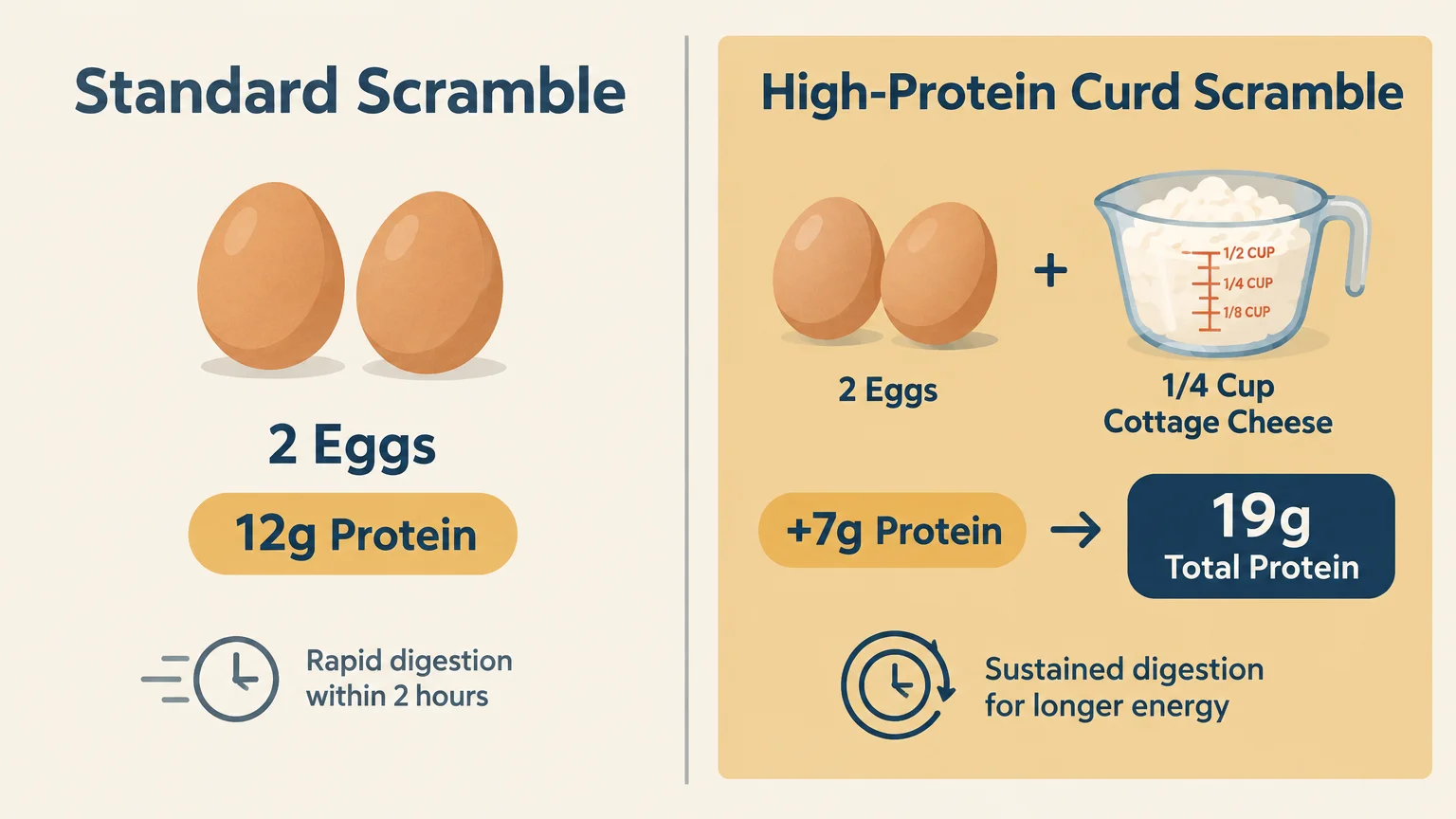
A standard two-egg breakfast provides around twelve grams of protein. While wholesome, that amount often falls short of the target needed to stimulate muscle protein synthesis in older adults.
Prioritizing a high-protein breakfast each morning shields you against sarcopenia, the gradual age-related loss of muscle mass. Strong muscles preserve your physical balance and help you navigate everyday activities with confidence.
Maintaining muscle strength also protects your hips, knees, and ankles from unnecessary mechanical stress. When you nourish your muscles early in the day, you invest directly in your long-term independence.
Why Standard Scrambled Eggs Leave You Hungry
Traditional scrambled eggs cook down into tight, compact curds that move through your stomach relatively quickly. Because plain eggs offer minimal physical volume, your digestive system finishes processing them within two short hours.
This rapid gastric emptying often triggers mid-morning hunger pangs and sudden drops in mental focus. Many adults then reach for quick carbohydrate snacks, which can cause erratic swings in blood sugar.
Introducing moisture-rich ingredients increases the overall volume of your meal without weighing you down. Hearty breakfast ideas keep your stomach comfortably satisfied until lunchtime arrives.
When you slow the digestive process with wholesome dairy curds, your body absorbs energy at an even pace. Steady energy levels help you stay active, alert, and engaged throughout your morning pursuits.
The Magic Ingredient: How Cottage Cheese Transforms the Pan
The simple secret behind heartier eggs lies in adding low-fat or whole-milk cottage cheese directly to the raw mixture. You do not need expensive ingredients or elaborate culinary techniques to achieve exceptional results.
As the mixture warms in your skillet, the curds release gentle moisture that steams the eggs from the inside out. This moisture creates an airy, custard-like texture reminiscent of traditional French cooking.
You will not taste an overwhelming cheese flavor once the eggs finish cooking. Instead, the mild curds melt seamlessly into the egg base, providing a luxurious, buttery texture.
Stirring a quarter cup of cottage cheese into two eggs adds roughly seven grams of complete protein. This simple trick nearly doubles your morning protein intake while keeping prep work under two minutes.
The resulting scramble feels substantial on the plate, offering genuine satiety without requiring heavy cream or excess butter.
Soft Texture and Digestive Comfort
Chewing tough breakfast meats like bacon or well-done breakfast links can pose challenges for sensitive teeth or dental work. Many older adults skip morning protein simply because chewy meats feel uncomfortable.
Cottage cheese softens the egg protein matrix, yielding pillowy curds that require minimal chewing effort. The eggs slide down easily, creating a gentle dining experience that respects sensitive gums.
Soft textures also reduce the digestive burden on your stomach and intestines. Your system breaks down the warm curds smoothly, allowing for efficient nutrient uptake without bloating or sluggishness.
Enjoying your food should always feel pleasant and restorative. Tender eggs provide deep physical nourishment while honoring your comfort at the breakfast table.
Vital Micronutrients for Vitality and Bone Strength
Eggs represent one of nature’s most complete nutritional packages, supplying lutein for eye health and choline for memory. Choline supports cellular communication and helps maintain cognitive clarity as you age.
Pairing eggs with cottage cheese introduces a generous supply of bioavailable calcium. Calcium serves as an indispensable mineral for reinforcing bone density and protecting against osteoporosis.
Eggs also deliver naturally occurring vitamin D, which works alongside calcium to maximize bone mineral absorption. Without adequate vitamin D, your body struggles to utilize the calcium present in your daily meals.
Furthermore, this dairy-egg combination provides abundant vitamin B12; this micronutrient supports red blood cell formation and healthy nerve conduction. Starting your day with these micronutrients helps you maintain vibrant physical energy.

Practical Tips for a Healthier, Happier Life
Mastering the Whisk and Fold Method
Crack two large eggs into a small ceramic bowl and spoon in two to three tablespoons of cottage cheese. Beat the mixture briskly with an ordinary dinner fork until the yellow yolks merge with the dairy.
Do not worry about smoothing out every individual cheese curd during the whisking process. Small pockets of curd will melt into velvety pockets of creaminess once they hit the warm skillet.
Warm an eight-inch nonstick pan over medium-low heat before pouring in your egg mixture. Let the eggs rest undisturbed for ten to fifteen seconds until a delicate layer forms on the bottom.
Use a heat-resistant silicone spatula to draw slow, sweeping lines from the outer rim toward the center. This gentle folding motion produces wide, supple ribbons rather than small, dry pebbles.
Slide the pan off the heat while the scramble still looks slightly wet and glossy. The ambient heat on the plate will finish cooking your scrambled eggs recipe to tender perfection.
Finding Your Ideal Heat and Cooking Fat
High cooking heat acts as the enemy of tender scrambled eggs. Excessive heat forces the delicate proteins to contract violently, squeezing out moisture and creating a rubbery texture.
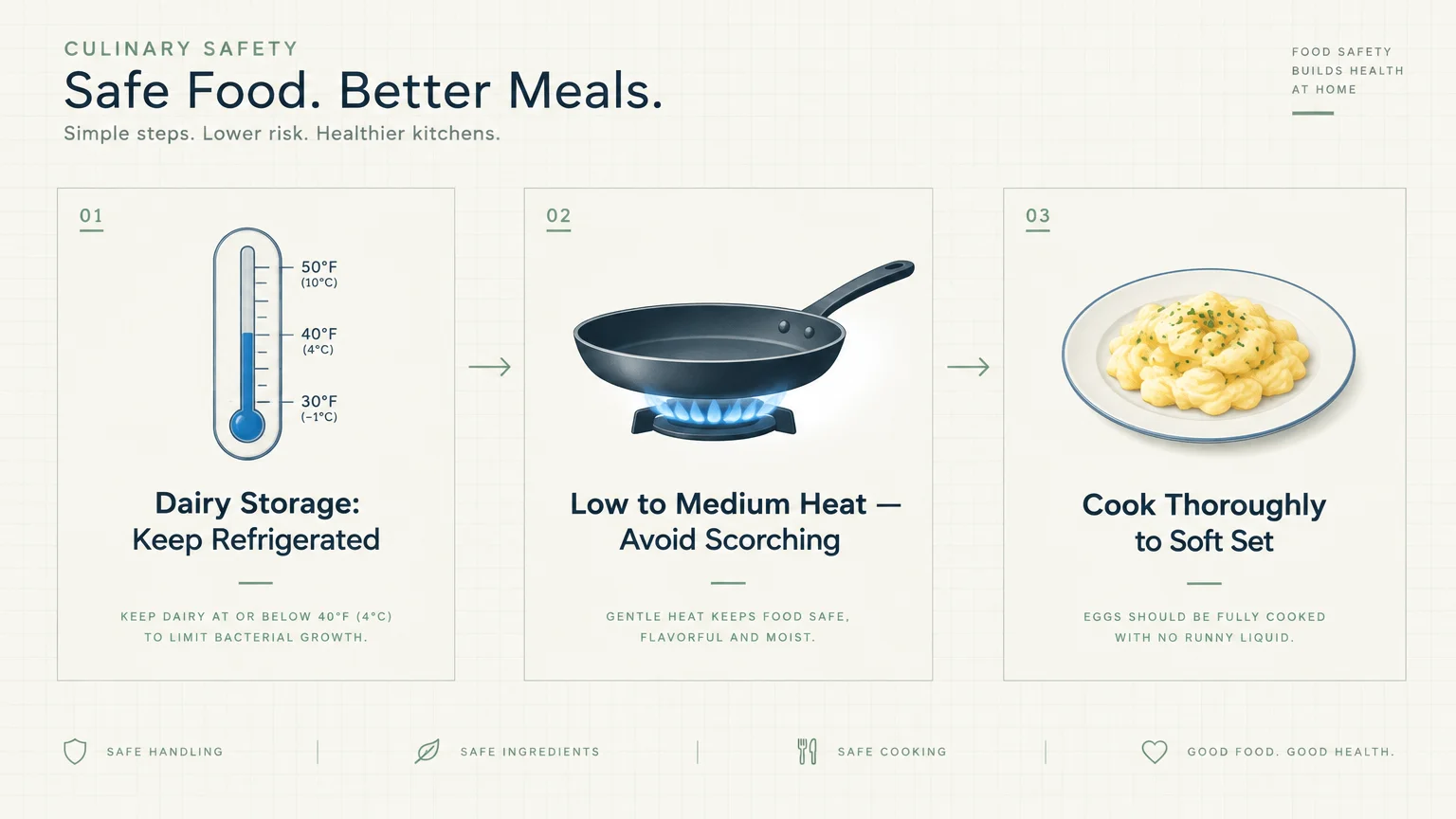
Keep your stove burner set to low or medium-low throughout the entire cooking process. Gentle heat preserves the natural moisture inside the cheese curds and ensures a uniform, custard-like consistency.
Coat your pan with a half teaspoon of extra virgin olive oil or unsalted pasture-raised butter. Olive oil supplies heart-friendly monounsaturated fats and polyphenols that help fight systemic inflammation.
If you prefer butter, heat it just until it begins to foam without browning. A light brush of quality fat enhances flavor while preventing the eggs from adhering to the pan surface.
Modern ceramic nonstick skillets allow you to cook with minimal fat while guaranteeing an effortless cleanup afterward.
Alternative Protein Boosts for Dietary Variety
If you run out of cottage cheese, plain Greek yogurt serves as an outstanding substitute. Whisking two tablespoons of Greek yogurt into your eggs adds a pleasant tang and exceptional silkiness.
Silken tofu offers another nutritious option for those who wish to explore plant-based egg upgrades. Simply mash two tablespoons of soft tofu with your fork before beating it into the eggs.
Canned cannellini beans or navy beans also blend surprisingly well into morning scrambles. Rinse the beans thoroughly, mash them lightly, and fold them into the cooking eggs for extra protein and fiber.
Ricotta cheese provides an ultra-mild, sweet creaminess that suits palates sensitive to tanginess. A dollop of part-skim ricotta creates a fluffy, soufflé-like lift as the scramble warms.
Rotating these diverse additions keeps your breakfast routine enticing while exposing your body to varied nutrient profiles.
Adding Color and Fiber with Tender Vegetables
Stirring colorful vegetables into your pan delivers vital dietary fiber and protective antioxidants. Dietary fiber supports smooth digestion and prevents the sluggish bowel movements that often trouble older adults.
Drop a handful of tender baby spinach into the skillet during the final thirty seconds of cooking. The leaves will wilt effortlessly in the residual steam, infusing your eggs with folate and iron.
Finely diced sweet bell peppers or stewed tomatoes add vibrant color and an uplifting touch of vitamin C. Vitamin C supports collagen synthesis and aids in the absorption of plant-based iron.
If you enjoy earthy mushrooms or diced zucchini, sauté them in the pan for two minutes before adding the eggs. Pre-cooking firmer vegetables ensures they turn soft and tender before the delicate eggs finish.
Vegetable additions transform your simple scramble into a colorful, garden-fresh centerpiece that stimulates your morning appetite.
Flavor Upgrades Without Extra Sodium
You can create sensational flavor profiles without shaking excess salt onto your breakfast plate. Fresh and dried culinary herbs provide vibrant taste while helping you maintain healthy blood pressure levels.
Snip fresh chives or scallion greens over your finished eggs just before serving. Chives provide a delicate, sweet onion flavor that pairs impeccably with the rich dairy curds.
A gentle dusting of ground turmeric and sweet paprika imparts a radiant golden hue alongside proven anti-inflammatory benefits. Turmeric contains curcumin, an active compound renowned for soothing stiff joints.
Stir in a teaspoon of nutritional yeast for an appealing, cheese-like flavor without the added sodium of aged cheese. Nutritional yeast also delivers a potent dose of energizing B-complex vitamins.
Fresh dill, chopped flat-leaf parsley, or torn basil leaves introduce bright herbal notes that awaken your senses.
Batch Prep Techniques for Low-Energy Mornings
Morning stiffness and low energy can occasionally make cooking from scratch feel like an unwelcome chore. Streamlining your prep work the evening before helps you enjoy an easy breakfast with minimal morning effort.
Whisk four eggs and a half cup of cottage cheese in a sealable glass container before bedtime. Store the container in your refrigerator so you can pour the mixture straight into a warm pan at dawn.
You can also chop your herbs and soft vegetables ahead of time and store them in small glass jars. Having prepped ingredients on hand removes friction from your routine and encourages wholesome eating habits.
If you prefer cooking once for multiple days, prepare a double scramble and divide it into individual portions. Cover the eggs with a damp paper towel when reheating in the microwave to lock in essential moisture.
Warm the leftovers on fifty percent power in brief thirty-second intervals to avoid toughening the delicate curds.
Pairing Your Eggs for Balanced Energy
Pair your protein-rich scramble with a slice of toasted whole-grain sourdough bread. Sourdough fermentation breaks down complex starches, making the bread easier on sensitive digestive tracts while releasing energy slowly.
Add a few thin slices of ripe avocado alongside your eggs to provide brain-nourishing monounsaturated fats. Healthy fats support the absorption of fat-soluble vitamins like vitamin A, vitamin D, and vitamin E.
A half cup of fresh blueberries or sliced strawberries introduces natural sweetness and potent cellular antioxidants. Berries supply polyphenol compounds that help protect cognitive function and vascular integrity.
This balanced combination of protein, healthy fat, and complex carbohydrates prevents mid-morning energy slumps. Thoughtful plate architecture keeps your body nourished and your mind sharp until the afternoon.
Mindful Eating and Morning Hydration Habits
Drink a full glass of lukewarm or room-temperature water before you sit down to eat your breakfast. Mild overnight dehydration often mimics morning fatigue or premature hunger pangs.
Morning hydration awakens your digestive organs, lubricates your joint cartilage, and prepares your stomach for efficient digestion. Adding a thin slice of fresh lemon provides refreshing flavor without irritating your stomach lining.
Take your seat at a clean, quiet table and step away from digital screens or distressing morning news. A peaceful environment encourages your nervous system to enter a relaxed, rest-and-digest state.
Chew each mouthful thoroughly to appreciate the creamy texture and subtle flavors of your breakfast. Mindful eating improves digestive enzyme production and helps your brain accurately recognize fullness cues.
Treating your breakfast as a tranquil personal ritual sets a calm, joyful tone for the hours ahead.
Important Safety Precautions to Keep in Mind
Safe Cooking Temperatures and Foodborne Illness
Mature immune systems face greater vulnerability to foodborne bacteria such as Salmonella enteritidis. As you grow older, your stomach produces less acid, reducing your natural defense against ingested microbes.
Cook your egg scramble until the curds are completely set and no runny liquid pools in the skillet. Avoid consuming raw eggs, runny yolks, or unpasteurized dairy products to preserve your gastrointestinal safety.
Ensure your scramble reaches an internal temperature of one hundred sixty degrees Fahrenheit before serving. A simple digital kitchen thermometer removes guesswork and guarantees your meal remains entirely safe.
Never allow cooked egg dishes to sit on your kitchen counter for longer than two hours. Harmful bacteria multiply rapidly at room temperature, making prompt refrigeration a vital food safety rule.
Chill any leftover portions promptly in shallow airtight containers to promote rapid, even cooling.
Managing Dietary Sodium and Dairy Sensitivities
Commercial cottage cheese can contain notable levels of sodium added during the manufacturing and preservation process. Excessive sodium intake can cause fluid retention and place unnecessary pressure on your cardiovascular system.
Examine nutritional labels carefully and choose containers specifically designated as low-sodium or no-salt-added. These reduced-sodium options deliver the exact same culinary performance while protecting your vascular health.
If you experience lactose intolerance, purchase certified lactose-free cottage cheese from your local grocer. Lactose-free dairy provides identical protein and calcium content without triggering gas, bloating, or loose stools.
Alternatively, cultured almond-milk or oat-milk cheeses can provide moisture for those with severe dairy allergies. Always tailor your ingredient choices to accommodate your body’s unique digestive sensitivities.
Kitchen Mobility and Safe Pan Handling
Heavy kitchen equipment can cause strain or pain for individuals living with arthritis or reduced hand strength. Heavy cast-iron skillets often prove difficult to lift, increasing the danger of accidental spills or wrist strain.
Opt for a lightweight, anodized aluminum or ceramic skillet fitted with an ergonomic, heat-resistant silicone handle. Lightweight cookware makes stirring, lifting, and plating safe and effortless.
Turn your skillet handle inward toward the back of the stove while cooking over an active burner. Positioning handles away from the counter edge prevents accidental bumps that could knock hot cookware to the floor.
Keep a heat-resistant silicone mat beside your stove so you can set warm pans down without straining your arms. Thoughtful kitchen ergonomics protect your physical safety and make cooking an enjoyable pastime.
Egg Storage and Freshness Checks
Store your cartons of fresh eggs on an interior shelf inside your refrigerator rather than in the door racks. The temperature inside door bins fluctuates every time the refrigerator opens, which accelerates egg spoilage.
Keep your eggs inside their original cardboard carton to prevent them from absorbing pungent food odors. The carton also displays the expiration date clearly, helping you monitor freshness at a glance.
Use the simple water bowl test if you ever feel uncertain about the freshness of an individual egg. Place the intact egg gently into a bowl of cool tap water.
A fresh egg rests flat on the bottom of the bowl, indicating a very small internal air pocket. If an egg stands on its tip or floats to the surface, discard it immediately.
Floating eggs contain enlarged air cells caused by aging and moisture loss, signaling potential spoilage.

When to Speak with a Healthcare Professional
Navigating Kidney Function and High-Protein Diets
The culinary strategies discussed in this article serve general wellness education and should never replace tailored medical guidance. If you live with chronic kidney disease or altered renal function, monitor your protein intake with care.
Impaired kidneys work harder to filter nitrogenous waste products generated by dietary protein digestion. In advanced stages of kidney decline, physicians frequently recommend restricting daily protein to preserve organ function.
Speak with your nephrologist or primary care physician before adding cottage cheese or other protein boosters to your breakfast. Your doctor can calculate an exact daily protein allowance suited to your specific laboratory values.
A registered dietitian specializing in renal nutrition can help you design meals that balance muscle support with kidney protection.
Monitoring Cholesterol and Cardiovascular Guidelines
Medical opinions regarding dietary cholesterol and whole-egg consumption depend heavily on your unique cardiovascular history. While modern research shows dietary cholesterol has modest effects on blood cholesterol for most people, individual responses vary.
If you manage hypercholesterolemia, coronary artery disease, or diabetes, consult your cardiologist about your ideal weekly egg intake. Some physicians advise limiting whole egg yolks while enjoying unlimited egg whites whisked with low-fat dairy.
Your physician will review your lipid panels, including your LDL particle count and triglycerides, to give personalized advice. Collaborating with your doctor ensures your breakfast choices align seamlessly with your cardiovascular therapy.
Addressing Sudden Changes in Appetite or Digestion
Contact your healthcare provider promptly if you notice an unintended loss of weight or a sustained drop in appetite. Feeling full after eating only a few bites of soft food can signal underlying medical issues that warrant attention.
Persistent difficulty swallowing, recurrent acid reflux, or ongoing stomach pain after eating also requires clinical investigation. These symptoms should never be ignored or accepted as an inevitable consequence of getting older.
Your primary care physician can evaluate your gastrointestinal health and ensure your digestive tract functions properly. Timely medical reviews provide peace of mind and keep your nutritional plan on the right track.
Medication Interactions and Nutrient Balancing
Certain daily medications interact directly with the mineral and protein content of your morning meals. For instance, calcium-rich dairy products can bind to specific oral antibiotics and thyroid medications, impeding their absorption.
If you take levothyroxine for thyroid regulation, doctors generally recommend waiting thirty to sixty minutes before consuming calcium-rich dairy. Review your prescription schedule with your clinical pharmacist to determine safe meal timing.
Additionally, some blood pressure medications alter blood potassium levels, requiring careful coordination with dietary potassium sources. Open communication with your healthcare team prevents unexpected drug-nutrient interactions.
Frequently Asked Questions
Does cottage cheese make scrambled eggs taste sour or overly cheesy?
No, cottage cheese imparts a subtle, buttery richness rather than a sharp, sour, or overpowering cheese flavor. As the scramble cooks over low heat, the curds melt completely into the eggs, creating a velvety mouthfeel.
Most individuals cannot detect the presence of cottage cheese; they simply notice that their eggs taste remarkably light and fluffy. It enhances the natural flavor of the eggs without altering their classic breakfast character.
Can I use low-fat or fat-free cottage cheese for this trick?
Both low-fat and fat-free cottage cheese perform exceptionally well in this versatile cooking method. Low-fat varieties strike an optimal balance by delivering generous protein alongside a smooth, comforting texture.
Fat-free versions offer concentrated protein with minimal calories, making them ideal for those monitoring their saturated fat intake. Whole-milk cottage cheese provides maximum decadence if you are actively working to regain lost weight.
How long can I safely store leftover scrambled eggs in the refrigerator?
You can store cooked scrambled eggs in a sealed glass container in your refrigerator for up to three days. Place the leftovers into the refrigerator within two hours of cooking to prevent bacterial growth.
When you are ready to eat, reheat the eggs gently until they are steaming hot throughout. Cover the dish with a damp paper towel to preserve moisture and maintain a soft, tender consistency.
Can I use egg whites instead of whole eggs with this method?
Yes, whisking cottage cheese into pure liquid egg whites prevents them from turning rubbery, dry, or chalky. The moisture from the curds lends plain egg whites a luxurious, custard-like texture reminiscent of traditional scrambles.
This technique serves as a wonderful solution for anyone advised by a cardiologist to limit dietary cholesterol. You obtain abundant muscle-building protein while keeping saturated fat and dietary cholesterol low.
For authoritative, trustworthy health information, always consult official sources like the National Institute on Aging (NIA) and MedlinePlus from the National Library of Medicine. The CDC also provides excellent resources for older adults.
Disclaimer: This article is for informational purposes only and does not constitute medical advice. Always seek the advice of your physician or other qualified health provider with any questions you may have regarding a medical condition.