Your routine blood test numbers provide a window into your vitality. These lab values give your physician crucial clues about your everyday preventive health.
Doctors pay close attention to specific doctor health markers like cholesterol and blood sugar to catch hidden risks early. By tracking these numbers, you can make informed decisions about your daily habits.
Knowing which important lab results matter most empowers you to advocate for your care. You will discover practical ways to protect your energy, heart, and long-term independence.
Understanding the Basics of Important Lab Results for Seniors
As you age, your internal physiology gradually adapts. Routine blood tests help your doctor observe how your internal organs filter waste and maintain balance.
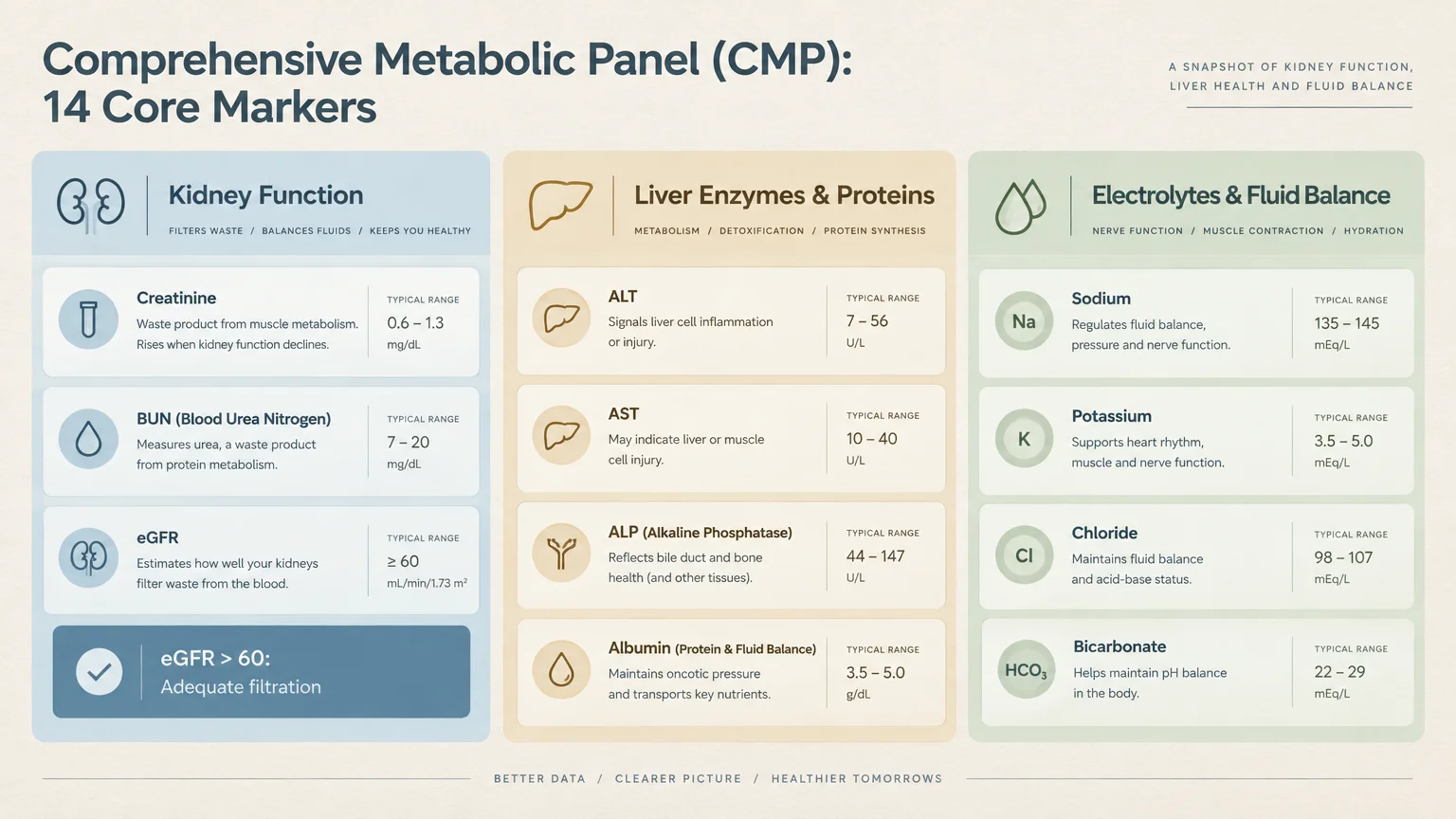
A standard checkup often begins with a Comprehensive Metabolic Panel, or CMP. This single blood sample measures fourteen distinct substances in your bloodstream.
Kidney Function Markers: Creatinine, BUN, and eGFR
Your kidneys filter fluid and remove metabolic waste from your blood continuously. Doctors evaluate kidney performance primarily by measuring creatinine and calculating your estimated glomerular filtration rate, known as eGFR.
Creatinine is a natural byproduct of daily muscle breakdown. When your kidneys function efficiently, they remove creatinine from circulation and flush it out through your urine.
If creatinine levels rise, your kidneys may be experiencing strain. Your doctor uses your creatinine level, age, and biological sex to calculate your eGFR.
An eGFR value above 60 generally indicates adequate kidney filtration for older adults. A steady decline over several visits helps your physician spot chronic kidney disease early.
Your metabolic panel also includes Blood Urea Nitrogen, or BUN. BUN measures the amount of nitrogen in your blood that comes from the breakdown of dietary protein.
A high BUN level can signal kidney distress, but it also rises when you are dehydrated. Catching kidney changes early allows your physician to adjust medications that pass through your renal system.
Liver Enzymes and Protein Synthesis
The CMP also examines vital liver enzymes, including alanine aminotransferase (ALT) and aspartate aminotransferase (AST). These enzymes help your liver process nutrients, break down medications, and eliminate toxins.
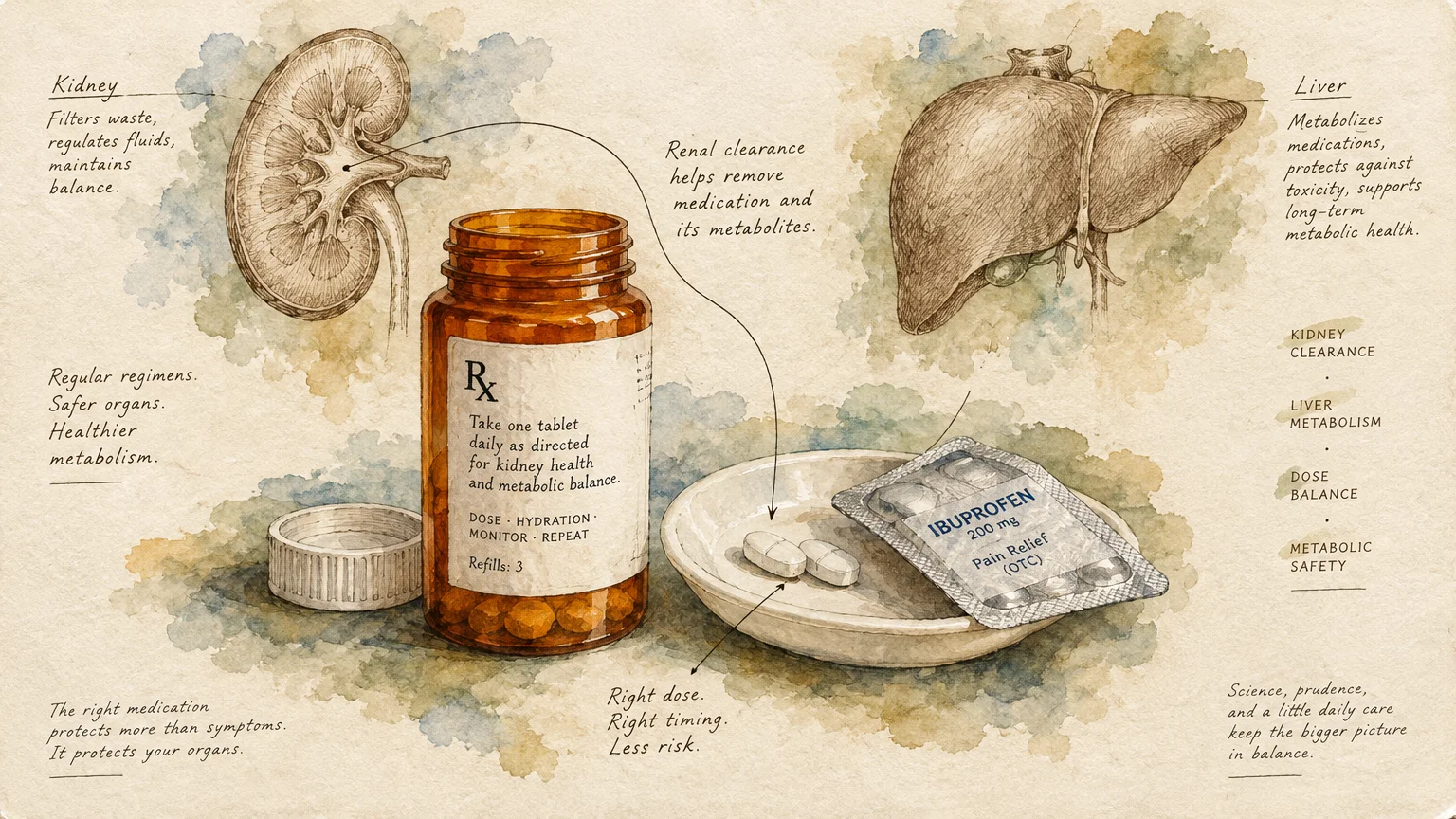
Elevated liver enzymes often signal inflammation or cellular stress in liver tissue. This temporary elevation can stem from prescription medications, over-the-counter pain relievers, or fatty liver changes.
Another key liver enzyme is alkaline phosphatase, commonly abbreviated as ALP. While ALP exists in liver bile ducts, it also resides within your bone tissue.
Doctors examine ALP alongside other liver markers to pinpoint the source of an elevation. If other liver enzymes remain normal, an elevated ALP might prompt your doctor to evaluate bone health.
The panel also measures albumin and total protein in your bloodstream. Albumin reflects your nutritional status and helps maintain proper fluid balance inside your blood vessels.
Low albumin levels can indicate chronic inflammation or insufficient dietary protein intake. Your doctor monitors this number to ensure your body maintains adequate muscle mass and immune resilience.
Electrolytes and Fluid Regulation
Electrolytes like sodium, potassium, chloride, and bicarbonate regulate cellular hydration. They also coordinate the electrical impulses across your heart muscle and nervous system.
Many blood pressure medications, especially diuretics, alter how your kidneys retain potassium and sodium. Doctors monitor these markers closely to prevent muscle weakness or heart rhythm irregularities.
Low sodium levels, known as hyponatremia, occur frequently in older adults and can cause confusion or unsteadiness. Keeping sodium in balance helps prevent accidental falls and cognitive fog.
Even mild dehydration can shift your electrolyte balance into an abnormal range. Maintaining steady fluid intake ensures your test results accurately reflect your daily health.
The Complete Blood Count and Cellular Health
Your Complete Blood Count, or CBC, examines the three primary cellular components of your blood. It assesses your red blood cells, white blood cells, and platelets.
Red blood cells contain hemoglobin, an iron-rich protein that transports life-giving oxygen to every organ. A low red blood cell count or low hemoglobin indicates anemia.
Anemia frequently causes unexplained fatigue, shortness of breath, and lightheadedness in older adults. Identifying anemia helps your care team discover hidden vitamin deficiencies or slow digestive bleeding.
Your red blood cell indices include Mean Corpuscular Volume, or MCV, which measures red cell size. A high MCV suggests vitamin B12 or folate deficiency, while low MCV points toward iron deficiency.
White blood cells form the backbone of your immune defense system. Unusually high white cell counts point toward infection or inflammation, while low numbers suggest vulnerability to illness.
Platelets are microscopic cell fragments essential for normal blood clotting. Tracking platelet counts ensures your blood can form protective clots after minor scrapes without dangerous internal bleeding.
Cardiovascular Markers and the Modern Lipid Panel
Cardiovascular disease remains a leading concern for older adults, making your lipid panel essential. This test measures cholesterol and blood sugar connections that influence vascular health.
According to the American College of Cardiology and American Heart Association, roughly 1 in 4 U.S. adults has elevated low-density lipoprotein cholesterol (LDL-C). A March 2026 CDC study noted a 13.7% national increase in self-reported high cholesterol between 2019 and 2023.
On March 13, 2026, the ACC and AHA released the updated Guideline on the Management of Dyslipidemia. This updated guidance replaced the 2018 recommendations and reestablished hard target numbers for cholesterol control.
For primary prevention in adults at borderline or intermediate risk, doctors target an LDL-C below 100 mg/dL and non-HDL-C below 130 mg/dL. These targets help slow the formation of arterial plaque before symptoms ever appear.
For individuals with clinical cardiovascular disease, the guidelines establish a stricter LDL-C target below 70 mg/dL and non-HDL-C below 100 mg/dL. Patients with very high-risk cardiovascular disease must aim for an LDL-C under 55 mg/dL.
Physicians now assess your 10-year and 30-year cardiovascular risk using the PREVENT-ASCVD equations. Doctors generally recommend lipid-lowering therapy when your 10-year risk threshold reaches 3% or higher.
The 2026 guidelines also added chronic kidney disease and HIV as conditions warranting automatic statin consideration. These join existing triggers like diabetes and severe hypercholesterolemia with LDL-C at or above 190 mg/dL.
The 2026 updates also introduced a Class 1 recommendation to measure Lipoprotein(a), or Lp(a), at least once in all adults. High Lp(a) levels represent an inherited cardiovascular risk factor that standard cholesterol panels overlook.
If your triglycerides reach 150 mg/dL or higher, standard LDL calculations lose precision. In those instances, your physician will measure non-HDL-C or Apolipoprotein B (ApoB) to evaluate your real cardiovascular risk.
ApoB measures the exact particle number of all plaque-causing lipoproteins circulating through your arteries. Evaluating ApoB provides a clearer picture of arterial risk when metabolic syndrome or elevated triglycerides complicate routine cholesterol tests.
Blood Sugar and Glycemic Markers
Blood glucose regulation changes as your metabolism matures over time. Monitoring blood sugar numbers helps you avoid the silent, gradual complications associated with insulin resistance.
According to the American Diabetes Association 2026 Standards of Care, a normal fasting plasma glucose sits below 100 mg/dL. An A1C level below 5.7% reflects healthy average blood glucose over the preceding three months.
Prediabetes appears when your fasting glucose lands between 100 and 125 mg/dL, or your A1C ranges between 5.7% and 6.4%. Diabetes is diagnosed when fasting glucose reaches 126 mg/dL or higher, or A1C hits 6.5%.
The CDC reports that 52.1% of adults aged 65 and older—roughly 31.3 million seniors—have prediabetes. Across the nation, 115.2 million adults have prediabetes, yet approximately 8 in 10 remain completely unaware of it.
Furthermore, approximately 40.1 million Americans have diabetes, and 27.6% of them remain undiagnosed. Among older adults aged 65 and older, diabetes prevalence sits between 28.8% and 29.2%.
The ADA recommends universal blood sugar screening for all adults starting at age 35, repeated at least every 3 years when results are normal. This routine screening catches metabolic changes before they damage your cardiovascular system.

Practical Tips for a Healthier, Happier Life
Track Your Personal Numbers Over Time
Rather than looking at a single lab report in isolation, track your doctor health markers over several years. Plotting your numbers reveals gradual trends long before they cross into abnormal clinical territory.
Keep a physical folder or digital document of your lab summaries after each medical appointment. Bring this running log to your annual wellness visits so your physician can evaluate your multi-year trajectory.
When you observe a gradual increase in triglycerides or fasting glucose, you can take gentle corrective action immediately. Small lifestyle adjustments made early often eliminate the need for future pharmaceutical therapies.
Celebrate subtle improvements in your numbers, such as a stable eGFR or a modest drop in LDL-C. Acknowledging these positive trends reinforces your commitment to everyday healthy habits.
Prepare Thoughtfully for Fasting Blood Tests
Accurate lab work begins with proper test preparation. If your doctor orders a fasting lipid or metabolic panel, avoid food and beverages other than plain water for 8 to 12 hours.
Drinking plenty of plain water before your morning blood draw keeps your veins plump and accessible. Well-hydrated veins make the phlebotomy experience faster, smoother, and virtually painless.
Avoid strenuous exercise right before your test; intense physical exertion can temporarily skew liver enzymes and muscle markers. Stick to light stretching and your normal morning routine instead.
Always ask your doctor whether you should take your regular morning prescription medications before the blood draw. Certain blood pressure and thyroid medications require specific scheduling around morning lab appointments.
Schedule your blood draws early in the morning whenever possible. Early appointments minimize the discomfort of fasting and allow you to enjoy breakfast promptly afterward.
Take Full Advantage of Medicare Screening Benefits
Medicare Part B covers important lab results to ensure seniors have access to preventive healthcare without financial barriers. Understanding these rules allows you to schedule testing with confidence.
Under Medicare Part B, you receive a full lipid panel at $0 out-of-pocket cost once every 5 years as a preventive screening. This service carries no deductible or coinsurance when ordered by a participating provider.
If you carry risk factors like hypertension or elevated weight, Medicare Part B covers up to 2 diabetes screenings per year at $0 cost. These preventive screenings help identify prediabetes before serious symptoms develop.
Be mindful of the distinction between preventive screenings and diagnostic lab orders. While Medicare covers diagnostic testing to investigate existing symptoms, those tests may occasionally involve standard Part B coinsurance or deductibles.
Confirm with your clinic’s billing office that your routine screening codes match Medicare preventive guidelines. Clarifying billing codes ahead of time protects you from unexpected administrative fees.
Embrace Mediterranean-Style Heart-Healthy Nutrition
You can improve your cholesterol and blood sugar markers by adopting a Mediterranean-style dietary pattern. Focus on abundant leafy greens, colorful vegetables, legumes, and omega-3 rich fish like salmon.
Soluble fiber acts like a sponge in your digestive tract, binding to cholesterol particles and carrying them out of your body. Enjoying a warm bowl of oatmeal or adding chia seeds to yogurt provides daily cardiovascular support.
Replace saturated cooking fats like butter and lard with heart-healthy monounsaturated extra virgin olive oil. This simple swap helps lower atherogenic LDL-C and supports healthy arterial elasticity.
Limit refined carbohydrates, sweetened baked goods, and sugary drinks to keep your triglycerides in check. Stable blood sugar reduces inflammation throughout your circulatory system and eases demands on your pancreas.
Add a handful of raw walnuts or almonds to your afternoon snack routine. Tree nuts provide plant sterols and minerals that naturally promote arterial wellness.
Engage in Gentle Daily Physical Activity
Physical movement serves as powerful medicine for your metabolic health markers. Regular activity improves insulin sensitivity, allowing your skeletal muscle cells to clear glucose from your bloodstream efficiently.
Aim for 20 to 30 minutes of gentle walking after your largest meal of the day. Post-meal strolls blunt rapid blood sugar spikes and enhance your digestive comfort.
Include light resistance exercises twice a week using resistance bands, light dumbbells, or your own body weight. Preserving lean muscle mass keeps your resting metabolic rate strong and stabilizes daily glucose levels.
Activities like gentle swimming, water aerobics, and gardening protect your joint mobility while providing cardiovascular benefits. Consistent, moderate movement yields far greater long-term health improvements than occasional bursts of exhaustion.
Listen to your body and rest whenever you feel overtired or stiff. Gentle consistency over months and years creates lasting improvements in your metabolic and cardiovascular lab markers.
Prioritize Hydration for Accurate Blood Work
Adequate water intake directly influences the accuracy of your blood test numbers. Mild dehydration concentrates your blood volume, artificially inflating your hematocrit, blood urea nitrogen, and sodium levels.
Sip clean water consistently throughout the day rather than drinking large quantities all at once. If plain water feels unappealing, infuse it with fresh cucumber slices, mint leaves, or a squeeze of lemon.
Monitor the color of your urine as a practical everyday hydration indicator. Pale, straw-colored urine indicates healthy hydration, while dark amber shades signal that your body needs fluids.
Keep a reusable water bottle near your favorite armchair as a gentle visual reminder to drink. Proper hydration keeps your kidneys filtering efficiently and supports healthy vascular circulation.
Build an Open, Collaborative Relationship with Your Physician
View your physician as an advisor in your personal wellness journey. When you receive your lab printout, highlight any values marked outside the reference range so you can discuss them together.
Ask your doctor to explain what borderline results mean in the context of your overall lifestyle and family history. This shared decision-making process helps you choose sustainable health interventions you feel comfortable with.
Request that your doctor check your Lp(a) level once if you have never had this test performed. Knowing this inherited marker allows your physician to personalize your cardiovascular prevention strategy effectively.
Do not hesitate to ask for printed summaries or portal notes explaining changes to your medication regimen. Clear communication ensures you feel confident managing your health at home.
Important Safety Precautions to Keep in Mind
Avoiding Panic Over Borderline Lab Values
A single lab marker landing slightly outside the standard laboratory reference range does not automatically indicate an emergency. Reference ranges represent statistical averages from large populations rather than absolute diagnostic boundaries.
Laboratory analyzers can experience tiny daily variations, and your internal biochemistry naturally fluctuates between morning and evening. Always allow your physician to interpret out-of-range markers in context before drawing alarming conclusions.
Medical doctors evaluate patterns across multiple related markers rather than fixating on an isolated number. For instance, an isolated mild elevation in a single liver enzyme rarely signifies disease without accompanying symptoms.
Take a deep breath and make a list of calm, thoughtful questions for your healthcare provider. Approaching your results with curiosity rather than fear keeps your blood pressure and stress hormones grounded.
Recognizing Relaxed Blood Sugar Targets for Seniors
Strict targets appropriate for younger adults do not always suit older bodies. The 2026 ADA Standards of Care explicitly relax A1C targets for older adults to prevent dangerous hypoglycemia.
For healthy seniors with intact cognitive and functional independence, guidelines recommend an A1C target between 7.0% and 7.5%. Aggressively forcing A1C below 6.5% with multiple medications can cause dangerous fainting and falls.
For older adults living with multiple chronic illnesses or cognitive decline, doctors target an A1C below 8.0%. Avoiding low blood sugar episodes protects brain health and prevents debilitating hip fractures.
Discuss your individual targets with your physician to ensure your treatment plan balances safety with long-term cardiovascular protection. A personalized target keeps you alert, energetic, and safe from sudden dizzy spells.
Evaluating Supplement Interactions Before Blood Draws
High-dose dietary supplements can directly interfere with laboratory chemical testing methods. For example, high-dose biotin (vitamin B7) can cause falsely low troponin readings and falsely altered thyroid hormone results.
Inform your physician and phlebotomist about all over-the-counter vitamins, herbal tinctures, and dietary supplements you consume. Your doctor may advise pausing certain supplements for 48 hours prior to routine blood testing.
Red yeast rice, St. John’s wort, and concentrated green tea extracts can also alter your liver enzyme readings. Transparency regarding your holistic routine ensures your doctor receives clean, interpretable lab data.
Always bring an updated list of your supplements to clinic visits alongside your prescription bottles. This comprehensive view helps your doctor spot potential herb-drug interactions before they impact your lab results.
Accounting for Dehydration and Temporary Fluctuations
A recent viral illness, poor sleep, or emotional stress can transiently alter white blood cell counts and fasting glucose. If a test result appears surprisingly abnormal, your doctor will likely repeat it before establishing a diagnosis.
Mild dehydration can falsely elevate your hematocrit and make your blood urea nitrogen appear elevated. Drinking adequate fluids prior to retesting often resolves these minor statistical anomalies completely.
Never alter your prescription medication doses on your own based on a single patient portal lab result. Always wait to discuss the numbers with your prescribing healthcare provider at your follow-up consultation.

When to Speak with a Healthcare Professional
While monitoring your blood test numbers fosters healthy proactive habits, lab summaries cannot replace professional diagnostic evaluation. You should consult your physician promptly whenever test numbers fall significantly outside target boundaries.
Reach out to your doctor if your lab report shows sudden, sharp drops in eGFR or unexpected spikes in creatinine. Rapid shifts in kidney markers warrant prompt medication reviews to protect remaining renal function.
Schedule an immediate discussion if your fasting glucose remains consistently above 180 mg/dL or if you experience recurrent shaky, dizzy hypoglycemic episodes. Blood sugar extremes require careful medication fine-tuning to keep you safe.
Seek immediate emergency medical attention if abnormal lab values accompany acute physical symptoms. Chest pressure, shortness of breath, sudden facial drooping, severe abdominal pain, or confusion demand immediate emergency care.
If you experience persistent severe fatigue, pale skin, or heart palpitations alongside low hemoglobin levels, contact your clinic right away. These symptoms can indicate internal bleeding or severe nutritional anemia requiring swift intervention.
Discuss the new 2026 PREVENT-ASCVD risk calculator with your doctor during your annual exam. If your 10-year cardiovascular risk reaches 3% or higher, explore whether preventive lipid-lowering therapy fits your personal health goals.
If you have chronic kidney disease, diabetes, or an LDL-C over 190 mg/dL, talk with your doctor about automatic statin eligibility. These conditions place you at elevated risk where preventive therapy offers proven protective benefits.
For authoritative, trustworthy health information, always consult official sources like the National Institute on Aging (NIA) and MedlinePlus from the National Library of Medicine. The CDC also provides excellent resources for older adults.
Disclaimer: This article is for informational purposes only and does not constitute medical advice. Always seek the advice of your physician or other qualified health provider with any questions you may have regarding a medical condition.
Frequently Asked Questions
How often should older adults have routine blood test numbers checked?
Most healthy older adults benefit from annual preventive health blood tests, including a Complete Blood Count and Comprehensive Metabolic Panel. Your doctor may recommend testing every three to six months if you manage chronic conditions like diabetes.
Medicare covers preventive cholesterol screenings once every 5 years, but covers more frequent monitoring if you have established cardiovascular disease. Always follow the personalized testing schedule your physician outlines for your needs.
Regular monitoring catches subtle shifts in kidney function and blood sugar before they cause physical discomfort. Discuss your unique medical history with your provider to establish the ideal screening cadence.
Why did my doctor update my cholesterol goals recently?
On March 13, 2026, the ACC and AHA released updated dyslipidemia guidelines that restored specific LDL-C and non-HDL-C target numbers. Doctors now tailor targets based on your personal cardiovascular risk categories.
Intermediate-risk primary prevention targets an LDL-C below 100 mg/dL, while existing cardiovascular disease requires an LDL-C below 70 mg/dL. Very high-risk cardiovascular patients now aim for an LDL-C under 55 mg/dL.
These specific numbers provide measurable goals that help prevent future heart attacks and strokes. Ask your doctor how your latest lipid panel aligns with these updated clinical standards.
What is Lipoprotein(a) and why should I test it?
Lipoprotein(a), or Lp(a), is a genetically determined cholesterol variant that increases your susceptibility to arterial plaque and blood clots. Standard lipid panels do not detect this specific inherited cardiovascular risk factor.
The 2026 ACC and AHA guidelines now recommend measuring Lp(a) at least once in all adults. Knowing your baseline Lp(a) number helps your physician design a more comprehensive cardiovascular prevention plan.
Since your Lp(a) level is largely inherited from your parents, it remains relatively stable throughout your life. Testing it once provides lifelong insight into your genetic cardiovascular profile.
Why is my target A1C higher than my daughter’s target?
The American Diabetes Association explicitly relaxes A1C targets for older adults to prevent dangerous hypoglycemia. For older adults, low blood sugar episodes present serious risks of fainting, confusion, and catastrophic bone fractures.
Healthy older adults generally target an A1C between 7.0% and 7.5%, while those with multiple chronic illnesses aim below 8.0%. This balanced approach keeps your blood sugar stable while keeping you safe from sudden hypoglycemic drops.
Your physician adjusts your target to protect your day-to-day quality of life and cognitive function. Reaching a slightly higher target safely is much healthier than risking a dangerous medication-induced blood sugar crash.