
Your routine blood test holds powerful clues about your vitality, longevity, and everyday comfort. When your doctor evaluates inflammation markers in bloodwork, they look beyond standard cholesterol and blood sugar readings to detect hidden cellular stress before it manifests as disease. For adults over 55, monitoring subtle shifts in these biological proteins helps clarify why you might experience lingering fatigue, stiff morning joints, or unexplained brain fog. By understanding CRP and inflammation tests, you gain practical leverage to protect your cardiovascular system, safeguard metabolic function, and maintain active independence. Learning how to interpret these critical laboratory values empowers you to make informed, proactive choices for your long-term wellness.
Understanding the Basics of Inflammation Markers in Bloodwork for Seniors
Inflammation serves as your immune system’s emergency response mechanism; when you scrape your knee or catch a seasonal virus, localized swelling and immune cell mobilization heal damaged tissues and neutralize pathogens. Once the threat clears, healthy immune systems turn off this response. However, as your body ages, a distinct biological shift known as “inflammaging” can occur. This state involves persistent, low-grade systemic inflammation driven by cellular senescence, shifts in immune balance, and sustained elevations in pro-inflammatory signaling proteins such as interleukin-6 (IL-6) and tumor necrosis factor-alpha (TNF-α). Public health data reveals that chronic inflammatory diseases contribute to more than 50% of deaths worldwide, highlighting why inflammation markers matter during your regular physical exams.
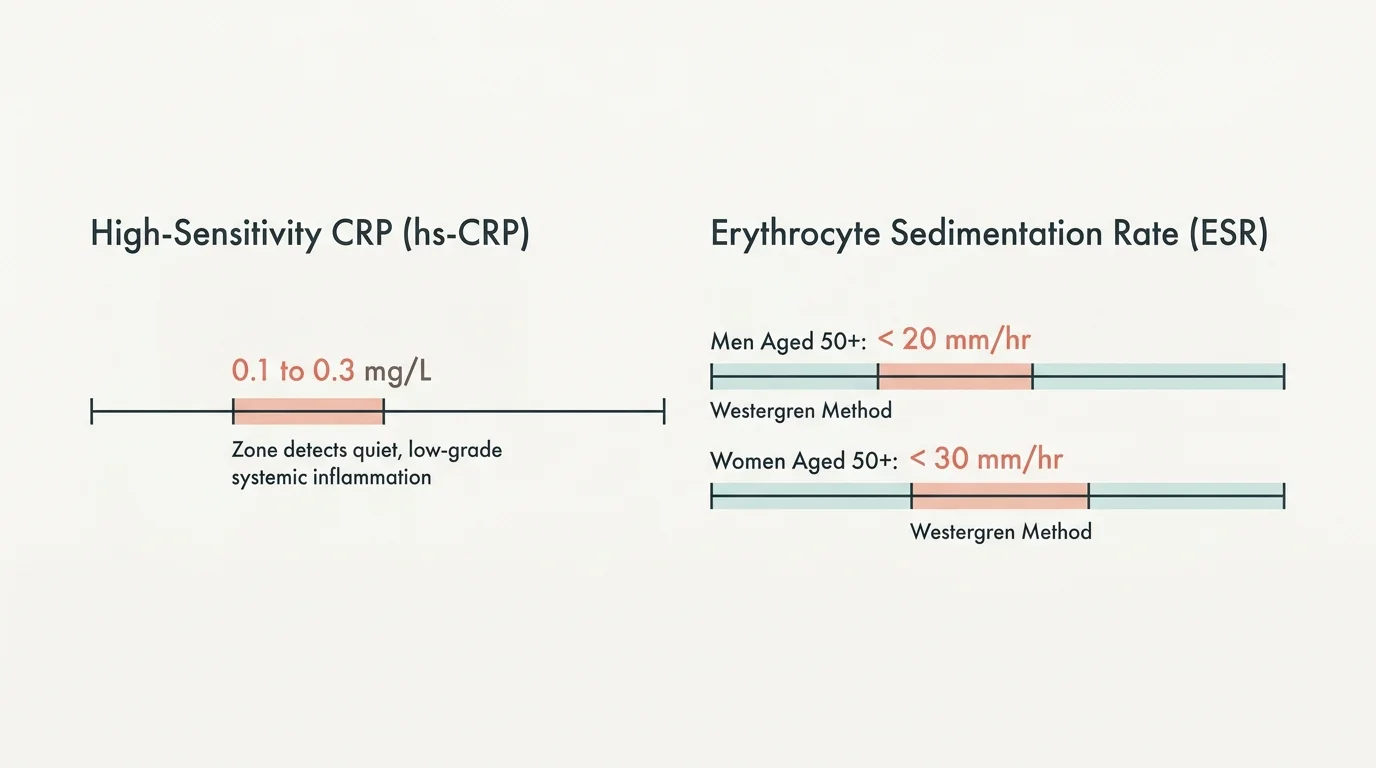
Physicians utilize several specific blood tests to detect and measure this silent cellular stress. The most common tool is the C-reactive protein (CRP) test. Your liver produces CRP in response to inflammatory signals throughout the body. While a standard CRP test identifies major acute infections or severe tissue trauma by measuring values down to roughly 3 to 5 mg/L, modern preventive medicine relies on the high-sensitivity C-reactive protein (hs-CRP) assay. The hs-CRP test measures microscopic concentrations down to 0.1 to 0.3 mg/L, making it capable of catching quiet vascular and metabolic inflammation long before physical symptoms escalate.
Another classic diagnostic tool is the Erythrocyte Sedimentation Rate (ESR), commonly referred to as the “sed rate.” This test measures how quickly red blood cells settle to the bottom of a test tube over one hour. When high levels of inflammatory proteins like fibrinogen circulate in your bloodstream, they cause red blood cells to clump together and sink more rapidly. Normal reference ranges naturally shift upward as you get older. Under the standard Westergren method, healthy men aged 50 and older typically maintain an ESR below 20 mm/hr, while healthy women aged 50 and older display normal values below 30 mm/hr. Clinicians often calculate the upper limit of normal using simple age-adjusted formulas: your age divided by two for men, and your age plus ten divided by two for women.
Additional bloodwork inflammation signs appear through tests measuring ferritin and fibrinogen. Ferritin stores iron inside your cells, but it also acts as an acute-phase reactant that rises sharply when widespread inflammation occurs. Fibrinogen plays an essential role in normal blood clotting; however, excess circulating fibrinogen thickens the blood and signals persistent vascular irritation. Checking inflammation levels bloodwork provides you and your primary care physician with a clear, objective roadmap of your internal health status.

Practical Tips for a Healthier, Happier Life
Evaluating your blood panels allows you to connect lab data with physical sensations and day-to-day energy levels. Here are nine clear signs that inflammation markers in your bloodwork demand closer attention, along with practical, empowering lifestyle steps you can take to support your long-term vitality.
1. Unexplained Daytime Fatigue and Low Stamina
If you wake up feeling unrefreshed despite sleeping seven to eight hours, elevated inflammatory cytokines may be interfering with your cellular energy production. Elevated hs-CRP levels disrupt normal mitochondrial function—the tiny engines inside your cells that convert food and oxygen into usable physical energy. Chronic inflammation also affects your brain’s neurotransmitter balance, producing a sensation of persistent lethargy. You can counter this fatigue by establishing a consistent sleep-wake rhythm, stepping into bright morning sunlight for fifteen minutes, and taking gentle daily walks to stimulate mitochondrial renewal without overtaxing your joints.
2. Persistent Morning Stiffness in Your Joints
Occasional joint creaking is common as cartilage matures, but waking up with deep, aching stiffness that takes more than thirty minutes to loosen suggests systemic inflammatory activity rather than simple mechanical wear. Elevated ESR and CRP levels frequently reflect low-grade synovial inflammation inside your joints. To protect your mobility, incorporate gentle range-of-motion stretches before getting out of bed; stay well-hydrated throughout the day; and discuss the benefits of dietary omega-3 fatty acids, found in wild salmon, walnuts, and flaxseeds, with your doctor.
3. Elevated Cardiovascular Risk Classifications
Cardiovascular disease develops primarily as an inflammatory process within arterial walls rather than a simple accumulation of dietary fats. The American Heart Association and the Centers for Disease Control and Prevention establish clear clinical risk categories based on hs-CRP testing: levels below 1.0 mg/L indicate low relative cardiovascular risk; values between 1.0 and 3.0 mg/L reflect average risk; and readings exceeding 3.0 mg/L signal high cardiovascular risk, carrying roughly twice the relative risk compared to low baseline scores. Furthermore, the American College of Cardiology considers an hs-CRP of 2.0 mg/L or greater as a clinical “risk-enhancing factor” when deciding whether to initiate preventive statin therapy. You can protect your blood vessels by embracing a Mediterranean dietary pattern rich in extra virgin olive oil, colorful vegetables, and fiber-rich legumes.
4. Blood Sugar Resistance and Metabolic Plateaus
When circulating inflammatory markers rise, muscle and liver cells become less responsive to insulin. This inflammatory cascade promotes elevated fasting blood glucose levels and stubborn abdominal weight gain. In turn, visceral fat tissue secretes additional pro-inflammatory cytokines, creating a self-sustaining cycle. You can disrupt this pattern by pairing high-fiber carbohydrates with healthy proteins at every meal, engaging in light resistance training twice a week using resistance bands or light hand weights, and minimizing intake of ultra-processed snacks containing refined sugars and trans fats.
5. Occasional Brain Fog and Mood Variations
The health of your vascular system directly influences your cognitive sharpness. Elevated inflammatory proteins can cross the blood-brain barrier, triggering mild neuroinflammation that manifests as sluggish memory recall, difficulty concentrating, or sudden dips in mood. Supporting your cognitive vitality involves nourishing your brain with polyphenol-rich foods such as blueberries, dark leafy greens, and green tea. Engaging in daily puzzles, reading stimulating books, and maintaining active social connections with friends and family also provide proven neuroprotective benefits.
6. Digestive Irregularities and Gut Permeability Shifts
Your digestive tract houses approximately 70% of your immune system. Elevated systemic inflammation markers often correlate with imbalances in your gut microbiome and microscopic permeability in the intestinal lining. When the intestinal barrier weakens, bacterial byproducts enter the bloodstream, triggering widespread immune activation. You can support gut integrity by consuming probiotic-rich fermented foods like plain Greek yogurt, kefir, or naturally fermented sauerkraut, while ensuring you drink adequate water throughout the day to support regular digestion.
7. Slowed Recovery from Bruises, Strains, or Minor Illnesses
Do minor muscle strains or seasonal head colds seem to linger far longer than they used to? When your baseline inflammation remains elevated, your immune system exhausts critical resources fighting internal low-grade stress, leaving fewer defenses available for acute tissue repair. To optimize your recuperative capacity, prioritize seven to nine hours of quality sleep each night, reduce chronic emotional stress through deep diaphragmatic breathing exercises, and ensure your daily meals provide adequate protein from poultry, eggs, fish, or plant-based sources.
8. Hidden Indicators of Specific Rheumatic Conditions
In older adults, sudden, dramatic elevations in ESR—often climbing between 50 and 100 mm/hr or higher—serve as primary diagnostic clues for conditions concentrated in adults aged 50 and older, such as Polymyalgia Rheumatica (PMR) and Giant Cell Arteritis (GCA). PMR produces profound aching and stiffness across the neck, shoulders, and hip girdle, while GCA affects temporal arteries and requires immediate medical treatment to protect vision. Knowing your baseline inflammation numbers gives your doctor a benchmark to distinguish normal age-related changes from acute autoimmune conditions.
9. Targeted Validation of Positive Lifestyle Choices
Tracking inflammation markers over time provides objective proof that your healthy daily habits are working. When you switch to whole, anti-inflammatory foods, practice stress management, and walk daily, your hs-CRP and ESR values often decline over several months. This tangible biological feedback confirms that your proactive wellness efforts are successfully safeguarding your heart, brain, and joints for years to come.
Important Safety Precautions to Keep in Mind
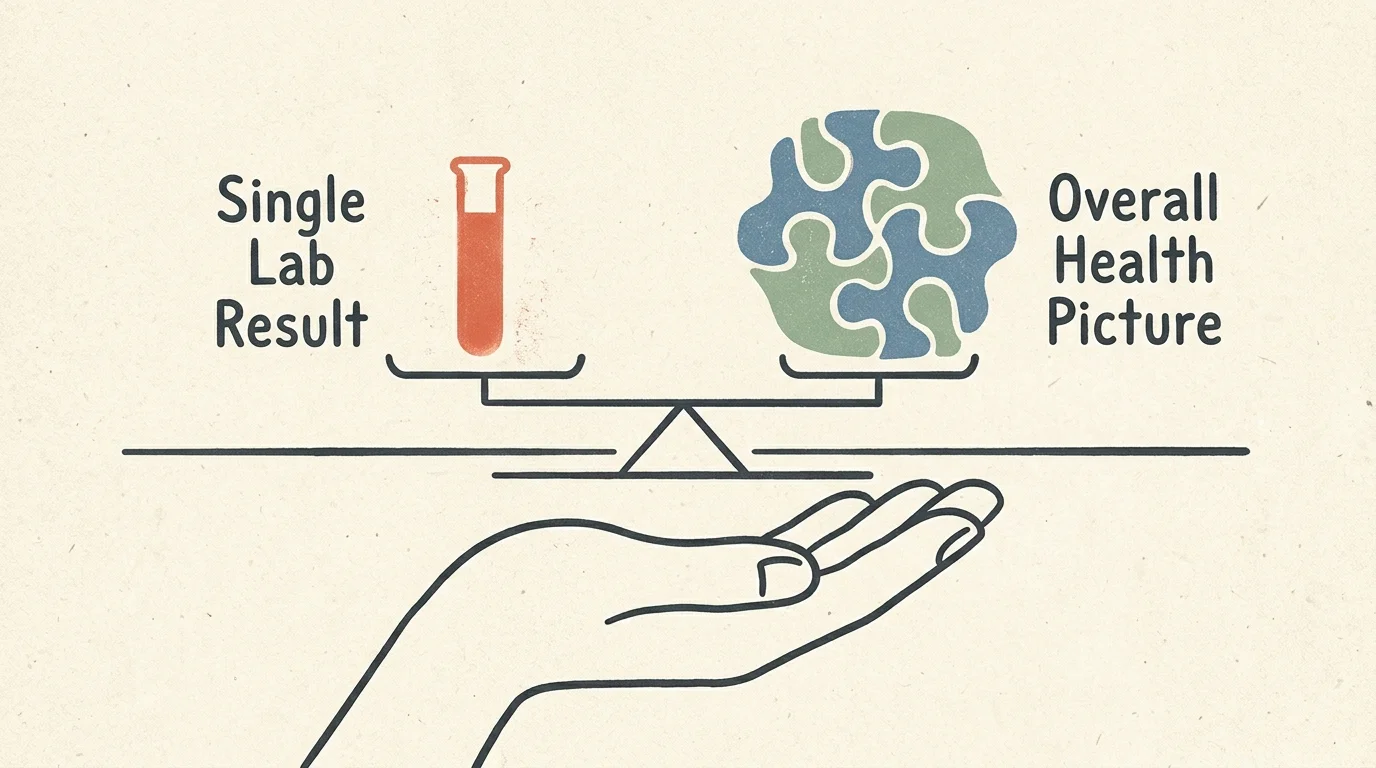
While tracking your bloodwork offers immense health insights, you must interpret lab numbers in their proper clinical context. A single elevated hs-CRP or ESR test does not automatically mean you have a chronic disease. Acute events—such as a recent dental cleaning, a minor cold, a urinary tract infection, or a mild sprain—can temporarily raise your inflammatory proteins. In clinical practice, an hs-CRP reading of 10.0 mg/L or higher usually reflects an acute non-cardiac event or active infection rather than chronic vascular inflammation. Medical guidelines recommend repeating the test after two to three weeks to establish an accurate, calm baseline.
Never attempt to diagnose yourself or discontinue prescribed medications based solely on a commercial laboratory printout. While natural supplements like turmeric, ginger, and concentrated fish oil offer supportive benefits, high doses can interact with blood thinners, blood pressure medications, or kidney treatments. Always consult your primary care doctor before introducing new herbal formulations into your daily regimen.

When to Speak with a Healthcare Professional
Understanding CRP and inflammation tests empowers you to have productive, collaborative discussions with your medical provider. Always remember that laboratory data is not a substitute for clinical diagnosis. You should contact your physician promptly if your bloodwork shows unexpected elevations or if you develop specific warning symptoms that require immediate medical evaluation.
Schedule an appointment with your healthcare provider if you experience any of the following clinical signs:
Severe, sudden aching and morning stiffness across your shoulders and hips that limits your ability to dress or comb your hair; new, throbbing headaches localized to your temples; tenderness along your scalp when brushing your hair; pain in your jaw muscles while chewing; sudden changes in your vision, such as blurriness or double vision; unexplained, persistent fevers; or unplanned, significant weight loss. When meeting with your physician, bring a complete list of your current medications, vitamins, and supplements, and ask whether your inflammatory markers should be re-evaluated alongside standard lipid and metabolic panels.
Frequently Asked Questions
What is the main difference between a standard CRP test and an hs-CRP test?
A standard CRP test measures broad, significant spikes in inflammation ranging from 3 to 100+ mg/L, helping doctors detect severe bacterial infections, acute trauma, or major autoimmune flares. An hs-CRP (high-sensitivity C-reactive protein) test detects minute concentrations between 0.1 and 5.0 mg/L. This delicate measurement allows physicians to evaluate low-grade, silent vascular inflammation and accurately assess your cardiovascular risk profile.
Can a simple dental issue or common cold alter my inflammation test results?
Yes. Any temporary immune challenge—including gum inflammation, a seasonal cold, a recent vaccination, or a minor joint injury—can cause a transient increase in hs-CRP and ESR. If you recently experienced any of these conditions, inform your doctor so they can schedule a follow-up test two to three weeks later to verify your true baseline.
How frequently should seniors have their inflammation markers checked?
For most healthy older adults, checking inflammation markers once a year during an annual wellness exam provides sufficient tracking. However, if your doctor is monitoring an existing cardiovascular condition, managing an autoimmune disorder, or tracking your response to a new lifestyle or medical intervention, they may recommend testing every three to six months.
Can dietary changes alone lower elevated inflammatory markers?
Clinical studies consistently show that adopting an anti-inflammatory dietary pattern—such as the Mediterranean diet rich in colorful vegetables, berries, fatty fish, nuts, and extra virgin olive oil—can measurably reduce hs-CRP and ESR levels over time. Combining nutritious food choices with regular moderate movement, restorative sleep, and stress reduction produces the most substantial, lasting improvements in your bloodwork.
For authoritative, trustworthy health information, always consult official sources like the National Institute on Aging (NIA) and MedlinePlus from the National Library of Medicine. The CDC also provides excellent resources for older adults.
Disclaimer: This article is for informational purposes only and does not constitute medical advice. Always seek the advice of your physician or other qualified health provider with any questions you may have regarding a medical condition.