
Restoring optimal digestion can dramatically improve your daily energy, mood, and long-term vitality as you age. Your gastrointestinal tract houses trillions of microscopic organisms that regulate nutrient absorption, immune strength, and metabolic health. When these microorganisms fall out of equilibrium—a state known as dysbiosis—your body sends distinct warning signals that affect how you feel from morning to night. Recognizing these subtle physical clues allows you to take gentle, proactive steps to restore digestive harmony and protect your independence. Exploring the seven telltale indicators of microbial imbalance empowers you to nurture your gut with targeted nutrition, sensible daily habits, and personalized medical guidance.
Understanding the Basics of Gut Bacteria Balance for Seniors
Your digestive tract hosts a vast, living ecosystem known as the gut microbiome. This internal community consists of trillions of microscopic bacteria, yeasts, and other organisms residing primarily in your large intestine. In a state of vibrant equilibrium, beneficial bacteria break down complex dietary fibers, synthesize essential B vitamins and vitamin K, protect your intestinal lining, and keep harmful pathogens at bay. Maintaining this delicate balance is fundamental to your long-term comfort, vitality, and digestive wellness.
As we age, our internal biology undergoes natural transformations that directly affect microbial life. Clinical research confirms that baseline gut microbiome diversity begins to decline around age 60 to 65. During this transitional stage, populations of beneficial bacteria—especially protective Bifidobacterium species—frequently decrease, while opportunistic, pro-inflammatory microbes find room to expand. Age-related reductions in stomach acid production and slower digestive transit times further alter this internal environment.
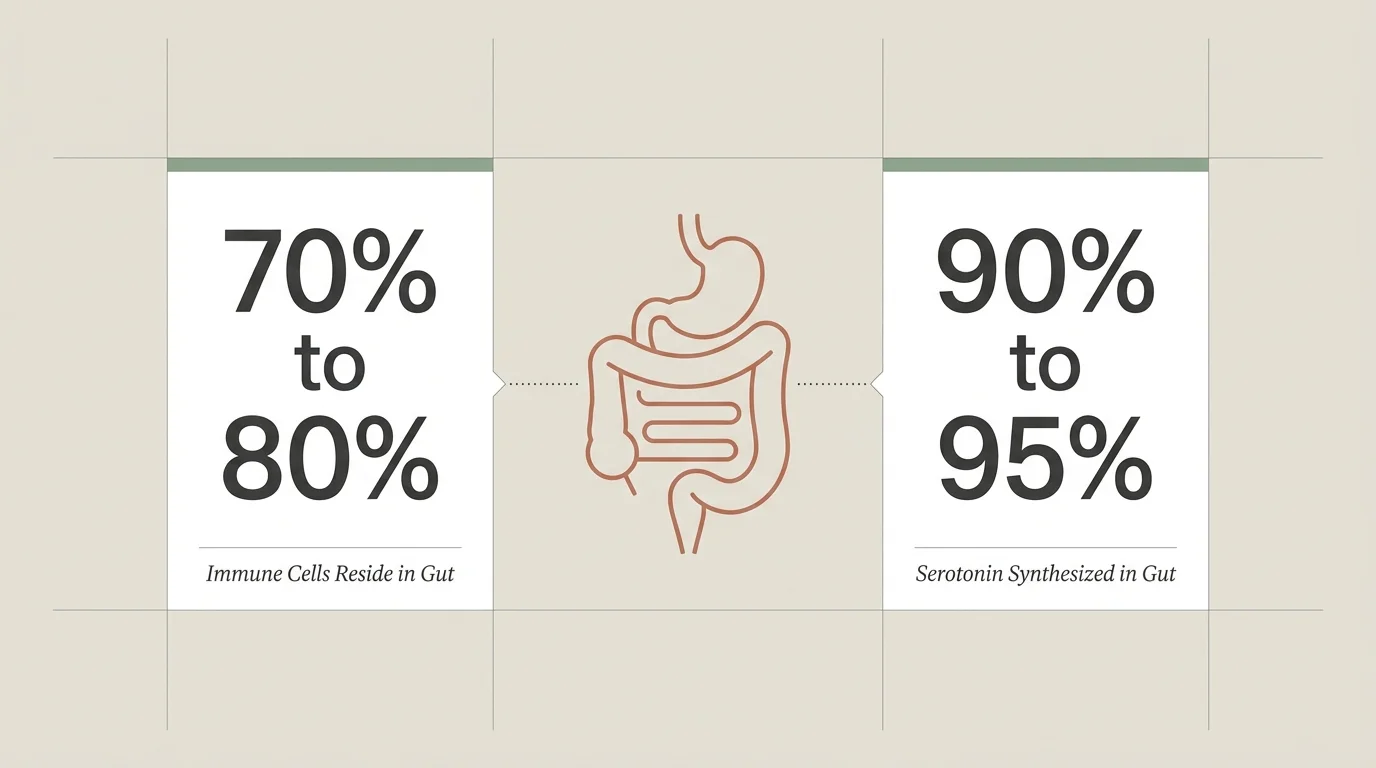
The systemic effects of this microbial shift are profound. Approximately 70% to 80% of your body’s immune cells reside within the gut-associated lymphoid tissue (GALT). When beneficial microbes diminish, immune function weakens, fostering low-grade systemic inflammation known as inflammaging. Furthermore, an estimated 90% to 95% of your body’s serotonin is synthesized in the gastrointestinal tract via specialized cells and microbial signaling. This vital gut-brain connection means that your digestive balance directly influences your daily mood, sleep quality, and mental clarity.

7 Signs Your Gut Bacteria Balance Is Off
1. Persistent Bloating, Excessive Gas, and Irregularity
Occasional digestive upset occurs from time to time, but persistent discomfort is one of the clearest signs of poor gut health. National surveys indicate that roughly 55% of community-dwelling adults aged 65 and older experience at least one active gastrointestinal symptom—such as reflux, bloating, or constipation—in a typical week. When opportunistic bacteria ferment undigested food in the wrong areas of your digestive tract, they produce excess hydrogen and methane gases. This process leads to noticeable abdominal distension, cramps, and irregular bowel habits. Chronic constipation, loose stools, or unpredictable digestion often represent early digestive health warning signs that your microbial community needs gentle support.
2. Unintended Weight Shifts and Sugar Cravings
If your weight fluctuates without deliberate changes to your diet or routine, your microbiome may be out of balance. Friendly gut bacteria produce short-chain fatty acids that help regulate fat storage, metabolic rate, and satiety signals. When dysbiosis occurs, certain microbes extract excess calories from food while encouraging your body to store fat. Furthermore, opportunistic yeasts and bacteria feed on simple sugars. When these microbes overpopulate, they release chemical signals that trigger intense cravings for refined carbohydrates, leading to frustrating blood sugar swings and unexpected weight changes.
3. Chronic Fatigue and Restless Sleep
Waking up exhausted despite spending ample time in bed can stem directly from gut microbiome balance symptoms. Because 90% to 95% of your serotonin is produced in your gastrointestinal tract, an imbalanced gut disrupts the synthesis of melatonin, the primary hormone regulating your sleep-wake cycles. When beneficial flora decline, nighttime melatonin production falters, causing fragmented sleep and early morning fatigue. Additionally, as bacterial toxins leak through a weakened gut lining, your immune system expends continuous energy combating low-grade inflammation, leaving you feeling chronically drained.
4. Sudden Food Sensitivities and Intolerances
Many older adults find that foods they enjoyed for decades—such as dairy, wheat, or cruciferous vegetables—suddenly trigger distress. This heightened sensitivity often indicates a compromised gut barrier. A healthy colony of beneficial bacteria maintains the mucosal lining that protects your intestinal wall. When friendly bacteria decline, microscopic gaps allow undigested food particles to pass into deeper tissues, prompting your immune system to launch localized inflammatory reactions. These sudden sensitivities are clear signs of poor gut health that call for digestive nourishment.
5. Frequent Colds and Sluggish Immunity
With 70% to 80% of your body’s immune cells concentrated in the gut-associated lymphoid tissue, your gut bacteria act as essential trainers for your immune system. Beneficial microbes teach immune cells to recognize and neutralize dangerous pathogens. When dysbiosis occurs, your immune defenses falter, leaving you vulnerable to frequent seasonal colds, urinary tract infections, and prolonged recovery times. This ongoing microbial disruption also accelerates inflammaging, placing unnecessary stress on your joints and cardiovascular system.
6. Mood Swings, Low Spirits, and Mental Fog
The gut-brain axis connects your enteric nervous system directly to your brain via the vagus nerve. Beneficial gut bacteria synthesize essential neuroactive compounds, including dopamine and gamma-aminobutyric acid (GABA), which promote emotional calm and mental sharpness. When gut bacteria imbalance signs emerge, altered chemical signaling along this pathway can manifest as sudden mood instability, nervousness, low spirits, or frustrating brain fog that clouds your daily focus.
7. Persistent Skin Irritation and Dryness
The gut-skin axis mirrors internal microbial health directly on your skin’s surface. A balanced microbiome keeps systemic inflammation in check, preserving skin hydration, elasticity, and comfort. When dysbiosis compromises your intestinal barrier, inflammatory molecules circulate to your skin, leading to dry patches, unexplained itching, or sudden flare-ups of eczema and rosacea. Addressing the root cause by rebalancing your gut often provides lasting dermatological relief.

Practical Tips for a Healthier, Happier Life
Prioritize Prebiotic Plant Fiber: Beneficial bacteria require prebiotic fiber to thrive and produce restorative short-chain fatty acids. According to the USDA and HHS Dietary Guidelines for Americans, daily fiber targets for adults over age 51 are 28 grams per day for men and 22 grams per day for women. Currently, about 95% of American adults miss these goals, averaging only 15 grams daily. Close this gap gently by adding cooked oats, stewed apples, ripe pears, chia seeds, and tender lentils to your meals.
Incorporate Fermented Foods Gently: Cultured foods supply live, beneficial microbes directly to your digestive tract. Enjoying a small serving of plain Greek yogurt with live active cultures, kefir, mild unpasteurized sauerkraut, or miso delivers diverse microbial strains. Start with one or two tablespoons daily to let your digestion adjust comfortably.
Recognize Signs You Need Probiotics: If dietary changes alone do not bring relief, high-quality probiotic supplements can help replenish depleted flora. Common signs you need probiotics include post-antibiotic sluggishness, persistent bloating, and ongoing digestive irregularity. Choose multi-strain supplements featuring researched strains like Bifidobacterium lactis and Lactobacillus acidophilus.
Stay Hydrated and Maintain Gentle Movement: Ample water intake softens stool and helps dietary fiber move smoothly through your colon. Combine hydration with daily physical movement—such as walking, water aerobics, or stretching—to stimulate natural intestinal contractions and prevent sluggish digestion.
Practice Mindful Mealtime Habits: Your digestive system functions best when your body is relaxed. Eating in a rushed or stressed state inhibits the release of stomach acid and digestive enzymes. Take several slow, deep breaths before meals, chew your food thoroughly, and create a calm eating environment to support effortless nutrient absorption.

Important Safety Precautions to Keep in Mind
When supporting your gut health, adopt a gradual, thoughtful approach. Introducing large amounts of fiber or fermented foods too quickly can cause sudden gas, bloating, and cramping. Always increase your fiber intake slowly over several weeks while drinking plenty of water.
If you have a compromised immune system, are undergoing medical treatment, or use an indwelling medical device, consult your physician before taking concentrated probiotic supplements. Furthermore, discuss your current medications with your doctor or pharmacist. Common drugs for seniors—such as nonsteroidal anti-inflammatory drugs (NSAIDs), proton pump inhibitors (PPIs), and antibiotics—significantly influence gut flora, requiring personalized guidance to protect your stomach lining.

When to Speak with a Healthcare Professional
The insights in this guide are provided for educational purposes and do not replace professional medical care. Because digestive symptoms can sometimes indicate serious medical conditions, never ignore persistent or severe warning signs.
Contact your physician or gastroenterologist promptly if you experience any of the following red flag symptoms:
Unintended weight loss: Losing weight rapidly without dieting requires prompt medical evaluation.
Blood in your stool: Bright red blood, maroon stools, or black, tarry bowel movements require immediate clinical care.
Severe abdominal pain: Sharp, worsening, or constant stomach pain is not normal and should be evaluated right away.
Persistent diarrhea or vomiting: Ongoing digestive fluid loss can cause severe dehydration and electrolyte imbalances in older adults.
Difficulty swallowing: Feeling food stick in your throat or chest requires immediate medical investigation.
Frequently Asked Questions
How long does it take to rebalance gut bacteria?
Many older adults notice improvements in bloating and energy within two to four weeks of making dietary changes. However, deeply rebuilding microbial diversity and repairing the gut lining typically requires two to three months of consistent nutrition, hydration, and healthy lifestyle habits.
Is poor gut health an inevitable part of aging?
While baseline microbial diversity naturally declines after age 60, chronic digestive distress is not inevitable. Consuming a wide variety of plant fibers, staying active, and managing stress effectively protects your microbiome throughout your senior years.
What are the primary signs you need probiotics?
The primary signs you need probiotics include post-antibiotic digestive upset, recurring bouts of irregularity, persistent gas, and unexplained fatigue. Probiotic supplements help replenish depleted friendly bacteria and restore balance.
Can I support my gut health without taking supplements?
Yes, wholesome lifestyle habits form the foundation of gut health. Eating colorful vegetables, fruits, whole grains, and fermented foods like plain yogurt provides natural prebiotics and probiotics that nourish your microbiome without costly supplements.
For authoritative, trustworthy health information, always consult official sources like the National Institute on Aging (NIA) and MedlinePlus from the National Library of Medicine. The CDC also provides excellent resources for older adults.
Disclaimer: This article is for informational purposes only and does not constitute medical advice. Always seek the advice of your physician or other qualified health provider with any questions you may have regarding a medical condition.