
Waking up exhausted, dizzy, or soaked in sweat often feels like a normal part of aging. However, these morning disruptions frequently point to an unseen blood sugar crash while sleeping.
When your glucose drops at night, your brain struggles silently to access vital energy. Spotting these subtle nighttime low blood sugar episodes protects your memory, physical stability, and independence.
Recognizing the warning signs allows you to take charge before severe nocturnal hypoglycemia symptoms disrupt your life. Gentle evening routine adjustments can restore your deep sleep and morning vitality.
Understanding the Basics of Overnight Blood Sugar Drops for Seniors
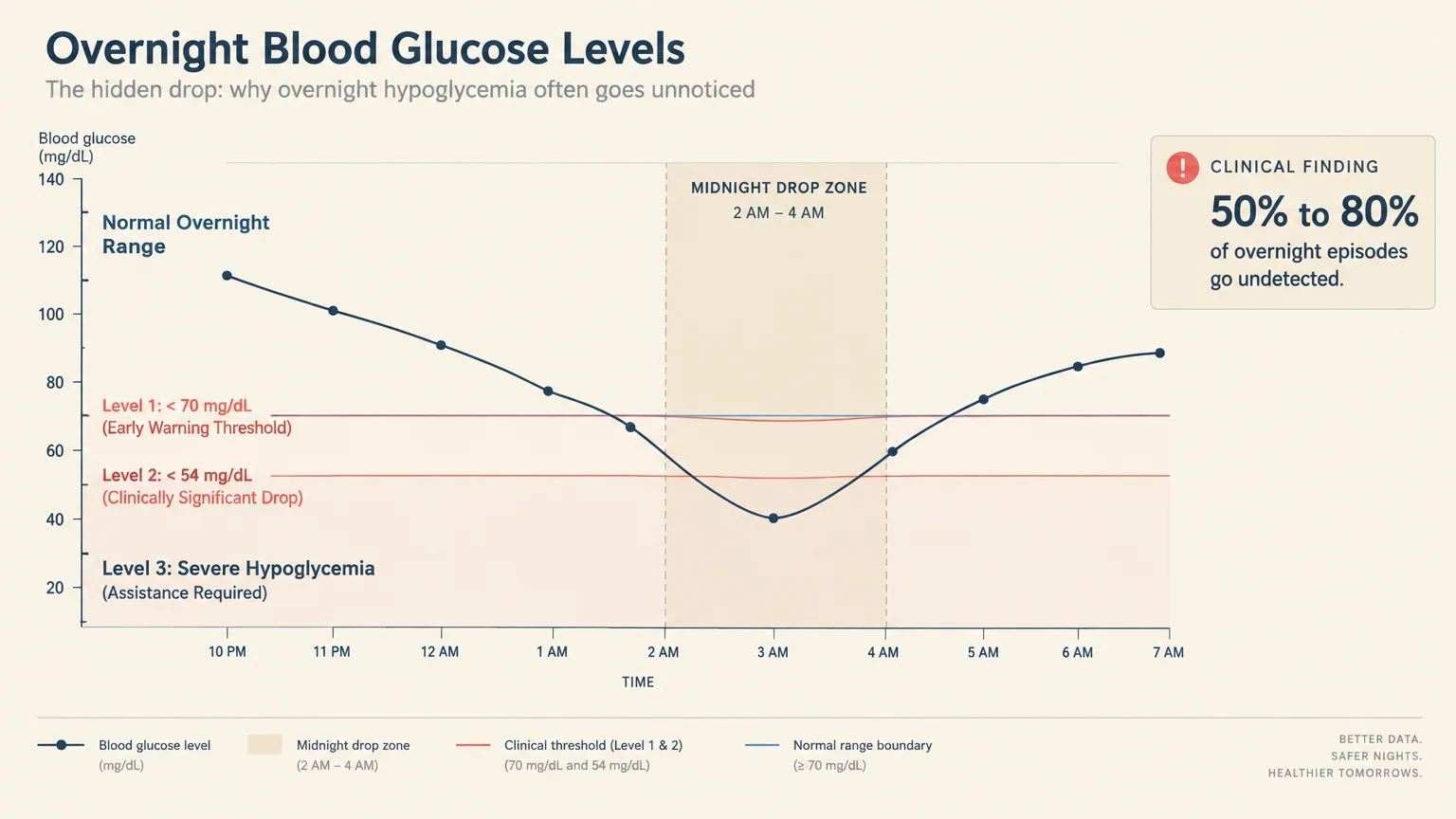
Nocturnal hypoglycemia describes a drop in circulating blood glucose to unhealthy levels during sleep. Clinical guidelines from the American Diabetes Association classify these drops into three distinct stages.
Level 1 hypoglycemia occurs when your blood glucose drops below 70 mg/dL. This standard threshold serves as your earliest warning sign to take action and consume carbohydrates.
Level 2 hypoglycemia happens when your glucose falls below 54 mg/dL. This clinically significant drop starves brain cells of essential fuel and increases the risk of acute neurological impairment.
Level 3 hypoglycemia represents a severe medical emergency marked by altered mental or physical status. During a Level 3 episode, you cannot treat yourself and require third-party assistance.
Sleep creates a hidden window of vulnerability for older adults. In fact, between 50% and 80% of nocturnal hypoglycemia episodes pass without waking the sleeper.
Furthermore, clinical data shows that over 50% of all severe hypoglycemic events strike overnight. Without conscious awareness, blood sugar crash while sleeping can persist for several continuous hours.
Natural physical changes make seniors over 55 especially vulnerable to these undetected drops. Your liver processes and releases stored glycogen more slowly as you advance in age.
Kidney function also gradually declines over time; this slower clearance allows diabetes medications to linger in your bloodstream longer. As a result, prescription insulin or oral drugs may trigger unexpected midnight drops.
In addition, older adults frequently develop Impaired Awareness of Hypoglycemia (IAH). Research from the WISDM trial reveals that roughly 30% of older adults with insulin-treated diabetes experience this blunted state.
With impaired awareness, your autonomic nervous system fails to release adrenaline when your glucose declines. You do not experience standard early alarms such as racing pulses, shakiness, or cold sweats.
Instead, cognitive confusion or sudden loss of balance may present as your first noticeable symptom. Understanding these subtle overnight glucose drops enables you to protect your long-term health and independence.

7 Signs Your Blood Sugar Crashes Overnight Without You Noticing
Because nighttime low blood sugar often hides behind everyday sleep complaints, you must look for subtle physical clues. Evaluating how your body feels upon waking provides crucial insight into your overnight glucose stability.
1. Waking Up Drenched in Damp Night Sweats
Waking up with soaked sheets or damp sleepwear is a classic indicator of nocturnal hypoglycemia symptoms. When your glucose levels drop rapidly, your body activates an emergency surge of adrenal stress hormones.
Epinephrine directly stimulates your sweat glands, even in a cool and comfortable bedroom. You might wake up feeling cold, clammy, and shivering beneath your blankets.
While many people mistake night sweats for room temperature issues, frequent dampness requires careful glucose investigation. Keep a log of how often you wake up needing dry nightclothes.
2. Restless Sleep, Frequent Awakenings, and Vivid Nightmares
Your brain requires a continuous supply of glucose to maintain calm, restorative sleep cycles. When your blood sugar plummets, your nervous system triggers panic signals to wake you up for survival.
This biological distress often translates into vivid nightmares, frightening dreams, or sudden nocturnal awakenings. You might find yourself tossing, turning, or kicking your sheets throughout the night.
If you repeatedly awaken with an unexplained sense of dread or restlessness, nocturnal hypoglycemia may be disrupting your sleep architecture. These agitated awakenings rob you of crucial restorative rest.
3. Morning Headaches That Linger After Rising
Waking with a throbbing, dull ache behind your eyes represents one of the common signs of low blood sugar at night. Glucose deprivation causes cerebral blood vessels to dilate during sleep.
This vascular widening creates persistent pressure within your skull that lingers long after you get out of bed. These morning headaches rarely respond to standard over-the-counter pain medications.
If you notice a pattern of unexplained morning head pain, check your glucose before reaching for coffee. Low overnight readings often explain why your morning starts with discomfort.
4. Sudden Morning Confusion, Brain Fog, or Dizziness
Neuroglycopenia occurs when your brain tissue starves for sugar during an extended nocturnal drop. You may awaken feeling unusually disoriented, clumsy, or unable to focus on simple morning tasks.
Many older adults mistakenly blame this temporary confusion on normal aging or poor sleep quality. However, waking up disoriented often reflects a Level 2 hypoglycemic dip below 54 mg/dL.
Severe morning fog also increases your immediate risk of mismanaging medications or taking incorrect dosages. Always test your glucose levels before handling your morning pills or walking down stairs.
5. Severe Morning Fatigue Despite Eight Hours of Sleep
If you sleep a full night yet awaken completely exhausted, your body may have spent hours fighting hypoglycemia. Overnight glucose drops force your cardiovascular and endocrine systems to work overtime while you sleep.
Surging stress hormones fragment your deep, slow-wave sleep cycles without fully waking you up. You miss out on the restorative rest necessary for physical healing and memory consolidation.
Chronic morning weariness signals that your nocturnal metabolism requires evaluation. Tracking your glucose can confirm whether low sugar levels are draining your daily energy.
6. A Rapid Heartbeat or Unexplained Morning Tremors
Awakening to a pounding chest or subtle hand tremors points toward an adrenal rebound reaction. When glucose levels fall too low, your adrenal glands flood your system with adrenaline to stimulate sugar release.
This hormonal surge increases your resting heart rate and triggers involuntary muscle shakiness. You may notice your hands trembling as you reach for your glasses or a morning glass of water.
Pay close attention if these internal palpitations occur before you consume morning caffeine. These physical tremors serve as an urgent signal that your body struggled overnight.
7. Unusually High Glucose Readings Upon Waking
High morning test results can deceptively mask an undetected blood sugar crash while sleeping. When glucose falls dangerously low, your body initiates a defensive counter-regulatory hormone surge.
Glucagon and cortisol prompt your liver to rapidly dump stored glucose into your bloodstream. This biological rebound—often called the Somogyi effect—results in an elevated morning fasting reading.
Increasing your evening insulin in response to high morning numbers can make underlying nocturnal crashes much worse. Testing your glucose between 2:00 AM and 3:00 AM reveals whether a rebound is occurring.
Practical Tips for a Healthier, Happier Life
You can take active, practical steps to stabilize your nighttime glucose and sleep soundly. Adopting consistent evening habits protects your brain and promotes peaceful, uninterrupted rest.
Enjoy a Balanced Bedtime Snack
Fasting for eight or nine hours overnight leaves your body without incoming fuel. Eating a small bedtime snack that combines complex carbohydrates with healthy fat or protein sustains your blood sugar until morning.
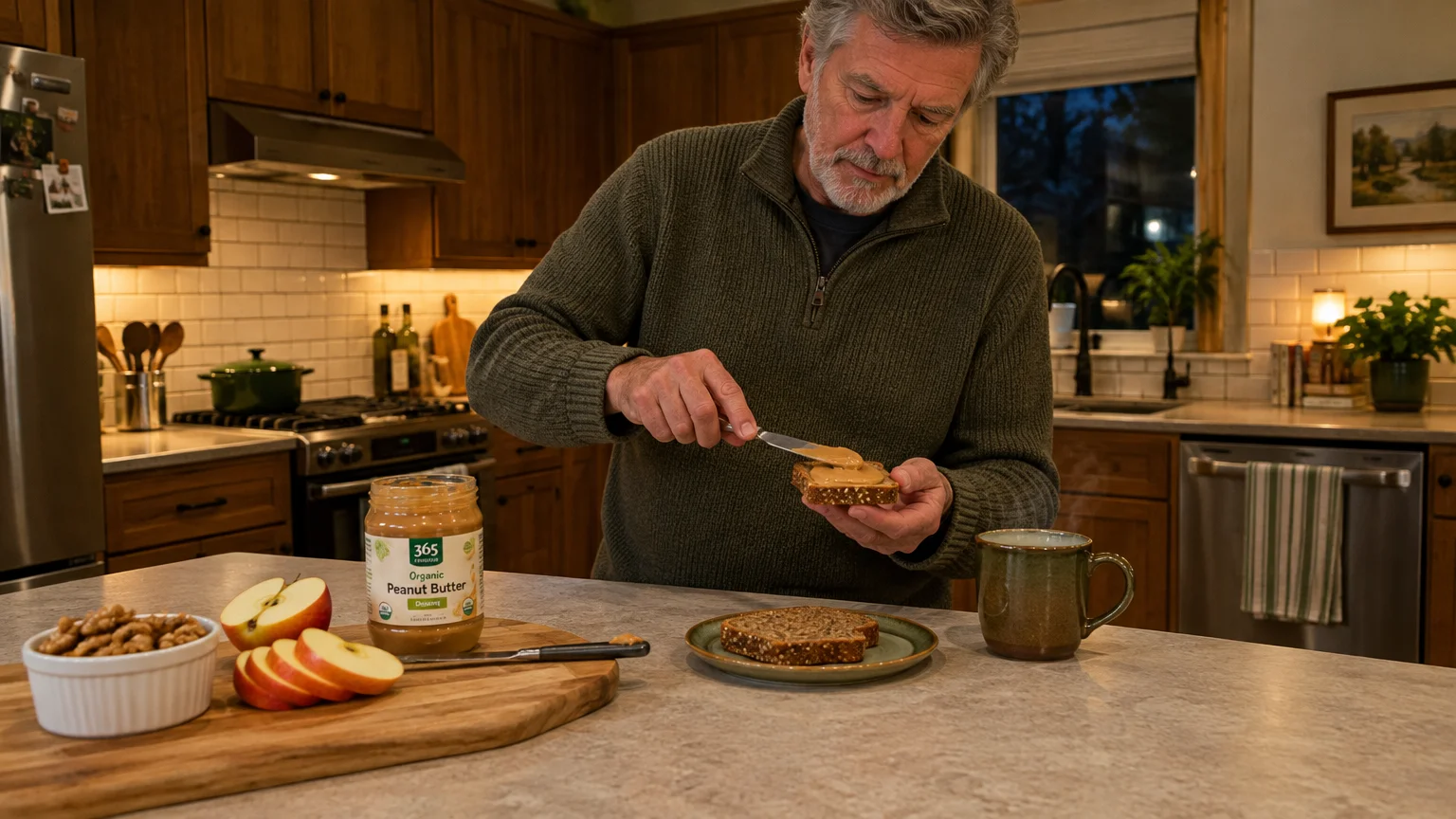
Pair two tablespoons of natural peanut butter with a slice of whole-grain toast before retiring. Unsweetened Greek yogurt with a small handful of walnuts also provides a steady, slow-burning source of nighttime energy.
Avoid eating high-sugar treats or simple carbohydrates right before bed. Sugary snacks cause rapid glucose spikes followed by sharp midnight crashes that leave you vulnerable.
Review Evening Medication Timing with Your Doctor
Diabetes medications such as long-acting insulins and sulfonylureas reach peak activity several hours after administration. If this peak coincides with your deepest fasting hours, your blood sugar can drop precipitously.
Ask your doctor whether shifting your medication timing can minimize midnight drops. Modern basal insulins provide ultra-steady 24-hour coverage with a significantly reduced risk of nocturnal hypoglycemia.
Never alter your prescription dosages or administration schedules on your own. Always consult your healthcare provider to ensure any medication adjustment remains completely safe.
Keep Fast-Acting Glucose Ready at Your Bedside
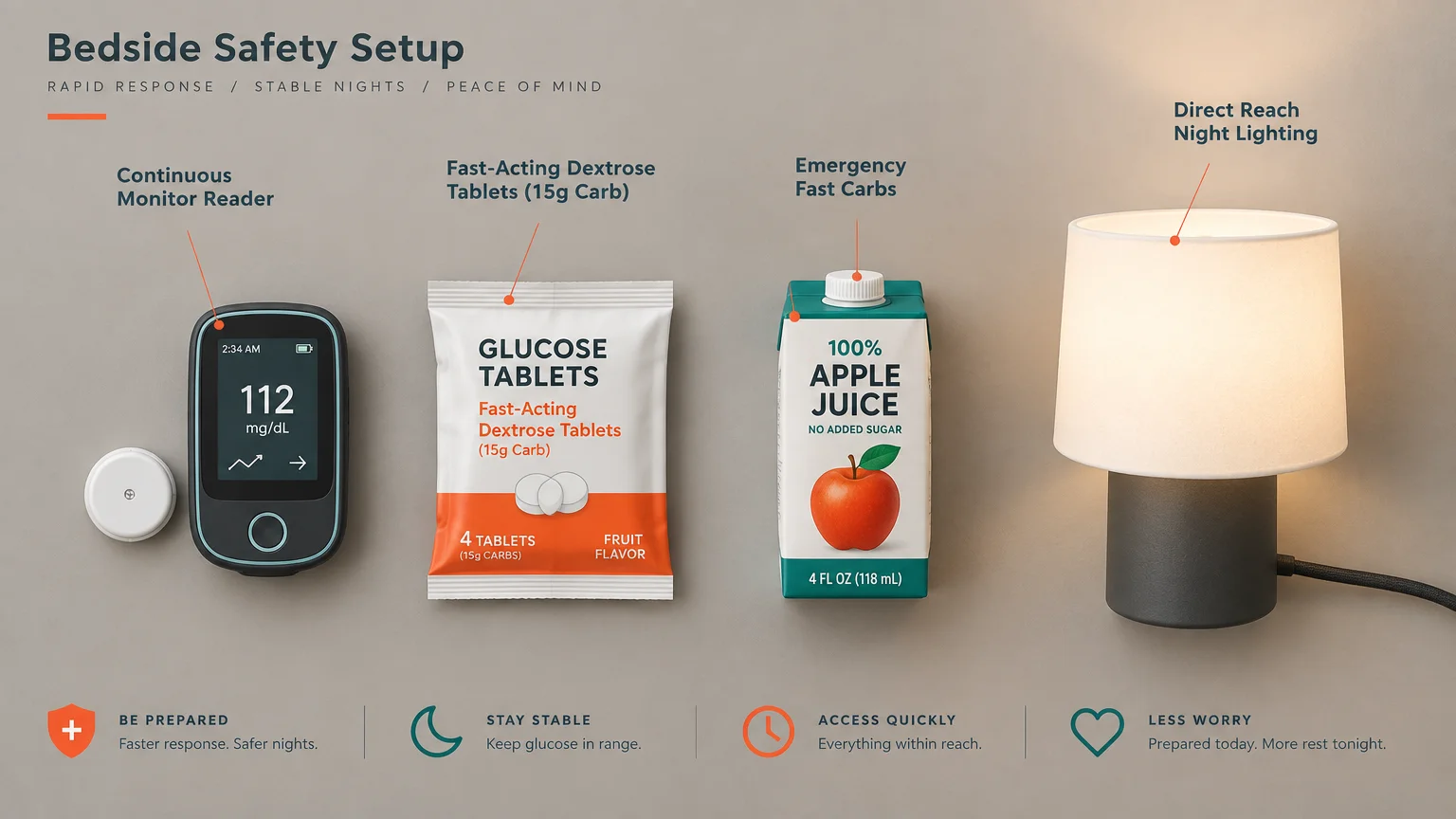
Preparing your bedside table ensures rapid treatment if you wake up with nighttime low blood sugar. Always keep fast-acting carbohydrates within arm’s reach so you do not need to walk to the kitchen.
Apply the clinical “Rule of 15” whenever you suspect or detect an overnight low. Consume exactly 15 grams of fast-acting carbohydrates, such as four ounces of fruit juice or four glucose tablets.
Wait 15 minutes, recheck your glucose, and repeat the treatment if your reading remains below 70 mg/dL. Once your levels stabilize, eat a small protein snack to prevent a second drop.
Explore Continuous Glucose Monitors and Medicare Coverage
Continuous glucose monitors (CGMs) utilize a tiny sensor under your skin to measure glucose every few minutes. These modern devices sound an audible alarm if your glucose drops while you sleep.
Under current Medicare Part B guidelines, CGMs receive coverage for individuals with diabetes who use insulin. Coverage also applies to non-insulin users with documented problematic hypoglycemia, including recurrent Level 2 events under 54 mg/dL.
A CGM allows you to share real-time glucose data directly with family members or caregivers through smartphone apps. This continuous safety net brings profound peace of mind to older adults living independently.
Adjust Evening Exercise and Alcohol Habits
Physical exercise increases your insulin sensitivity for up to 24 hours after your workout ends. Engaging in vigorous evening activity can deplete your liver’s glycogen stores, leading to delayed overnight crashes.
Shift your brisk walks or strength training to earlier in the day to protect your nighttime stability. If you do exercise after dinner, check your blood sugar and consume an extra complex carbohydrate snack.
Evening alcoholic drinks also impair your liver’s ability to release stored glucose while you sleep. If you choose to drink alcohol, always enjoy it alongside a balanced meal and never on an empty stomach.
Important Safety Precautions to Keep in Mind
Nocturnal hypoglycemia presents serious secondary physical dangers for older adults, especially the risk of severe nighttime falls. A sudden drop in glucose impairs depth perception, muscle coordination, and balance upon standing.
Install illuminated nightlights along the pathway between your bed and the bathroom. Keep your bedroom floor completely clear of loose rugs, electrical cords, and misplaced slippers.
Always sit upright on the edge of your bed for 30 seconds before attempting to stand. Pausing allows your blood pressure and equilibrium to stabilize, reducing your fall risk during nocturnal low events.
Educate your family members, close friends, and caregivers about how to recognize nocturnal hypoglycemia symptoms. Ensure they know where your fast-acting glucose is stored and understand how to assist you if you feel confused.
For severe Level 3 emergencies, ask your physician about prescribing emergency nasal glucagon powder or an auto-injector pen. These life-saving medications allow family members to revive an unresponsive individual without attempting to force oral liquids.
Wear a medical identification bracelet or necklace that clearly states your diabetes diagnosis. If emergency responders ever arrive at your home, visible medical ID guarantees prompt, accurate glucose treatment.
When to Speak with a Healthcare Professional
While these practical strategies support your daily wellness, they never replace individualized clinical care. You must reach out to your primary care physician or endocrinologist if you suspect frequent overnight drops.
Contact your medical provider immediately if your blood sugar falls below 54 mg/dL more than once in a single week. Experiencing any severe hypoglycemic event that requires assistance from another person demands urgent medical evaluation.
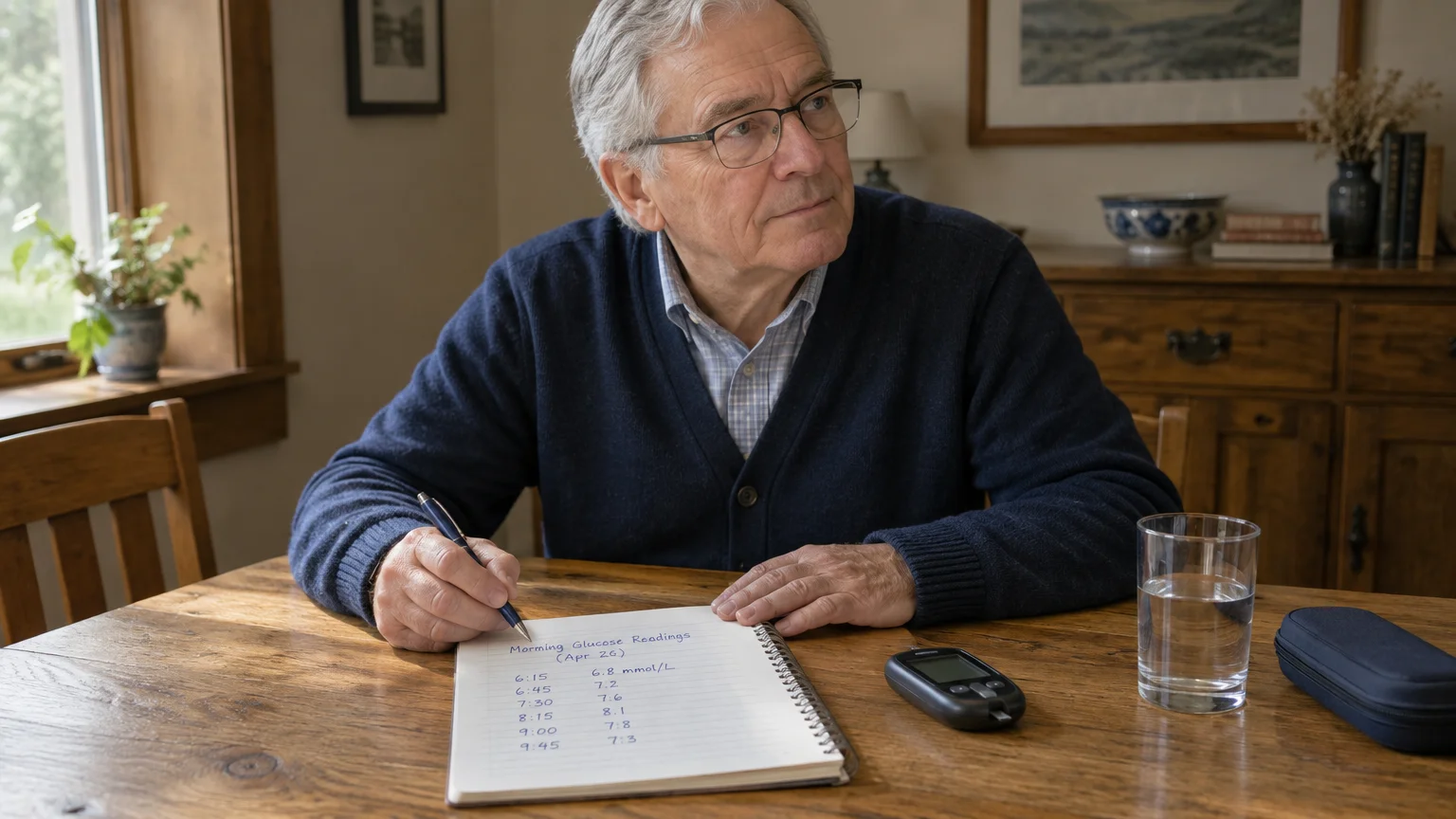
Keep a detailed weekly log documenting your bedtime glucose readings, morning numbers, and any unusual physical symptoms. Presenting this clear data helps your doctor identify medication patterns and adjust your treatment safely.
For authoritative, trustworthy health information, always consult official sources like the National Institute on Aging (NIA) and MedlinePlus from the National Library of Medicine. The CDC also provides excellent resources for older adults.
Disclaimer: This article is for informational purposes only and does not constitute medical advice. Always seek the advice of your physician or other qualified health provider with any questions you may have regarding a medical condition.
Frequently Asked Questions
Why does my blood sugar crash overnight even if I eat dinner?
A well-balanced dinner can digest completely several hours before you wake up in the morning. If your evening diabetes medications peak while your stomach is empty, blood glucose levels drop rapidly.
In older adults, the liver also releases emergency stored glucose more slowly during extended fasting periods. Adding a bedtime snack containing both protein and complex carbohydrates bridges this critical overnight fasting window.
How can I tell night sweats caused by low blood sugar from normal hot flashes?
Night sweats from hypoglycemia usually arrive alongside a racing pulse, cold clamminess, trembling, and intense hunger. In contrast, standard hot flashes typically produce a wave of warmth without triggering shakiness or cognitive confusion.
The single best way to know for sure is checking your blood sugar immediately when waking up damp. A reading below 70 mg/dL confirms that nocturnal hypoglycemia triggered your night sweats.
What is the fastest way to treat a nighttime low reading?
Follow the proven clinical Rule of 15 by consuming 15 grams of fast-acting, easily digested carbohydrates immediately. Four ounces of fruit juice, half a can of regular soda, or four glucose tablets work fastest.
Avoid consuming high-fat treats like chocolate bars, pastries, or ice cream during an acute low. Fat delays gastric emptying and slows carbohydrate absorption, preventing your blood sugar from recovering quickly.
Does Medicare cover continuous glucose monitors for seniors with low blood sugar?
Yes, Medicare Part B provides coverage for continuous glucose monitors for patients who use insulin daily. Coverage also extends to non-insulin users who have documented problematic hypoglycemia, including recurrent Level 2 drops below 54 mg/dL.
Your physician must submit clinical documentation demonstrating that you experience recurrent severe drops or unawareness. A CGM gives you real-time alarms that wake you before dangerous overnight emergencies develop.
Can sleeping on my sensor cause a false low blood sugar alarm?
Yes, direct body weight pressing against a continuous glucose monitor sensor can restrict local tissue blood flow. This temporary lack of interstitial fluid circulation—often called a compression low—causes the sensor to report falsely low numbers.
If your sensor alarm wakes you, always perform a traditional finger-stick test before treating yourself with carbohydrates. A finger-stick reading provides an accurate blood measurement and prevents unnecessary overeating at night.