Restoring a healthy interest in food starts with identifying whether your daily prescriptions are quietly working against your natural hunger cues. When multiple prescriptions combine, unexpected chemical interactions can dull your taste buds, create persistent stomach discomfort, or completely suppress your desire to eat. As your metabolism changes with age, your liver and kidneys process compounds more slowly, making drug-drug interactions far more pronounced. Recognizing the subtle signals that your medications are clashing allows you to protect your nutritional vitality, maintain your physical strength, and preserve your daily energy. By taking proactive steps today, you can work safely with your physician to regain your appetite and rediscover the true pleasure of eating well.
Understanding the Basics of Medication Interaction Appetite Changes for Seniors
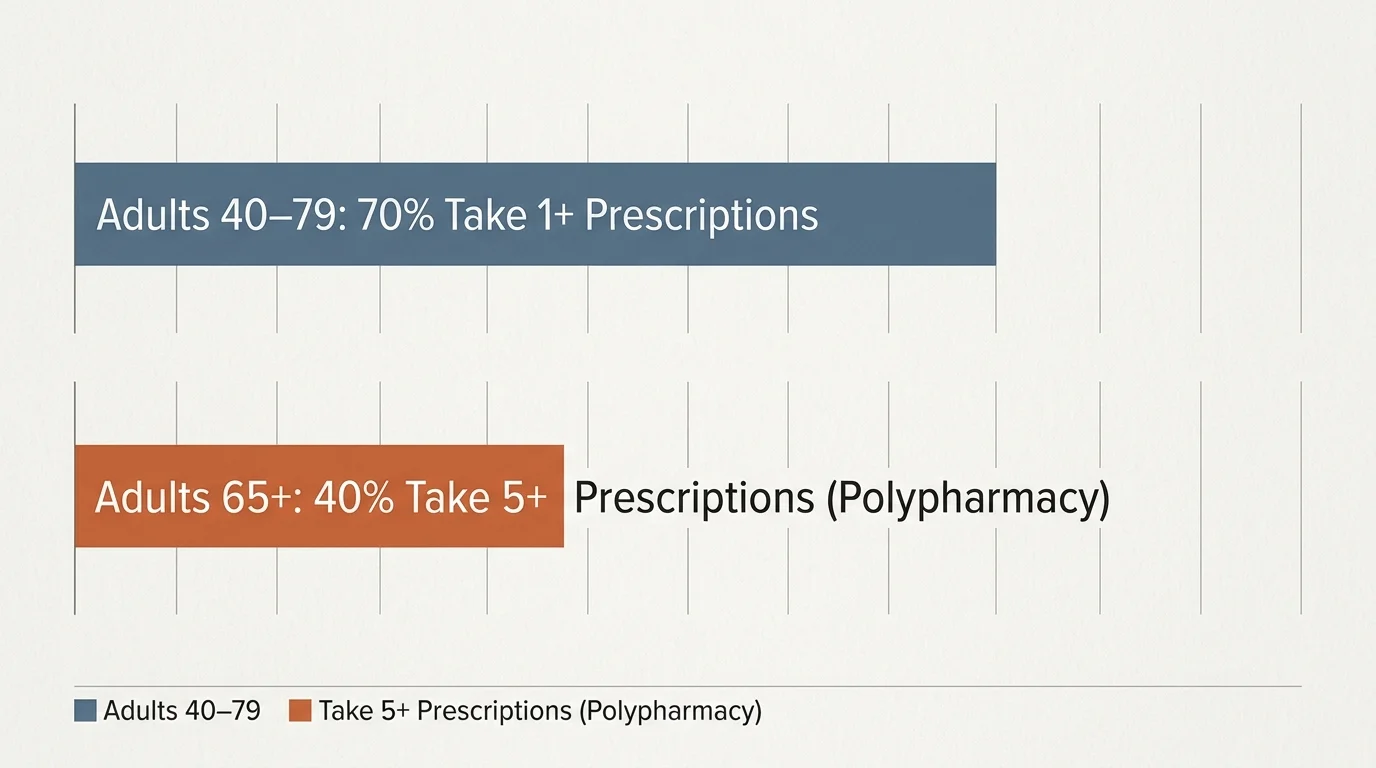
Managing multiple health conditions often requires taking several daily prescriptions; however, combining these therapies can significantly influence how your body signals hunger. Data from the Centers for Disease Control and Prevention (CDC) and the National Health and Nutrition Examination Survey (NHANES) indicate that nearly 70% of adults aged 40 to 79 take at least one prescription medication. Even more striking, over 40% of adults aged 65 and older practice polypharmacy—the concurrent use of five or more prescription medications. A report from the Kaiser Family Foundation (KFF) similarly reveals that 89% of seniors regularly take prescriptions, with 54% taking four or more daily. When you take multiple medications, the likelihood of an adverse drug interaction increases exponentially.
Your body handles medications differently as the decades pass. Age-related physiological shifts naturally alter your body composition, reducing total water volume and lean muscle mass while increasing the proportion of adipose tissue. At the same time, blood flow to your liver decreases, and your kidneys filter compounds at a slower rate. Consequently, active pharmaceutical ingredients circulate in your bloodstream for longer periods before clearance. When two or more medications compete for the same hepatic metabolic pathways—specifically the Cytochrome P450 enzyme family—their concentrations can surge unpredictably. This buildup frequently triggers unexpected medication side effects on appetite that might not appear when taking a single drug in isolation.
Clinical researchers have documented that over 250 common medications can directly impair your nutritional drive. The American Geriatrics Society highlights these vulnerabilities in its updated 2023 Beers Criteria®, identifying several high-risk drug classes that commonly trigger gastrointestinal distress, dry mouth, altered taste perception, and appetite loss. Common culprits include angiotensin-converting enzyme (ACE) inhibitors, cholesterol-lowering statins, oral diabetes treatments such as metformin and GLP-1 receptor agonists, psychotropic medications, broad-spectrum antibiotics, and strong anticholinergic drugs. Understanding how these therapies interact provides the knowledge you need to advocate for your nutritional health during your next clinical appointment.
Practical Tips for a Healthier, Happier Life
When prescription regimens overlap, they often send confusing signals to your digestive system and brain. Learning to spot the clinical signs of medication interaction appetite changes enables you to take gentle, proactive steps to restore your nutritional wellness. Here are seven distinct signs that your medication routine may be dampening your appetite, along with practical strategies to nourish your body comfortably.
1. A Sudden Metallic, Bitter, or Distorted Taste in Your Mouth
An abrupt alteration in taste perception—clinically termed dysgeusia—is one of the most frequent appetite loss from medication signs. Certain cardiovascular drugs, such as captopril or lisinopril, contain sulfhydryl groups that bind to trace minerals in your saliva, blunting your taste buds. When you combine an ACE inhibitor with a cholesterol-lowering statin or a routine antibiotic, this alteration can intensify into a sharp metallic or sour flavor that makes even your favorite home-cooked meals taste unappealing.
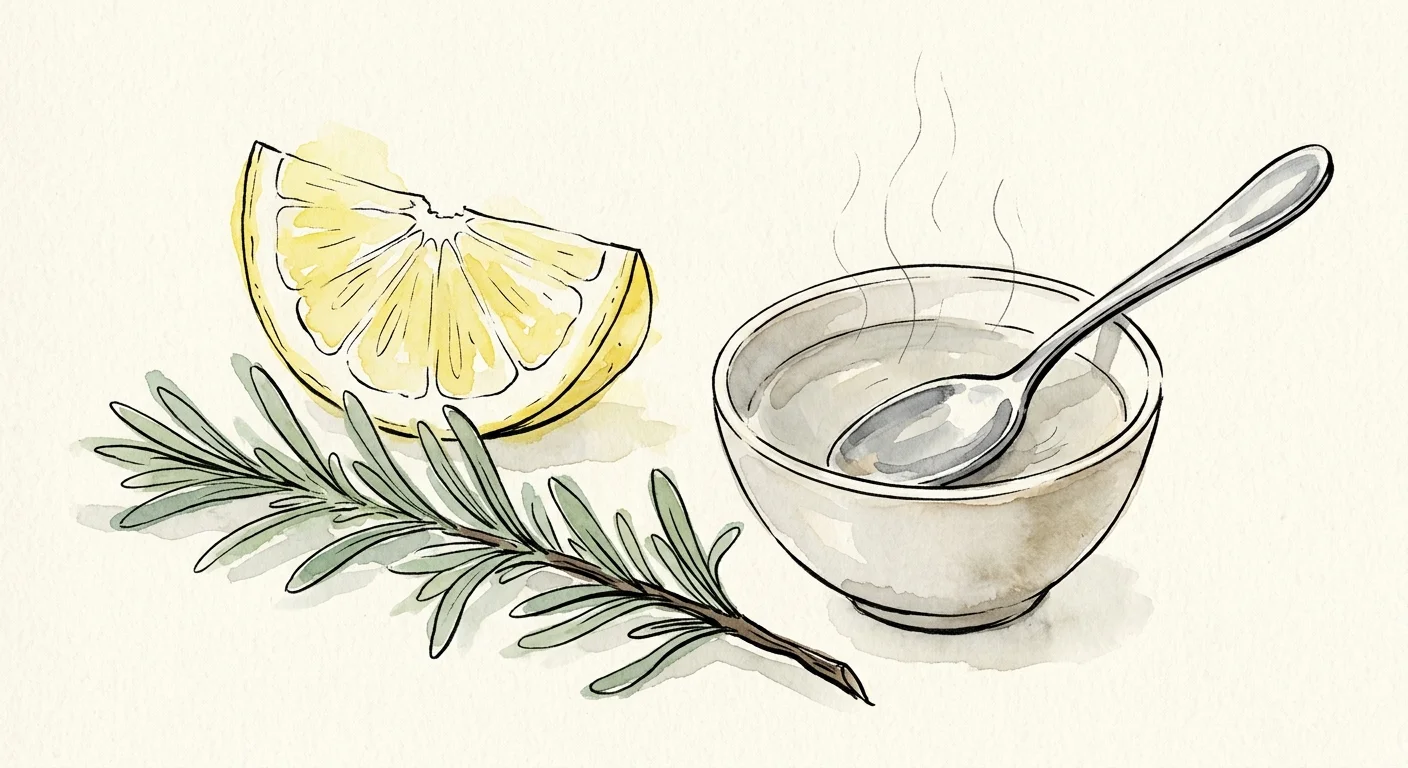
To overcome this taste distortion, try seasoning your meals with aromatic culinary herbs like rosemary, thyme, basil, and fresh mint instead of relying on heavy table salt. Sipping cool water infused with fresh lemon, lime, or cucumber slices before you sit down to eat can help cleanse your palate and stimulate active salivary enzymes. You may also find that switching from stainless steel silverware to bamboo, silicone, or ceramic dining utensils prevents that unpleasant metallic sensation while eating.
2. Persistent Dry Mouth That Makes Chewing and Swallowing Exhausting
Severe dry mouth, known medically as xerostomia, occurs when medications suppress the natural production of your salivary glands. Anticholinergic drugs prescribed for overactive bladder, combined with beta-blockers for high blood pressure or over-the-counter antihistamines for seasonal allergies, create a compounding drying effect. Saliva is essential for lubricating food, breaking down starches, and carrying flavor molecules directly to your taste receptors. Without adequate moisture, chewing requires strenuous effort, turning mealtimes into an exhausting chore.
You can gently soothe a dry mouth by keeping a reusable water bottle nearby and taking small, frequent sips throughout the day. Incorporate extra moisture directly into your dishes by adding flavorful bone broths, light vegetable sauces, extra virgin olive oil, or homemade gravies to lean meats and steamed vegetables. Chewing all-natural, sugar-free gum containing birch xylitol between meals also sends a gentle signal to your salivary glands to increase natural fluid production.
3. Feeling Full After Eating Only a Few Small Bites
If you sit down to a balanced dinner but feel completely stuffed after just two or three bites, you are experiencing early satiety. Drugs that affect hunger often achieve this by slowing down your natural gastric motility. For example, modern GLP-1 receptor agonists, prescribed for diabetes or weight management, intentionally delay stomach emptying. When paired with calcium channel blockers or mild sedatives that relax smooth muscle tissue, your stomach may hold food far longer than normal, leading to bloating and premature fullness.
Rather than forcing yourself to consume three large, heavy meals each day, restructure your eating schedule around five or six smaller, nutrient-dense mini-meals. Focus on compact, calorie-rich options such as whole-milk Greek yogurt topped with chia seeds, creamy avocado slices on sprouted toast, or a small handful of raw walnuts. Additionally, avoid drinking large glasses of water or tea immediately before or during your meals, as excess liquid distends the stomach lining and triggers premature fullness sensors.
4. Low-Grade Nausea and Morning Stomach Queasiness
Persistent, low-level nausea is a classic indicator of competing pharmaceutical compounds irritating the sensitive lining of your stomach. Taking daily nonsteroidal anti-inflammatory drugs (NSAIDs) alongside a standard metformin dose or an oral iron supplement frequently inflames the gastric mucosa. This low-grade nausea often manifests first thing in the morning, making the thought of breakfast thoroughly unappealing and setting a negative nutritional tone for the rest of your day.
To calm an unsettled stomach, prepare a warm cup of freshly brewed ginger or peppermint tea approximately twenty minutes before your planned mealtime. Both gingerols and menthol possess clinically documented antispasmodic properties that relax the upper digestive tract. Always discuss medication timing with your pharmacist; shifting certain prescriptions so you take them with a small snack—such as unsweetened applesauce or whole-grain crackers—can cushion your stomach and eliminate digestive distress.
5. An Unexplained Aversion to Everyday Cooking Aromas
Your sense of smell accounts for up to eighty percent of what your brain interprets as flavor. Certain pharmaceutical combinations, particularly those involving psychotropic agents, neurological medications, or cardiac antiarrhythmics, can induce sensory hyper-reactivity or olfactory distortions. Familiar kitchen scents that once seemed welcoming—such as roasting chicken, sautéing onions, or brewing coffee—can suddenly smell overwhelming, pungent, or nauseating.
If intense cooking odors diminish your desire to eat, try enjoying your meals at room temperature or slightly chilled, as cooler foods release significantly fewer airborne aromatic molecules. Cold pasta salads with diced bell peppers, chilled poached salmon with dill, or refreshing fruit smoothies enriched with unflavored plant protein provide exceptional nourishment without producing heavy aromas. Whenever possible, ask a family member or friend to assist with hot meal preparation while you relax in a well-ventilated room.
6. Midday Lethargy and Loss of Mealtime Motivation
Sometimes the issue is not your physical stomach, but rather a profound lack of energy caused by central nervous system interactions. When mild pain relievers, muscle relaxants, sleep aids, and blood pressure medications combine, their sedative effects can multiply. This synergetic fatigue leaves you feeling drowsy, mentally foggy, and unmotivated to prepare fresh, wholesome food, leading you to skip vital meals altogether.
Combat mealtime fatigue by capitalizing on your natural windows of highest energy. If you feel most alert and clearheaded mid-morning, prepare a hearty, nutrient-rich brunch that serves as your main caloric source for the day. Simplify your weekly kitchen routine by purchasing pre-chopped fresh vegetables, wholesome canned beans, and pre-cooked proteins. Stocking your pantry with simple, wholesome staples ensures that you can assemble a balanced, nourishing plate in under five minutes when your energy runs low.
7. Clothes Fitting Loosely and Unplanned Weight Loss
Unintentional weight loss is the most definitive physical sign that prescription side effects and eating difficulties are taking a measurable toll on your health. While losing a pound or two occasionally is normal, discovering that your pants are sliding down or your watchband fits loosely without any conscious dieting is a significant warning sign. In older adults, rapid weight reduction often represents a critical loss of functional skeletal muscle rather than body fat, which can compromise your balance, immunity, and overall independence.
Keep a simple weekly log of your morning body weight to catch downward trends early before they impact your stamina. Enrich your daily dishes with healthy, invisible calories by stirring a tablespoon of cold-pressed olive oil into soups, adding ground flaxseeds to morning oatmeal, or blending a spoonful of pure almond butter into a warm cup of milk. These gentle additions boost your caloric and micronutrient intake without requiring you to consume a larger volume of food.
Important Safety Precautions to Keep in Mind
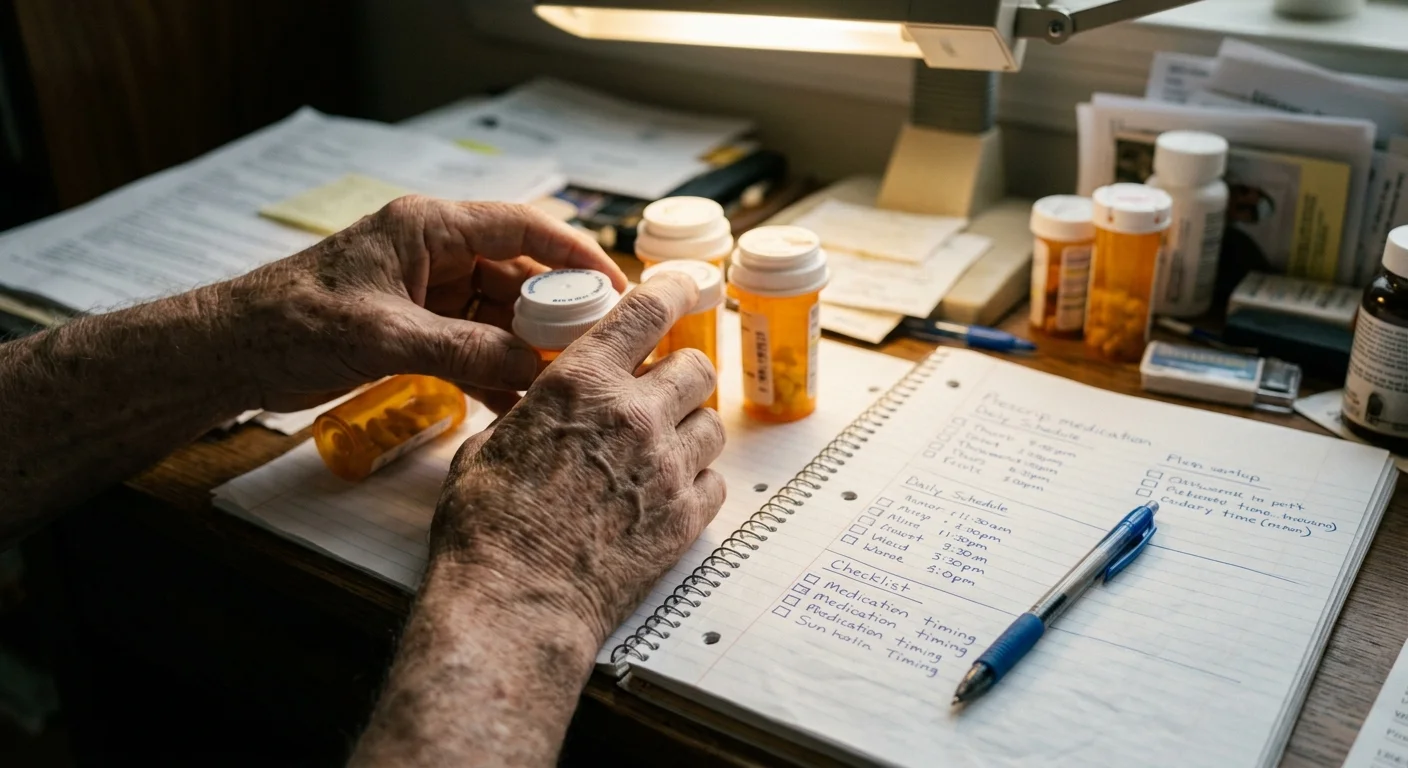
When you suspect that your daily prescriptions are interfering with your appetite, your safety must remain the absolute priority. Never discontinue, skip, or alter the dosage of any prescribed medication on your own. Abruptly stopping cardiovascular therapies, blood sugar stabilizers, or neurological medications can trigger dangerous rebound effects, including severe hypertensive spikes, metabolic instability, and intense withdrawal symptoms. Every adjustment must occur under the direct guidance of your healthcare provider.
Be equally mindful of potential food-drug interactions that can amplify appetite-suppressing side effects. For example, consuming fresh grapefruit or grapefruit juice can severely inhibit the CYP3A4 enzyme in your small intestine, causing dangerous spikes in the blood concentrations of certain statins and calcium channel blockers. Similarly, large swings in your intake of vitamin K-rich leafy greens can interfere with blood-thinning therapies, while high-calcium dairy products can bind to specific antibiotics, preventing their proper absorption and causing gastrointestinal distress.
Maintain consistent hydration throughout the day, but be strategic about when you consume liquids. Drinking large glasses of water during your meals can dilute essential digestive acids and fill up your stomach capacity prematurely. Instead, sip pure water, herbal teas, or clear broths steadily between your scheduled meals to maintain optimal cellular hydration without dampening your appetite.

When to Speak with a Healthcare Professional
Recognizing subtle appetite shifts early allows for gentle corrections, but certain clinical indicators require immediate medical evaluation. Geriatric clinical guidelines establish that unintentional weight loss exceeding 5% of your baseline body weight over a 6- to 12-month period—or greater than 10% over any timeframe—is a primary clinical indicator of malnutrition that requires prompt medical review. This degree of weight loss can weaken your heart muscle, impair immune function, and significantly elevate your risk of falls.
You should contact your physician or care team immediately if you experience any of the following symptoms:
1. Inability to Retain Food or Fluids: Persistent nausea, vomiting, or diarrhea lasting longer than 48 hours that prevents you from staying adequately hydrated.
2. Signs of Severe Dehydration: Extreme lightheadedness upon standing, dark amber-colored urine, dry or cracked lips, and sudden confusion.
3. Severe Difficulty Swallowing: Painful swallowing, coughing while eating, or the feeling that food is lodged in your throat (dysphagia).
4. Noticeable Muscle Weakness: Sudden difficulty rising from a chair, unsteady balance, or severe exhaustion during basic daily activities.
To prepare for your doctor visit, conduct a comprehensive “brown bag” medication review. Place every prescription bottle, over-the-counter pain reliever, allergy tablet, herbal remedy, and dietary supplement you take into a bag and bring it to your appointment. Your physician or clinical pharmacist can evaluate the entire regimen, identify hidden drug-drug interactions, adjust dosages, or transition you to alternative therapies with a gentler gastrointestinal profile.
For authoritative, trustworthy health information, always consult official sources like the National Institute on Aging (NIA) and MedlinePlus from the National Library of Medicine. The CDC also provides excellent resources for older adults.
Frequently Asked Questions
Can an over-the-counter supplement interact with my prescription drugs to reduce hunger?
Yes, over-the-counter dietary supplements, vitamins, and herbal preparations can interact powerfully with prescription medications. For example, taking high doses of zinc, iron, or calcium supplements alongside blood pressure medications or antibiotics can cause stomach irritation, nausea, and metallic taste alterations. Always inform your doctor and pharmacist about every non-prescription supplement you take regularly so they can screen for hidden interactions.
How long after starting a new medication does appetite loss usually appear?
Appetite changes can manifest within the first few days of starting a new prescription or adjusting a dosage, particularly if the medication directly irritates your stomach lining or alters salivary flow. However, some drug-drug interactions develop gradually over several weeks as compounds slowly accumulate in your bloodstream and tissues. Tracking your daily eating patterns in a simple notebook helps you identify precisely when your appetite began to shift.
Will my appetite return to normal if my doctor adjusts my medication?
In the vast majority of cases, medication-induced appetite loss is fully reversible. Once your healthcare provider identifies the interacting agents, they can lower your dosage, separate the administration times, or switch you to a different therapeutic class. As the offending compounds clear from your system, your normal taste sensation, salivary flow, and natural hunger cues typically return within a few weeks.
What can I do if dry mouth is making it hard for me to chew and swallow solid food?
If dry mouth is interfering with your meals, focus on preparing soft, moist foods that require minimal chewing. Enhance lean proteins and vegetables with healthy gravies, tomato sauces, olive oil, or warm vegetable broths. Keep a small glass of water or lemon-infused water nearby to take small sips between bites. You can also ask your doctor about over-the-counter saliva substitutes and oral moisturizing gels designed specifically for chronic dry mouth.
Disclaimer: This article is for informational purposes only and does not constitute medical advice. Always seek the advice of your physician or other qualified health provider with any questions you may have regarding a medical condition.