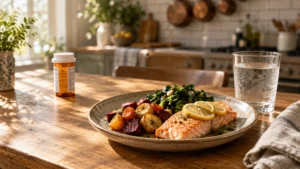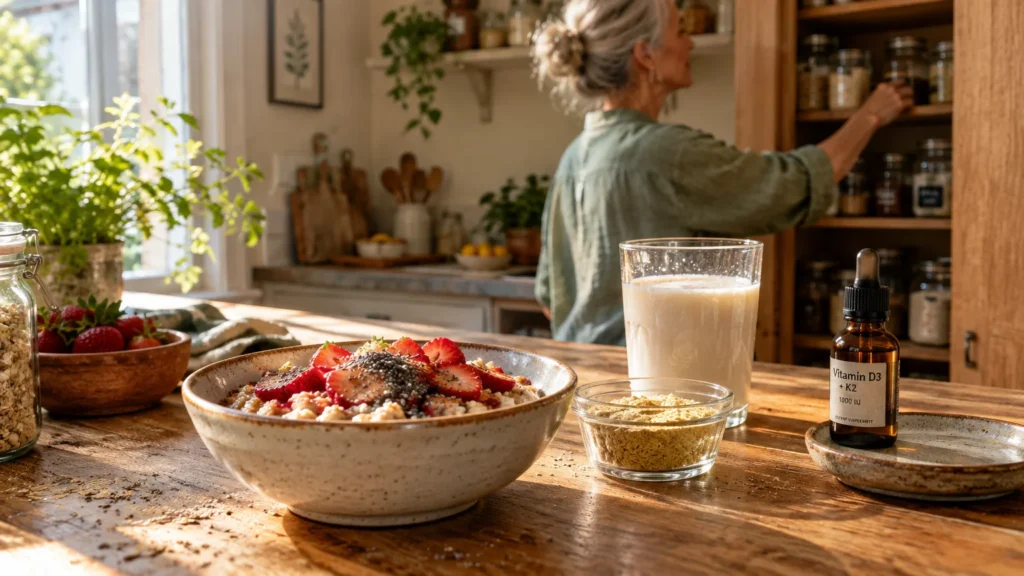
You can dramatically improve your daily energy and vitality simply by pairing the right foods together on your plate. Strategic food combinations unlock vital micronutrients that your body might otherwise pass by without absorbing.
As you age, your digestive tract naturally processes meals differently. Eating nutrient-rich meals gives you the greatest health benefit when you choose ingredients that assist one another during digestion.
Small adjustments to your everyday recipes can transform ordinary dishes into powerful sources of daily nourishment. Discover how smart food pairing for nutrition helps you thrive with renewed energy and physical comfort.
Understanding the Basics of Nutrient Absorption for Seniors
Your digestive system undergoes subtle, natural changes as the years pass. These shifts influence how efficiently your intestines extract vitamins and minerals from the food you eat.
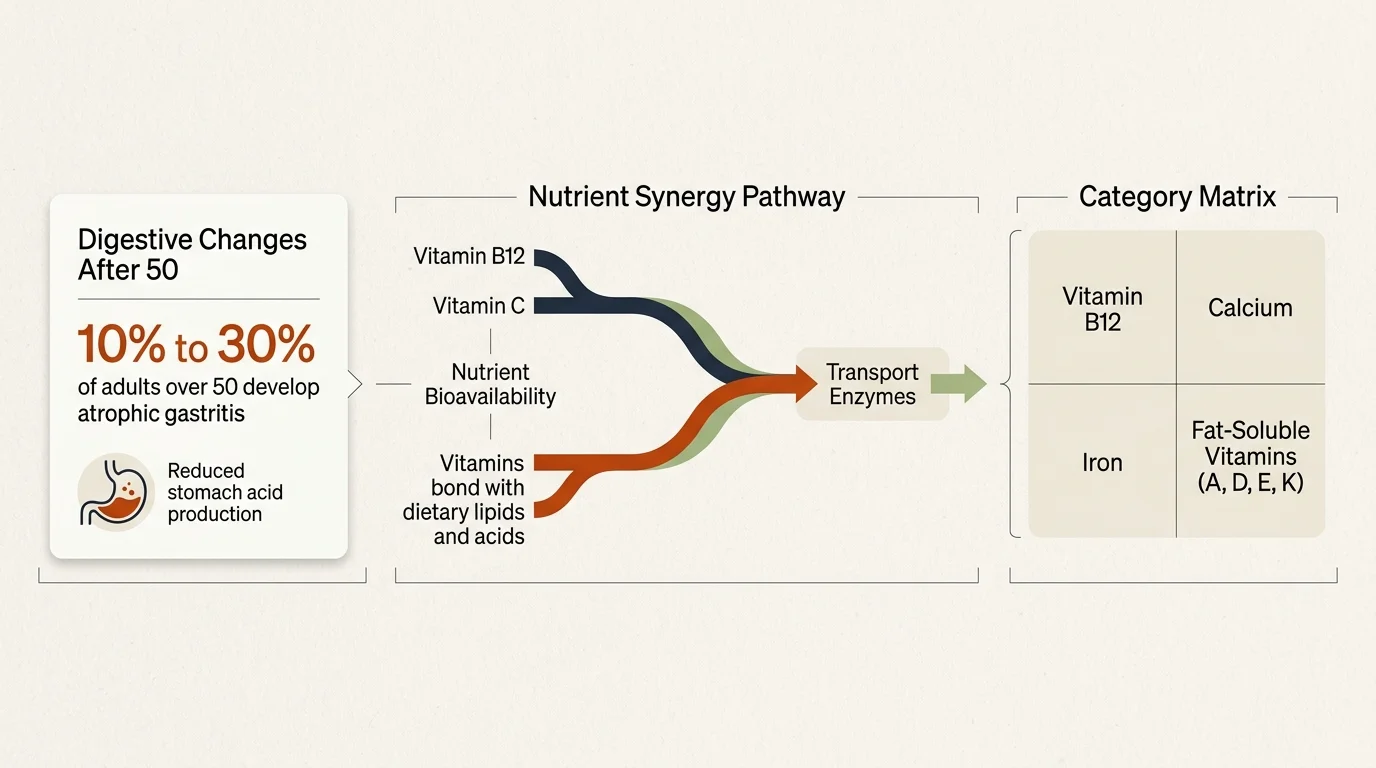
Between 10% and 30% of adults over 50 develop atrophic gastritis. This condition reduces the natural production of stomach acid, which your body needs to separate nutrients from food particles.
Lower stomach acid levels make it harder to absorb protein-bound nutrients like vitamin B12, calcium, and iron. When digestive acid declines, choosing foods that boost absorption becomes an essential strategy for your health.
Nutrient bioavailability refers to the exact percentage of a vitamin or mineral your body absorbs and uses. Even a plate filled with healthy ingredients can leave you undernourished if bioavailability remains low.
Nutrient synergy occurs when two individual food compounds interact to enhance digestive uptake. Combining specific vitamins and minerals allows your digestive enzymes and transport proteins to work with far greater efficiency.
For example, some vitamins dissolve only in dietary fats, while certain minerals require an acidic environment to pass into your bloodstream. Knowing how these nutrients interact gives you control over your daily nutrition.
You do not need complicated meal plans or expensive specialty products to experience these benefits. Selecting nutrient absorption foods allows you to nourish your body using simple, delicious grocery staples.
By supporting your digestion with smart food pairings, you actively protect your bone density, muscle tone, and brain function. Healthy food combinations empower you to get the absolute maximum value from every meal.

Practical Tips for a Healthier, Happier Life
1. Pair Turmeric with Black Pepper for Joint and Brain Support
Turmeric contains curcumin, a potent polyphenol renowned for soothing joint stiffness and protecting brain cells. However, your body rapidly metabolizes and eliminates curcumin when you consume it by itself.
Black pepper contains piperine, a bioactive alkaloid that inhibits the liver enzymes responsible for breaking down curcumin. This allows the active compound to circulate freely in your system.
Clinical research demonstrates that adding black pepper to turmeric increases curcumin absorption by up to 2,000%. That represents a remarkable 20-fold rise in bioavailability from a simple turn of your pepper grinder.
Whisk freshly ground black pepper and golden turmeric into warm soups, scrambled eggs, or lentil curries. Adding a splash of olive oil improves absorption even further because curcumin dissolves readily in fat.
2. Combine Leafy Greens and Tomatoes with Healthy Fats
Fat-soluble vitamins such as A, D, E, and K require dietary fat to cross your intestinal wall. Carotenoids like lutein, zeaxanthin, lycopene, and beta-carotene also depend entirely on dietary lipids for absorption.
Human crossover studies in The Journal of Nutrition show that adding avocado to a salad increases beta-carotene absorption by 15.3 times. It also boosts alpha-carotene absorption by 7.2 times and lutein by 5.1 times.
Lutein and zeaxanthin accumulate directly in your retina, where they filter harmful light and protect your vision. Beta-carotene supports immune defense, mucosal tissue integrity, and healthy skin turnover.
Similarly, pairing healthy fats with cooked tomatoes enhances lycopene absorption by 4.4 times. Lycopene delivers robust antioxidant protection to your cardiovascular system and cellular membranes.
Drizzle extra virgin olive oil over raw spinach, steamed kale, or sliced garden tomatoes. You can also toss diced avocado into dark leafy green salads to maximize your antioxidant uptake.
3. Match Plant-Based Iron with Vitamin C for Daily Energy
Iron plays a central role in delivering oxygen through your blood to keep your muscles and brain energized. Plant foods like lentils, beans, spinach, and oats contain non-heme iron, which absorbs less readily than animal iron.
Vitamin C acts as a potent reducing agent during gastric digestion. It converts plant-based ferric iron into ferrous iron, creating a soluble compound that your intestinal cells absorb with ease.
Adding vitamin C to plant-based meals increases non-heme iron absorption by 2 to 3 times—a substantial 300% boost. This nutrient rich meal pairing provides a dependable shield against age-related fatigue and anemia.
Squeeze fresh lemon juice over warm lentil soup or sauteed spinach before serving. You can also toss diced red bell peppers into bean salads or add fresh berries to your morning oatmeal.
4. Team Calcium with Vitamin D for Strong, Resilient Bones
Maintaining bone mineral density remains a top health priority as you grow older. The recommended dietary allowance for calcium is 1,200 milligrams daily for women over 50 and men over 70.
Men between ages 51 and 70 need 1,000 milligrams of calcium each day. Yet calcium cannot rebuild bone matrix without sufficient vitamin D to stimulate active transport across your intestinal lining.
Without adequate vitamin D, your body absorbs a meager 10% to 15% of dietary calcium. When vitamin D status is optimal, calcium absorption efficiency surges to 30% to 40%.
Adults aged 51 to 70 require 600 IU (15 mcg) of vitamin D daily, increasing to 800 IU (20 mcg) after age 70. Pair calcium-rich yogurt with vitamin D-rich canned wild salmon or fortified dairy.
You can also enjoy fortified plant milks alongside whole poached eggs. This natural combination ensures your skeleton receives the continuous mineral support it needs to stay fracture-resistant.
5. Combine Vitamin D3 with Vitamin K2 for Arterial and Bone Balance
While vitamin D assists calcium absorption in your gut, vitamin K2 ensures that calcium reaches your bones instead of settling in your arteries. Vitamin K2 activates osteocalcin, a protein that locks calcium into bone tissue.
At the same time, vitamin K2 activates matrix Gla-protein, which prevents calcium from hardening inside blood vessel walls. This dynamic duo promotes both skeletal strength and cardiovascular flexibility.
Combine pasture-raised egg yolks or hard cheeses like Gouda and Edam with vitamin D-rich salmon or trout. Fermented foods like natto or aged sauerkraut also provide abundant dietary vitamin K2.
6. Blend Vitamin E-Rich Nuts with Vitamin C Berries for Cell Protection
Vitamin E and vitamin C operate as an interconnected antioxidant defense team across your tissues. Lipid-soluble vitamin E embeds itself into cell membranes, neutralizing free radicals before they can damage delicate fats.
Once vitamin E neutralizes a free radical, it becomes temporarily inactive. Water-soluble vitamin C steps in immediately, donating an electron to regenerate vitamin E back into its active form.
This continuous recycling loop ensures that your immune cells, skin, and vascular lining maintain constant antioxidant protection throughout the day.
Top a bowl of fresh strawberries, blueberries, or kiwi slices with crushed almonds or sunflower seeds. You can also blend spinach, strawberries, and almond butter into a refreshing, nutrient-dense breakfast smoothie.
7. Combine Prebiotics and Probiotics for Digestive Health
Your gut microbiome plays an immense role in how well your body digests meals and absorbs micronutrients. Prebiotics are non-digestible plant fibers that serve as premium fuel for beneficial probiotic bacteria.
When you consume prebiotics and probiotics together, beneficial bacteria produce short-chain fatty acids like butyrate. These fatty acids lower intestinal pH, which substantially improves the absorption of calcium, magnesium, and iron.
This symbiotic partnership also reinforces your intestinal wall, preventing harmful compounds from leaking into your circulation.
Enjoy plain Greek yogurt or kefir topped with sliced bananas, raw oats, or a sprinkle of ground flaxseed. Alternatively, pair naturally fermented kimchi or sauerkraut with roasted asparagus, leeks, or garlic.
8. Pair Zinc-Rich Legumes with Garlic and Onions
Zinc supports cellular repair, immune response, and sensory acuity as you age. Plant-based sources of zinc like chickpeas, lentils, and pumpkin seeds contain natural compounds called phytates that can hinder mineral absorption.
Allium vegetables like garlic, onions, and scallions contain active sulfur compounds, including allicin. These sulfur compounds bind with phytates, freeing zinc and non-heme iron for rapid intestinal absorption.
Scientific studies indicate that adding garlic or onions to grain and legume dishes increases zinc bioavailability by up to 50%. This simple seasoning step makes your favorite plant meals significantly more nutritious.
Saute diced yellow onions and minced garlic as the flavorful base for lentil stews, bean chilis, and brown rice dishes. This aromatic cooking habit elevates both the taste and mineral absorption of your meals.
9. Match Magnesium with Vitamin B6 for Muscle and Nerve Calm
Magnesium participates in more than 300 essential enzymatic reactions, supporting muscle relaxation, steady heart rhythms, and restful sleep. Vitamin B6 facilitates the cellular uptake of magnesium, ensuring the mineral reaches your tissues effectively.
Vitamin B6 also assists in converting amino acids into calming neurotransmitters like GABA and serotonin. Working together, magnesium and vitamin B6 help ease muscle cramps and soothe nighttime restlessness.
Combine magnesium-rich pumpkin seeds, cashews, or spinach with vitamin B6 sources like bananas, baked chicken breast, or potatoes. A warm dinner of roasted chicken over sauteed spinach and baked sweet potato provides optimal evening nourishment.
10. Adopt Simple Kitchen Habits to Maximize Daily Absorption
How you prepare your meals influences nutrient availability just as much as the ingredients you select. Light steaming or gentle sauteing softens tough vegetable cell walls, liberating bound carotenoids and minerals.
Soaking dried legumes and whole grains in warm water overnight breaks down phytic acid and enzyme inhibitors. Discarding the soaking water before cooking ensures gentle digestion and superior mineral bioavailability.
Chew every mouthful thoroughly before swallowing your food. Thorough chewing stimulates saliva production, releasing amylase and lingual lipase to jumpstart digestion before food even reaches your stomach.
Important Safety Precautions to Keep in Mind
Be Mindful of Medication and Supplement Timing
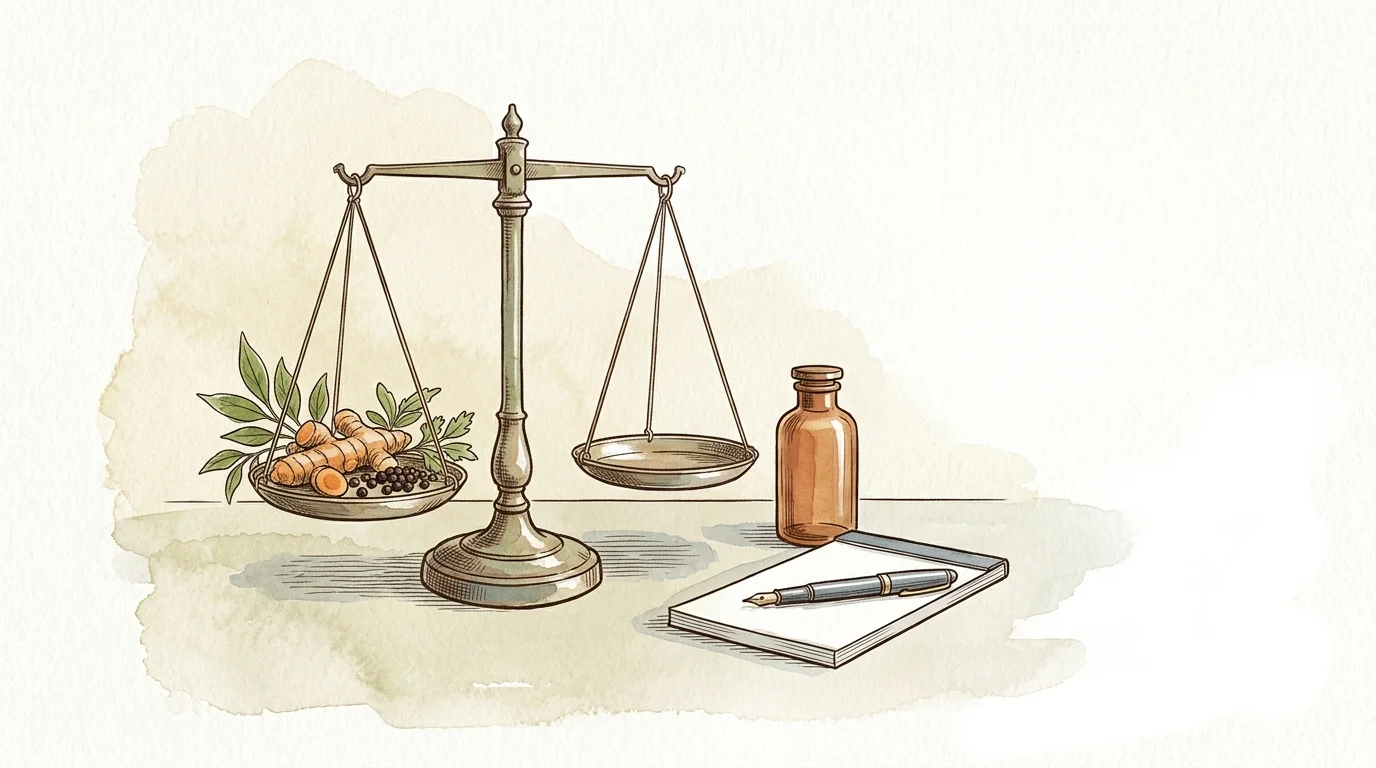
Certain powerful food pairings and concentrated culinary spices can interact directly with daily prescription medications. For instance, high amounts of piperine in black pepper can alter how your liver processes blood thinners and blood pressure drugs.
If you take blood-thinning medications like warfarin, keep your dietary vitamin K intake consistent rather than fluctuating wildly. Sudden surges in kale or spinach consumption can counteract the intended effect of your anticoagulant therapy.
Calcium-rich foods and supplements can bind tightly to thyroid medications and certain antibiotics, preventing their absorption. Space your calcium-rich meals and fortified beverages at least four hours away from your morning thyroid hormone dose.
Introduce High-Fiber Combinations Gradually
Pairing whole legumes, raw seeds, and cruciferous vegetables increases your dietary fiber intake substantially. Increasing your fiber intake too rapidly can cause abdominal bloating, gas, or intestinal cramping.
Introduce new fibrous food combinations slowly over several weeks to give your digestive tract time to adapt. Drink plenty of fresh water throughout the day to help dietary fiber move comfortably through your digestive tract.
Prioritize Whole Foods Over High-Dose Isolated Supplements
Whole foods provide harmonious, balanced ratios of micronutrients that your body absorbs smoothly without strain. High-dose isolated supplements, however, can overwhelm intestinal transporters and compete with other vital minerals for absorption.
Taking excessive zinc supplements without copper, for example, can trigger a severe copper deficiency over time. Choosing wholesome food pairing for nutrition delivers steady, safe nourishment without the danger of accidental nutrient toxicity.
Watch Oxalates and Kidney Health
Certain nutrient-dense foods like spinach, beets, swiss chard, and almonds contain naturally high levels of oxalates. Oxalates can bind to calcium in your digestive tract and form insoluble crystals.
If you have a personal history of calcium oxalate kidney stones, pair high-oxalate foods with dietary calcium in the same meal. The calcium binds to oxalates in your gut, preventing them from traveling to your kidneys.
Boiling or steaming high-oxalate vegetables also reduces their soluble oxalate content significantly. Always stay well-hydrated by drinking water throughout the day to support healthy kidney filtration.

When to Speak with a Healthcare Professional
This guide offers practical, evidence-based lifestyle information, but it does not replace individualized medical advice. Every body possesses unique metabolic needs, medical histories, and prescription regimens that require professional medical oversight.
Schedule an appointment with your primary care doctor or a registered dietitian if you experience persistent digestive discomfort or symptoms of malabsorption. Key warning signs include unexplained weight loss, chronic fatigue, persistent loose stools, brittle fingernails, or pale skin.
Numbness or tingling in your hands and feet, unsteadiness while walking, or mental fogginess also warrant prompt medical evaluation. These symptoms may point toward an underlying vitamin B12 deficiency, anemia, or an intestinal malabsorption disorder.
Ask your healthcare provider to run routine blood panels to assess your ferritin, complete blood count, vitamin D, and serum B12 levels. A personalized blood panel gives your doctor the exact data needed to personalize your diet safely.
If you manage chronic conditions such as kidney disease, heart failure, or diabetes, dietary adjustments require specialized medical tailoring. Your physician can help you balance nutrient-dense food combinations with your specific therapeutic dietary restrictions.
For authoritative, trustworthy health information, always consult official sources like the National Institute on Aging (NIA) and MedlinePlus from the National Library of Medicine. The CDC also provides excellent resources for older adults.
Disclaimer: This article is for informational purposes only and does not constitute medical advice. Always seek the advice of your physician or other qualified health provider with any questions you may have regarding a medical condition.
Frequently Asked Questions
Can drinking coffee or tea with meals block nutrient absorption?
Yes, both coffee and tea contain polyphenols, tannins, and chlorogenic acids that bind to non-heme iron and calcium. This binding reaction forms insoluble complexes, reducing iron absorption from your meal by up to 60%.
Enjoy your favorite morning coffee or afternoon black tea at least one hour before or after your main meals. This simple spacing protects your mineral absorption while allowing you to enjoy your daily warm beverages.
Do cooking methods alter how well my body absorbs vitamins?
Yes, cooking methods have a direct impact on nutrient bioavailability. Boiling vegetables in large volumes of water can cause water-soluble vitamins like vitamin C and folate to leach into the cooking liquid.
Light steaming, gentle microwaving, or brief sauteing in olive oil preserves delicate vitamins while softening plant fibers. Cooking also dramatically increases the bioavailability of fat-soluble antioxidants like lycopene in tomatoes.
Is it better to get nutrient combinations from food or supplements?
Whole foods are generally superior because they deliver a harmonious matrix of micronutrients, dietary fiber, and natural enzymes. This natural food matrix supports steady, balanced absorption without irritating your digestive tract.
Supplements are valuable tools when your doctor identifies a specific deficiency or when dietary intake falls short. Always consult your physician before taking high-dose single-nutrient supplements to prevent unwanted mineral competition.
How does reduced stomach acid affect my daily food choices?
Reduced stomach acid diminishes your ability to separate vitamin B12, iron, and calcium from protein bonds during gastric digestion. This physiological change makes strategic food pairings and gentle preparation methods especially valuable as you age.
Pairing plant iron with vitamin C or incorporating natural culinary acids like lemon juice and apple cider vinegar supports digestion. If you suspect low stomach acidity, discuss appropriate evaluation options with your healthcare provider.