Enjoying your favorite meals should bring comfort and vitality, not guilt. Many nourishing kitchen staples carry unfair reputations due to outdated diet trends and persistent nutrition myths.
Recent scientific research reveals that several restricted staples actually support heart function, preserve lean muscle, and boost brain vitality. You can reclaim these delicious options to enhance your daily dining experience.
Learning which misunderstood healthy foods deserve a place on your plate helps you make confident, nourishing choices every day. Let us explore the science behind these wholesome kitchen favorites.
Understanding the Basics of Misunderstood Foods for Seniors
Dietary advice evolves rapidly as nutritional science advances. Many dietary rules popular decades ago relied on incomplete observations rather than rigorous clinical trials.
Older adults often face unique physiological changes, including slower digestion, shifting appetites, and changing metabolic rates. Restrictive eating habits can lead to accidental malnutrition and muscle loss.
Sound nutritionist food advice focuses on nutrient density rather than rigid restriction. Your body needs accessible calories, diverse micronutrients, and easily digestible fuel to maintain everyday strength.
Many foods with bad reputation were vilified during low-fat or low-carbohydrate diet fads. Modern research proves that whole foods contain complex matrixes of nutrients that support your overall health.
Exploring healthy foods debunked by clinical evidence allows you to expand your grocery cart. You can enjoy balanced, flavorful meals while meeting your specific senior wellness goals.
Eliminating entire food groups often deprives your body of essential protective compounds. Variety remains the single most dependable cornerstone of lifelong vitality and immune resilience.
Senior nutritional requirements prioritize preserving muscle mass, bone integrity, and cognitive sharpness. Foods rich in minerals and bioavailable proteins fulfill these requirements far better than isolated supplements.
Emotional well-being also connects deeply to the sensory pleasure of eating satisfying foods. When you remove unnecessary dietary guilt, dining becomes an empowering daily act of self-care.
Modern geriatric medicine encourages seniors to evaluate food based on total health impact. Context matters far more than simplistic labels classifying ingredients as purely good or bad.
Rebuilding trust with your pantry begins by understanding what your body genuinely needs today. Simple, minimally processed ingredients provide the sustainable energy required for an active retirement.

Practical Tips for a Healthier, Happier Life
Reintroducing misunderstood items requires practical culinary strategies tailored to your lifestyle. These twelve foods offer exceptional nutritional value when prepared thoughtfully.
1. Whole Eggs
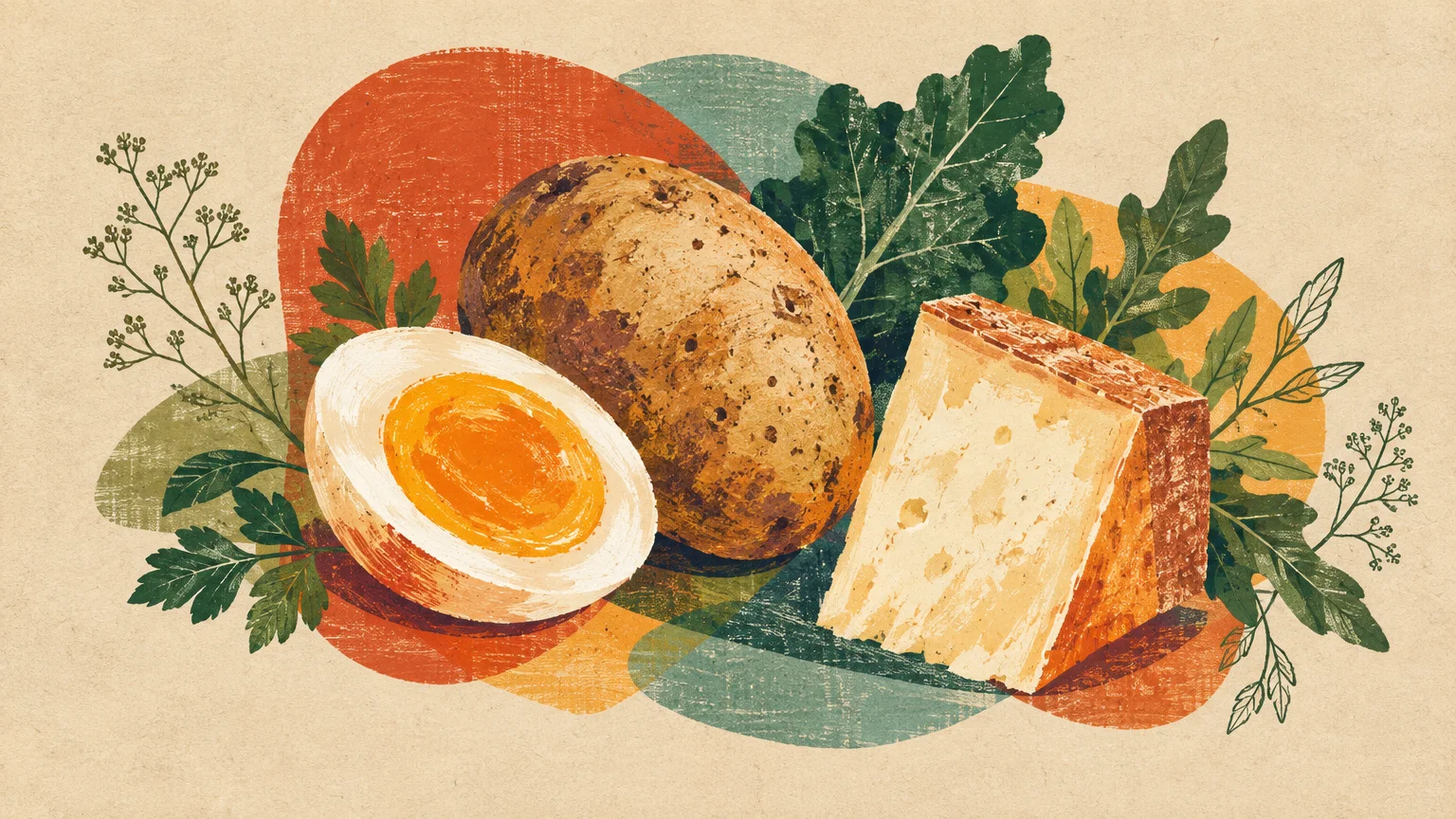
For decades, experts warned against eating egg yolks due to dietary cholesterol concerns. Modern cardiology guidelines now confirm that dietary cholesterol has minimal impact on blood cholesterol for most people.
Egg yolks provide lutein and zeaxanthin, two vital carotenoids that shield your eyes from age-related macular degeneration. They also supply choline, an essential compound supporting memory and cognitive processing.
One whole egg delivers six grams of complete protein to preserve your muscle mass. Seniors need adequate daily protein to maintain balance and prevent frailty.
Enjoy them scrambled with soft spinach or poached over warm whole-grain toast. Hard-boiled eggs also make an effortless, portable protein snack during busy afternoons.
2. Potatoes
Potatoes often receive criticism for their carbohydrate content and high glycemic index. Yet plain spuds remain one of the most satiating, nutrient-dense root vegetables you can eat.
A medium baked potato contains more blood pressure-lowering potassium than a standard banana. It also supplies beneficial dietary fiber and immune-boosting vitamin C.
Chilling cooked potatoes creates resistant starch, a special prebiotic fiber that feeds your gut microbiome. This unique starch supports digestive regularity and prevents steep blood glucose surges.
Roast diced potatoes with a drizzle of olive oil, rosemary, and cracked pepper. Leaving the skins intact preserves extra minerals and valuable dietary fiber.
3. Black and Lightly Sweetened Coffee
Coffee was once suspected of causing cardiovascular strain and severe dehydration. Extensive clinical research now demonstrates that moderate coffee consumption supports cardiovascular and metabolic longevity.
Brewed coffee acts as a leading source of dietary antioxidants in modern diets. Regular consumption correlates with lower risks of neurological decline and type 2 diabetes.
Polyphenols in coffee help reduce chronic vascular inflammation throughout your circulatory system. The gentle stimulant effect also sharpens mental alertness and morning reaction times.
Limit your intake to two or three cups daily to protect your sleep quality. Skip heavy artificial syrups and use a gentle splash of milk instead.
4. Full-Fat Dairy
Low-fat dietary guidelines urged seniors to avoid whole milk, full-fat yogurt, and real cheeses. Nutrition scientists now recognize that dairy fat does not elevate cardiovascular risks as once feared.
Full-fat dairy enhances the absorption of fat-soluble vitamins like vitamins A, D, and K2. These micronutrients work together to direct calcium directly into your bones.
The natural fats in dairy slow digestion, promoting steady blood sugar and prolonged satiety. Older adults who consume dairy fat often experience fewer midday energy crashes.
Fermented options like plain whole-milk yogurt and aged cheeses support digestive wellness. Enjoying modest portions keeps you feeling nourished and satisfied between meals.
5. Canned Tuna and Sardines
Many shoppers avoid canned seafood because they assume processed fish lacks nutrition. In reality, canned sardines, salmon, and light tuna offer affordable, nutrient-packed ocean proteins.
Fatty canned fish delivers rich amounts of anti-inflammatory omega-3 fatty acids. These essential fats lubricate stiff joints and support cardiovascular rhythm.
Canned sardines with soft, edible bones provide bioavailable calcium to maintain bone density. They also supply high levels of vitamin D and selenium.
Mash sardines or salmon with ripe avocado and fresh lemon juice for a quick lunch. Choose fish packed in water or extra virgin olive oil to minimize unnecessary additives.
6. Enriched White Rice
Health advocates often dismiss white rice as empty carbohydrates devoid of wholesome nutrition. While brown rice contains more fiber, white rice serves a distinct physiological role for seniors.
Aging digestive systems often struggle to break down rough, insoluble grain hulls. White rice digests gently, providing clean cellular energy without causing uncomfortable abdominal bloating.
Enriched white rice supplies essential iron and B vitamins like thiamine and folate. These micronutrients support red blood cell formation and efficient neurological transmission.
Pair your rice with steamed vegetables, healthy fats, and lean protein to prevent blood sugar spikes. Cooking rice in homemade bone broth adds extra protein and rich flavor.
7. Plain Frozen Vegetables
Fresh produce often carries a reputation for superior nutritional superiority over frozen alternatives. However, flash-frozen vegetables are picked and preserved at the absolute peak of ripeness.
Fresh vegetables frequently lose delicate vitamins during long transit periods and days spent in grocery bins. Frozen varieties lock in vital antioxidants, vitamins, and minerals.
Frozen vegetables eliminate the physical strain of chopping, peeling, and food waste for older adults. They allow you to prepare wholesome meals without tiring your hands and wrists.
Keep bags of frozen peas, broccoli, and spinach handy for effortless weeknight meals. Steam them lightly in the microwave to preserve their vibrant color and texture.
8. Pork Tenderloin
Many people lump pork tenderloin into the broad category of fatty, processed red meats. In truth, pork tenderloin is exceptionally lean, matching the nutritional profile of skinless chicken breast.
This tender cut provides high concentrations of thiamine, a B vitamin critical for cellular energy metabolism. It also supplies bioavailable zinc to support your immune defenses.
Seniors benefit from its tender texture, which makes chewing easy and enjoyable. Its high protein content helps repair aging connective tissues and rebuild skeletal muscle.
Roast pork tenderloin with fragrant herbs and baked apple slices for a savory, low-fat dinner. Avoid heavily cured or smoked pork products high in synthetic nitrates.
9. Nuts and Natural Nut Butters
Older adults frequently avoid nuts due to anxiety surrounding high fat and calorie counts. Yet observational studies consistently link regular nut consumption to lower cardiovascular mortality.
Nuts deliver heart-healthy monounsaturated fats, plant sterols, and cellular antioxidants like vitamin E. These nutrients protect blood vessels from chronic arterial inflammation.
Chewing whole nuts can challenge dental work, but smooth nut butters deliver identical nutritional benefits. Spreading almond butter on sliced fruit creates a nutrient-rich afternoon snack.
Choose raw or dry-roasted nuts without added sugars or hydrogenated oils. A daily handful provides long-lasting vitality and supports healthy cholesterol ratios.
10. Bananas
Popular low-carbohydrate diets often label bananas as sugary fruit to be avoided. This perspective overlooks the dense package of protective micronutrients found beneath the peel.
Bananas provide an ideal blend of soluble fiber, potassium, and magnesium. These minerals naturally regulate fluid balance and ease painful nighttime leg cramps.
Slightly green bananas contain prebiotic resistant starch that nourishes beneficial intestinal flora. As they ripen, their soft texture becomes exceptionally gentle on sensitive digestion.
Enjoy half a sliced banana stirred into morning oatmeal for balanced, sustained energy. Pairing fruit with protein minimizes any post-meal glucose rise.
11. Real Bread and Traditional Sourdough
Extreme anti-grain messaging has caused many seniors to abandon bread entirely. Traditional sourdough and whole-grain breads offer sustained energy and essential dietary fiber.
Sourdough fermentation breaks down antinutrients and gluten proteins, making the bread exceptionally gentle on aging stomachs. This slow process also lowers the bread’s glycemic impact.
High-quality bread supplies complex carbohydrates that fuel your brain throughout the day. It also contains prebiotic fibers that encourage a diverse, thriving microbiome.
Toast a slice of crusty sourdough and top it with mashed avocado or cottage cheese. This balanced combination provides healthy fats, protein, and complex carbohydrates together.
12. Dark Chocolate
People often categorize all chocolate as unhealthy confectionery loaded with refined sugars. High-cocoa dark chocolate represents a functional food packed with powerful plant polyphenols.
Flavanols in dark chocolate stimulate nitric oxide production, which relaxes blood vessels and improves arterial blood flow. It also delivers substantial amounts of dietary magnesium.
Regular consumption of dark chocolate flavanols correlates with enhanced memory and sharper cognitive performance. The rich taste also elevates mood by triggering gentle endorphin release.
Select bars containing seventy percent cocoa or higher to minimize sugar content. Savoring one small square after dinner satisfies sweet cravings while supporting vascular wellness.
Important Safety Precautions to Keep in Mind
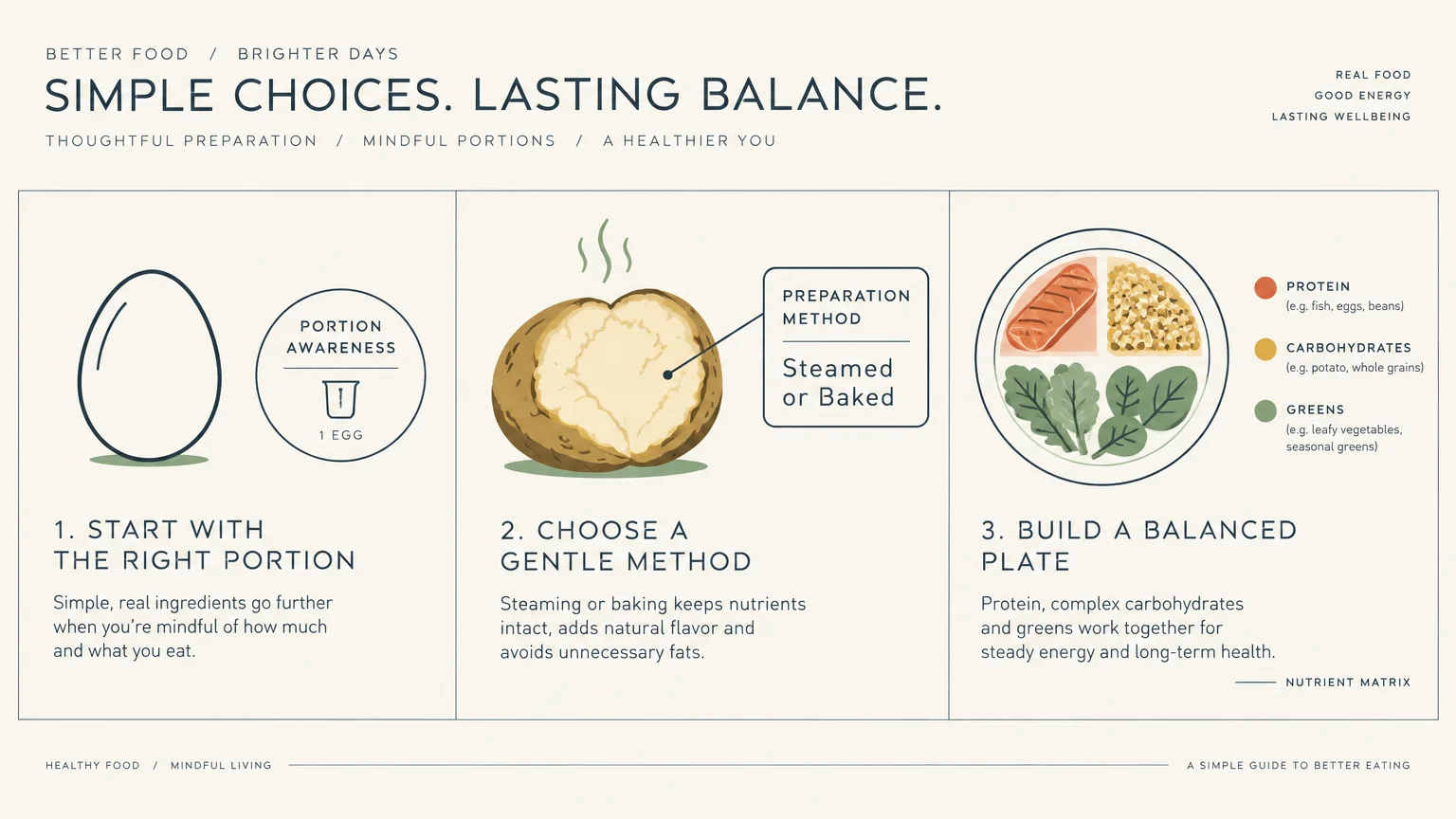
Expanding your diet should always happen gradually to allow your digestive system to adapt. Introducing too many fibrous foods at once can cause temporary gas and bloating.
Always monitor portion sizes when reintroducing calorie-dense items like nuts and dairy. Nutrient density is beneficial, but consuming excessive calories can strain your metabolic balance.
Pay close attention to sodium levels when purchasing canned fish or prepared vegetable products. Select low-sodium or no-salt-added varieties to keep your blood pressure stable.
Ensure all poultry, pork, and egg dishes reach safe internal cooking temperatures. Aging immune systems are more vulnerable to foodborne bacteria from undercooked ingredients.
Drink plenty of fresh water throughout the day as you increase your intake of dietary fiber. Adequate hydration ensures that fiber moves smoothly through your gastrointestinal tract.
Check ingredient labels carefully for hidden additives, hydrogenated oils, or excessive refined sugars. Whole, minimally processed foods always offer the greatest wellness advantages.
Rotate your meals regularly to ensure you receive a diverse spectrum of vitamins and minerals. Relying too heavily on a small handful of items can create subtle nutritional gaps.
Listen to your body and honor personal digestive tolerances as you explore these foods. What works wonders for a friend might not suit your personal gut flora.

When to Speak with a Healthcare Professional
This nutritional guidance is for educational enrichment and cannot replace individualized medical advice. Your unique health history dictates the safest dietary choices for your body.
Consult your primary care physician or a registered dietitian before making significant changes to your meals. This step is especially critical if you manage diabetes, kidney disease, or hypertension.
Schedule a medical review if you take prescription medications that interact with specific foods. For example, blood thinners require careful monitoring of vitamin K intake.
Contact your doctor immediately if you experience sudden digestive distress, unexpected weight loss, or difficulty swallowing. These symptoms warrant professional clinical evaluation to rule out underlying issues.
Request routine blood work annually to evaluate your lipid panels, blood glucose, and kidney filtration. Objective lab markers help your healthcare team fine-tune your personalized nutrition plan.
A licensed healthcare provider can assess whether your current diet provides sufficient micronutrients for your prescription regimen. Never adjust or discontinue prescribed medications on your own.
Frequently Asked Questions
How many eggs can seniors safely consume each week?
Most healthy older adults can safely enjoy one to two whole eggs daily as part of a balanced diet.
If you have diagnosed cardiovascular disease or familial hypercholesterolemia, consult your physician for individualized guidelines.
Are canned vegetables as nutritious as frozen options?
Canned vegetables retain most of their minerals, but high canning heat can reduce heat-sensitive vitamins like vitamin C.
Canned items often contain added sodium, making frozen vegetables the superior choice when fresh produce is unavailable.
Will eating potatoes cause harmful blood sugar spikes?
Plain boiled or roasted potatoes digest more slowly when paired with healthy fats and lean proteins.
Cooling cooked potatoes before eating produces resistant starch, which tempers blood sugar impact and nurtures your microbiome.
Can full-fat dairy fit into a heart-healthy diet?
Emerging clinical evidence shows that full-fat fermented dairy can safely fit into a heart-healthy lifestyle.
Moderation remains key, so focus on modest portions of whole-milk yogurt, kefir, and natural aged cheeses.
For authoritative, trustworthy health information, always consult official sources like the National Institute on Aging (NIA) and MedlinePlus from the National Library of Medicine. The CDC also provides excellent resources for older adults.
Disclaimer: This article is for informational purposes only and does not constitute medical advice. Always seek the advice of your physician or other qualified health provider with any questions you may have regarding a medical condition.