
You can boost your daily energy and protect your vitality simply by knowing which essential vitamins your digestive system struggles to process. As your body matures, physiological changes subtly alter how efficiently your gut extracts fuel from everyday meals.
Understanding these shifts gives you the power to adjust your diet and targeted supplements with confidence. You can easily nourish your cells and stay active for decades to come.
Discover the twelve critical nutrients older adults absorb less effectively; then take practical steps to revitalize your daily wellness routine.
Understanding the Basics of Nutrient Absorption for Seniors
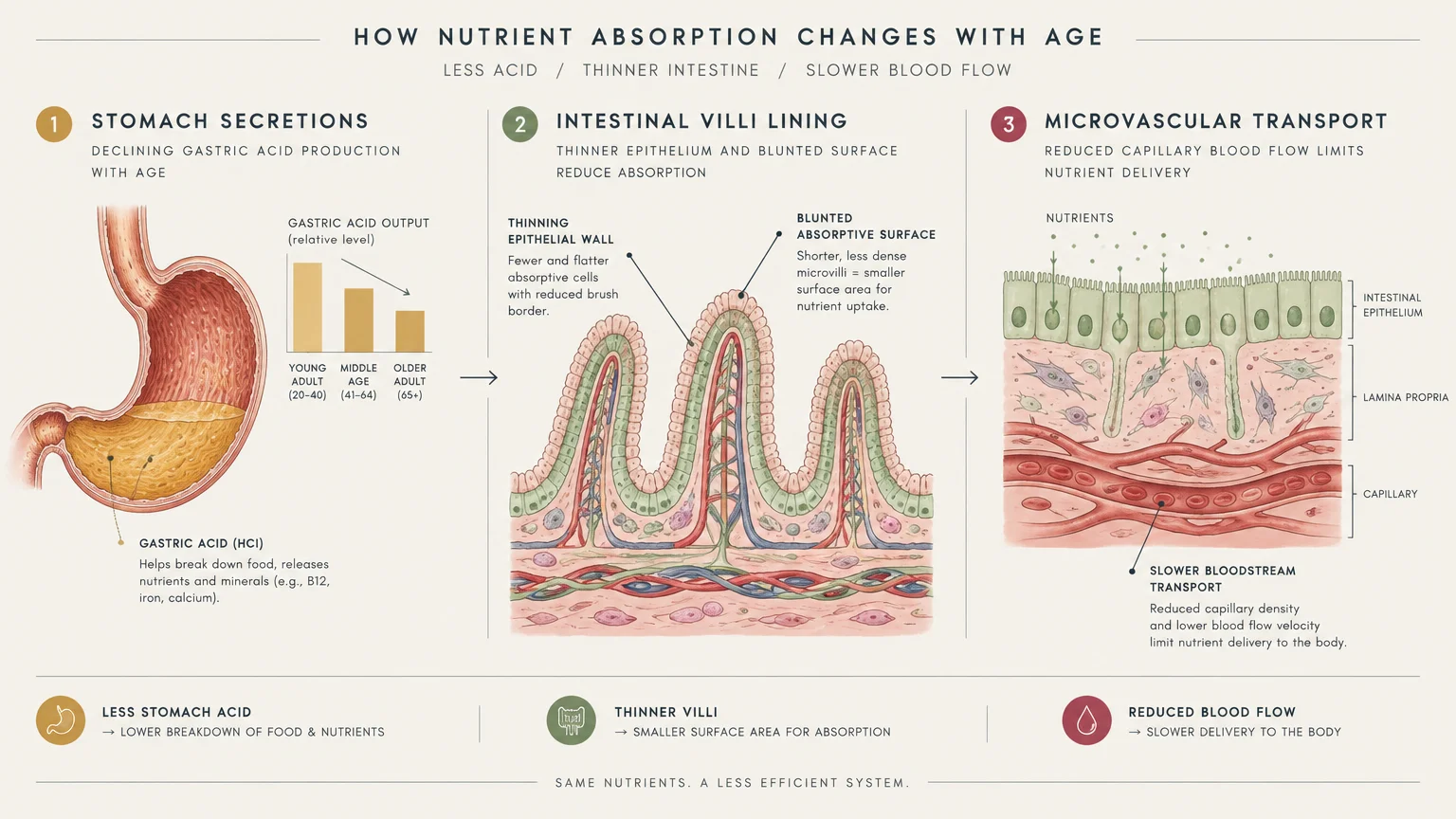
Your digestive tract undergoes natural physiological transformations as the decades advance. Secretions of vital stomach acid and digestive enzymes gradually decline; this alters the breakdown of whole foods.
At the same time, the cellular lining of your small intestine thins over time. Microscopic finger-like structures called villi become less receptive, slowing down the transport of vital micronutrients into your bloodstream.
Blood flow to your digestive organs also decreases as you grow older. This reduced circulation slows intestinal motility, meaning your body takes longer to process and absorb essential vitamins.
Understanding nutrient absorption aging helps you recognize why familiar foods might not nourish you like they once did. Cellular receptor sites become less responsive to hormonal signals that regulate mineral uptake.
Common prescription medications can compound these natural digestive shifts. Treatments for acid reflux, diabetes, and hypertension often interfere with normal biochemical breakdown pathways.
Fortunately, noticing these biological changes helps you make thoughtful dietary upgrades. Selecting bioavailable foods and targeted daily supplements keeps your body energized and resilient.
Proper senior nutrition is not about eating more food; it centers on choosing foods with maximum nutrient density. Smart dietary strategies help you bypass digestive hurdles and absorb vital compounds effectively.
By taking proactive steps today, you protect your independence and sustain vibrant metabolic health. Small changes in meal timing and food preparation dramatically enhance nutrient delivery.
Practical Tips for a Healthier, Happier Life
You can revitalize your nutritional health through mindful meal planning and smart lifestyle choices. Focus on nutrient-dense foods that deliver maximum vitality without straining your digestive tract.
Explore the twelve key nutrients older adults absorb less well; then apply these simple, empowering adjustments to support your daily wellness.
1. Vitamin B12 (Cobalamin)
Vitamin B12 preserves your nerve function, supports sharp cognitive thinking, and creates vibrant red blood cells. Unfortunately, between 10% and 30% of adults over age 50 develop atrophic gastritis.
This condition causes hypochlorhydria, or low stomach acid, preventing your body from separating protein-bound B12 from animal foods. Impaired vitamin B12 absorption can trigger exhaustion and balance difficulties.
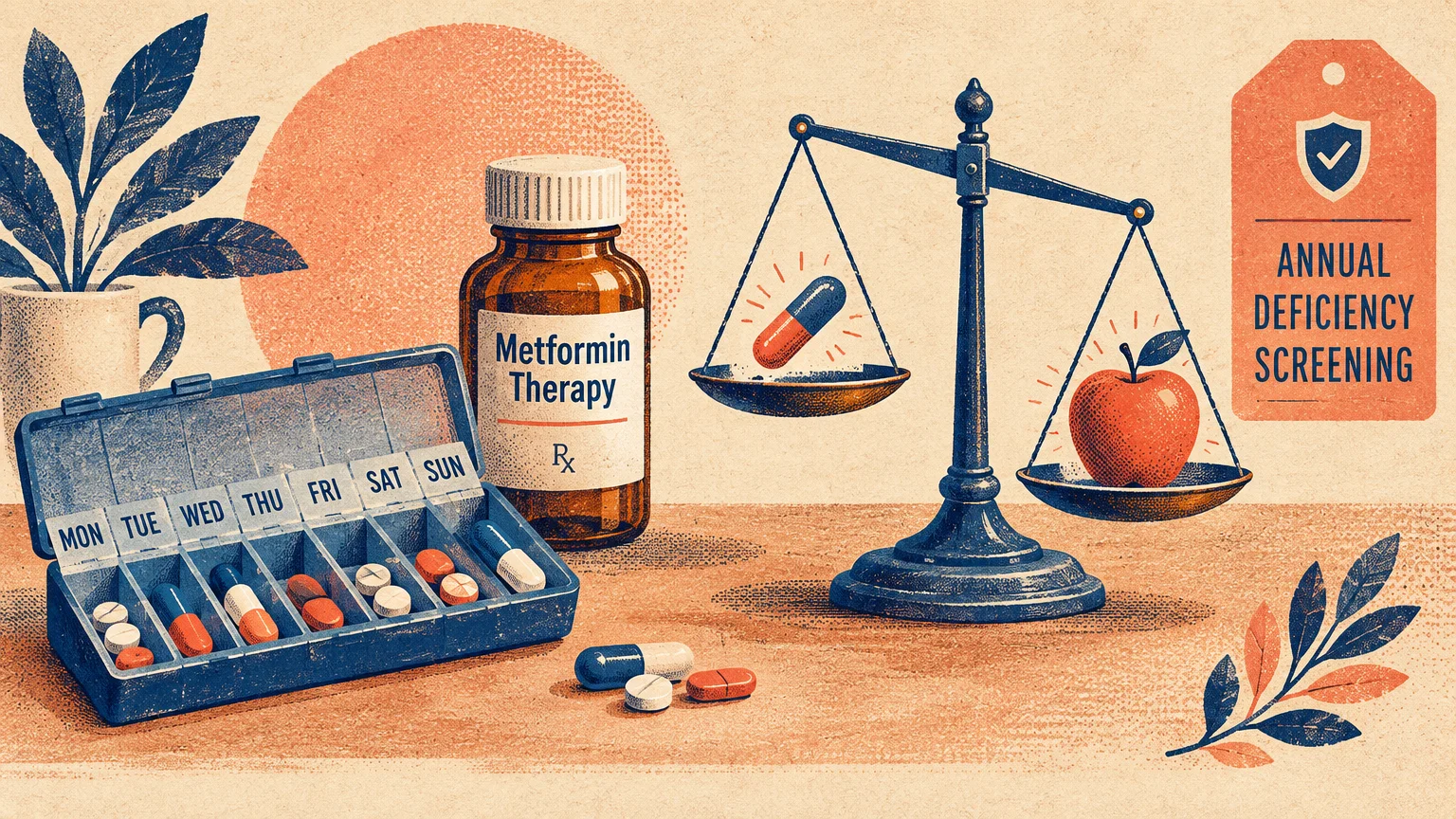
Long-term metformin use also impairs intestinal B12 absorption in 10% to 30% of patients. The American Diabetes Association recommends periodic deficiency screening after three to four years of metformin therapy.
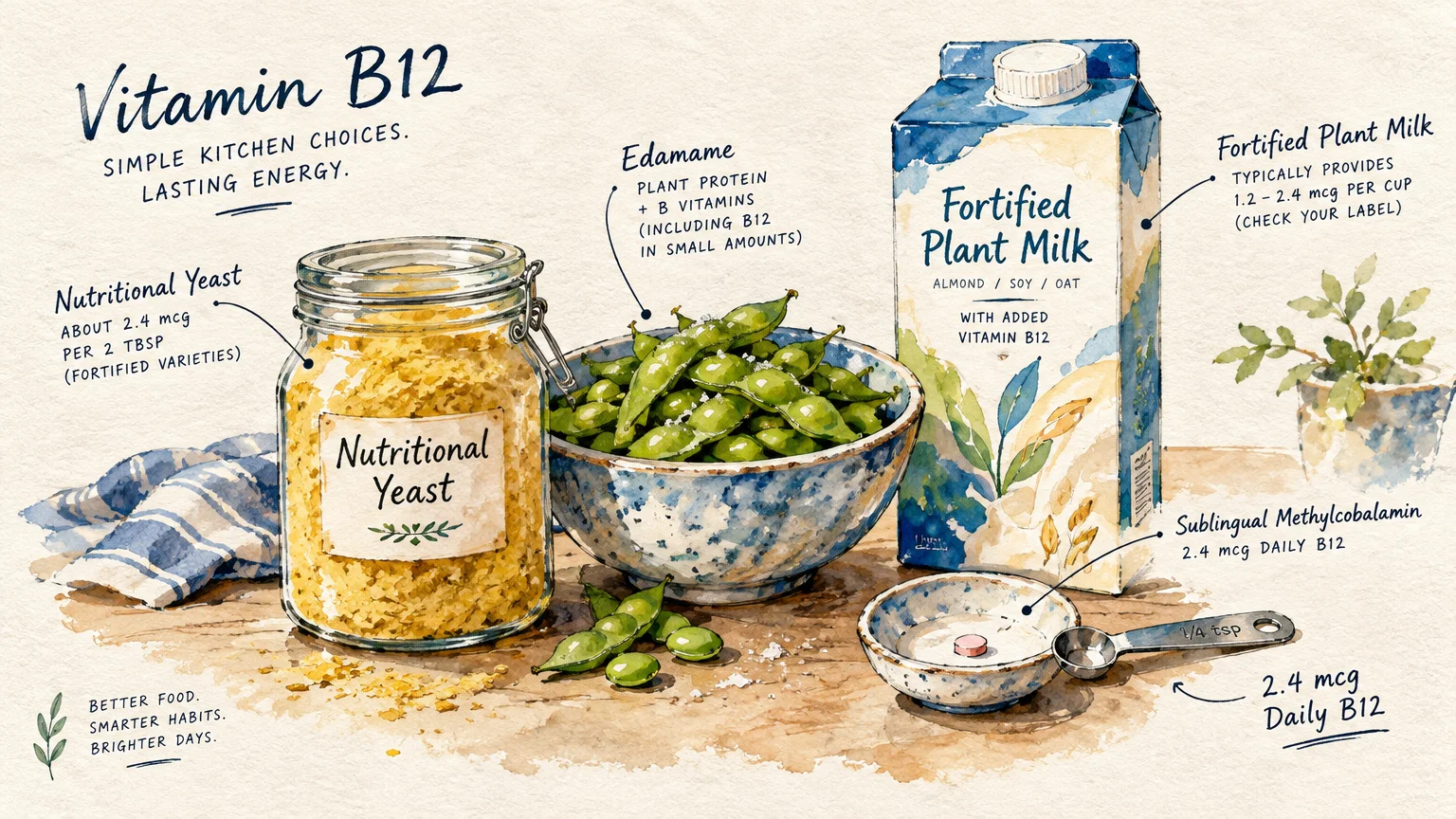
Because synthetic B12 does not require acid-dependent protein cleavage, federal guidelines advise older adults to meet their 2.4 mcg daily allowance through fortified foods or supplements.
Enjoy fortified nutritional yeast, fortified unsweetened plant milks, or a physician-approved sublingual methylcobalamin tablet to keep your nerve pathways humming.
2. Vitamin D (The Sunshine Vitamin)
Vitamin D regulates your immune system, strengthens your skeleton, and elevates your mood. However, your skin’s capacity to synthesize vitamin D3 from sun exposure declines by approximately 13% per decade.
By age 70, your skin produces roughly 50% less vitamin D than it did at age 20. In addition, aging kidneys become less efficient at converting vitamin D into its active hormonal form.
In June 2024, the Endocrine Society updated its clinical practice guidelines to recommend empiric daily vitamin D supplementation for adults aged 75 and older to lower mortality risk.
The society also advises against routine 25-hydroxyvitamin D blood testing in healthy older individuals, prioritizing consistent daily intake instead.
Enjoy wild salmon, sardines, and egg yolks, and ask your healthcare provider about taking an unflavored daily vitamin D3 supplement with healthy dietary fats.
3. Calcium
Calcium keeps your bones dense, steadies your heartbeat, and facilitates proper muscle contractions. Intestinal calcium absorption naturally declines with age due to shifting hormone levels and lower active vitamin D.
The National Academy of Medicine recommends 1,200 mg daily for women at age 51 and men at age 71, up from 1,000 mg for younger adults.
Chronic use of proton pump inhibitors suppresses stomach acid, diminishing your absorption of standard calcium carbonate supplements.
If you take acid-reducing medications, switch to calcium citrate; your digestive tract absorbs this acid-independent form with or without food.
Nourish your skeleton by pairing calcium-rich foods like canned salmon with bones, organic yogurt, and collard greens with light resistance exercises.
4. Magnesium
Magnesium regulates over 300 biochemical reactions, including blood pressure maintenance, sound sleep, and muscle relaxation. Intestinal magnesium transport mechanisms decline in efficiency by approximately 10% to 15% as you age.
National health survey data indicate that nearly 50% of older adults do not consume the Estimated Average Requirement of magnesium through diet alone.
The baseline target sits at 320 mg daily for women and 420 mg daily for men. Furthermore, common medications like loop diuretics and proton pump inhibitors deplete magnesium stores.
Low magnesium often triggers nocturnal muscle cramps, daytime tension, and fluctuating blood sugar levels.
Snack on pumpkin seeds, almonds, and steamed spinach, or speak with your doctor about taking gentle magnesium glycinate before bed.
5. Vitamin B6 (Pyridoxine)
Vitamin B6 supports brain health, immune defense, and the synthesis of essential mood neurotransmitters like serotonin and dopamine. As you mature, your body breaks down B6 much faster while absorbing it less efficiently.
Because of elevated catabolism and reduced bioavailability, the Recommended Dietary Allowance increases after age 50 to 1.7 mg daily for men and 1.5 mg for women.
Subtle deficits can lead to uncharacteristic mood changes, skin inflammation around the mouth, and tingling sensations in your fingers.
Fuel your cells with roasted turkey, chickpeas, baked potatoes, and bananas to sustain steady cognitive vitality and emotional equilibrium.
If you consider a supplement, choose the active coenzyme form, pyridoxal-5-phosphate, which requires minimal processing by your liver.
6. Iron (Non-Heme Iron)
Iron carries oxygen throughout your vascular network, keeping your organs energized and preventing deep physical exhaustion. Plant-based non-heme iron requires robust stomach acid to convert into a soluble, absorbable form.
Age-related declines in gastric acidity and the chronic use of antacids severely hinder non-heme iron uptake. This can leave you feeling fatigued, breathless, and cold.
You can dramatically improve non-heme iron absorption by pairing iron foods with fresh vitamin C. Squeeze fresh lemon juice over steamed lentils or toss bell peppers into a spinach salad.
Avoid drinking black tea or dark coffee alongside iron-rich meals, as tannins bind iron and block its passage into your bloodstream.
Always test your ferritin levels before supplementing, since your body cannot easily excrete excess elemental iron.
7. Zinc
Zinc directs your immune defenses, accelerates wound healing, and preserves sharp taste and smell sensations. Diminished digestive enzyme secretions and structural changes in intestinal membranes reduce zinc absorption as you age.
Many older adults consume insufficient zinc, particularly when shifting toward grain-heavy diets that contain high levels of absorption-blocking phytates.
Widely prescribed medications, such as thiazide diuretics and ACE inhibitors, also increase the amount of zinc lost in your urine.
A mild deficiency can dull your appetite, slow recovery from minor scratches, and weaken seasonal immune defenses.
Revitalize your intake by enjoying toasted pumpkin seeds, pasture-raised eggs, oysters, and lentils soaked overnight to reduce phytate interference.
8. Vitamin B9 (Folate)
Folate repairs cellular DNA, manufactures healthy red blood cells, and helps process homocysteine to protect your cardiovascular system. Dietary polyglutamates must undergo enzymatic deconjugation in your small intestine before your cells can absorb them.
Declining brush border enzyme activity and higher bowel pH levels slow down this enzymatic conversion in older adults. Long-term medication use and alcohol consumption further impair intestinal folate transport.
Deficiencies can trigger macrocytic anemia, mental fatigue, irritability, and soreness on the surface of your tongue.
Enjoy abundant servings of steamed asparagus, dark leafy greens, avocado, and black beans to nourish your system naturally.
If your doctor recommends a supplement, look for L-methylfolate, the bioactive form that crosses cell membranes without complex enzymatic conversion.
9. Potassium
Potassium blunts the vascular effects of sodium, eases arterial tension, and preserves healthy blood pressure readings. Natural changes in intestinal transit times and reduced mineral transporter abundance limit potassium uptake as you grow older.
Simultaneously, changing kidney function and the common use of blood pressure diuretics disrupt how your body holds onto potassium.
When potassium levels drop, your body draws alkalizing calcium salts from your bones, subtly threatening skeletal strength.
Replenish your stores by savoring baked sweet potatoes, white beans, coconut water, and ripe avocados throughout the week.
Always consult your physician before taking potassium supplements, because improper dosing can disturb delicate heart rhythms.
10. Vitamin C (Ascorbic Acid)
Vitamin C acts as a potent antioxidant, shielding your arterial walls from oxidative stress and supporting collagen renewal in aging joints. Specialized sodium-dependent transport proteins in your intestine become less active as the decades pass.
Elevated systemic inflammation and persistent oxidative stress also burn through your internal vitamin C reserves at an accelerated pace.
Low gastric acidity further destabilizes vitamin C in your stomach, reducing the quantity that arrives intact in your small intestine.
Incorporate fresh citrus fruits, kiwi, strawberries, and broccoli florets into your meals to sustain vibrant immune and joint health.
Gentle, buffered forms like sodium ascorbate offer an easy-to-digest option if acidic foods cause mild stomach discomfort.
11. Dietary Protein and Essential Amino Acids
Dietary protein delivers the amino acids required to repair skeletal muscle, sustain immune antibodies, and build vital metabolic enzymes. Decreased gastric acid and lower pepsin output make denaturing dense protein foods progressively harder for your stomach.
Furthermore, your splanchnic gut tissues extract and consume more amino acids for their own maintenance as you mature.
This leaves fewer circulating amino acids for muscle synthesis, driving an age-related condition known as anabolic resistance.
Unaddressed protein malabsorption accelerates muscle wasting and sarcopenia, increasing your vulnerability to unexpected balance stumbles and falls.
Distribute digestible protein evenly across your day, prioritizing poached wild fish, soft stewed poultry, Greek yogurt, and well-cooked lentils.
12. Vitamin B1 (Thiamine)
Vitamin B1 empowers your body to convert carbohydrates into usable cellular energy while preserving smooth neurological signaling. Active thiamine transport proteins across your intestinal brush border lose functional efficiency over time.
Chronic health conditions and the frequent prescription of loop diuretics accelerate thiamine clearance through your kidneys.
Mild deficiencies manifest as persistent low energy, poor appetite, muscle heaviness, and unexplained mental fogginess.
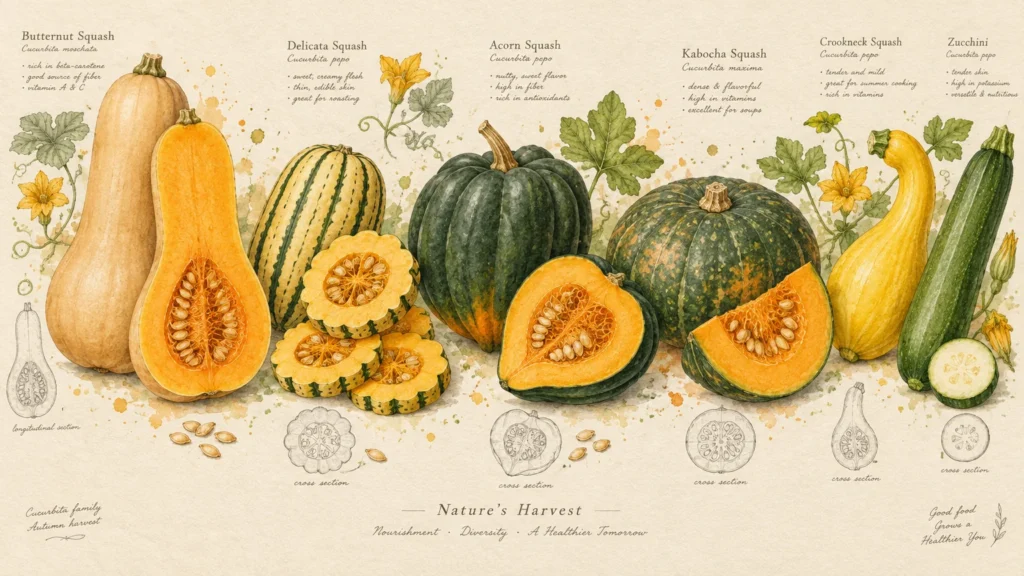
Elevate your intake by enjoying toasted sunflower seeds, acorn squash, nutritional yeast, and fortified whole grains.
Taking a gentle, bioavailable B-complex supplement can restore optimal thiamine status under your physician’s supportive supervision.
Important Safety Precautions to Keep in Mind
Targeted supplementation provides tremendous health support, but an unguided approach introduces real physiological risks. More is not always better when restoring balance to your delicate internal chemistry.
Fat-soluble vitamins, including vitamins A, D, E, and K, accumulate in your liver and fat tissue rather than washing away in urine. Ingesting megadoses without regular blood work can lead to unwanted systemic toxicity.
Mineral balance requires equal care and precision. High-dose calcium pills can contribute to arterial plaque accumulation, while excess supplemental zinc depletes your essential copper reserves.
Always scrutinize how supplements interact with your prescription medications. For instance, vitamin K interferes with warfarin blood thinners, and magnesium blunts the absorption of thyroid hormone replacements.
Prioritize whole foods over pills whenever possible. Whole foods supply natural fiber, enzymes, and phytonutrients that work synergistically to enhance gentle digestion.
Never begin high-potency supplement regimens without having a candid conversation with your doctor or clinical pharmacist first.

When to Speak with a Healthcare Professional
The nutritional guidance provided here serves an educational purpose and cannot substitute for personalized medical diagnosis or treatment. Your personal medical history, genetics, and current medications demand individualized clinical oversight.
Recognizing early warning signs of vitamin deficiencies in seniors protects your long-term independence and physical vigor.
Contact your physician if you experience lingering physical fatigue, unsteadiness while walking, or sudden muscle weakness. These subtle symptoms often signal treatable micronutrient shortages.
Promptly report persistent tingling, numbness, or burning sensations in your fingers or toes. Peripheral nerve sensations frequently point to declining B12 or B6 reserves.
Request an evaluation if you notice sudden memory lapses, uncharacteristic brain fog, or persistent changes in your mood.
If you take metformin, proton pump inhibitors, or diuretics long-term, ask your clinician for routine annual screening panels.
Comprehensive tests—including serum B12, methylmalonic acid, 25-hydroxyvitamin D, and ferritin—allow your doctor to design a safe, restorative wellness plan.
Frequently Asked Questions
Why does stomach acid decline as we age?
Natural aging often thins your stomach lining, leading to atrophic gastritis. This condition reduces the number of specialized parietal cells that secrete hydrochloric acid.
Long-term use of acid-reducing antacids and proton pump inhibitors further depresses gastric acidity, making nutrient extraction more difficult.
Should older adults take a daily multivitamin?
A balanced multivitamin tailored for mature adults offers a practical safety net if your appetite or food choices diminish.
However, a single multivitamin cannot replace wholesome meals or deliver the therapeutic doses needed to resolve verified deficiencies.
Can digestive enzymes help seniors absorb nutrients better?
Supplemental digestive enzymes assist in breaking down dense proteins, fats, and complex carbohydrates if your pancreas produces fewer natural enzymes.
Always consult your medical provider before taking digestive enzymes to ensure they align with your gastrointestinal health.
How long does it take to correct a nutrient deficiency?
Rebuilding depleted nutrient stores typically requires several weeks to a few months of disciplined dietary shifts and targeted supplementation.
Your doctor will perform follow-up laboratory testing to confirm that your blood levels normalize safely and effectively.
For authoritative, trustworthy health information, always consult official sources like the National Institute on Aging (NIA) and MedlinePlus from the National Library of Medicine. The CDC also provides excellent resources for older adults.
Disclaimer: This article is for informational purposes only and does not constitute medical advice. Always seek the advice of your physician or other qualified health provider with any questions you may have regarding a medical condition.











3 Responses
Very informative. Thank you.
Not sure if I have a web site??
Very informative.