You can conquer sudden energy dips and stubborn sugar cravings by choosing nutrient-dense foods that stabilize your metabolism. Simple dietary shifts help you maintain steady vitality and mental focus throughout the entire day.
A sharp drop in blood sugar around three in the afternoon often triggers intense hunger for processed treats. Eating balanced afternoon snack ideas protects your stamina and keeps your physical comfort intact.
Discover seven wholesome, nutrient-packed foods that satisfy your appetite, nourish your cellular health, and provide reliable healthy cravings control without upsetting your digestion.
Understanding the Basics of Afternoon Cravings for Seniors
Your body experiences distinct biological shifts in hormonal equilibrium and metabolic rate as you mature. These subtle shifts naturally alter the way your digestive tract processes carbohydrates and stores readily available energy.
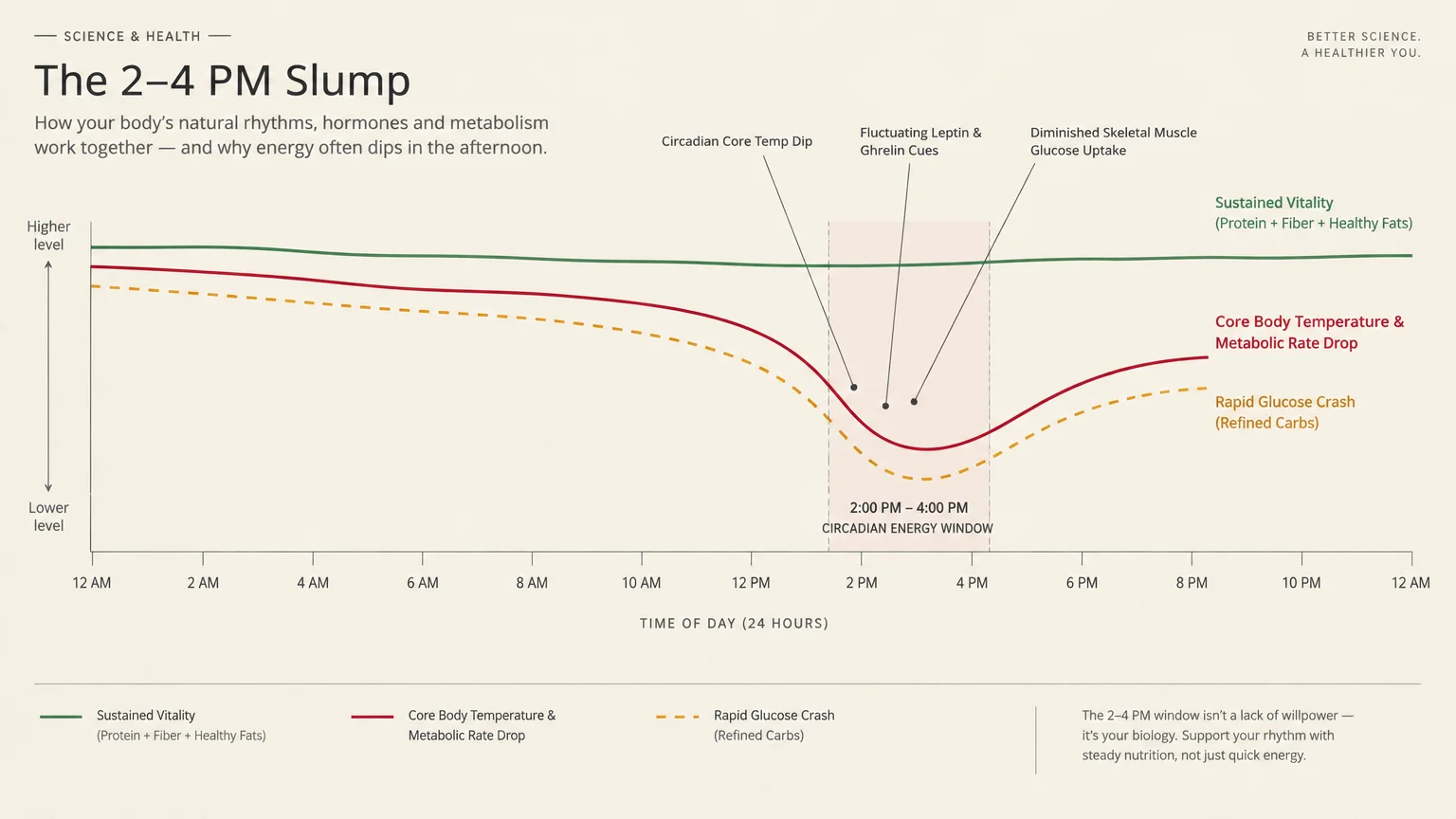
Circadian rhythms prompt your core body temperature to decrease slightly between two and four in the afternoon. This programmed drop induces mild lethargy and slows your metabolic efficiency for an hour or two.
When physical fatigue emerges, your brain frantically searches for quick energy; it craves rapid glucose from candy, cookies, or refined crackers. That sudden impulse represents an involuntary physiological signal rather than a personal failure of willpower.
Age-related decline in skeletal muscle tissue further complicates your daily glycemic regulation. Because resting muscles absorb the lion’s share of circulating glucose, diminished muscle mass creates steeper blood sugar spikes followed by dramatic crashes.
These abrupt glycemic swings cause sudden bouts of irritability, brain fog, and intense physical hunger. Stabilizing your blood sugar through thoughtful nutrition prevents the disruptive roller coaster of afternoon energy slumps.
Changing sensitivity to appetite-regulating hormones also influences how older adults perceive satiety. As levels of leptin and ghrelin fluctuate unpredictably, your brain may fail to realize that you have consumed sufficient fuel.
Slower gastrointestinal motility can also distort your body’s innate hunger and fullness cues. You might experience an empty sensation even when your stomach still contains remnants of your midday meal.
Subtle dehydration frequently disguises itself as an urgent craving for carbohydrate-dense comfort food. Because thirst sensation diminishes significantly with advancing age, your brain easily mistakes cellular dehydration for true nutritional hunger.
Chronic low-grade stress elevates cortisol levels, which prompts your liver to demand additional fast-burning fuel. Cortisol encourages your fat cells to store visceral adipose tissue, especially around your midsection.
Poor sleep quality or fragmented nighttime rest intensifies these biochemical cravings the following afternoon. When you wake up unrefreshed, your body seeks external stimulation from sugar and caffeine to survive the day.
Choosing blood sugar stable snacks breaks this exhausting cycle by nourishing your cells with sustained fuel. You replace frantic sugar spikes with calm, consistent vitality that carries you comfortably through the afternoon hours.

Practical Tips for a Healthier, Happier Life
You can take charge of your afternoon wellness by stocking your kitchen with nutrient-dense, satisfying whole foods. Combining lean protein, heart-healthy fats, and slow-digesting fiber creates a biological barrier against sudden blood glucose drops.
The following seven wholesome foods offer dependable healthy cravings control while remaining gentle on your gastrointestinal system. Incorporate these delicious options into your weekly meal plan to experience steady physical energy.
1. Plain Greek Yogurt with Ground Flaxseed
Plain Greek yogurt represents a premier choice among high-protein snacks because it contains twice the protein of conventional yogurt. A modest six-ounce serving delivers approximately fifteen to seventeen grams of premium dairy protein.
This concentrated protein content slows down gastric emptying, keeping your stomach comfortably satisfied for several hours. It also supplies bioavailable calcium to preserve your bone density and support strong skeletal health.
Stirring in one tablespoon of freshly ground flaxseed provides critical soluble fiber and anti-inflammatory alpha-linolenic acid. The soluble mucilage in flaxseed forms a gentle gel in your digestive tract that moderates sugar absorption.
Greek yogurt also supplies beneficial probiotic cultures that nourish and diversify your gut microbiome. A thriving community of beneficial bacteria promotes optimal nutrient absorption and bolsters your natural immune defenses.
Dust your yogurt with a light sprinkle of ground cinnamon for aromatic sweetness. Cinnamon contains polyphenols that improve insulin sensitivity without adding a single gram of refined sugar.
2. Raw Walnuts and Fresh Blueberries
Raw walnuts deliver an exceptional nutritional matrix of plant-based protein, monounsaturated fats, and vital omega-3 fatty acids. Clinical research demonstrates that regular walnut consumption supports arterial flexibility and promotes cardiovascular longevity.
A single ounce of walnuts—about fourteen halves—delivers four grams of protein and two grams of dietary fiber. This combination provides satisfying healthy cravings control that curbs the urge to graze continuously.
Pairing these crisp nuts with a half-cup of fresh blueberries supplies natural sweetness and powerful anthocyanin antioxidants. Blueberries register very low on the glycemic index, meaning they will not trigger sudden insulin spikes.
The deliberate chewing required by whole walnuts stimulates your vagus nerve and activates satiety receptors in your gut. This mindful chewing rhythm grants your brain ample time to register authentic fullness.
Keep pre-measured portions in small glass containers on your kitchen counter. Having accurate portions ready prevents the accidental overconsumption that can occur when eating directly from a large package.
3. Hard-Boiled Eggs with Crisp Cucumber Slices
Whole eggs provide nature’s gold standard of bioavailable protein, offering six grams of muscle-nourishing fuel per large egg. They contain all nine essential amino acids required to maintain your strength and physical balance.
Egg yolks contain abundant lutein and zeaxanthin, two potent carotenoids that concentrate in your retinas. These specialized antioxidants protect aging eyes from oxidative damage and support long-term visual clarity.
Slicing a crisp cucumber alongside your hard-boiled egg adds satisfying volume and essential cellular hydration. Cucumbers consist of ninety-six percent structured water, which gently rehydrates your tissues during the late afternoon.
Season your egg with a pinch of paprika, black pepper, or aromatic fresh herbs instead of excess salt. Flavorful spices stimulate your taste buds without elevating your resting arterial blood pressure.
Boil a half-dozen eggs every Sunday evening to streamline your weekly afternoon snack ideas. Having convenient, protein-dense options on hand eliminates the temptation to reach for processed convenience foods.
4. Creamy Hummus with Bell Pepper Strips
Hummus blends wholesome chickpeas with sesame tahini, olive oil, and lemon juice to create a balanced Mediterranean dip. This nutrient-dense spread delivers complex carbohydrates, plant-based protein, and gut-soothing soluble fiber.
Two generous tablespoons of hummus paired with crisp bell pepper strips supply long-lasting energy without heaviness. The slow-burning starches in chickpeas release glucose gradually, maintaining stable cellular vitality for hours.
Bright red and yellow bell peppers provide a delightful crunch and deliver abundant vitamin C. In fact, a single cup of sliced bell peppers supplies more immune-supporting vitamin C than an entire orange.
The healthy fats from olive oil and sesame paste enhance the absorption of fat-soluble vitamins found in the peppers. This synergistic combination nourishes your skin, supports joint flexibility, and calms systemic inflammation.
Look for brands crafted with extra virgin olive oil rather than inflammatory soybean or canola oils. Reading ingredient labels carefully ensures you receive the purest nutritional benefits with every bite.
5. Low-Fat Cottage Cheese with Pumpkin Seeds
Low-fat cottage cheese provides an exceptional concentration of casein protein, which breaks down very slowly in your stomach. This extended digestive timeframe ensures a continuous trickle of amino acids into your bloodstream throughout the afternoon.
A half-cup serving supplies roughly fourteen grams of bioavailable protein while remaining remarkably low in calories. It also delivers bioavailable calcium and phosphorus to support the health of your aging bones and teeth.
Top your cottage cheese with a tablespoon of raw, unsalted pumpkin seeds for a delightful textural contrast. Pumpkin seeds—also known as pepitas—serve as an extraordinary source of dietary magnesium and essential zinc.
Magnesium plays an indispensable role in over three hundred enzymatic reactions, including energy production and muscle relaxation. Getting enough magnesium helps alleviate afternoon muscle tension and promotes calm focus.
If you prefer a savory profile, stir in finely snipped chives and a dash of cracked black pepper. This savory variation satisfies salty cravings without relying on high-sodium processed snack chips.
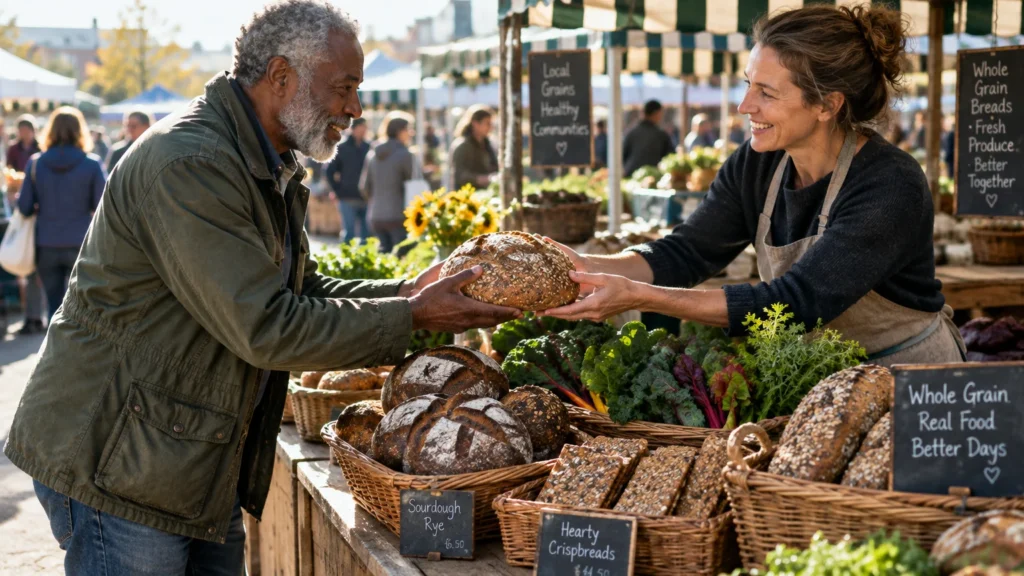
6. Smashed Avocado on Whole-Grain Sourdough
Spreading one-quarter of a ripe avocado across a warm slice of whole-grain sourdough creates a satisfying, heart-healthy snack. Avocados are rich in monounsaturated oleic acid, which supports healthy cholesterol ratios and arterial elasticity.
Avocados also supply ample dietary fiber, which slows digestion and stimulates satiety hormones like peptide YY. This hormonal signal tells your brain that your body is completely satisfied and well-nourished.
Authentic whole-grain sourdough undergoes a slow lactic acid fermentation that partially degrades gluten and starches. This beneficial bacterial fermentation lowers the bread’s glycemic impact and makes it significantly gentler on sensitive digestive systems.
The complex carbohydrates from the sourdough replenish depleted glycogen stores in your muscles and liver. Because the avocado fat buffers absorption, you enjoy steady mental alertness without experiencing a rebound energy crash.
Garnish your toast with a sprinkle of toasted hemp seeds or chia seeds for an extra nutritional boost. These tiny seeds supply additional plant protein and trace minerals to invigorate your physical stamina.
7. Warm Steamed Edamame with Sea Salt
Edamame consists of young, vibrant green soybeans harvested before they harden, offering an outstanding whole-food plant protein profile. One half-cup of steamed edamame delivers approximately nine grams of protein and four grams of prebiotic fiber.
Unlike many plant proteins, edamame contains all nine essential amino acids, making it a complete dietary protein source. It provides vital building blocks that help preserve lean muscle mass as your body ages.
The simple, rhythmic action of popping edamame beans from their fibrous outer pods encourages relaxed, mindful eating. Taking time to enjoy each pod prevents the hurried consumption that often triggers indigestion and gas.
Edamame contains notable amounts of dietary potassium, an essential mineral that counteracts the hypertensive effects of sodium. Adequate potassium intake supports healthy blood vessel dilation and normal resting blood pressure levels.
Prepare frozen edamame pods effortlessly by steaming them for four minutes in your microwave or on the stovetop. Season them with a tiny pinch of coarse sea salt and cracked black pepper for a warm, comforting treat.
Mindful Snacking Habits for Lasting Craving Control
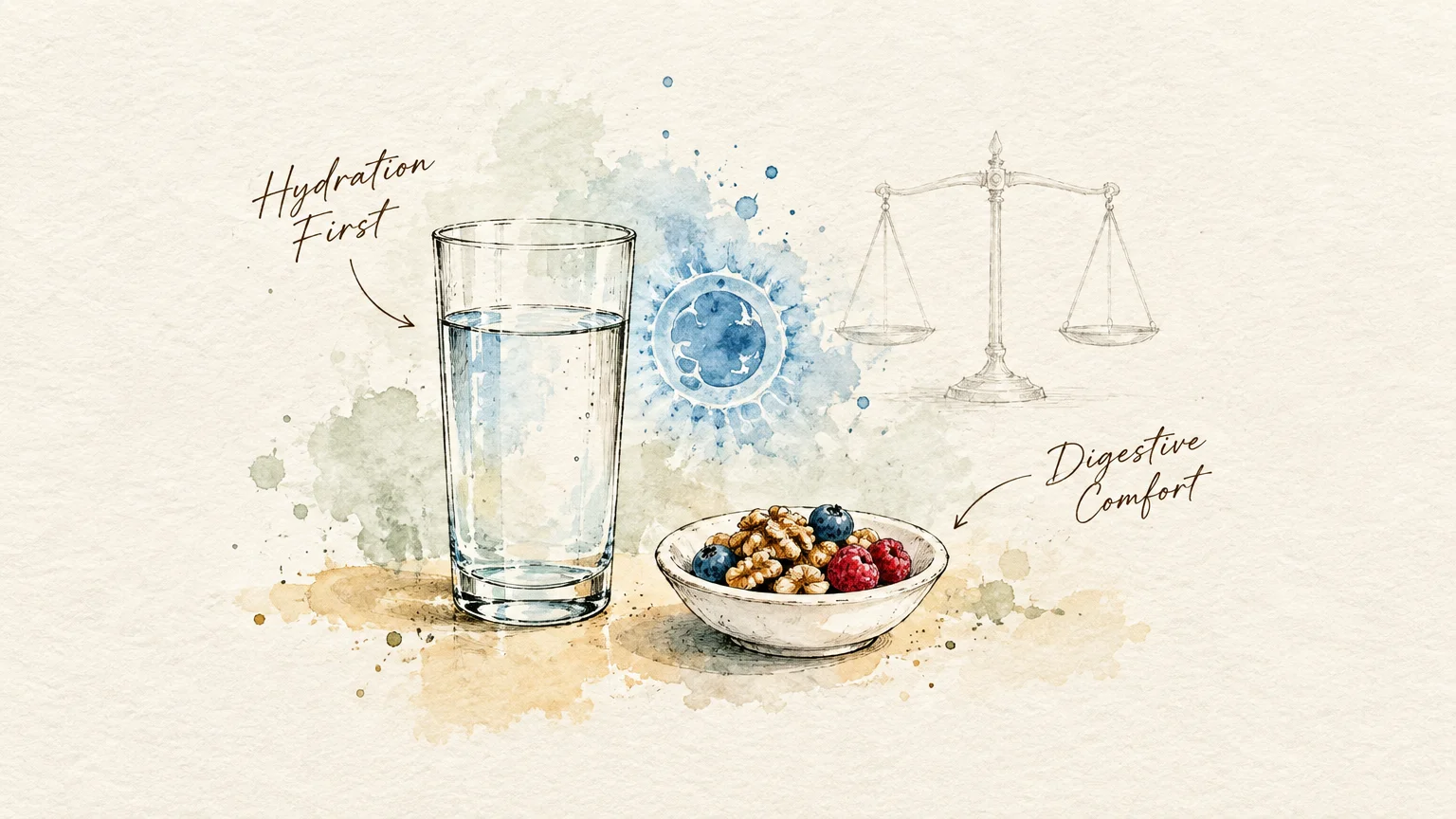
Drink an eight-ounce glass of pure water ten minutes before eating any afternoon snack. Rehydrating your cells often resolves confusing hunger signals caused by subtle, unnoticed dehydration.
Always place your chosen snack onto an attractive small plate rather than nibbling directly from food containers. Visual portion awareness allows your brain to register fullness much faster, eliminating mindless overeating.
Step away from your computer screens, smartphones, and televisions while you eat your mid-afternoon refreshment. Eating without digital distractions heightens sensory satisfaction and enhances your overall digestive comfort.
Chew each bite thoroughly to break down cellular walls and mix food particles with digestive enzymes. Thorough mastication eases gastrointestinal strain and ensures your body extracts maximum nutrition from every meal.
Establish a consistent afternoon snack schedule between two-thirty and three-thirty every day. Predictable eating intervals stabilize your body’s circadian clock and prevent extreme hunger before dinner arrives.
Important Safety Precautions to Keep in Mind
Always tailor food textures and chewability to your personal dental health and jaw comfort. If whole nuts or tough seeds irritate dental work, choose smooth almond butter or seed paste instead.
Carefully evaluate nutrition labels for hidden sodium when purchasing prepared hummus, canned beans, or cottage cheese. Excess dietary sodium can exacerbate fluid retention and complicate high blood pressure management.
If your physician has diagnosed you with chronic kidney disease, monitor your intake of potassium-rich foods. Items like pumpkin seeds, avocados, and edamame require careful portioning under clinical dietary guidance.
Steer clear of commercial diet snacks and sugar-free confections sweetened with artificial sugar alcohols. Ingredients like sorbitol and maltitol frequently induce painful bloating, severe gas, and sudden gastrointestinal distress in older adults.
Increase your daily fiber intake gradually over several weeks to give your gut microbiome time to adjust. Drinking plenty of fluid alongside dietary fiber prevents common gastrointestinal discomforts such as constipation or cramping.
Maintain strict kitchen food safety standards by refrigerating opened dairy products, cooked legumes, and boiled eggs promptly. Discard any perishable high-protein foods left at room temperature for more than two hours.
Verify that your selected snack foods do not interact with your current daily prescription medications. For example, sudden changes in vitamin K intake from leafy greens or seeds can interfere with certain blood-thinning therapies.

When to Speak with a Healthcare Professional
The nutritional guidance in this article provides general educational information and cannot replace customized medical advice. Always consult your primary care doctor or a licensed dietitian before altering your regular eating patterns.
Schedule a medical examination if afternoon hunger occurs alongside unquenchable thirst, blurred vision, or frequent nighttime urination. These warning signs often indicate underlying insulin resistance, prediabetes, or emerging type 2 diabetes.
Seek prompt clinical evaluation if afternoon cravings accompany sudden dizziness, trembling hands, profuse sweating, or confusion. These symptoms may point to reactive hypoglycemia, which requires immediate medical investigation and blood sugar monitoring.
Contact your doctor if you experience persistent abdominal pain, chronic diarrhea, or severe heartburn after eating healthy whole foods. Ongoing digestive complaints warrant clinical testing to rule out food intolerances, malabsorption, or biliary conditions.
Discuss unexpected, unintentional weight loss with your healthcare team even if your appetite appears robust throughout the day. Rapid weight loss without conscious dieting demands thorough diagnostic screening to ensure your safety.
Review your medication regimen with your pharmacist to see if prescription drugs stimulate your afternoon appetite. Common medications—such as corticosteroids, beta-blockers, and certain neurological agents—can induce profound biological hunger.
Frequently Asked Questions
Why do afternoon cravings feel more intense than morning hunger?
Afternoon cravings feel more urgent because your body experiences a natural dip in cortisol and core body temperature. When these biological markers decline, your brain demands rapid energy in the form of simple carbohydrates.
Morning hunger typically develops slowly as your sleep hormones recede and your digestive tract awakens naturally. Mid-afternoon crashes, by contrast, represent an acute physiological response to declining blood sugar and accumulated daily fatigue.
Can afternoon snacking cause unwanted weight gain in older adults?
Mindful, scheduled snacking on blood sugar stable snacks does not promote weight gain in healthy older adults. In fact, a nutritious snack prevents extreme hunger that often triggers overeating at dinnertime.
Unwanted weight gain occurs primarily when snacks consist of ultra-processed foods loaded with added sugars and saturated fats. Focusing on protein-rich, fiber-dense whole foods supports a steady, healthy metabolic rate.
Is eating fresh fruit by itself enough to satisfy my afternoon hunger?
Fresh fruit delivers essential vitamins and hydration, but eating it alone rarely sustains older adults until the evening meal. The natural fructose in fruit digests rapidly, which can trigger a brief blood sugar rise followed by hunger.
Always pair your favorite fruit with a protein or fat source, such as cottage cheese, nuts, or Greek yogurt. This pairing slows digestion and delivers long-lasting satiety.
How can I tell if my craving is caused by thirst rather than hunger?
Thirst and hunger signals originate from the same hypothalamic region in your brain, making them easy to confuse. As you grow older, your thirst sensation diminishes, making dehydration appear as an intense craving for food.
When a craving strikes, drink a large glass of water and wait ten minutes before eating anything. If your craving subsides completely, your body was simply asking for cellular rehydration.
For authoritative, trustworthy health information, always consult official sources like the National Institute on Aging (NIA) and MedlinePlus from the National Library of Medicine. The CDC also provides excellent resources for older adults.
Disclaimer: This article is for informational purposes only and does not constitute medical advice. Always seek the advice of your physician or other qualified health provider with any questions you may have regarding a medical condition.