
A sudden gout flare can turn a peaceful night into an agonizing ordeal of burning joint pain. Learning which foods trigger these attacks gives you the power to protect your joints and stay active.
Gout often strikes older adults when excess uric acid forms sharp needle-like crystals in vulnerable joints. What you put on your plate directly influences these levels each day.
Making informed dietary choices helps prevent sudden flare-ups and safeguards your mobility as you age. Here is your practical guide to navigating everyday meals with comfort and confidence.
Understanding the Basics of Gout for Seniors
Gout is a painful form of inflammatory arthritis that develops when your body accumulates too much uric acid. This compound is a natural byproduct created when you digest foods containing purines.
When uric acid levels rise too high, needle-shaped urate crystals settle into your joint spaces. Your immune system responds with fierce inflammation, causing intense redness, swelling, and throbbing heat.
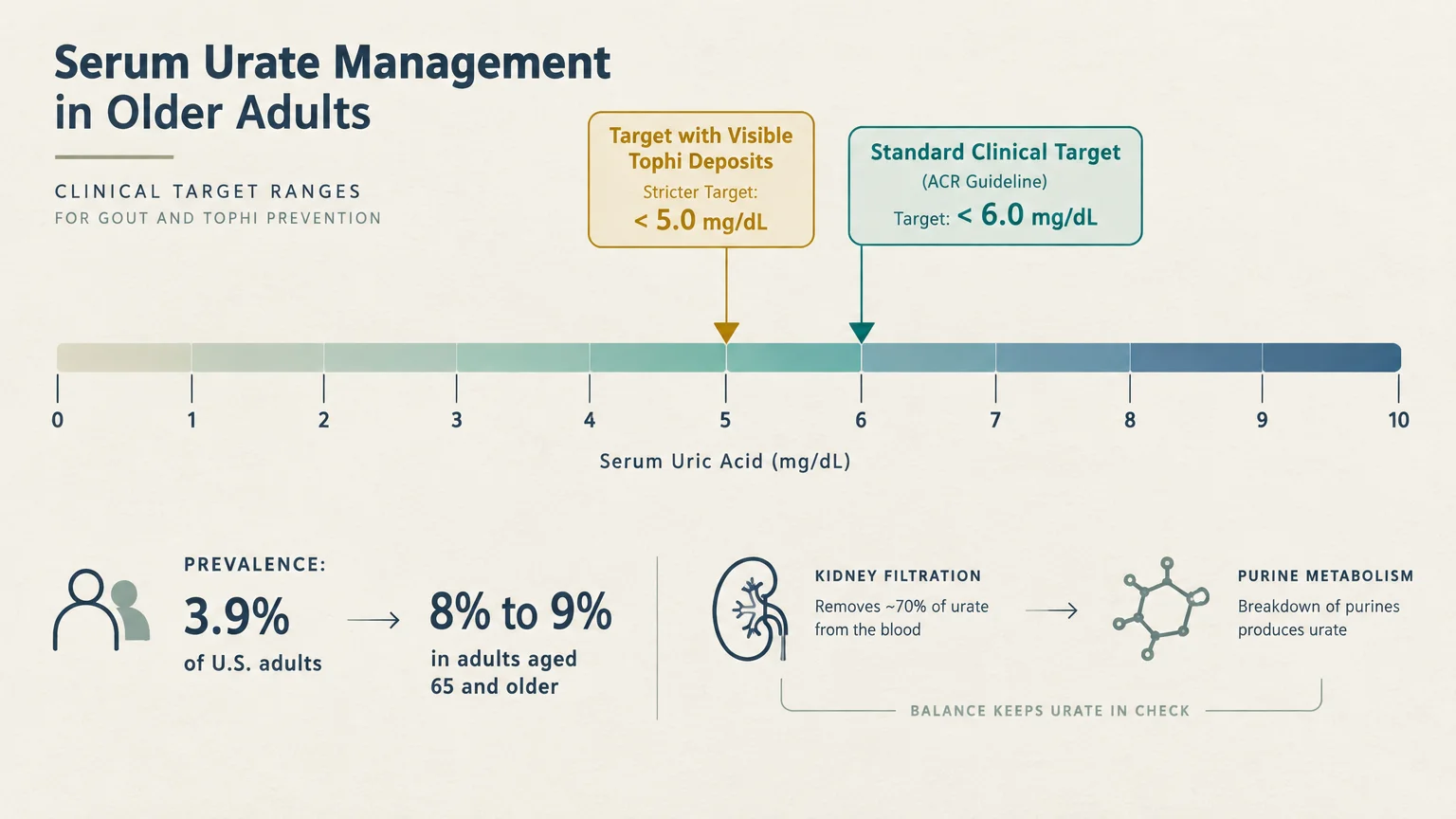
This condition affects approximately 3.9% of American adults, representing roughly 9.2 million people nationwide. However, the prevalence increases dramatically with age, reaching 8% to 9% among adults aged 65 and older.
Aging naturally alters kidney function, reducing your body’s ability to filter and excrete uric acid efficiently. Common senior medications, such as thiazide diuretics for blood pressure, can also raise uric acid levels.
Clinical management relies on a clear target. The 2020 American College of Rheumatology Guideline for the Management of Gout recommends keeping serum urate levels below 6.0 mg/dL.
For seniors who already have visible crystal deposits known as tophi, rheumatologists recommend an even stricter target below 5.0 mg/dL. Maintaining these targets stops new crystals from forming and dissolves existing ones.
Diet plays an important supporting role in reaching your health targets. Identifying common gout trigger foods allows you to build meals that support your comfort and independence.
Interestingly, not all purines harm your body in the same way. Landmark research reveals that purine-rich vegetables do not provoke attacks, whereas purines from animal sources and sugars do.
Practical Tips for a Healthier, Happier Life
Managing your nutrition is one of the most proactive steps you can take to prevent joint stiffness. Avoiding specific high purine foods helps keep your uric acid levels stable.
Here are nine dietary culprits you should minimize or remove from your routine to protect your joints and maintain vibrant energy.
1. Organ Meats and Sweetbreads
Organ meats—such as beef liver, chicken livers, kidneys, and sweetbreads—contain the densest concentration of purines in the human diet. Clinical guidelines define very high purine foods as those exceeding 150 to 200 mg of purines per 100 grams.
When you consume organ meats, your liver rapidly breaks down these concentrated purines into massive amounts of uric acid. This sudden flood easily overwhelms aging kidneys and triggers sharp joint flares within hours.
Many older adults grew up eating liver and onions as a budget-friendly source of iron. However, the severe pain of a gout attack far outweighs the nutritional benefits of these meats.
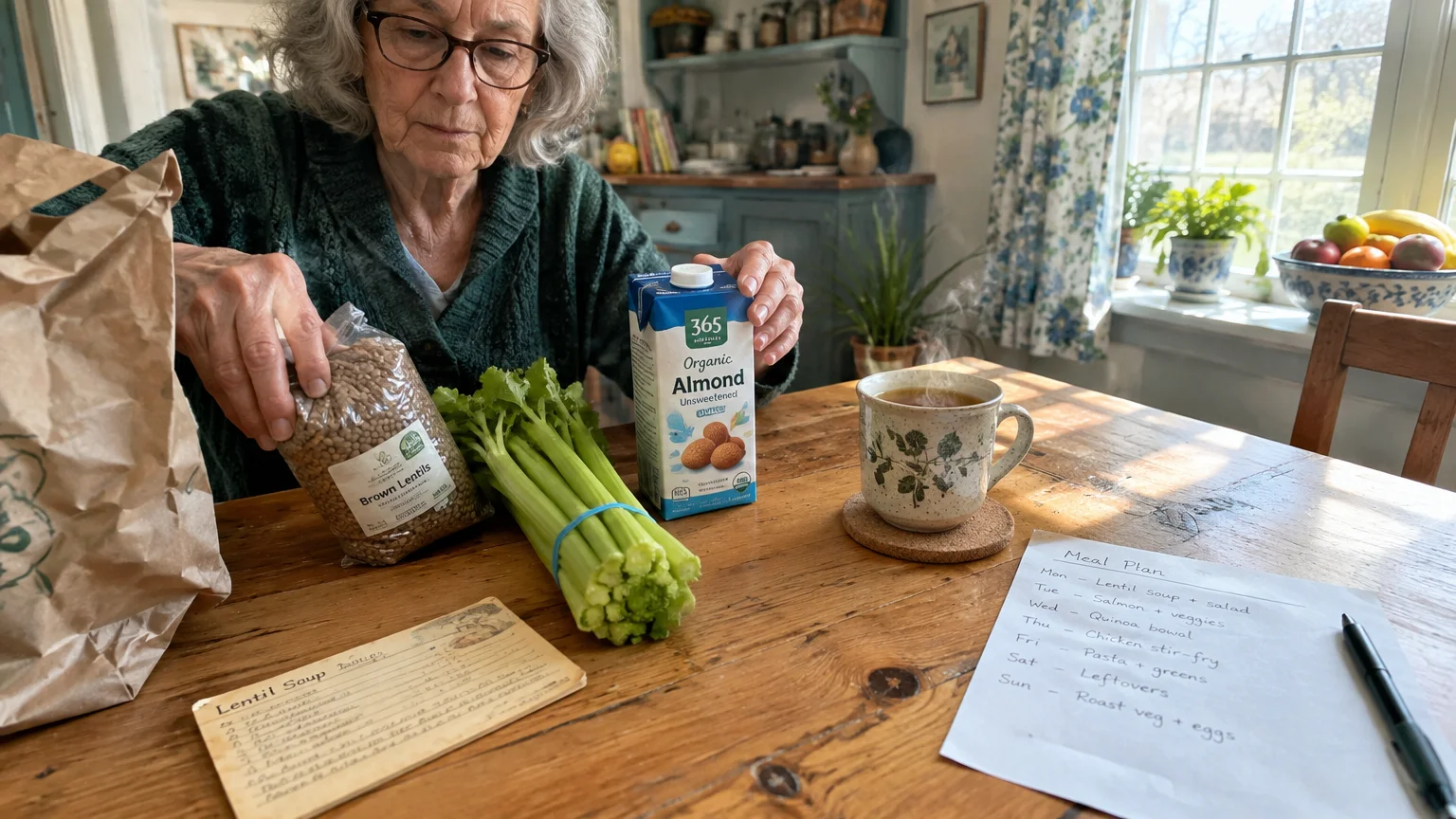
You can easily substitute organ meats with gentle iron sources like lentils, fortified cereals, and tender chicken breast. These wholesome alternatives nourish your body without spiking your uric acid levels.
2. Red Meat and Wild Game
Red meats like beef, lamb, pork, and wild game like venison are classic gout diet foods to avoid in large portions. These meats carry substantial purine loads that prompt inflammatory joint reactions.
A landmark prospective study in the New England Journal of Medicine examined thousands of participants. Researchers found that those in the highest quintile of red meat intake had a 41% higher risk of developing gout.
Wild game is especially troublesome because active, lean animals naturally store higher concentrations of purines in their muscle tissues. Venison, pheasant, and duck can quickly provoke stubborn toe and ankle pain.
You do not have to give up savory evening meals entirely. Try replacing beef patties with homemade turkey burgers, baked tofu, or seasoned whitefish to keep your meals satisfying and joint-friendly.
3. Beer and Brewer’s Yeast
Beer presents a double threat for anyone living with gout symptoms. It contains alcohol, which impairs kidney function, alongside high amounts of guanosine, an easily absorbed purine found in brewer’s yeast.
A landmark prospective study published in The Lancet revealed that beer confers the greatest gout risk among alcoholic beverages. Each 12-ounce daily serving of beer was linked to a 49% increase in gout risk.
Non-alcoholic beer is not a safe substitute because it is often brewed with the same purine-heavy yeast extracts. The yeast purines alone are enough to cause a rapid jump in circulating urate.
If you enjoy a refreshing bubbly beverage with your dinner, choose sparkling mineral water with fresh lime or cucumber slices. This crisp choice hydrates your system while supporting kidney clearance.
4. High-Purine Seafood
While seafood is generally celebrated for heart-healthy omega-3 fatty acids, certain ocean varieties rank among the most potent foods that worsen gout. Small oily fish and bivalves carry purine counts well over 200 mg per 100 grams.
Specific seafood varieties to limit strictly include sardines, anchovies, herring, mackerel, scallops, and mussels. In the New England Journal of Medicine study, participants with the highest seafood intake experienced a 51% increased risk of gout attacks.
The rapid breakdown of these marine purines strains your urinary system. For older adults with reduced glomerular filtration rates, clearing these purines takes significantly longer.
If you love seafood, you can safely enjoy moderate portions of fresh salmon, cod, or haddock. You can also support your joints with plant-derived omega-3 sources like ground flaxseed and walnuts.
5. Sugar-Sweetened Sodas and High-Fructose Drinks
You might be surprised to learn that sweet beverages without any purines can still trigger severe joint flares. The culprit is high-fructose corn syrup, a sweetener found abundantly in standard sodas and sweetened teas.
When your body metabolizes fructose, it rapidly depletes energy molecules inside your liver cells. This unique chemical cascade directly stimulates purine breakdown, causing uric acid levels to surge within minutes.
A 12-year prospective study published in the BMJ by Choi and Curhan confirmed this strong link. Seniors and adults consuming two or more sugar-sweetened sodas daily had an 85% higher risk of developing gout.
Quench your thirst with pure water, unsweetened iced herbal teas, or water infused with crushed mint and berries. These choices protect your joints while preventing blood sugar spikes.
6. Distilled Spirits and Hard Liquor
Hard liquors—including vodka, whiskey, gin, and rum—are well-known foods that cause gout flare-ups. While spirits do not contain brewer’s yeast like beer, their alcohol content creates a major metabolic roadblock.
When your body processes hard alcohol, it produces lactic acid as a natural metabolic byproduct. Lactic acid competes directly with uric acid in your kidneys, dramatically slowing down urate excretion.
The Lancet study showed that each daily serving of distilled spirits increased gout risk by 15%. Alcohol also promotes dehydration, concentrating the uric acid remaining in your bloodstream.
For seniors, staying properly hydrated is essential for joint lubricating fluid. Swapping evening cocktails for warm chamomile tea or decaffeinated green tea encourages peaceful sleep and protects your joints.
7. Commercial Baked Goods and Pastries
Packaged cookies, doughnuts, snack cakes, and frosted pastries present a hidden threat to joint health. These treats combine refined flours with industrial fats and hidden high-fructose corn syrup.
Highly processed carbohydrates trigger sharp spikes in blood glucose and insulin levels. High insulin levels signal your kidneys to reabsorb uric acid back into your circulation instead of excreting it through urine.
Over time, frequent consumption of processed bakery goods fosters chronic low-grade systemic inflammation throughout your body. This underlying inflammation makes your joints far more reactive to crystal irritation.
Satisfy your sweet tooth with naturally sweet foods like fresh cherries, sliced pears, or baked apples dusted with cinnamon. These gentle whole foods supply beneficial antioxidants and dietary fiber.
8. Processed Meats and Deli Cuts
Sliced ham, salami, bologna, bacon, and hot dogs are staples in many senior pantries. Unfortunately, these convenient meats are loaded with concentrated purines, preservatives, and excessive sodium.
High sodium intake strains your blood vessels and encourages fluid retention, which complicates healthy kidney function. When kidney efficiency drops, your body struggles to clear daily uric acid waste.
Processed meats also contain advanced glycation end-products and nitrates that promote vascular stiffness and tissue irritation. These compounds exacerbate the chronic swelling associated with joint pain.
For quick and wholesome lunches, assemble sandwiches using sliced hard-boiled eggs, fresh avocado, or roasted chicken breast. Pair these proteins with whole-grain bread for sustained midday vitality.
9. Concentrated Fruit Juices
Many older adults drink commercial orange juice or apple juice every morning believing it is an undeniably healthy habit. However, bottled juices strip away natural dietary fiber, leaving a concentrated dose of liquid fructose.
Drinking a glass of concentrated juice delivers as much free fructose to your liver as a can of soda. The liver processes this sugar instantly, driving up uric acid synthesis within the body.
Research demonstrates that high fruit juice consumption mirrors the gout risks linked to sugary soft drinks. Consuming these sweet juices daily can secretly sabotage your urate targets.
Choose whole fresh fruit instead of processed juice. Eating a whole orange provides valuable vitamin C alongside soluble fiber, which slows sugar absorption and stabilizes your metabolism.

Important Safety Precautions to Keep in Mind
Modifying your diet is an empowering step toward better wellness, but older adults should proceed thoughtfully. Never begin an extreme low-calorie crash diet to drop weight quickly.
Rapid weight loss causes your body to break down muscle and fat too fast, creating acidic compounds called ketones. Ketones block uric acid excretion in your kidneys, frequently triggering agonizing gout flares.
Always continue taking your prescribed urate-lowering medications, such as allopurinol or febuxostat. While smart dietary choices are wonderful for holistic health, diet alone usually reduces uric acid by only 1.0 to 1.5 mg/dL.
Stopping your maintenance medication suddenly can cause a sharp rebound in serum urate levels. This sudden shift often provokes severe flares, even if your diet is pristine.
Staying well hydrated with plain water assists your kidneys in flushing out excess urate crystals. However, seniors managing congestive heart failure or severe kidney disease must follow their doctor’s specific daily fluid guidelines.
Do not avoid purine-rich vegetables like spinach, cauliflower, asparagus, and peas. Scientific studies confirm that plant-based purines do not increase gout risk, and they offer vital fiber and protective nutrients.
Be cautious with over-the-counter supplements that promise instant gout cures or fast uric acid detoxes. Many unverified herbal products contain hidden ingredients that can interact negatively with prescription senior medications.
Introduce dietary changes gradually over several weeks rather than overhauling your kitchen overnight. A gentle, steady approach gives your digestive tract and metabolism time to adapt smoothly.

When to Speak with a Healthcare Professional
While wholesome lifestyle habits create a strong foundation, nutritional adjustments cannot replace personalized medical evaluation. You should always partner with your doctor or rheumatologist to oversee your joint care.
Seek immediate medical attention if you experience a joint that is suddenly intensely hot, swollen, and accompanied by a fever or chills. These red-flag symptoms may signal septic arthritis, a dangerous joint infection requiring urgent treatment.
Contact your healthcare provider if your joint pain spreads to multiple areas or does not improve after forty-eight hours. Uncontrolled inflammation can cause permanent joint erosion and bone damage over time.
You should also schedule a visit if you notice hard, yellowish-white nodules forming under your skin around your fingers, elbows, or ears. These deposits, called tophi, indicate that your body needs stronger medical therapy.
Discuss any new medications with your doctor, including low-dose aspirin or water pills. Your physician can evaluate whether alternative options exist that will not elevate your urate levels.
Ask your primary care physician to perform routine blood tests to check your serum urate levels at least twice each year. Regular monitoring ensures your treatment keeps your urate reliably below the 6.0 mg/dL target.
Frequently Asked Questions
Can I still eat purine-rich vegetables like spinach and mushrooms?
Yes, you can safely enjoy spinach, mushrooms, peas, and cauliflower as part of a balanced diet. Large prospective studies confirm that vegetable purines do not increase uric acid levels or trigger gout flares.
Plant foods provide essential vitamins, minerals, and dietary fiber that combat chronic inflammation. You do not need to restrict wholesome vegetables to manage your gout symptoms effectively.
Does drinking tart cherry juice help relieve gout symptoms?
Tart cherry juice contains powerful plant compounds called anthocyanins that offer proven antioxidant and anti-inflammatory properties. Some clinical studies suggest tart cherries may help lower serum uric acid and reduce attack frequency.
If you choose tart cherry juice, select pure unsweetened varieties without added sugars or high-fructose corn syrup. Moderation is key because even natural fruit juices contain concentrated calories and carbohydrates.
You can also look for tart cherry extract capsules if you need to limit liquid sugars entirely. Always check with your physician before adding concentrated cherry supplements to your daily regimen.
Is moderate wine consumption safe if you have gout?
Landmark clinical studies show that moderate wine intake—such as one glass with dinner—does not increase gout risk nearly as sharply as beer or spirits. Beer contains brewer’s yeast purines, making it far more hazardous.
However, excess wine consumption can still cause mild dehydration and tax your kidneys. Always discuss your personal alcohol tolerance with your physician to make the safest choice for your situation.
Can changing my diet alone cure my gout?
Diet alone rarely cures gout because your body produces the vast majority of uric acid through internal cellular turnover. A strict low-purine diet generally lowers serum urate by only 1.0 to 1.5 mg/dL.
Most seniors require prescription medications to successfully achieve the clinical target of less than 6.0 mg/dL. Combining healthy eating with proper medical treatment provides the best long-term protection for your joints.
For authoritative, trustworthy health information, always consult official sources like the National Institute on Aging (NIA) and MedlinePlus from the National Library of Medicine. The CDC also provides excellent resources for older adults.
Disclaimer: This article is for informational purposes only and does not constitute medical advice. Always seek the advice of your physician or other qualified health provider with any questions you may have regarding a medical condition.