
Choosing wholesome complex carbohydrates restores your daily vitality, sharpens your focus, and sustains physical endurance. Cutting back too drastically on healthy plant foods often leaves your body struggling to perform basic daily activities.
When your menu lacks quality starch and dietary fiber, subtle physical complaints quickly emerge. Recognizing these early warning signals empowers you to replenish your energy reserves safely and naturally.
Discovering the signs you need more carbs helps you make nourishing dietary adjustments. Nourishing your body with wholesome fuel ensures you remain active, independent, and vibrant through your golden years.
Understanding the Basics of Complex Carbohydrates for Seniors
Complex carbohydrates represent long chains of sugar molecules that digest slowly inside your body. They supply a steady, continuous stream of glucose rather than creating rapid blood sugar spikes.
Unlike refined white flour or sugary sweets, unrefined starches package their fuel with dietary fiber and vital micronutrients. This slow digestion protects your heart, supports digestion, and preserves sustained daily energy.
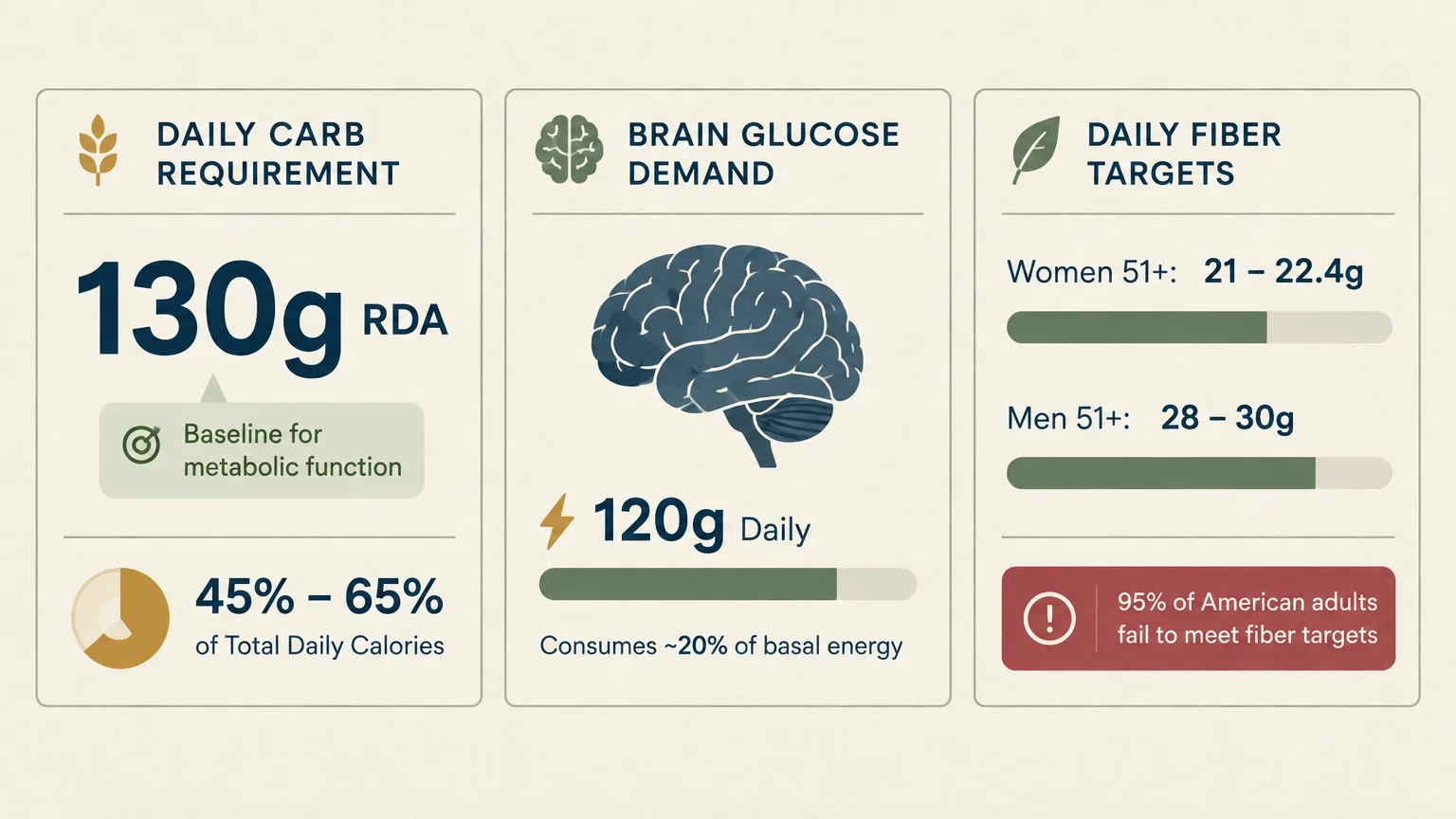
The National Academies established an adult Recommended Dietary Allowance of 130 grams of carbohydrates per day. This baseline represents the minimum amount required to fuel essential metabolic and cognitive functions.
Federal dietary guidelines recommend that complex carbohydrates comprise 45% to 65% of your total daily caloric intake. Consuming fewer carbs than this recommended range can disrupt your metabolism.
Your brain alone consumes approximately 120 grams of glucose every single day. That metabolic requirement accounts for roughly 20% of your body’s total basal energy expenditure.
When you eliminate starches, your central nervous system struggles to maintain its standard operating speed. This shortfall triggers pronounced mental fatigue, mild confusion, and low physical stamina.
Complex carbohydrates also deliver essential dietary fiber, which is critical for healthy aging. Fiber supports regular bowel movements, feeds beneficial gut bacteria, and assists in healthy cholesterol management.
Current guidelines recommend that women over 51 consume 21 to 22.4 grams of fiber daily. Men in the same age group require 28 to 30 grams each day for optimal digestive health.
Shockingly, official health data shows that 95% of American adults fail to meet these recommended fiber targets. This severe fiber shortfall makes whole plant carbohydrates a designated dietary necessity for older adults.
Many seniors cut starches after hearing about popular weight-loss trends. Unfortunately, avoiding these nutrient-dense foods often produces frustrating low carb side effects that impair everyday vitality.

9 Signs Your Body Needs More Complex Carbohydrates
Restricting wholesome carbs deprives your cells of their preferred daily fuel source. Here are nine clear indicators that your daily menu requires more unrefined starches.
1. Persistent Daytime Fatigue and Low Stamina
If you feel exhausted despite sleeping eight hours, your cells may lack accessible fuel. Complex carbohydrates provide the primary source of clean energy that your muscles and organs need to function.
Without adequate complex carbohydrates benefits, your physical stamina deteriorates rapidly during regular daytime tasks. Simple routines like walking the dog or gardening suddenly feel like exhausting chores.
Replenishing your glycogen stores with whole grains helps banish this lingering heaviness. You will likely feel a renewed sense of strength throughout your afternoons.
2. Frequent Brain Fog and Difficulty Concentrating
Because your brain relies on a steady glucose supply, carb deficits directly hamper your focus. You might misplace household items, forget names, or struggle through simple morning crossword puzzles.
These cognitive lapses represent classic symptoms of carb deficiency in older adults. Without steady fuel, your neurotransmitters cannot communicate at optimal speeds.
Adding wholesome oats or roasted root vegetables provides your brain with stable, long-lasting mental clarity. You will quickly notice sharper recall and improved attention span.
3. Irregular Digestion and Chronic Constipation
Complex carbohydrates serve as the main dietary vehicle for soluble and insoluble fiber. When you drastically eliminate starches, your digestive tract slows to a painful crawl.
Insoluble plant fibers add vital bulk to your stool, enabling smooth and predictable elimination. Soluble fibers attract water inside your gut, keeping your stools soft and comfortable to pass.
Without these natural plant components, seniors frequently suffer from painful straining and uncomfortable abdominal bloating. Gentle fiber restoration offers fast, dependable relief for sluggish bowels.
4. Intense Cravings for Sugary Foods
When your body runs dangerously low on steady fuel, survival instincts take over. Your brain sends urgent chemical signals that demand fast, refined sugars to raise blood glucose immediately.
You might find yourself longing for pastries, hard candies, or processed sodas during the late afternoon. These urgent desires indicate that your meals lacked satisfying, slow-burning complex starches.
Eating balanced portions of brown rice, beans, or barley keeps your blood sugar wonderfully stable. This steady internal state silences relentless sugar cravings before they even begin.
5. Feeling Unusually Cold Throughout the Day
Carbohydrates play a vital role in regulating your basal metabolic rate and cellular heat production. Severe carbohydrate restriction can slow your thyroid hormones, causing your internal thermostat to drop.
You may notice cold hands, chilly feet, or a need for extra blankets indoors. This sensitivity to cold often points to an underfueled metabolic engine.
Restoring complex starches revives normal thyroid hormone conversion and stimulates healthy cellular thermogenesis. Your body will naturally generate cozy warmth from the inside out once again.
6. Uncharacteristic Mood Swings and Irritability
Carbohydrates facilitate the entry of tryptophan into your brain, which produces the calming neurotransmitter serotonin. Without adequate carbs, your brain produces significantly less of this mood-stabilizing chemical.
You may experience sudden bouts of irritability, unexplained sadness, or reduced patience with family members. Many people mistakenly dismiss these emotional shifts as normal aging rather than nutritional shortages.
Adding moderate portions of healthy complex carb foods restores optimal serotonin synthesis. A warm bowl of oatmeal or lentil soup can quickly brighten your overall outlook.
7. Restless Sleep and Waking Up Hungry
Your liver stores glycogen to supply your central nervous system with glucose while you sleep. If your liver glycogen empties overnight, your body releases stress hormones like cortisol and adrenaline.
These stress hormones wake you abruptly at two or three in the morning with a racing mind. You might also notice a growling stomach or an uncomfortable sense of morning shakiness.
Consuming a small portion of slow-digesting starches with dinner prevents these nocturnal blood sugar crashes. You will enjoy deeper, uninterrupted slumber and wake up feeling thoroughly refreshed.
8. Sluggish Muscle Recovery and Prolonged Soreness
Physical activity depletes the glycogen stored directly inside your skeletal muscle tissue. Complex carbohydrates replenish these vital internal reserves, preparing your muscles for tomorrow’s stroll or light strength training.
When carbs are missing, your muscle fibers remain depleted and struggle to repair normal microscopic wear. Lingering aches, stiffness, and weakness can easily persist for several days after mild exercise.
Feeding your working muscles with sweet potatoes or quinoa accelerates cellular recovery and preserves physical strength. Consistent refueling keeps you feeling nimble and eager for your next active walk.
9. Noticeable Loss of Muscle Mass and Physical Tone
When you starve your body of dietary carbohydrates, it must find alternative fuel sources. In severe deficits, your metabolism breaks down lean muscle tissue to convert amino acids into glucose.
Seniors already face an age-related loss of muscle mass known as sarcopenia. Losing additional lean tissue through inadequate carbohydrate intake weakens your balance and raises your fall risk.
Eating sufficient complex carbohydrates spares your precious muscle tissue from metabolic breakdown. Protecting your physical frame keeps you confident, capable, and happily independent at home.

Practical Tips for a Healthier, Happier Life
Reintroducing unrefined starches into your daily meals does not require complicated cooking or drastic menu changes. Simple, gentle additions will help you reap powerful complex carbohydrates benefits every single day.
Choose Whole Grains Over Refined Flour
Swap out white bread, standard bagels, and instant white rice for minimally processed whole grain options. Steel-cut oats, wild rice, farro, and 100% whole grain sourdough offer superior vitamins and fiber.
These wholesome grains break down slowly inside your digestive system, preventing stressful blood sugar surges. They also supply valuable B vitamins that nourish your nerves and support daily heart health.
Incorporate Hearty Legumes and Beans
Beans, lentils, and split peas are culinary powerhouses that deliver stellar nutrition for older adults. They provide a generous combination of complex starches, soluble fiber, and plant-based protein.
Toss rinsed black beans into green salads or simmer green lentils into soothing vegetable soups. Eating just one-half cup daily provides incredible digestive comfort and steady cardiovascular benefits.
Embrace Colorful, Nutrient-Dense Root Vegetables
Root vegetables provide an earthy, naturally sweet way to meet your daily starch requirements. Sweet potatoes, butternut squash, parsnips, and beets offer rich supplies of vitamin A and protective antioxidants.
Roast a tray of cubed sweet potatoes with olive oil and fragrant rosemary for easy meal prep. These comforting vegetables satisfy your appetite while strengthening your natural immune defenses.
Pair Carbohydrates with Healthy Proteins and Fats
Always combine your complex starches with high-quality protein and beneficial unsaturated fats. Adding baked salmon, pasture-raised eggs, or sliced avocado further slows gastric emptying and stabilizes blood sugar.
This balanced culinary triad keeps your energy completely even across four to five hours. You will avoid sudden slumps and enjoy sustained mental and physical comfort throughout your day.
Stay Hydrated as You Increase Fiber Intake
Whenever you add healthy complex carb foods to your diet, you must also increase your water intake. Dietary fiber needs ample fluids to swell properly and navigate your gastrointestinal system comfortably.
Sip fresh water, herbal teas, or clear broths consistently between your daily meals. Proper hydration ensures your digestive system remains comfortable, active, and functioning at its peak.

Important Safety Precautions to Keep in Mind
Transitioning your diet should always happen with patience, gentleness, and thoughtful awareness. Rushing the process can occasionally lead to temporary digestive discomfort or unhelpful blood sugar fluctuations.
If your current diet contains very little fiber, increase your daily intake gradually over several weeks. Doubling your fiber overnight can cause abdominal cramps, excess gas, and uncomfortable bloating.
Give your beneficial intestinal bacteria adequate time to adapt to your new, fiber-rich whole foods. Slow and steady additions ensure a smooth and painless transition for your gastrointestinal tract.
Seniors managing type 2 diabetes must continue to monitor their blood glucose readings carefully. While complex carbs digest slowly, total carbohydrate portion sizes still influence post-meal blood sugar levels.
Spread your carbohydrate intake evenly across breakfast, lunch, and dinner rather than consuming large portions at once. Consistent distribution helps maintain smooth, predictable blood sugar curves throughout the day.
If you live with chronic kidney disease, speak with your care team before increasing beans and potatoes. Certain wholesome complex carbohydrates contain high levels of potassium or phosphorus that require careful supervision.

When to Speak with a Healthcare Professional
Dietary changes provide extraordinary support, but they cannot replace individualized medical care from your physician. Some symptoms that resemble low carb side effects may indicate underlying medical conditions.
Schedule a medical evaluation if you experience persistent extreme fatigue that does not improve after dietary changes. Chronic exhaustion can stem from thyroid disorders, anemia, cardiovascular issues, or clinical sleep apnea.
Consult your doctor immediately if you encounter sudden dizziness, unexplained fainting, or unintended rapid weight loss. These warning signs require prompt diagnostic testing to safeguard your long-term health and safety.
Always discuss major dietary adjustments with your primary care provider or a registered dietitian. A qualified professional can tailor carbohydrate and fiber targets to your unique medical history and medications.
For authoritative, trustworthy health information, always consult official sources like the National Institute on Aging (NIA) and MedlinePlus from the National Library of Medicine. The CDC also provides excellent resources for older adults.
Disclaimer: This article is for informational purposes only and does not constitute medical advice. Always seek the advice of your physician or other qualified health provider with any questions you may have regarding a medical condition.
Frequently Asked Questions
Will eating more complex carbohydrates cause seniors to gain excess weight?
Unrefined complex carbohydrates do not inherently cause unwanted weight gain when eaten in mindful portions. Their rich fiber and water content promote long-lasting satiety, naturally preventing overeating and mindless snacking.
In fact, substituting whole grains and root vegetables for refined sugars often supports healthy, sustainable weight management. Wholesome starches fuel physical activity, helping you burn more daily energy with ease.
How many grams of carbohydrates do older adults need each day?
The established Recommended Dietary Allowance sets a baseline minimum of 130 grams of carbohydrates daily for adults. This standard ensures your brain and central nervous system receive the essential glucose they need.
Most older adults thrive when carbohydrates supply between 45% and 65% of their daily caloric intake. Your exact target will depend on your personal activity level, metabolism, and existing medical considerations.
Can complex carbohydrates help regulate blood sugar levels in seniors?
Yes, complex carbohydrates provide substantial soluble fiber that slows the breakdown and absorption of glucose in your intestines. This gradual process prevents the sharp blood sugar spikes commonly triggered by processed foods.
Consistent intake of high-fiber grains and legumes can also enhance your body’s natural insulin sensitivity over time. Pairing these foods with lean protein ensures exceptionally smooth glycemic control throughout your day.
What is the easiest way for seniors to prepare healthy complex carb foods?
Batch cooking whole grains like brown rice or quinoa saves significant kitchen time and physical effort. Cook a large pot on Sunday, divide it into glass containers, and refrigerate portions for quick weekly meals.
Canned beans also provide an effortless, budget-friendly source of complex starches that require zero boiling. Simply rinse low-sodium black beans or chickpeas under cold running water and stir them directly into hot soups.