
A groundbreaking blood test can now identify biological signs of Alzheimer’s disease up to twenty years before noticeable memory loss begins. This simple draw offers unprecedented clarity for your long-term cognitive health.
Researchers have developed tests that detect specific brain proteins with remarkable precision. This diagnostic advance gives you and your medical team valuable time to take proactive steps for brain protection.
Learning about this diagnostic tool empowers you to make informed, calm decisions regarding your cognitive well-being. Here is what you should know about this emerging science.
Understanding the Basics of Alzheimer’s Blood Tests for Seniors
The Science Behind the Breakthrough
For decades, identifying Alzheimer’s disease required invasive spinal taps or expensive brain imaging scans. Today, an innovative Alzheimer’s blood test is transforming how doctors evaluate memory changes.
These new diagnostic tests measure specific biomarkers circulating in your bloodstream. The most notable biomarker is phosphorylated tau 217, commonly known as p-tau217.
Scientists also examine ratios between amyloid beta proteins, specifically Aβ42 and Aβ40. Together, these measurements form composite scores like the Amyloid Probability Score 2.
When amyloid plaques and tau tangles accumulate in the brain, tiny protein fragments enter your blood. Advanced laboratory equipment can now detect these microscopic proteins with extraordinary sensitivity.
Remarkable Accuracy in Clinical Trials
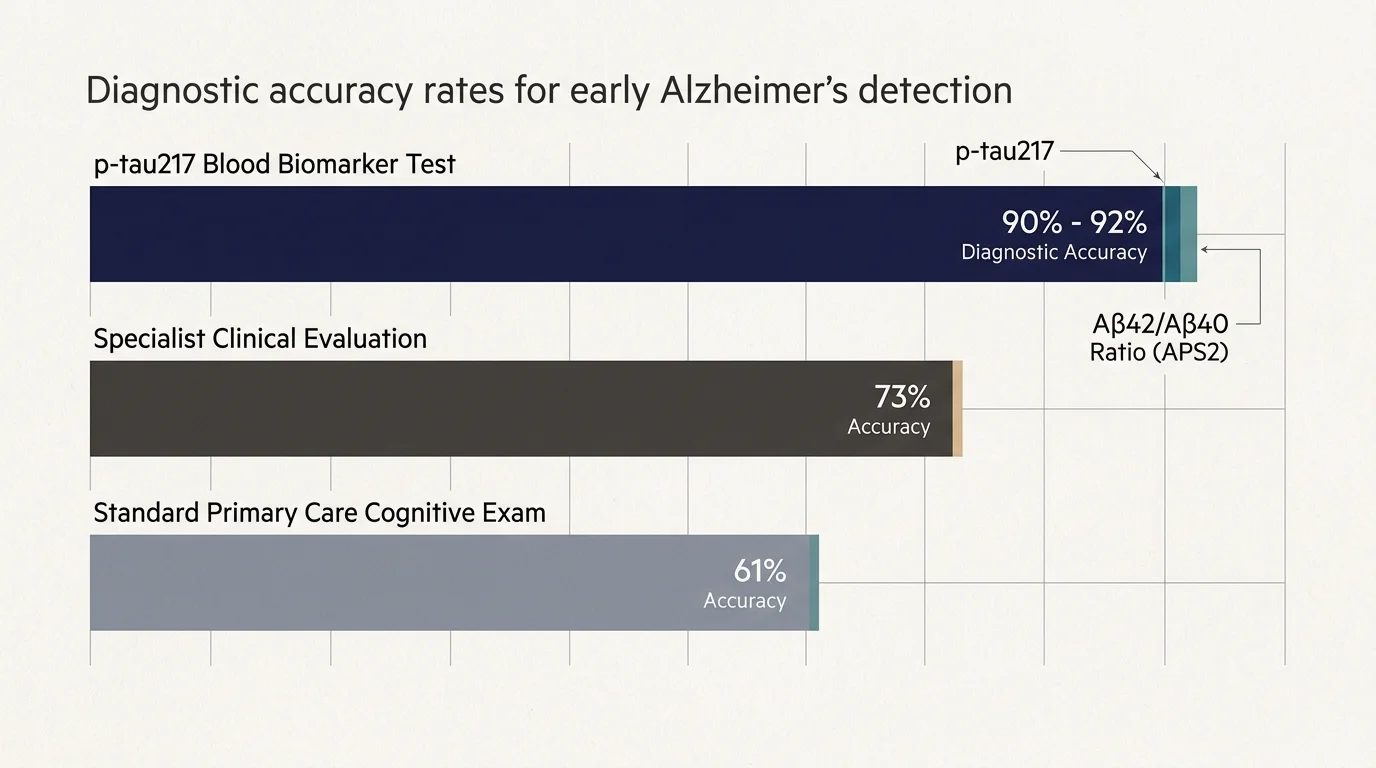
Recent clinical studies published in major medical journals show that p-tau217 tests achieve roughly 90% to 92% diagnostic accuracy. This performance matches gold-standard cerebrospinal fluid tests and positron emission tomography scans.
In routine primary care settings, traditional cognitive exams often yield an accuracy rate of only 61%. Even specialized dementia doctors achieve approximately 73% accuracy using standard clinical interviews alone.
By reaching over 90% accuracy, this blood testing method provides clear confirmation of amyloid pathology. It eliminates much of the guesswork previously associated with early memory evaluations.
Predicting Changes Years in Advance
Pathological brain changes often begin 15 to 20 years before clinical symptoms or memory lapses appear. Blood biomarkers can identify these subtle changes during this silent, preclinical phase.
A study published in JAMA evaluated unimpaired older adults over a five-year period. Participants with elevated baseline p-tau217 faced a 38% risk of cognitive decline within five years.
In contrast, individuals with low baseline biomarker levels showed only a 12% risk of progression. This long timeline provides a vital window for early intervention and lifestyle optimization.
Comparing Blood Tests to Traditional Diagnostic Methods
Traditional diagnostic PET scans can cost between $3,000 and $5,000 out-of-pocket. They also require exposure to specialized radiotracers and specialized imaging facilities.
Lumbar punctures require inserting a needle into the spinal canal to collect cerebrospinal fluid. While accurate, this invasive procedure often causes physical discomfort and carries procedural risks.
A standard blood draw is far simpler, safer, and more convenient for older adults. It can be completed in a routine clinical laboratory setting in just a few minutes.
FDA Clearances and Clinical Guidelines
The U.S. Food and Drug Administration cleared tests like PrecivityAD2 to evaluate adults aged 40 and older. This test aids doctors in assessing patients who experience documented memory concerns.
The Alzheimer’s Association now includes blood biomarkers in its clinical practice guidelines. They recommend tests with at least 90% accuracy as confirmatory tools alongside comprehensive clinical assessments.
These diagnostic tools also determine eligibility for newer disease-modifying therapies like lecanemab and donanemab. These treatments specifically target amyloid buildup and require confirmed biological evidence before administration.

Practical Tips for a Healthier, Happier Life
1. Recognize When Early Testing Is Appropriate
You should consider an evaluation if you or your family notice persistent memory changes. This early Alzheimer’s detection tool is designed specifically for symptomatic individuals.
Major neurological guidelines currently recommend blood biomarker tests for people experiencing mild cognitive impairment. They are not intended as standalone screening tests for adults without any symptoms.
Documenting your daily routines and specific memory lapses helps your doctor evaluate your situation. Keeping a simple journal provides helpful context during your medical appointments.
2. Nourish Your Brain with Anti-Inflammatory Foods
A brain-healthy dietary pattern supports your cognitive resilience regardless of your biomarker status. The Mediterranean-DASH Intervention for Neurodegenerative Delay, known as the MIND diet, offers proven benefits.
Focus on colorful berries, dark leafy greens, whole grains, and healthy fats from extra virgin olive oil. These nutrient-dense foods reduce systemic inflammation and oxidative stress across your nervous system.
Incorporate wild-caught fish rich in omega-3 fatty acids twice every week. Fatty acids like DHA strengthen neuronal membranes and support healthy cellular communication in your brain.
Limiting heavily processed snacks, refined sugars, and excessive saturated fats also protects delicate cerebral blood vessels. Clean nutrition fuels your brain cells and preserves daily mental clarity.
3. Engage in Daily Physical Movement
Regular cardiovascular exercise increases cerebral blood flow and promotes brain-derived neurotrophic factor. This vital protein encourages the growth and survival of your brain cells.
Aim for 150 minutes of moderate physical activity, such as brisk walking, swimming, or light cycling, each week. Breaking this goal into manageable 20-minute daily sessions makes it easy to maintain.
Strength training exercises twice a week also help preserve motor function and metabolic stability. Simple bodyweight exercises and resistance bands protect both your muscles and mind.
Gentle activities like yoga or tai chi enhance your balance and reduce stress hormones. Staying physically active remains one of the best defenses against cognitive decline.
4. Prioritize Deep, Restorative Sleep
During deep sleep cycles, your brain activates its glymphatic waste clearance system. This essential nighttime process washes away metabolic debris, including toxic amyloid and tau proteins.
Aim for seven to eight hours of consistent, restful sleep each night. Establishing a soothing evening routine signals to your nervous system that it is time to unwind.
Keep your bedroom cool, dark, and free from bright screens before bedtime. If you snore loudly or wake up feeling tired, ask your doctor to evaluate you for sleep apnea.
Treating underlying sleep disorders restores healthy oxygen levels to your brain. Quality sleep protects your memory pathways and supports optimal daily cognitive function.
5. Cultivate Social and Cognitive Engagement
Challenging your mind builds cognitive reserve, which helps your brain compensate for age-related changes. Learn a musical instrument, solve complex puzzles, or study an unfamiliar language.
Meaningful social interaction provides powerful protection against memory loss and emotional isolation. Schedule regular visits with close friends, join community groups, or volunteer for local causes.
Sharing laughter and engaging conversations stimulates multiple areas of your brain simultaneously. Emotional connection remains one of the most rewarding holistic tools for lifelong brain wellness.
Participating in group hobbies or book clubs keeps your thinking agile and creative. Staying socially connected enriches your everyday life while shielding your cognitive faculties.
6. Optimize Vascular and Metabolic Health
What protects your heart directly protects your brain. Managing your blood pressure, blood glucose, and cholesterol levels prevents microvascular damage to neural tissues.
Work with your doctor to maintain healthy blood pressure numbers through gentle diet and exercise. Uncontrolled hypertension can accelerate cognitive decline by damaging tiny cerebral vessels.
Stay hydrated throughout the day by drinking plenty of fresh water. Proper hydration supports metabolic balance and helps transport essential nutrients to your brain cells.
7. Explore Modern Medical Therapies Early
Receiving a timely diagnosis opens doors to groundbreaking medical treatments. Recently approved monoclonal antibody medications slow cognitive decline by clearing amyloid plaques directly from brain tissue.
These medications are most effective during the earliest stages of mild cognitive impairment. An Alzheimer’s diagnosis breakthrough test ensures you can access targeted therapies when they matter most.
Work closely with a neurologist to discuss the potential benefits and monitoring requirements of these treatments. Being proactive allows you to make informed, collaborative decisions about your care.
Important Safety Precautions to Keep in Mind
Understanding Test Scope and Limitations
A new dementia blood test is not a stand-alone crystal ball. It reflects underlying biological pathology rather than your day-to-day functional abilities.
Medical experts strongly advise against using these tests as routine screenings if you have no memory symptoms. Having elevated biomarkers indicates increased statistical risk, not an absolute certainty of developing dementia.
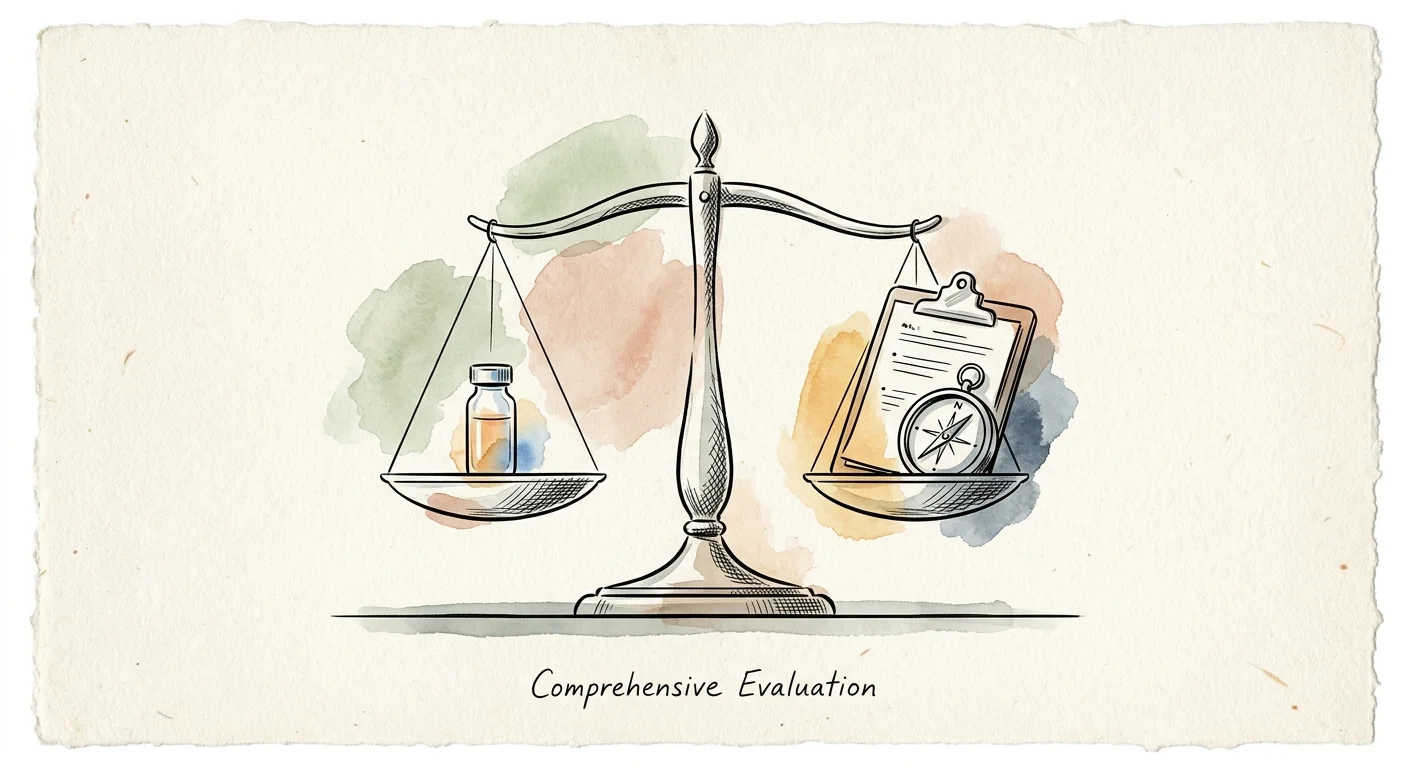
Your doctor must always interpret laboratory results alongside thorough neurological examinations and cognitive testing. Comprehensive assessments ensure that other treatable causes of memory loss are not overlooked.
Navigating the Emotional Impact
Receiving biomarker results can naturally trigger feelings of anxiety or uncertainty about the future. Before testing, discuss with your family how you might handle various possible outcomes.
Consider speaking with a professional counselor or social worker specializing in senior health. Emotional support helps you process information calmly and make constructive plans with confidence.
Focusing on proactive lifestyle adjustments can turn anxiety into purposeful action. Remember that biomarker knowledge is a tool for empowerment, not a reason for fear.
Financial and Testing Quality Considerations
Clinical blood tests like PrecivityAD2 typically cost between $1,000 and $1,400 out-of-pocket. Commercial insurance plans and patient assistance programs increasingly help offset these laboratory expenses.
In contrast, traditional amyloid PET scans often cost $3,000 to $5,000 or more. Blood tests offer a far more accessible and cost-effective alternative for clinical evaluation.
Be cautious with direct-to-consumer screening kits purchased online without medical supervision. Always ensure your physician orders and interprets validated laboratory tests within a clinical care setting.
Avoiding Unverified Supplements and Miracle Claims
Be cautious of online products promising to reverse or prevent memory loss overnight. Many unverified brain supplements make bold claims without credible scientific backing.
Always discuss new vitamins or herbal supplements with your physician before taking them. Your doctor ensures that new products do not interfere with your existing prescription medications.

When to Speak with a Healthcare Professional
Recognizing Warning Signs
It is completely normal to occasionally misplace your glasses or forget an acquaintance’s name. However, consistent memory disruptions that interfere with daily life warrant a medical evaluation.
Schedule an appointment if you experience difficulty managing household finances or cooking familiar recipes. Trouble tracking dates, seasons, or personal appointments is another important sign.
Noticeable changes in mood, personality, or uncharacteristic social withdrawal should also be evaluated promptly. Frequent word-finding struggles that disrupt regular conversations represent another key symptom.
Getting lost in familiar neighborhoods or struggling with spatial relationships deserves immediate medical attention. Addressing these subtle changes early allows your physician to investigate all potential causes.
Collaborating with Your Care Team
A comprehensive cognitive evaluation often involves your primary care physician, a neurologist, and a neuropsychologist. Working with a multidisciplinary team ensures you receive thorough and compassionate care.
Specialists can perform detailed cognitive assessments to evaluate your memory, language, and problem-solving skills. These assessments provide an accurate baseline to monitor your brain health over time.
Preparing for Your Medical Appointment
Write down a detailed list of your symptoms, including when they began and how often they occur. Bring a trusted family member or close friend to your appointment for support.
Ask your doctor whether a blood test for dementia could clarify your clinical situation. Your physician can also check for reversible issues like vitamin deficiencies or thyroid imbalances.
Review all current medications and supplements with your healthcare provider to rule out side effects. Open communication ensures you receive an accurate diagnosis and an individualized wellness plan.
Remember that seeking medical guidance puts you in complete control of your health journey. Proactive discussions empower you and your family to make thoughtful decisions together.
Frequently Asked Questions
How accurate is a blood test for dementia compared to traditional scans?
High-performance blood tests measuring p-tau217 achieve roughly 90% to 92% diagnostic accuracy. This performance matches gold-standard PET imaging scans and cerebrospinal fluid lumbar punctures.
By contrast, standard primary care clinical exams achieve only 61% accuracy, while specialist assessments reach 73%. Blood testing provides a significantly more objective and reliable diagnostic tool.
Can an Alzheimer’s blood test detect changes before symptoms begin?
Yes, blood biomarkers can detect amyloid and tau accumulations 15 to 20 years before overt symptoms appear. This capability identifies biological disease progression during the earliest preclinical stages.
However, current medical guidelines do not recommend testing for people without cognitive symptoms. Testing is reserved for adults with documented memory concerns to guide personalized treatment plans.
Does Medicare or private insurance cover this new dementia blood test?
Insurance coverage is expanding, with major commercial insurers increasingly covering approved blood tests under specific clinical criteria. Patient assistance programs also help reduce out-of-pocket costs.
While out-of-pocket costs range from $1,000 to $1,400, this remains much cheaper than PET scans. Speak with your healthcare provider and insurance company to verify your specific coverage terms.
If my blood test shows elevated p-tau217, will I definitely develop dementia?
An elevated biomarker result indicates biological pathology rather than a guaranteed diagnosis of dementia. In clinical studies, individuals with high p-tau217 faced a 38% risk of cognitive decline over five years.
Many people with biomarkers maintain functional cognitive independence for many years. Adopting healthy lifestyle habits and exploring early medical therapies can profoundly support your long-term brain health.
What is the difference between clinical blood tests and direct-to-consumer kits?
Clinical blood tests like PrecivityAD2 are ordered by doctors and analyzed in accredited diagnostic laboratories. They provide high diagnostic accuracy to support medical evaluations and treatment decisions.
Direct-to-consumer kits retail for around $399 but lack medical context when taken at home. You should always review biomarker test results with a qualified healthcare professional.
For authoritative, trustworthy health information, always consult official sources like the National Institute on Aging (NIA) and MedlinePlus from the National Library of Medicine. The CDC also provides excellent resources for older adults.
Disclaimer: This article is for informational purposes only and does not constitute medical advice. Always seek the advice of your physician or other qualified health provider with any questions you may have regarding a medical condition.