
Keeping your home spotless should bring you peace of mind and comfort, not put your respiratory health at risk due to dangerous chemical reactions. Mixing the wrong household cleaners can quickly turn a routine chore into a severe hazard, creating toxic gases that irritate your lungs, eyes, and skin. As we age, our respiratory systems become more sensitive, making cleaning safety an essential part of healthy living. You can maintain a pristine living space without exposing yourself to harmful fumes simply by knowing which products must stay separated. This guide explains exactly which common cleaning products you should never mix and offers safe alternatives to help you tackle tough stains effectively and breathe easy in your home.
Understanding the Basics of Safe Household Cleaning for Seniors
As you age, your body undergoes natural physiological changes that make you much more vulnerable to environmental toxins. Your lungs gradually lose some of their elasticity, meaning your respiratory system possesses less reserve capacity to bounce back from sudden irritation. Furthermore, your skin becomes thinner over time, making it easier for harsh chemicals to penetrate the surface and cause painful contact dermatitis. When managing your regular home cleaning tasks, you might naturally lean on trusted products you have used effectively for decades. However, combining certain household cleaners out of a desire to achieve a deeper, faster clean can initiate invisible, highly dangerous chemical reactions in the air you breathe.
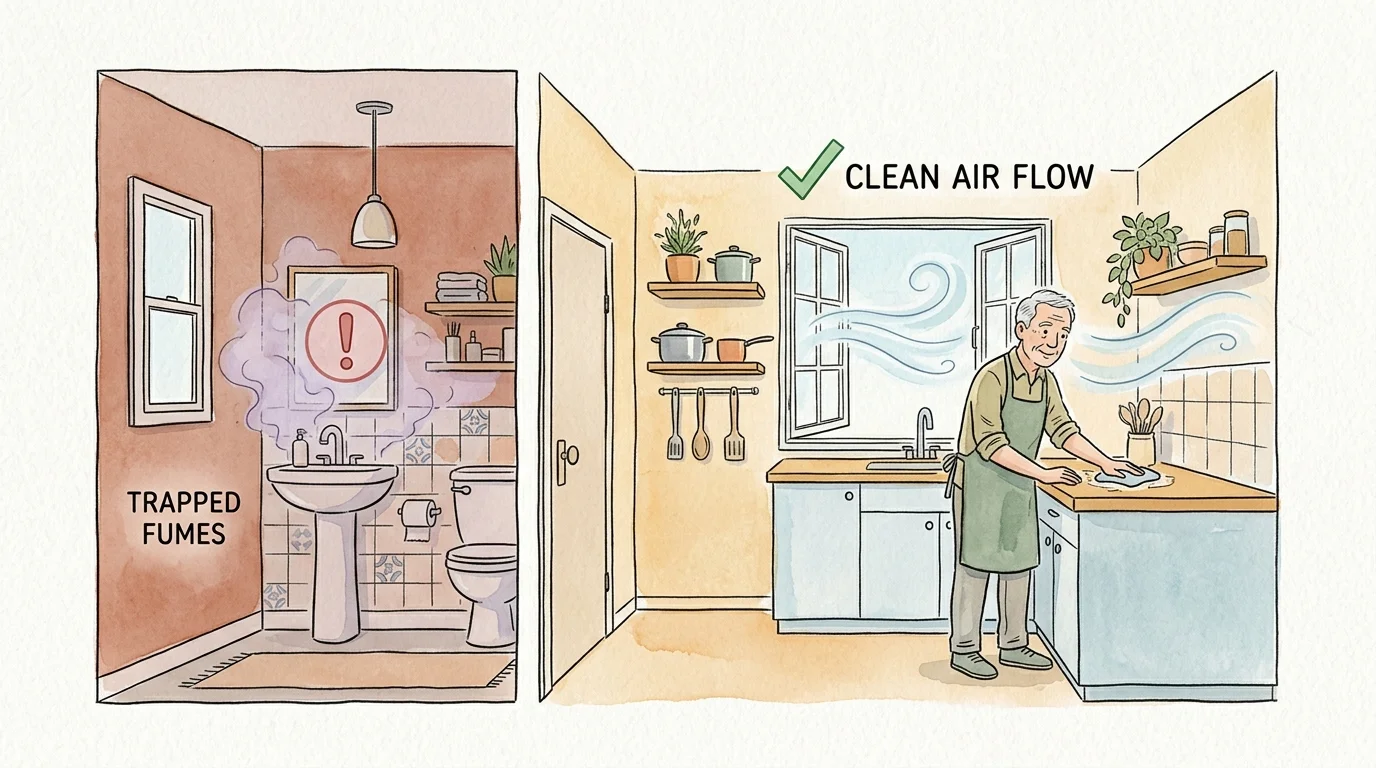
Many older adults unknowingly create hazardous environments in their own bathrooms and kitchens simply by using multiple products in rapid succession. For instance, you might spray your medicine cabinet mirror with a glass cleaner and simultaneously scrub the porcelain sink directly below it with bleach. In the confined space of a small bathroom with limited airflow, the resulting chemical fumes can quickly overwhelm your respiratory system. Prioritizing cleaning safety means understanding that using more chemicals does not equal a cleaner home. A pristine living environment should support your overall health; it should never compromise your ability to breathe deeply and comfortably. By learning exactly how everyday cleaning solutions interact on a molecular level, you empower yourself to maintain a beautifully spotless environment both safely and effectively.
Practical Tips for a Healthier, Happier Life
To protect your respiratory health while keeping your living spaces fresh and sanitized, you must completely avoid mixing specific household cleaners. Below are ten everyday chemical combinations you should never create, along with the concrete reasons why they pose an immediate threat to your well-being.
1. Bleach and Ammonia
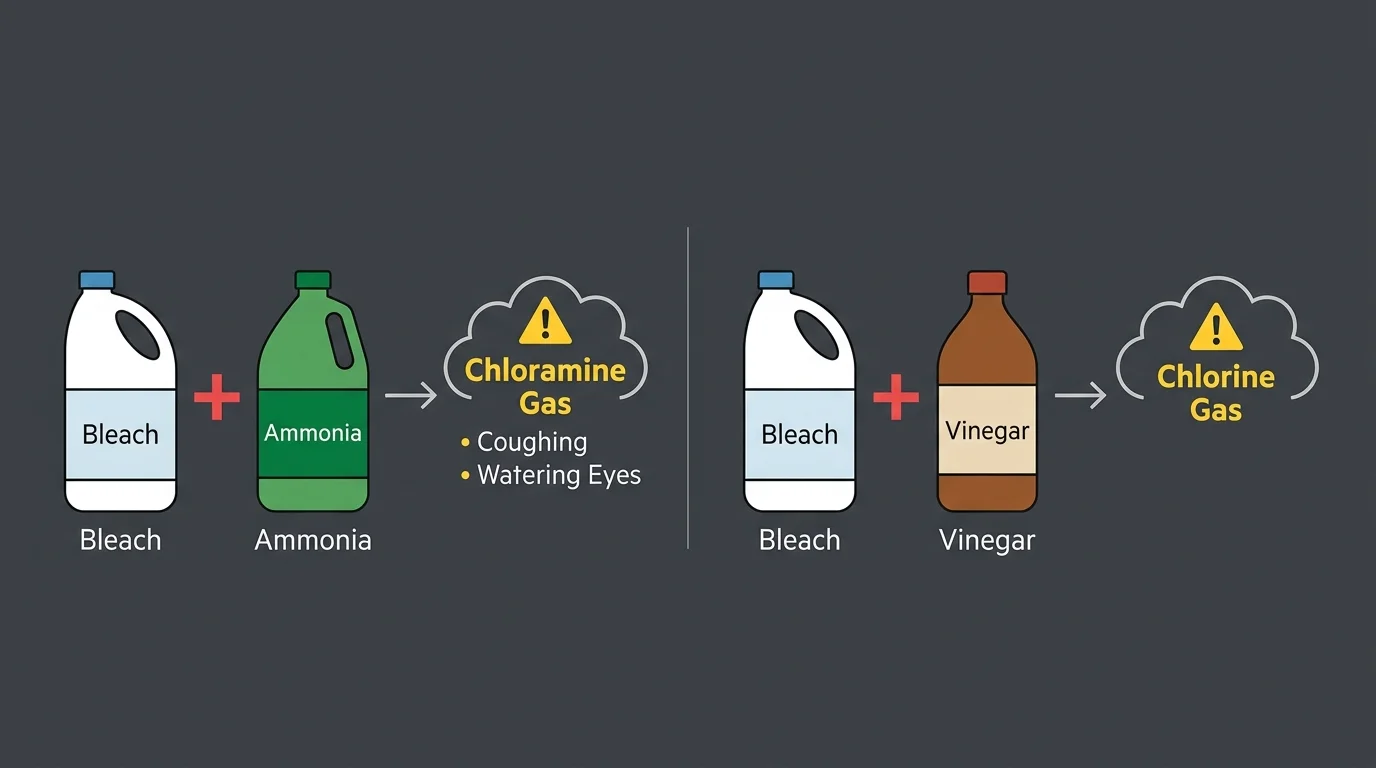
Ammonia operates as a powerful degreaser and is frequently found in commercial glass cleaners and window sprays. Bleach acts as a heavy-duty household disinfectant. When you combine these two common liquids, they instantly produce a highly toxic vapor known as chloramine gas. Breathing chloramine gas causes immediate and severe respiratory distress; you will likely experience relentless coughing, shortness of breath, and watering eyes. If you use an ammonia-based window cleaner on your bathroom mirrors, you must avoid using a bleach-based scrub on the vanity directly below it at the same time. Instead, wash your vanity with a mild dish soap and warm water, ensuring your breathing environment remains completely unobstructed and safe.
2. Bleach and Vinegar
White vinegar serves as a fantastic, natural option for cutting through kitchen grease and dissolving stubborn hard water stains. Because vinegar is an acid, mixing it with bleach releases deadly chlorine gas into your home. During World War I, armies actually used chlorine gas as a chemical weapon, which illustrates exactly how dangerous this combination can be. Exposure to chlorine gas burns your sensitive mucous membranes, leading to severe eye irritation, choking coughing fits, and painful chest tightness. If you want to sanitize a countertop after treating a stain with vinegar, you must thoroughly rinse the entire area with plain water and dry it completely before applying any bleach-based product.
3. Bleach and Rubbing Alcohol
Rubbing alcohol, or isopropyl alcohol, is a staple in many medicine cabinets for basic first aid and quick surface sanitation. However, when you mix rubbing alcohol with standard household bleach, you create chloroform. Chloroform is a powerful central nervous system depressant. Inhaling these invisible fumes can make you feel rapidly dizzy, profoundly nauseous, and completely disoriented. In severe cases, the fumes can cause you to pass out entirely, leading to dangerous falls on hard bathroom floors. You should never store these two products next to each other. If you need to disinfect a high-touch area like a doorknob, choose just one product and stick with it.
4. Hydrogen Peroxide and Vinegar
Many seniors use hydrogen peroxide and vinegar as a two-step, natural cleaning process to avoid commercial chemicals. While spraying one after the other on a surface is generally considered acceptable if the area is wiped down in between, you must never mix them together in the same container. Combining hydrogen peroxide and vinegar in a single spray bottle creates peracetic acid. This highly corrosive chemical will permanently damage your countertops, strip the finish off your floors, and cause severe chemical burns if it touches your thinning skin. Always keep these two natural cleaners in their separate, original bottles.
5. Different Brands of Drain Cleaners
Stubborn sink and bathtub clogs are incredibly frustrating. When one brand of liquid drain cleaner fails to clear the blockage, you might feel tempted to pour a different brand down the drain immediately afterward. You should never do this. Drain cleaners rely on extreme chemical formulas; some use highly alkaline lye, while others use potent sulfuric acid. When these opposing chemicals meet in your plumbing, they violently neutralize each other. This reaction generates explosive heat, which can crack your pipes or cause boiling, caustic liquid to erupt violently back out of the drain and onto your face and hands.
6. Bleach and Toilet Bowl Cleaner
Keeping a toilet bowl sparkling clean often requires targeted products designed to break down hard water rings and mineral deposits. To achieve this, most commercial toilet bowl cleaners utilize strong acidic formulas. Because they are acidic, adding a splash of liquid bleach to the toilet bowl alongside the commercial cleaner will rapidly generate toxic chlorine gas. Because bathrooms are typically small, enclosed spaces with limited ventilation, the gas concentrates quickly, posing an immediate threat to your lungs. Always choose a single toilet cleaning product and follow the manufacturer instructions exactly.
7. Bleach and Mildew Stain Removers
Scrubbing mildew from shower grout requires significant physical effort, making specialized mildew stain removers highly appealing for older adults looking for an easier home cleaning routine. These specialty removers typically contain distinct fungicides and specific acids designed to dissolve mold spores. Spraying bleach over these treated areas creates a highly dangerous chemical reaction similar to mixing bleach and vinegar. The resulting fumes will severely irritate your throat and lungs. If you are battling tough shower mold, use a dedicated mildew remover by itself, turn on your bathroom exhaust fan, and let the product do the heavy lifting.
8. Baking Soda and Vinegar in a Closed Container
Combining baking soda and vinegar creates a classic, bubbling chemical reaction that works wonders for loosening grime in an open kitchen drain. However, the danger arises from how you store this combination. If you attempt to create a homemade cleaning solution by mixing baking soda and vinegar in a plastic spray bottle and sealing it shut with a cap, you are essentially creating a small pressure bomb. The mixture rapidly releases carbon dioxide gas. Without an escape route, the gas pressure builds until the bottle forcefully explodes, projecting sharp plastic shards and liquid forcefully into your eyes.
9. Oven Cleaner and Bleach
Cleaning a baked-on oven interior is a demanding chore. Commercial oven cleaners contain heavy-duty chemical degreasers, often formulated with strong alkaline ingredients to dissolve burnt food. Bleach reacts terribly with these heavy-duty degreasers, producing a cloud of highly toxic vapors. Because you have to lean your head into the oven cavity to scrub it, mixing these products places your face directly in the path of the dangerous fumes. Stick exclusively to a dedicated oven cleaner, wear thick rubber gloves to protect your hands, and open your kitchen windows wide to ensure proper ventilation.
10. Dish Soap and Bleach
You might be tempted to add a small capful of bleach to a sink full of soapy water to thoroughly disinfect your dish sponges or cutting boards. Unfortunately, many popular liquid dish soaps contain amine compounds or small amounts of ammonia to help cut through tough food grease. When the bleach mixes with the soapy water, it produces chloramine gas that rises straight up toward your face as you wash your dishes. To safely disinfect your kitchen tools, wash them with plain dish soap and hot water first, rinse them completely, and then soak them in a strictly separate, diluted bleach solution.
Important Safety Precautions to Keep in Mind
Beyond avoiding specific chemical reactions, you can easily implement several simple daily habits to dramatically enhance your overall cleaning safety. Good ventilation remains your absolute primary defense against airborne respiratory irritants. Before you open a bottle of any heavy-duty household cleaner, proactively open a nearby window and turn on an exhaust fan. Moving fresh air continuously through the room dissipates lingering fumes rapidly and actively protects your sensitive lung tissue.
Always take the time to read the warning labels printed on the back of your household cleaners. Manufacturers clearly list all active ingredients and specifically note which chemical products you must not mix. You should also keep your cleaning supplies safely stored in their original containers. Transferring a cleaning liquid to an unmarked spray bottle significantly increases the risk of a dangerous mix-up later on. If a container develops a leak, dispose of it safely rather than pouring the remaining chemical into a spare jar.
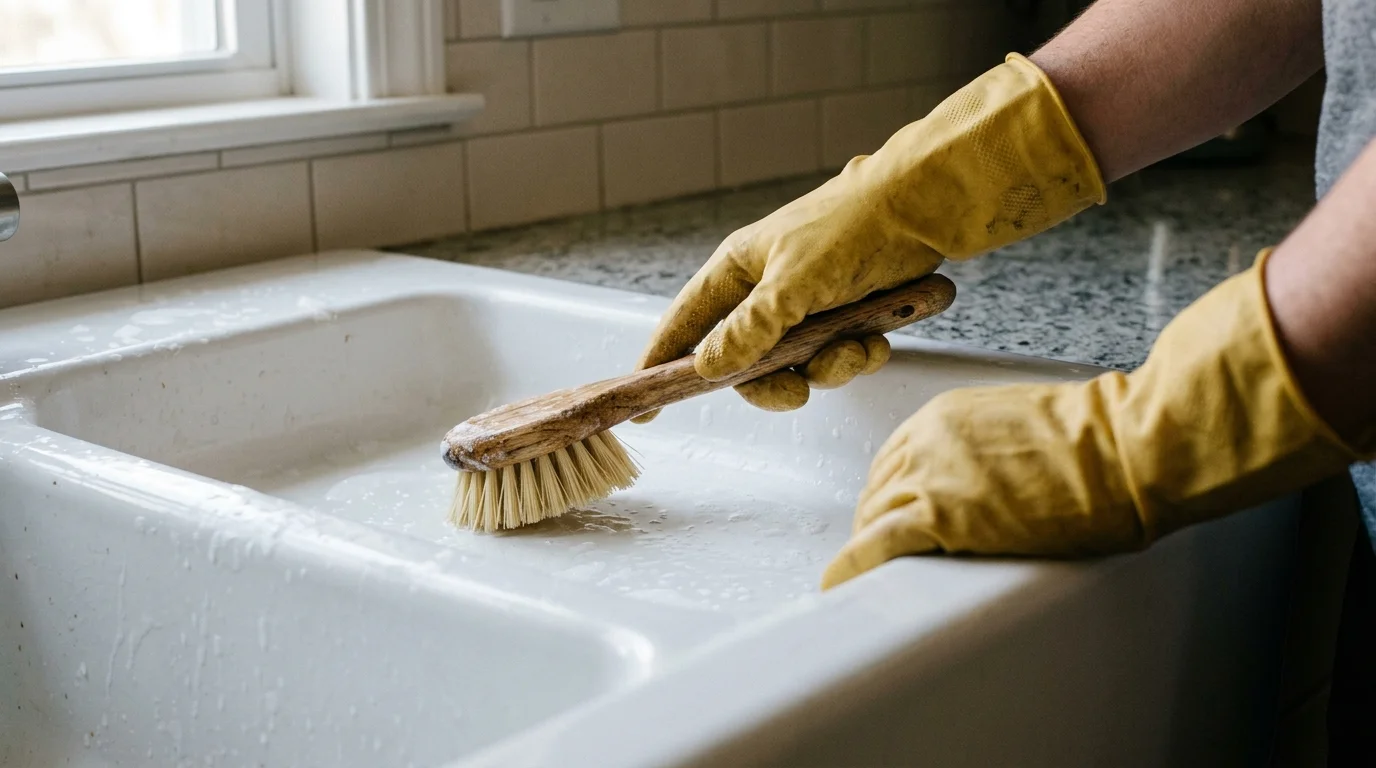
Finally, consider wearing protective gear to safeguard your body. A pair of thick rubber gloves shields your thinning skin from corrosive chemical burns and painful dermatitis. If you must use a strong-smelling product, wearing a simple paper mask can serve as a physical reminder to keep your face away from the direct source of the fumes. Take frequent, intentional breaks during your home cleaning routine; stepping into another room to breathe fresh air prevents accidental overexposure.

When to Speak with a Healthcare Professional
While this guide provides essential cleaning tips to help you proactively avoid dangerous chemical reactions, this information is absolutely not a substitute for professional medical advice. If you accidentally mix incompatible household cleaners and inhale the resulting toxic fumes, you must act quickly. Stop cleaning immediately, drop your tools, and move outdoors or into a highly ventilated area with fresh air.
You should seek emergency medical attention or contact a poison control center immediately if you experience severe shortness of breath, a persistent, violent cough that does not subside after reaching fresh air, or an intense burning sensation deep in your chest. Sudden dizziness, intense nausea, and unexplained muscle weakness also indicate a severe toxic exposure that requires immediate clinical evaluation by a medical professional.
Do not hesitate to call for professional help if a chemical mixture splashes directly into your eyes or causes a visible, painful burn on your skin. Your doctor can properly evaluate your symptoms and provide the necessary respiratory treatments or prescription skin care to prevent any long-term physical damage. Always keep the direct telephone number for your local poison control center clearly posted on your kitchen refrigerator or saved in your mobile phone contacts for rapid access during a home cleaning emergency.
Frequently Asked Questions
What should I do if I accidentally mix bleach and vinegar?
If you realize you have accidentally mixed these two products, stop your cleaning tasks immediately. Step away from the bubbling mixture and leave the room right away, ensuring you leave the door wide open behind you. Turn on any available exhaust fans and move to an area with plenty of fresh air. Do not attempt to neutralize the mixture by pouring more chemicals onto it. If you feel dizzy or have any trouble breathing, contact your local poison control center or emergency services immediately.
Are natural cleaners always safe to mix together?
No; simply being natural does not automatically mean a product is safe for chemical mixing. While natural ingredients are generally gentler on the environment, they still act as reactive chemicals. For example, combining natural baking soda and white vinegar in a closed, sealed spray bottle will cause pressure to build rapidly until the bottle forcefully bursts. Always use natural products exactly as directed by experts and avoid creating your own unverified, experimental mixtures.
How long should I wait between using different cleaning products on the same surface?
You should never apply a second cleaner until the first cleaning product is completely gone from the area. Thoroughly wash the surface with plenty of plain tap water to remove any chemical residue, and dry it completely with a clean cotton towel. Once the surface is entirely dry to the touch and completely free of any lingering scent from the first product, you can safely apply the second cleaner without risking a chemical reaction.
What are the safest cleaning alternatives for older adults with asthma?
If you have asthma, chronic obstructive pulmonary disease (COPD), or another sensitive respiratory condition, you should avoid harsh chemicals entirely. Plain warm water combined with a few tiny drops of mild, unscented dish soap handles most of your daily cleaning tasks perfectly well. For tougher grime, you can use plain baking soda mixed with water as a gentle, non-toxic abrasive scrub. Always prioritize unscented, mild products to effectively minimize your risk of triggering an asthma attack.
For authoritative, trustworthy health information, always consult official sources like the National Institute on Aging (NIA) and MedlinePlus from the National Library of Medicine. The CDC also provides excellent resources for older adults.
Disclaimer: This article is for informational purposes only and does not constitute medical advice. Always seek the advice of your physician or other qualified health provider with any questions you may have regarding a medical condition.