
Your health journey changes as you age, making a strong partnership with your primary care doctor essential for your daily vitality and long-term wellness. When your physician listens attentively, respects your lived experience, and addresses your evolving needs, you gain the confidence to manage your well-being effectively. However, subtle communication breakdowns, rushed appointments, or dismissed concerns can quietly signal that your current medical relationship no longer serves you best. Recognizing key signs to switch doctors allows you to take proactive control of your healthcare journey today. Finding a compassionate healthcare partner who aligns with your personal goals remains one of the most empowering choices you can make for your future.
Understanding the Basics of Primary Care Fit for Seniors
As you navigate your 50s, 60s, and beyond, your body requires a more nuanced approach to healthcare. Managing metabolic health, cardiovascular strength, joint mobility, and cognitive vitality demands open, continuous communication between you and your healthcare provider. Your primary care doctor fit refers to how seamlessly your physician’s clinical expertise, communication style, practice structure, and philosophy align with your personal wellness goals.
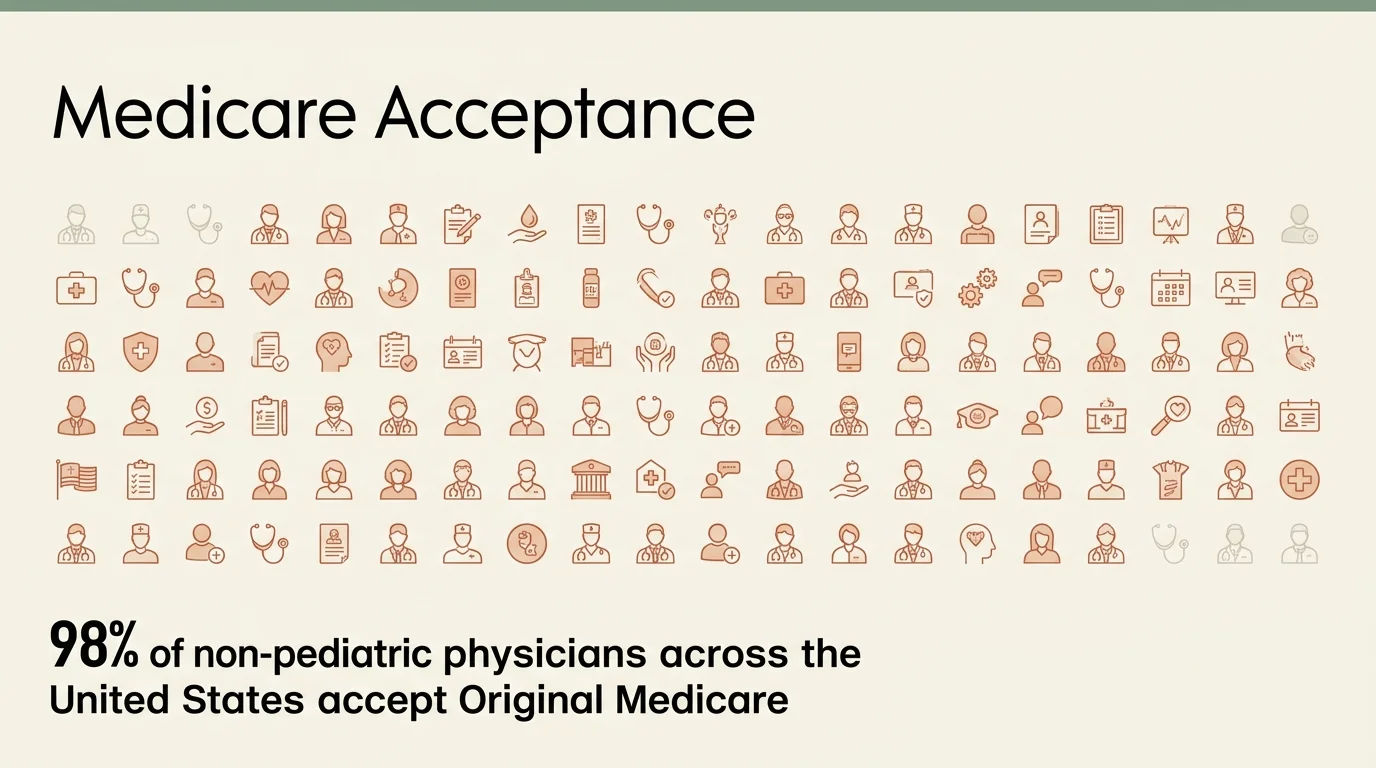
In an ideal medical partnership, your physician acts as a supportive advocate. They evaluate your daily energy, sleep patterns, emotional health, and lifestyle habits alongside routine lab work. Unfortunately, many older adults continue seeing a provider out of habit or convenience, even when care quality declines over time. Data shows that roughly 98% of non-pediatric physicians across the United States accept Original Medicare, which means you have viable, qualified alternatives in almost every community. Holding onto an unsupportive relationship simply because you have seen the same provider for years can compromise your long-term health outcomes.
A well-matched primary care provider takes time to understand your medical history while honoring your personal preferences. They help you balance preventative care with active treatments, ensuring that every medical recommendation fits your daily life. Recognizing whether your current provider meets these standards is the first step toward safeguarding your independence and vitality as you grow older.
Practical Tips for a Healthier, Happier Life
Evaluating your doctor patient relationship signs requires paying close attention to both clinical outcomes and emotional comfort. Below are eight distinct warning signs that your primary care relationship may need re-evaluation, followed by practical strategies for finding a clinician who truly supports your well-being.
1. Your Symptoms Are Consistently Dismissed as “Normal Aging”
Ageism in healthcare occurs when a provider attributes ongoing fatigue, memory changes, joint discomfort, or shortness of breath strictly to getting older. While physical changes occur over time, persistent symptoms usually point to treatable underlying conditions such as thyroid imbalances, vitamin deficiencies, or early cardiovascular changes. A skilled physician investigates your symptoms thoroughly rather than waving them off as inevitable consequences of aging.
2. You Feel Rushed and Unheard During Appointments
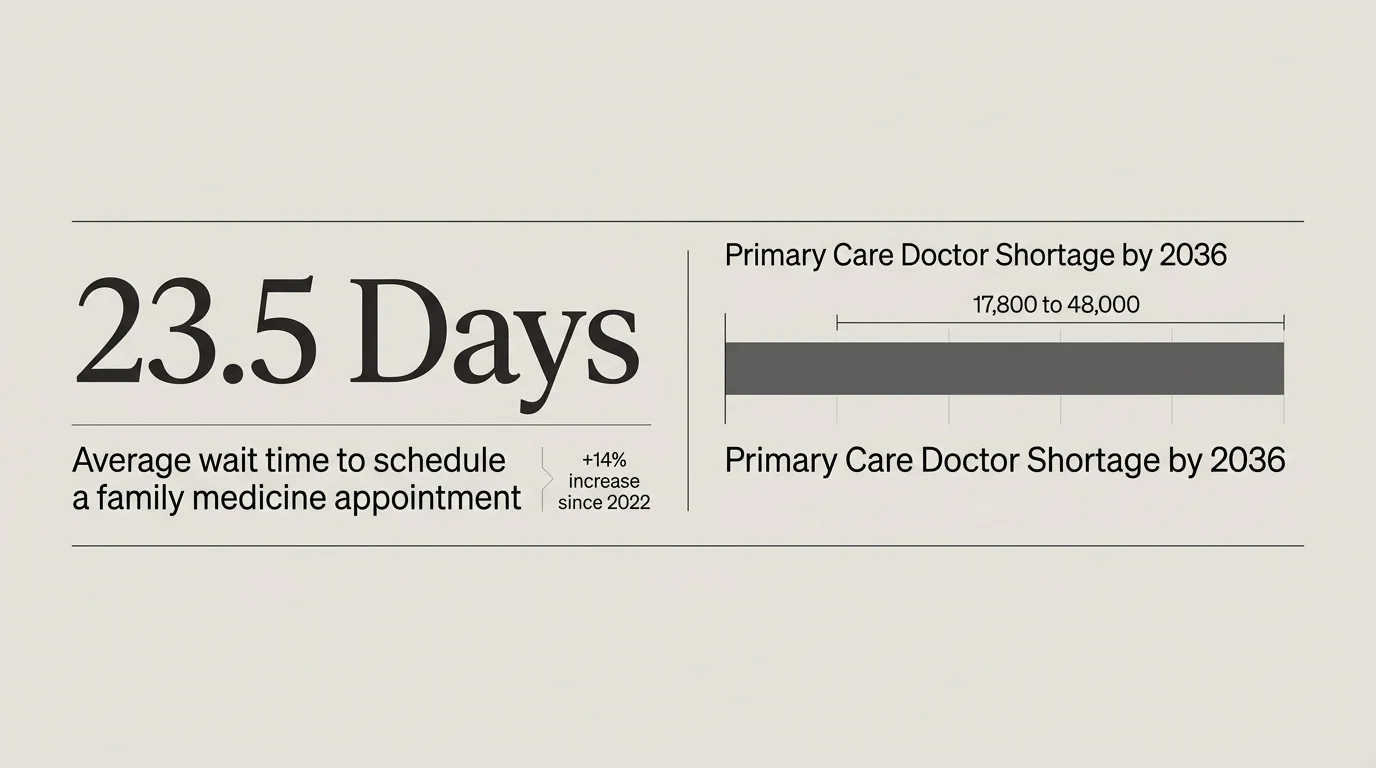
Rushed consultations compromise the quality of your care. The healthcare system currently faces significant strain; according to projections from the Association of American Medical Colleges (AAMC), the United States will face a shortage of 17,800 to 48,000 primary care doctors by 2036. This widespread deficit forces many practices to squeeze more appointments into shorter timeframes. In fact, the 2025 AMN Healthcare Survey reports that new patients face an average wait time of 23.5 days just to schedule an appointment with a family medicine physician—a 14% increase since 2022—while overall medical specialty wait times average 31 days. When you finally arrive for your visit, spending only a few hurried minutes with a doctor who appears distracted prevents you from receiving thorough, individualized attention.
3. Communication Is One-Sided or Unclear
Effective medical care relies on crystal-clear communication. If your doctor uses complex medical jargon without explaining terms simply, or fails to contact you with critical lab results, your safety suffers. You deserve clear explanations regarding diagnostic results, treatment plan changes, and new medication prescriptions. Furthermore, if your doctor ignores your questions or acts defensive when you ask for clarification, your relationship lacks the transparency required for optimal health.
4. Your Provider Disregards Holistic Health and Lifestyle Factors
True wellness extends far beyond writing prescriptions for pharmaceuticals. A comprehensive health strategy integrates physical movement, sleep quality, stress management, anti-inflammatory nutrition, and social connection. If your doctor focuses strictly on prescribing medications while ignoring gentle exercise, dietary adjustments, or natural wellness strategies, their approach may be too narrow for your holistic lifestyle goals.
5. Care Coordination with Your Specialists Is Broken
Managing complex health needs often requires consulting specialists such as cardiologists, endocrinologists, or orthopedic surgeons. Your primary care physician must serve as the central coordinator who reviews specialist notes, monitors potential drug interactions, and unifies your total treatment plan. When primary care doctors fail to review specialist records or ignore conflicting recommendations, your overall care becomes fragmented and risky.
6. Practice Management and Administrative Billing Cause Constant Stress
A negative experience with office staff, phone systems, or billing departments directly impacts your stress levels and quality of care. Financial transparency is equally vital. When dealing with Medicare coverage, understanding provider billing structures protects your wallet. For example, when you consult a participating Medicare doctor, you pay a standard 20% coinsurance after fulfilling your Part B deductible. However, if you see a non-participating Medicare provider who accepts Medicare but does not take assignment, federal regulations cap their out-of-pocket extra charges at a maximum 15% limiting charge above the Medicare-approved amount. If clinic administrative staff mismanage billing or fail to clarify these expenses upfront, administrative friction can make visits unnecessarily stressful.
7. Physical Accessibility and Office Location Create Unnecessary Barriers
As physical mobility changes, getting to your doctor’s office should not feel like an overwhelming obstacle course. Long walks from distant parking lots, lack of elevator access, or inconvenient clinic locations can discourage you from seeking timely care. Modern practices frequently offer accessible facilities, convenient parking, and virtual telehealth options for routine follow-ups. If visiting your clinic poses physical or logistical hardships, searching for a more accessible facility makes practical sense.
8. Your Intuition Signals That Mutual Trust Has Dissolved
Never discount your personal instincts regarding your health. Trust forms the foundation of effective medical treatment. If you feel uncomfortable sharing personal details, dread scheduling appointments, or feel that your doctor lacks genuine interest in your long-term health, your intuition is offering valuable feedback.
Actionable Strategies for Choosing the Right Doctor
Once you recognize key signs to switch doctors, taking deliberate action ensures a smooth transition toward better care. Consider these practical finding a new doctor tips:
— Define your care criteria: List your non-negotiables, such as office location, hospital affiliations, gender preferences, or specific communication styles.
— Gather reliable recommendations: Ask trusted friends, family members, or local health specialists for referrals to compassionate physicians.
— Research provider credentials: Verify board certifications, Medicare participation status, and patient reviews on reputable medical directories.
— Schedule an initial intake visit: Treat your first appointment as an interview to gauge whether the doctor listens, answers your questions, and makes you feel comfortable.

Important Safety Precautions to Keep in Mind
Transitioning between healthcare providers requires deliberate, safe planning. Never end your relationship with your current primary care physician until you have established care with a new doctor and scheduled your initial consultation. Leaving yourself without medical coverage creates vulnerabilities, particularly if you require urgent prescription renewals or sudden clinical advice.
To ensure uninterrupted health management, request 90-day refills for all essential prescription medications before making the formal switch. Contact your current clinic’s medical records department to request complete copies of your health history, recent lab results, imaging reports, and vaccination records. Electronic health portals often allow you to download these files directly, ensuring your new physician receives complete medical context before your first visit.
Additionally, double-check that your new physician actively participates in your specific health insurance network or Medicare plan. Verifying insurance compatibility prior to your appointment prevents unexpected medical bills and ensures seamless coverage for lab tests, referrals, and preventative screenings.

When to Speak with a Healthcare Professional
The information in this guide provides a practical framework for evaluating your medical care, but it is not a substitute for direct medical diagnosis or clinical treatment. While changing primary care doctors is an important administrative and personal decision, never delay emergency care while seeking a new clinician.
If you experience severe acute symptoms—such as sudden chest pain, shortness of breath, unexplained numbness, sudden vision loss, severe dizziness, or high fever—seek immediate emergency medical attention or dial 911 immediately.
Furthermore, speak with a qualified medical professional if you face complex diagnoses, uncertain treatment options, or troublesome medication side effects. Seeking a formal second opinion from another qualified clinician is a standard, safe medical practice that any reputable doctor will encourage and support.
Frequently Asked Questions
Can I switch my primary care doctor if I am enrolled in a Medicare Advantage plan?
Yes. Under Centers for Medicare & Medicaid Services (CMS) regulations, beneficiaries enrolled in a Medicare Advantage (Part C) plan can switch their primary care doctor at any time during the year by simply contacting their insurance provider. You do not need to wait for the Medicare Annual Enrollment Period (October 15 through December 7) to select a new network physician.
What is the difference between a participating Medicare doctor and a non-participating doctor?
A participating Medicare provider agrees to accept Medicare assignment, meaning they take the Medicare-approved payment rate as payment in full; you pay only your standard 20% coinsurance after meeting your Part B deductible. A non-participating provider accepts Medicare but does not take assignment on all claims. Federal law protects you by capping their maximum out-of-pocket extra charge at a 15% limiting charge above the Medicare-approved amount.
How long will it take to schedule an intake appointment with a new doctor?
National data indicates that new patient wait times for family medicine doctors average around 23.5 days, though specialized clinics may take longer. To avoid care gaps, request a routine intake appointment several weeks in advance, ask to be added to the cancellation list for earlier openings, or consider establishing care with an experienced Nurse Practitioner (NP) or Physician Assistant (PA) within the practice.
How do I request my medical records without causing awkwardness with my current doctor?
Medical record requests are routine administrative procedures handled by clinic records specialists rather than your doctor directly. Submit a formal written release form or download your records directly through the online patient portal. Medical offices process these requests daily under federal HIPAA privacy guidelines.
For authoritative, trustworthy health information, always consult official sources like the National Institute on Aging (NIA) and MedlinePlus from the National Library of Medicine. The CDC also provides excellent resources for older adults.
Disclaimer: This article is for informational purposes only and does not constitute medical advice. Always seek the advice of your physician or other qualified health provider with any questions you may have regarding a medical condition.