Adding nutrient-dense squash to your weekly meals enhances heart health, supports sharp vision, and boosts everyday energy. These colorful vegetables provide rich seasonal flavors alongside gentle dietary fiber and essential immune-boosting vitamins.
Navigating the produce aisle can feel confusing when you face dozens of bumpy, unfamiliar rinds. Learning how each unique variety cooks helps you select the perfect vegetable for your physical wellness and kitchen comfort.
This practical culinary guide walks you through ten distinct squashes and their ideal kitchen uses. You will discover effortless cooking techniques and safe kitchen methods tailored specifically for older adults.
Understanding the Basics of Squash Varieties for Seniors
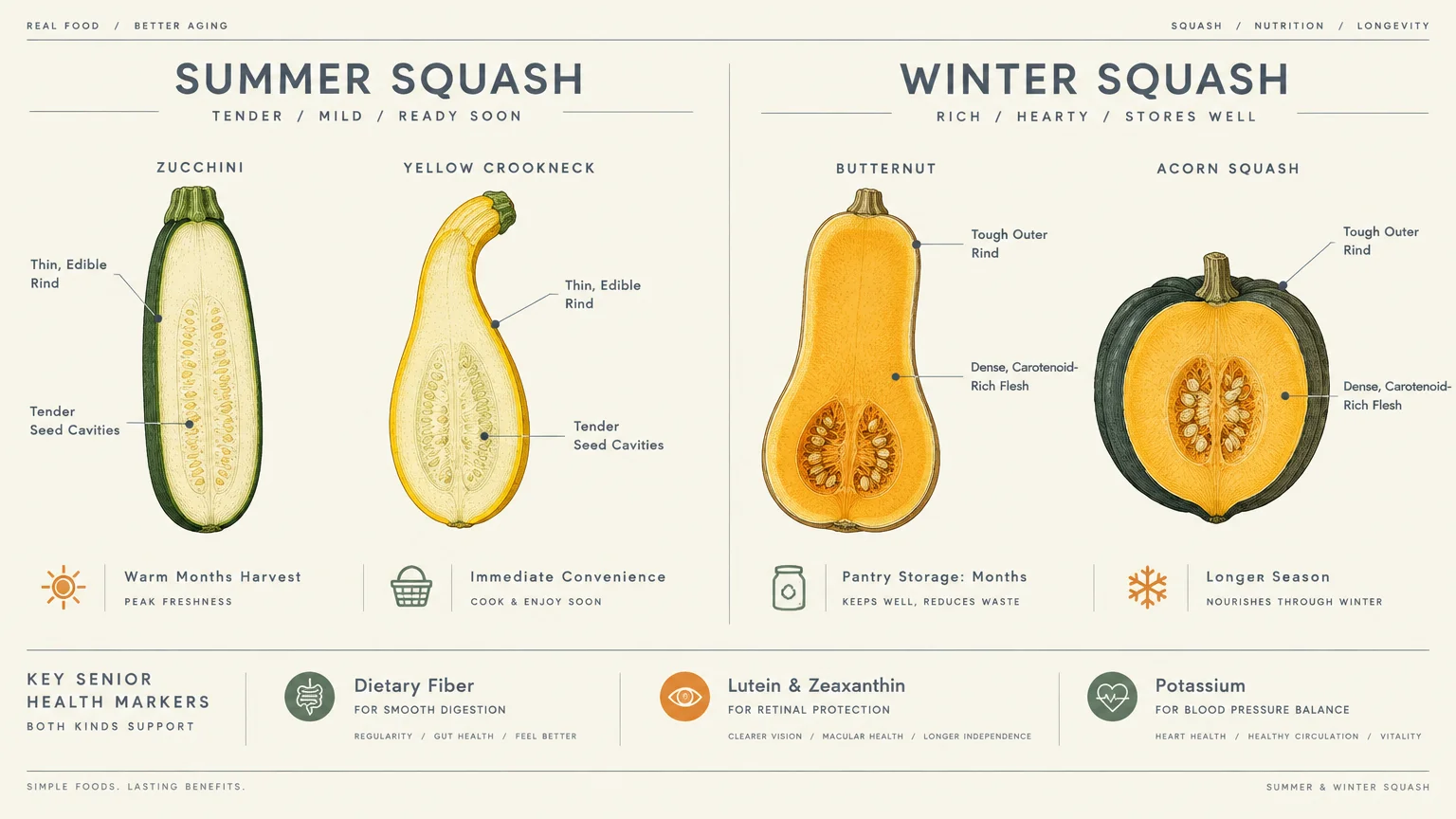
Squash belongs to the diverse gourd family, offering an impressive spectrum of textures, culinary uses, and essential nutrients. Botanists divide these vegetables into two primary categories known as summer squash and winter squash.
Summer varieties, such as zucchini and yellow crookneck, feature thin, edible rinds and tender seed cavities. Farmers harvest them during warm months when their flesh remains soft, moist, and rapid to prepare.
In contrast, diverse types of winter squash mature fully on the vine until autumn arrives. They develop tough outer rinds that shield their dense, nutrient-packed flesh for months of secure pantry storage.
Understanding this seasonal distinction helps you make smart grocery choices year-round. While tender summer squash offers immediate convenience, hardy winter options supply concentrated nourishment through chilly winter days.
For older adults, this comprehensive squash varieties guide highlights several distinct health benefits. Squash delivers abundant soluble and insoluble dietary fiber to support healthy digestion and smooth bowel regularity.
Adequate fiber intake also assists in moderating blood cholesterol levels and stabilizing morning blood sugar. These benefits make squash an exceptional dietary addition if you manage cardiovascular health or type 2 diabetes.
Furthermore, the deep orange and golden flesh of winter squash indicates high levels of carotenoids. Your body transforms beta-carotene into vitamin A, which protects aging vision and strengthens mucosal immune barriers.
Lutein and zeaxanthin, two key antioxidants found in squash, specifically accumulate in your eyes’ retinas. Research indicates these compounds help protect your eyes against age-related macular degeneration and cataracts.
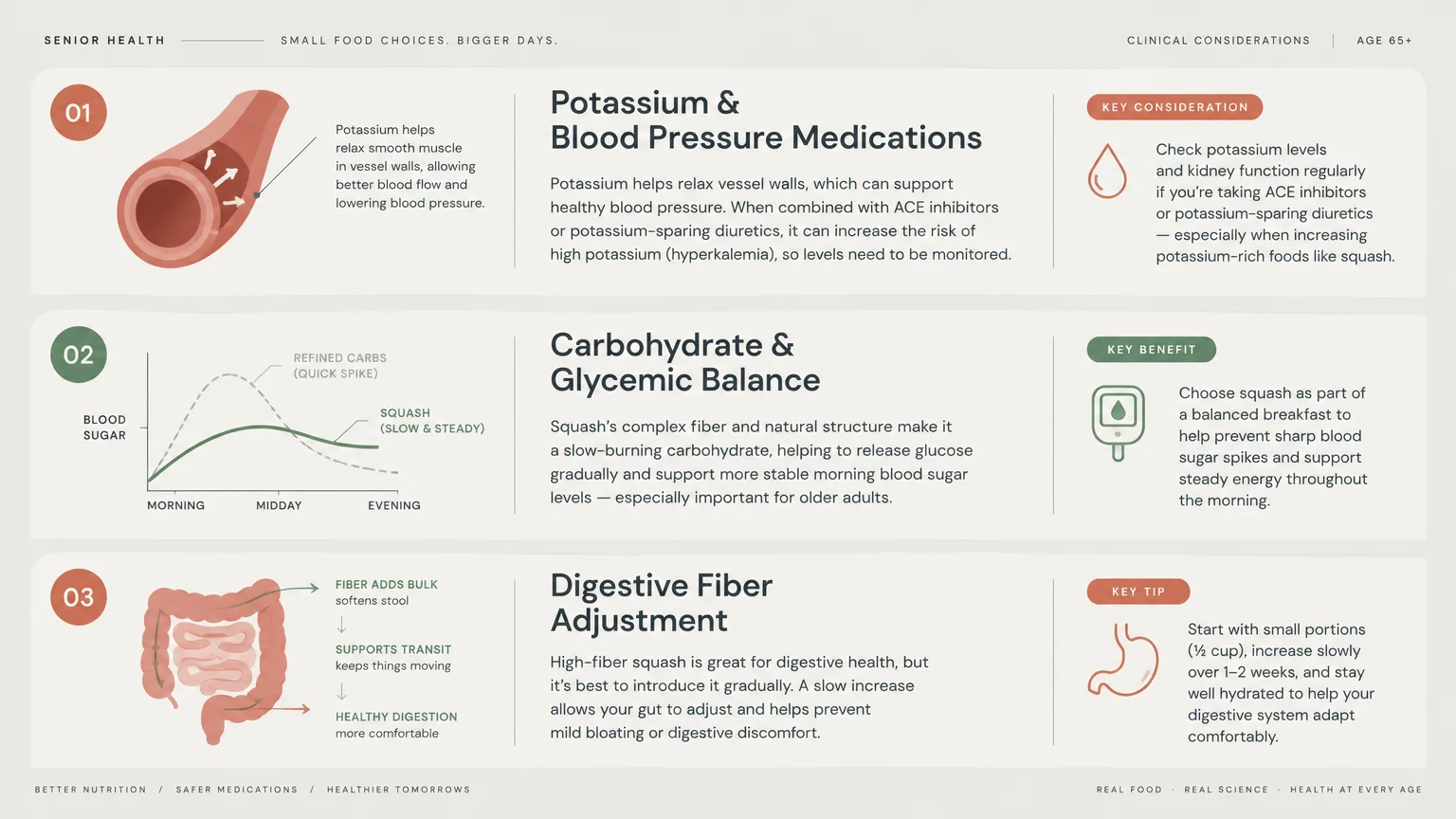
Squash also supplies substantial potassium, a vital mineral that balances sodium levels and relaxes blood vessel walls. Incorporating potassium-rich foods into your routine supports healthy blood pressure readings without requiring complex meal preparation.
Finally, squash provides complex carbohydrates that break down gradually in your digestive tract. This slow metabolic burn provides steady, sustained energy throughout your day without triggering sudden energy crashes.
Practical Tips for a Healthier, Happier Life
Selecting the right squash can transform your daily cooking into an enjoyable, rewarding experience. Let us examine ten fantastic squash varieties, exploring their unique culinary qualities and ideal preparation methods.
1. Butternut Squash: The Silky Champion for Soups
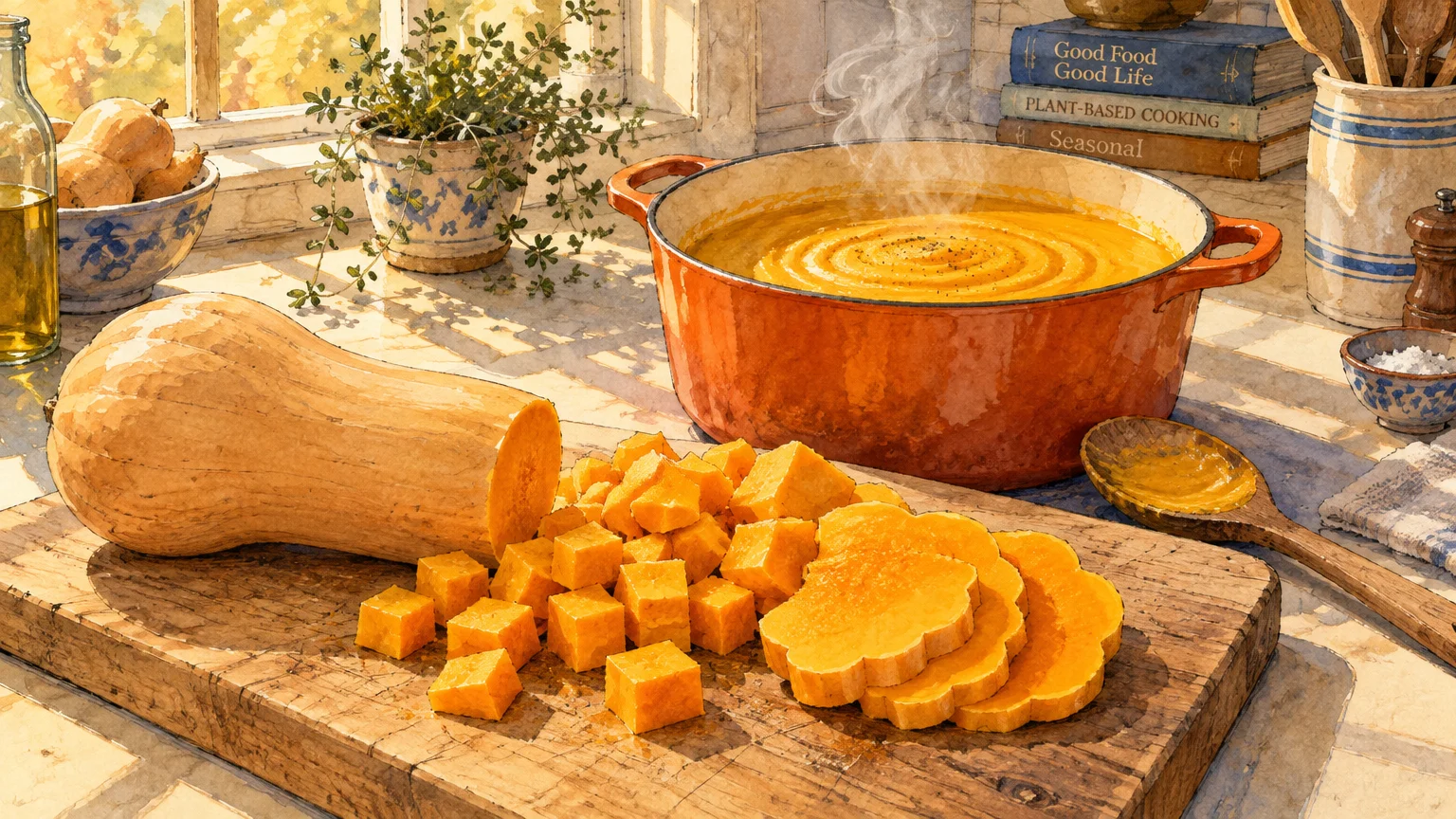
Butternut squash features an elongated pear shape with smooth, pale tan skin and vibrant orange flesh. Its natural sweetness intensifies when baked, creating a luscious, velvety texture that blends seamlessly into warm meals.
This versatile favorite stands out as the best squash for soup because of its low-fiber, uniform interior. Unlike stringier squash options, butternut purées into a decadent, creamy bisque without requiring heavy dairy cream.
To prepare butternut squash, trim both ends, peel the exterior with a sturdy vegetable peeler, and scoop out the round bulb. Roast diced cubes with rosemary and olive oil for an easy, antioxidant-rich side dish.
2. Acorn Squash: Perfectly Shaped for Wholesome Stuffing
Acorn squash resembles a large forest acorn, showcasing dark green ridges accented with vibrant splashes of golden orange. Its yellow-orange flesh offers a mild, slightly nutty flavor that readily absorbs savory herbs and aromatic spices.
When comparing butternut vs acorn squash, acorn squash features a fibrous texture and a distinctly deeper seed cavity. This natural bowl shape makes acorn squash the premier choice for filling with wholesome grains and vegetables.
Slice the squash in half through its ridges, scoop away the seeds, and roast it cut-side down until tender. Fill the center with cooked quinoa, cranberries, and lean ground turkey for a complete, balanced meal.
3. Spaghetti Squash: The Gentle Grain-Free Pasta Alternative
Spaghetti squash presents an oblong, pale yellow exterior that conceals a truly fascinating culinary secret. When cooked, its firm interior flesh pulls away into delicate strands that closely mimic traditional pasta noodles.
This variety serves as an outstanding low-carbohydrate alternative for seniors managing blood sugar or watching total caloric intake. It provides the comforting satisfaction of classic pasta dishes while delivering a boost of vitamin C.
Halve the squash lengthwise, scrape out the fibrous seeds, and roast the halves cut-side down at 400 degrees. Use a kitchen fork to scrape the flesh into steaming strands, topping them with your favorite tomato marinara.
4. Delicata Squash: Tender Rind with Minimal Peeling
Delicata squash displays an oblong shape with creamy yellow skin marked by dark green, lengthwise stripes. Home cooks frequently call it the sweet potato squash due to its rich, brown sugar sweetness and creamy consistency.
The greatest advantage of delicata squash for older adults is its paper-thin, completely edible outer rind. You do not need to struggle with heavy peeling knives, saving energy and sparing delicate wrist joints.
Simply slice the raw squash into half-inch rings, push out the loose seeds, and arrange them on a baking sheet. Roast with a drizzle of avocado oil until golden brown for a quick, fiber-rich dinner accompaniment.
5. Kabocha Squash: Deep Sweetness for Hearty Stews
Kabocha squash, sometimes called the Japanese pumpkin, features a squat shape with dull, bumpy, dark green skin. Its vivid orange flesh holds less moisture than other varieties, resulting in a dense, chestnut-like texture.
Because kabocha retains its structure during extended cooking, it serves as the ultimate choice for hearty winter stews and curries. It absorbs rich savory broths without dissolving into mush, keeping your one-pot meals satisfying.
The tender skin becomes completely edible upon roasting, eliminating another challenging peeling task in your kitchen. Simmer sliced kabocha wedges alongside ginger, low-sodium broth, and lean chicken for an authentic, warming meal.
6. Honeynut Squash: Concentrated Nutrition in a Petite Package
Honeynut squash looks like a miniature butternut squash, yet it boasts a darker honey-orange rind and richer interior flesh. Plant breeders specifically developed this variety to maximize deep flavor and concentrated micronutrients.
Recent nutritional assessments show that honeynut squash contains up to three times more beta-carotene than standard butternut varieties. Its petite size makes it ideal for single-portion meals, eliminating bulky leftovers that crowd your refrigerator.
Cut the petite squash in half, remove the small seed pocket, and roast both halves until fork-tender. The tender rind softens thoroughly during baking, allowing you to enjoy the entire vegetable without peeling.
7. Sugar Pumpkin: The Golden Standard for Baking and Purées
Sugar pumpkins, also known as pie pumpkins, are much smaller and rounder than decorative Halloween carving varieties. They contain dense, fine-grained, sweet flesh that yields a velvety purée ideal for healthy baked goods.
These culinary pumpkins offer exceptional levels of vitamin A, supporting skin repair and normal immune function as you age. Making homemade pumpkin purée allows you to avoid the excess sodium and preservatives often found in canned versions.
Bake pumpkin halves cut-side down until the flesh collapses, then scoop the tender interior into a food processor. Stir this smooth, golden purée into morning oatmeal, whole-grain pancake batter, or gentle autumn custards.
8. Buttercup Squash: Dense and Creamy for Nutrient-Rich Mashes
Buttercup squash features a dark green, turban-shaped rind with a distinctive gray button cap on its base. Inside, you will find firm, dry, orange flesh that tastes reminiscent of roasted chestnuts and sweet potatoes.
Due to its low moisture content, buttercup squash acts as an exceptional nutritional stand-in for traditional mashed potatoes. It provides higher levels of essential carotenoids and dietary fiber while keeping glycemic spikes minimal.
Steam peeled buttercup cubes until soft, then mash them with a splash of warm milk, garlic, and cracked pepper. This comforting, savory dish provides abundant potassium to support muscle recovery and steady blood pressure.
9. Hubbard Squash: Excellent Long-Term Storage for Cold Weather Meals
Hubbard squash is an heirloom giant with an extraordinarily tough, bumpy rind colored blue-gray, dark green, or orange. Its rich, buttery, yellow interior develops a rich, complex sweetness during cold winter storage.
The exceptionally thick shell protects the inner vitamins for up to six months in a cool, dry pantry. This remarkable storage lifespan makes hubbard squash an outstanding choice for seniors who enjoy preparing large-batch freezer meals.
Because raw hubbard shells are notoriously hard to slice, ask your local grocer to cut large specimens into manageable chunks. Roast these large wedges slowly, scrape the tender meat, and freeze portions for effortless future casseroles.
10. Yellow Summer Squash: Mild, Tender, and Quick to Prepare
Yellow summer squash presents bright lemon-colored skin, tender white flesh, and a slender neck that curves gracefully. Unlike dense winter squash, this warm-season vegetable consists of over ninety percent water, providing gentle hydration.
Its soft texture makes it wonderfully gentle on sensitive teeth, dental implants, or delicate digestive systems. You can enjoy this squash without lengthy baking times, making it ideal for quick, hot-weather cooking.
Slice the tender squash into thin rounds and sauté gently in olive oil with garlic and chopped fresh basil. You can also shred raw yellow squash into vibrant salads for a crisp, hydrating lunchtime crunch.
Culinary Best Practices: How to Cook Squash Safely and Deliciously
Mastering how to cook squash preserves vital heat-sensitive nutrients while keeping your time in the kitchen enjoyable. Roasting squash at moderate temperatures caramelizes natural sugars without destroying delicate antioxidant compounds.
Steaming serves as another gentle cooking technique that softens dense squash without leaching out water-soluble B vitamins. Always save the nutrient-rich cooking broth to moisten your purées or enrich homemade vegetable soups.
When seasoning squash, choose aromatic herbs and warming spices rather than relying heavily on table salt or processed sugars. Cinnamon, ground nutmeg, sage, fresh thyme, and roasted garlic enhance sweetness while supporting cardiovascular wellness.
Always pair your cooked squash with a small amount of heart-healthy fat, such as extra virgin olive oil. Healthy dietary fats significantly enhance your body’s absorption of fat-soluble beta-carotene and essential vitamins.
Important Safety Precautions to Keep in Mind
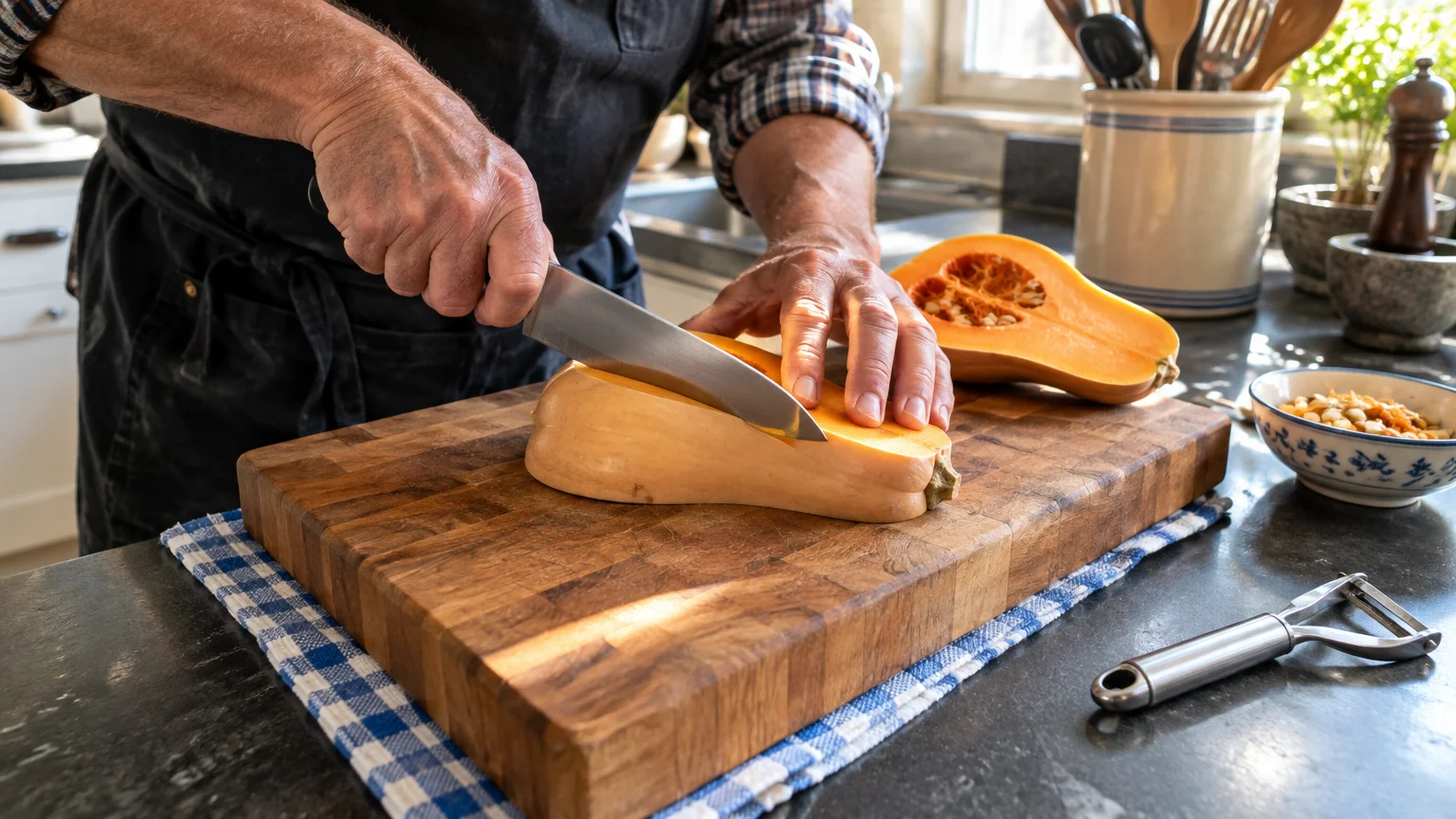
Handling hard winter squash presents real safety hazards if your kitchen knife slips against a tough rind. Older adults experiencing arthritis, reduced grip strength, or tremors must take extra care during raw vegetable preparation.
Never force a dull knife through a rolling, unstable squash on your kitchen counter. Place a damp cloth under your cutting board and slice a thin base off the vegetable first to create stability.
You can also pierce tough winter squash several times with a fork and microwave it for three minutes. This brief heating softens the exterior rind dramatically, allowing your kitchen knife to glide through safely without resistance.
Do not hesitate to purchase pre-cut fresh cubes or frozen squash bags from your local grocery store. These convenient options deliver identical nutritional value while completely eliminating dangerous cutting and peeling tasks.
Be aware of a rare condition known as toxic squash syndrome, caused by naturally occurring bitter compounds called cucurbitacins. If any cooked or raw squash tastes sharp, sour, or intensely bitter, spit it out and discard it immediately.
Consuming high concentrations of cucurbitacins can trigger severe abdominal cramps, nausea, vomiting, and distressing digestive upset. Commercial squash is bred to prevent these compounds, but cross-pollinated garden squash occasionally produces bitter toxins.
Lastly, introduce high-fiber squash into your daily diet gradually if your digestive system is unaccustomed to roughage. Drink plenty of fresh water throughout the day to help the fiber move smoothly through your digestive tract.
When to Speak with a Healthcare Professional
While squash is an exceptionally wholesome food, certain medical conditions require thoughtful dietary adjustments and professional oversight. Always discuss significant changes in your daily nutritional plan with your primary care physician or registered dietitian.
Because winter squash contains significant potassium, individuals with chronic kidney disease must monitor their portion sizes carefully. Weakened kidneys struggle to eliminate excess potassium from blood circulation, leading to potentially dangerous cardiac complications.
If you take blood pressure medications like ACE inhibitors or potassium-sparing diuretics, consult your doctor about squash consumption. Your physician can run routine blood panels to ensure your serum potassium stays within a safe, therapeutic range.
Individuals managing diabetes should also track squash servings because varieties like butternut and buttercup contain complex carbohydrates. A certified diabetes educator can help you balance squash portions alongside lean proteins to maintain steady blood glucose.
Seek immediate medical guidance if you experience sudden allergic symptoms, unexpected bowel irregularity, or persistent stomach discomfort after eating. Your doctor will help identify underlying food sensitivities and adjust your wellness routine accordingly.
For authoritative, trustworthy health information, always consult official sources like the National Institute on Aging (NIA) and MedlinePlus from the National Library of Medicine. The CDC also provides excellent resources for older adults.
Frequently Asked Questions
Can you eat the skin on all squash varieties?
You can safely eat the tender skins of delicata, honeynut, acorn, and all summer squash varieties after cooking. However, thick-skinned varieties like butternut, kabocha, and hubbard possess tough rinds that are difficult to chew and digest comfortably.
Peeling tough rinds before or after roasting ensures your meals remain pleasant, easy to chew, and gentle on your digestion. Tender-skinned varieties save you prep time while supplying extra dietary fiber.
How do you safely cut tough winter squash with arthritis?
Pierce the rind several times with a fork and microwave the whole squash for two to three minutes. This softens the outer skin significantly, allowing a chef’s knife to slice through with minimal physical hand pressure.
Alternatively, purchase pre-cut fresh squash chunks from the produce department or buy frozen packages. These pre-chopped vegetables eliminate kitchen strain entirely while providing the exact same vitamins and minerals.
What makes butternut squash better for soup than acorn squash?
Butternut squash has a dense, uniform flesh with very few fibers, allowing it to purée into a silky soup. In contrast, acorn squash has stringier flesh and higher moisture, which can produce a watery or grainy soup broth.
The high natural sugar concentration in butternut squash also caramelizes beautifully when roasted, creating deeper flavor in broths. Acorn squash performs far better when roasted in halves and filled with savory ingredients.
How long can you safely store whole winter squash at home?
Whole, uncut winter squashes keep well for one to six months when stored in a cool, dry, ventilated pantry. Keep them away from direct sunlight and excess humidity, checking occasionally for soft spots or signs of spoilage.
Once you slice into fresh squash, store remaining pieces in an airtight container inside your refrigerator. Consume refrigerated squash pieces within five days, or freeze blanched cubes for up to eight months of safe storage.
Disclaimer: This article is for informational purposes only and does not constitute medical advice. Always seek the advice of your physician or other qualified health provider with any questions you may have regarding a medical condition.