
Eating the right evening meals helps you sleep soundly and prevents painful digestive flare-ups. When you avoid irritating ingredients before turning in, your body rests and recharges without interruption.
As you age, your digestive tract slows down and handles heavy foods with far less efficiency. Certain dinner choices can easily trigger indigestion, chest fullness, or restless hours in bed.
Learning to recognize foods that disrupt sleep allows you to protect your comfort each night. Gentle adjustments to your evening routine bring lasting relief and restore your morning energy.
Understanding the Basics of Bedtime Discomfort for Seniors
Aging naturally alters how your gastrointestinal tract processes meals and liquids throughout the day. Stomach acid production shifts, while muscular contractions in your intestines gradually lose their youthful vigor.
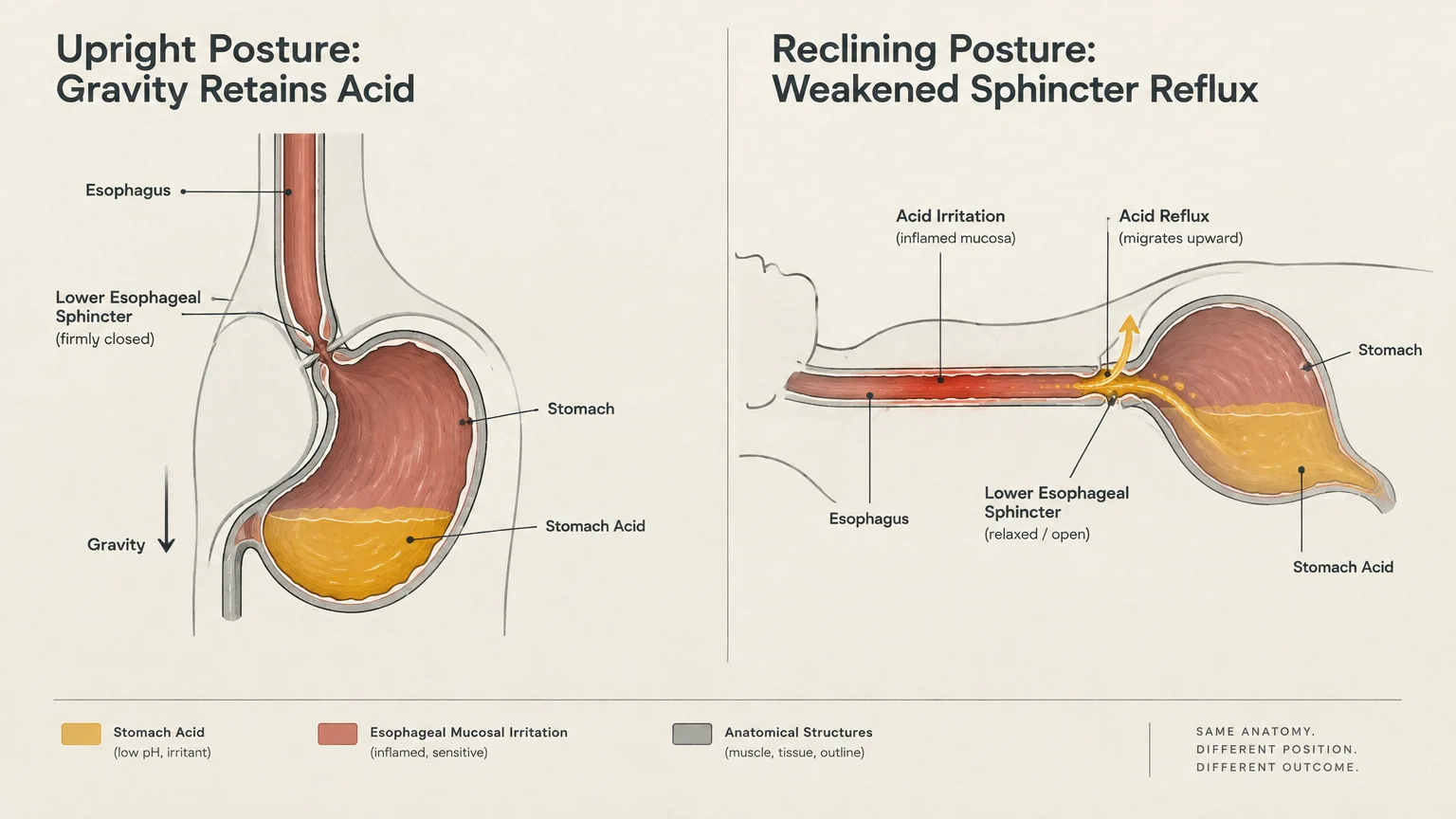
The lower esophageal sphincter functions as a protective muscular barrier between your stomach and esophagus. Over time, this delicate muscular ring can weaken and open unexpectedly when you recline.
Lying horizontal in bed removes the natural pull of gravity that normally keeps stomach contents down. This physical position makes acid reflux at night far more common for older adults.
Your internal circadian clock also regulates digestive enzymes and metabolic hormones around the clock. Eating late forces your stomach and liver to work when they are scheduled to rest.
Clinical research confirms that nighttime digestive distress fractures your natural sleep architecture. When stomach acid irritates your esophagus, your nervous system repeatedly pulls you out of deep rest.
Chronic sleep fragmentation impairs memory consolidation, suppresses immune defense, and increases daytime fatigue. Maintaining restorative sleep is therefore fundamental to preserving cognitive sharpness and cardiovascular health.
Furthermore, late-night eating can cause sudden spikes in blood glucose levels before sleep. Elevated nighttime blood sugar interferes with cellular repair and promotes systemic inflammation throughout the body.
Older adults also experience reduced saliva production, particularly when taking certain daily medications. Because saliva naturally neutralizes stomach acid, a dry mouth leaves your esophagus vulnerable to painful burns.
Recognizing how your aging body handles late meals gives you the power to take charge. Simple changes to what you eat in the evening will immediately safeguard your nightly comfort.
Practical Tips for a Healthier, Happier Life
You can easily transform your evening comfort by identifying problematic foods and choosing gentle replacements. Nourishing your body with soothing options supports restful sleep without leaving you feeling deprived.
Making informed dinner selections protects your digestion and prevents bedtime foods discomfort before it begins. Here are the seven key foods to avoid before bed, along with safe, delicious alternatives.
1. Aged Cheeses and High-Fat Dairy
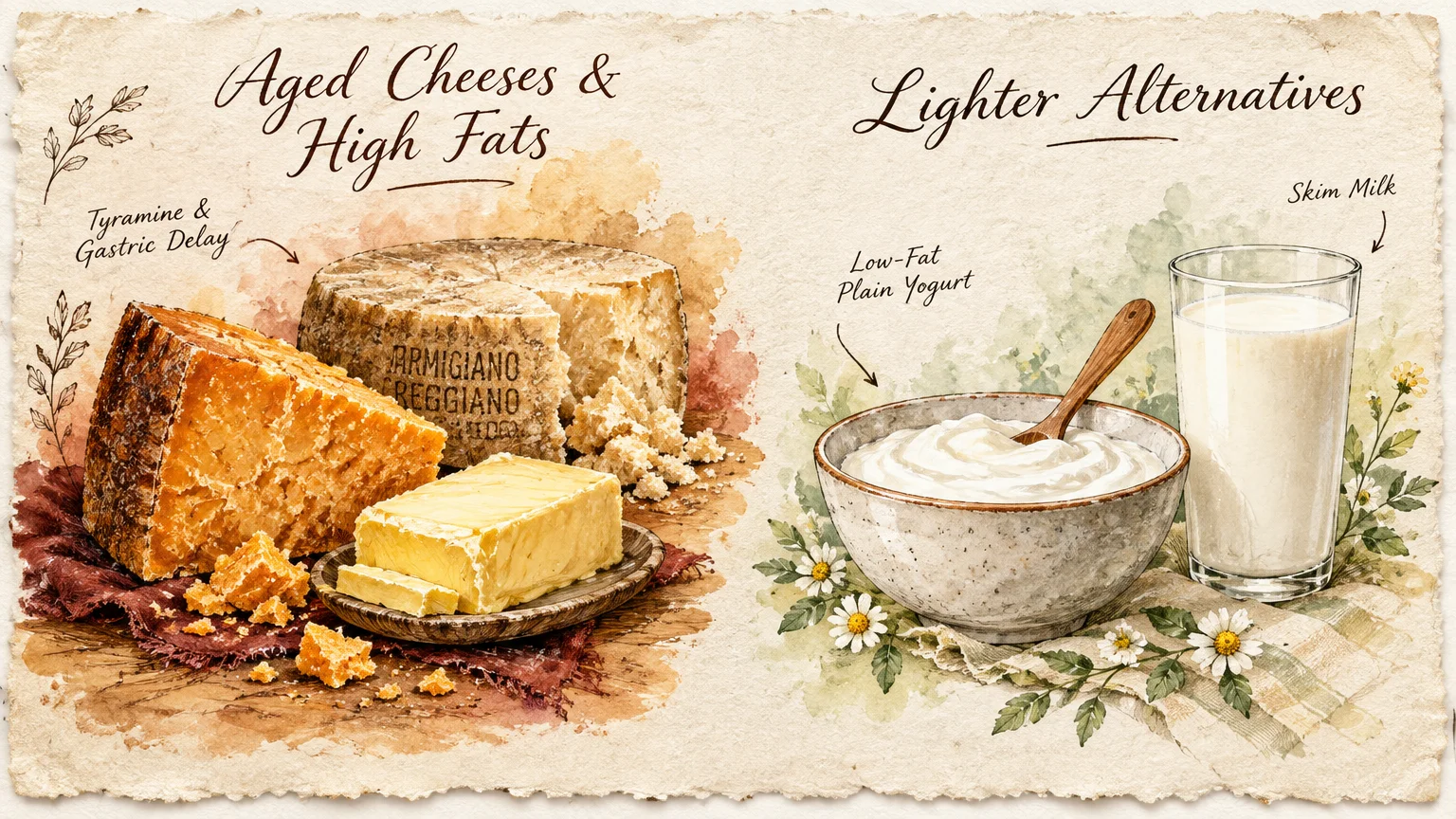
Aged cheeses like cheddar, parmesan, and provolone contain substantial amounts of an amino acid called tyramine. Tyramine signals your brain to release norepinephrine, a stimulating neurotransmitter that boosts alertness.
This neurological stimulation prevents your brain from easing into the restorative stages of deep sleep. Instead of winding down, your mind remains active and susceptible to restless waking.
Additionally, the high saturated fat content in rich cheeses slows down gastric emptying considerably. Your stomach must pump out heavy amounts of acid to digest these dense dairy fats.
When you lie down, this stagnant acid pools in your upper stomach, causing distressing heartburn. Replace rich cheese with a small dish of low-fat plain yogurt or warm skim milk.
These lighter dairy choices supply sleep-supporting calcium and tryptophan without overloading your digestive tract. Enjoy your favorite aged cheeses during lunch when your body has hours to digest them.
2. Tomato-Based Sauces and Citrus Fruits
Tomatoes, pasta sauces, citrus fruits, and citrus juices carry high concentrations of citric and malic acids. These natural acids irritate the delicate mucosal lining of your stomach and lower esophagus.
Eating acidic foods during the evening triggers intense burning sensations that worsen once your head hits the pillow. Gravity can no longer keep those caustic juices safely settled in your stomach.
Even small servings of tomato paste on a late dinner pizza can spark hours of discomfort. Citrus fruits like oranges and grapefruits stimulate excess gastric acid secretion long after eating.
Instead of tomato sauces, dress evening grains or pasta with extra-virgin olive oil and fresh basil. Mild herbs deliver savory depth and soothing flavor without provoking irritating acidic surges.
Save refreshing citrus slices for your morning breakfast plate or an early afternoon snack. Eating acidic fruits earlier in the day lets you enjoy their vitamin C safely while upright.
3. Cured Meats and Savory Charcuterie
Salami, sausages, bacon, and processed deli meats are packed with saturated fats and high sodium levels. Excess dietary sodium draws fluid into your bloodstream and tissues, raising blood pressure and worsening dehydration.
You may wake repeatedly through the night craving water, only to face multiple nighttime trips to the bathroom. This frequent disruption destroys sleep quality and leaves you feeling exhausted the next morning.
Moreover, cured meats demand intensive gastrointestinal effort because dense fats take hours to break down. This prolonged digestion keeps your internal metabolic rate elevated when it should be dropping for sleep.
Cured meats also contain high levels of tyramine, which stimulates your nervous system and delays sleep onset. This dual burden of physical fullness and chemical arousal makes peaceful rest nearly impossible.
Swap processed meats for lean, easily digested protein sources such as roasted turkey breast or poached fish. Light proteins nourish your muscles overnight while allowing your stomach to rest comfortably.
4. Dark Chocolate and Cocoa Desserts
Dark chocolate provides beneficial antioxidants, but it also carries significant amounts of hidden caffeine. Older adults process caffeine much more slowly than younger individuals, extending its stimulating effects for hours.
Dark chocolate also contains theobromine, a compound that increases your heart rate and prompts restless alertness. Enjoying a rich chocolate dessert after dinner can easily keep you staring at the ceiling.
Beyond its stimulating compounds, chocolate is rich in cocoa butter fat that relaxes your esophageal sphincter. When this valve relaxes, harsh gastric acids readily escape upward into your throat.
This acid migration often results in a bitter taste in your mouth and morning hoarseness. Even cocoa-based hot drinks before bed can provoke nighttime coughing fits and chest irritation.
Satisfy your evening sweet tooth with a baked apple sprinkled with a dusting of sweet cinnamon. Warm cooked apples are exceptionally easy on your stomach and provide soothing soluble pectin fiber.
5. Spicy Curries and Fiery Seasonings
Dishes seasoned with chili peppers, hot curry powders, and cayenne contain capsaicin, a pungent bioactive compound. Capsaicin irritates sensitive stomach tissues and delays the natural pace of gastric emptying.
Capsaicin also elevates your body’s core temperature during the early hours of your sleep cycle. Your body naturally requires a cooler core temperature to enter restorative, slow-wave sleep.
When your internal temperature stays elevated, you experience lighter sleep, vivid dreams, and frequent nocturnal awakenings. The sharp burning sensation of spicy seasonings can also radiate directly across your chest.
If you love global culinary traditions, flavor your evening meals with fragrant, digestive-friendly spices. Turmeric, coriander, and fresh ginger deliver delightful flavor while actively soothing your gastrointestinal tract.
Ginger in particular helps accelerate stomach emptying and reduces nausea or feelings of uncomfortable heaviness. Incorporating mild ginger into dinner sets the stage for a calm, quiet evening.
6. Peppermint and Concentrated Mint Teas
Many seniors drink a cup of hot peppermint tea after dinner to settle their stomachs. While peppermint can soothe lower bowel cramping, it causes significant trouble at the top of your stomach.
The active menthol in peppermint relaxes the smooth muscles of the lower esophageal sphincter valve. When this barrier loosens, stomach acid flows directly upward into your vulnerable esophagus.
This backflow can produce severe heartburn that feels remarkably like a painful spasm in your chest. It can also cause micro-aspiration, where microscopic acid vapor irritates your vocal cords and lungs.
If you cough repeatedly after lying down, your soothing evening mint tea may be the culprit. Switching to a different herbal beverage can resolve this mysterious discomfort almost immediately.
Choose pure chamomile, linden blossom, or lemon balm tea for your post-dinner relaxation ritual. Chamomile gently relaxes your nervous system without compromising the muscle tone of your esophageal barrier.
7. Cruciferous Vegetables and Hearty Legumes
Broccoli, Brussels sprouts, cabbage, and lentils are exceptional foods packed with protective fiber and vitamins. However, they contain raffinose, a complex carbohydrate that human digestive enzymes cannot easily break down.
When raffinose reaches your large intestine, resident bacteria ferment it, producing substantial volumes of gas. In the evening, this gas buildup creates severe abdominal bloating, sharp cramps, and fullness.
Because your gastrointestinal motility slows down during sleep, this trapped gas cannot move through your system efficiently. The resulting pressure presses firmly against your diaphragm, making comfortable breathing difficult.
Enjoy your favorite cruciferous vegetables and hearty bean stews during lunch when daytime movement aids digestion. Walking and staying upright help your intestines expel gas naturally without disturbing your sleep.
For dinner, choose gentle vegetables such as peeled zucchini, baked butternut squash, or steamed carrots. These tender vegetables offer ample vitamins and gentle fiber without generating painful gas in bed.
Healthy Timing and Evening Habits
Establishing regular dinner hours gives your body a reliable metabolic framework for healthy rest. Aim to conclude all eating at least three hours before you intend to sleep.
Eating earlier gives your stomach sufficient time to churn food and move it downstream into your intestines. When you recline on an empty stomach, acid cannot escape into your esophagus.
Consider making lunch your principal meal of the day and eating a lighter plate at dinner. A modest evening meal prevents the digestive heaviness that keeps you awake and uncomfortable.
If you experience bedtime hunger, opt for a small, easily tolerated bedtime snack. A single slice of whole-grain toast with a smear of almond butter calms hunger without distress.
Take a gentle ten-minute stroll around your home or neighborhood after finishing your evening meal. Gentle walking prompts your stomach to empty faster and prevents uncomfortable gas from accumulating.

Important Safety Precautions to Keep in Mind
Modifying your diet requires attentiveness to how your individual body and daily medications interact. Certain everyday prescription drugs can make your digestive tract especially sensitive to evening meals.
Medications such as calcium channel blockers, nitrates, and sedatives can relax the lower esophageal sphincter valve. When combined with late meals, these medications significantly elevate your risk of nighttime acid regurgitation.
Never take nonsteroidal anti-inflammatory drugs like ibuprofen or naproxen right before lying down to sleep. These medications directly erode the protective mucus barrier of your stomach, causing inflammation and ulcers.
Elevating the head of your bed by six to eight inches creates an effective mechanical barrier against reflux. Use solid bed risers or a firm wedge pillow rather than stacking soft sleeping pillows.
Stacking extra pillows merely bends your neck forward, which compresses your abdomen and worsens acid reflux. A gentle, continuous incline keeps your entire upper torso positioned above your stomach contents.
Regulate your fluid intake during the two hours leading up to bedtime to prevent waking. Sip small amounts of water rather than drinking large glasses that distend your stomach.
Avoid alcoholic nightcaps, which relax esophageal muscles, disrupt natural sleep stages, and increase nighttime urination. Alcohol also dehydrates delicate tissues, compounding dry mouth and digestive irritation throughout the night.
Steer clear of tight clothing, corsets, or restrictive pajama waistbands when preparing for sleep. Tight clothing exerts direct physical pressure on your stomach, forcing acidic contents upward into your esophagus.
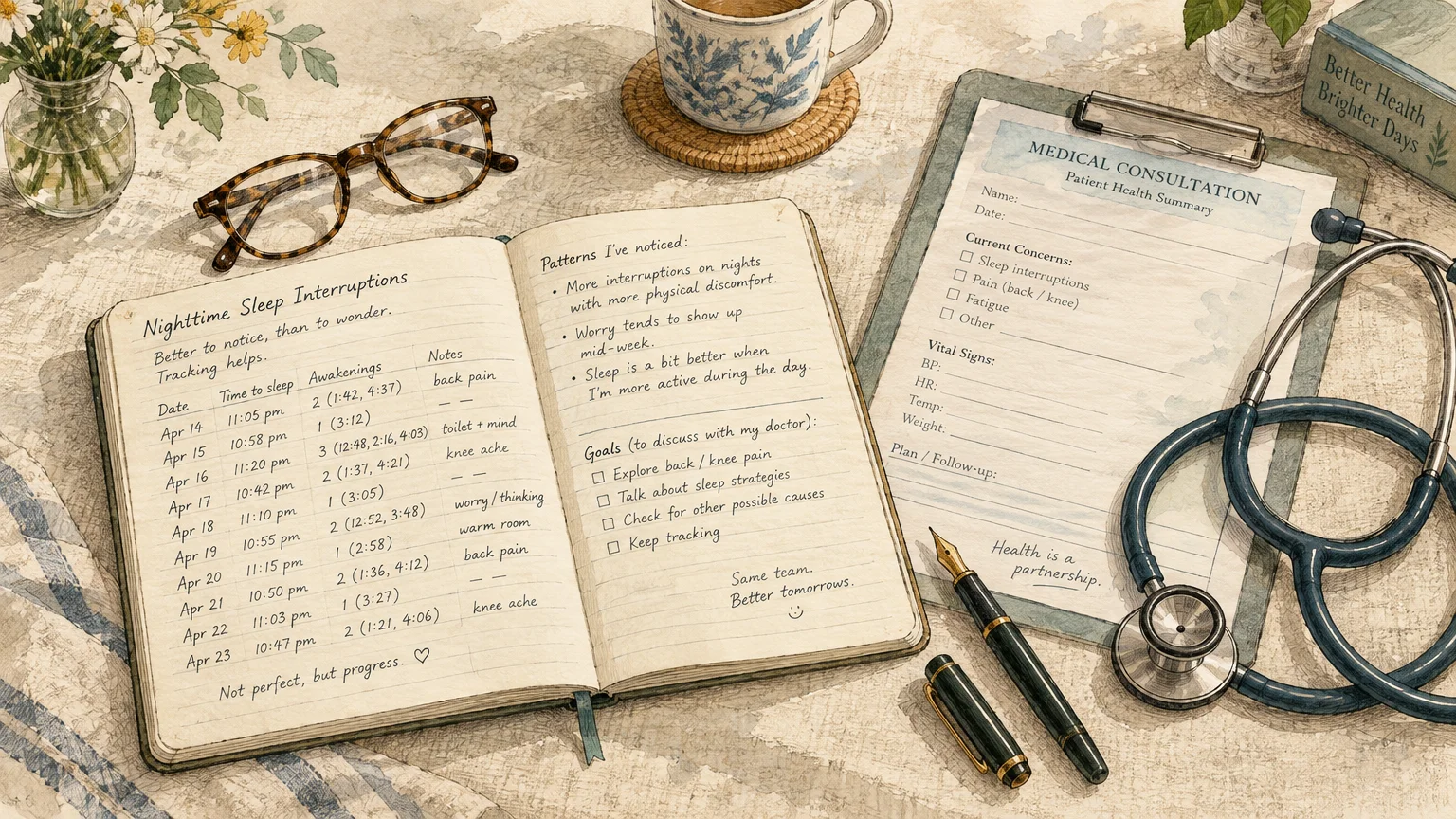
Maintain a written food and symptom log on your bedside table for two consecutive weeks. Recording what you eat helps you identify your personal triggers and share precise details with your physician.
Always introduce changes to your fiber intake gradually to give your digestive bacteria time to adjust. Increasing fiber too rapidly can temporarily exacerbate bloating, cramping, and uncomfortable evening gas.
When to Speak with a Healthcare Professional
While dietary changes often provide immense relief, they do not replace comprehensive care from a doctor. You should always discuss chronic digestive discomfort or persistent sleep problems with your healthcare provider.
Contact your doctor if you experience persistent acid reflux or heartburn more than twice a week. Frequent acid exposure can cause chronic inflammation, strictures, or precancerous cellular changes in your esophagus.
Seek immediate medical attention if you notice any difficulty or pain when swallowing your food. Dysphagia is a significant clinical symptom that requires prompt medical evaluation and diagnostic testing.
Unexplained weight loss, persistent nausea, chronic vomiting, or black stools require urgent medical investigation. These red-flag signs may point to internal bleeding, ulcers, or other serious digestive tract conditions.
Never dismiss sudden chest discomfort, especially if it spreads to your shoulder, arm, neck, or jaw. Indigestion and cardiac events can feel strikingly similar, making emergency evaluation essential for your safety.
Speak with your doctor if nighttime digestive issues continually disrupt your sleep for multiple weeks. Chronic sleep deprivation impairs your physical recovery, immune function, mood stability, and daily mental clarity.
Your physician can review your current medications and recommend targeted treatments to restore your digestive comfort. Together, you can create a safe, personalized wellness plan that supports your overall health.
Frequently Asked Questions
How long should I wait after eating before I go to bed?
You should ideally wait at least three hours after finishing your last meal before lying down. This three-hour window gives your stomach adequate time to break down food and empty its contents.
If you live with chronic acid reflux, waiting four hours provides an extra layer of protection. Allowing your stomach to empty fully prevents stomach juices from spilling into your esophagus overnight.
What sleeping position is best for preventing nighttime acid reflux?
Sleeping on your left side is the most effective position to stop nighttime reflux episodes. Due to the anatomy of your stomach, left-side sleeping keeps the esophageal junction elevated above stomach acid.
Conversely, sleeping on your right side or flat on your back encourages acid to leak upward. Pair left-side sleeping with an elevated wedge pillow to achieve the greatest possible comfort overnight.
Can I drink water if I wake up thirsty in the middle of the night?
Yes, taking a few small sips of room-temperature water is completely safe and beneficial. Gentle sips wash lingering stomach acid out of your esophagus and relieve uncomfortable nighttime dry mouth.
However, avoid drinking a full, cold glass of water when you wake during the night. A large volume of liquid fills your stomach quickly and can prompt sudden reflux or bathroom trips.
What are the safest evening snacks if I feel hungry before bedtime?
The best evening snacks combine complex carbohydrates with a small amount of easily digested protein. Half a ripe banana paired with a teaspoon of creamy almond butter provides soothing, light nourishment.
A small bowl of warm oatmeal prepared with water or almond milk is another comforting choice. Oats actively absorb stomach acid while delivering slow-burning carbohydrates that help stabilize your nighttime blood sugar.
Taking thoughtful care of your evening nutrition allows you to enjoy peaceful nights and energetic mornings. Small, mindful choices at dinner time create a strong foundation for your long-term vitality and comfort.
For authoritative, trustworthy health information, always consult official sources like the National Institute on Aging (NIA) and MedlinePlus from the National Library of Medicine. The CDC also provides excellent resources for older adults.
Disclaimer: This article is for informational purposes only and does not constitute medical advice. Always seek the advice of your physician or other qualified health provider with any questions you may have regarding a medical condition.