
You can restore steady daily energy and enjoy deeper sleep by choosing foods that nurture your adrenal glands. Thoughtful nutritional habits stabilize your stress hormones naturally, helping you feel refreshed each morning.
As you age, natural biological shifts can trigger sluggish mornings, afternoon slumps, and frustrating midnight wakefulness. Consuming targeted cortisol balancing foods gently guides your daily hormone patterns back into harmony.
Adopting a regular cortisol rhythm diet protects your cognitive vitality and supports steady emotional well-being throughout retirement. Delicious, nutrient-dense choices offer an easy and reassuring path toward dependable daily comfort.
Understanding the Basics of Cortisol Rhythms for Seniors
Cortisol is an essential steroid hormone produced by your adrenal glands, which sit right atop your kidneys. It coordinates your blood pressure, calms internal inflammation, and helps your body convert daily meals into sustained energy.
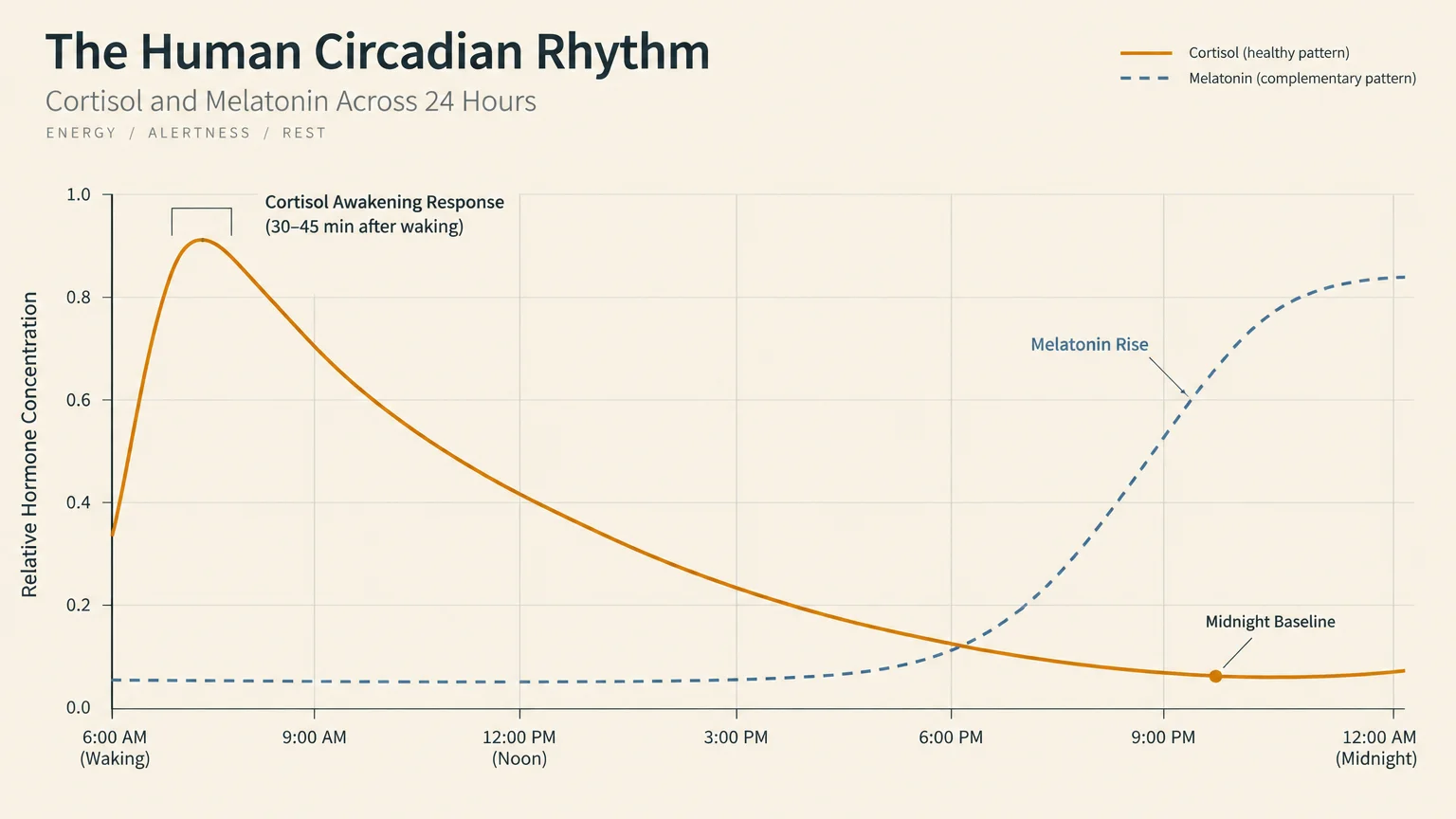
Far from being just a stress molecule, cortisol serves as your body’s primary internal timekeeper for daytime alertness. It operates along a natural 24-hour cycle known to medical researchers as your circadian rhythm.
Under ideal conditions, your cortisol levels rise swiftly within thirty to forty-five minutes after you wake up. This healthy surge, called the cortisol awakening response, gives you the clear-headed focus needed to start your morning.
Your levels should taper off gradually across the afternoon hours; they eventually drop to their lowest baseline around midnight. This nightly decline allows your brain to release melatonin, inviting deep and restorative physical repair.
After age 55, your endocrine system experiences subtle changes that can alter this smooth hormone curve. Your adrenal feedback loops often become less responsive, leading to stubborn evening elevations or sluggish morning starts.
Elevated evening cortisol frequently causes you to toss and turn, leaving you exhausted before the sun even rises. Conversely, insufficient morning production leaves you reaching for extra caffeine just to feel awake and alert.
Chronic low-grade inflammation, commonly known as inflammaging, can prompt your adrenal glands to overproduce cortisol during quiet evening hours. Over time, this disrupted cycle strains cardiovascular health, elevates resting blood sugar, and dims daily vitality.
Fortunately, what you put on your plate directly influences your adrenal function and autonomic nervous system. Meals high in refined flour or added sugar trigger sudden blood glucose surges followed by steep crashes.
When your blood sugar plummets, your adrenal glands release emergency cortisol to mobilize stored glycogen. This rapid chemical release mimics acute emotional panic, keeping your nervous system trapped in a state of high alert.
By contrast, nutrient-rich meals packed with fiber, healthy fats, and minerals provide a slow and dependable fuel supply. They buffer your vascular system against sudden hormonal surges while keeping your mind calm and centered.
Learning natural ways to regulate cortisol empowers you to protect your long-term independence and physical vigor. With intentional kitchen choices, you can restore your body’s natural rhythms safely and effectively.

Practical Tips for a Healthier, Happier Life
You can actively support your endocrine health by incorporating specific, wholesome ingredients into your daily routine. These seven nourishing foods provide the exact micronutrients and macronutrients needed to encourage stress hormone balance.
1. Rolled Oats and Complex Whole Grains
Old-fashioned rolled oats provide complex carbohydrates that break down slowly, releasing a steady stream of glucose into your bloodstream. This gradual release prevents the abrupt blood sugar dips that trigger emergency cortisol spikes.
Oats also stimulate the production of serotonin, a calming neurotransmitter that promotes emotional ease and lowers anxious feelings. Enjoying a warm bowl of oatmeal at breakfast establishes a peaceful baseline for your entire morning.
In addition, oats supply soluble beta-glucan fiber, which nourishes beneficial gut bacteria linked to reduced systemic inflammation. A healthier gut environment directly signals your brain to keep baseline stress hormone output under control.
Prepare your rolled oats with warm water or unsweetened almond milk, adding a pinch of cinnamon for natural flavor. Top the bowl with walnuts or chia seeds to introduce healthy fats that further slow carbohydrate digestion.
2. Wild-Caught Alaskan Salmon
Wild salmon ranks among the top foods that lower cortisol because of its abundant long-chain omega-3 fatty acids. These anti-inflammatory fats, known as EPA and DHA, shield your delicate adrenal glands from constant physiological stress.
Clinical investigations show that regular omega-3 intake helps blunt exaggerated cortisol surges during demanding moments. Seniors who consume fatty fish consistently often report improved emotional resilience, sharper focus, and better overall mood.
Salmon also supplies clean, high-quality protein that helps preserve lean muscle mass without provoking unwanted insulin spikes. Stable insulin levels work hand-in-hand with your adrenal system to maintain balanced daytime energy.
Aim to enjoy two four-ounce portions of wild-caught salmon, sardines, or mackerel every week. You can gently bake fillets with fresh lemon juice and dill, or toss canned wild salmon into lunch salads.
3. Pumpkin Seeds and Magnesium-Rich Legumes
Magnesium serves as nature’s ultimate relaxation mineral, playing an indispensable role in regulating your HPA axis. When your magnesium stores run low, your adrenal glands become hyper-reactive, overproducing stress hormones at the slightest provocation.
Many mature adults absorb less dietary magnesium due to natural digestive changes, making conscious food selection essential. Pumpkin seeds, black beans, chickpeas, and lentils stand out as exceptional, gentle sources of this crucial nutrient.
A modest quarter-cup serving of pumpkin seeds delivers nearly half of your daily magnesium requirement. They also supply zinc and plant sterols, which support immune resilience and foster healthy cellular turnover.
Stir raw pumpkin seeds into warm morning grain bowls, or sprinkle them over crisp evening salads for satisfying crunch. Simmering tender lentil or black bean soups provides an easily digestible, comforting dinner that relaxes tired muscles.
4. Organic Wild Blueberries
Wild blueberries contain remarkable concentrations of anthocyanins, deep blue antioxidants that cross your blood-brain barrier with ease. These specialized plant compounds protect sensitive neural pathways from the oxidative wear and tear associated with aging.
Unchecked oxidative damage overstimulates your adrenal glands, prompting them to release excess cortisol even while you rest quietly. By neutralizing free radicals, wild blueberries help preserve a quiet, harmonious hormonal landscape within your body.
Wild blueberries also deliver a bioavailable supply of vitamin C, an essential antioxidant your adrenals consume rapidly during stress. Replenishing this vital reserve keeps your adrenal tissues functioning smoothly without triggering nervous tension.
Thaw half a cup of frozen wild blueberries to stir into plain yogurt, or blend them into fruit smoothies. Their modest sugar content and generous fiber load ensure gentle, stable blood sugar levels all morning long.
5. Plain Greek Yogurt and Fermented Foods
Your gastrointestinal system maintains constant bidirectional communication with your brain via the vagus nerve. Cultivating a diverse, balanced community of gut microbes downregulates stress signals and helps lower circulating cortisol concentrations.
Fermented foods like plain Greek yogurt, kefir, and traditional buttermilk deliver billions of beneficial live cultures to your gut. These friendly bacteria generate short-chain fatty acids that suppress systemic inflammation and encourage emotional serenity.
Greek yogurt also provides bioavailable calcium and complete dairy proteins that digest slowly and satisfy your appetite. Always choose plain, unsweetened cartons, since added cane sugars can spike your glucose and disrupt your adrenals.
If you prefer plant-based alternatives, add a spoonful of unpasteurized sauerkraut or mild kimchi to your lunch. Even small, regular servings of fermented vegetables deliver potent microbial diversity to your digestive tract.
6. Ripe Avocados
Avocados represent classic cortisol balancing foods, combining heart-protective monounsaturated fats with generous amounts of potassium. Potassium acts as an essential electrolyte that counterbalances sodium, helping relax tense blood vessel walls.
Prolonged stress prompts your kidneys to excrete valuable potassium while retaining excess fluids and sodium. Consuming creamy avocado flesh replenishes intracellular potassium reserves, protecting your cardiovascular system from the physical toll of elevated cortisol.
The healthy oleic acid in avocados also slows gastric emptying, promoting steady nutrient absorption across several hours. This sustained digestion keeps your blood sugar flat and wards off frustrating late-afternoon energy slumps.
Mash a quarter of an avocado over whole-grain sourdough toast, or cube it into a warm vegetable bowl. Its velvety texture provides luxurious culinary satisfaction without irritating sensitive digestive tracts.
7. Chamomile and Holy Basil Herbal Teas
While solid foods build metabolic resilience, warm herbal teas provide therapeutic plant compounds that quiet an overactive nervous system. Chamomile flowers contain apigenin, an antioxidant that binds to brain receptors to ease tension and welcome sleep.
Holy basil, often celebrated as tulsi, functions as a gentle adaptogen that helps normalize fluctuating endocrine output. Sipping tulsi tea in the late afternoon or evening encourages high cortisol levels to taper off smoothly.
The tactile habit of holding a warm mug and inhaling herbal steam activates your parasympathetic nervous system. This calming reflex lowers your pulse, softens breathing, and prepares your mind for deep restorative rest.
Brew a fragrant cup of caffeine-free chamomile or tulsi tea approximately one hour before heading to bed. Avoid adding honey or sweeteners late at night to ensure your blood glucose stays entirely flat.
Structuring Your Daily Cortisol Rhythm Diet
Pairing these foods for stress hormone balance with a consistent eating schedule enhances their biological impact substantially. Adhering to predictable meal times trains your body to anticipate fuel, preventing metabolic anxiety and erratic hormone spikes.
Consume a nourishing breakfast featuring lean protein, complex carbs, and healthy fats within an hour of waking. This meal gently supports your cortisol awakening response without triggering an aggressive spike in adrenaline.
Keep midday lunches balanced and satisfying by combining wild salmon or legumes with vibrant leafy greens and avocado. Avoid oversized, heavy lunches that can divert significant circulation to digestion and induce severe afternoon fatigue.
Finish your evening dinner at least two to three hours before bedtime so digestion completes peacefully. A light supper featuring magnesium-rich pumpkin seeds and herbal tea allows your cortisol levels to reach their nightly trough.
Consistent hydration is equally essential for hormonal balance; even minor fluid deficits trigger adrenal stress responses. Keep fresh water accessible throughout your day and take slow, steady sips from morning until night.

Important Safety Precautions to Keep in Mind
Adopting health-supportive dietary changes should always feel safe, gentle, and appropriate for your individual medical history. Shifting your eating habits too abruptly can occasionally introduce digestive distress or conflict with existing therapies.
Be aware of how certain nutrient-dense foods interact with routine prescription medications commonly taken by older adults. For example, dramatic increases in potassium-rich foods like avocados can complicate the management of specific blood pressure medications.
If you take prescription blood thinners such as warfarin, speak with your care team before significantly increasing omega-3 intake. Moderate culinary portions of salmon are generally safe, but large therapeutic doses require clinical oversight.
Older digestive tracts may also require time to acclimate to higher fiber intakes from oats and legumes. Introduce fiber-dense foods gradually over several weeks and drink plenty of fluids to avoid temporary gas or bloating.
Avoid commercial adrenal cleanses, restrictive fasts, or unverified hormonal extracts promoted across internet marketplaces. These unstandardized products can strain your cardiovascular system and kidneys, posing unnecessary hazards to senior health.
Monitor your daily caffeine intake carefully, particularly as the afternoon progresses toward dinner. Caffeine lingers in mature bodies much longer, artificially elevating cortisol and sabotaging your precious nighttime sleep architecture.
Finally, limit alcohol consumption, which many seniors mistakenly turn to as a calming evening sleep aid. While alcohol produces short-term drowsiness, it surges midnight cortisol levels, fragments restorative sleep, and leaves you exhausted tomorrow.

When to Speak with a Healthcare Professional
While eating wholesome foods provides strong daily support, nutrition cannot substitute for individualized clinical diagnosis and medical care. Endocrine concerns often share symptoms with thyroid disorders, cardiovascular strain, and other serious chronic conditions.
Schedule a medical consultation if you experience severe, unremitting exhaustion that persists despite full nights of rest. Rapid, unexplained weight shifts—especially fat accumulation centered on the face and upper back—also require prompt evaluation.
Seek immediate guidance if you notice profound muscle weakness, persistent low blood pressure, or dark patches on your skin. These specific physical signs may indicate primary adrenal insufficiency, known as Addison’s disease, or hypercortisolemia from Cushing’s syndrome.
Your doctor can arrange comprehensive laboratory evaluations, including salivary cortisol panels, to track your hormone curve over 24 hours. These precise tests remove uncertainty, giving your medical provider the objective data needed to guide your care.
Always bring a complete inventory of your medications, vitamins, and regular dietary patterns to your health visits. Open communication helps your physician align dietary strategies safely with your comprehensive medical plan.
For authoritative, trustworthy health information, always consult official sources like the National Institute on Aging (NIA) and MedlinePlus from the National Library of Medicine. The CDC also provides excellent resources for older adults.
Disclaimer: This article is for informational purposes only and does not constitute medical advice. Always seek the advice of your physician or other qualified health provider with any questions you may have regarding a medical condition.
Frequently Asked Questions
What is the best time of day to eat cortisol balancing foods?
Distribute your wholesome foods evenly throughout the day to mirror your natural hormonal ebb and flow. Enjoy complex whole grains and clean proteins in the morning to fuel your natural waking rhythm smoothly.
Reserve calming, magnesium-rich legumes, seeds, and caffeine-free herbal teas for your evening meals. This thoughtful pacing supports your body’s natural nocturnal cortisol drop, facilitating deep and peaceful rest.
Can morning coffee disrupt my daily cortisol curve?
Drinking strong caffeinated coffee immediately after waking can overstimulate your natural morning cortisol spike. This sharp spike often triggers anxious heart palpitations, digestive distress, and an unpleasant mid-morning energy collapse.
Try waiting an hour after rising before you pour your first warm cup of coffee. This gentle delay allows your body’s natural waking hormones to activate your energy systems smoothly and sustainably.
How quickly can dietary changes improve stress hormone levels?
You will likely feel noticeable improvements in daytime stamina and mood stability within just several days. Preventing sharp blood glucose crashes immediately stops the emergency adrenal surges that cause afternoon fatigue.
Resetting a disrupted circadian rhythm and soothing chronic inflammation generally takes four to eight weeks of consistent nourishment. Sustained, caring habits give your endocrine system the time it needs to rebuild lasting balance.
Do I need cortisol supplements, or is whole food sufficient?
Whole food provides the safest, most effective foundation for restoring and sustaining healthy adrenal rhythms. Wholesome ingredients deliver complex matrices of vitamins, fiber, and trace minerals that work harmoniously without harsh side effects.
Over-the-counter cortisol supplements can easily trigger adverse interactions with medications or overstimulate delicate endocrine pathways. Always consult your primary care physician before adding any commercial hormonal or glandular product to your regimen.