
Your mouth acts as a direct window into your overall physical wellness, frequently revealing hidden health shifts before other symptoms appear. Subtle changes in your gums, tongue, or saliva can uncover early cardiovascular issues, blood sugar changes, and nutritional gaps.
Paying attention to these early oral health warning signs empowers you to protect your long-term vitality. Simple daily observations can help you catch systemic imbalances early, giving you greater control over your body.
Exploring what your mouth reveals about your health allows you to take gentle, proactive steps toward vibrant aging. Here is how your daily oral wellness supports a stronger, healthier life.
Understanding the Basics of What Your Mouth Says About Your Health for Seniors
The Oral-Systemic Connection
Your mouth is not an isolated compartment separated from the rest of your body. It serves as the primary gateway to your respiratory and digestive systems, teeming with hundreds of microscopic organisms.
When oral tissues remain healthy, these micro-organisms live in a balanced, protective equilibrium. However, chronic inflammation disrupts this balance, allowing harmful bacteria to breach mucosal barriers and enter your bloodstream.
Once inside your circulatory system, oral pathogens trigger inflammatory responses that travel to distant organs. Examining dental clues to overall health provides vital insights into your vascular integrity and immune status.
Gum Disease and Systemic Inflammation
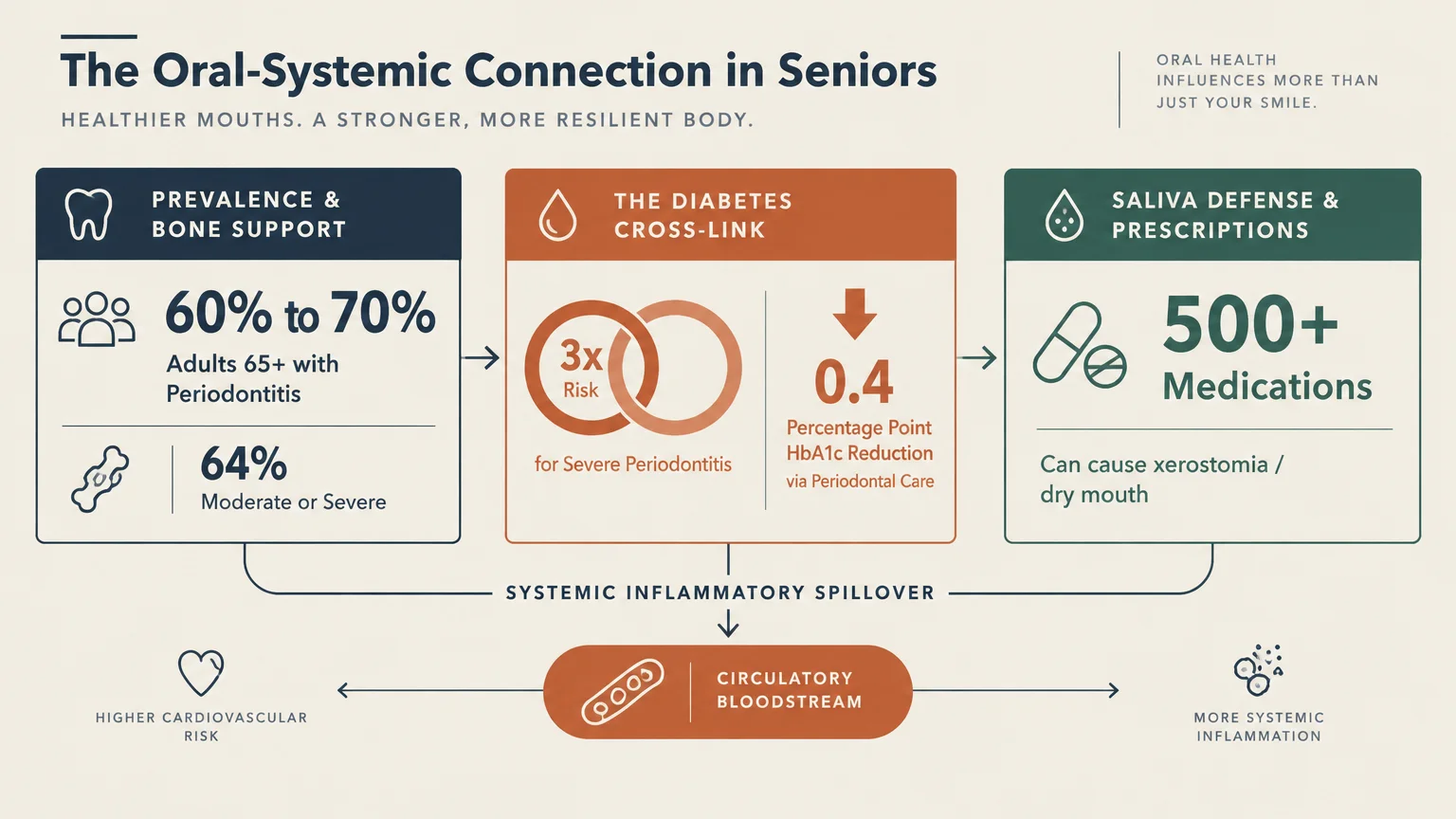
Periodontal disease is remarkably common among older Americans, often progressing quietly without causing noticeable pain. The Centers for Disease Control and Prevention reports that 60% to 70% of adults aged 65 and older have periodontitis.
Among these older individuals, approximately 64% present with moderate or severe stages of the condition. Untreated periodontitis steadily destroys the supporting bone and soft tissues anchoring your teeth.
This chronic infection acts as a continuous inflammatory burden on your entire system. The systemic inflammation generated by diseased gums increases circulating cytokines, which can aggravate arterial plaque accumulation.
Severe periodontal damage also contributes significantly to tooth loss over time. Approximately 26% of adults 65 and older have eight or fewer natural teeth, and roughly 15% are completely edentulous.
The Bidirectional Link with Diabetes
The biological connection between diabetes and periodontal disease represents one of the clearest examples of the oral-body connection. People living with diabetes face an approximately three-fold higher risk of developing severe periodontitis.
Elevated blood sugar levels impair your immune cells, making it much harder for your body to fight gum infections. At the same time, active periodontal disease worsens systemic insulin resistance.
Treating periodontal infection produces meaningful, measurable medical benefits for people with diabetes. Clinical research confirms that successful periodontal therapy reduces HbA1c levels by an average of 0.4 percentage points.
The stakes of untreated gum inflammation are exceptionally serious for diabetic seniors. Diabetic individuals with severe periodontitis experience a three-fold higher risk of combined cardiorenal mortality, including ischemic heart disease and diabetic nephropathy.
Medication Impacts and Saliva Function
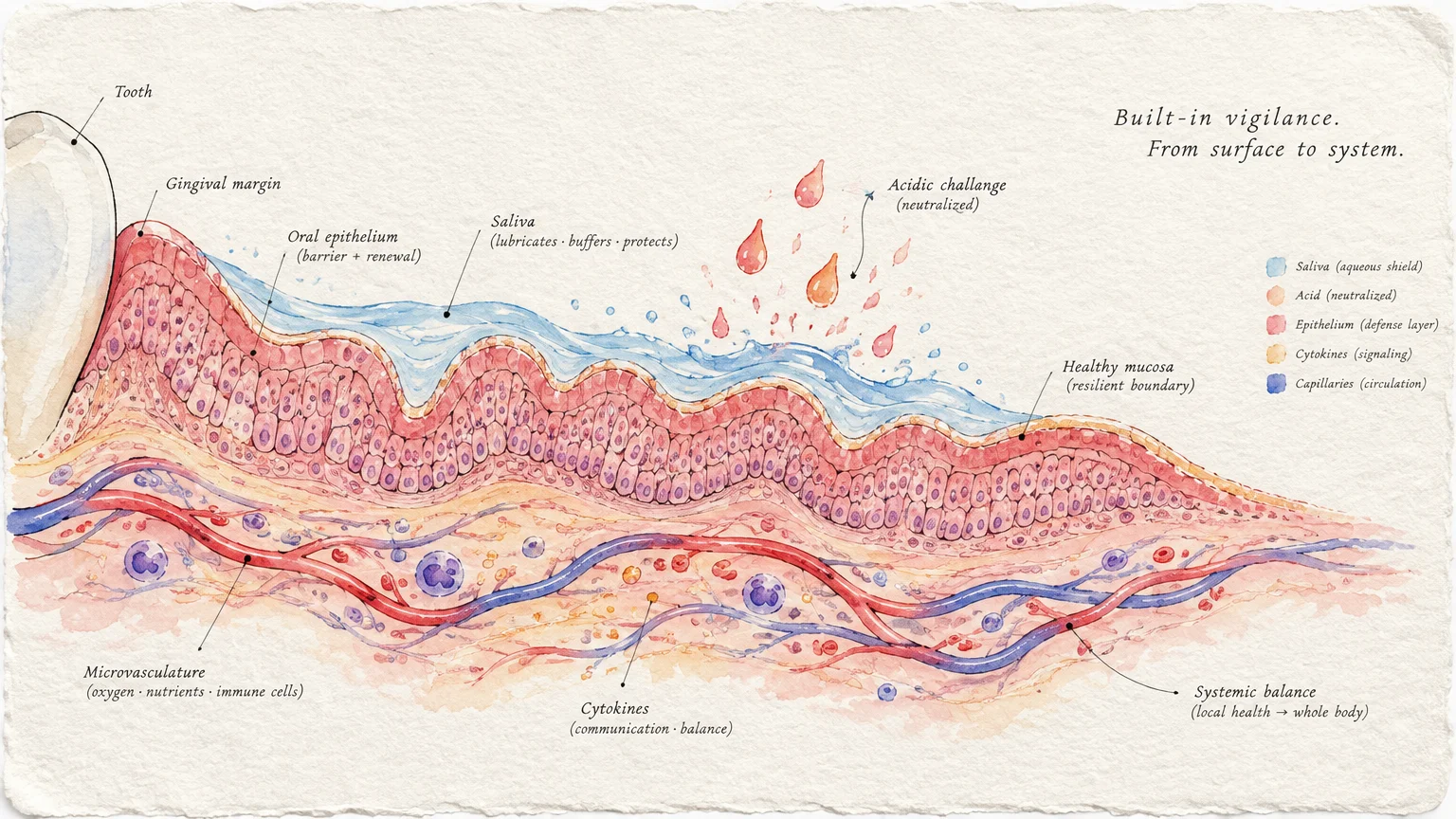
Healthy saliva performs indispensable protective duties, including washing away food particles, neutralizing acidic plaque, and remineralizing delicate enamel. It also contains antimicrobial enzymes that keep fungal and bacterial growth in check.
Unfortunately, over 500 commonly prescribed medications list dry mouth, known clinically as xerostomia, as a recognized adverse effect. In seniors taking multiple daily prescriptions, dry mouth prevalence ranges between 20% and over 70%.
Urological medications prescribed for overactive bladder carry the highest dry mouth risk, generating nearly a six-fold increase. Antidepressant medications follow closely, causing a more than four-fold increase in dry mouth occurrence.
Without adequate salivary flow, oral bacteria multiply unchecked, drastically accelerating tooth decay along vulnerable root margins. Chronic dryness also irritates mucosal linings, making eating, speaking, and swallowing increasingly difficult.
Tongue Changes and Nutrient Absorption
Your tongue reflects your nutritional and gastrointestinal status with surprising precision. A vibrant, healthy tongue displays tiny raised projections known as papillae, which house your taste buds.
When essential nutrients decline, lingual papillae can shrink and vanish, causing a condition known as atrophic glossitis. This leaves your tongue appearing smooth, glossy, tender, and strikingly beefy red.
Atrophic glossitis serves as a classic clinical indicator of vitamin B12 deficiency or iron deficiency anemia. Older adults face an increased vulnerability to these deficiencies due to subtle changes in digestive absorption.
Furthermore, widespread medications can impair your body’s ability to absorb vital micronutrients. Long-term use of proton pump inhibitors for acid reflux and metformin for blood sugar management frequently contributes to vitamin B12 depletion.
Age and Oral Cancer Screening
Oral cavity and oropharyngeal cancers become significantly more prevalent as we move into our later decades. The median age of diagnosis is 64 years, with over 75% to 80% of cases occurring in adults aged 55 and older.
Men face more than twice the risk of women, carrying a lifetime diagnosis risk of 1 in 59 compared to 1 in 139 for women. Understanding these statistics emphasizes the importance of routine checks rather than causing undue alarm.

Practical Tips for a Healthier, Happier Life
1. Relieve Dry Mouth with Targeted Hydration Habits
Drink water frequently in modest sips throughout the day rather than chugging large glasses infrequently. Keeping your oral tissues consistently hydrated dilutes harmful bacterial acids and protects delicate mucosal surfaces.
Keep a reusable water bottle within arm’s reach during your favorite daily activities. Taking regular sips while reading, watching television, or gardening helps maintain comfort without burdening your bladder.
Ask your pharmacist about over-the-counter salivary substitutes, moisturizing mouth sprays, and nighttime oral gels. These specialized formulations mimic natural saliva proteins, offering soothing relief that plain water cannot match.
Chew sugar-free gum or dissolve hard mints sweetened with 100% xylitol between meals. Xylitol naturally encourages your salivary glands to produce more saliva while actively inhibiting decay-causing bacteria.
2. Upgrade Your Daily Mechanical Plaque Removal
Replace your manual brush with an electric toothbrush featuring a pressure sensor and extra-soft bristles. Electric brush heads produce thousands of microscopic cleaning movements that dislodge stubborn plaque without stressing arthritic hand joints.
Position the brush bristles gently against your gumline at a 45-degree angle. Let the brush do the physical work, moving smoothly from tooth to tooth without applying heavy scrubbing force.
Incorporate interdental cleaning brushes or soft rubber dental picks into your evening routine. These slender tools clean the concave surfaces between your teeth far more effectively than traditional string floss for receding gums.
Consider adding a gentle water flosser to rinse deep periodontal pockets and spaces around dental bridges. Pulsating streams of warm water wash away hidden food debris and soothe inflamed gum margins safely.
3. Inspect Your Mouth Monthly for New Changes
Set aside a few minutes each month to examine your oral tissues under bright, direct light. Catching mouth symptoms of disease during their earliest stages allows for straightforward, conservative interventions.
Gently pull your lower lip downward and lift your upper lip to check for red or white patches. Examine the inside of your cheeks, looking for unusual roughness, discoloration, or persistent sores.
Extend your tongue and check both lateral borders, which are frequent sites for tissue abnormalities. Feel along the sides of your neck and underneath your jawline to confirm that lymph nodes remain soft and pain-free.
Maintain a simple wellness journal to track any unexpected sores, tenderness, or dry patches you discover. Noting when a symptom began helps your dental professional evaluate the situation accurately during your visit.
4. Support Your Oral Tissues with Targeted Nutrition
Prioritize whole, nutrient-rich foods that provide the raw materials necessary to preserve your jawbone and mucosal integrity. Calcium-rich foods like plain yogurt, kefir, and fortified plant milks support dense, healthy alveolar bone.
Pair your calcium intake with adequate vitamin D to ensure optimal mineral absorption throughout your skeletal system. Spending a few minutes in morning sunlight or taking a recommended supplement strengthens your teeth and bones alike.
Eat plenty of colorful vegetables rich in vitamin C, such as sweet bell peppers, broccoli, and strawberries. Vitamin C promotes resilient collagen synthesis, helping your gums maintain a tight, protective barrier around each tooth.
Rinse your mouth thoroughly with clean water immediately after consuming acidic foods like citrus fruits or vinaigrettes. Waiting thirty minutes before brushing prevents soft, acid-weakened enamel from being abraded away by your toothbrush.
5. Practice Meticulous Care for Dental Appliances
Always remove full or partial dentures before going to sleep at night. Giving your oral tissues six to eight hours of rest prevents chronic pressure sores and significantly reduces your risk of fungal infections.
Brush your dental appliances every day using a dedicated denture brush and mild, non-abrasive cleanser. Regular toothpaste contains abrasive particles that create microscopic scratches across acrylic surfaces, creating ideal breeding grounds for bacteria.
Submerge your clean dentures in room-temperature water or an approved mild soaking solution overnight. Allowing acrylic materials to dry out can warp their precise shape, leading to painful friction spots and improper fit.
Clean your natural gums, tongue, and the roof of your mouth with an ultra-soft brush before reinserting your appliances. Stimulating your soft tissues boosts local circulation and clears away microscopic residues.
6. Coordinate Care Between Your Medical Team and Dentist
Maintain an accurate, printed list of all your prescription medications, over-the-counter drugs, and herbal supplements. Hand this list to your dental team at every checkup so they can monitor for medication-related oral side effects.
Notify your dentist immediately if your physician changes your blood pressure medications, blood thinners, or bone density therapies. Certain medications, like bisphosphonates, require customized dental protocols to ensure your safety during procedures.
Request that your dentist send regular treatment summaries to your primary care physician, especially if you manage diabetes or heart conditions. Unified healthcare communication ensures both providers collaborate to protect your total wellness.
7. Navigate Dental Benefits and Medicare Options Wisely
Learn the precise rules governing federal health coverage so you can budget effectively for essential oral care. Under Section 1862(a)(12) of the Social Security Act, Original Medicare Parts A and B exclude routine cleanings, fillings, and dentures.
Despite this general exclusion, Medicare covers dental evaluations when they are inextricably linked to the success of clinical medical treatments. This includes eradicating oral infections prior to cardiac valve replacement, organ transplantation, or cancer chemotherapy.
Explore Medicare Advantage plans or standalone dental insurance policies to cover routine preventive cleanings and diagnostic X-rays. Many community health centers also offer sliding-scale dental services tailored specifically to older adults on fixed incomes.
Important Safety Precautions to Keep in Mind
Managing Anticoagulant Therapy and Bleeding
Never stop taking prescribed blood thinners or aspirin before a dental appointment without explicit directions from your prescribing doctor. Bleeding gums during cleanings can be managed safely, whereas stopping cardiovascular medications introduces severe stroke risks.
Inform your dental hygienist about your anticoagulant regimen before they begin any manual scaling or cleaning. They will employ gentler techniques and apply localized pressure if slight bleeding occurs along your gum margins.
Avoiding Harsh Commercial Oral Care Products
Steer clear of aggressive, alcohol-based mouthwashes that promise intense germ-killing power. These stinging formulas strip away natural moisture, leaving sensitive aging oral tissues parched, irritated, and vulnerable to micro-tears.
Be equally cautious with whitening toothpastes containing coarse abrasives designed to remove heavy surface stains. These harsh formulations can erode exposed root dentin, triggering intense tooth sensitivity and accelerating structural wear.
Preventing Inhaler-Related Fungal Infections
Always rinse your mouth vigorously with water and spit it out after using corticosteroid inhalers for asthma or COPD. Residual steroid particles left on oral tissues suppress local immunity, allowing fungal candida spores to flourish into painful thrush.
Consider using a spacer device with your metered-dose inhaler to deliver medication directly into your lungs. Spacers minimize the amount of steroid medicine that settles inside your mouth, protecting your delicate oral tissues.
Handling Appliance Discomfort Safely
Resist the urge to adjust, file, or repair bent dentures or clasps using household tools or drugstore adhesive glues. Home adjustments often distort the appliance geometry, causing severe localized pressure that accelerates underlying jawbone resorption.
Contact your dental office promptly if your appliance causes persistent sore spots, clicking sounds, or slipping while you chew. Professional relining restores a balanced fit, preventing chronic tissue trauma that can become precancerous over time.

When to Speak with a Healthcare Professional
The insights shared in this guide offer supportive education and should never replace qualified diagnostic medical care. You should consult a licensed healthcare professional whenever you experience persistent, painful, or unexpected oral changes.
Recognizing High-Priority Oral Symptoms
Contact your dentist or physician promptly if you develop any mouth sore or ulcer that lingers beyond two weeks. Lingering oral lesions represent critical oral health warning signs that require professional visual and tactile evaluation.
Seek prompt professional care if you notice persistent white, bright red, or speckled patches inside your mouth. While many tissue alterations are benign, early detection of abnormal mucosal changes ensures the best possible health outcomes.
Schedule a dental evaluation immediately if your permanent teeth feel loose, shift positions, or cause bite changes. Sudden tooth mobility points toward advanced periodontal bone loss or underlying structural issues requiring immediate intervention.
Consult your medical doctor if you experience persistent numbness, tingling, or unexplained pain in your lips, tongue, or jaw. Neurological shifts in oral tissues require comprehensive medical investigation to pinpoint their exact underlying cause.
Addressing Swallowing Difficulties and Hoarseness
Do not dismiss difficulty swallowing, a feeling of food catching in your throat, or chronic vocal hoarseness. When these symptoms persist longer than two weeks, an ear, nose, and throat physician should evaluate your throat tissues.
Notify your primary care doctor if severe dry mouth occurs alongside extreme thirst, unexplained fatigue, and blurred vision. This classic combination of symptoms strongly suggests systemic metabolic shifts that require prompt diagnostic blood panels.
Pre-Surgical Clearance and Systemic Care
Always inform your surgical team of any pending dental problems before undergoing joint replacement or cardiac valve surgery. Latent bacterial colonies in untreated teeth can migrate through your bloodstream, seeding newly placed prosthetic implants.
Complete all recommended dental treatments several weeks prior to major elective surgeries whenever possible. Giving your mouth adequate time to heal eliminates dangerous infection reservoirs and supports a smooth, peaceful post-operative recovery.
Frequently Asked Questions
Can a routine dental exam detect general health problems early?
Yes, your dentist routinely checks for systemic health clues during every comprehensive oral examination. Tissues in your mouth often display early warning signs of diabetes, leukemia, anemia, kidney disease, and autoimmune disorders.
Because you may visit your dental team twice a year, they often spot these physical transformations before routine medical checkups. Your dentist can alert you to suspicious findings and refer you directly to your physician.
Why does my mouth feel like it is burning even when I have not eaten spicy foods?
A persistent burning sensation across your tongue, lips, or palate may indicate burning mouth syndrome. This frustrating condition can stem from nutritional deficiencies, severe dry mouth, thyroid imbalances, or nerve signaling changes.
Low levels of vitamin B12, folate, or iron frequently contribute to this intense oral discomfort. Your doctor can perform simple blood tests to identify specific nutrient shortfalls and recommend targeted therapeutic supplements.
Is it normal for my gums to bleed occasionally when I brush my teeth?
Bleeding gums are never considered normal or healthy, regardless of your age. Bleeding signals active gingival inflammation caused by bacterial plaque colonies collecting along your sensitive gumline.
With over 60% of older adults experiencing gum disease, bleeding is common but entirely manageable with proper care. Professional periodontal cleanings combined with gentle daily flossing will quickly resolve inflammation and restore firm, resilient gums.
What should I do if my dentures feel loose or slip while I am talking?
Never attempt to fix loose dentures yourself by adding thick layers of over-the-counter adhesive creams. As we age, our jawbones naturally shrink over time, which causes dental appliances to gradually lose their snug fit.
Schedule an appointment with your dentist to have your dentures professionally adjusted, relined, or refabricated. A properly fitted appliance restores comfortable chewing function, protects your remaining jawbone, and prevents painful friction sores.
For authoritative, trustworthy health information, always consult official sources like the National Institute on Aging (NIA) and MedlinePlus from the National Library of Medicine. The CDC also provides excellent resources for older adults.
Disclaimer: This article is for informational purposes only and does not constitute medical advice. Always seek the advice of your physician or other qualified health provider with any questions you may have regarding a medical condition.