
Taking dietary supplements can boost your daily energy, protect your joint health, and support vibrant living as you age, but mixing certain vitamins and minerals can trigger unexpected health risks. Data from the Centers for Disease Control and Prevention shows that over 80% of women aged 60 and older take at least one supplement daily, while roughly 39% of all adults take two or more. Combining products without knowing how they interact can impair nutrient absorption, reduce medication effectiveness, or trigger severe internal bleeding. Protecting your health requires understanding which dietary combinations create unintended friction in your body. By identifying risky pairings early, you can optimize your daily routine while keeping your body safe and thriving.
Understanding the Basics of Risky Supplement Combinations for Seniors
As you age, your metabolic processes naturally evolve. Your liver and kidneys process and clear biological compounds more gradually, and your stomach acid levels often decrease, changing how your digestive tract absorbs vital nutrients. These physical changes make your body far more sensitive to both beneficial vitamins and dangerous vitamin interactions. When you take multiple dietary products at the same time, their active ingredients interact within your digestive system, bloodstream, and liver cells. Recognizing how these compounds react helps you avoid the common supplement risks seniors face every day.
Research published in JAMA Internal Medicine reveals that approximately 15.1% of older adults between the ages of 62 and 85 face a serious risk of a major adverse drug interaction because they combine prescription drugs, over-the-counter remedies, and dietary supplements. In fact, 67.1% of seniors take five or more prescription medications or dietary products concurrently. Furthermore, national survey statistics from the CDC indicate that 60.2% of all American adults use dietary supplements, with usage expanding significantly as adults enter their golden years. While dietary supplements aim to maintain vital health, taking them without understanding their combined chemical impact creates avoidable wellness hazards.
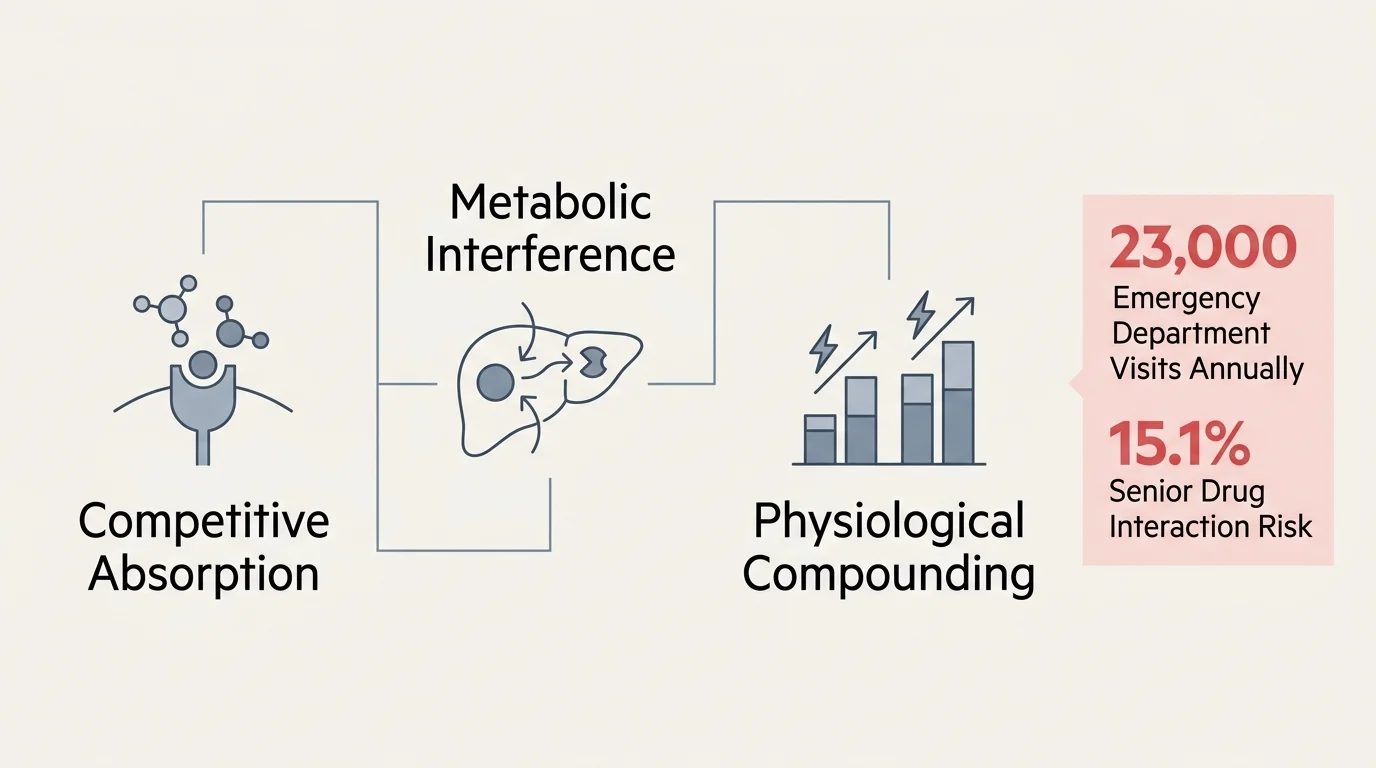
Nutrient and product interactions typically occur through three biological mechanisms. First, competitive absorption happens when two minerals compete for the exact same protein channels in your intestinal lining, causing one mineral to block the other from entering your bloodstream. Second, metabolic interference occurs when an herbal product speeds up or slows down specific liver enzymes—such as the crucial CYP3A4 enzyme—that process your daily medications. Third, physiological compounding happens when two different supplements deliver similar blood-thinning or sedating effects, magnifying their impact on your body to hazardous levels. Clinical studies in the New England Journal of Medicine estimate that dietary supplements cause roughly 23,000 emergency department visits and over 2,100 hospitalizations in the United States every year. Learning practical supplement safety tips protects your health and keeps your daily wellness regimen safe.

Practical Tips for a Healthier, Happier Life
Supporting your vitality does not require you to discard your daily vitamins or beneficial herbal remedies. Instead, simple adjustments to your daily routine, timing, and dosages allow you to eliminate risky supplement combinations while securing maximum nutritional support. Medical experts and integrative health specialists recommend several concrete, actionable strategies to keep your body safe, strong, and nourished.
1. Separate Calcium and Iron Supplements by at Least Two Hours
Calcium and iron are essential for maintaining senior health. Calcium preserves strong bones and supports cardiovascular function, while iron enables red blood cells to transport oxygen throughout your tissues. However, taking these two vital minerals simultaneously severely limits their health benefits. Calcium directly interferes with your body’s ability to absorb iron, reducing iron absorption by up to 50% when you take them together. If you manage fatigue or low iron levels, taking a calcium tablet alongside your iron pill neutralizes much of your iron supplement’s value.
To eliminate this conflict, take your iron supplement in the morning with a glass of water or citrus juice—vitamin C naturally enhances iron uptake in your gut. Save your calcium supplement for lunch or dinner. Spacing these minerals at least two hours apart gives your intestinal tract sufficient time to absorb each nutrient completely without competitive interference.
2. Avoid Combining St. John’s Wort with SSRIs or Prescription Medications
St. John’s Wort remains a widely used herbal remedy for mood balance and mild emotional distress. Medical experts warn, however, that St. John’s Wort causes some of the most dangerous medication supplement interactions known in clinical medicine. This herb powerfully induces the CYP3A4 enzyme in your liver; this enzyme metabolizes drugs, breaking them down much faster than normal and clearing them from your body before they can treat your medical condition.
This accelerated breakdown renders essential blood pressure treatments, cholesterol-lowering statins, and cardiac medications largely ineffective. Combining St. John’s Wort with selective serotonin reuptake inhibitor (SSRI) antidepressants creates an even severe hazard. This combination can flood your central nervous system with toxic levels of serotonin, triggering Serotonin Syndrome—a dangerous medical emergency marked by high fevers, rapid heart rates, severe tremors, and mental confusion. Medical data shows that approximately 28% of people who take St. John’s Wort use it alongside prescription drugs with severe interaction risks. Always consult your medical doctor before taking this herbal product.
3. Exercise Caution with Vitamin E, Omega-3s, and Anticoagulants
Many seniors take high-dose Vitamin E to protect skin health and support cellular integrity, alongside Omega-3 fish oil supplements for joint flexibility and heart wellness. While both compounds provide valuable health benefits, both also possess mild antiplatelet properties that naturally thin your blood. Platelets are the blood components responsible for forming protective clots when you experience a cut or injury.
Taking high doses of Vitamin E (exceeding 400 IU per day) together with concentrated Omega-3 fish oil significantly amplifies blood-thinning action in your circulatory system. If you take prescription blood thinners—such as Warfarin, Clopidogrel, or daily low-dose Aspirin—combining them with these supplements increases your risk of internal bleeding, gastrointestinal hemorrhages, and severe bruising. If your physician prescribes anticoagulant therapy, seek medical approval before taking Omega-3 fish oil, and avoid standalone high-dose Vitamin E supplements entirely.
4. Avoid High-Dose Vitamin K When Taking Blood Thinners
Vitamin K supports arterial flexibility and bone matrix formation, but its chief biological function involves synthesizing prothrombin—a critical protein your body requires to form blood clots. Because Vitamin K actively promotes clotting, it acts as a direct biological antagonist to prescription blood thinners like Warfarin (Coumadin). Warfarin protects your heart and circulatory system by dampening Vitamin K activity to prevent dangerous arterial clots.
If you take a Vitamin K supplement or experience sudden, dramatic spikes in your Vitamin K intake, you counteract your prescription blood thinner. This sudden shift leaves you vulnerable to dangerous blood clots, deep vein thrombosis, or stroke. If you take Warfarin, keep your dietary Vitamin K intake steady and consistent, and avoid taking individual Vitamin K supplements unless your prescribing physician specifically directs you to do so.
5. Balance High-Dose Zinc with Essential Copper
Zinc supplements are popular choice for boosting seasonal immune defense. Taking high doses of elemental zinc—exceeding 50 milligrams daily over several weeks—disrupts your body’s delicate internal mineral balance. Excessive zinc stimulates your mucosal cells to produce an intestinal protein called metallothionein, which traps dietary copper and prevents it from entering your bloodstream.
Prolonged copper deficiency leads to severe microcytic anemia, dangerously low white blood cell counts, and irreversible neurological damage characterized by numbness, tingling, and balance difficulties. To avoid this dangerous vitamin interaction, choose immune support products that balance moderate zinc doses with trace amounts of copper, or restrict high-dose zinc use to short durations during acute illness.
6. Space Out High-Dose Magnesium and Calcium Intake
Magnesium calms your nervous system, supports healthy muscle relaxation, and aids deep sleep, while calcium strengthens your skeletal frame. Many well-formulated multi-mineral supplements pair these two elements together in moderate doses quite successfully. Taking large individual doses of calcium (over 500 milligrams) at the exact same moment as high-dose magnesium, however, creates digestive competition.
Large quantities of calcium and magnesium share the same transport mechanism in your intestine. When saturated with high doses simultaneously, absorption efficiency drops for both minerals, which can diminish their health benefits and trigger stomach cramping or diarrhea. For maximum absorption and physical comfort, schedule your magnesium supplement in the evening to promote relaxing sleep, and take your calcium doses with earlier meals.
7. Keep a Detailed, Written Supplement and Medication Diary
The simplest and most effective defense against risky supplement combinations is an accurate, up-to-date health journal. Write down every single vitamin, mineral tablet, herbal extract, prescription medication, and over-the-counter product you consume daily. Note the specific brand name, exact milligram dosage, and the precise times of day you take each product.
Store a paper copy of this list near your daily pill organizer and keep a digital photo of it on your smartphone. Share this record with your primary care physician, specialists, and pharmacist during every routine checkup. Maintaining a complete list enables your medical team to spot potential interactions quickly and keep your daily routine safe.
Important Safety Precautions to Keep in Mind
Approaching dietary supplements with mindful caution preserves your vitality and guards against accidental harm. Many adults naturally assume that products labeled as all-natural or herbal are completely safe. In truth, concentrated botanical extracts and high-dose micronutrients function as potent biological agents inside your body. Respecting dietary supplements with the same care you apply to prescription medications safeguards your health.
Physical safety during supplement consumption deserves special attention as you age. Landmark medical research published in the New England Journal of Medicine shows that among adults aged 65 and older, 37.6% of emergency room visits caused by supplement side effects stem directly from choking or pill-swallowing difficulties. Large micronutrient tablets account for 83.1% of these swallowing emergencies. Bulky calcium tablets, dense multivitamins, and large potassium pills pose real physical hazards. To reduce these supplement risks seniors face, consider using pill splitters to break large tablets in half, explore liquid or soft-gummy formulations, and always swallow pills while sitting fully upright with a full 8-ounce glass of water.
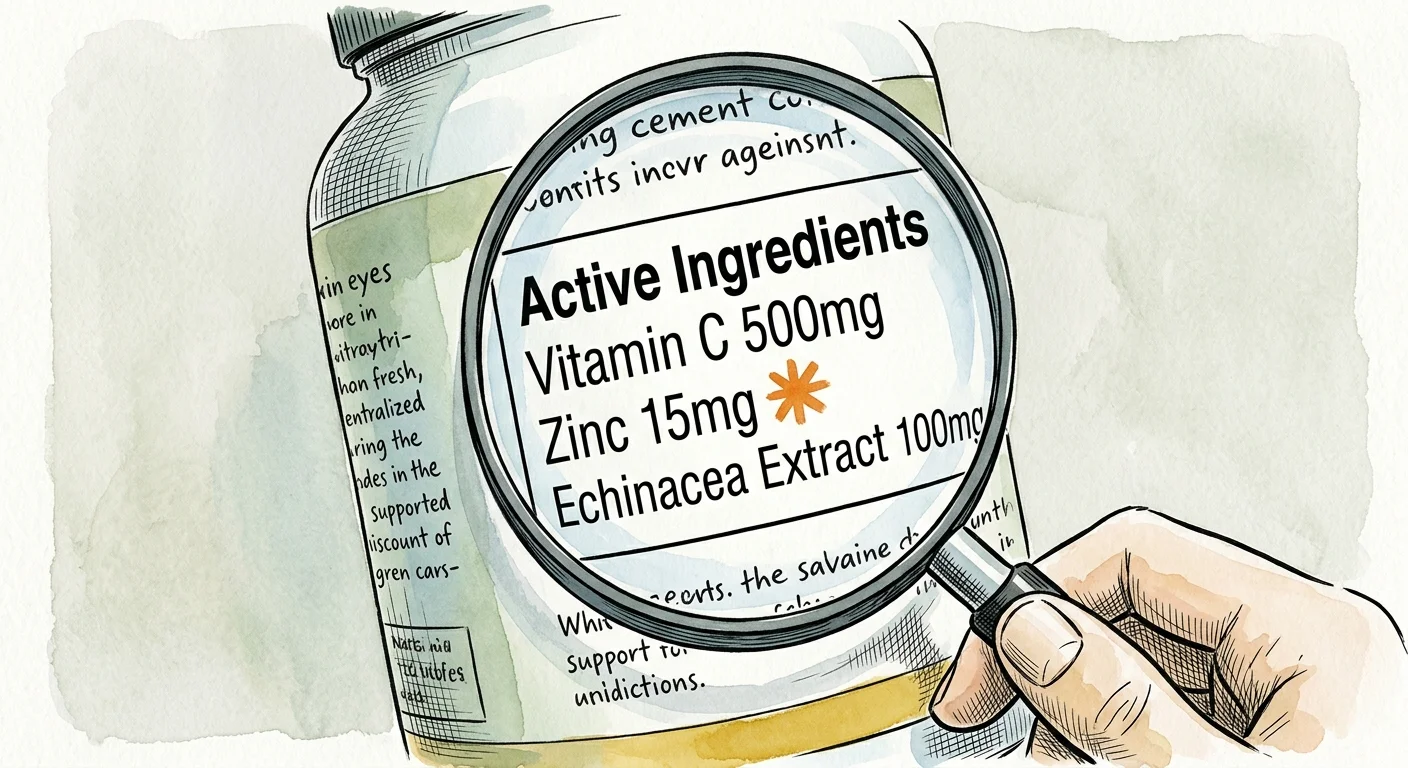
Quality control varies significantly across the dietary supplement marketplace. Unlike pharmaceutical medications, dietary supplements do not undergo strict FDA approval before entering retail stores. To protect your body from contaminated, weak, or mislabeled products, choose supplements certified by independent third-party testing organizations. Look for an official seal from the United States Pharmacopeia (USP), NSF International, or ConsumerLab on the bottle label. These independent seals verify that the product contains the precise ingredients listed on the label without toxic heavy metals, dangerous pesticides, or undeclared prescription ingredients.
Finally, protect yourself against accidental ingredient overlaps. Many seniors take a daily complete multivitamin while simultaneously taking extra standalone supplements for bone density, vision, or joint comfort. Carefully read your supplement facts panels to ensure you are not consuming excessive amounts of fat-soluble vitamins—such as Vitamin A, Vitamin D, or Vitamin E—which accumulate in body tissues over time and can cause organ toxicity when taken in extreme quantities.

When to Speak with a Healthcare Professional
Your physical health is personal, and expert medical guidance remains your most dependable resource. While learning about supplement safety tips empowers you to make wise daily choices, online health information cannot replace personal clinical evaluation. You should always consult your primary care doctor or a licensed pharmacist before changing your daily supplement intake or altering your medication habits.
Schedule a conversation with your healthcare provider immediately if you experience any of these specific situations:
Starting New Products: Always consult your physician before trying new herbal remedies, high-dose vitamins, or specialized wellness supplements, particularly if you manage underlying health conditions like high blood pressure, diabetes, heart disease, or mood disorders.
Unexplained Physical Symptoms: Contact your doctor promptly if you develop unexpected physical changes, such as unexplained bruising, bleeding gums, dark or tarry stools, sudden fatigue, rapid heart rate, muscle weakness, frequent dizziness, or persistent digestive pain.
Upcoming Surgical Procedures: Inform your surgical team and dentist about all supplements you take at least two weeks before any scheduled surgery or dental treatment. Numerous herbal supplements—including Ginkgo Biloba, Garlic extracts, Vitamin E, and Omega-3 fish oils—inhibit blood clotting and must be temporarily paused before surgical procedures.
Annual Brown-Bag Reviews: Perform an annual supplement review with your doctor or local pharmacist. Place all your prescription drug bottles, over-the-counter products, and supplement containers into a bag and bring them to your appointment. This comprehensive review enables your provider to spot dangerous vitamin interactions, trim unnecessary products, and optimize your routine safely.
For authoritative, trustworthy health information, always consult official sources like the National Institute on Aging (NIA) and MedlinePlus from the National Library of Medicine. The CDC also provides excellent resources for older adults.
Frequently Asked Questions
Is it safe to take a daily multivitamin alongside individual supplements?
Taking a daily multivitamin alongside targeted individual supplements can be safe, but you must carefully track your total daily nutrient amounts. Multivitamins already supply baseline levels of essential nutrients. Adding individual high-dose pills for Vitamin D, Calcium, Zinc, or Vitamin A can cause you to exceed safe upper intake limits, leading to potential mineral imbalances or biological toxicity. Review all label values and consult your doctor to ensure your combined daily dosages remain within safe medical guidelines.
How far apart should I space conflicting supplements?
As a safe rule of thumb, space conflicting mineral supplements—such as Calcium and Iron, or Zinc and Copper—at least two to three hours apart. This time delay gives your digestive system adequate time to process and absorb the first nutrient before the second mineral arrives in your intestinal tract. Proper spacing eliminates competitive binding and ensures your body gains full nutritional benefit from both products.
Do herbal teas pose the same interaction risks as dietary supplement pills?
Yes, herbal teas contain bioavailable botanical compounds that can interact with prescription drugs and dietary supplements. Drinking concentrated brews made with St. John’s Wort, Ginkgo Biloba, Green Tea extract, or Chamomile delivers active phytochemicals into your bloodstream. If you take prescription blood thinners, cardiac drugs, or sedatives, treat herbal teas with the same caution as supplement capsules and discuss them with your healthcare team.
What is the safest way to store and organize my daily supplements?
The safest approach involves using a clearly marked weekly pill organizer with separate compartments for morning, afternoon, and evening doses. Keep a written log nearby detailing exact dosages, timing, and whether to consume each pill with meals or water. Store all supplement containers in a cool, dry place away from direct sunlight, heat, and moisture to preserve their stability and active potency.
Disclaimer: This article is for informational purposes only and does not constitute medical advice. Always seek the advice of your physician or other qualified health provider with any questions you may have regarding a medical condition.