Maintaining strong, resilient bones becomes a top priority as you navigate your golden years, yet everyday meals might quietly undermine your skeleton. While you likely know that calcium builds strong frames, certain foods that weaken bones actively leach critical minerals from your system every single day. According to global data from the International Osteoporosis Foundation, 1 in 3 women and 1 in 5 men over 50 experience osteoporotic fractures, resulting in 37 million fragility fractures annually worldwide. Understanding these osteoporosis diet risks helps you make empowered dietary choices that defend your mobility. By swapping mineral-draining items for nourishing alternatives, you protect your bone density, preserve your balance, and maintain your physical independence for decades to come.
Understanding the Basics of Bone Density for Seniors
Your bones are dynamic, living tissues that constantly break down and rebuild throughout your life. In your younger years, your body builds new bone faster than it breaks down old tissue, reaching peak bone mass around age thirty. As you age, however, this natural remodeling process shifts out of balance. Specialized cells called osteoclasts break down old bone tissue faster than osteoblasts can form new bone. This gradual shift leaves your skeleton more porous, fragile, and vulnerable to fractures.
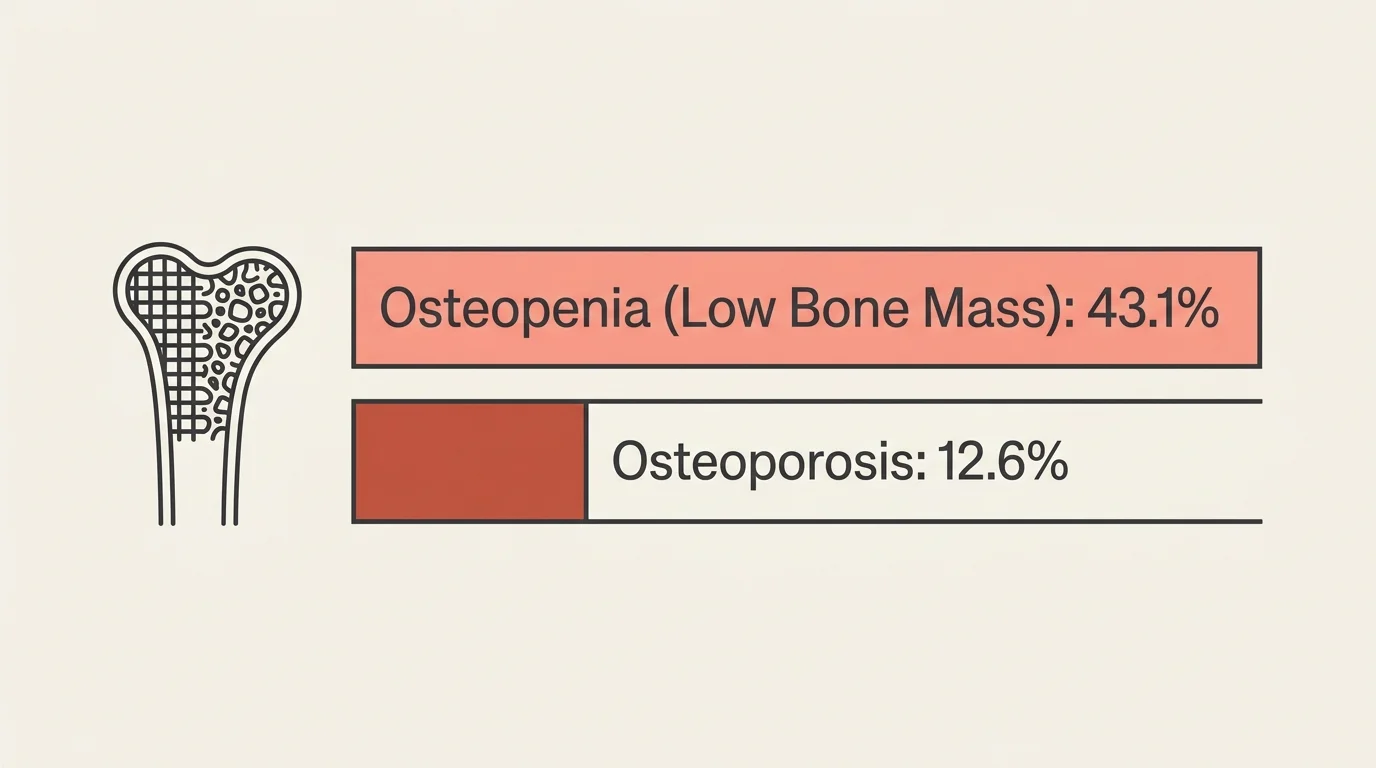
Data from the Centers for Disease Control and Prevention (CDC) reveals that 12.6% of U.S. adults aged 50 and older live with osteoporosis, including 19.6% of women and 4.4% of men. Furthermore, an additional 43.1% of older adults suffer from osteopenia, a condition marked by low bone mass that often precedes osteoporosis. Recognizing these numbers highlights why proactive care matters so deeply for your daily vitality and long-term independence.
Proper bone health nutrition provides the essential raw materials your body needs to maintain structural integrity. The National Institutes of Health (NIH) recommends that women aged 51 and older consume 1,200 mg of calcium daily. Men require 1,000 mg daily from ages 51 to 70, increasing to 1,200 mg at age 71 and older. Additionally, older adults need adequate vitamin D—typically 600 to 1,000 IU daily—to ensure their digestive tract absorbs calcium efficiently.
Unfortunately, specific dietary choices can easily disrupt this delicate equilibrium. Certain foods bad for bone health trigger biochemical reactions that pull minerals directly from your skeletal frame or block intestinal absorption. Identifying foods that cause bone loss empowers you to make simple, highly effective adjustments to your daily plate.

Practical Tips for a Healthier, Happier Life
Protecting your skeletal frame does not require a rigid or restrictive diet. Instead, success lies in identifying damaging ingredients and making intelligent, gradual substitutions. Here are seven primary foods and dietary habits that weaken your bones over time, along with practical swaps you can easily adopt today.
1. High-Sodium Processed Foods
Excessive sodium poses one of the most serious osteoporosis diet risks in modern eating habits. When you consume high levels of salt, your kidneys must excrete the surplus sodium through your urine. Unfortunately, calcium hitches a ride alongside sodium during excretion. For every 2,300 mg of sodium your kidneys flush out, you lose approximately 40 mg of essential calcium. Over months and years, this steady mineral loss significantly compromises your structural density.
Common culprits include canned soups, frozen pre-made dinners, cured deli meats, potato chips, and commercial salad dressings. The U.S. Dietary Guidelines recommends limiting sodium intake to under 2,300 mg per day, yet many packaged meals exceed this limit in a single serving.
Practical Action Plan: Replace canned soups with homemade vegetable stews seasoned with garlic, onion, and fresh herbs instead of table salt. Check nutrition labels carefully and select low-sodium or no-salt-added canned goods. Enhance flavor on your plate using fresh lemon juice, apple cider vinegar, turmeric, and black pepper, which provide robust taste while supporting your overall wellness.
2. Carbonated Colas and Sugary Drinks
Carbonated soft drinks, particularly dark colas, carry a double threat to your skeletal frame. Colas contain high amounts of phosphoric acid, an additive used to impart tartness and preserve shelf life. When you consume excess phosphorus relative to calcium, your body attempts to restore balance by pulling calcium carbonate directly out of your bones. Furthermore, sugary colas often displace healthier, mineral-rich beverages like milk or fortified plant drinks.
Observational studies indicate that older women who drink dark cola daily display significantly lower bone mineral density in their hips compared to those who avoid soda. High-sugar energy drinks and sweetened bottled teas similarly increase internal inflammation and accelerate mineral depletion.
Practical Action Plan: Satisfy your desire for carbonation by switching to sparkling water infused with fresh cucumber slices, raspberries, or a splash of real citrus juice. Warm herbal teas, such as chamomile, rooibos, or green tea, offer comforting flavors while delivering protective antioxidants that support healthy bone cells.
3. Excessive Alcohol Consumption
While enjoying an occasional glass of wine during dinner poses minimal threat, heavy or frequent alcohol consumption severely damages bone health nutrition. Alcohol acts as a direct toxin to osteoblasts, meaning your body slows down the production of new bone tissue. It also impairs your liver’s ability to activate vitamin D, which is essential for proper intestinal calcium absorption.
Moreover, chronic alcohol intake elevates cortisol levels—a stress hormone known to accelerate bone breakdown—while simultaneously lowering estrogen and testosterone levels needed for skeletal maintenance. Beyond cellular damage, excessive alcohol impairs your motor coordination, significantly raising your immediate risk of accidental falls and severe fractures.
Practical Action Plan: Keep your alcohol intake within moderate guidelines—no more than one drink per day for women and two drinks per day for men. Try refreshing non-alcoholic mocktails by combining tart cherry juice with sparkling water and a sprig of fresh mint. Tart cherries offer anti-inflammatory compounds that support joint and bone health.
4. Excess Caffeinated Beverages
Coffee and energy drinks provide a helpful morning pick-me-up, but excess caffeine can mildly hamper your bone strength over time. Caffeine acts as a mild diuretic, causing your kidneys to excrete slightly elevated amounts of calcium through urine. Specifically, for every 150 mg of caffeine you consume—roughly the amount in an eight-ounce cup of strong brewed coffee—you excrete about 6 mg of calcium.
While this loss seems minor on a single day, consuming four or five cups of coffee daily without sufficient calcium intake can create a cumulative mineral deficit over several years.
Practical Action Plan: Limit your coffee consumption to two cups daily, keeping your intake safely under 300 mg of caffeine. Offset potential mineral loss by adding two tablespoons of calcium-fortified milk or unsweetened fortified almond milk to your cup. If you love warm drinks throughout the day, transition to decaffeinated coffee or herbal infusions after lunch.
5. Raw High-Oxalate Vegetables in Unbalanced Amounts
Dark leafy green vegetables generally offer incredible health benefits, but certain varieties contain high levels of oxalates (oxalic acid). Oxalates bind tightly to calcium during digestion, forming an insoluble compound that your intestines cannot absorb. Raw spinach, Swiss chard, rhubarb, and beet greens are naturally high in oxalates.
While raw spinach contains a high total amount of calcium on paper, your body can only absorb about 5% of it due to its oxalate content. Relying heavily on raw spinach as your primary source of calcium can leave you surprisingly low in this vital mineral over time.
Practical Action Plan: You do not need to eliminate spinach or Swiss chard from your diet entirely. Instead, cook these greens by steaming or boiling them, which significantly reduces their oxalate content and frees up minerals for absorption. Furthermore, diversify your leafy greens by eating kale, collard greens, bok choy, and turnip greens, which contain very low oxalate levels and supply highly bioavailable calcium.
6. Refined Sugars and Bakery Snacks
Refined table sugar, high-fructose corn syrup, and baked goods made with refined white flour trigger systemic inflammation that undermines your skeletal system over time. When you consume refined sugar, your blood glucose spikes rapidly, prompting your body to excrete essential minerals like calcium, magnesium, and copper through your urine. Magnesium plays a pivotal role in converting vitamin D into its active form; losing magnesium indirectly blunts your calcium absorption.
Additionally, high sugar consumption impairs collagen synthesis. Collagen forms the flexible protein scaffolding within your bones that prevents them from becoming brittle under mechanical stress.
Practical Action Plan: Satisfy your sweet cravings with naturally sweet whole fruits like blueberries, strawberries, apples, and pears. These fruits contain dietary fiber that slows sugar absorption, alongside vitamin C, which actively stimulates collagen production. Replace refined white flour products with whole-grain options like oats, quinoa, and 100% whole-wheat sourdough bread.
7. Heavy Red Meat and Excessive Animal Protein
Protein forms roughly 50% of your bone volume and provides the essential structural scaffolding for mineral deposition. However, consuming excessive amounts of red meat and high-sulfur animal protein without adequate plant foods can harm your bones. Digesting heavy red meat increases the metabolic acid load in your bloodstream. To neutralize this mild acidity, your body draws alkalizing calcium salts directly from your bones if your dietary potassium and magnesium levels fall short.
Finding the right balance matters immensely. Eating too little protein leads to muscle loss and frail bones, while eating excess animal protein without sufficient vegetables causes unnecessary mineral leaching.
Practical Action Plan: Balance your protein sources across the week. Swap out heavy red meat meals for lean poultry, wild-caught salmon, canned sardines with bones, lentils, beans, and organic tofu. Always pair your protein portions with generous servings of potassium-rich vegetables and fruits—such as sweet potatoes, broccoli, and oranges—which neutralize internal acidity and keep calcium securely inside your skeleton.
Important Safety Precautions to Keep in Mind
When making adjustments to reduce foods bad for bone health, approach your dietary changes with balance and caution. Never make drastic cuts to wholesome food groups without understanding their complete nutritional profile. For instance, completely eliminating dark green vegetables because they contain oxalates deprives your body of folate, vitamin K, fiber, and vital antioxidants. Lightly cooking foods and pairing them intelligently yields far better health outcomes than strict elimination.
Be equally cautious with dietary calcium supplements. While getting calcium from food sources like yogurt, fortified plant milks, canned salmon, and leafy greens is extremely safe, megadosing on high-dose calcium pills can pose health risks. Taking excessive calcium supplements—exceeding 2,000 mg daily—can cause constipation, increase your risk of kidney stones, and contribute to arterial plaque buildup in your cardiovascular system. Always prioritize food sources first, using supplements only to bridge actual gaps in your diet.
Furthermore, pay close attention to potential interactions between your diet, supplements, and prescription medications. Certain medications, such as corticosteroids, proton pump inhibitors for acid reflux, and thyroid therapies, can interfere with mineral absorption or accelerate bone loss. If you take blood thinners like warfarin, keep your intake of vitamin K-rich leafy greens consistent day to day rather than making sudden spikes or drops, as vitamin K directly influences blood clotting mechanisms.

When to Speak with a Healthcare Professional
While adopting a mineral-dense diet offers strong defense for your skeleton, dietary adjustments complement—but do not replace—professional medical oversight. Bone loss often progresses quietly without noticeable symptoms until a fracture occurs. Therefore, proactive medical evaluation remains essential for maintaining your bone health nutrition and physical independence.
You should schedule a consultation with your primary care physician or a registered dietitian if you experience any of the following situations:
Noticeable Height Loss: You have lost more than 1.5 inches of height over time or notice a forward curvature in your upper spine, which often indicates silent vertebral compression.
Unexplained Back Pain: You experience sudden, localized back pain without a clear injury, which could signal an unidentified spinal fracture.
Low-Impact Fractures: You suffer a bone fracture from a minor bump, a slip from standing height, or a low-impact daily movement.
Long-Term Medication Use: You have taken prescription corticosteroids, such as prednisone, for extended periods to manage conditions like asthma, arthritis, or autoimmune disorders.
Routine Screening Needs: You are a woman over age 65 or a man over age 70 and have never received a DEXA (Dual-Energy X-ray Absorptiometry) bone density scan to evaluate your skeletal strength.
Your healthcare provider can evaluate your current bone mineral density, assess your individual fracture risk, check your blood levels of vitamin D and calcium, and recommend safe, personalized therapies tailored to your specific needs.
Frequently Asked Questions
Can I rebuild bone density naturally after age 60?
While you cannot completely restore the bone density of your twenties, you can significantly slow bone loss, preserve existing strength, and improve your overall bone quality at any age. Combining a mineral-rich diet free from major osteoporosis diet risks with regular weight-bearing exercises—such as brisk walking, resistance band training, and stair climbing—stimulates your osteoblasts to build new bone matrix and fortifies your muscular balance against falls.
Is coffee completely off-limits if I want to protect my bones?
No, you do not need to give up coffee entirely. Moderate coffee consumption—about one to two cups daily—causes only a trivial loss of calcium (roughly 6 to 12 mg), which you easily offset by adding a splash of milk or consuming a calcium-rich diet. Problems arise primarily when people drink four or more cups of caffeinated coffee daily while failing to consume enough dietary calcium.
Are plant-based milks as effective for bone health as dairy milk?
Plant-based milks, such as almond, soy, oat, or pea milk, can effectively support your bone health provided they are fortified with calcium and vitamin D. Always check the nutrition facts label on the carton to verify that a single serving provides at least 20% to 30% of your daily value for calcium and vitamin D. Remember to shake the carton thoroughly before pouring, as fortified minerals often settle at the bottom of the container.
How long does it take for dietary changes to impact bone density?
Bone tissue remodels slowly over time. Because bone cell turnover takes several months, dietary changes and lifestyle modifications typically require 12 to 24 months before measurable improvements in bone mineral density appear on a DEXA scan. However, positive changes in cellular markers of bone health and mineral absorption begin within just a few weeks of improving your daily nutrition.
For authoritative, trustworthy health information, always consult official sources like the National Institute on Aging (NIA) and MedlinePlus from the National Library of Medicine. The CDC also provides excellent resources for older adults.
Disclaimer: This article is for informational purposes only and does not constitute medical advice. Always seek the advice of your physician or other qualified health provider with any questions you may have regarding a medical condition.