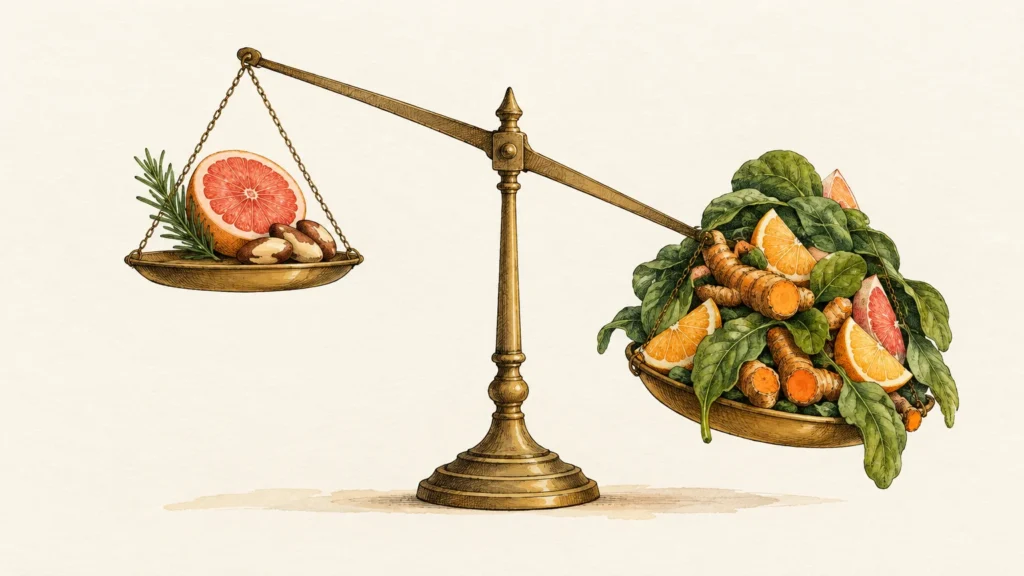
Protecting your digestive system and immune health becomes increasingly crucial as you age, making it essential to identify which foods require thorough cooking. Raw foods often harbor harmful bacteria, natural toxins, and difficult-to-digest compounds that pose significant risks to your overall well-being. Cooking these specific ingredients neutralizes dangerous pathogens, breaks down tough fibers, and unlocks vital nutrients your body needs to thrive. While fresh produce forms the foundation of a nutritious diet, certain staples demand the transformative power of heat before they ever reach your plate. Understanding these dietary boundaries empowers you to enjoy your meals safely and comfortably, preventing unnecessary stomach upset or severe illness.
Understanding the Basics of Raw Food Safety for Seniors
As you age, your body undergoes natural changes that alter how you process food and fight off infections. Your stomach produces slightly less acid, which serves as a primary defense mechanism against foodborne pathogens. Additionally, your digestive tract moves a bit more slowly, giving any harmful bacteria that survive the stomach acid more time to multiply and cause distress. These physical shifts mean that a raw food diet—or even occasionally snacking on uncooked ingredients—carries a much higher degree of risk for seniors than it does for younger adults.
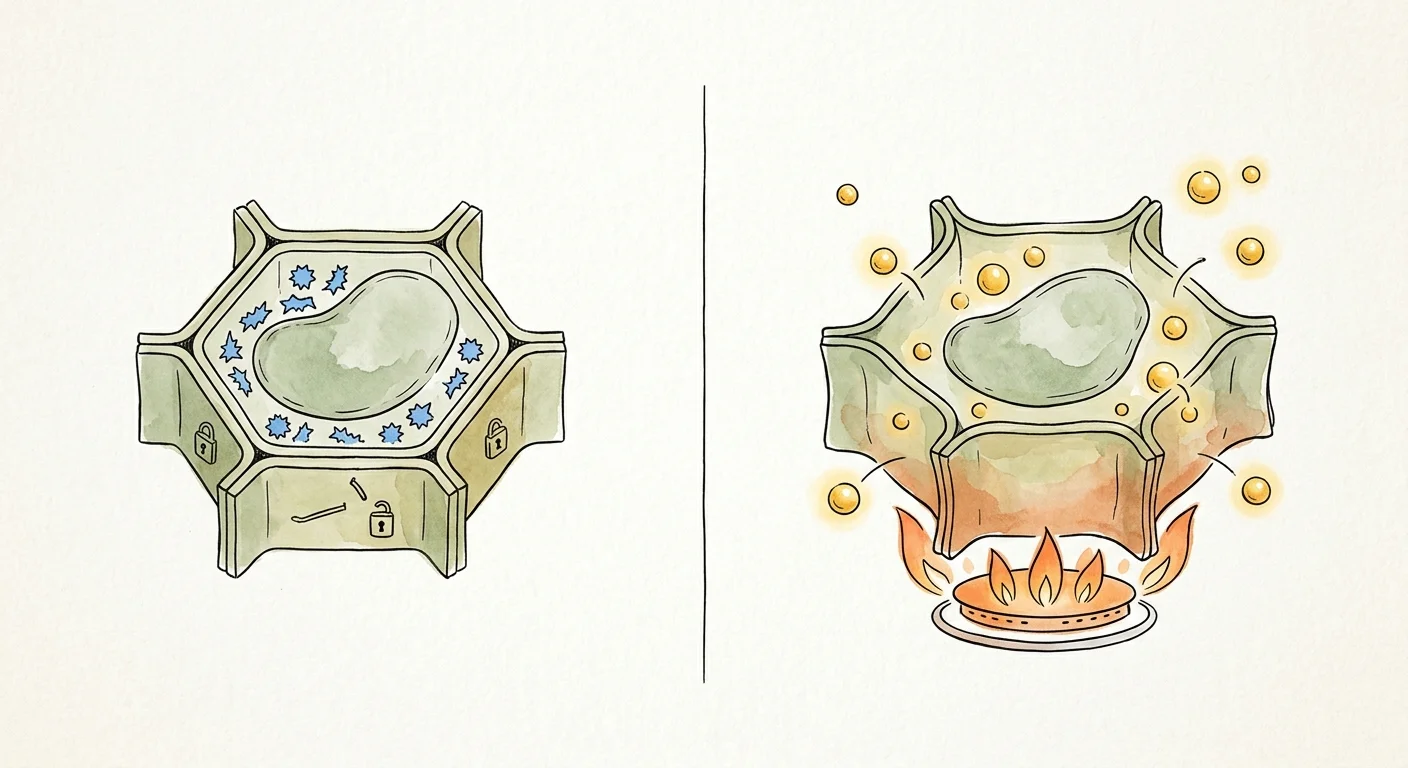
Beyond bacterial contamination, many plants produce natural chemical defenses to protect themselves from insects and animals in the wild. While these compounds occur naturally, they remain highly toxic to human beings until heat breaks them down. For instance, consuming certain raw roots or legumes introduces enzyme inhibitors into your gut, blocking your ability to absorb essential protein and minerals. Heat acts as a necessary key; it disables these defense mechanisms, softens rigid cellular walls, and transforms potentially dangerous plants into nourishing, easily digestible meals. You take control of your digestive wellness simply by applying the right cooking methods to the right foods.
Practical Tips for a Healthier, Happier Life
Curating a safe and nutritious diet requires knowing exactly which ingredients need a trip to the stove or oven. These practical nutrition tips will guide you through the fifteen foods that demand thorough cooking to protect your health and optimize your daily well-being.
1. Red Kidney Beans
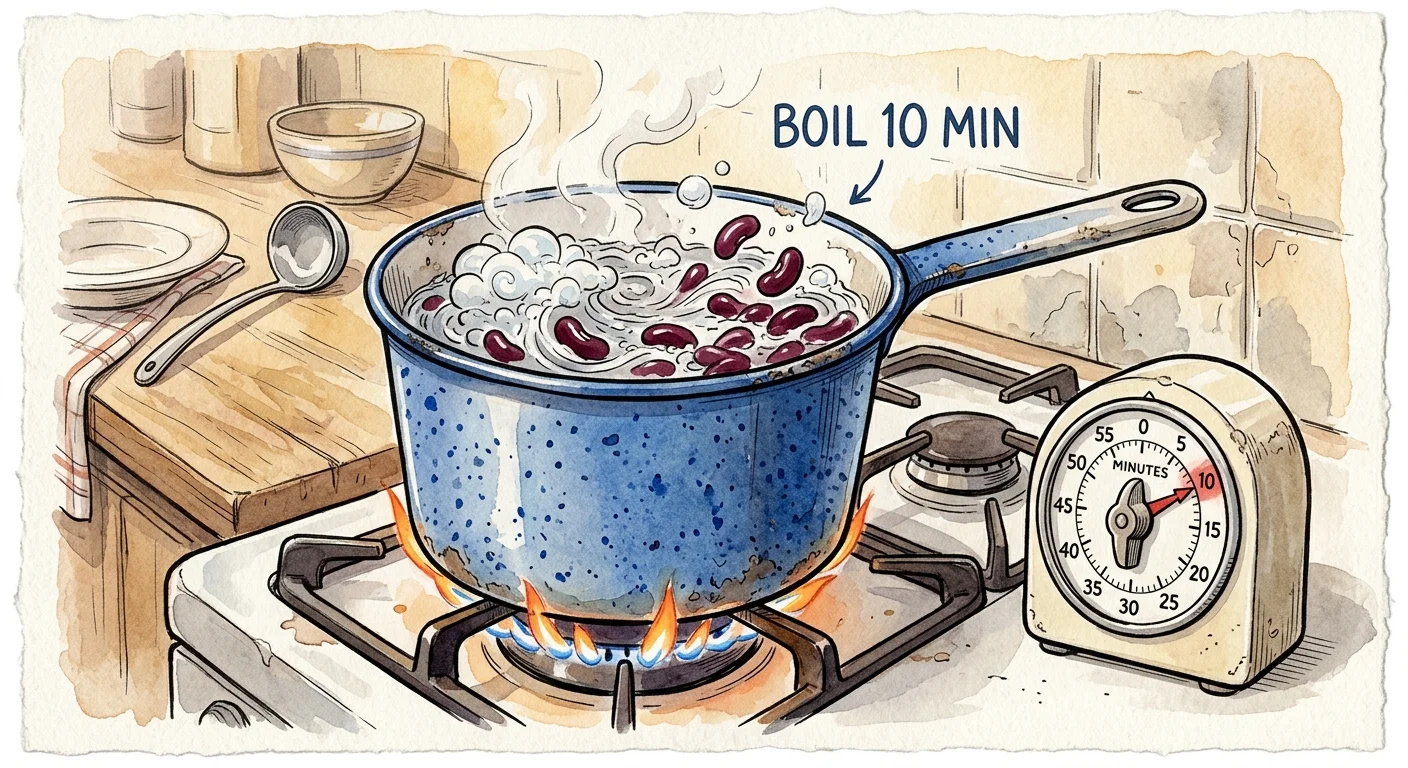
Eating even a handful of raw or undercooked red kidney beans triggers severe nausea, vomiting, and abdominal cramping. These legumes contain a naturally occurring protein called phytohaemagglutinin, which acts as a powerful toxin in your digestive tract. Boiling kidney beans for at least ten minutes completely neutralizes this toxin, making them perfectly safe and highly nutritious. You should always avoid tossing raw kidney beans directly into a slow cooker, as the low simmering temperatures actually increase the toxicity rather than eliminating it.
2. Potatoes
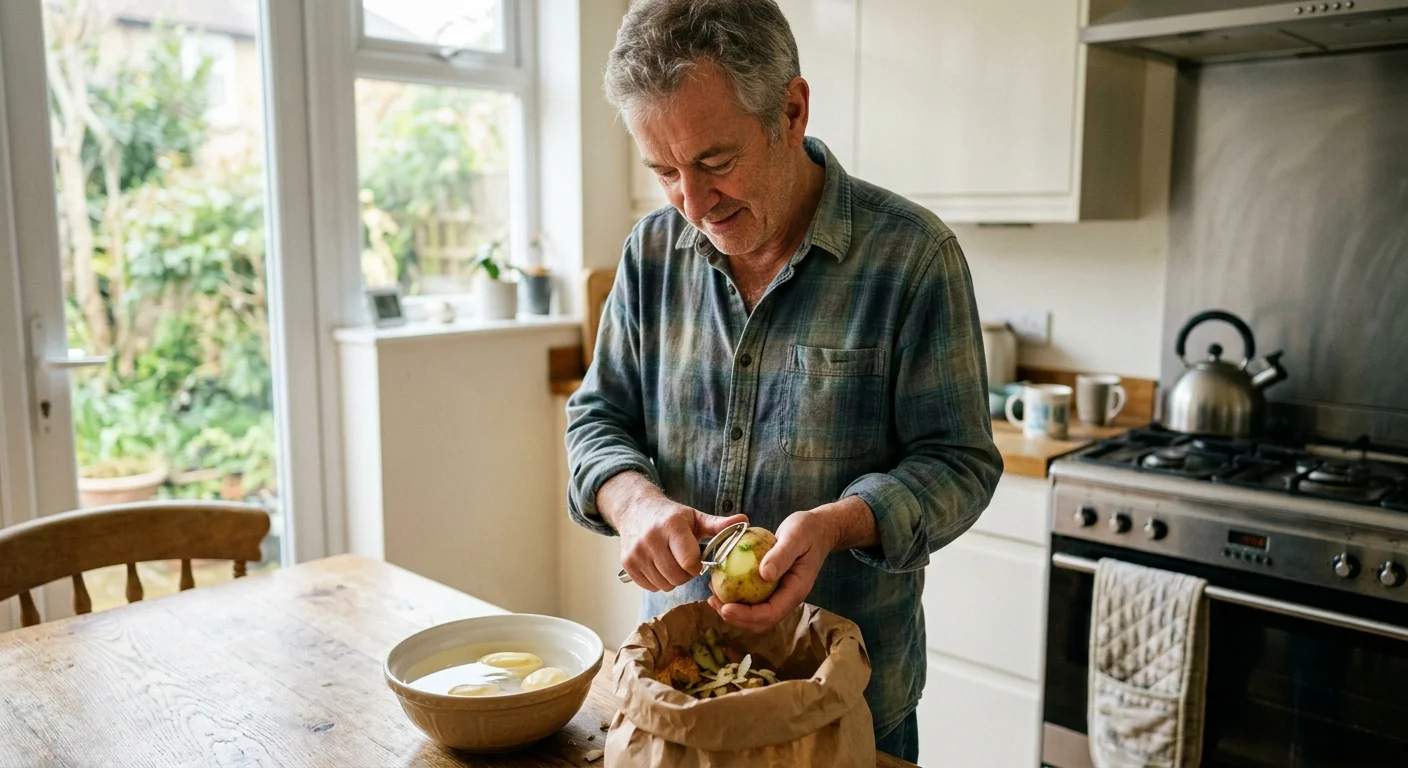
Raw potatoes contain solanine, a toxic compound that causes headaches, nausea, and severe stomach pain. Solanine concentrates heavily in green spots and sprouted areas, so you should peel away any green skin and deeply carve out the eyes before cooking. Furthermore, raw potatoes consist largely of resistant starches that your stomach cannot easily break down, leading to painful bloating and excess gas. Baking, boiling, or roasting your potatoes transforms these starches into an easily digestible form and neutralizes any lingering solanine.
3. Cassava (Yuca)
Cassava, a starchy root vegetable popular in tropical climates, packs an impressive array of carbohydrates and minerals. However, raw cassava contains cyanogenic glycosides, which your body converts into dangerous hydrogen cyanide upon digestion. You must always peel the root thoroughly, as the highest concentration of toxins resides in the skin. After peeling, boiling or roasting the cassava until it becomes completely tender destroys the toxic compounds and provides you with a safe, comforting side dish.
4. All-Purpose Flour
Many people associate food poisoning solely with raw meat, yet raw flour frequently harbors dangerous pathogens like Escherichia coli and Salmonella. Flour comes from grain grown in open fields, where it easily comes into contact with animal waste. The commercial milling process does not involve any heat treatment to kill these bacteria. You should strictly avoid tasting raw dough or batter, whether you bake cookies or prepare pancakes. Baking the dough fully ensures the flour reaches a safe internal temperature.
5. Eggs
While classic recipes occasionally call for raw eggs, consuming them exposes you directly to Salmonella bacteria. As you age, a Salmonella infection can lead to severe dehydration and an extended recovery period. Additionally, raw egg whites contain avidin, a protein that binds to biotin and prevents your body from absorbing this crucial B vitamin. Cooking your eggs until both the yolk and the white are completely firm eliminates the bacterial threat and deactivates the avidin.
6. Poultry (Chicken and Turkey)
Raw poultry consistently carries Campylobacter and Salmonella, two bacteria responsible for millions of food poisoning cases each year. Even a single drop of raw poultry juice on your kitchen counter can contaminate your entire meal. You must cook all chicken and turkey until a reliable meat thermometer registers an internal temperature of 165 degrees Fahrenheit. Thorough cooking represents the only guaranteed method to eradicate these harmful microbes and keep your immune system secure.
7. Pork
While modern farming practices have drastically reduced historical threats like trichinosis, raw or pink pork still frequently harbors the Hepatitis E virus and Yersinia enterocolitica bacteria. These pathogens cause fever, severe abdominal pain, and long-term liver distress. You protect yourself by roasting or pan-frying pork cuts to a safe internal temperature of 145 degrees Fahrenheit, followed by a three-minute resting period to allow the heat to distribute evenly and finish the cooking process.
8. Raw Milk
Unpasteurized, or raw, milk bypasses the vital heating process designed to kill dangerous bacteria such as Listeria, Campylobacter, and E. coli. For older adults, Listeria poses an incredibly serious threat, as it can invade the nervous system and cause life-threatening complications. Pasteurization brings the milk to a high temperature for a brief moment, neutralizing these pathogens without destroying the calcium your bones desperately need. Always verify that the milk and soft cheeses you purchase clearly state they use pasteurized ingredients.
9. Alfalfa and Mung Bean Sprouts
Farmers grow sprouts in warm, incredibly humid environments, which happen to be the exact conditions that dangerous bacteria require to multiply rapidly. Because bacteria can actually enter the sprout seeds before they even grow, simply rinsing raw sprouts under the faucet does nothing to protect you. Adding raw sprouts to your salads or sandwiches drastically increases your risk of a severe intestinal infection. You should steam or quickly stir-fry all sprouts until they are steaming hot to ensure your meals remain completely safe.
10. Elderberries
Elderberry syrup shines as a popular holistic remedy for supporting immune function during cold and flu season. However, you must never consume the raw berries, leaves, or stems of the elderberry plant. The raw fruit contains toxic glycosides that induce violent vomiting, diarrhea, and dizziness. Boiling the berries down thoroughly neutralizes these toxins, allowing you to safely extract their beneficial antioxidants and vitamins to support your well-being.
11. Taro Root
Taro root offers a wonderful, nutty flavor and excellent dietary fiber, but you cannot eat it raw under any circumstances. The raw root and leaves contain thousands of microscopic calcium oxalate crystals. If you chew raw taro, these crystals act like tiny needles, causing intense burning, swelling, and numbness in your mouth and throat. Boiling taro root for at least forty minutes dissolves the calcium oxalate entirely, rendering the root soft, delicious, and gentle on your digestive tract.
12. Lima Beans
Similar to cassava, raw lima beans contain cyanogenic glycosides, specifically a compound called linamarin. Chewing on raw lima beans initiates a chemical reaction that releases hydrogen cyanide into your digestive system. While commercial varieties sold in the grocery store contain relatively low levels of these compounds, they still pose enough risk to require thorough cooking. You easily eliminate the danger by boiling the beans uncovered for at least fifteen minutes, allowing the toxic gases to vent safely into the air.
13. Mushrooms
While tossing raw button mushrooms into a salad remains a popular habit, you actually miss out on their nutritional benefits and expose yourself to unnecessary risks. Raw mushrooms feature incredibly tough cell walls composed of chitin, a fibrous substance your stomach struggles to digest. Furthermore, many raw mushrooms contain trace amounts of agaritine, a naturally occurring toxin. Cooking your mushrooms breaks down the dense chitin, releasing essential B vitamins while simultaneously destroying the agaritine.
14. Bamboo Shoots
Fresh bamboo shoots provide a delightful crunch to many Asian-inspired dishes, yet you must handle them with extreme care. Like cassava and lima beans, fresh bamboo shoots generate cyanide-producing compounds in their raw state. If you purchase fresh shoots from a market, you must slice them and boil them aggressively for twenty to thirty minutes before adding them to your stir-fry. Canned bamboo shoots already undergo this crucial boiling process, making them a safe and convenient alternative for your pantry.
15. Fiddlehead Ferns
Foraging for wild fiddlehead ferns in the spring brings joy to many nature enthusiasts, but these tightly coiled greens harbor an unidentified toxin that causes explosive gastrointestinal distress if consumed raw. Symptoms include severe cramping, nausea, and dehydration, which severely compromise an older adult’s health. You must vigorously wash the ferns and either boil them for fifteen minutes or steam them for ten to twelve minutes before consumption. Sautéing them directly without a prior boiling step does not eliminate the toxin.
Important Safety Precautions to Keep in Mind
Cooking your food to the proper temperature serves as your strongest defense against illness, but your food safety protocols must begin long before you turn on the stove. Cross-contamination represents one of the most significant threats in any kitchen. When you slice raw chicken and then use the same unwashed knife and cutting board to chop salad greens, you instantly transfer harmful bacteria directly to the raw vegetables. You should designate separate cutting boards for raw meats and fresh produce to eliminate this risk entirely.
Additionally, you must prioritize proper temperature control when storing your groceries. Bacteria multiply rapidly at room temperature, a zone experts refer to as the danger zone. You should always refrigerate perishable items—especially raw meats, dairy, and cooked leftovers—within two hours of purchasing or preparing them. Invest in a high-quality, easy-to-read meat thermometer to take the guesswork out of cooking. Relying on the color of the meat or the clarity of its juices often leads to dangerous undercooking. Finally, wash your hands vigorously with warm, soapy water for at least twenty seconds before and after handling any raw ingredients to protect your immune system and maintain a pristine cooking environment.

When to Speak with a Healthcare Professional
Even with the most meticulous kitchen habits, foodborne illnesses or digestive issues can occasionally occur. You must remain vigilant and listen to your body’s signals, especially since seniors face a higher risk of severe dehydration from stomach ailments. If you experience persistent diarrhea lasting more than two days, a high fever, or an inability to keep fluids down, you need to contact your doctor immediately.
Other alarming signs include dizziness upon standing, severe abdominal cramping, or excessive dry mouth, which all point to dangerous levels of fluid loss. Please remember that dietary adjustments and healthy eating practices play a vital role in your holistic wellness, but they do not replace clinical care. You should always reach out to a trusted healthcare provider to discuss your specific nutritional needs, manage sudden digestive symptoms, or evaluate how your current diet interacts with your prescribed medications.
Frequently Asked Questions
Why does digesting raw vegetables become more difficult as we age?
As you grow older, your body naturally decreases its production of specific digestive enzymes and stomach acids required to break down tough plant fibers. Additionally, subtle changes in dental health or chewing strength can prevent you from adequately crushing raw vegetables before you swallow them. Cooking softens the rigid cellular structures of vegetables, essentially doing the first part of the digestive work for you, which prevents painful gas and excessive bloating.
Are lightly steamed vegetables just as safe as fully boiled ones?
Yes, light steaming remains an excellent, holistic method for preparing vegetables. Steaming introduces enough targeted heat to break down tough cell walls, neutralize mild natural toxins, and kill surface bacteria, all while preserving water-soluble vitamins like Vitamin C. For foods like spinach or asparagus, a gentle steam strikes the perfect balance between prioritizing food safety and maximizing your nutritional intake.
Should I wash raw chicken or pork before cooking it?
You should never wash raw meat or poultry under your kitchen faucet. Running water splatters microscopic droplets of contaminated juices up to three feet away, coating your sink, countertops, clean dishes, and nearby fresh produce with dangerous bacteria. Cooking the meat to the appropriate internal temperature remains the only effective and safe way to destroy the bacteria.
Is it safe for older adults to consume sushi or raw fish?
Healthcare professionals strongly advise seniors to avoid raw fish and sushi. Raw seafood frequently harbors parasitic worms and the Listeria bacteria. Because an older adult’s immune system naturally weakens over time, fighting off these specific infections proves much more difficult and dangerous. Opting for fully cooked seafood, such as baked salmon or grilled shrimp, provides you with the same heart-healthy omega-3 fatty acids without the severe health risks.
For authoritative, trustworthy health information, always consult official sources like the National Institute on Aging (NIA) and MedlinePlus from the National Library of Medicine. The CDC also provides excellent resources for older adults.
Disclaimer: This article is for informational purposes only and does not constitute medical advice. Always seek the advice of your physician or other qualified health provider with any questions you may have regarding a medical condition.