Your fingernails do far more than protect your delicate fingertips; they act as a quiet window into your body’s overall internal biological health. As you age, subtle shifts in nail texture, color, and structure often offer vital clues about your cardiovascular circulation, metabolic activity, and nutritional status. Paying attention to nail changes that signal health problems empowers you to catch systemic imbalances early, supporting your holistic wellness journey with confidence and peace of mind. By understanding what your nails say about your health, you can proactively partner with your physician to safeguard your vitality. Recognizing these subtle nail health warning signs ensures you maintain optimal well-being every single day.
Understanding the Basics of Nail Health for Seniors
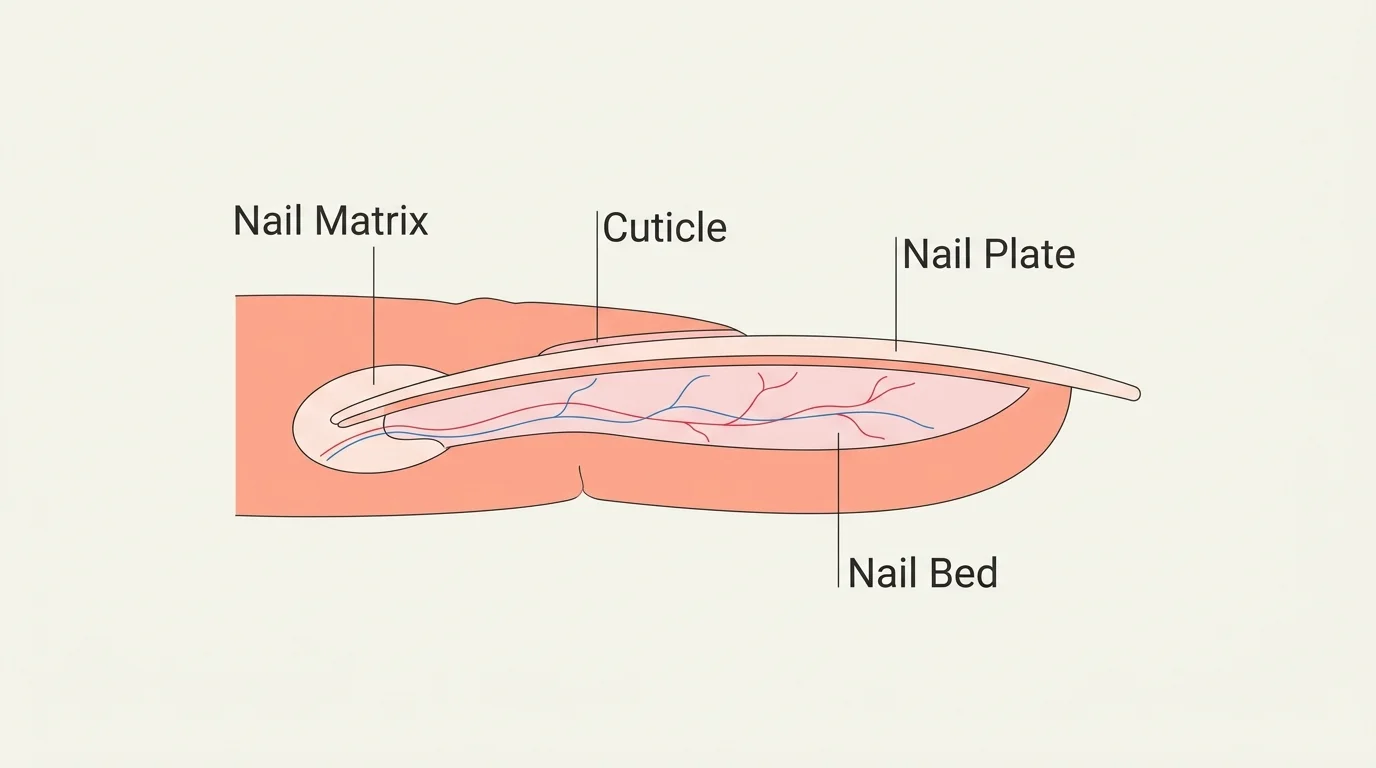
To truly understand how your nails reflect your internal wellness, you must first explore how they grow. Your nails originate in the nail matrix, a specialized tissue hidden beneath the cuticle at the base of each finger and toe. This matrix continuously generates hard keratin proteins, pushing older cells forward to form the hard nail plate you see. Beneath this translucent plate lies the nail bed, a dense network of tiny blood vessels and nerves that supplies vital nutrients and oxygen, giving healthy nails their gentle pink hue.
As you celebrate more birthdays, your body undergoes natural biological changes that directly impact this growth process. Capillary blood flow to your extremities gradually slows down, which means your nail matrix receives fewer nutrients over time. In early adulthood, fingernails grow approximately three millimeters every month, but for adults over fifty-five, that rate can decrease by half. Reduced microcirculation, combined with age-related changes in skin moisture and cell turnover, makes mature nails naturally slightly thicker, more brittle, or subject to subtle vertical ridges.
However, you should never dismiss distinct structural or color shifts as merely an inevitable consequence of aging. Because your nails depend on a steady supply of oxygenated blood, thyroid hormones, and systemic nutrients, they often show the first signs of illness in fingernails before internal symptoms fully manifest. Major organs—including your heart, lungs, liver, and kidneys—leave distinct physiological footprints on your nail matrix and bed. By monitoring your nails during your routine self-care habits, you gain a non-invasive, accessible tool for monitoring your systemic health.
Understanding the difference between benign, natural aging changes and true physiological warning signs allows you to advocate for your health effectively. When you observe your hands closely, you notice subtle messages your body communicates daily. Recognizing these patterns empowers you to seek timely medical advice, fine-tune your nutrition, and protect your long-term independence and vitality.
Practical Tips for a Healthier, Happier Life
Integrating simple nail inspection into your daily personal routine helps you identify potential health issues early while maintaining comfortable, resilient hands. Below, you will discover eight specific nail changes, what they mean for your overall health, and practical, safe steps you can take to foster holistic wellness.
1. Spoon-Shaped Nails (Koilonychia)
Spoon-shaped nails, medically known as koilonychia, occur when the center of your nail plate dips downward while the outer edges curve upward. This unique concavity can become deep enough to hold a small drop of liquid on top of your nail. Rather than a firm, convex arch, the nail feels thin, soft, and flexible.
This distinct shift frequently indicates an underlying iron deficiency, such as iron deficiency anemia. When your body lacks adequate iron, your blood cannot produce enough hemoglobin to deliver oxygen efficiently to the nail matrix, causing structural weakening. Less commonly, spooning signals iron overload (hemochromatosis), thyroid imbalances, or cardiovascular disease.
Actionable Steps for You:
Schedule a routine appointment with your primary care provider to request a full blood count and serum ferritin test. Incorporate iron-rich, nutrient-dense foods into your diet, such as organic dark leafy greens, lentils, beans, and lean poultry. Always pair plant-based iron sources with vitamin C—such as a squeeze of fresh lemon juice or sliced bell peppers—to maximize your body’s iron absorption naturally.
2. Clubbing of the Fingernails
Nail clubbing occurs gradually over several months or years. It begins when the tissue beneath the nail bed softens and thickens, causing the end of your finger to appear enlarged, rounded, or bulbous. As the condition progresses, your nails curve downward sharply over the tips of your fingers, resembling the rounded end of an upside-down spoon. You will also notice the loss of the normal angle between your cuticle and nail plate.
Clubbing usually results from chronic low blood oxygen levels (hypoxia). When your peripheral tissues suffer from persistent oxygen deprivation, tiny blood vessels in your fingertips dilate and release growth factors that expand the soft tissue. This manifestation often points to underlying respiratory or cardiovascular conditions, including chronic obstructive pulmonary disease (COPD), idiopathic pulmonary fibrosis, lung conditions, or heart valve issues. It can also signal inflammatory bowel disease or liver dysfunction.
Actionable Steps for You:
Perform a quick self-check using the Schamroth window test: place the fingernails of your index fingers together back-to-back. If you do not see a small diamond-shaped window of light between your cuticles, bring this finding to your doctor’s attention. Focus on daily gentle breathing exercises, maintain clean indoor air quality with HEPA filtration, and prioritize regular cardiopulmonary evaluations.
3. Pale, White, or Terry’s Nails
While healthy nail beds feature a warm, pink tint, unusually pale or white nails require extra attention. In some cases, the entire nail plate looks washed out or milky. A specific variation, known as Terry’s nails, causes most of the nail to turn opaque white with a narrow, dark pink or reddish-brown band across the very top edge near the fingertip.
Extreme paleness often stems from generalized anemia or reduced systemic vascular flow. Terry’s nails, on the other hand, usually occur due to a decrease in microvascular blood vessels combined with an increase in connective tissue within the nail bed. This pattern strongly correlates with chronic conditions such as hepatic cirrhosis, congestive heart failure, chronic kidney disease, or adult-onset diabetes.
Actionable Steps for You:
Ask your physician to evaluate your liver enzymes, renal function, and metabolic panel. Support your microvascular health by staying well-hydrated throughout the day with filtered water and herbal teas. Engage in gentle, daily physical activities like walking, water aerobics, or seated stretching to boost systemic circulation to your hands and feet.
4. Yellowing, Thickening, and Crumbling
Yellow nails often become abnormally thick, hard, and distorted in shape. The edges may crumble easily, and the space beneath the nail plate can collect dense debris. In some cases, the nail slows its growth dramatically and partially detaches from the underlying nail bed.
The most frequent culprit behind yellow, thickened nails is a superficial fungal infection known as onychomycosis. Fungi thrive in warm, dark, moist environments and easily invade mature nails through microscopic cracks. However, persistent yellowing across all fingernails can also indicate Yellow Nail Syndrome, a condition linked to chronic respiratory disease, lymphedema, or impaired lymphatic drainage. Additionally, diabetes increases your susceptibility to fungal overgrowth due to reduced peripheral circulation and altered blood sugar levels.
Actionable Steps for You:
Keep your hands and feet thoroughly dry after bathing, paying special attention to the spaces between your toes and fingers. Choose breathable footwear and moisture-wicking natural cotton or bamboo socks. Avoid using harsh chemical artificial gels or thick polishes that trap moisture over infected nails. Consult your doctor or a podiatrist for safe, targeted antifungal therapies or gentle laser treatments.
5. Dark Vertical Stripes or Bands (Melanonychia)
Melanonychia presents as a continuous brown, dark grey, or black vertical band stretching from the cuticle down to the tip of your nail plate. It may appear on a single nail or multiple digits, varying in width from a thin line to a broad stripe.
Vertical dark bands often occur naturally as harmless pigment variations, particularly in individuals with darker skin tones. They can also stem from minor physical trauma or medication side effects. However, a new, darkening, or expanding vertical stripe on a single digit can be one of the critical nail abnormalities and disease indicators: subungual melanoma. This rare but serious form of skin cancer originates directly within the nail matrix.
Actionable Steps for You:
Examine any dark linear line using the clinically recognized ABCDEF guideline for subungual melanoma: evaluate Age (50-70 range carries higher risk), Band color and width (wider than 3 millimeters or displaying multiple shades), Change (rapid darkening or growth), Digit involved (thumb and big toe are most common), Extension of pigment onto the surrounding cuticle skin (Hutchinson’s sign), and Family history. If you notice a new or evolving band, schedule a prompt evaluation with a board-certified dermatologist.
6. Pitting, Rippling, or Small Dents
Nail pitting causes tiny, shallow indentations or small depressions across the smooth surface of your nail plate. These small dents can appear randomly or in neat horizontal rows, making the surface of your nail look similar to the pitted exterior of a thimble or a golf ball.
Pitting occurs when localized inflammation disrupts normal keratin formation inside the proximal nail matrix. This symptom strongly aligns with autoimmune inflammatory skin conditions, most notably psoriasis and psoriatic arthritis. In fact, up to 50 percent of people with skin psoriasis experience nail involvement. Pitting can also signal other autoimmune or dermatological conditions, such as alopecia areata or severe localized eczema.
Actionable Steps for You:
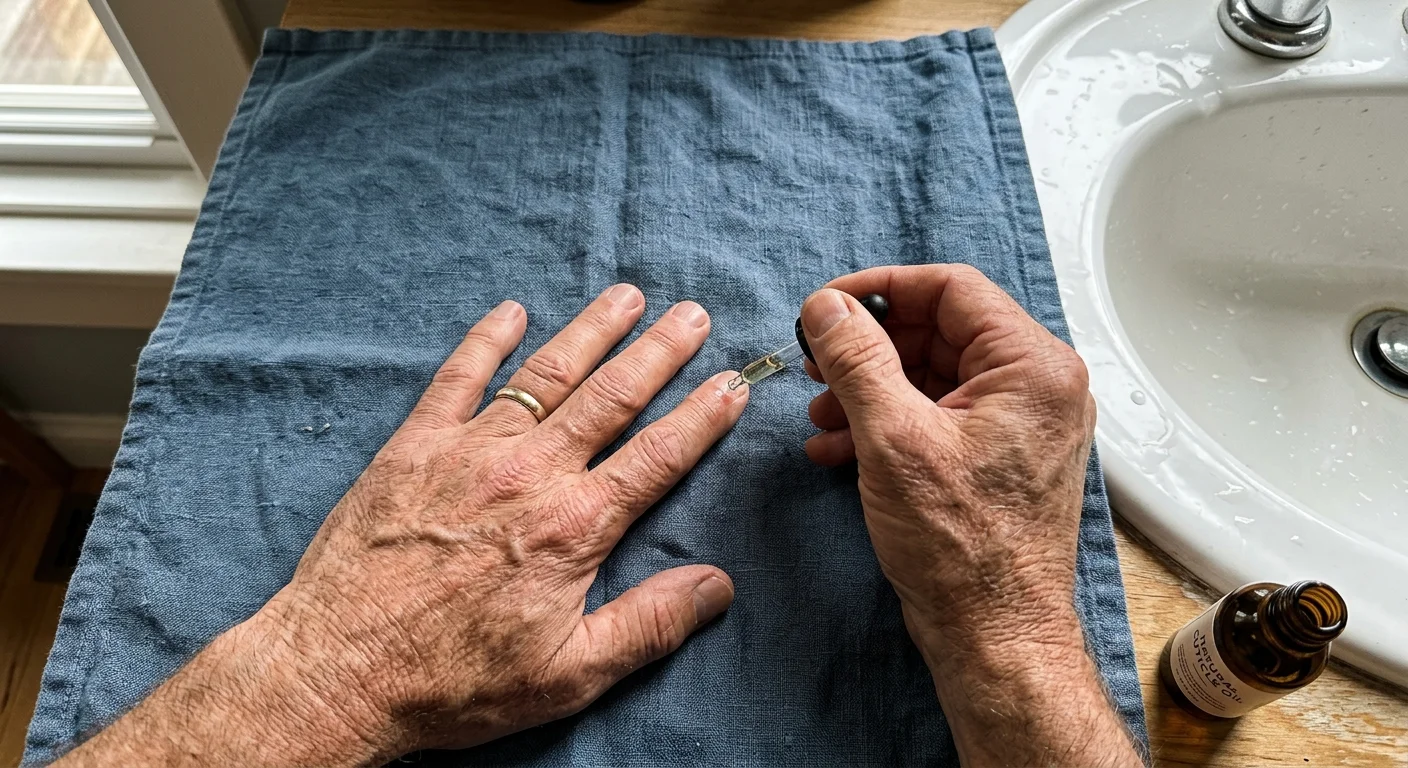
Protect your hands from external irritants by wearing cotton-lined gloves while washing dishes, gardening, or handling household cleaning solutions. Keep your cuticles richly hydrated using natural, non-comedogenic oils like cold-pressed jojoba or sweet almond oil. Support balanced immune function by nourishing your body with an anti-inflammatory diet abundant in omega-3 fatty acids, cold-water fish, walnuts, and flaxseeds.
7. Horizontal Ridges or Grooves (Beau’s Lines)
Unlike normal vertical ridges that run from cuticle to tip, Beau’s lines are distinct deep grooves or depressions running horizontally across the entire width of your nail plate. You may notice a single deep groove or multiple parallel lines spaced evenly apart down the nail.
Beau’s lines form when a sudden systemic shock or severe physical stress temporarily halts cell division in your nail matrix. When matrix activity resumes after the crisis passes, the pause leaves a permanent horizontal gap that travels outward as the nail grows. Triggers include severe acute illnesses accompanied by high fever, major surgical procedures, severe nutritional deprivation, uncontrolled diabetes flare-ups, or sudden vascular events.
Actionable Steps for You:
Use the location of the groove to estimate when the physical stress event occurred; since human fingernails grow roughly one millimeter every ten days, a line three millimeters from your cuticle indicates an illness roughly one month prior. Discuss your findings with your healthcare provider to ensure your body has fully recovered from the underlying trigger. Focus on optimizing your daily glycemic control, stress management techniques, and restorative sleep habits.
8. Brittle, Splitting, or Cracking Nails (Onychoschizia)
Brittle nails peel apart in delicate horizontal layers near the free edge, snap easily during normal daily activities, or develop frequent vertical splits. Your nails may feel abnormally thin, dry, soft, or rough to the touch, catching frequently on delicate fabrics.
Brittle nails often result from the natural biological aging process, which reduces the natural lipid and water content within the nail plate. However, persistent brittleness and splitting can also indicate underlying thyroid dysfunction—particularly hypothyroidism, where low thyroid hormone levels slow your metabolism and impair skin and hair hydration. Nutritive gaps, including low levels of biotin, zinc, or essential fatty acids, also contribute significantly to nail fragility.
Actionable Steps for You:
Apply a thick, unscented barrier cream or pure shea butter immediately after washing your hands to seal in vital surface hydration. Avoid frequent exposure to harsh acetone nail polish removers, alcohol-based hand sanitizers, and synthetic cleaning agents. Ask your primary physician to perform a thyroid panel (TSH, free T3, free T4) and discuss whether a high-quality biotin supplement suits your unique dietary needs.
Important Safety Precautions to Keep in Mind
While monitoring nail health warning signs provides valuable personal insight, practicing safe, gentle hand and foot hygiene prevents unintended complications. Mature skin and nails require soft, restorative care rather than aggressive cosmetic treatments.
First, never aggressively cut, trim, or push back your cuticles. Your cuticle serves as a vital waterproof seal that guards the sensitive nail matrix against bacterial invasion, fungal spores, and harmful pathogens. Trimming cuticles creates microscopic tears that invite painful localized infections like paronychia, which can prove especially hazardous for seniors managing diabetes or compromised circulation.
Second, avoid harsh chemical exposure. Acetone-based polish removers strip away natural lipid barriers, leaving mature nails dry, brittle, and vulnerable to deep cracking. Opt instead for gentle, acetone-free removers enriched with nourishing oils. Furthermore, avoid acrylic nails or hard gel manicures, as the harsh bonding agents and UV curing lamps weaken natural nail structure over time.
Third, exercise extreme caution with aggressive home remedies. While natural remedies like tea tree oil possess mild natural antifungal properties, applying undiluted essential oils or strong concentrated vinegar soaks can irritate fragile skin, leading to severe contact dermatitis or chemical burns. Always dilute natural oils in a gentle carrier oil and patch-test a small area first.
Finally, inspect your feet and toenails with equal care. Ensure your shoes provide ample room in the toe box to prevent localized pressure, friction, and toenail trauma. Micro-injuries under toenails can create quiet entry points for systemic bacterial infections, particularly if you experience peripheral neuropathy or reduced sensation in your lower extremities.

When to Speak with a Healthcare Professional
Self-awareness is a cornerstone of holistic well-being, but home observation should never replace professional medical evaluation. Your nails offer valuable early warnings, but diagnosing systemic conditions requires comprehensive clinical testing, blood panels, and expert medical judgment.
You should schedule an prompt appointment with your doctor or dermatologist if you experience any of the following warning signs:
Key Medical Red Flags:
1. Sudden, unexplained changes in nail color, such as dark blue, black, or dark brown streaks.
2. Complete detachment of the nail plate from the underlying nail bed (onycholysis) without prior injury.
3. Noticeable softening, swelling, or rounded enlargement of your fingertips (clubbing).
4. Signs of active infection around the nail, including severe redness, throbbing pain, warmth, swelling, or pus drainage.
5. Thick, crumbling, or severely painful toenails that interfere with your comfortable walking or balance.
6. Persistent dark lines extending from the nail plate into the surrounding cuticle skin (Hutchinson’s sign).
When you consult your doctor, present clear notes on when you first noticed the nail changes, any recent acute illnesses, physical stress, or modifications to your medications. This detailed history helps your physician pinpoint the underlying root cause quickly and accurately.
For authoritative, trustworthy health information, always consult official sources like the National Institute on Aging (NIA) and MedlinePlus from the National Library of Medicine. The CDC also provides excellent resources for older adults.
Frequently Asked Questions
Are vertical ridges on my fingernails a normal sign of aging?
Yes, uniform vertical ridges running from your cuticle to the tip of your nail are generally a normal, benign sign of physical aging. Much like skin develops fine lines, your nail matrix gradually loses moisture and cell turnover slows down over time, creating gentle vertical ridges. However, if these ridges appear suddenly, feel exceptionally deep, or accompany severe brittleness, consult your doctor to rule out nutritional deficiencies or thyroid imbalances.
Can vitamin deficiencies directly cause nail abnormalities and disease?
Yes, nutrient deficiencies directly influence how your nail matrix constructs new keratin cells. Low levels of iron can lead to spoon-shaped nails (koilonychia), while insufficient biotin (vitamin B7), zinc, or protein can cause thin, brittle nails that crack and peel easily. Eating a colorful, nutrient-dense diet rich in whole foods supports strong nail structure from the inside out.
How long does it take for a fingernail to fully grow out and clear up?
For older adults, fingernails grow at an average rate of 1.0 to 1.5 millimeters per month, meaning a fingernail takes roughly six to nine months to grow completely from matrix to tip. Toenails grow much more slowly, often taking twelve to eighteen months to fully replace themselves. Because growth occurs gradually, recovering from a nail change requires patient, consistent care over several months.
What is the safest way for seniors to trim thick or fragile nails?
The safest approach is to trim your nails immediately after a warm bath or shower, when water has naturally softened the hard keratin plate. Use disinfected, straight-edge clippers designed for mature nails, trimming straight across rather than rounding deep into the corners to prevent ingrown nails. Gently smooth sharp edges using a soft glass or emery board file moving in one single direction rather than sawing back and forth.
Disclaimer: This article is for informational purposes only and does not constitute medical advice. Always seek the advice of your physician or other qualified health provider with any questions you may have regarding a medical condition.