
Protecting your spine is the single most effective way to maintain your independence and mobility as you age. Targeted back exercises build the crucial core strength needed to stabilize your spine, improve your posture, and dramatically reduce your risk of painful strains. Incorporating just a few simple movements into your daily routine offers practical, long-lasting benefits for your overall senior fitness. You do not need expensive equipment or hours at the gym to cultivate a healthy back. By focusing on gentle stretches and controlled strengthening movements, you can actively safeguard your body against common daily injuries. These accessible routines provide a reliable foundation for back injury prevention, helping you move through your days with confidence and ease.
Understanding the Basics of Back Injury Prevention for Seniors
The human spine relies on an intricate network of muscles, ligaments, and tendons to remain upright and absorb the daily shocks of physical movement. As you advance in age, the structure of your back undergoes completely natural changes. The spongy discs located between your vertebrae slowly lose hydration, making them slightly less effective at cushioning your steps. Additionally, the muscles surrounding your trunk easily lose mass and tone if they remain unengaged for long periods. When this muscular support system weakens, mundane activities like bending down to retrieve a dropped object or twisting to reach for a seatbelt place undue stress on your vulnerable spinal joints.
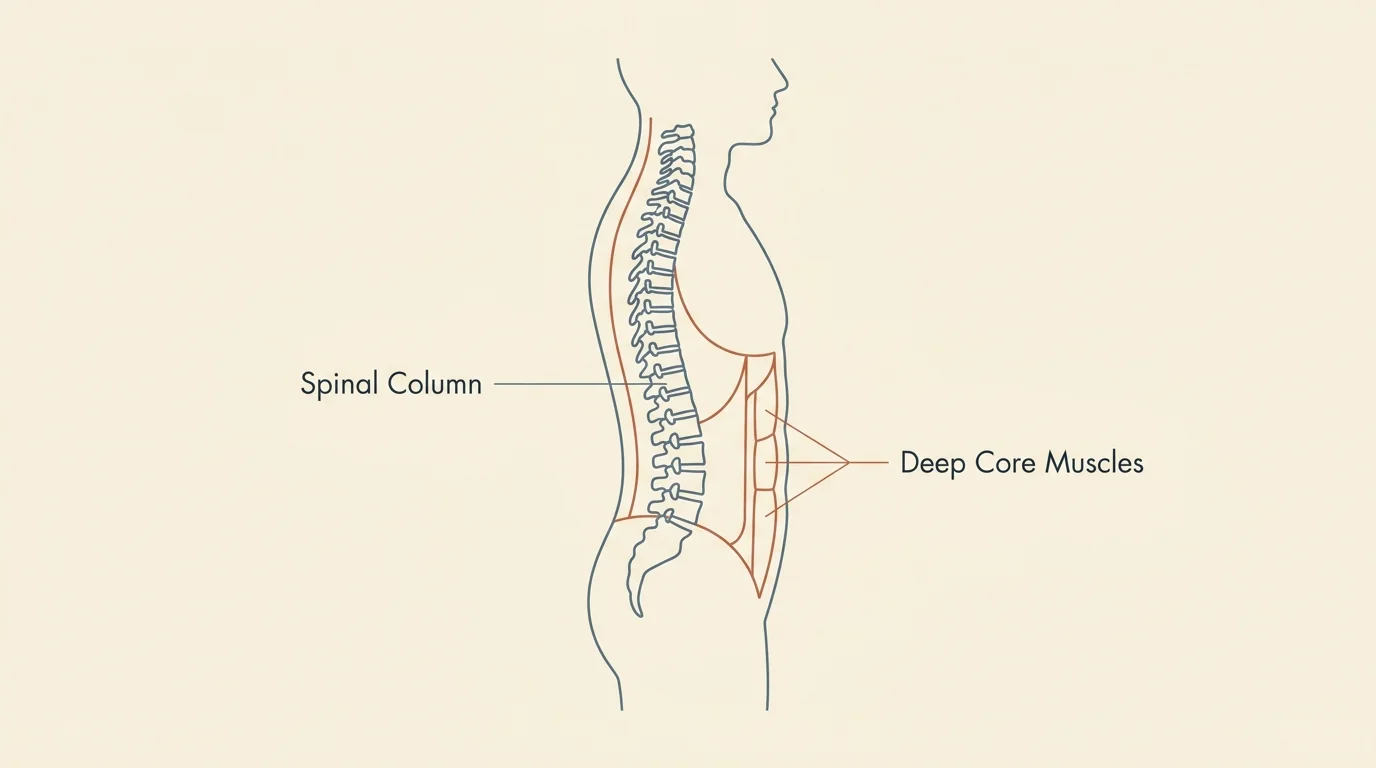
Back injury prevention centers entirely on the core concept of stability. Your core includes much more than just your abdominal muscles; it encompasses your entire trunk, including the deep stabilizing muscles along your spine, your hips, and your pelvis. Think of your spine as the central mast of a sailboat. The surrounding muscles function as the heavy rigging cables holding that mast securely in place. If the rigging becomes slack or weak, the mast sags and becomes highly susceptible to snapping under sudden pressure. Strengthening your muscular rigging ensures your spinal column stays perfectly supported and aligned, regardless of how you bend or lift.
Establishing a proactive fitness habit protects you far better than merely reacting to discomfort after an injury occurs. Gentle, consistent exercise improves blood circulation to your spinal tissues, delivering vital oxygen and nutrients that promote cellular healing and reduce stiffness. By understanding these mechanical basics, you take total control over your physical well-being, transforming your daily habits into a powerful shield against back injuries.
Practical Tips for a Healthier, Happier Life
Integrate these seven specific movements into your weekly schedule to build physical resilience and foster a healthy back. These targeted exercises require absolutely no special equipment and easily fit into the comfort of your own living room. Focus entirely on the quality and control of your movement rather than speed or high intensity.
1. The Supine Pelvic Tilt
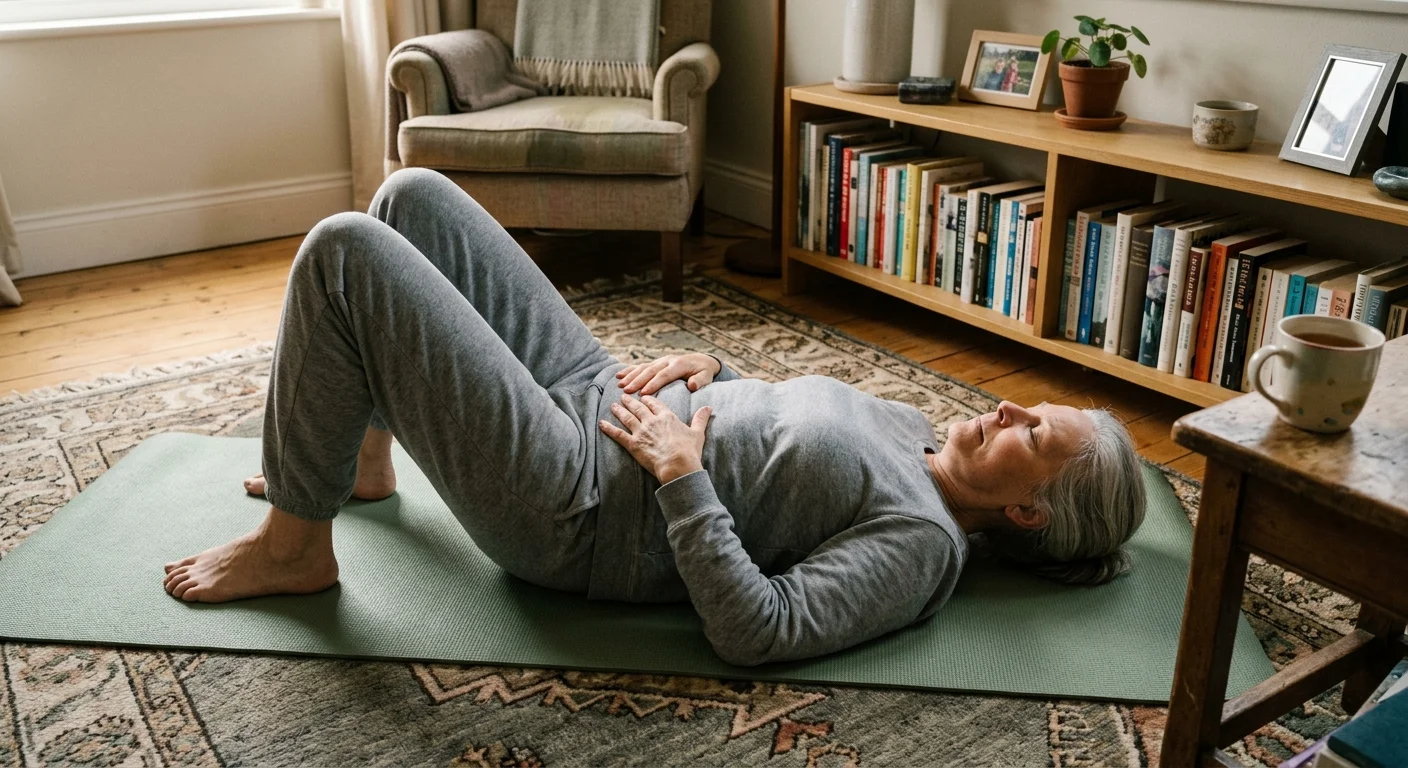
The supine pelvic tilt serves as a foundational movement for building deep core awareness and stretching the rigid muscles of the lower back. This exercise specifically targets the deep transverse abdominis muscle, which acts exactly like a natural corset wrapping around your midsection. Strengthening this essential area directly reduces the nagging lower back aches often experienced after standing in line at the grocery store or washing dishes at the sink.
To perform this movement safely, lie flat on your back on a firm mattress or a comfortable yoga mat. Bend your knees securely and place your feet flat on the floor, keeping them roughly hip-width apart. Rest your arms naturally at your sides. Inhale deeply into your belly to prepare. As you exhale slowly, gently flatten your lower back completely against the floor by tightening your abdominal muscles; visualize pulling your belly button straight down toward your spine. Hold this engaged, flattened position for three to five seconds while continuing to breathe normally. Release the muscular contraction slowly and return to your starting, neutral spine posture. Complete ten smooth repetitions. Avoid pushing violently with your legs; the power must come entirely from your abdominal core.
2. The Seated Cat-Cow Stretch
Spinal flexibility plays a massive role in back injury prevention. The seated cat-cow stretch actively hydrates your spinal discs and rapidly relieves the deep tension that accumulates after sitting in a favorite armchair for extended periods. This dynamic movement encourages a healthy flow of synovial fluid, which naturally lubricates your spinal joints and prevents painful, rigid stiffness.
Sit comfortably close to the edge of a sturdy, armless dining chair. Place your feet flat and firmly on the ground, resting your hands lightly on your knees. Sit tall, elongating your spine toward the ceiling. As you inhale deeply, gently arch your back, push your chest proudly forward, and lift your chin to look slightly upward. This forms the extended posture. As you begin to exhale, round your spine backward, tuck your chin safely toward your chest, and pull your shoulders forward, hollowing out your stomach. This creates the flexed posture. Alternate smoothly between these two specific positions for ten full, uninterrupted breath cycles. Keep your movements entirely pain-free and flowing. If you feel any sharp pinching in your neck, significantly reduce the range of your movement.
3. The Modified Standing Bird Dog
Enhancing your balance and strengthening your posterior chain directly improves your stability when reaching for heavy items on high kitchen shelves. The modified standing bird dog forces your core muscles to fire together in a coordinated pattern, training your body to remain stable during complex, cross-body movements.
Stand safely behind a sturdy, heavy chair or face a solid kitchen counter. Place both hands firmly on the supportive surface for guaranteed balance. Step back slightly so you have ample room to move your legs. Shift your body weight securely onto your right leg. Slowly and deliberately lift your left leg straight back behind you, keeping your toes pointed toward the floor to engage your glute muscles. Simultaneously, reach your right arm straight forward into the air. Keep your spine perfectly neutral; rigidly avoid arching your lower back to lift your leg higher. Hold this extended balance position for three distinct seconds. Lower your arm and leg carefully back to the starting stance. Switch sides immediately, lifting your right leg and left arm. Complete five controlled repetitions on each side.
4. Gentle Glute Bridges
Weak gluteal muscles force your lower back to work overtime during basic daily activities. Building strength in your hips gives you the essential leg and pelvic power required to easily climb steep stairs or rise safely from a low, soft couch. Gentle glute bridges target these large lower-body muscles while simultaneously reinforcing your delicate lower back stabilizers.
Lie flat on your back with your knees bent comfortably and feet flat on the floor, positioned close to your buttocks. Keep your arms completely relaxed beside you with your palms facing flat down. Squeeze your gluteal muscles firmly and press your heels heavily into the floor. Lift your hips gradually toward the ceiling until your body forms a straight, diagonal line traveling from your knees down to your resting shoulders. Pause confidently at the top of the movement for two full seconds. Lower your hips slowly and smoothly back to the floor, resisting the pull of gravity on the way down. Complete ten deliberate repetitions. Focus strictly on using your hips and glute muscles to generate the upward lift, rather than arching your back.
5. Single Knee-to-Chest Stretch
Chronically tight hip flexor muscles constantly pull your pelvis forward, creating a harsh, unnatural arch in your lower back that inevitably leads to painful strains. The single knee-to-chest stretch systematically releases this muscular tension, dramatically improving your ability to bend forward safely when tying your shoes or pulling on heavy winter socks.
Rest comfortably on your back on a supportive, flat surface. Keep both of your knees bent with your feet securely on the floor. Bring your right knee slowly and steadily toward your chest. Clasp your hands gently behind your right thigh or directly over your right shin, choosing whichever grip feels more accessible to your joints. Pull the knee slightly closer to your body until you feel a mild, deeply comfortable stretch in your lower back and hip area. Hold this specific position for twenty to thirty continuous seconds. Breathe deeply to encourage muscular relaxation. Release the right leg and slowly return your foot to the floor. Repeat the exact same process with your left leg. Perform this static stretch three times per side. Never force your knee all the way to your chest if your hip joint feels pinched.
6. Supported Wall Slides
Leg strength forms the absolute physical foundation of back injury prevention. When your legs possess adequate strength, you naturally rely on them to lift heavy objects, completely sparing your delicate spinal structures from bearing the dangerous load. Supported wall slides build immense functional endurance in your quadriceps, ensuring you can squat down safely to handle heavy bags of groceries.
Stand safely with your back, shoulders, and head pressed completely flat against a sturdy, empty wall. Step your feet about one to two feet forward away from the wall, maintaining a standard hip-width stance. Lean your entire body weight backward into the solid wall. Slowly slide your back down the wall by bending your knees simultaneously. Lower your body only as far as feels completely comfortable and pain-free. Never let your knees extend forward past your toes; your shins should remain entirely vertical. Hold this supported partial squat position for five to ten strong seconds. Press firmly through your heels and slide your back slowly up the wall to return to a full standing posture. Complete eight solid repetitions.
7. Seated Spinal Twist
Maintaining rotational mobility prevents devastating muscle tears when you make sudden, twisting movements during your busy day. The seated spinal twist directly stretches your oblique muscles and safely rotates your thoracic spine, making everyday actions like looking over your shoulder to check a blind spot while driving significantly easier and vastly safer.
Sit completely upright in a sturdy chair with your feet resting flat and even on the ground. Place your right hand gently on the outside of your left thigh for mild leverage. Reach your left arm backward behind you, grabbing the actual back of the chair if your flexibility allows. Inhale deeply to lengthen your spine completely toward the ceiling. As you begin to exhale, slowly twist your torso safely to the left, turning your head to look smoothly over your left shoulder. Go only to the exact point of mild muscular tension; never use your arms to violently force a deeper twist. Hold the rotational position for fifteen seconds, taking incredibly slow, deep breaths to expand your ribcage. Return smoothly to the center resting position. Switch your hand placements completely and twist gently to the right side. Perform three unhurried twists on each side.
Important Safety Precautions to Keep in Mind
Cultivating a healthy back requires extreme patience and a deep respect for your body’s current physical limitations. Before beginning any stretching or strengthening routine, take time to adequately warm up your muscles. Cold, stiff muscles remain significantly more prone to microscopic tears and painful pulls. Take a leisurely five-minute walk around your house or lightly march in place to successfully increase blood flow and prepare your joints for fluid movement.
Focus heavily on your breathing mechanics during every single exercise. Many older adults subconsciously hold their breath when concentrating on a new physical task. Holding your breath artificially spikes your blood pressure and deprives your vigorously working muscles of essential oxygen, leading to rapid fatigue and poor postural form. Develop a strict habit of exhaling during the exertion phase of a movement and inhaling deeply during the relaxation phase. Continuous, rhythmic breathing supports your core stability and naturally calms your nervous system.
Listen intensely to your internal pain signals. Experiencing muscle fatigue or a mild, pulling stretching sensation feels perfectly normal and indicates you are performing the exercise correctly. However, sharp, shooting, or aggressively pinching pain serves as an immediate, non-negotiable warning sign to stop moving. Never push your body into an active pain zone under the mistaken belief that more intensity equals faster healing results. Consistency beats intensity every single time. Exercising gently for ten minutes every day produces far superior, safer results than struggling painfully through an exhausting, hour-long session once a week.
When to Speak with a Healthcare Professional
While these gentle exercises provide immense daily benefits, they absolutely cannot replace personalized medical guidance from a trained professional. You must take proactive responsibility for your specific health circumstances. Always consult your primary care physician or a licensed physical therapist before beginning any new physical fitness regimen, especially if you have an established history of severe osteoporosis, spinal stenosis, osteoarthritis, or herniated discs.
Pay close attention to specific, severe red flag symptoms that require immediate, specialized medical evaluation. Contact your doctor promptly if you experience sudden numbness, aggressive tingling, or unexplainable weakness traveling down your legs or into your feet. Additional warning signs include unexpected weight loss accompanying your back pain, sudden loss of bowel or bladder control, or sharp pain that radiates intensely down one or both legs. These distinct symptoms often indicate nerve compression or other complex structural issues that simple home exercises cannot resolve safely.
Treat your chosen healthcare provider as a collaborative partner in your long-term wellness journey. A qualified physical therapist can successfully modify every single movement outlined above to perfectly accommodate your unique physical limitations and past injuries. Prioritize your ultimate safety and long-term health over rapid physical progress.
Frequently Asked Questions
How often should I perform these back exercises?
You achieve the most significant, long-lasting benefits through daily consistency. Aim to practice these gentle stretches and stabilizing movements at least four to five days a week. Because these specific exercises involve very low physical impact and mild overall intensity, performing them daily rarely overtaxes your muscular system. Building a routine provides structural support for your spine throughout the entire week. Always listen to your body closely, and gladly take a full rest day if your muscles feel unusually fatigued or heavy.
Can I do these exercises if I already have mild back pain?
Yes, mild and general back stiffness frequently improves with light, targeted movement. Gentle stretching actively promotes necessary blood flow to stiff, neglected tissues, which significantly accelerates your body’s natural healing processes. However, if your pain feels highly acute, intensely sharp, or stems directly from a recent physical fall or trauma, completely avoid exercising until a qualified doctor properly evaluates your specific condition. Movement should successfully relieve mild tension, never exacerbate it into serious pain.
Is it normal to feel sore after starting a new exercise routine?
Experiencing mild, dull muscle soreness a day or two after trying entirely new movements is completely normal. This common phenomenon, known medically as delayed onset muscle soreness, simply indicates your muscles are actively adapting to new physical stress and growing much stronger. This mild, generalized ache should naturally fade within forty-eight to seventy-two hours. Conversely, sharp joint pain or lingering severe aches clearly indicate you pushed your body far too hard and need to significantly reduce your exercise intensity moving forward.
What is the best time of day to stretch my back?
The ideal exercise time depends entirely on your personal daily routine and how your unique body feels. Many older adults find a morning stretching routine incredibly helpful for quickly relieving the deep stiffness that naturally accumulates overnight while sleeping in one position. Other individuals vastly prefer performing these gentle movements in the late evening to successfully release the muscular tension built up throughout an active day. Choose a specific time when you feel relaxed, unhurried, and genuinely ready to focus entirely on your physical well-being.
For authoritative, trustworthy health information, always consult official sources like the National Institute on Aging (NIA) and MedlinePlus from the National Library of Medicine. The CDC also provides excellent resources for older adults.
Disclaimer: This article is for informational purposes only and does not constitute medical advice. Always seek the advice of your physician or other qualified health provider with any questions you may have regarding a medical condition.