You can easily protect your immune system, joints, and vitality by enjoying vibrant fruits beyond the traditional breakfast orange. Delicious alternatives supply abundant vitamin C while offering gentler flavors for sensitive stomachs.
Many seniors find citrus fruits cause acid reflux or irritate sensitive teeth. Fortunately, a colorful variety of fresh produce provides far higher concentrations of this essential nutrient without discomfort.
Adding these nourishing whole foods to your routine keeps your meals exciting and supports your healthy aging goals. Discover how these nutritious alternatives can energize your daily wellness journey.
Understanding the Basics of Vitamin C for Seniors
Vitamin C, scientifically known as ascorbic acid, is a water-soluble vitamin that your body cannot produce on its own. You must replenish it every day through the wholesome foods you choose to eat.
For older adults, this vital nutrient serves as the cornerstone for natural collagen production. Collagen maintains joint cartilage, preserves skin integrity, and speeds up the healing process after minor injuries.
Vitamin C also acts as a powerful antioxidant that protects your cells against oxidative stress. It strengthens immune defenses by aiding the production and function of protective white blood cells.
In addition, this nutrient significantly enhances your body’s ability to absorb non-heme iron from wholesome plant sources. This improved absorption helps you maintain robust daily energy levels and prevent fatigue.
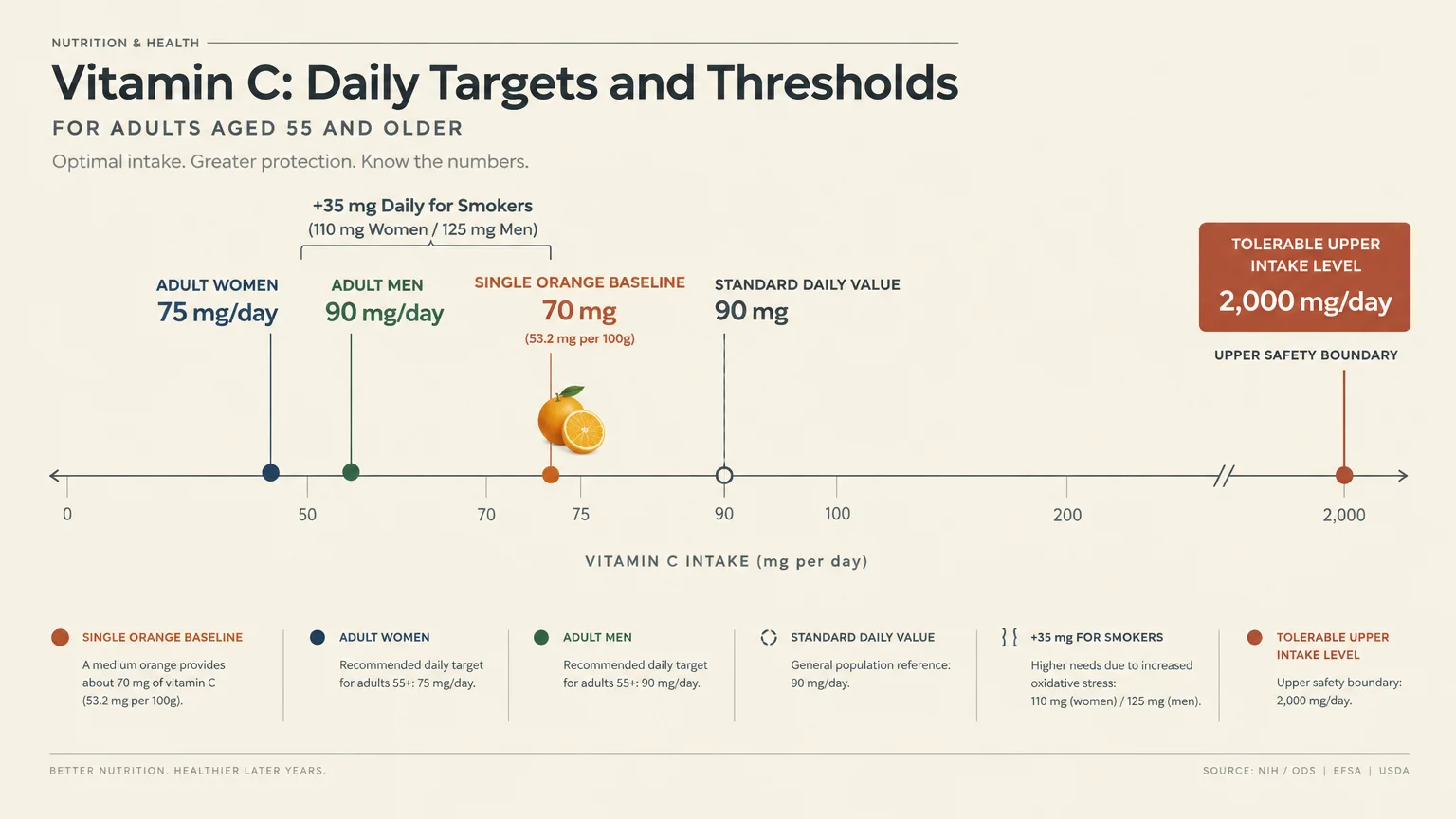
The Recommended Dietary Allowance establishes clear daily intake targets for adults aged 55 and older. Adult men require 90 mg per day, while adult women need 75 mg per day.
If you smoke, your body undergoes higher oxidative stress and needs an additional 35 mg daily. That raises the target to 125 mg per day for men and 110 mg for women.
The standard Daily Value used on common nutrition labels is set at 90 mg. Meeting this threshold ensures your body has sufficient reserves for cellular repair and immune defense.
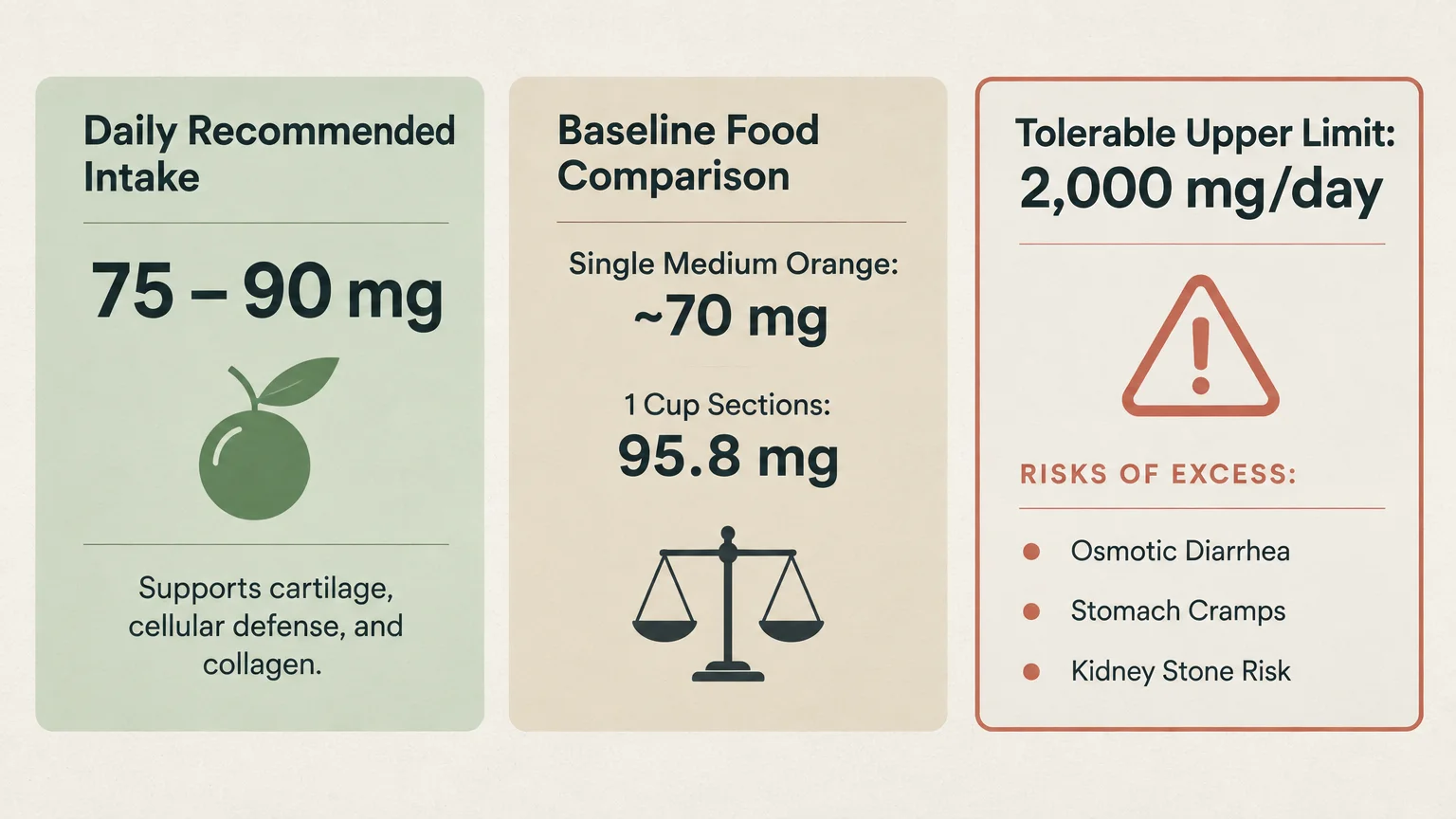
However, you should also be mindful of the Tolerable Upper Intake Level, which is 2,000 mg per day. Consuming beyond this amount can trigger osmotic diarrhea, stomach cramps, and kidney stone formation.
Oranges have long been the traditional choice for getting your daily dose. A single medium orange provides roughly 70 mg of vitamin C, which translates to 53.2 mg per 100 g.
If you prefer sliced fruit, one cup of fresh orange sections delivers 95.8 mg of the nutrient. While nutritious, oranges are not your only choice for meeting your daily wellness goals.
Many older adults experience heartburn, acid reflux, or dental sensitivity when drinking orange juice or eating acidic citrus. The natural acids can irritate the esophagus and erode fragile tooth enamel over time.
Exploring diverse vitamin c fruits allows you to nourish your body while enjoying varied flavors and textures. Many alternative fruits supply significantly more vitamin C than oranges while remaining gentler on digestion.
Broadening your fruit intake also delivers rich carotenoids, anthocyanins, and gentle dietary fibers. These compounds work together to protect your cardiovascular system and support healthy blood vessels.
Eating high-moisture fruits provides an easy way to stay hydrated throughout the day. Dehydration often blunts energy in older adults, making juicy produce a refreshing natural solution.
Whole fruits provide steady nourishment that processed supplements simply cannot replicate. Fresh produce delivers balanced nutrients without placing unnecessary strain on your kidneys or stomach.
Selecting colorful produce at your local grocery store transforms healthy eating into a creative pleasure. You can easily tailor your fruit basket to match your dental comfort and digestive needs.

Practical Tips for a Healthier, Happier Life
Exploring alternatives to oranges vitamin c introduces wonderful culinary variety to your retirement years. Enjoying whole foods brings genuine satisfaction while elevating your nutritional health every day.
These 14 wholesome fruits high in vitamin c offer exceptional nutrient density, delightful flavors, and easy preparations for your routine.
1. Acerola Cherries
Acerola cherries stand out as one of the most concentrated vitamin c sources on earth. These bright red fruits deliver an astounding 1,678 mg per 100 g.
A single cup of raw acerola cherries provides 1,644 mg of this protective nutrient. That amount represents over thirty times the vitamin C concentration found in a standard orange.
Because fresh acerola spoils quickly, you often find them pureed or flash-frozen at specialty grocers. Their tart, berry-like flavor makes them an excellent addition to morning oatmeal or yogurt bowls.
Stirring a spoonful of thawed acerola puree into a glass of cool water offers a refreshing hydration boost. This simple preparation is particularly gentle on your teeth and requires zero chewing.
Enjoying acerola gives you concentrated antioxidant power that helps neutralise cellular wear and tear. A very small serving easily fulfills your daily requirement without filling your stomach.
2. Rose Hips
Rose hips are the delicate, nutrient-dense seed pods left behind after wild roses bloom. They supply an impressive 426 mg of vitamin C per 100 g.
Just one cup of wild raw rose hips contains 541 mg of this essential antioxidant. This makes them a remarkable natural remedy for supporting joint mobility and immune resilience.
While raw rose hips have tiny internal hairs that require straining, dried rose hips brew into a comforting tea. Steeping them in hot water creates a soothing, tart beverage for relaxing afternoons.
You can also enjoy seedless rose hip puree spread lightly over warm whole-grain toast. This comforting snack supports your joint cartilage without requiring tough chewing or vigorous biting.
Drinking rose hip tea provides warm hydration that comforts sensitive throats during chilly winter months. The natural floral tartness revitalizes your palate without harsh citrus acidity.
3. Guava
Guava is a tropical treasure that easily outperforms traditional citrus fruits in nutrient density. A single 100 g serving of fresh guava provides 228 mg of vitamin C.
Eating just one raw guava fruit delivers 125.6 mg of this immune-supporting nutrient. If you enjoy a full cup of sliced fruit, you receive an incredible 377 mg.
The sweet, aromatic pink or white flesh offers a velvety texture that is pleasant to eat. You can easily scoop out the soft inner pulp with a spoon for an effortless snack.
If you have dental work or diverticular concerns, consider straining out the small, hard seeds. Blending the pulp into a smooth puree allows you to enjoy guava safely and comfortably.
Pairing fresh guava puree with plain cottage cheese creates a protein-rich, nourishing afternoon treat. This gentle combination satisfies your sweet tooth while keeping your blood sugar stable.
4. Blackcurrants
European blackcurrants pack a remarkable nutritional punch into tiny, dark berries. They provide 181 mg of vitamin C per 100 g of fresh fruit.
Enjoying a single cup of raw blackcurrants supplies 202.7 mg of this essential vitamin. Their deep purple pigment also signals high levels of protective anthocyanin antioxidants.
These berries have a tart, earthy flavor that pairs beautifully with creamy breakfast foods. Stir them into warm porridge or fold them into Greek yogurt to soften their robust tartness.
Simmering blackcurrants gently on the stove creates a luscious, seed-softened compote. You can drizzle this warm sauce over oatmeal for an elegant, senior-friendly breakfast.
The rich anthocyanins in blackcurrants support capillary strength and microcirculation in aging eyes. Adding these berries to your diet protects your vision while invigorating your taste buds.
5. Kiwifruit
Kiwifruit provides exceptional nutritional value in a soft, easily digestible package. A single cup of sliced kiwi delivers 166.9 mg of vitamin C.
One medium green kiwi supplies 64 mg of vitamin C, or 92.7 mg per 100 g. If you choose the sweeter Zespri SunGold golden kiwi, you receive 130.7 mg per fruit.
That golden variety delivers an impressive 161.3 mg per 100 g, easily beating common citrus. Kiwi vitamin c combines with natural enzymes that gently support smooth, regular digestion.
The soft, tender flesh makes kiwis exceptionally easy to chew and swallow. Simply slice a ripe kiwi in half and scoop out the vibrant fruit with a small spoon.
The natural enzyme actinidin in kiwi helps your stomach break down dietary proteins comfortably. Eating a ripe kiwi after dinner can promote gentle regularity and prevent sluggish digestion.
6. Lychees
Lychees are delicate, floral fruits native to subtropical regions that offer surprising nutritional value. They supply 71.5 mg of vitamin C per 100 g of edible fruit.
Savoring a one-cup serving of fresh lychees provides 135.8 mg of this vital antioxidant. That is nearly double the daily requirement for an adult woman in a single bowl.
Lychees feature a rough outer shell that peels away easily with your fingers. Inside, the translucent, juicy flesh offers a sweet, perfumed flavor that feels like a special treat.
Always remove the smooth central seed before serving them to friends or enjoying them yourself. Chop the soft fruit into bite-sized pieces for a refreshing addition to fruit salads.
Their high moisture content helps quench your thirst while delivering trace minerals like copper and potassium. Lychees provide an uplifting way to stay nourished during warm summer days.
7. American Persimmons
Native American persimmons are rich, honey-flavored autumn fruits that provide dependable nourishment. They offer 66 mg of vitamin C per 100 g.
A small raw American persimmon delivers 16.5 mg of this protective vitamin. In contrast, Japanese Fuyu persimmons are milder and provide 12.6 mg per whole fruit.
Ripe American persimmons possess an exquisitely soft, custard-like texture that melts in your mouth. This luscious consistency is ideal for seniors who prefer foods that require minimal chewing effort.
You can scoop the sweet pulp directly from the skin to enjoy as a natural pudding. Blend the pulp into applesauce or warm oatmeal for a comforting, seasonal breakfast.
Ensure persimmons are completely soft and ripe before eating them to avoid astringency. Fully ripe fruit offers a soothing sweetness that is remarkably gentle on sensitive stomachs.
8. Papaya
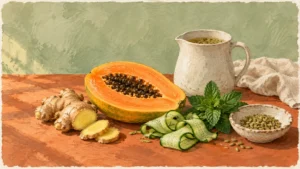
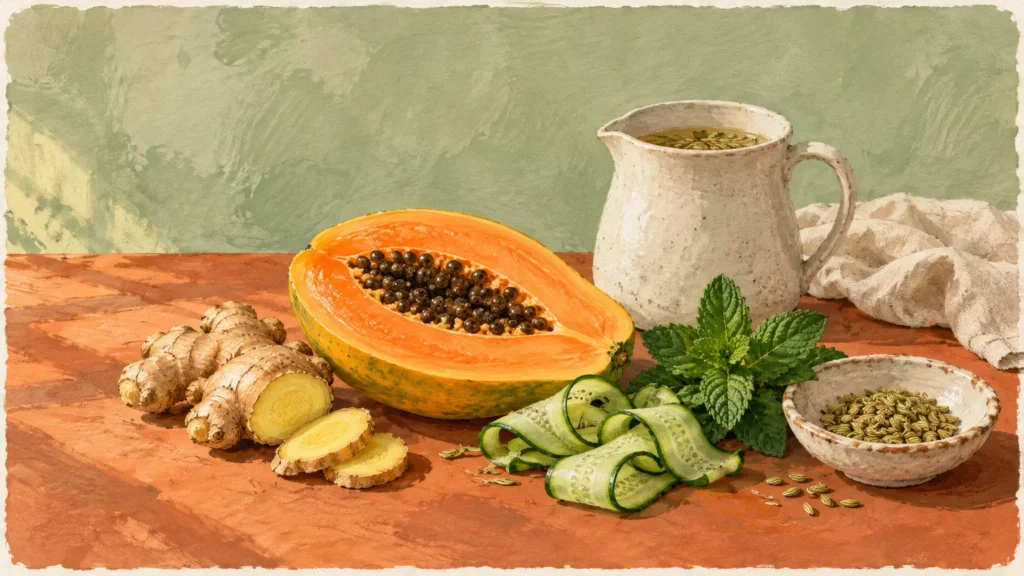
Papaya is a gentle, buttery fruit that brings sunshine and wholesome nourishment to your table. One cup of fresh papaya cubes provides 88.3 mg of vitamin C.
On a weight basis, fresh papaya yields 60.9 mg of the nutrient per 100 g. It also contains papain, a soothing digestive enzyme that helps your body break down proteins easily.
The soft, yielding flesh makes papaya one of the friendliest fruits for seniors with dentures. You can effortlessly mash it with a fork into a smooth, soothing bowl.
Enjoy a bowl of chilled papaya cubes sprinkled with a drop of fresh lime juice. This simple pairing brightens the fruit’s mellow sweetness while soothing an upset stomach.
Papaya also supplies generous amounts of lycopene and beta-carotene for cellular protection. Its mild nature makes it an ideal breakfast option if acidic fruits cause heartburn.
9. Strawberries
Strawberries are a beloved, readily available berry that outshines oranges in vitamin concentration. A cup of sliced fresh strawberries delivers 97.6 mg of vitamin C.
If you prefer whole berries, one cup provides 84.7 mg, or 58.8 mg per 100 g. They also supply generous amounts of folate, potassium, and protective polyphenols.
Strawberries carry a naturally gentle acidity that is far less likely to provoke acid reflux. Their soft texture makes them wonderful for slicing into morning cereals or tossed salads.
If whole berries feel firm on your gums, let sliced berries sit for ten minutes. They will soften naturally in their own flavorful juices for effortless eating.
Their natural ellagic acid content supports arterial flexibility and protects against cognitive decline. Strawberries offer a delightful, guilt-free way to protect your heart and brain simultaneously.
10. Lemons
Lemons are kitchen staples that offer concentrated vitamin C without the heavy sugar of sweet juices. One cup of peeled lemon sections delivers 112.4 mg of the nutrient.
A single medium lemon provides 30.7 mg of vitamin C, which equals 53 mg per 100 g. Because eating whole lemons is harsh, using their fresh juice offers a gentle alternative.
Squeezing fresh lemon juice over steamed vegetables enhances non-heme iron absorption from your leafy greens. It brightens the flavor of broths and poultry without adding a single grain of salt.
Add a splash of fresh lemon to lukewarm water for a hydrating, uplifting morning beverage. Always rinse your mouth with plain water afterward to protect your delicate tooth enamel.
Using lemon juice as a salt substitute protects your cardiovascular health while reducing high blood pressure risks. It brings culinary excitement back to low-sodium meals with minimal effort.
11. Pineapple
Pineapple brings a bright, tropical flavor along with an abundance of essential nutrients. A one-cup serving of fresh pineapple chunks provides 78.9 mg of vitamin C.
By weight, fresh pineapple offers 47.8 mg of this vital antioxidant per 100 g. It also contains bromelain, a natural enzyme mixture that helps soothe joint stiffness and swelling.
Bromelain works synergistically with vitamin C to support healthy tissue repair throughout your body. This makes pineapple especially beneficial for seniors seeking natural comfort for aging joints.
Choose ripe, fragrant pineapples and cut away any tough inner core pieces before eating. Finely dicing the juicy fruit ensures comfortable chewing and effortless swallowing.
Pairing fresh pineapple with plain kefir creates a delightful digestive tonic. The soothing probiotics in kefir balance the fruit’s brightness, supporting complete gut harmony.
12. Grapefruit
Grapefruit offers a delightfully brisk, bittersweet flavor that many adults have enjoyed for decades. One cup of grapefruit sections with juice delivers between 71.8 mg and 85.1 mg.
Savoring half of a medium pink or red grapefruit supplies 38.4 mg of vitamin C. It also provides beneficial lycopene and dietary fiber that support your cardiovascular well-being.
Grapefruit segments make a lively addition to fresh avocado salads or morning breakfast plates. The delicate citrus vesicles burst with cooling juice that keeps you comfortably hydrated.
Peeling away the bitter white membrane reveals tender fruit that requires very little chewing effort. This preparation allows you to enjoy the juicy pulp without irritating sensitive gums.
However, you must exercise extreme caution with this fruit if you take common prescription medications. Always verify its safety with your physician before adding grapefruit to your grocery list.
13. Mango
Mango is known worldwide as the king of fruits, offering rich sweetness and velvety texture. A single cup of fresh mango pieces delivers 60.1 mg of vitamin C.
That single serving supplies 36.4 mg per 100 g alongside generous amounts of beta-carotene. Beta-carotene supports healthy vision and moist mucous membranes as your body matures over time.
Ripe mangoes possess a luscious, buttery texture that requires virtually no chewing effort. This makes them an exceptional choice for older adults managing dental sensitivity or missing teeth.
Puree ripe mango cubes into a silky dessert or blend them into protein-rich smoothies. You can also dice mango over baked fish for a vibrant, senior-friendly flavor accent.
The natural soluble fibers in mango promote gentle digestion without provoking intestinal gas or discomfort. It provides reliable energy that keeps you active and engaged throughout your morning.
14. Cantaloupe
Cantaloupe melon is a hydrating, fragrant treat that refreshes your body on warm afternoons. One cup of diced cantaloupe cubes delivers 58.7 mg of vitamin C.
By weight, this sweet melon supplies 36.7 mg of protective vitamin C per 100 g. Its exceptionally high water content helps older adults maintain vital daily hydration effortlessly.
The soft, succulent flesh yields easily under gentle pressure, making every bite completely pain-free. It provides a reliable nutrient source if you find tough or crunchy fruits uncomfortable.
Pair chilled cantaloupe cubes with soft cottage cheese or a dollop of creamy Greek yogurt. This classic combination delivers wholesome protein alongside your daily vitamin C allowance.
Cantaloupe also provides potassium, which helps balance sodium levels and relax blood vessel walls. Enjoying a slice of ripe melon is a delicious way to support healthy circulation.
Important Safety Precautions to Keep in Mind
While eating fresh fruit is beneficial, seniors must remain aware of medical nuances. Understanding how natural nutrients interact with medications protects your overall health and peace of mind.
Grapefruit and closely related citrus fruits like pomelos contain naturally occurring compounds called furanocoumarins. These chemical compounds strongly inhibit the essential CYP3A4 enzyme located in your small intestine.
When this enzyme is blocked, your body cannot break down certain prescription medications properly. This causes dangerous spikes in blood medication levels, leading to severe toxicity and unintended side effects.
This interaction severely impacts common medications, including statins like atorvastatin and simvastatin. It also affects calcium channel blockers such as nifedipine and felodipine, which treat high blood pressure.
Furthermore, furanocoumarins interact dangerously with immunosuppressants and modern blood thinners like apixaban and rivaroxaban. If you take any of these prescriptions, avoid grapefruit and pomelos entirely.
You must also pay close attention to your total iron levels if you have hemochromatosis. Vitamin C significantly increases your absorption of non-heme iron from wholesome plant-based foods.
In individuals with iron-overload disorders, excess vitamin C can accelerate harmful iron accumulation in vital organs. Speak with your hematologist before consuming concentrated vitamin c fruits or juices.
Keep your overall daily intake well below the Tolerable Upper Intake Level of 2,000 mg. Consuming excessive vitamin C causes gastrointestinal distress, painful stomach cramps, osmotic diarrhea, and kidney stones.
High supplemental doses can also interfere with medical tests, including blood glucose readings and stool tests. Excessive amounts may also alter the effectiveness of prescription blood thinners like warfarin.
High doses of vitamin C can also compromise the clinical benefits of cholesterol therapies combining statins and niacin. Relying on moderate portions of whole fruits prevents these unwanted pharmacological complications.
Protect your aging tooth enamel by moderating your exposure to highly acidic raw fruits. Always swish your mouth with fresh water after eating tart berries, pineapples, or lemons.
Avoid brushing your teeth immediately after consuming tart acidic fruits to protect softened enamel surfaces. Waiting thirty minutes allows your natural saliva to re-mineralize and strengthen your teeth safely.
If you live with diabetes, balance sweet tropical fruits like mango with protein or healthy fats. This balanced approach slows carbohydrate absorption and prevents unexpected spikes in blood sugar.
If you have active diverticular inflammation, consider straining fruits with small, hard seeds like guava. Softening or blending your produce ensures your digestive tract stays calm and comfortable.

When to Speak with a Healthcare Professional
Dietary changes should always complement your existing medical care, not replace it. Your primary doctor provides personalized insights based on your specific medical history and prescriptions.
Schedule a conversation with your doctor before making significant changes to your daily fruit intake. This is especially vital if you manage cardiovascular disease, kidney disorders, or chronic digestive issues.
Reach out to your healthcare provider immediately if you notice recurring acid reflux, persistent bloating, or diarrhea. These symptoms may signal that certain acidic fruits or fruit fibers do not suit your digestion.
You should also consult your physician if you have a personal history of calcium oxalate kidney stones. High concentrations of vitamin C can metabolize into oxalate, potentially increasing stone formation risk.
Seek professional guidance if you suspect a food interaction with your daily prescription medications. A registered dietitian can design an individualized meal plan that keeps your diet both safe and delicious.
For authoritative, trustworthy health information, always consult official sources like the National Institute on Aging (NIA) and MedlinePlus from the National Library of Medicine. The CDC also provides excellent resources for older adults.
Frequently Asked Questions
Can I get too much vitamin C from eating whole fresh fruit?
Exceeding the 2,000 mg upper limit is extremely rare when consuming whole fruits. Your digestive system naturally regulates how much vitamin C it absorbs from fresh food servings.
Your kidneys safely filter out unneeded water-soluble vitamins through urine throughout the day. Only extreme overconsumption of rare fruits like acerola cherries could trigger temporary digestive upset.
Does cooking or blending fresh fruit destroy its vitamin C content?
Vitamin C is sensitive to high heat and prolonged exposure to cooking water. Boiling fruits leaches the vitamin into the water, significantly reducing its nutritional value.
Gentle blending into fresh smoothies keeps the nutrient intact if consumed without long delays. To maximize your intake, enjoy your produce raw, lightly steamed, or gently thawed from frozen.
Which fruit provides the most vitamin C per single serving?
Acerola cherries deliver the highest concentration of any whole fruit, offering 1,678 mg per 100 g. For widely available fruits, fresh guava excels by delivering 377 mg of vitamin C per cup.
Both of these options provide far more vitamin C than an orange, which provides roughly 70 mg. Integrating even a modest serving of these powerhouses easily fulfills your daily requirement.
What are the easiest vitamin C fruits to eat with dentures?
Ripe papaya, sweet mango, and peeled golden kiwi offer exceptionally tender, yielding textures. These wholesome choices require minimal chewing effort and do not irritate sensitive gum tissue.
Mashing these ripe fruits with a fork or blending them into yogurt ensures effortless nutrition. This allows you to absorb all the wonderful benefits of vitamin c fruits without dental discomfort.
Disclaimer: This article is for informational purposes only and does not constitute medical advice. Always seek the advice of your physician or other qualified health provider with any questions you may have regarding a medical condition.