You walk into your neighborhood pharmacy to soothe a nagging headache or quiet an irritating seasonal cough. Reaching for a familiar boxed remedy feels harmless; yet mixing ordinary products can trigger sudden and severe medical complications.
Over the counter medicine safety demands careful attention as you advance in age. Everyday store formulas frequently contain identical active compounds, while other shelf remedies interact dangerously inside your bloodstream.
Understanding these critical OTC drug interactions protects your independence and daily vitality. Top pharmacist warnings reveal that accidental missteps send thousands of older adults to emergency care every week.
Understanding the Basics of OTC Drug Interactions for Seniors
Many older adults view nonprescription remedies as inherently mild and completely gentle on the body. However, nonprescription status simply means you can purchase a product without a written note from your doctor.
These formulas carry genuine pharmacological potency; they alter your internal biochemistry just like prescription treatments do. As your body matures over decades, your biological systems process active pharmaceuticals at a notably slower pace.
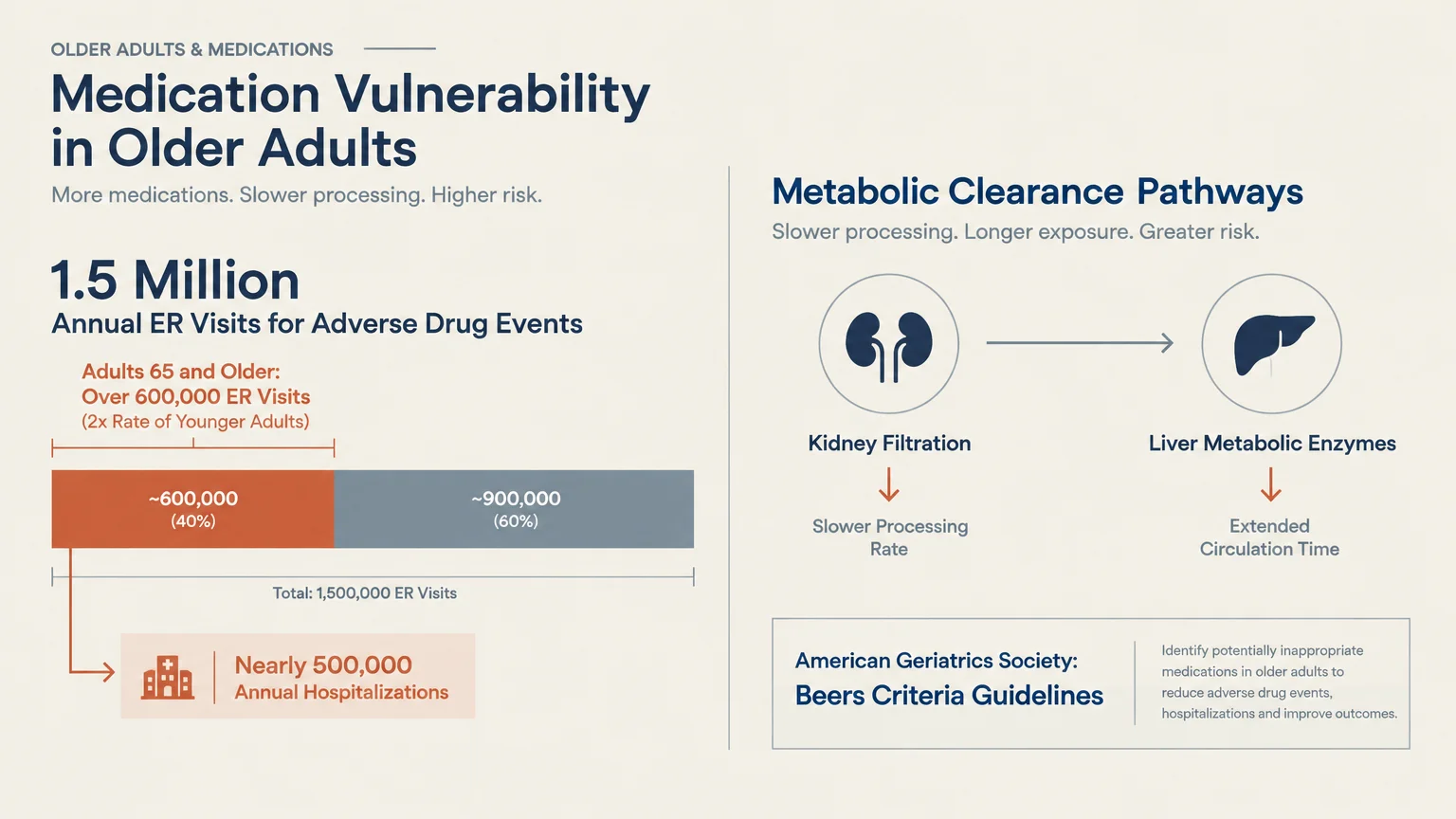
Your kidneys filter metabolic waste products with reduced efficiency as the years pass. At the same time, your liver produces fewer metabolic enzymes to dismantle active chemical agents.
Because of these natural physical transitions, medications linger in your circulation for extended periods. A dose that cleared your body quickly decades ago now remains active for hours longer.
Shifting ratios of muscle tissue and body water also alter internal medication concentrations. Water-soluble drugs become more concentrated in your bloodstream, while fat-soluble compounds take longer to leave your system.
Mild dehydration can further compound these issues by concentrating chemical substances inside your blood vessels. Drinking adequate water throughout the day helps your organs process daily treatments far more smoothly.
According to the Centers for Disease Control and Prevention (CDC), more than 1.5 million people in the U.S. visit emergency departments each year for adverse drug events. These alarming incidents result in nearly 500,000 hospitalizations annually.
Older individuals face a disproportionate share of this burden. Adults aged 65 and older account for more than 600,000 of those annual emergency room visits.
Seniors visit emergency departments for medication harm more than twice as often as younger individuals. Taking several pills at once creates compound risks that demand watchful respect.
When you consume multiple tablets, their active molecules compete for the exact same cellular receptors and elimination pathways. One pill can easily intensify or block the biological action of another remedy.
Clinical experts codify these special senior vulnerabilities in formal geriatric guidance documents. The American Geriatrics Society publishes the Beers Criteria to highlight medicines that pose heightened hazards for older bodies.
This recognized medical standard emphasizes that aging organs react with acute sensitivity to common drugstore chemicals. Becoming your own knowledgeable advocate starts with recognizing which ordinary bottles create dangerous drug combinations.
Educating yourself on active ingredients empowers you to protect your long-term independence. Everyday awareness transforms retail medicine shopping from a guessing game into a confident, protective habit.
Practical Tips for a Healthier, Happier Life
Guarding your daily wellness requires practical knowledge and simple habits. Pharmacists highlight specific pairs of shelf medicines that you must never combine without explicit medical approval.
1. Never Combine Multiple Acetaminophen Products
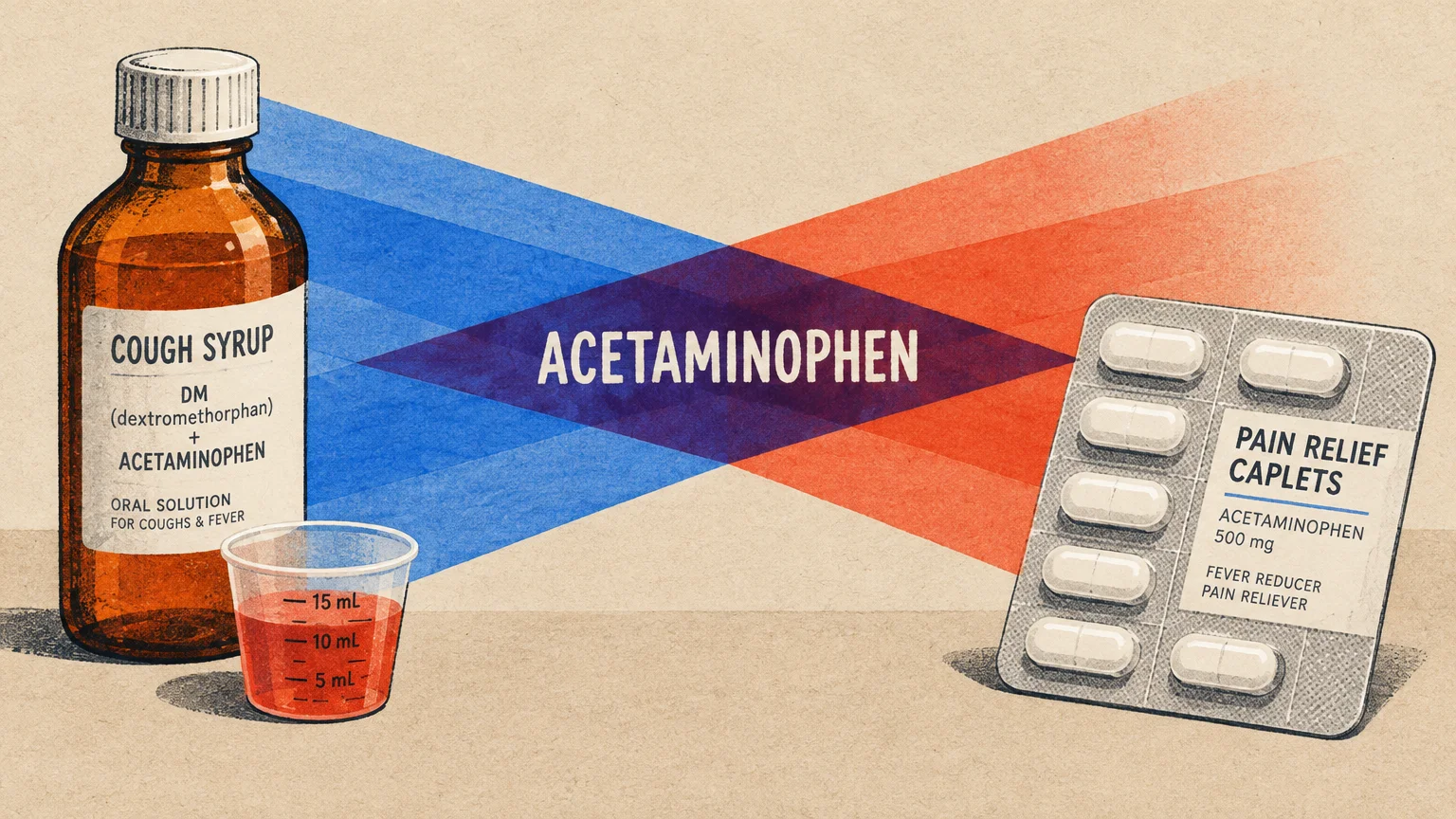
Acetaminophen relieves aches and reduces fevers safely when you consume it alone in modest amounts. Problems erupt when people fail to realize that hundreds of combination remedies also contain this exact compound.
You might take a daytime sinus capsule, sip a nighttime cough tea, and swallow two headache tablets. Doing so quietly floods your system with triple doses of the same underlying chemical.
Unintentional overdose from combining products is the leading cause of acute liver failure in the United States. Your liver simply cannot neutralize such concentrated quantities without sustaining serious cellular destruction.
The official U.S. Food and Drug Administration maximum daily limit for adults is 4,000 mg in a 24-hour period across all products combined. Exceeding this boundary inflicts devastating stress on vital hepatic tissues.
However, the manufacturer of Tylenol and prominent medical guidelines recommend a stricter maximum limit of 3,000 mg per 24 hours. That conservative threshold equates to six Extra Strength 500 mg tablets daily.
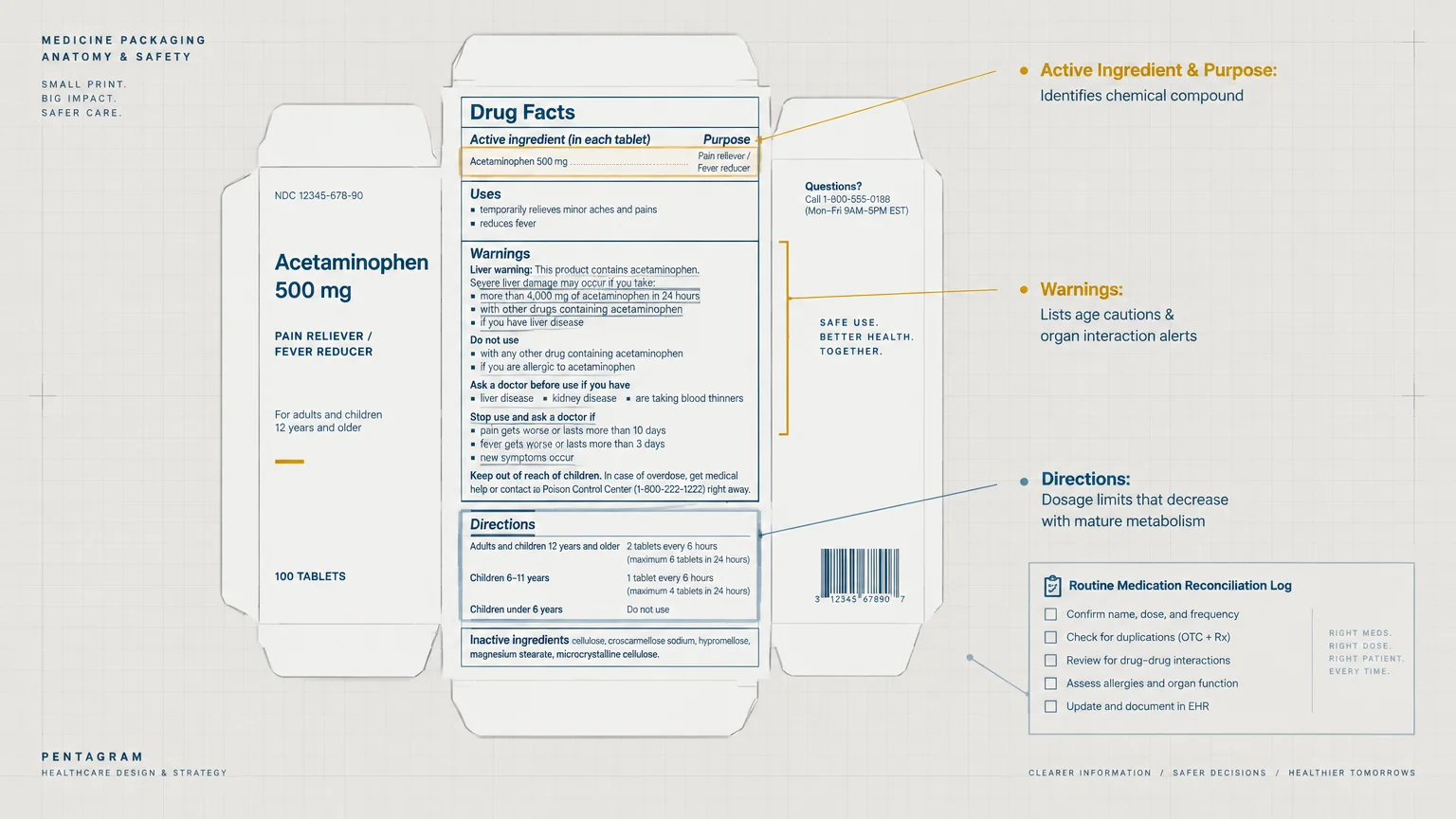
Seniors benefit immensely from adhering to this tighter 3,000 mg limit to maintain an extra safety margin. Always examine the Drug Facts panel on every box to verify total acetaminophen levels before swallowing a pill.
Look closely for abbreviations like APAP on prescription labels, which also stands for acetaminophen. Catching this acronym prevents you from combining a prescription painkiller with an over-the-counter fever reducer.
2. Avoid Taking Different NSAIDs at the Same Time
Nonsteroidal anti-inflammatory drugs, widely known as NSAIDs, target stiff joints and chronic muscular soreness. Familiar over-the-counter options include ibuprofen, naproxen sodium, and daily aspirin.
A widespread mistake involves taking ibuprofen for tension while also swallowing naproxen for knee stiffness. These medicines share an identical biological mechanism that inhibits protective prostaglandins in your stomach lining.
Stacking these pills multiplies your vulnerability to painful gastrointestinal ulcers and sudden internal bleeding. The Beers Criteria explicitly advises older adults to avoid routine NSAID usage whenever possible.
Combining two oral anti-inflammatory remedies offers zero additional pain relief over a single therapeutic dose. Instead, it severely impairs renal filtration and drives up systemic blood pressure.
If one anti-inflammatory drug fails to ease your discomfort, never add a second brand on top of it. Ask your healthcare provider about alternative physical therapies or gentle stretching routines instead.
Non-pharmacological approaches often deliver lasting relief without irritating your delicate gastric mucosal barrier. Warm compresses and gentle movement routines support your joints without straining your kidneys.
3. Keep NSAIDs Far Away from Prescription Blood Thinners
Many seniors rely on anticoagulant medications to prevent strokes, pulmonary embolisms, or cardiac arrhythmias. These vital prescription drugs prolong blood clotting times to protect your vascular channels.
Blood thinners are the leading cause of emergency visits for medication harm, accounting for roughly 21% of all adverse drug events. Introducing over-the-counter NSAIDs turns this manageable risk into an acute crisis.
Drugs like ibuprofen and naproxen erode the mucosal protective coating inside your stomach wall. At the exact same moment, prescription blood thinners hinder your natural ability to stem minor micro-tears.
This lethal pairing can trigger catastrophic gastrointestinal hemorrhaging with astonishing speed and very little advance warning. Even low-dose aspirin can produce hazardous interactions when taken alongside prescription anticoagulants without close clinical oversight.
Corticosteroid pills also magnify ulcer risks exponentially when combined with over-the-counter anti-inflammatories. Taking steroids and NSAIDs simultaneously creates an aggressive double assault on your digestive tract.
Speak directly with your cardiologist or family doctor before touching any over-the-counter pain relievers. They can recommend safer alternatives that will not compromise your circulatory stability.
4. Separate Antihistamines from Nighttime Sleep Aids
Restful sleep can feel elusive, prompting many older adults to seek nighttime relief in retail aisles. Simultaneously, seasonal allergies or nasal drips encourage the purchase of daytime allergy tablets.
Most over-the-counter PM pain relievers and sleep aids rely on first-generation antihistamines like diphenhydramine or doxylamine. Taking an allergy pill alongside a nighttime sleep formula delivers a massive double dose of sedatives.
The Beers Criteria cautions heavily against first-generation antihistamines for adults aged 65 and older. These molecules exert strong anticholinergic properties that obstruct normal neurotransmitter activity throughout your brain and nervous system.
Excessive anticholinergic exposure produces acute mental confusion, heavy grogginess, blurred vision, and severe dry mouth. Older adults face a drastically heightened danger of middle-of-the-night falls and disabling hip fractures.
These medications also trigger uncomfortable urinary retention and aggravate chronic constipation in mature bodies. Men with enlarged prostates often find their urinary symptoms worsen dramatically after just one dose.
These lingering chemical residues frequently remain in your bloodstream well past sunrise, making morning driving hazardous. Seek non-pharmacological sleep hygiene techniques rather than relying on sedating nighttime combinations.
5. Do Not Mix Decongestants with Blood Pressure Drugs
Nasal congestion makes breathing uncomfortable, but oral decongestants carry severe risks for older cardiovascular systems. Active ingredients like pseudoephedrine and phenylephrine clear nasal passages by forcing smooth muscle tissues to contract.
Unfortunately, these compounds constrict blood vessels throughout your entire circulatory network, not just your nose. This widespread constriction causes a sharp, immediate surge in arterial blood pressure and heart rate.
If you take prescription medication for hypertension, oral decongestants directly counteract your therapy. They cancel out the beneficial widening effect created by your daily blood pressure pills.
Mixing these products can trigger dangerous hypertensive spikes, rapid heart palpitations, and uncomfortable chest sensations. Pharmacists urge heart patients to avoid oral decongestants and choose simple saline sprays instead.
Sterile saline mists moisturize irritated nasal membranes effectively without altering your heart rhythm or vascular tension. This natural choice keeps your airway open while protecting your cardiovascular health.
Warm facial compresses and bedroom humidifiers also relieve stubborn congestion safely without impacting your circulation. These gentle remedies help you breathe freely through the night without elevating your pulse.
6. Space Out Antacids and Your Daily Prescriptions
Heartburn and sour stomach frequently arise after enjoying evening meals with family and friends. Chewing calcium carbonate tablets or swallowing magnesium liquid brings prompt and soothing digestive relief.
Yet antacids drastically alter the chemical acidity of your stomach within minutes of ingestion. Many essential prescription drugs require a distinctly acidic gastric environment to dissolve and absorb into your bloodstream.
Taking antacids alongside thyroid hormones, blood thinners, or antibiotics binds the active medication particles together. Your digestive tract then expels the life-saving prescription without absorbing the therapeutic dose.
To protect your treatment efficacy, establish a strict two-hour window around every antacid dose. Ingest your regular prescription first, then wait at least two full hours before consuming digestive remedies.
This simple timing buffer guarantees that your essential therapies absorb completely before antacids alter stomach pH. Planning your doses carefully prevents silent treatment failures and maintains consistent healing.
If your heartburn persists despite spacing out antacids, avoid increasing your dose on your own. Discuss long-term reflux management with your physician to identify healthier nutritional solutions.
7. Watch for Hidden Ingredients in Cough and Cold Remedies
Multi-symptom cold syrups promise comprehensive comfort by blending four or five distinct pharmaceutical compounds into one spoonful. These extensive formulas frequently combine pain relievers, cough suppressants, expectorants, and sedating antihistamines.
Swallowing an all-in-one syrup while continuing your regular routine often triggers accidental double-dosing. You may unknowingly duplicate your pain relievers, allergy pills, or blood pressure sensitivities all at once.
Cough medicines containing dextromethorphan also interact dangerously with common prescription antidepressants. When mixed, they can trigger an overload of serotonin that causes tremors, agitation, and high fevers.
Pharmacists strongly encourage seniors to treat isolated symptoms rather than buying complex combination mixtures. If you suffer solely from a dry throat, purchase a single-ingredient remedy rather than a multi-symptom brew.
Targeting individual complaints with singular remedies drastically lowers your exposure to unwanted side effects. It keeps your daily regimen clear, predictable, and remarkably gentle on your body.
Simple honey or throat lozenges often soothe airway irritation without interacting with your vital prescriptions. Choosing mild interventions first preserves your body from unnecessary chemical burdens.
8. Use a Single Pharmacy to Safeguard Your Routine
Bargain hunting can tempt you to purchase prescriptions at one store and shelf remedies elsewhere. Unfortunately, fragmented shopping blinds your pharmacist to the complete landscape of products you use.
Modern pharmacy computers run automatic software checks that detect dangerous drug combinations instantaneously. However, that digital safety net only functions when all your purchases pass through the same centralized profile.
Consolidating all your prescriptions and routine wellness purchases at one local counter creates a protective shield. Your pharmacist can spot hidden cross-reactions long before you open a new bottle at home.
Developing a personal rapport with a trusted pharmacist transforms healthcare management into an empowering partnership. They welcome your questions and provide compassionate guidance tailored to your specific medical history.
Before taking any new nonprescription item to the checkout counter, ask the pharmacist for a quick review. This thirty-second conversation can prevent an unexpected hospital visit.
9. Maintain an Updated Personal Medication Record
Memory can occasionally falter when medical providers ask you to recite every supplement you take. Writing down every single capsule provides tangible clarity for both you and your medical team.
Keep a neatly folded list in your wallet alongside your identification cards at all times. Document exact brand names, precise milligram strengths, and how many times daily you swallow each item.
Be certain to list dietary supplements, herbal tinctures, and seasonal eye drops on this document. Natural plant extracts interact just as vigorously with conventional chemicals as pharmaceutical compounds do.
Hand this updated ledger to your primary physician during every routine clinic appointment. This straightforward organizational practice prevents duplicate prescribing and keeps your care plan beautifully coordinated.
Share a duplicate copy of this document with a trusted family member or close friend. Having a second advocate who understands your daily routine provides vital security during unforeseen medical emergencies.
Important Safety Precautions to Keep in Mind
Preserving your physical comfort should never come at the expense of your long-term organ health. Respecting established dosage boundaries forms the cornerstone of over the counter medicine safety.
Always observe the conservative 3,000 mg daily cap for acetaminophen across all products you ingest. Tracking every tablet on a notepad ensures you never surpass this safety limit accidentally.
Remember the Beers Criteria warnings regarding sedating antihistamines and nonsteroidal anti-inflammatory medicines. These drug classes present heightened physiological hazards that frequently outweigh their temporary benefits for mature adults.
Read the standardized Drug Facts label located on the rear of every box before purchasing. Pay special attention to the Active Ingredients header printed boldly across the top panel.
Examine the warnings section to see if the product conflicts with existing conditions like glaucoma or hypertension. Manufacturers clearly outline critical precautions directly on the cardboard packaging.
Store your medications in their original labeled containers rather than pouring different tablets into unmarked jars. Keeping factory packaging ensures you can always verify directions, expiration dates, and critical warning statements.
Avoid storing medicines inside warm, humid bathroom cabinets where steam degrades chemical stability. Choose a cool, dry bedroom drawer or high kitchen shelf away from direct sunlight instead.
Discard expired tablets promptly according to local pharmacy disposal guidelines or community take-back programs. Degraded compounds can lose therapeutic predictability or irritate delicate stomach linings.
Never share nonprescription remedies with friends or spouses, even if they describe matching symptoms. Their underlying health conditions and daily prescriptions may make that specific formula dangerous for them.
Exercise extreme caution regarding alcohol consumption while taking any over-the-counter remedies. Alcohol intensifies liver toxicity from acetaminophen and accelerates stomach bleeding from daily anti-inflammatory pills.
Never take medications in the dark or while feeling half-asleep during late midnight hours. Turn on a bedside lamp to verify that you are swallowing the correct bottle and exact dosage.
In the event of an accidental double-dose or interaction, rapid expert guidance makes all the difference. The U.S. Poison Help line operates twenty-four hours a day, seven days a week at 1-800-222-1222.
Calling this toll-free number connects you directly with medical specialists who offer calm, instantaneous instructions. Save this vital contact into your mobile phone for rapid peace of mind.

When to Speak with a Healthcare Professional
Self-care empowers your healthy aging journey, but nonprescription guidance never substitutes for tailored clinical care. Certain physical warning signs indicate that you need immediate professional medical intervention.
Contact your physician immediately if you notice black, tarry bowel movements or vomit resembling coffee grounds. These distressing signs point toward active gastrointestinal bleeding triggered by anti-inflammatory combinations.
Sudden bouts of unsteadiness, severe dizziness, or overwhelming lethargy also demand swift clinical evaluation. These symptoms often signal dangerously low blood pressure or heavy sedative accumulation from competing formulas.
Seek emergency attention if you develop facial swelling, full-body hives, or sudden difficulty drawing breath. Anaphylactic allergic reactions can escalate rapidly and require immediate emergency treatment.
New mental confusion, disorientation, or memory lapses should never be dismissed as normal aging processes. These acute changes often indicate severe anticholinergic drug toxicity from hidden antihistamine ingredients.
Schedule an annual brown-bag review with your neighborhood pharmacist or primary care doctor. Gather every prescription bottle, nonprescription remedy, vitamin, and ointment from your house into a bag.
Bring that collection to your appointment and ask the pharmacist to inspect every single item together. This comprehensive visual audit uncovers expired products and resolves hidden conflicts before symptoms ever emerge.
Prepare two or three specific questions regarding your daily supplements before attending this meeting. Asking clear questions helps you understand why each pill belongs in your routine.
Your healthcare team serves as your greatest ally in building a vibrant, independent lifestyle. Never hesitate to voice your questions regarding new symptoms or unfamiliar dosing instructions.
Frequently Asked Questions
Can I take acetaminophen and ibuprofen together if I alternate them?
Doctors sometimes suggest alternating these two distinct remedies for short periods to manage intense post-surgical discomfort. Because they metabolize through different pathways, alternating doses avoids stressing the same single organ.
However, older adults must exercise great caution before attempting this alternating schedule independently at home. You must confirm that your kidneys and stomach can tolerate the anti-inflammatory component safely.
Always obtain written timing schedules from your doctor before combining these medicines during recovery. Strict adherence to personalized clinical instructions prevents accidental toxic accumulation.
How long should I wait between taking an antacid and my regular medicines?
Pharmacists consistently advise leaving a minimum buffer of two hours between antacids and other medications. This window gives your stomach adequate time to absorb essential prescription tablets under normal acidity.
Taking both simultaneously allows the antacid to neutralize necessary gastric acids prematurely. It can also physically bind with your prescription, preventing critical compounds from entering your circulation.
If you require frequent antacid doses throughout the week, discuss alternative treatments with your physician. They can diagnose the root cause of your reflux and prescribe gentler long-term solutions.
Are topical arthritis creams safer than oral pain pills for older adults?
Topical pain gels and patches generally offer a much safer safety profile for mature adults. When you apply medication directly to aching skin, only minute amounts enter your systemic circulation.
This localized action provides meaningful comfort to stiff hands and knees while sparing your stomach and kidneys. The American Geriatrics Society often favors topical treatments over oral anti-inflammatories for seniors.
Nevertheless, you must still read package warnings to avoid combining multiple topical creams with oral pills. Ask your pharmacist to help you select a targeted gel suitable for your joint health.
What should I do if I accidentally take two medicines with the same active ingredient?
Do not panic, but act promptly to assess the situation and protect your well-being. Check the packaging immediately to tally the exact milligram strength of the duplicate ingredient you swallowed.
Call the national Poison Help line at 1-800-222-1222 right away for immediate, calm guidance. Their certified medical specialists will evaluate your dose and advise whether home monitoring or clinical evaluation is necessary.
Keep the medicine boxes directly in your hands while you speak with the specialist on the telephone. Having the exact ingredient names and dosages ready ensures you receive the most accurate guidance.
For authoritative, trustworthy health information, always consult official sources like the National Institute on Aging (NIA) and MedlinePlus from the National Library of Medicine. The CDC also provides excellent resources for older adults.
Disclaimer: This article is for informational purposes only and does not constitute medical advice. Always seek the advice of your physician or other qualified health provider with any questions you may have regarding a medical condition.