Targeting post-meal stomach tightness becomes easier when you put the right nutrient-dense ingredients on your plate. Choosing gentle, soothing items restores natural comfort and helps your stomach settle quickly after dining.
Certain anti-bloating foods calm digestive distress by breaking down trapped gas and flushing excess sodium from your tissues. These everyday pantry staples support smoother digestion without causing unnecessary strain on sensitive mature stomachs.
Adding these simple digestion foods to your daily menu can transform how you feel after lunch and dinner. You can enjoy satisfying meals again without enduring painful pressure or sluggishness.
Understanding the Basics of Bloating for Seniors
Bloating is that uncomfortable sensation of fullness, tightness, or pressure in your midsection. It often strikes right after you finish eating, turning a pleasant meal into an afternoon of discomfort.
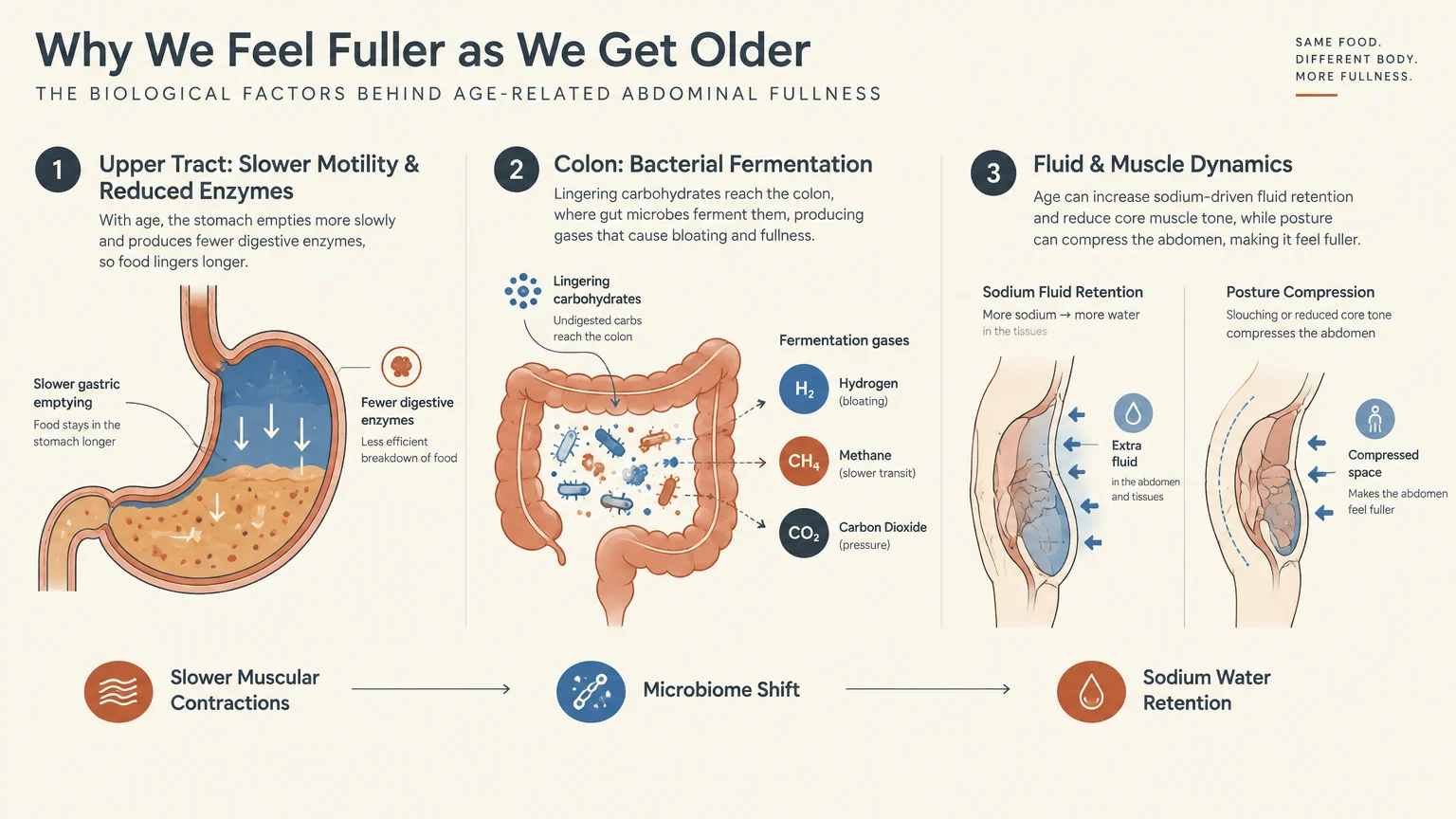
Your digestive system naturally changes as the decades pass. The muscular contractions that move food through your stomach and intestines tend to slow down over time.
When food lingers longer in your digestive tract, gut bacteria have more time to ferment carbohydrates. This extended fermentation creates extra gas that feels trapped and painful.
Your body may also produce fewer digestive enzymes and less stomach acid as you age. Without adequate enzyme levels, breaking down proteins, fats, and complex starches requires significantly more effort.
Partially digested food then reaches your colon, where eager bacteria break it down and release hydrogen, methane, or carbon dioxide. This sudden accumulation of gas expands your abdominal walls.
Many seniors also take prescription medications that influence gut motility. Common treatments for blood pressure, arthritis, and joint pain can relax digestive muscles or dry out intestinal fluids.
Fluid retention represents another primary cause of post-meal distension. If your kidneys handle sodium more slowly, salty foods cause your body to hold onto extra water.
This water retention leaves you feeling puffy, swollen, and tight around the waistband. The sensation feels identical to gas buildup, though its underlying biological cause is fluid rather than air.
The beneficial bacteria living in your microbiome also shift in balance across your senior years. A diverse microbiome keeps harmful, gas-producing microbes in check.
When beneficial bacterial diversity drops, poor digestion follows quickly. Harmful bacteria take over, leading to frequent irritation and unexpected belly swelling.
Physical changes in posture and abdominal muscle tone can also affect how your belly handles fullness. Weaker abdominal walls offer less resistance, allowing internal pressure to push your stomach outward visibly.
Slumping in a soft chair after eating compresses your internal organs. This compression restricts gas movement and worsens the feeling of abdominal fullness.
In addition, many older adults inadvertently swallow air while eating. Ill-fitting dentures, dry mouth, or eating too quickly can introduce air pockets directly into your stomach.
Fortunately, specific foods for bloating can counteract these age-related shifts. They work by stimulating digestive juices, relaxing tight gastrointestinal muscles, and regulating fluid balance.
Emphasizing the right gut health foods gives your digestive tract the gentle support it needs. You do not have to accept post-meal puffiness as an inevitable reality of getting older.
With thoughtful dietary adjustments, you can keep your digestive system operating smoothly and comfortably every day.

Practical Tips for a Healthier, Happier Life
You can dramatically improve post-meal comfort by welcoming specific anti-bloating foods into your kitchen. These nourishing options provide targeted relief without demanding complicated meal preparation.
Each food highlighted below offers unique natural compounds that soothe irritation, speed up sluggish transit, or flush out stubborn retained fluids.
1. Cucumbers
Cucumbers consist mostly of pure water, making them remarkably effective for flushing stagnant waste. Their exceptional hydration encourages your kidneys to release trapped sodium and fluid.
They also contain quercetin, an antioxidant flavonoid known to soothe inflammation throughout the digestive tract. Quercetin calms irritated gut linings and helps prevent excess swelling after dining.
Cucumbers provide crisp texture without introducing tough fibers that tax older digestive systems. They are light, refreshing, and remarkably easy for sensitive stomachs to process.
If you have sensitive teeth or dentures, peel the dark green outer skin before slicing. Peeling removes insoluble outer fibers while preserving the hydrating, enzyme-rich flesh inside.
Toss thin cucumber rounds with a splash of apple cider vinegar and a pinch of dill. Alternatively, add sliced cucumbers to your water pitcher for a cooling, bloat-fighting table beverage.
Enjoying cucumbers alongside rich or salty meals helps maintain normal fluid balance. They act as a natural sponge, preventing uncomfortable fluid retention before it begins.
Look for firm English cucumbers at your local market because they have thinner skins and fewer seeds. Fewer seeds ensure effortless chewing and reduce the risk of digestive irritation.
2. Fresh Ginger
Fresh ginger stands as one of the most venerable digestion foods in natural wellness. It has supported human digestive systems across centuries of culinary and herbal tradition.
Ginger contains active chemical compounds called gingerols and shogaols. These compounds relax the smooth muscles lining your gastrointestinal tract, allowing trapped air bubbles to pass freely.
Ginger also accelerates gastric emptying; it helps your stomach move contents down into the small intestine more promptly. This rapid clearance prevents food from sitting idle and fermenting.
Older adults who experience heavy fullness long after eating benefit immensely from this accelerated gastric emptying. It banishes that sluggish, overfilled feeling that ruins quiet afternoons.
You can prepare soothing ginger tea by steeping three thin slices of peeled root in hot water for ten minutes. Sip this warm infusion roughly twenty minutes before your main meal.
You can also grate fresh ginger into vegetable soups, warm broths, or gentle stir-fries. Its warming zest enlivens flavors while quietly protecting your intestinal comfort.
Store unpeeled ginger knobs in your freezer to make preparation quick and simple. Frozen ginger grates smoothly on a microplane without producing tough, stringy fibers.
3. Ripe Papaya
Ripe papaya is a sweet tropical fruit that delivers powerful benefits for your digestion. It is exceptionally soft, making it comfortable to chew and gentle on dental work.
The primary secret behind papaya’s soothing power is papain, a naturally occurring proteolytic enzyme. Papain breaks down dietary proteins into easily absorbed amino acids before bacteria can ferment them.
Because stomach acid levels often decline with age, your body struggles more with heavy meats and dense proteins. Papain bridges this digestive gap by doing the preliminary breaking-down work.
Papaya also supplies soluble fiber and rich moisture to help maintain bowel regularity. Smooth, predictable bowel habits eliminate the backed-up waste that frequently causes severe bloating.
Select papayas that yield slightly to gentle thumb pressure and display warm orange skin. Green papayas contain harsh latex compounds that can irritate an older digestive tract.
Serve a half-cup of cubed ripe papaya as a light dessert following chicken or fish dinners. You will enjoy a luscious treat while giving your stomach valuable enzymatic support.
A light squeeze of fresh lime juice over sliced papaya enhances its natural tropical flavor. The mild citric acid also works synergistically with papain to support protein digestion.
4. Cooked Asparagus
Cooked asparagus acts as an extraordinary natural diuretic that helps your body shed excess fluid. It addresses the puffy, water-logged form of bloating that leaves clothes feeling tight.
Asparagus contains an amino acid called asparagine, which signals your kidneys to excrete excess water and sodium. This natural flushing relieves swollen tissues without stressing your system.
Furthermore, asparagus provides prebiotic fiber in the form of inulin. Inulin travels directly to your colon, where it feeds your beneficial bifidobacteria and strengthens digestive defenses.
Always cook your asparagus thoroughly until the spears turn tender and bend easily under a fork. Raw asparagus contains woody fibers that are difficult for older adults to chew and digest.
Steam the tender spears gently, or roast them lightly with olive oil and a dash of lemon juice. Discard the tough, woody lower stems before cooking to ensure effortless chewing.
Pairing cooked asparagus with grilled poultry or eggs creates a balanced, anti-bloating plate. Your kidneys and gut microbiome will both appreciate the nourishing boost.
Choose slender spears rather than thick ones if you prefer a softer, more delicate texture. Thinner spears cook faster and remain tender from tip to base.
5. Plain Greek Yogurt
Plain Greek yogurt provides millions of live, active probiotic cultures that replenish your intestinal microbiome. These beneficial bacteria actively crowd out gas-generating microbes that cause abdominal swelling.
Many seniors shy away from dairy because age-related lactase decline makes milk difficult to process. Fortunately, the traditional straining process removes most of the problematic lactose sugars.
The live bacteria in yogurt also pre-digest remaining milk sugars, making it exceptionally gentle on mature stomachs. You gain gut-healing microbes without triggering sudden distress or cramping.
Always purchase unsweetened plain varieties rather than fruit-flavored options. Commercial flavored yogurts contain large amounts of refined sugar or artificial sweeteners, both of which provoke severe bloating.
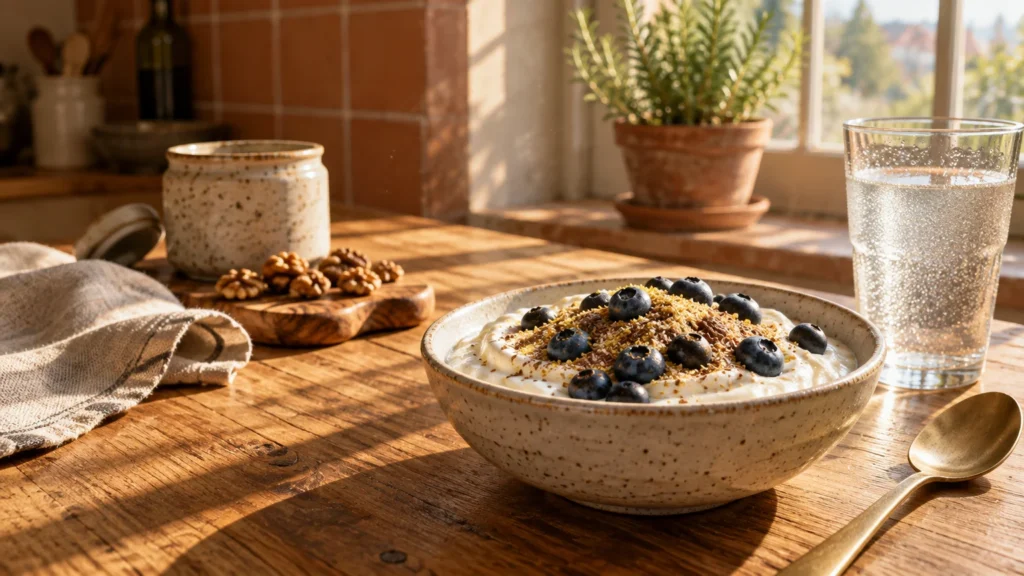
Stir a handful of soft blueberries or a drop of pure honey into your plain yogurt bowl. This simple combination delivers creamy satisfaction along with dependable digestive defense.
Eating half a cup of Greek yogurt for breakfast sets a peaceful tone for your digestive tract all day. It builds a resilient microbial shield against post-meal gas.
Choose traditional whole-milk or low-fat Greek yogurt instead of fat-free options that rely on thickeners. Gentle dietary fats slow digestion just enough to stabilize blood sugar and soothe gut walls.
6. Peppermint
Peppermint leaves contain natural menthol oil, a time-tested remedy for gastrointestinal spasms. Menthol acts as an antispasmodic agent that relaxes the smooth muscular walls of your intestines.
When intestinal muscles relax, trapped pockets of gas move through your system instead of causing painful distension. Cramping eases, and your stomach returns to a flatter, calmer state.
Menthol also encourages healthy bile flow, which assists your gallbladder in breaking down dietary fats. Smoother fat processing reduces the heavy, nauseating fullness that often follows rich meals.
A steaming cup of warm peppermint tea offers the gentlest delivery method for older adults. Steep pure dried peppermint leaves in boiling water for seven to eight minutes before sipping.
Enjoy your peppermint tea slowly after dinner to encourage peaceful abdominal relaxation. The soothing warmth complements the herb’s natural muscle-calming properties.
Note that if you experience severe acid reflux or hiatal hernias, use peppermint with caution. It relaxes the esophageal valve, which occasionally allows stomach acid to splash upward.
Keep single-ingredient peppermint tea bags in your pantry for convenient, caffeine-free evening comfort. Breathing in the aromatic steam as you sip further eases mealtime tension.
7. Bananas
Bananas are rich in potassium, a vital mineral that directly balances sodium concentrations inside your cells. When you consume too much salt, potassium helps your kidneys excrete excess fluid.
This mineral balancing act rapidly flattens water retention bloating caused by restaurant meals or canned soups. Bananas restore proper osmotic pressure across your body’s delicate tissues.
Bananas also supply soluble pectin fiber, which forms a gentle gel-like coating inside your intestines. Pectin regulates transit time, softening hard stools while steadying rapid digestion.
Choose bananas that display small brown specks on their bright yellow peels. Fully ripe bananas contain easily digested simple sugars, whereas greenish bananas hold stubborn resistant starches.
Underripe starches ferment aggressively in the senior colon, creating unnecessary bloating and sharp gas pains. Ripe bananas, conversely, digest effortlessly and calm an unsettled stomach.
Slice half a ripe banana over your morning oatmeal or blend it into a gentle smoothie. This sweet fruit delivers immediate comfort and steady potassium to protect your waistband.
Eating half a banana alongside a salty lunch acts as an immediate counterweight to sodium absorption. Your tissues release excess water before it accumulates into noticeable puffiness.
8. Fennel Seeds
Fennel seeds are tiny botanical powerhouses celebrated for their carminative properties. Carminative herbs prevent the formation of gas in your gastrointestinal tract and facilitate its expulsion.
The primary active constituent in fennel is anethole, a volatile oil that calms intestinal spasms. Anethole relaxes tense digestive muscles, allowing trapped gas bubbles to disperse smoothly.
Fennel also stimulates the production of gastric juices, helping your stomach break down dense food particles. Better breakdown upfront means less fermentation and swelling later in the day.
Senior adults can chew half a teaspoon of whole fennel seeds immediately after completing a meal. Chewing releases aromatic essential oils directly into your mouth and esophagus.
If you prefer a warm beverage, crush a teaspoon of fennel seeds and steep them in boiling water. Strain the liquid after ten minutes for an aromatic, digestive-soothing herbal tea.
The mild, licorice-like flavor of fennel leaves your mouth feeling refreshed and clean. More importantly, it settles your stomach before bloating has a chance to develop.
You can also crush fennel seeds lightly and add them to warm vegetable soups or grain dishes. They impart pleasant flavor while actively defending against uncomfortable post-meal distension.
9. Pineapple
Pineapple contains bromelain, a renowned mixture of protein-digesting enzymes found exclusively in this golden tropical fruit. Bromelain works tirelessly to dismantle complex protein chains in your stomach.
When you consume dense proteins like beef, pork, or beans, bromelain accelerates their initial breakdown. This rapid processing prevents undigested protein fragments from lingering and causing gaseous putrefaction.
Bromelain also possesses documented anti-inflammatory properties that calm swelling along the mucosal lining of your gut. A calm digestive barrier processes meals with significantly less friction and distress.
Always choose fresh or frozen pineapple rather than canned varieties whenever possible. The intense heat used during commercial canning destroys bromelain’s delicate enzymatic activity.
Cut fresh pineapple into small, bite-sized cubes that are easy to manage and chew thoroughly. The juicy flesh provides hydrating fluids alongside its active digestive enzymes.
Enjoying a few fresh pineapple chunks shortly before or after a hearty dinner keeps your stomach flat. It turns heavy dining into a smooth, comfortable digestive experience.
Puree fresh pineapple chunks with a handful of spinach and water for a gentle morning tonic. The natural enzymes remain fully intact while delivering bioavailable nutrients directly to your gut.
Important Safety Precautions to Keep in Mind
While incorporating anti-bloating foods offers tremendous benefits, you must introduce dietary changes mindfully. Older digestive tracts thrive on slow, steady adjustments rather than sudden, radical shifts.
If you plan to increase your daily fiber intake, do so gradually over several weeks. Flooding your gut with large amounts of fiber all at once creates excessive gas and bloating.
Always accompany increased fiber intake with generous amounts of fresh water throughout the day. Water keeps soluble fiber moving smoothly through your bowels, preventing stubborn impactions and painful constipation.
Pay careful attention to your prescription medications before making drastic changes to your diet. For instance, individuals taking potassium-sparing diuretics or ACE inhibitors must monitor their potassium intake.
Consuming excessive potassium from bananas while taking these blood pressure drugs could cause potassium levels to climb too high. Discuss your dietary adjustments with your pharmacist or physician.
Similarly, people with gastroesophageal reflux disease (GERD) should exercise caution with peppermint. Peppermint relaxes the lower esophageal sphincter, which can trigger painful heartburn symptoms in susceptible individuals.
Be mindful of fruit sugars if you are actively managing type 2 diabetes or prediabetes. Fruits like pineapple, papaya, and bananas contain natural fructose that influences blood sugar levels.
Keep fruit portions moderate and pair them with healthy proteins to prevent sharp blood sugar spikes. A thoughtful approach balances digestive comfort with steady glycemic control.
Beware of sugar-free foods sweetened with sugar alcohols like sorbitol, xylitol, or mannitol. These compounds resist digestion in the small intestine, causing fierce fermentation and sudden gas in older adults.
Cut back on carbonated beverages and stop drinking through straws. Both habits force excess air straight into your stomach, producing immediate mechanical bloating regardless of what you eat.
Chew your food slowly and deliberately at every meal. Rushing through meals causes you to swallow excess air, which directly inflates your stomach and worsens bloating.
Avoid drinking large glasses of ice-cold water during meals, as this can dilute your natural stomach acid. Instead, sip small amounts of room-temperature liquids while eating.
Remain upright for at least one hour after eating to give gravity a chance to assist digestion. Taking a gentle, ten-minute stroll encourages gas movement and stimulates healthy intestinal contractions.

When to Speak with a Healthcare Professional
Mild post-meal bloating is common and often responds well to gentle dietary tweaks. However, persistent or severe abdominal distension requires professional medical evaluation to rule out underlying conditions.
You should never ignore chronic abdominal distress or assume it is merely a harmless consequence of aging. Sometimes bloating signals conditions like celiac disease, gallstones, or intestinal blockages.
Schedule an appointment with your doctor if bloating accompanies sudden, unintended weight loss. Losing weight without trying warrants immediate investigation by a healthcare professional.
Seek prompt medical attention if you experience severe abdominal pain, persistent nausea, or frequent vomiting. These symptoms point toward acute medical issues that require clinical diagnosis.
Noticeable changes in your bowel habits also call for a thorough doctor visit. Watch for persistent watery diarrhea, worsening constipation, or blood visible in your stool.
If you feel full after eating only a few small bites of food, report this immediately. Known as early satiety, this symptom requires evaluation by a gastroenterologist.
Bloating accompanied by an unexplained fever or yellowing of your skin and eyes demands immediate emergency care. Never delay medical consultations when severe red flag symptoms arise.
Your doctor can run routine blood panels or order gentle imaging tests to pinpoint the root issue. Early screening provides tremendous peace of mind and ensures timely therapeutic intervention.
For authoritative, trustworthy health information, always consult official sources like the National Institute on Aging (NIA) and MedlinePlus from the National Library of Medicine. The CDC also provides excellent resources for older adults.
Keep an organized food diary to show your doctor during your next clinical appointment. Note what you ate, the symptoms you experienced, and how long the bloating lasted.
Sharing precise details empowers your physician to identify patterns and develop a personalized treatment plan. Working together ensures you receive safe, comprehensive digestive care.
Frequently Asked Questions
How quickly can anti-bloating foods relieve stomach discomfort?
Certain foods provide rapid relief within thirty to sixty minutes after consumption. Warm ginger tea, steeped fennel seeds, and peppermint oil work quickly by relaxing tight intestinal muscles.
Other foods, such as probiotic Greek yogurt and high-fiber cooked vegetables, work over several days or weeks. They gradually rebalance your gut flora and optimize sluggish bowel motility.
Is drinking water with meals good or bad for bloating?
Drinking small sips of room-temperature water during meals helps soften food and supports swallowing. It aids digestive movement without creating excessive abdominal fullness.
However, gulping large glasses of ice water can dilute stomach acids and cause stomach distension. Sip water gently throughout the day rather than chugging it during dinner.
Should older adults peel fruits and vegetables to reduce gas?
Peeling fruits and vegetables like cucumbers, apples, and zucchini is often very helpful for seniors. Skins contain insoluble fiber that is tough for aging digestive systems to break down.
Removing tough skins reduces mechanical strain on your stomach while preserving beneficial vitamins in the flesh. It provides smooth digestive transit without triggering painful bloating episodes.
Can walking after dinner help reduce bloating after meals?
A gentle ten-to-fifteen-minute stroll after eating stimulates the natural muscular contractions of your gut. Physical movement propels trapped gas bubbles and food downward through your digestive tract.
Walking also prevents fluid from pooling in your lower extremities and abdomen. Keep the pace light and relaxed; vigorous exercise immediately following a meal can trigger cramping.
Disclaimer: This article is for informational purposes only and does not constitute medical advice. Always seek the advice of your physician or other qualified health provider with any questions you may have regarding a medical condition.