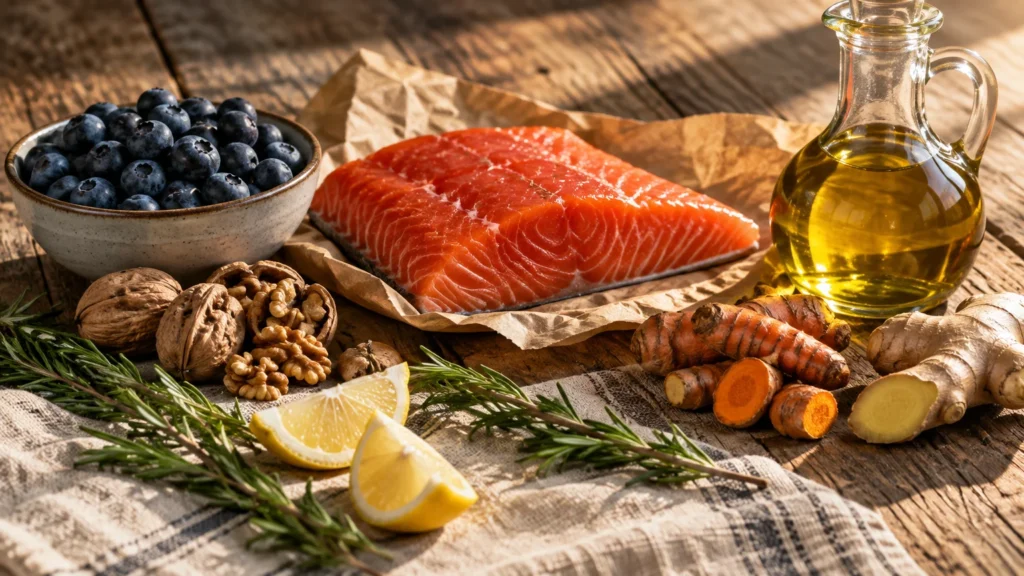
Managing your cardiovascular health requires making mindful, informed choices at every single meal. Certain everyday ingredients can alter how your anticoagulant medication functions, raising your risk for dangerous blood clots or unexpected bleeding events.
Understanding these vital blood thinner food interactions allows you to protect your heart without sacrificing culinary pleasure. You can easily navigate these nutritional nuances with confidence, gentle awareness, and steady reassurance.
This comprehensive guide explores the primary foods to monitor carefully; it helps you maintain delicious, balanced daily nutrition while keeping your medication working safely.
Understanding the Basics of Blood Thinners for Seniors
More than 8 million Americans rely on anticoagulant medications to prevent strokes and venous thromboembolism. These life-saving prescriptions safeguard your blood vessels and support healthy circulation as you age.
As we mature, conditions such as non-valvular atrial fibrillation become more common. Irregular heart rhythms can cause blood to pool in heart chambers, raising the risk of clot-related strokes.
Anticoagulant therapies gently interrupt specific biochemical steps in the blood clotting cascade. This pause keeps blood flowing smoothly through aging arteries and delicate cerebral vessels.
Doctors generally prescribe two main categories of these medications. Traditional options like warfarin work differently than modern direct oral anticoagulants, commonly called DOACs.
Warfarin serves as a vitamin K antagonist. It acts by preventing your liver from using vitamin K to produce essential clotting factors.
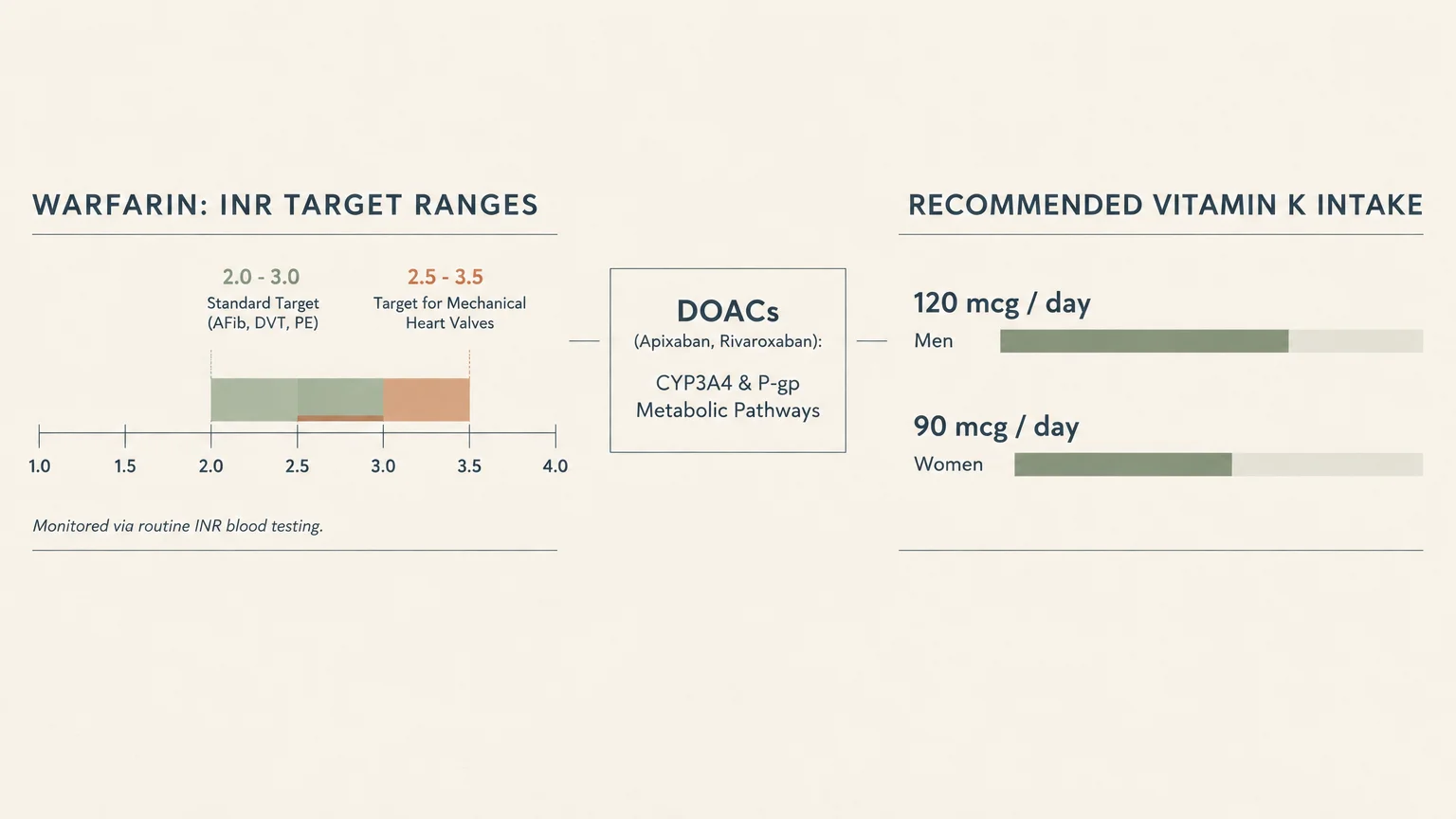
When you take warfarin, your care team monitors your clotting time using the International Normalized Ratio, or INR. This routine blood test ensures your blood clots within a safe, predictable timeframe.
For atrial fibrillation, deep vein thrombosis, or pulmonary embolism, clinicians target an INR range between 2.0 and 3.0. A target of 2.5 to 3.5 protects individuals with mechanical prosthetic heart valves.
Consuming sudden surges of vitamin K can drop your INR below target, leaving you vulnerable to clots. Conversely, dropping your vitamin K intake sharply can cause your INR to spike, raising your bleeding risk.
Newer DOACs—including apixaban and rivaroxaban—represent the majority of first-line prescriptions for older adults today. Unlike warfarin, these targeted therapies do not directly compete with dietary vitamin K.
Instead, DOACs rely on specific liver enzymes known as CYP3A4 and intestinal transport proteins called P-glycoprotein. Certain foods alter these metabolic pathways, changing how much medicine circulates in your system.
Federal health guidelines recommend an Adequate Intake of vitamin K: 120 micrograms daily for men and 90 micrograms for women. Maintaining this steady daily balance is far healthier than eliminating wholesome greens completely.
Understanding vitamin K and blood thinners empowers you to eat well without anxiety. You can manage your plate effectively once you know how specific foods behave inside your body.
Practical Tips for a Healthier, Happier Life
You do not need to dread mealtimes or survive on a bland diet while taking anticoagulants. The real secret lies in nutritional consistency rather than strict, joyless deprivation.
By learning which items interact with your prescription, you can assemble delicious, colorful meals with complete confidence. Here are twelve foods that interact with blood thinners and require your thoughtful awareness.
1. Cooked Kale and Collard Greens
Dark leafy greens represent the most concentrated dietary sources of vitamin K available in modern grocery aisles. Cooked kale delivers between 544 and 1,062 micrograms per cup, depending on preparation.
Cooked collard greens offer a similarly potent dose, packing between 770 and 1,059 micrograms per cup. These robust figures dwarf the recommended daily intake for both men and women.
If you take warfarin, sudden swings in kale or collard consumption can drastically suppress your INR. This interaction reduces your medicine’s effectiveness and leaves you unprotected against dangerous blood clots.
You can still enjoy these Southern staples by eating modest, measured portions on a predictable weekly schedule. Consistency ensures your medical team can adjust your dosage to match your lifestyle.
2. Cooked Spinach
Tender cooked spinach ranks near the top of foods to avoid with warfarin in unpredictable quantities. A single cooked cup contains between 889 and 1,027 micrograms of vitamin K.
That single cooked serving supplies over 800 percent of your daily adequate intake. When your liver encounters this sudden surge, it accelerates clotting factor production within hours.
Raw baby spinach contains less vitamin K by volume than dense cooked greens. If you prefer crisp spinach salads, measure your leaves carefully to keep your daily intake steady.
Never transition from eating zero spinach to enjoying daily spinach smoothies without medical oversight. Sudden dietary changes disrupt your therapeutic balance faster than almost anything else.
3. Broccoli and Brussels Sprouts
Cruciferous vegetables like broccoli and Brussels sprouts provide wonderful dietary fiber and antioxidants. However, managing diet restrictions on blood thinners requires paying close attention to their vitamin K content.
One cooked cup of either vegetable provides approximately 110 to 220 micrograms of vitamin K. While lower than spinach, this concentration easily alters your clotting profile if consumed in large quantities.
Eating a giant bowl of roasted sprouts after weeks of avoidance can trigger an unexpected INR drop. Your blood may thicken temporarily, counteracting the protective actions of your anticoagulant.
Savor these nutritious florets by serving small, consistent portions alongside your favorite lean proteins. Spreading your intake evenly across the week keeps your cardiovascular therapy safe and stable.
4. Nattō (Fermented Soybeans)
Nattō is a traditional Japanese staple made from fermented soybeans; it holds a unique place in nutritional science. A standard three-ounce serving provides roughly 850 micrograms of vitamin K2, known as menaquinone-7.
Menaquinone-7 remains active in your bloodstream much longer than the plant-based vitamin K1 found in salad greens. This prolonged activity can suppress warfarin efficacy for many days after a single meal.
If your physician prescribes warfarin, medical specialists generally advise avoiding nattō completely. Its exceptionally concentrated vitamin K2 content makes reliable therapeutic management nearly impossible for most older adults.
Always ask about fermented soybean ingredients when sampling authentic East Asian dishes. Checking restaurant menus protects you from accidental exposure to this exceptionally potent food.
5. Grapefruit and Fresh Grapefruit Juice
Grapefruit presents a significant concern for seniors taking modern DOAC medications like rivaroxaban and apixaban. This tart citrus fruit contains natural furanocoumarins that inhibit intestinal CYP3A4 enzymes.
When these metabolic enzymes are blocked, your body cannot clear certain blood thinners properly. Consequently, medication levels rise in your bloodstream, substantially increasing your risk of internal bleeding.
Even a single glass of fresh grapefruit juice can impair these protective enzymes for up to twenty-four hours. The effect lingers silently, making daily breakfast juice routines hazardous for DOAC users.
Choose sweet oranges, clementines, or grapefruit substitutes like strawberries to enjoy bright citrus flavors. These alternatives provide vibrant vitamin C without interfering with your prescription.
6. Cranberries and Concentrated Cranberry Juice
Tart cranberries and concentrated cranberry juices frequently appear in wellness routines to support urinary tract health. However, concentrated cranberry products can interact unpredictably with traditional anticoagulants like warfarin.
Research indicates that active compounds in cranberries inhibit the CYP2C9 liver enzyme. Because this enzyme metabolizes warfarin, blocking it causes the blood thinner to accumulate in your circulation.
As warfarin levels climb, your INR can rise well above safe therapeutic limits. This elevation creates a heightened risk of spontaneous nosebleeds, blood in your urine, and deep tissue bruising.
Limit commercial cranberry cocktails and avoid high-potency cranberry dietary supplements entirely. Instead, drink plenty of fresh water and enjoy fresh blueberries or raspberries for gentle antioxidant support.
7. Green Tea and Matcha
Sipping hot green tea offers comforting relaxation, but its botanical properties require mindful observation. Brewed green tea leaves contain modest quantities of vitamin K that can accumulate throughout the day.
Matcha powder introduces a much stronger interaction because you consume the pulverized whole leaf rather than strained water. Drinking multiple cups of matcha can actively oppose warfarin therapy in your liver.
In addition, green tea polyphenols can influence platelet aggregation and hepatic metabolism. These combined actions make large daily amounts problematic for anyone seeking steady blood coagulation numbers.
Enjoying one small cup of lightly brewed green tea daily is generally safe if you remain consistent. Simply avoid concentrated green tea extracts, wellness shots, and trendy matcha lattes.
8. Garlic in Large Culinary Quantities
A light touch of garlic powder or a single minced clove lends delicious warmth to homemade soups. However, eating massive culinary portions or taking concentrated garlic supplements poses clear vascular dangers.
Garlic contains bioactive sulfur molecules like ajoene that naturally inhibit blood platelet aggregation. When combined with prescription blood thinners, this additive antiplatelet effect noticeably impairs your body’s clotting ability.
You may notice that minor kitchen cuts bleed longer or that small bumps cause noticeable bruises. This risk multiplies when taking both anticoagulants and daily over-the-counter garlic capsules.
Feel free to season your evening meals with normal culinary amounts of cooked garlic. Just steer clear of raw garlic cleanses, concentrated garlic oils, and high-dose wellness pills.
9. Fresh Ginger and Ginger Extracts
Zesty ginger root warms the body and calms occasional digestive distress or joint stiffness. However, potent ginger roots and therapeutic extracts exhibit natural anti-inflammatory and mild anticoagulant properties.
Biochemical compounds in ginger can inhibit thromboxane synthetase, an essential enzyme that supports normal clotting. When taken alongside warfarin or DOACs, high ginger doses can amplify systemic bleeding risks.
You can safely savor ginger-infused baked goods or a delicate slice of fresh ginger in hot water. Avoid concentrated ginger extract shots, ginger root powders, and high-potency digestive capsules.
Always mention herbal remedies to your doctor before adding them to your daily wellness routine. Gentle transparency ensures your natural health choices harmonize with your medical treatments.
10. Beef and Pork Liver
Organ meats like beef and pork liver serve as central nutritional storehouses in animal biology. As a result, liver delivers an extraordinarily dense concentration of dietary vitamin K.
A single three-ounce serving of braised beef liver provides significant vitamin K alongside fat-soluble nutrients. Consuming organ meats unpredictably can unravel weeks of steady, carefully monitored anticoagulation therapy.
The sudden influx of liver-derived nutrients signals your body to rapidly manufacture new clotting factors. Your INR can drop precipitously, leaving your vascular system vulnerable to stroke-causing clots.
If you cherish traditional liver dishes, discuss your preferences with your anticoagulation specialist first. They can help you plan safe portion sizes or suggest nutrient-dense lean muscle meats instead.
11. Seaweed and Marine Algae
Ocean greens—including nori sheets, wakame, and kelp—have become popular additions to salads, broths, and crispy snacks. Unfortunately, these marine vegetables pack concentrated levels of vitamin K and vital minerals.
A single serving of seaweed salad or a handful of seasoned kelp snacks delivers an unexpected nutritional spike. This sudden influx blunts warfarin’s therapeutic effect, thickening your blood unexpectedly.
Many commercial seasoning blends and Asian-style soup bases contain powdered kelp without prominent front-label warnings. Always read ingredient lists carefully to prevent accidental fluctuations in your vitamin K intake.
If you occasionally eat sushi wrapped in nori, keep your portion modest and consistent. Consistency allows your healthcare team to maintain your blood thinner within its optimal therapeutic target.
12. Alcohol and Fortified Wines
Alcoholic beverages significantly influence how your liver metabolizes all types of anticoagulant medications. Alcohol competes directly with prescription blood thinners for processing by shared hepatic enzymes.
Acute binge drinking slows medication clearance, causing drug levels to climb and dramatically heightening your risk of serious bleeding. Conversely, chronic heavy drinking speeds drug breakdown, leaving you unprotected against blood clots.
Fortified wines and heavy cocktails can also irritate your stomach lining, increasing the danger of gastrointestinal bleeding. Seniors must approach alcoholic drinks with particular care while taking daily anticoagulants.
Discuss your drinking habits openly with your physician to establish clear, safe boundaries. Modest consumption—such as one small drink on special occasions—may be acceptable depending on your health history.
Important Safety Precautions to Keep in Mind
Living comfortably with anticoagulant therapy does not require eliminating entire food groups from your dining table. Successful long-term management relies on steady, predictable nutritional habits rather than extreme dietary restrictions.
If you love green salads, continue enjoying them in similar portions throughout the week. Drastic weekly menu swings create volatile spikes and dips in medication performance.
Always examine the labels on meal-replacement shakes, protein bars, and daily multivitamin formulations. Many commercial health products secretly add concentrated greens or synthetic vitamin K that disrupt your therapy.
Be watchful during seasonal transitions when garden-fresh produce suddenly becomes abundant. Savoring baskets of fresh summer greens or jumping into restrictive spring cleanses can destabilize your anticoagulation levels.
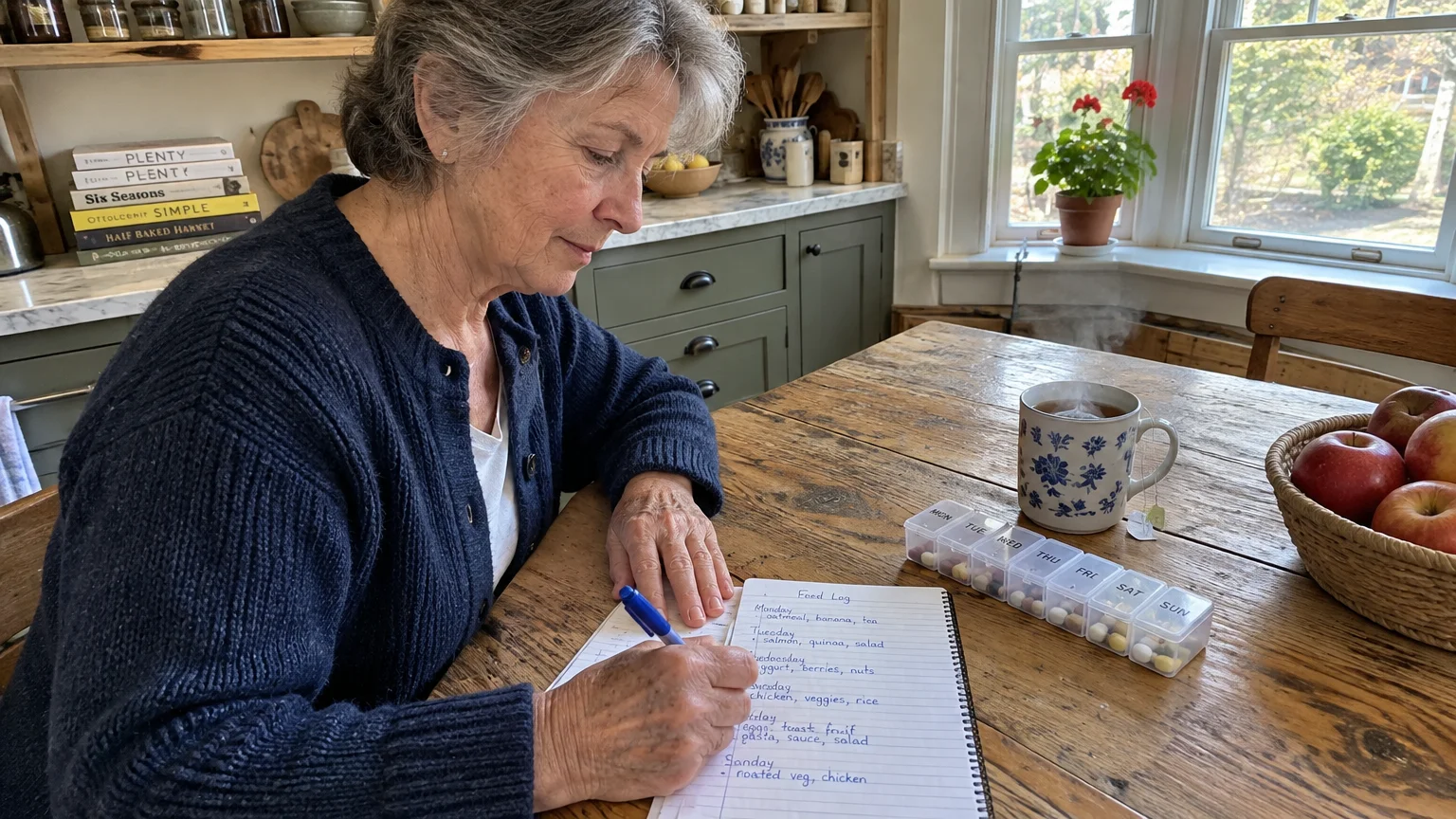
Maintain an easy food journal if your routine blood test results bounce unexpectedly. Sharing your notes with your care team helps pinpoint subtle nutritional triggers without unnecessary stress.
Never start or stop herbal teas, botanical tinctures, or over-the-counter supplements without professional guidance. Natural products carry active pharmacological properties that can profoundly alter your prescription’s strength.
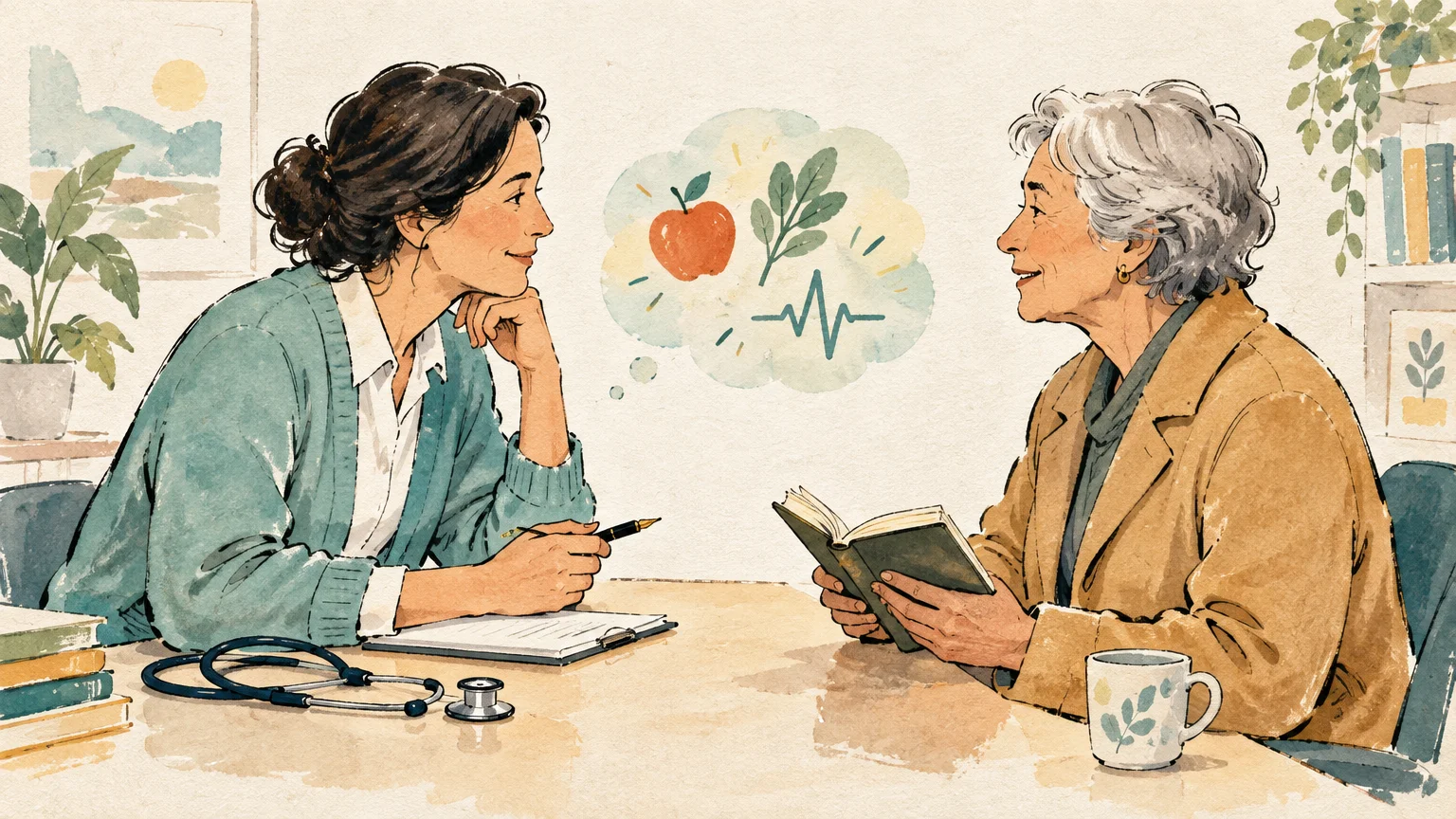
When to Speak with a Healthcare Professional
The insights shared in this article support your wellness journey, but they cannot replace personalized clinical advice. Always consult your physician, cardiologist, or anticoagulation clinic before altering your diet or medication schedule.
Contact your healthcare team promptly if you notice unusual bruising that spreads or develops without injury. You should also call your doctor if small shaving cuts bleed persistently despite continuous pressure.
Seek immediate emergency medical care if you experience severe headaches, coughing up blood, or sudden joint swelling. Black tarry stools, pink urine, and unusual dizziness also demand urgent clinical evaluation.
For authoritative, trustworthy health information, always consult official sources like the National Institute on Aging (NIA) and MedlinePlus from the National Library of Medicine. The CDC also provides excellent resources for older adults.
Frequently Asked Questions
Do I need to eliminate green vegetables completely while taking warfarin?
No, you should not stop eating healthy green vegetables. Clinical guidelines recommend maintaining a consistent daily intake of vitamin K to support your cardiovascular and digestive well-being.
Eating predictable portions each week allows your doctor to adjust your warfarin dosage accurately to match your diet.
Are newer blood thinners like Eliquis unaffected by diet?
Direct oral anticoagulants like Eliquis and Xarelto do not interact with dietary vitamin K. You can eat spinach, kale, and broccoli freely without worrying about clotting factor interference.
However, DOACs still interact with grapefruit products and certain botanical supplements that alter liver enzymes. Always confirm dietary safety with your pharmacist or prescribing doctor.
Can I drink an occasional glass of wine with dinner?
Many seniors can safely enjoy an occasional small drink, but you must consult your physician first. Alcohol affects liver metabolism and can increase your bleeding risk if consumed unpredictably.
Avoid binge drinking completely, as sudden large amounts of alcohol dangerously disrupt how your body clears anticoagulant medication.
Why does vitamin K change my INR test results?
Vitamin K helps your liver produce critical clotting proteins that prevent excessive bleeding. Warfarin works by blocking this exact process, prolonging your clotting time and raising your INR.
When you consume excess vitamin K, your liver overcomes the medication’s blockade, causing your INR to drop below your therapeutic goal.
Disclaimer: This article is for informational purposes only and does not constitute medical advice. Always seek the advice of your physician or other qualified health provider with any questions you may have regarding a medical condition.