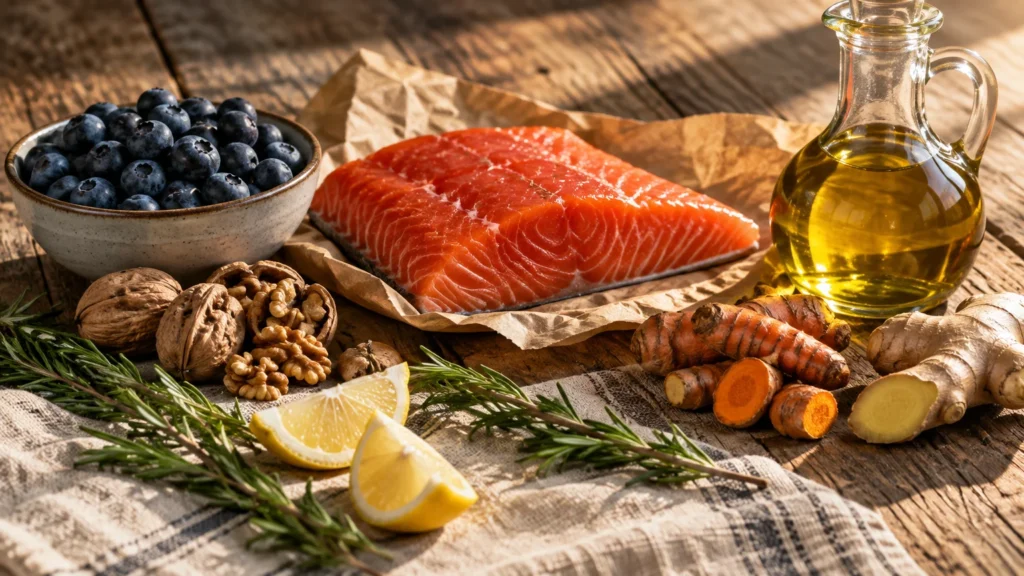
Nourishing your body with the right foods protects your nerve endings and sharpens your mental clarity every single day. Simple dietary adjustments help soothe tingling sensations, support smooth mobility, and preserve your long-term physical independence.
Your central and peripheral nerves require specialized nutrients to communicate effortlessly with your brain. Choosing wholesome meals supplies the natural building blocks that sustain your cellular vitality as you age.
Discovering wholesome foods for nervous system health empowers you to take charge of your comfort and active lifestyle. A delicious, nutrient-rich plate remains your greatest daily defense.
Understanding the Basics of Nervous System Health for Seniors
Your nervous system acts as your body’s communication highway, sending lightning-fast signals between your brain and limbs.
This complex network governs everything from heartbeat regulation to your delicate sense of touch.
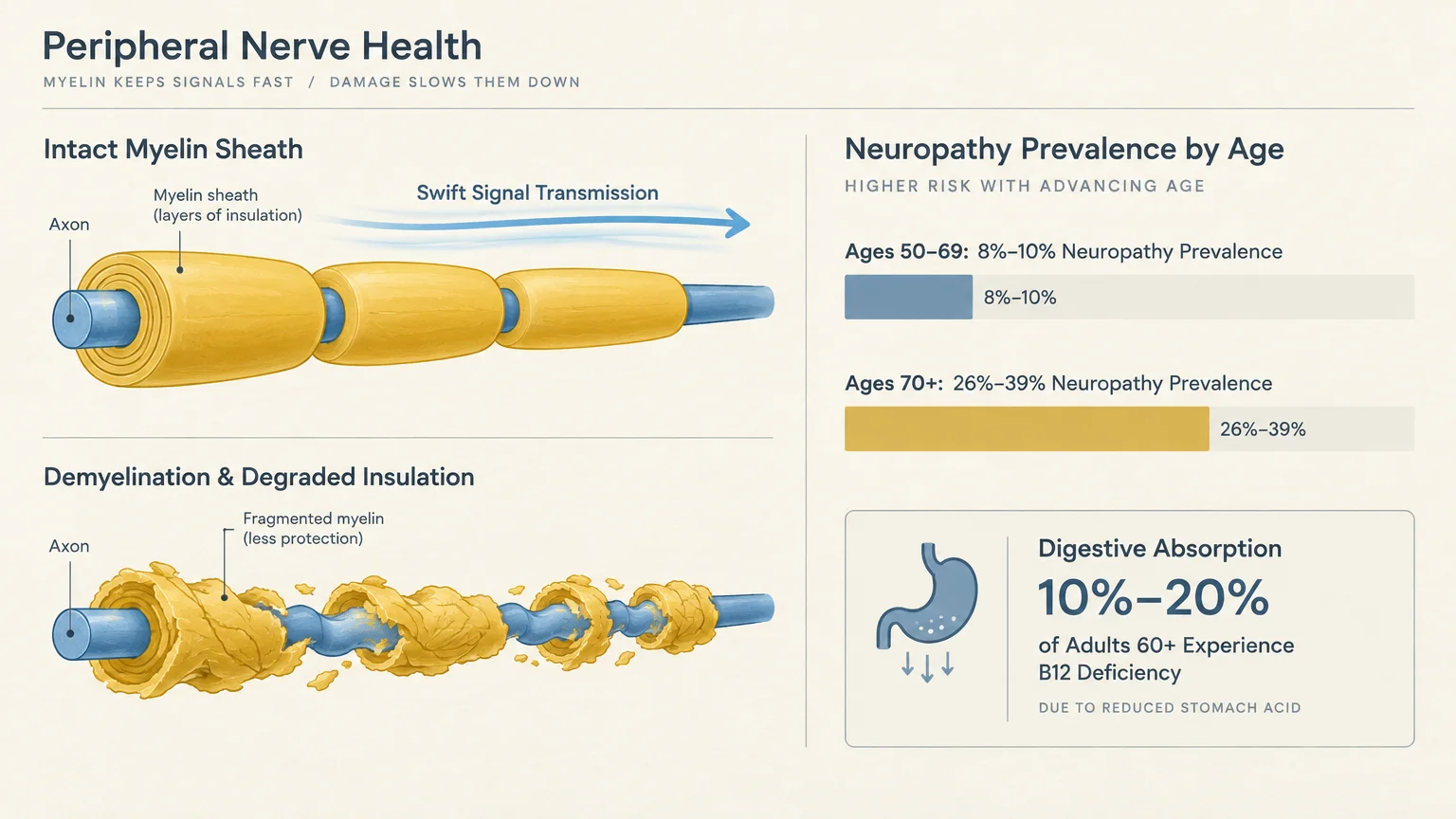
Each nerve fiber relies on a protective fatty coating known as the myelin sheath.
Much like the plastic insulation around an electrical wire, this sheath ensures nerve signals travel without interference.
As we celebrate more birthdays, natural cellular wear and tear can gradually degrade this protective covering.
Epidemiological research shows that peripheral neuropathy affects 8% to 10% of adults aged 50 and older.
That frequency climbs dramatically to between 26% and 39% in adults aged 70 and older.
Additionally, approximately 50% of people with diabetes develop diabetic peripheral neuropathy over time.
Chronic blood sugar elevation damages tiny capillaries, starving delicate peripheral nerves of oxygen and critical fuel.
Digestive changes also complicate how your body absorbs vital nerve-supporting micronutrients from everyday meals.
Between 8% and 30% of older adults experience atrophic gastritis, which reduces stomach acid secretion substantially.
Without adequate stomach acid, your digestive tract cannot liberate bound vitamin B12 from animal proteins effectively.
Consequently, 10% to 20% of adults aged 60 and older live with marginal or overt vitamin B12 deficiencies.
Unaddressed B12 deficiency triggers progressive nerve demyelination, causing persistent pins-and-needles sensations, numbness, and balance problems.
Adopting a targeted diet for nervous system support delivers the bioavailable building blocks required to preserve axonal integrity.
Prioritizing consistent nutrition for healthy nerves keeps your reflexes responsive, your mind focused, and your steps steady.

Practical Tips for a Healthier, Happier Life
Transforming your daily grocery basket into a toolkit for nerve resilience is simpler than you might imagine.
These nine whole foods supply essential vitamins, healthy lipids, and minerals that protect your sensory and motor pathways.
1. Wild Salmon and Cold-Water Fatty Fish
Wild salmon ranks high among the best foods for nerve health because of its rich omega-3 fatty acid profile.
The Dietary Guidelines for Americans advise mature adults to eat 8 to 10 ounces of low-mercury seafood weekly.
That equates to enjoying roughly two 4-ounce servings of wild salmon, sardines, or Atlantic mackerel every week.
Cold-water fish deliver concentrated docosahexaenoic acid, or DHA, which forms the fundamental lipid structure of neuronal membranes.
DHA promotes cellular elasticity and speeds the transmission of electrical impulses across your peripheral nerve pathways.
These marine lipids also curb neuroinflammation, which frequently exacerbates burning sensations and tenderness in your extremities.
Poach or bake your salmon with lemon slices and rosemary to retain its beneficial fats without adding pro-inflammatory oils.
2. Fortified Breakfast Cereals and Nutritional Yeast
Fortified cereals and nutritional yeast provide a reliable way to overcome age-related vitamin B12 malabsorption.
The Institute of Medicine recommends that adults over 50 achieve their 2.4 mcg daily B12 allowance primarily through fortified foods.
Fortified items utilize crystalline vitamin B12, a form that your intestines absorb easily without requiring stomach acid.
Nutritional yeast offers a pleasant, cheese-like flavor while delivering an abundant spectrum of restorative B vitamins in every tablespoon.
Adequate B12 intake protects your myelin sheaths from thinning, helping prevent the creeping numbness often felt in senior feet.
Stir a spoonful of nutritional yeast into mashed vegetables, or select whole-grain breakfast cereals with low added sugar.
3. Dark Leafy Greens
Spinach, Swiss chard, and collard greens represent quintessential foods that support brain and nerve function.
These tender greens brim with natural folate, a vital B vitamin that assists in synthesizing mood-regulating and sensory neurotransmitters.
Dark greens also provide an abundant supply of bioavailable magnesium, which tempers neuromuscular excitability and calms hyperactive nerves.
The Recommended Dietary Allowance for magnesium stands at 420 mg daily for men and 320 mg for women aged 51-plus.
NHANES nutritional surveys show that women over 50 average only 220 to 260 mg daily, revealing a notable shortfall.
Bridging this magnesium gap prevents the involuntary muscle twitching and restless sensations that disrupt restful evening sleep.
Steam your greens gently or fold baby spinach into warm vegetable soups to make their nutrients easy to digest.
4. Walnuts and Chia Seeds
Walnuts and chia seeds stand out as extraordinary plant-based powerhouses for your nervous system.
They offer concentrated levels of alpha-linolenic acid, an essential plant omega-3 fat that sustains cellular membranes.
The National Academies sets the Adequate Intake for ALA at 1.6 grams daily for men and 1.1 grams for women.
Consuming just one ounce of English walnuts provides enough plant-based ALA to satisfy your daily nutritional target completely.
Walnuts also supply ellagitannins, unique polyphenols that shield delicate spinal and cerebral tissues from oxidative stress.
Add ground chia seeds or finely chopped walnuts to your morning oatmeal to enjoy a satisfying, brain-boosting crunch.
5. Fresh Avocados
Creamy avocados supply an ideal combination of monounsaturated fatty acids and bioavailable potassium for nerve health.
The Adequate Intake for potassium is 3,400 mg daily for men and 2,600 mg daily for women.
Nerve fibers depend heavily on potassium and sodium gradients to fire the electrical action potentials that coordinate muscle movements.
When potassium intake falls short, nerve transmissions become erratic, leading to sudden muscle cramps and persistent bodily fatigue.
Avocados also offer oleic acid, which supports healthy blood vessels that nourish tiny peripheral nerve fibers with oxygen.
Spread fresh avocado across whole-grain toast or dice it into crisp lunchtime salads to promote steady, reliable nerve signaling.
6. Deep Blueberries and Blackberries
Vibrant berries contain exceptional concentrations of anthocyanins, nature’s protective antioxidant pigments that benefit nervous tissue.
These compounds readily cross the blood-brain barrier, shielding neural connections from age-accelerating free radical damage.
Berries also support microvascular health, ensuring blood vessels efficiently deliver essential glucose and oxygen to distant sensory nerves.
Because berries carry a low glycemic index, they will not provoke the rapid glucose spikes that irritate diabetic nerves.
Clinical studies demonstrate that regular intake of dark berries helps maintain mental sharpness and coordinated psychomotor reflexes.
Blend fresh blackberries into plain Greek yogurt or keep frozen blueberries on hand for a sweet, restorative daily dessert.
7. Shelled Pumpkin Seeds
Pumpkin seeds, frequently known as pepitas, serve as an outstanding source of elemental magnesium and trace zinc.
Magnesium serves as a mandatory biological cofactor in over 300 enzymatic processes across the human body.
A single quarter-cup serving of pumpkin seeds delivers nearly half of your daily magnesium requirements in one convenient portion.
Zinc works in tandem with magnesium to maintain synaptic integrity and ensure proper sensory signaling in your peripheral tissues.
Maintaining robust zinc levels prevents sensory blunting, helping preserve your fine sense of touch and spatial awareness.
Lightly toast raw pumpkin seeds in a dry skillet with a pinch of paprika for a delightfully crunchy midday snack.
8. Pasture-Raised Whole Eggs
Whole eggs provide an outstanding natural source of dietary choline, a critical nutrient for nervous system maintenance.
Your nervous system utilizes choline to synthesize acetylcholine, an essential neurotransmitter governing memory retention and muscular control.
Egg yolks also provide naturally occurring vitamin B12, riboflavin, and protective lutein to defend visual and sensory nerves.
Their complete amino acid profile supplies structural proteins needed to repair microscopic cellular damage throughout your peripheral nerves.
Poach or scramble your eggs gently with a drizzle of olive oil for a protein-packed, nerve-soothing morning meal.
9. Roasted Sweet Potatoes
Sweet potatoes provide an excellent source of unrefined complex carbohydrates, beta-carotene, and bioavailable potassium.
Your central nervous system consumes nearly 20% of your daily bodily glucose to fuel electrical signaling.
Sweet potatoes break down slowly, releasing a sustained stream of glucose that protects nerves from harmful glycemic rollercoasters.
This blood-sugar stability proves indispensable for preventing diabetic nerve irritation, which impacts roughly 50% of people with diabetes.
Their rich reserves of beta-carotene convert into vitamin A, an antioxidant that dampens systemic inflammatory stress around spinal nerves.
Roast cubed sweet potatoes with aromatic herbs like rosemary and thyme for a comforting, nerve-nourishing side dish.

Important Safety Precautions to Keep in Mind
Shifting toward a nutrient-rich plate brings tremendous rewards, but you should always approach dietary adjustments thoughtfully.
Rapid increases in dietary potassium from avocados and sweet potatoes can place unexpected stress on aging kidneys.
Consult your physician about your potassium intake if you manage kidney disease or take blood pressure medications like ACE inhibitors.
Dark leafy greens contain substantial amounts of vitamin K, which directly influences blood clotting mechanisms.
If you take blood thinners such as warfarin, maintain a stable, consistent intake of leafy greens every single week.
Chewing challenges or dental work can make hard nuts and whole seeds difficult to chew safely.
Select creamy nut butters, finely ground flaxseed, or softened cooked seeds to avoid unnecessary choking risks.
Finally, always check nutrition labels on fortified breakfast cereals to avoid products packed with excessive added refined sugars.
Excessive dietary sugar damages microvascular blood flow, counteracting the natural benefits of your nerve-supportive diet.

When to Speak with a Healthcare Professional
While nourishing foods provide foundational cellular defense, dietary changes cannot replace individualized clinical diagnosis and medical supervision.
Schedule a medical appointment promptly if you experience sudden numbness, burning pain, or persistent prickling in your feet or hands.
Any sudden loss of muscular strength, unexplained clumsy stumbling, or balance instability warrants immediate professional attention to avoid dangerous falls.
Request that your doctor evaluate your serum vitamin B12 and methylmalonic acid levels during your routine wellness exams.
Because atrophic gastritis affects up to 30% of older adults, objective blood tests reveal hidden deficiencies that food alone cannot fix.
Your physician can determine whether therapeutic crystalline B12 injections or specialized sublingual supplements are necessary for your healing.
Open communication with your care team ensures your dietary choices align safely with your medications and unique health circumstances.
Frequently Asked Questions
Can dietary changes reverse existing peripheral neuropathy?
Diet cannot undo severe structural nerve damage, but sound nutrition halts further degeneration and eases uncomfortable symptoms.
Maintaining balanced blood sugar and replenishing depleted B12 levels allow irritated peripheral axons to heal gradually over time.
Why do older adults struggle to absorb vitamin B12 from food?
Aging often reduces stomach acid secretion due to atrophic gastritis, which prevents the release of B12 from natural food proteins.
Fortified foods and oral crystalline supplements bypass this digestive limitation, enabling your body to absorb B12 without difficulty.
How much magnesium do seniors need each day for nerve function?
The Recommended Dietary Allowance is 420 mg daily for men and 320 mg for women aged 51 and older.
Incorporating pumpkin seeds, steamed greens, and chia seeds helps you meet this target and calms overstimulated nerve pathways naturally.
Are raw nuts and seeds safe for seniors with sensitive digestion?
Whole raw seeds and hard nuts can occasionally irritate sensitive stomachs or create difficulty for those with dental crowns.
Blending nuts into smooth butters or soaking seeds in warm liquid allows your body to absorb their nutrients comfortably.
For authoritative, trustworthy health information, always consult official sources like the National Institute on Aging (NIA) and MedlinePlus from the National Library of Medicine. The CDC also provides excellent resources for older adults.
Disclaimer: This article is for informational purposes only and does not constitute medical advice. Always seek the advice of your physician or other qualified health provider with any questions you may have regarding a medical condition.