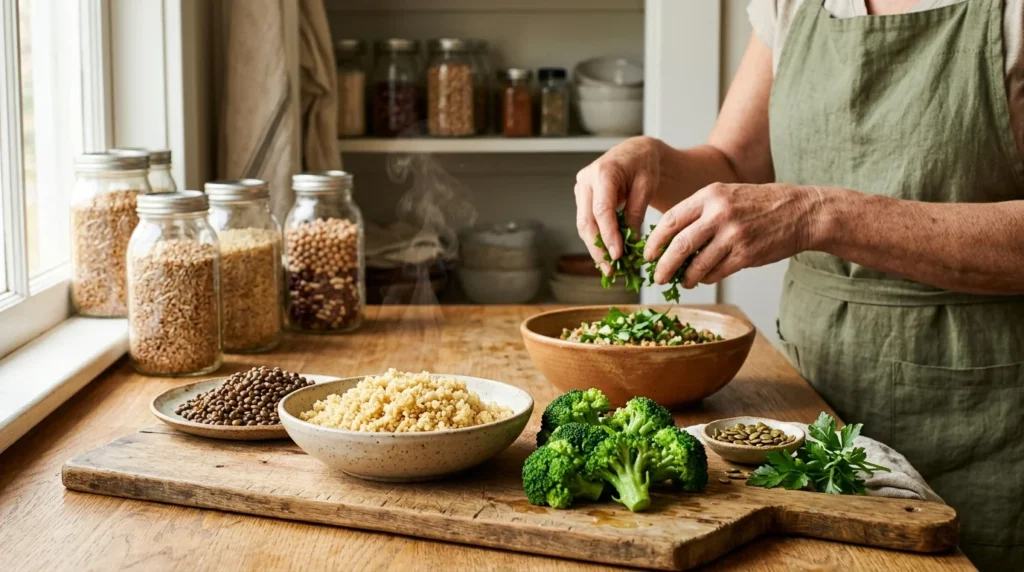
Fresh fruits and vegetables provide vital nutrients that protect your heart, support your brain, and keep your energy vibrant. Knowing what’s hiding in fruits and vegetables helps you enjoy every crisp bite while keeping your body completely safe.
While nature provides wonderful nourishment, invisible microbes and surface residues can silently compromise your well-being. Learning about hidden dangers in fresh produce empowers you to protect your kitchen with simple, daily habits.
You do not need to give up your favorite garden harvests to stay healthy. With a few mindful steps, cleaning fresh produce safely becomes second nature.
Understanding the Basics of Fresh Produce Safety for Seniors
Your digestive tract changes naturally as you move through your sixties and beyond. Your stomach produces less protective acid, which means fewer ingested bacteria are neutralized before reaching your intestines.
At the same time, your immune system responds more slowly to common pathogens. This natural shift makes food safety fresh produce practices essential for maintaining daily vitality.
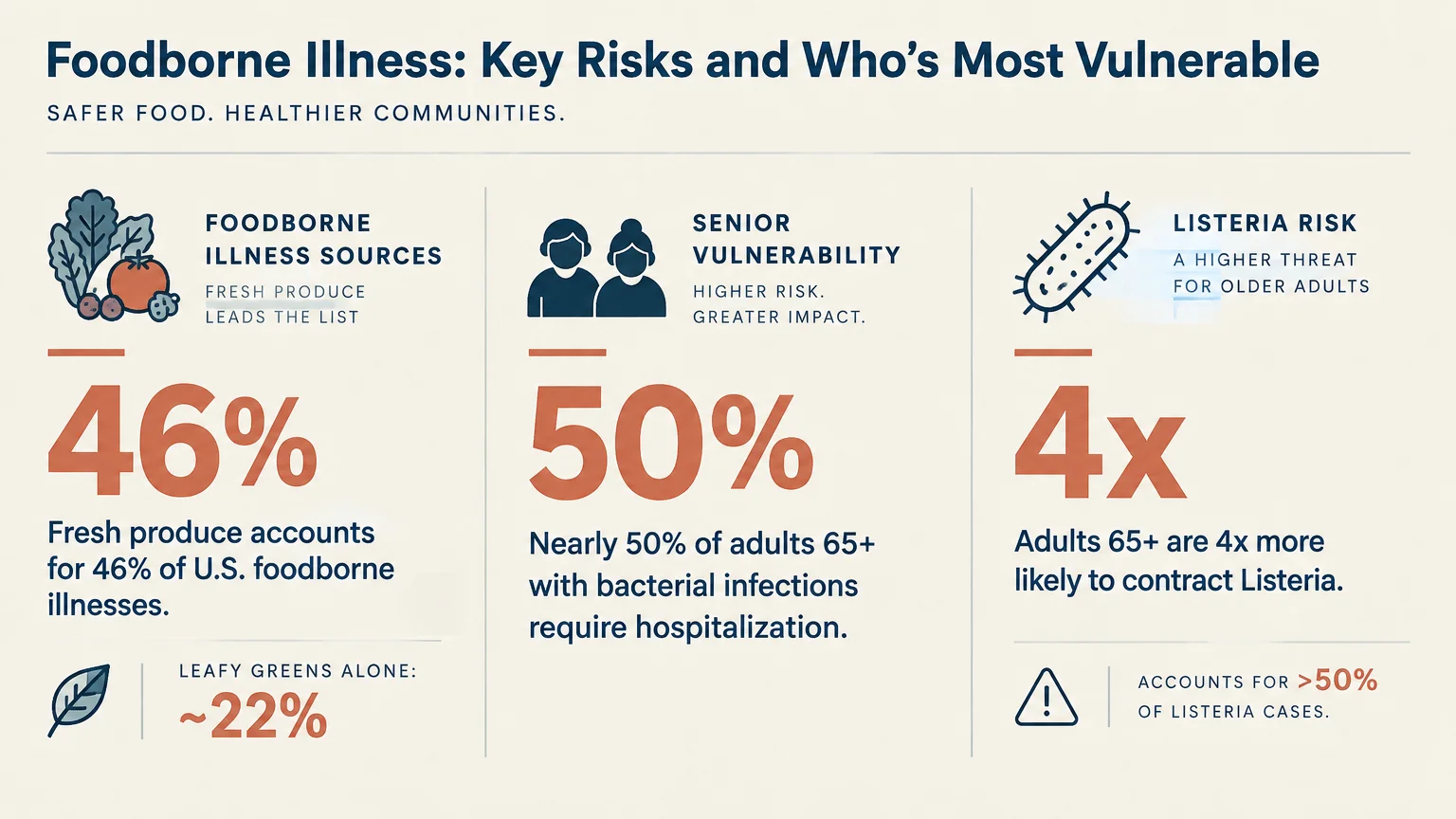
Recent health data reveals that fresh produce accounts for nearly 46 percent of all foodborne illnesses in the United States. Leafy greens alone contribute approximately 22 percent of those illnesses.
When older adults contract foodborne infections, the physical impact is often much more severe. Nearly 50 percent of adults aged 65 and older with confirmed bacterial infections require hospital care.
Common bacteria like Salmonella and Campylobacter can cause rapid dehydration in older bodies. Recovering from these infections often takes longer than it did during your younger years.
Vulnerability to Listeria is particularly pronounced among older adults. People aged 65 and older are four times more likely to contract this infection than the general population.
In fact, more than half of all reported Listeria infections occur in adults over age 65. Tragically, approximately one in six older adults who contract this infection does not survive.
These numbers should never frighten you away from eating wholesome, plant-rich meals. Fresh fruits and vegetables deliver dietary fiber, essential antioxidants, and micronutrients that keep your body thriving.
Understanding potential contaminants in produce simply gives you the tools to protect yourself. Mindful preparation ensures you reap all the nutritional benefits without unnecessary digestive distress.
Practical Tips for a Healthier, Happier Life
Keeping your kitchen safe does not require complicated gadgets or stressful routines. Understanding the specific threats that can hide on your food allows you to prepare meals with confidence.
Here are ten specific things that may hide in your fresh produce, along with practical steps to safeguard your health.
1. Listeria Monocytogenes on Cold Rinds
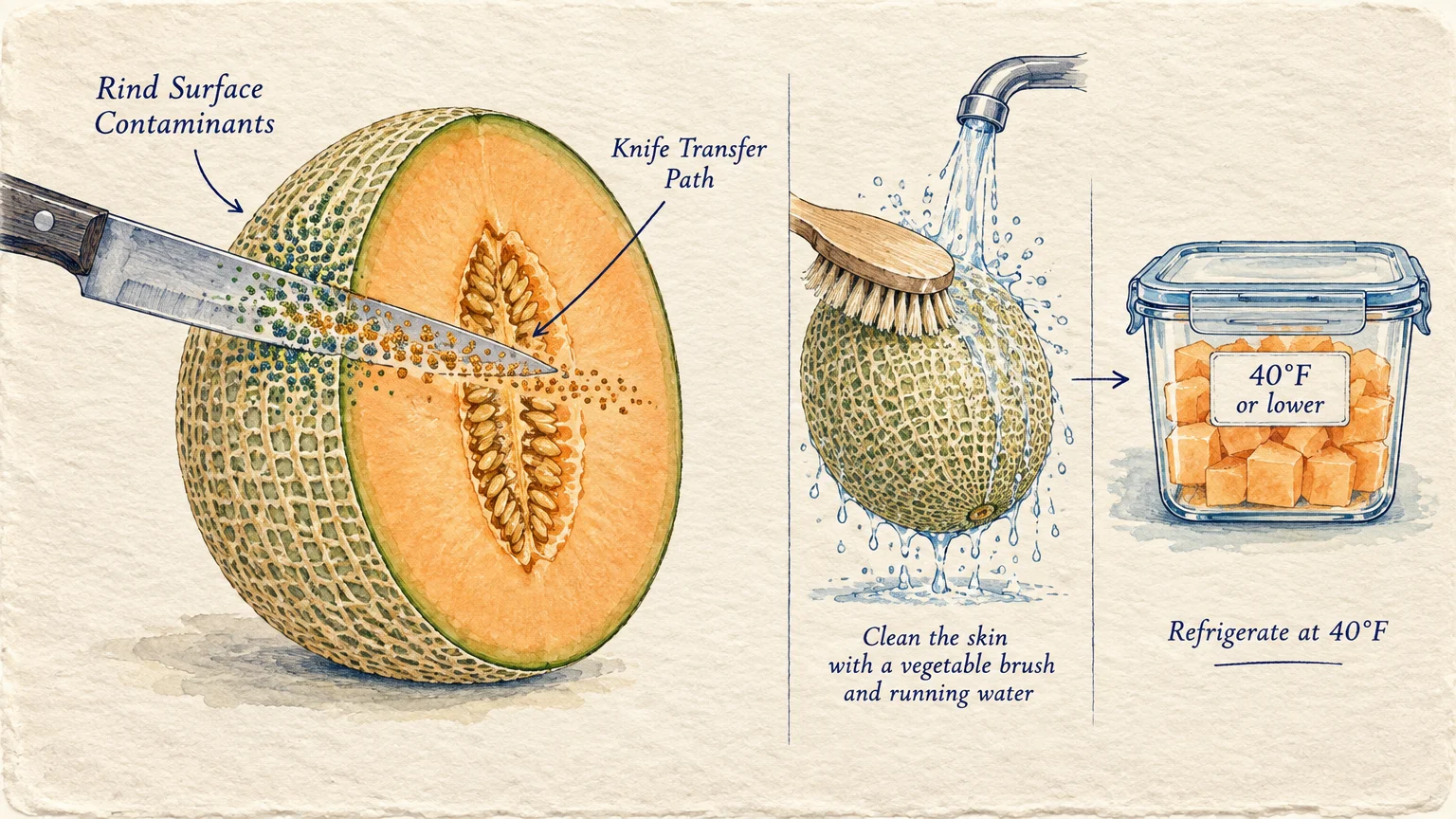
Listeria is an unusually hardy bacterium that can survive and multiply inside your refrigerator. It frequently settles on the textured, netted rinds of whole cantaloupes and honeydew melons.
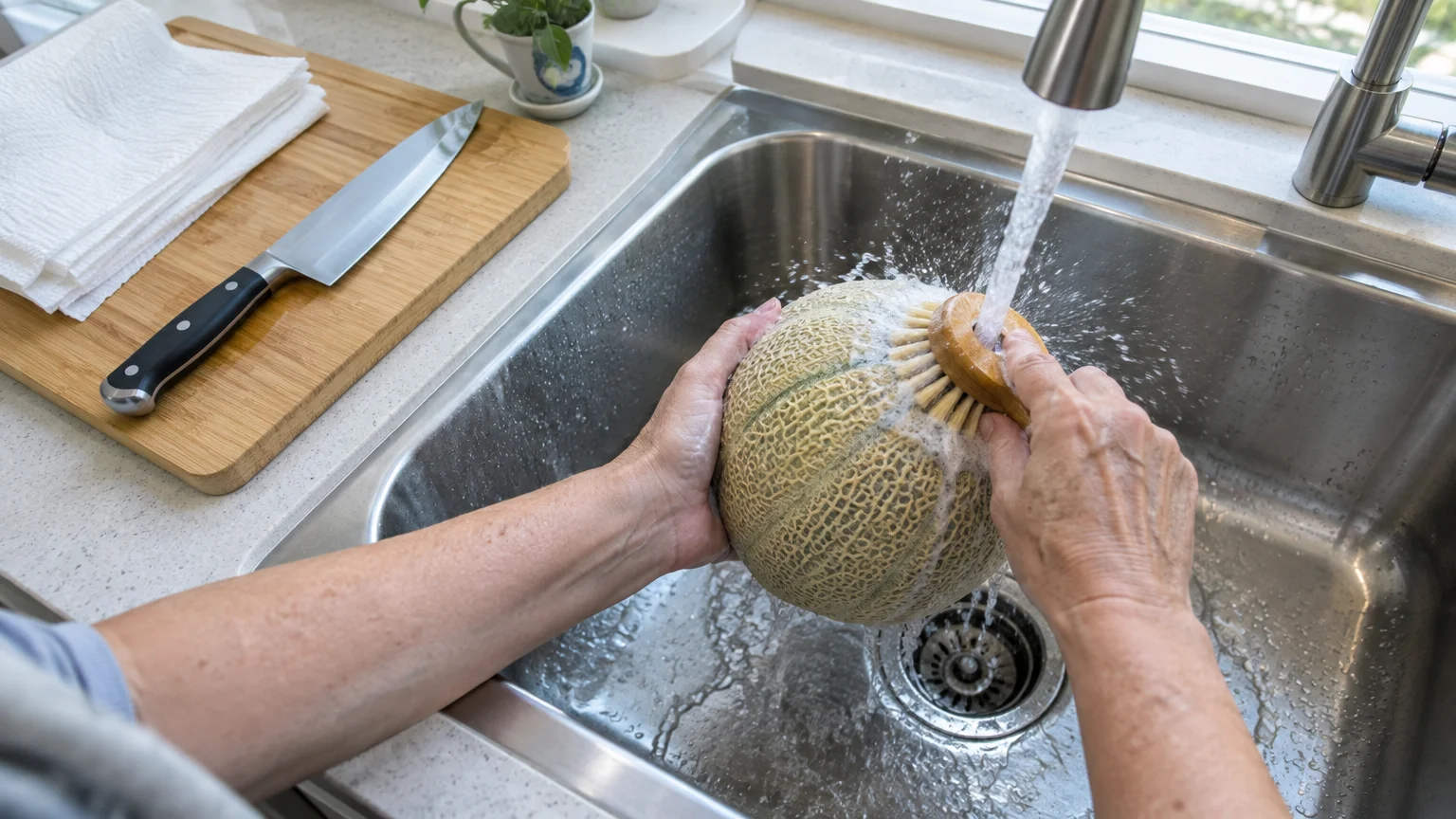
When you cut into an unwashed melon, your knife blade pushes surface bacteria straight into the edible fruit. Always scrub firm rinds thoroughly under cold running water before slicing them open.
Use a clean vegetable brush dedicated exclusively to firm-skinned produce. Dry the fruit with a clean paper towel before your knife touches the skin.
Refrigerate cut melon immediately in an airtight container at 40 degrees Fahrenheit or lower. Discard any cut melon that sits at room temperature for more than two hours.
2. Salmonella Biofilms on Tender Skins
Salmonella bacteria can attach to tomatoes, peppers, and cucumbers by creating microscopic protective layers called biofilms. These sticky colonies resist casual rinsing and cling tightly to smooth skins.
Bacteria can enter the flesh through minor stems, cracks, or bruises while the produce grows. Avoid purchasing any fruits or vegetables that display damaged, split, or mushy surfaces.
Wash your produce under active running water rather than letting it sit in a stagnant sink. The physical friction of your hands dislodges surface bacteria far better than standing water.
Always wash your hands with warm water and soap for twenty seconds before handling fresh food. Clean hands prevent you from transferring bacteria from other kitchen items onto your vegetables.
3. Shiga Toxin-Producing E. Coli on Leafy Greens
Leafy greens like romaine lettuce, spinach, and cabbage can carry Shiga toxin-producing Escherichia coli. Agricultural runoff and contaminated irrigation water frequently introduce this microbe into farming fields.
Because leaves feature ruffled, folded surfaces, bacterial cells find easy hiding spots. Separate the individual leaves of heads of lettuce and rinse each side thoroughly under flowing water.
Spin the greens dry in a clean salad spinner or pat them dry with clean paper towels. Drying your greens removes remaining moisture that can encourage bacterial growth during refrigeration.
If you have an underlying medical condition, consider eating cooked greens rather than raw salads. Steaming, sautéing, or braising greens thoroughly eliminates bacterial risks completely.
4. Cyclospora Parasites on Berries and Fresh Herbs
Cyclospora cayetanensis is a microscopic, one-celled parasite that causes prolonged intestinal illness. It has been linked to recurring summer outbreaks in fresh raspberries, blackberries, basil, and cilantro.
Standard chemical sanitizers, chlorine rinses, and ordinary kitchen washes do not reliably destroy Cyclospora oocysts. The tough outer shell of the parasite protects it against standard surface cleaning methods.
Cooking is the only reliable method that completely neutralizes this stubborn parasite. Heating fresh berries into a warm compote or oatmeal topping provides total peace of mind.
If you enjoy raw berries, purchase them from trusted grocery retailers that maintain strict cold-chain standards. Inspect packages carefully to ensure berries are dry, plump, and free from decay.
5. Internal Bacteria Inside Raw Sprouts
Raw sprouts such as alfalfa, clover, mung bean, and broccoli carry an exceptionally high risk of foodborne contamination. The warm, humid conditions required to sprout seeds create the perfect breeding ground for bacteria.
Microbes like Salmonella and E. coli do not merely rest on the outer skin. They proliferate deep inside the interior plant tissue as the seed germinates.
Because bacteria live inside the sprout tissue, no amount of surface washing can make raw sprouts safe. Federal health agencies explicitly advise older adults to avoid eating raw or lightly cooked sprouts entirely.
Always request sandwiches and salads without raw sprouts when dining at restaurants or delis. If you cook sprouts at home, heat them thoroughly until they are steaming hot throughout.
6. Chemical Soap and Detergent Residues
Many well-meaning individuals wash fresh produce with dishwashing liquid, laundry detergent, or diluted bleach. These household cleaning products are formulated exclusively for non-porous household surfaces, not your food.
Produce skin contains microscopic pores that absorb chemical detergents deep into the underlying flesh. Rinsing with plain water cannot remove these trapped chemical agents once they enter the tissue.
Consuming absorbed soap residues frequently triggers chemical-induced nausea, stomach cramps, and severe diarrhea. Commercial produce washes are unnecessary and have not been proven more effective than plain water.
The Food and Drug Administration strictly advises washing produce only with clean, running tap water. Plain water combined with gentle mechanical friction provides the safest and most effective cleanse.
7. Internalized Microplastics and Nanoplastics
Modern environmental research shows that tiny plastic particles exist in soil and agricultural irrigation water. Scientists have found microplastics measuring under ten micrometers inside common food crops.
Plants can draw these microscopic fragments through root cracks and transport them upward into edible tissues. Researchers have identified internal plastic particles within carrots, radishes, turnips, and apples.
Because these particles reside inside the plant cells, washing the exterior surface cannot remove them. Peeling root vegetables removes the outermost layer where particles sometimes concentrate near the skin.
Eating a wide variety of foods prevents overreliance on any single crop grown in affected soils. Supporting local organic growers who avoid plastic ground mulch also reduces environmental plastic exposure.
8. Mold Spores and Toxic Mycotoxins
Microscopic mold spores float through ambient air and easily settle onto soft, ripe fruits. Mold threads can grow deep into soft tissues long before fuzzy patches appear on the surface.
Certain molds produce poisonous chemical byproducts known as mycotoxins, such as patulin in bruised apples. Ingesting mycotoxins can cause gastrointestinal inflammation, kidney stress, and allergic reactions in older adults.
Never simply trim moldy spots away from soft produce like peaches, berries, tomatoes, or melons. The invisible fungal threads penetrate deeply through watery tissues, contaminating the entire item.
You may safely cut mold away from firm, dense produce like carrots and winter squashes. Cut at least one inch around and below the moldy spot, keeping your knife clean.
9. Agricultural Pesticide Residues
Pesticides help protect growing crops from damaging insects, invasive weeds, and destructive fungi. Many consumers naturally worry about chemical residues lingering on the skins of their daily produce.
Fortunately, national testing programs show that over 99 percent of sampled foods comply with federal safety limits. Furthermore, more than 42 percent of sampled foods show zero detectable pesticide residues.
Produce distributors often apply food-grade wax to retain moisture and prevent wilting during transport. These wax coatings can sometimes trap tiny trace amounts of agricultural chemicals against the skin.
Rinsing firm fruits under running tap water while scrubbing with a clean brush removes surface residues. Peeling fruits and vegetables provides an extra layer of protection if you prefer zero surface exposure.
10. Norovirus from Handling and Retail Displays
Norovirus is an extremely contagious virus that causes severe vomiting and sudden gastrointestinal illness. It easily transfers onto fresh produce when infected farmworkers or grocery shoppers touch items with unwashed hands.
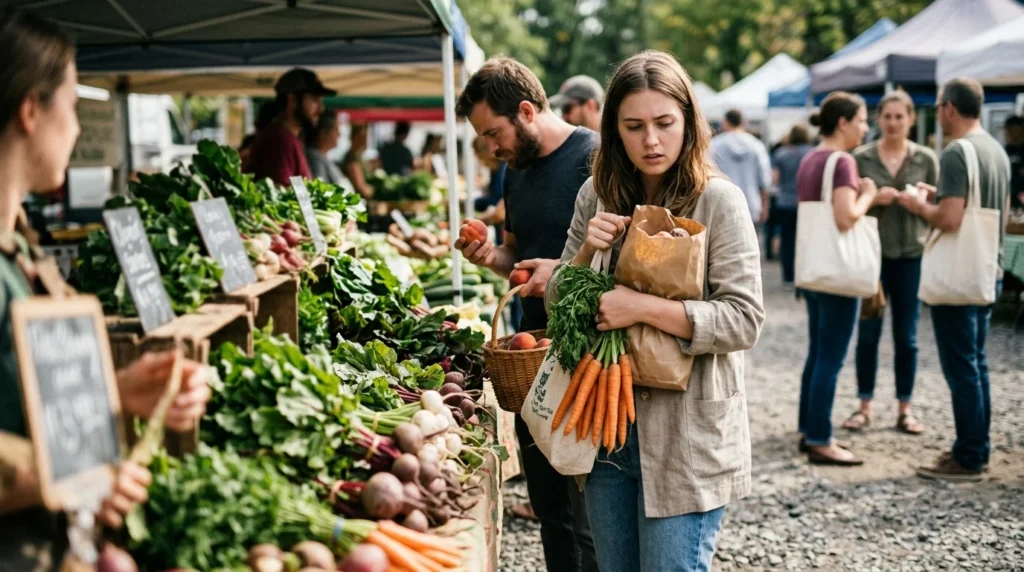
Grocery display bins allow dozens of hands to handle fruits and vegetables throughout every shopping day. Unwrapped items like apples, pears, and avocados can accumulate viral particles on their exterior peel.
Even if you plan to peel an avocado, melon, or banana, you must wash the exterior first. Slicing through an unwashed peel drags viral particles directly onto the flesh you eat.
Always wash raw items thoroughly right before eating or cooking, rather than before long-term refrigerator storage. Washing produce too early introduces residual dampness that encourages bacterial growth during storage.
Important Safety Precautions to Keep in Mind
Establishing clean habits in your kitchen creates a powerful barrier against invisible foodborne contaminants. Mindful preparation protects your digestive health while preserving the delicious flavor of your meals.
Begin by maintaining proper temperature control inside your refrigerator. Keep your refrigerator temperature set at or below 40 degrees Fahrenheit to prevent bacterial multiplication.
Place an inexpensive appliance thermometer on a center shelf to verify that your refrigerator stays cold. Chill all cut, peeled, or cooked fruits and vegetables within two hours of preparation.
If indoor temperatures exceed 90 degrees during summer months, refrigerate cut produce within one hour. Discard any cut produce left at room temperature past these recommended time frames.
Prevent cross-contamination by keeping fresh produce completely separate from raw meats, poultry, and seafood. Use separate cutting boards, knives, and prep plates for your fruits and raw proteins.
Designate one colored cutting board exclusively for produce and another board for raw meats. Wash your cutting boards thoroughly with hot, soapy water after every single preparation task.
Wash your produce under active, running tap water rather than filling a stopped sink basin. Sinks harbor lingering bacteria from dirty dishes that can easily cross-contaminate clean produce items.
Use friction by gently rubbing the skin of delicate fruits with your clean fingers. For firm produce like melons, potatoes, and root vegetables, use a dedicated, stiff-bristled brush.
Dry all rinsed produce thoroughly using a clean paper towel or fresh cloth towel. This simple step removes remaining moisture and wipes away lingering surface microbes effectively.
Inspect packaged produce carefully when shopping at your local supermarket. Avoid bags containing excess moisture, slimy leaves, or unsealed packaging that may indicate premature spoilage.

When to Speak with a Healthcare Professional
While most digestive upsets resolve quickly, foodborne illnesses require prompt attention in adults over age 55. Your body can lose essential fluids and electrolytes rapidly when food poisoning strikes.
Contact your doctor immediately if you develop a high fever exceeding 102 degrees Fahrenheit. Seek medical care if you experience diarrhea that lasts longer than three consecutive days.
Watch closely for warning signs of dehydration, including dizziness upon standing, dry mouth, and confusion. Infrequent urination or dark-colored urine also signals that your body urgently needs medical hydration support.
Any presence of blood in your vomit or bowel movements demands immediate clinical evaluation. Frequent vomiting that prevents you from keeping liquids down for twelve hours also warrants urgent care.
Be vigilant for unusual symptoms that emerge days or weeks after consuming fresh produce. Listeria infections often cause stiff necks, headaches, loss of balance, and muscle aches rather than immediate nausea.
Tell your physician about the specific fresh foods you consumed recently during your medical visit. Sharing this dietary history helps your healthcare provider identify the correct diagnosis and treatment plan quickly.
Never take over-the-counter anti-diarrheal medications without asking your doctor first. These medicines can slow down your digestive tract and trap dangerous bacterial toxins inside your body.
For authoritative, trustworthy health information, always consult official sources like the National Institute on Aging (NIA) and MedlinePlus from the National Library of Medicine. The CDC also provides excellent resources for older adults.
Frequently Asked Questions
Does soaking vegetables in vinegar or baking soda kill all bacteria?
Soaking produce in vinegar or baking soda solutions can help dislodge dirt and break down surface waxes. However, these natural home remedies do not kill all pathogenic bacteria or resilient parasites.
Microbes like Cyclospora and internalized bacteria survive vinegar and baking soda washes without difficulty. Plain running tap water combined with mechanical friction remains the safest and most reliable cleaning method.
Are organic fruits and vegetables completely free of contaminants?
Organic produce reduces your exposure to synthetic pesticides, but it is not sterile or bacteria-free. Organic crops grow in outdoor soil and rely on natural fertilizers, including animal manure.
Pathogens like Salmonella, E. coli, and mold spores infect organic crops just as easily as conventional ones. Always wash organic produce with the same thorough care you give conventional items.
Should you wash bagged salads labeled as pre-washed or triple-washed?
Federal food safety guidelines advise against washing bagged salads that carry a “triple-washed” or “ready-to-eat” label. These greens undergo commercial sanitizing washes in controlled environments before being sealed in sterile packaging.
Washing pre-washed greens in your home kitchen actually increases the risk of bacterial contamination. Bacteria from your kitchen sink, countertops, or hands can transfer onto otherwise clean lettuce leaves.
Can peeling produce eliminate every hidden health hazard?
Peeling eliminates surface pesticide residues, dirt, and microbes clinging to outer rinds. It offers excellent peace of mind for fruits and vegetables with thick skins like apples and cucumbers.
However, peeling cannot remove internalized contaminants like microplastics or bacteria absorbed through plant root systems. Furthermore, peeling removes beneficial dietary fiber and protective phytonutrients concentrated directly beneath the skin.
Disclaimer: This article is for informational purposes only and does not constitute medical advice. Always seek the advice of your physician or other qualified health provider with any questions you may have regarding a medical condition.