You might be surprised to learn that ordinary grocery items often carry measurable traces of ethanol. Understanding hidden alcohol in food helps you protect your daily energy and avoid unexpected prescription interactions.
Natural fermentation quietly creates alcohol in everyday foods, from breakfast breads to chilled fruit juices. While these amounts seem small, your body processes them differently as you grow older.
Exploring these unexpected alcohol sources allows you to make informed, confident grocery choices. With straightforward knowledge, you can enjoy your favorite meals while keeping your holistic wellness on track.
Understanding the Basics of Foods That Contain Alcohol for Seniors
Fermentation occurs naturally whenever microscopic yeast cells consume sugars and starches. This biochemical process produces carbon dioxide along with ethyl alcohol, even in foods that manufacturers never market as intoxicating.
Many commercial food producers rely on this exact process to develop complex flavors and airy textures. As a result, several everyday foods contain low levels of ethanol without carrying alcoholic beverage warning labels.
For younger adults, these trace percentages rarely cause a physical reaction. However, your physiological response to ethanol changes substantially after age fifty-five.
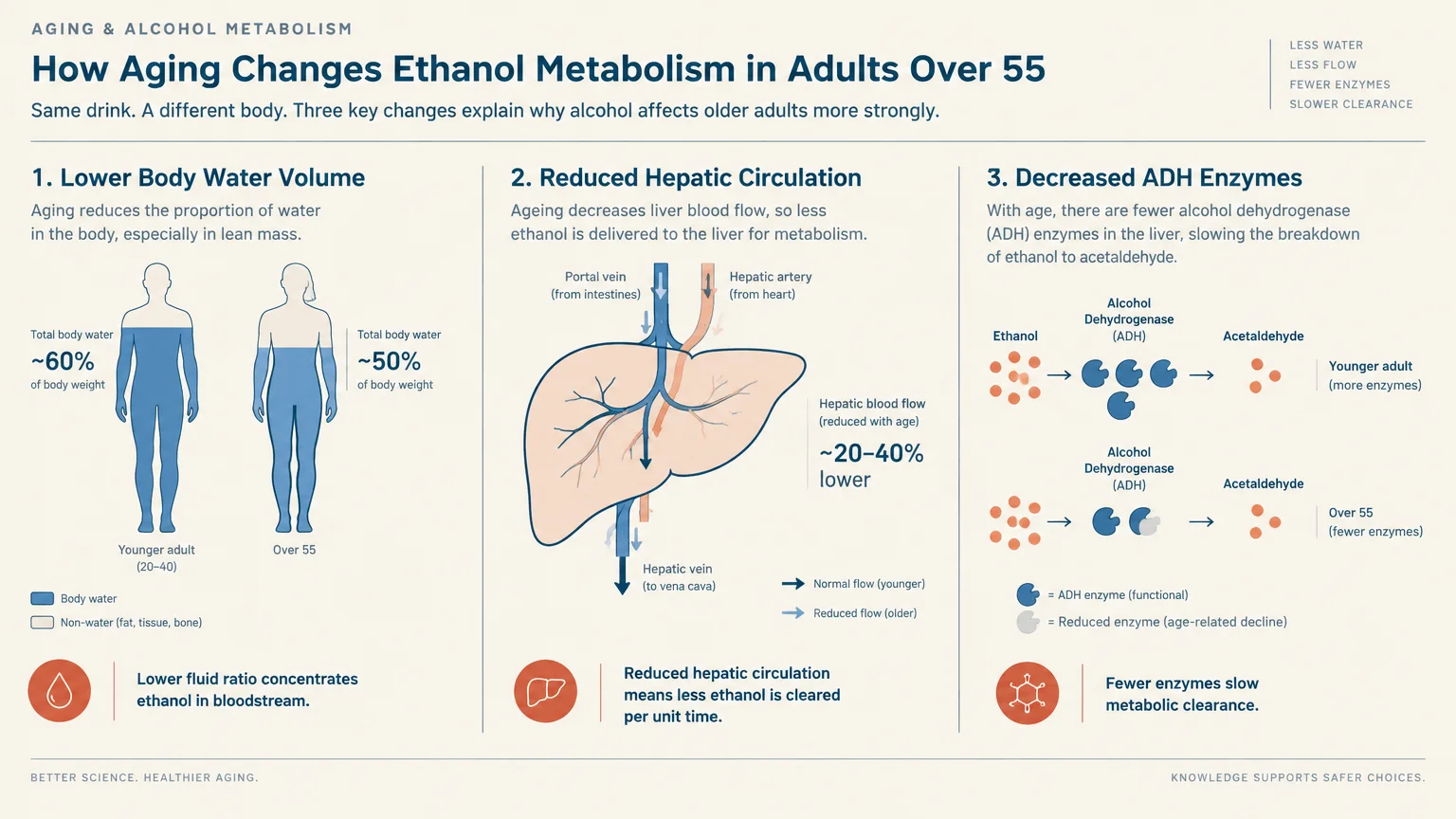
As you age, your body naturally loses a significant portion of its total water volume. Because alcohol dissolves primarily in water, less fluid means any ingested ethanol becomes more concentrated in your bloodstream.
At the same time, blood flow to your liver decreases gradually over the decades. This reduced hepatic circulation slows your body’s ability to filter and clear metabolic byproducts efficiently.
Your liver also produces fewer alcohol dehydrogenase enzymes as time passes. These vital enzymes break down ethanol molecules before they can circulate through your central nervous system.
With fewer active enzymes and less body water, even minuscule amounts of alcohol linger in your system longer. Consequently, foods with surprising alcohol content deserve your attention.
Furthermore, many older adults take daily prescription medications to manage cardiovascular health, blood sugar, or sleep quality. Trace ethanol can interfere with these pharmaceuticals, altering their absorption or amplifying their side effects.
Mild ethanol exposure can cause subtle blood vessel dilation, which sometimes leads to sudden lightheadedness. For older individuals, even a minor drop in balance increases the risk of unexpected slips and falls.
Recognizing how your body handles these substances does not mean you must live in fear. Instead, this understanding gives you the power to nourish your body safely and maintain total vitality.
Practical Tips for a Healthier, Happier Life
Managing your diet becomes much easier when you know exactly which pantry items carry trace ethanol. Here is a closer look at common groceries, supported by scientific data and clear culinary alternatives.
1. Check Your Pure Vanilla and Baking Flavorings
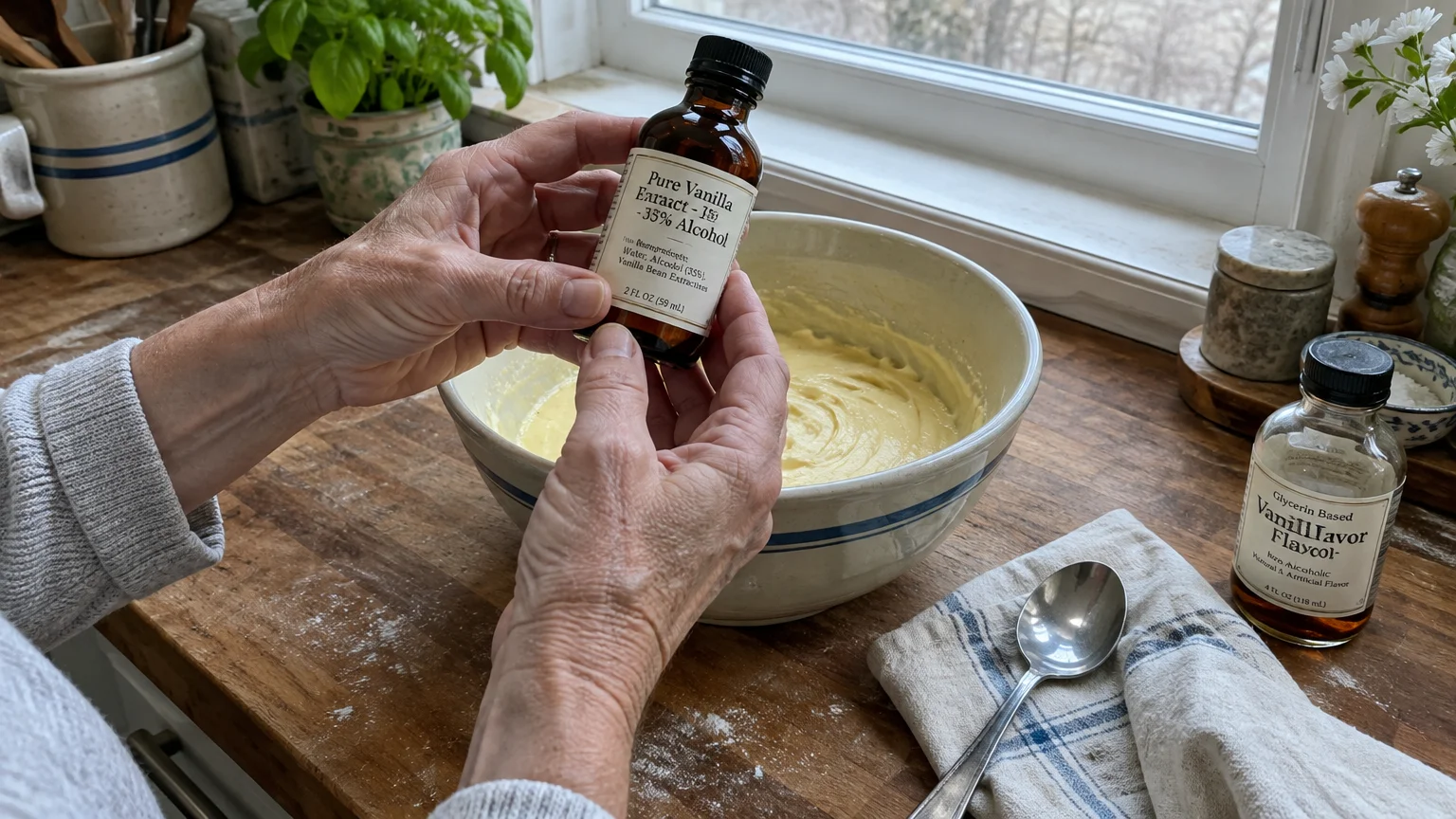
Pure vanilla extract sits in almost every baker’s pantry, yet few realize its high alcohol concentration. Under FDA regulation 21 CFR 169.175, pure vanilla extract must contain at least 35 percent ethyl alcohol by volume.
This requirement means standard vanilla extract carries a 70-proof strength, matching many commercial liquors. Almond, peppermint, and lemon extracts often utilize similarly potent alcohol bases to dissolve essential aromatic oils.
While you only add a teaspoon to cookie dough, unbaked desserts like custards, frostings, and whipped creams retain that alcohol fully. You consume the ethanol directly without any heat evaporation.
To eliminate this hidden source, seek out non-alcoholic vanilla flavorings crafted with a vegetable glycerin base. You can also scrape whole vanilla beans directly into your recipes for exquisite flavor without a single drop of alcohol.
2. Note Fermentation in Bakery Breads and Rolls
Baker’s yeast feeds on dough sugars to produce carbon dioxide bubbles, which gives bread its wonderful, airy rise. However, that exact yeast metabolism also yields measurable amounts of ethanol during the proving stage.
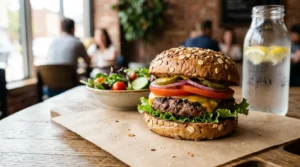
A landmark 2016 study published in the Journal of Analytical Toxicology analyzed everyday packaged baked goods. The researchers discovered that prepackaged burger rolls and sweet milk rolls contained up to 1.28 grams of ethanol per 100 grams.
That measurement translates to roughly 1.28 percent alcohol by volume—an astonishing figure for everyday sandwich bread. Dense artisan sourdough breads can also retain residual alcohol deep inside their moist crumb.
If you take medications sensitive to ethanol, consider choosing flatbreads, crackers, or unleavened tortillas. Toasting your bread thoroughly can also help drive off lingering aromatic alcohol vapors before you take your first bite.
3. Inspect Fermented Condiments and Sauces
Naturally brewed soy sauce undergoes an extensive, months-long fermentation involving wheat, soybeans, water, and specialized yeast cultures. This traditional aging process enriches umami flavors while generating natural ethanol.
Most authentic brewed soy sauces contain between 1.5 percent and 2.0 percent alcohol by volume. That percentage is comparable to a light session beer, making it one of the most common foods that contain alcohol.
Other Asian condiments, such as Japanese mirin, Chinese cooking wine, and fermented bean pastes, carry similar or higher alcohol volumes. Even certain specialty hot sauces and Worcestershire blends incorporate fermented alcohol bases.
Check condiment labels for terms like chemically hydrolyzed soy sauce or alcohol-free tamari. Alternatively, season your stir-fries with coconut aminos, which provide a deeply savory taste with zero alcohol content.
4. Watch Overripe Fruit and Stored Juices
Fresh fruits carry wild airborne yeasts on their skins from the moment they blossom in orchards. As fruits ripen, these yeasts metabolize natural fructose sugars into ethanol.
The 2016 Journal of Analytical Toxicology study confirmed that ripe bananas can contain between 0.2 percent and 0.4 percent alcohol by volume. As the peel develops brown spots, the ethanol content climbs further.
Commercial fruit juices also present unexpected ethanol levels due to natural fermentation during processing and shelf storage. Researchers documented up to 0.77 grams of ethanol per liter in standard apple, grape, and orange juices.
To minimize your exposure, eat bananas while their skins remain firm and yellow with greenish tips. Store all fruit juices in the coldest section of your refrigerator, and discard cartons that have stayed open past one week.
5. Approach Kombucha and Fermented Teas Mindfully
Kombucha has surged in popularity as a digestive tonic packed with beneficial organic acids and friendly bacteria. Yet this bubbly beverage relies on a symbiotic culture of bacteria and yeast that produces ethanol.
The Alcohol and Tobacco Tax and Trade Bureau regulates beverages with 0.5 percent or more alcohol by volume. While bottled kombucha must meet this standard when leaving the factory, unpasteurized bottles continue fermenting on grocery shelves.
If kombucha sits in warm distribution trucks or warm home pantries, its alcohol concentration frequently reaches 1.0 percent to 2.0 percent. That level can definitely impact individuals with compromised liver metabolism.
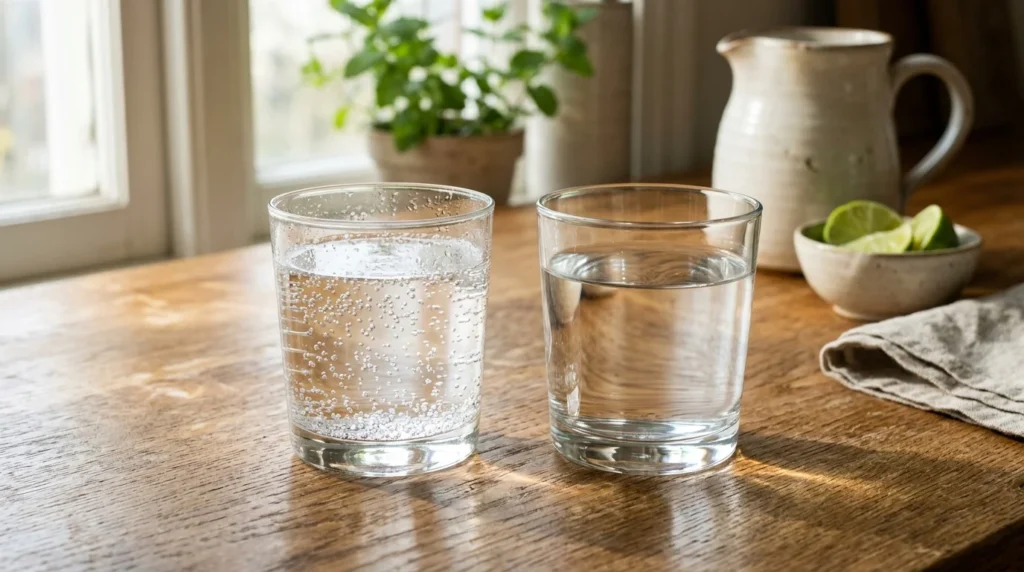
If you enjoy tart wellness drinks, look for verified pasteurized kombucha brands or sparkling herbal infusions. Plain sparkling water infused with fresh lemon and mint provides delicious, digestive-friendly refreshment without fermentation risks.
6. Evaluate Fermented Dairy Products
Kefir is a cultured, drinkable yogurt celebrated for its robust blend of probiotics and calcium. Its unique fermentation combines beneficial lactic acid bacteria with specialized fermenting yeasts.
Standard commercial kefir typically retains between 0.05 percent and 0.5 percent alcohol by volume. However, traditional homemade kefir grains or artisan varieties can easily exceed 1.0 percent alcohol if fermented at room temperature.
Other cultured items like certain sour creams and aged European cheeses can also hold trace amounts of ethanol. Fortunately, standard cultured yogurt made strictly with bacterial cultures contains virtually zero alcohol.
If you wish to avoid alcohol in everyday foods, choose traditional Greek yogurt or skyr for gut support. These creamy staples deliver rich protein and active cultures without yeast fermentation.
7. Rethink the Cooking Burn-Off Myth
Many home cooks believe that heating a dish completely evaporates any added wine, beer, or liquor. However, nutritional science firmly disproves this persistent kitchen myth.
According to the USDA Table of Nutrient Retention Factors, Release 6, alcohol retention depends heavily on your cooking method. When chefs ignite or flame alcohol in a pan, approximately 75 percent of the ethanol remains.
Stirring spirits into a hot liquid without simmering leaves roughly 85 percent of the alcohol intact. Baking or simmering a wine sauce for 15 minutes still leaves 40 percent of the original ethanol behind.
Even after simmering a rich stew for an entire hour, 25 percent of the alcohol stays in your pot. Reaching a minimal 5 percent retention level requires at least two and a half hours of continuous boiling.
When preparing hearty meals at home, substitute rich beef or vegetable stock for red wine. For bright pan sauces, use white grape juice blended with a splash of apple cider vinegar instead of white wine.
8. Read Ingredient Labels Proactively
Food manufacturers often list alcohol under various technical names on ingredient panels. Scan packaged food labels carefully for terms like ethyl alcohol, grain neutral spirits, ethanol, or specialty wine vinegars.
Prepared desserts like tiramisu, rum cake, fruitcake, and chocolate truffles frequently contain direct liqueur additions. Because these confections do not undergo sustained baking, their alcohol content remains remarkably potent.
Do not hesitate to ask restaurant servers how kitchen staff prepares signature marinades, gravies, and desserts. Professional chefs gladly accommodate requests for alcohol-free preparations when you communicate your wellness priorities clearly.
9. Maintain Proper Cold-Chain Food Storage
Wild yeasts thrive in warm environments where they quickly convert sugars into ethanol. Keeping your refrigerator set between 35 and 38 degrees Fahrenheit prevents unchecked fermentation in perishable groceries.
Never leave opened bottles of cider, raw juices, or fresh melon on your kitchen counter overnight. Chilling these groceries promptly preserves their crisp taste while stopping wild fermentation in its tracks.
Important Safety Precautions to Keep in Mind
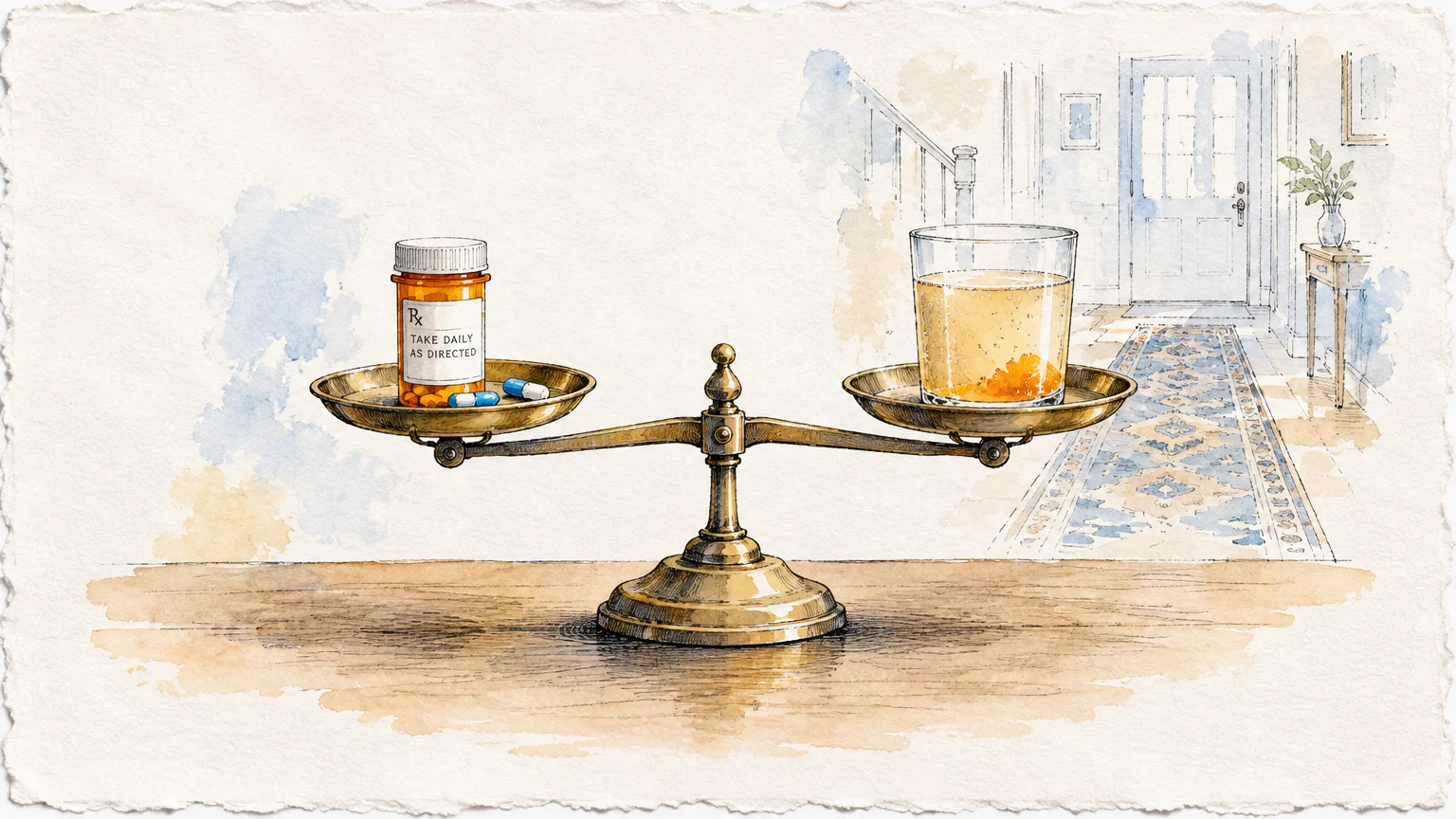
Understanding these hidden ethanol sources is especially critical if your daily routine involves prescription therapy. Certain common medications trigger severe, uncomfortable physical reactions when combined with even trace alcohol.
For example, taking antibiotics like metronidazole alongside hidden alcohol can cause severe disulfiram-like reactions. You may experience rapid facial flushing, throbbing headaches, nausea, abdominal cramping, and sudden heart palpitations.
Certain oral diabetes medications, particularly sulfonylureas like glipizide or glyburide, also interact poorly with alcohol. Small amounts of ethanol can prompt sudden hypoglycemia or trigger unpleasant hot flashes.
Furthermore, central nervous system depressants, sleep aids, and muscle relaxants compound the sedative effects of ethanol. Even mild drowsiness can degrade your balance and situational awareness around your home.
Cardiovascular drugs, including beta-blockers and ACE inhibitors, lower blood pressure by relaxing arterial walls. Adding alcohol promotes further dilation, which can cause postural hypotension and dangerous dizzy spells upon standing.
If you manage liver conditions such as non-alcoholic fatty liver disease or hepatitis, your liver cells require extra protection. Avoiding unnecessary dietary ethanol removes avoidable metabolic strain on your vital liver tissue.
Seniors in recovery from alcohol use disorder must also exercise heightened vigilance regarding foods that contain alcohol. Subconscious exposure to authentic alcohol flavors can awaken dormant cravings and threaten hard-won sobriety.

When to Speak with a Healthcare Professional
This article provides helpful educational information, but it cannot replace personalized guidance from a medical doctor. Your individual health profile, genetics, and medication regimen determine your specific sensitivity to trace ethanol.
Schedule an appointment with your primary care physician if you notice mysterious flushing, nausea, or dizziness after meals. Bringing a detailed three-day food journal helps your doctor spot potential dietary triggers quickly.
Always review your complete prescription list with your local pharmacist whenever starting a new medication. Pharmacists possess specialized expertise in drug-nutrient interactions and can warn you about hidden ethanol sensitivities.
If you ever experience chest tightness, profound confusion, or severe breathing difficulties after dining, call emergency services immediately. Swift medical intervention protects your health during unexpected adverse drug events.
For authoritative, trustworthy health information, always consult official sources like the National Institute on Aging (NIA) and MedlinePlus from the National Library of Medicine. The CDC also provides excellent resources for older adults.
Disclaimer: This article is for informational purposes only and does not constitute medical advice. Always seek the advice of your physician or other qualified health provider with any questions you may have regarding a medical condition.
Frequently Asked Questions
Does cooking burn off all alcohol in food?
No, cooking does not eliminate all alcohol from food. Scientific data from the USDA confirms that between 5 percent and 85 percent of original alcohol can remain, depending on cooking duration and temperature.
Brief simmering or flamed presentations leave substantial ethanol in your dish. Only extended simmering lasting over two hours reduces residual alcohol down to negligible traces.
Can eating ripe fruit or bread cause intoxication?
Under normal circumstances, eating a ripe banana or a slice of sandwich bread will not intoxicate you. Your liver clears these modest ethanol quantities before they reach high levels in your blood.
However, if you take interacting medications or have impaired hepatic clearance, even small doses can cause flushing or dizziness. That is why staying mindful of cumulative daily exposure remains sensible.
How can I identify hidden alcohol on packaged food labels?
Carefully examine the ingredient list on packaged groceries for terms like natural flavoring, pure extract, ethyl alcohol, or fermented wine. Manufacturers must declare direct alcohol ingredients, though naturally fermented traces may not appear separately.
Whenever an ingredient list seems ambiguous, contact the manufacturer directly or select certified alcohol-free alternatives. Choosing whole, unprocessed foods also eliminates the guesswork entirely.
Are non-alcoholic beers completely free of alcohol?
Most commercial non-alcoholic beers contain up to 0.5 percent alcohol by volume under current labeling regulations. Only beverages explicitly labeled as alcohol-free or 0.0 percent ABV contain no measurable ethanol.
If you must avoid ethanol entirely due to strict medical advice, check the bottle for that exact zero-percent verification. Herbal teas, fruit-infused water, and sparkling waters offer wonderful, completely alcohol-free refreshment.