Eating the right high fiber foods softens your stool and reduces painful bowel movements quickly. A well-planned hemorrhoid relief diet protects delicate veins and restores your daily physical comfort.
Gentle dietary changes soothe existing irritation and prevent chronic straining from worsening your symptoms. You can easily enjoy delicious meals while supporting your body with natural hemorrhoid remedies.
Targeted nutrition empowers you to protect your digestive tract and stay active. These ten wholesome choices provide steady comfort and strengthen your digestive wellness every day.
Understanding the Basics of Hemorrhoid Relief for Seniors
Hemorrhoids are swollen, inflamed veins located around your anus or lower rectum. They frequently cause local itching, burning, discomfort, and light bleeding during bowel movements.
According to the National Institute of Diabetes and Digestive and Kidney Diseases, approximately 50% of adults aged 50 and older develop hemorrhoids.
The natural aging process weakens the connective tissues that support pelvic blood vessels. Slower digestive motility and chronic straining make flare-ups significantly more common as you age.
Straining on the toilet raises intra-abdominal pressure, forcing blood into already fragile veins. Passing hard, dry stool further irritates these sensitive tissues, causing painful swelling.
Dietary fiber serves as a gentle, natural stool normalizer in your digestive system. It draws water into waste material, creating bulk and making stools soft and easy to pass.
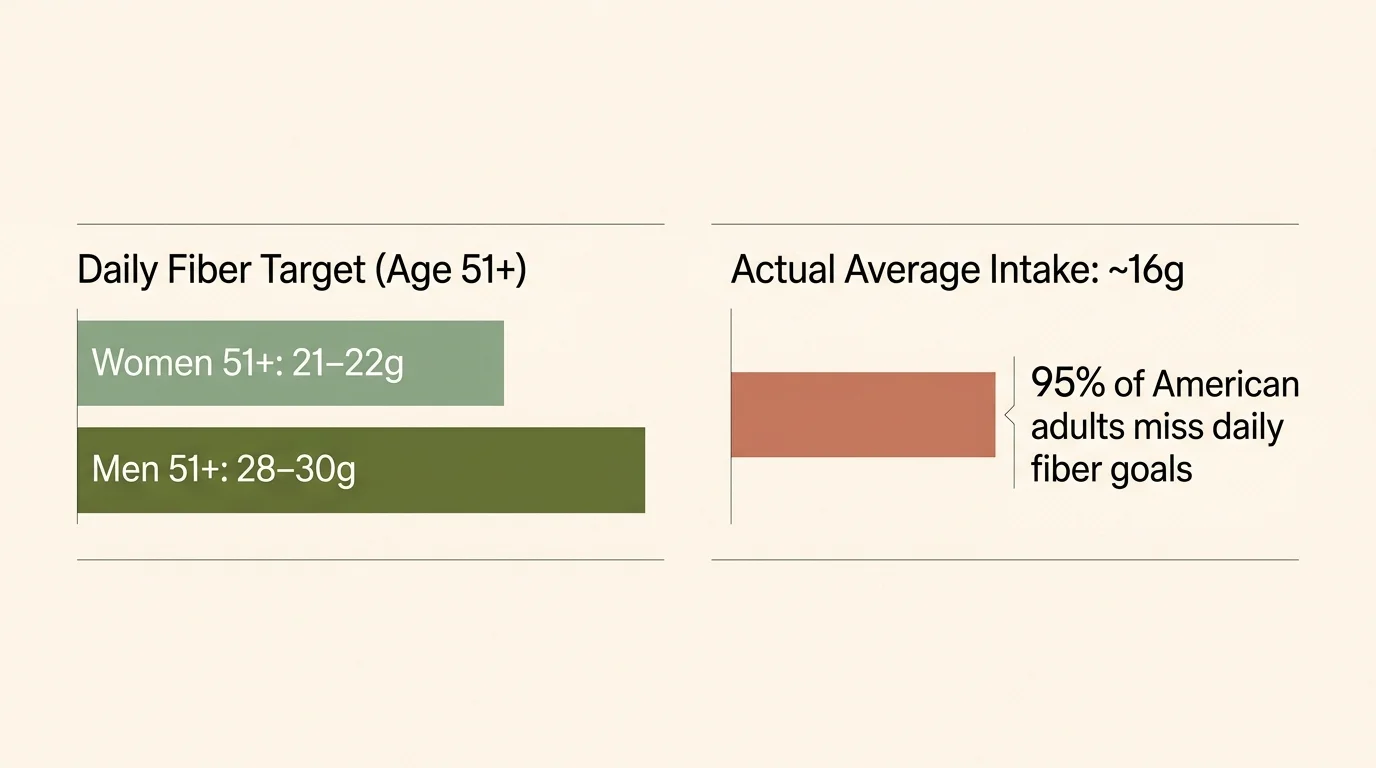
The Dietary Guidelines for Americans recommends 21 to 22 grams of fiber per day for women aged 51 and older. Men in the same age bracket need 28 to 30 grams daily.
Despite these clear dietary guidelines, nearly 95% of American adults fail to meet their daily fiber goals. On average, older adults consume only about 16 grams of fiber each day.
The Food and Drug Administration defines a food as high in fiber when it provides at least 5.6 grams per serving. That benchmark equals 20% or more of your daily nutritional value.
Incorporating wholesome digestive health foods bridges this nutritional gap safely and effectively. Soft stool reduces mechanical friction, giving your irritated vascular tissue the time it needs to heal.
Experiencing the full fiber rich diet benefits requires daily consistency and patience. Small adjustments to your weekly shopping list create dependable, long-term relief for your lower gastrointestinal tract.

Practical Tips for a Healthier, Happier Life
1. Navy and White Beans
Navy beans stand out as one of the most fiber-dense legumes you can eat. A single cup of cooked navy beans delivers an astonishing 18.6 to 19.0 grams of dietary fiber.
These creamy beans provide an ideal combination of soluble and insoluble fiber. They absorb water efficiently to create smooth, soft stools that pass without straining.
You can easily stir cooked navy beans into warming vegetable soups, broths, and rustic casseroles. Their mild taste absorbs savory herbs and spices without overpowering your favorite dishes.
If you are new to eating legumes, begin with half-cup servings to allow your digestion to adapt. This steady approach prevents gas while providing immediate vascular relief.
2. Cooked Lentils
Cooked lentils offer an impressive 15.6 grams of dietary fiber per cup. They cook much faster than dried beans and require no overnight soaking beforehand.
Lentils are packed with soluble fiber that transforms into a soothing gel in your gut. This gel coats waste matter, allowing it to glide effortlessly through the lower rectum.
Try folding brown or green lentils into warm vegetable salads and hearty grain bowls. Red lentils break down smoothly, making them ideal for thick, comforting broths and stews.
Eating lentils several times a week strengthens your gut microbiome and prevents constipation. They provide clean plant protein alongside essential minerals like folate and iron.
3. Chia Seeds
Chia seeds deliver an exceptional concentration of nutrients in a tiny serving. Just two tablespoons—or one ounce—provide 9.8 grams of dietary fiber.
When exposed to liquid, chia seeds swell and form a thick, gelatinous outer coating. This unique property keeps stool hydrated, soft, and remarkably easy to eliminate.
You can sprinkle chia seeds over morning oatmeal, low-fat yogurt, or fresh fruit bowls. They also blend seamlessly into fruit smoothies without altering the flavor profile.
Chia seeds represent one of the simplest natural hemorrhoid remedies for daily use. Their gentle lubricating action protects delicate rectal tissues from abrasive friction.
4. Boiled Green Peas
Tender green peas are sweet, colorful, and surprisingly high in dietary fiber. One cup of boiled green peas supplies 9.0 grams of total fiber to your body.
Green peas provide insoluble fiber that adds healthy bulk to slow-moving waste. This action stimulates the natural wave-like contractions of your bowel walls.
Keep a bag of frozen green peas handy for quick and effortless meal additions. Steam them lightly and toss them into brown rice, pasta, or warm vegetable medleys.
Their soft, tender skin makes them very easy for seniors to chew and digest comfortably. They offer a gentle way to boost fiber intake without causing digestive upset.
5. Fresh Raspberries
Raspberries rank among the most fiber-rich fruits available in your grocery store. A single cup of fresh raspberries provides 8.0 grams of beneficial dietary fiber.
The tiny edible seeds inside each raspberry supply excellent roughage for your colon. Meanwhile, their high natural water content helps hydrate and soften hardened stool.
Spoon fresh raspberries over your morning porridge, whole-grain cereal, or cottage cheese. You can also enjoy them frozen in blended fruit smoothies on warm afternoons.
Raspberries are packed with anthocyanins, potent antioxidants that help reduce bodily inflammation. These plant compounds support strong blood vessels and ease hemorrhoid flare-ups.
6. Cooked Black Beans
Black beans are rich, flavorful legumes that promote consistent bowel regularity. A half-cup serving provides 8.0 grams of fiber, while a whole cup yields nearly 15 grams.
Black beans contain abundant resistant starch that nourishes beneficial bacteria in your colon. These good microbes produce short-chain fatty acids that calm inflammation in the intestinal lining.
Mash black beans with cumin and garlic to create a savory spread for whole-grain toast. You can also mix them into light salads, vegetable burritos, and warm skillet meals.
Eating black beans regularly helps prevent hard stools that aggravate swollen rectal veins. They supply sustained energy and keep your digestive system operating smoothly.
7. Fresh Pears with the Skin
Fresh pears are a crisp, hydrating fruit that provides superb digestive support. A medium-to-large pear with the skin intact delivers 5.5 to 7.0 grams of fiber.
Pears contain significant amounts of pectin alongside sorbitol, a naturally occurring sugar alcohol. Sorbitol gently draws moisture into the large intestine to ease bowel evacuation.
Always wash your pears thoroughly and eat them with the peel intact. The delicate outer skin holds the highest concentration of insoluble fiber and vital nutrients.
Slice a ripe pear into a fresh spinach salad or enjoy it with a small handful of walnuts. Pears provide sweet, refreshing relief from chronic constipation and straining.
8. Steamed Broccoli
Broccoli is a powerhouse cruciferous vegetable that strongly supports gut health. One cup of cooked, chopped broccoli provides 5.0 grams of valuable dietary fiber.
Broccoli contains sulforaphane, an active compound that protects gut bacteria and supports digestion. Its fibrous florets and stems encourage regular, predictable bowel movements.
Steam or roast broccoli until it turns bright green and fork-tender for easier digestion. Softening the tough plant fibers ensures your stomach processes it comfortably.
Pair steamed broccoli with grilled chicken, baked fish, or whole grains at dinner. Its nourishing bulk keeps waste moving steadily through your lower digestive tract.
9. Rolled Oats and Oatmeal
Rolled oats are a warm, comforting breakfast food that shields your digestive tract. A single cooked cup of traditional oatmeal supplies 4.0 grams of dietary fiber.
Oats are particularly famous for their beta-glucan content, a potent soluble fiber. Beta-glucan dissolves into a thick gel that lubricates stool and prevents painful friction.
Cook rolled oats on the stovetop with water or milk, topping them with fresh berries. You can also bake rolled oats into wholesome homemade fruit bars for healthy snacking.
Starting your day with a warm bowl of oatmeal establishes regular morning bowel habits. This dependable routine prevents the sudden straining that worsens hemorrhoid symptoms.
10. Fresh Apples with the Skin
Apples are an accessible, year-round fruit that belongs in every hemorrhoid relief diet. A medium apple eaten with its skin provides 4.5 grams of total dietary fiber.
The peel delivers insoluble fiber to add volume, while the inner flesh provides soluble pectin. This harmonious blend softens stool while maintaining an easy-to-pass shape.
Enjoy crisp apple slices dipped in creamy almond butter for a balanced afternoon snack. You can also simmer apple slices with a dash of cinnamon for a gentle dessert.
Regularly eating whole apples supports healthy vascular walls and relieves rectal pressure. They serve as an effortless, crunchy staple for long-term digestive comfort.
Important Safety Precautions to Keep in Mind
Increasing your daily fiber intake too quickly can cause temporary gas, bloating, and cramps. Always introduce high-fiber foods gradually over a period of two to three weeks.
Add one new fiber-rich food every few days so your gut microbiome can adjust smoothly. This slow progression keeps your stomach comfortable while building healthy bathroom habits.
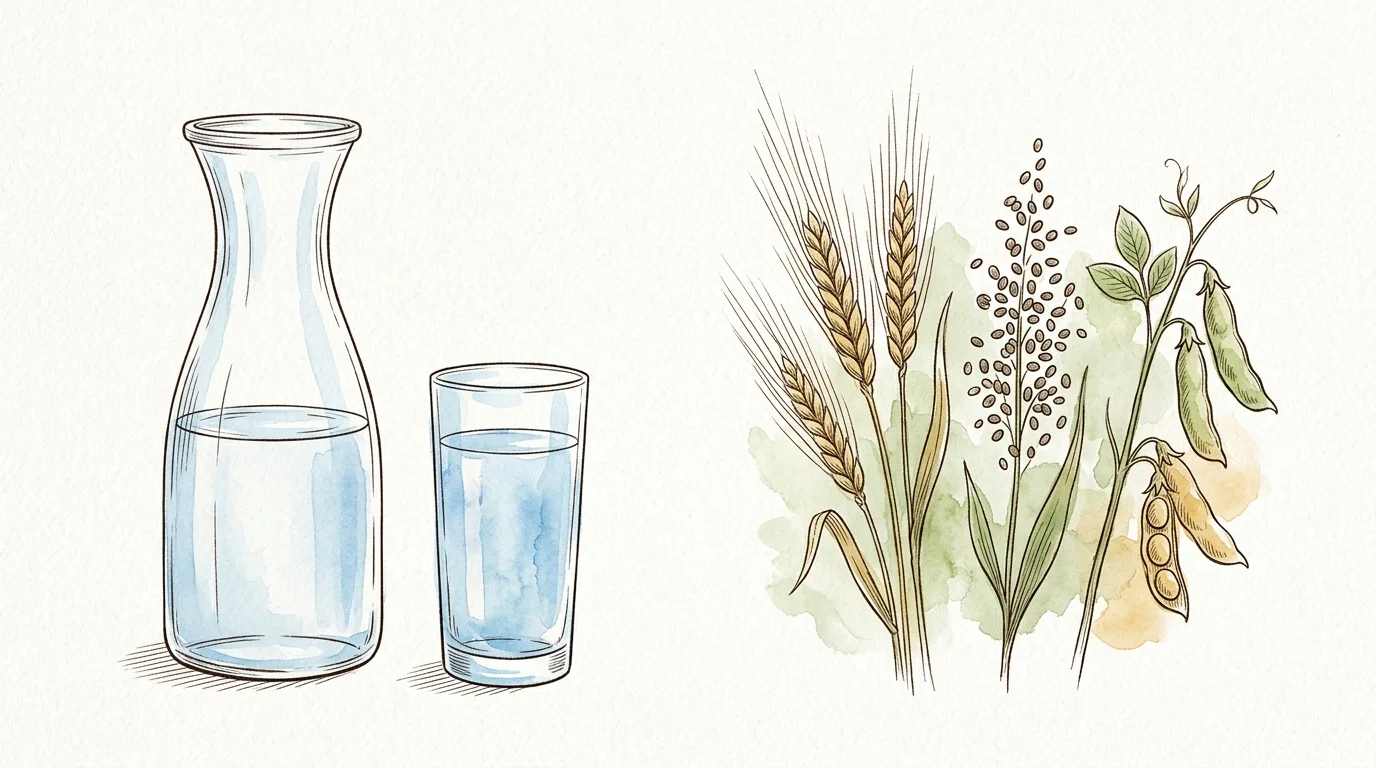
Dietary fiber requires generous amounts of liquid to move smoothly through your intestines. If you increase fiber without drinking enough water, your stool may actually harden.
Aim to drink six to eight glasses of water daily, unless your doctor advises otherwise. Herbal teas, diluted fruit juices, and clear vegetable broths also support proper hydration.
If you live with heart failure or kidney disease, check with your physician regarding fluid limits. Balance your fiber and hydration according to your specific clinical recommendations.
Avoid spending extended periods sitting on the toilet reading or looking at screens. Sitting for long intervals pools blood into rectal veins and exacerbates swelling.
Consider using a small bathroom footstool to raise your knees while sitting on the toilet. Elevating your feet straightens the anorectal canal, allowing waste to pass with minimal effort.

When to Speak with a Healthcare Professional
Dietary adjustments offer incredible symptom relief, but they cannot replace direct medical guidance. You must keep your physician informed about persistent or changing rectal symptoms.
Schedule an appointment if your hemorrhoid symptoms do not improve after one to two weeks. A doctor can verify your diagnosis and recommend targeted therapeutic interventions.
Any rectal bleeding warrants a thorough evaluation by a qualified medical professional. While hemorrhoids are a common cause, bleeding can occasionally signal other intestinal conditions.
Seek immediate medical care if you observe substantial amounts of bright red blood or black stools. Dark, tarry bowel movements can indicate bleeding higher up in the digestive tract.
Contact your doctor promptly if you develop intense anal pain, localized heat, or a fever. These warning signs may indicate an infected fissure or a thrombosed hemorrhoid.
If you experience dizziness, lightheadedness, or sudden weakness alongside rectal bleeding, call emergency services. Prompt medical evaluation ensures your safety and gives you total peace of mind.
Frequently Asked Questions
How quickly will high-fiber foods relieve my hemorrhoid symptoms?
Most seniors notice softer stools within two to three days of increasing fiber and water. Softer bowel movements immediately reduce the friction and straining that cause discomfort.
Healing inflamed, swollen veins completely usually takes two to four weeks of consistent nutrition. Pairing a high-fiber diet with gentle warm baths promotes faster, lasting relief.
Is soluble or insoluble fiber better for hemorrhoid relief?
Both soluble and insoluble fiber play vital, complementary roles in managing hemorrhoid symptoms. Soluble fiber dissolves in water to create a soft, slippery gel that coats stool.
Insoluble fiber adds necessary bulk, prompting the intestinal muscles to move waste along steadily. Consuming a balanced mix of both fiber types provides optimal digestive comfort.
Can fiber supplements replace whole high-fiber foods?
Commercial fiber supplements can provide useful support when whole-food intake is temporarily low. However, whole foods deliver essential vitamins, minerals, and antioxidants that supplements lack.
Always speak with your healthcare provider before starting any daily fiber supplement product. Whole, unprocessed foods remain the safest, most nourishing choice for your digestive health.
What foods should I avoid during an active hemorrhoid flare-up?
Avoid ultra-processed foods, white bread, fast food, and heavy dairy products during flare-ups. These low-fiber foods slow down your digestion and lead to hard, painful stools.
You should also minimize spicy dishes, alcohol, and excessive caffeinated beverages. These irritants can inflame your digestive lining and cause sharp burning sensations during elimination.
For authoritative, trustworthy health information, always consult official sources like the National Institute on Aging (NIA) and MedlinePlus from the National Library of Medicine. The CDC also provides excellent resources for older adults.
Disclaimer: This article is for informational purposes only and does not constitute medical advice. Always seek the advice of your physician or other qualified health provider with any questions you may have regarding a medical condition.