Finding convenient, nutritious meals requires a quick trip to your local supermarket deli or freezer aisle rather than spending hours cooking in the kitchen. Pre-cooked proteins, vibrant frozen vegetable blends, and prepared whole grains provide the essential vitamins and minerals you need to maintain your energy and muscle health without the physical strain of chopping, standing, and washing heavy pots. By knowing exactly which prepared foods offer the best nutritional value, you can easily assemble balanced, satisfying meals in minutes. Navigating the store for these hidden gems ensures you maintain a wholesome diet that supports healthy aging, allowing you to spend your time enjoying your life instead of worrying about meal preparation.
Understanding the Basics of Grocery Store Prepared Foods for Seniors
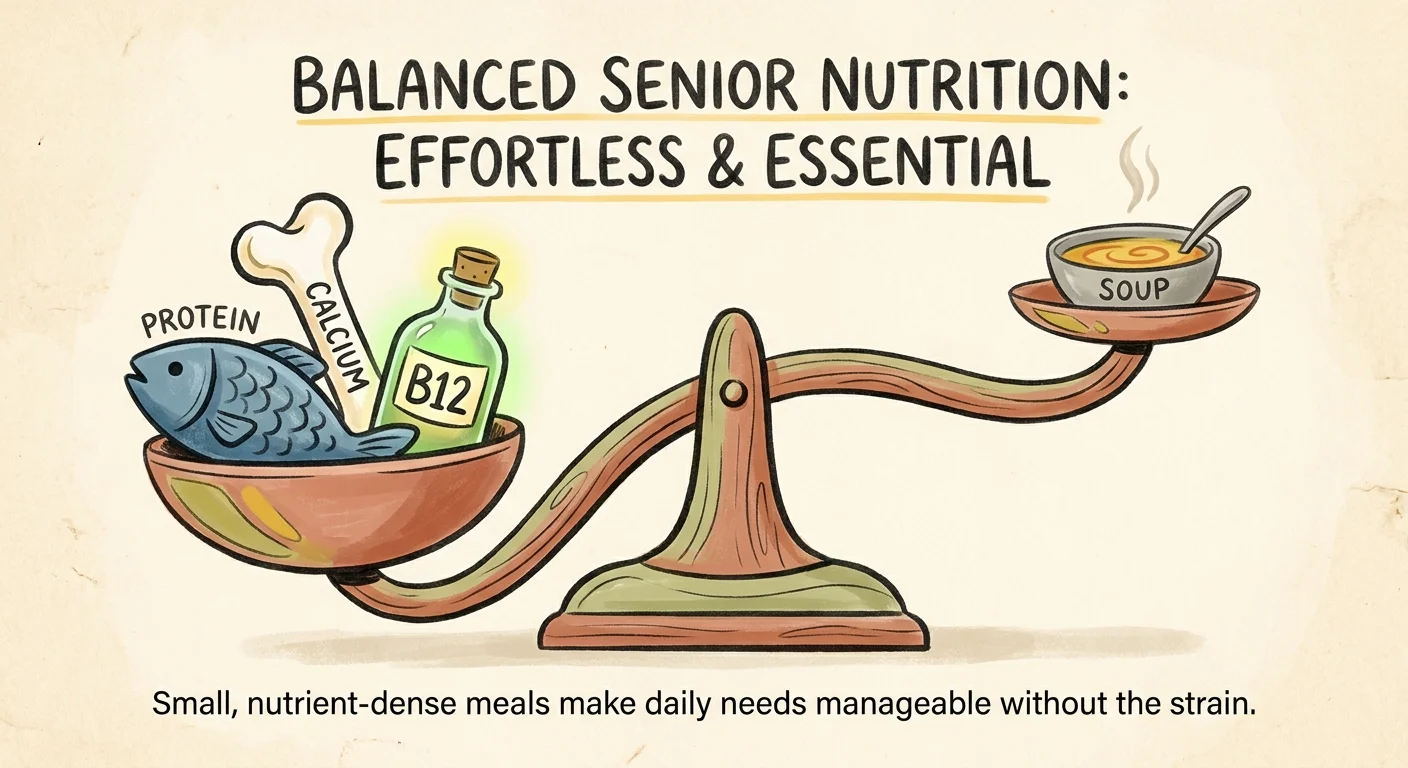
As you age, your nutritional requirements shift significantly; your body requires fewer calories to maintain a healthy weight, yet your need for essential nutrients—such as protein, calcium, and vitamin B12—actually increases. This creates a unique challenge. Cooking complex meals three times a day often becomes a physical burden. Standing over a hot stove, chopping tough root vegetables, and scrubbing heavy pots can aggravate joint pain or drain your daily energy reserves. Consequently, many older adults fall into the trap of skipping meals entirely or relying on heavily processed snacks that lack nutritional substance.
Fortunately, modern grocery stores offer an abundance of healthy prepared foods that completely eliminate the need for traditional cooking. The perimeter of your local supermarket holds a wealth of fresh, ready-to-eat options designed for immediate consumption. Embracing grocery meals does not mean sacrificing your health or settling for bland, uninspired microwave dinners. Instead, it involves making strategic choices about the pre-cooked and pre-packaged items you bring into your home. You can assemble vibrant, deeply nourishing meals simply by pairing a pre-cooked protein with a prepared vegetable and a wholesome grain.
Understanding senior nutrition means recognizing the vital role that convenience plays in your overall dietary habits. If a meal is difficult to prepare, you are far less likely to eat it. By utilizing convenient meals, you remove the barriers to proper nourishment. The secret lies in identifying foods that deliver high nutritional value without hiding massive amounts of sodium, saturated fats, or added sugars. When you prioritize healthy grocery shopping, you take proactive control over your physical well-being, ensuring you receive the fuel necessary to maintain your independence, protect your cognitive function, and support your immune system.
Practical Tips for a Healthier, Happier Life
1. Fresh Rotisserie Chicken
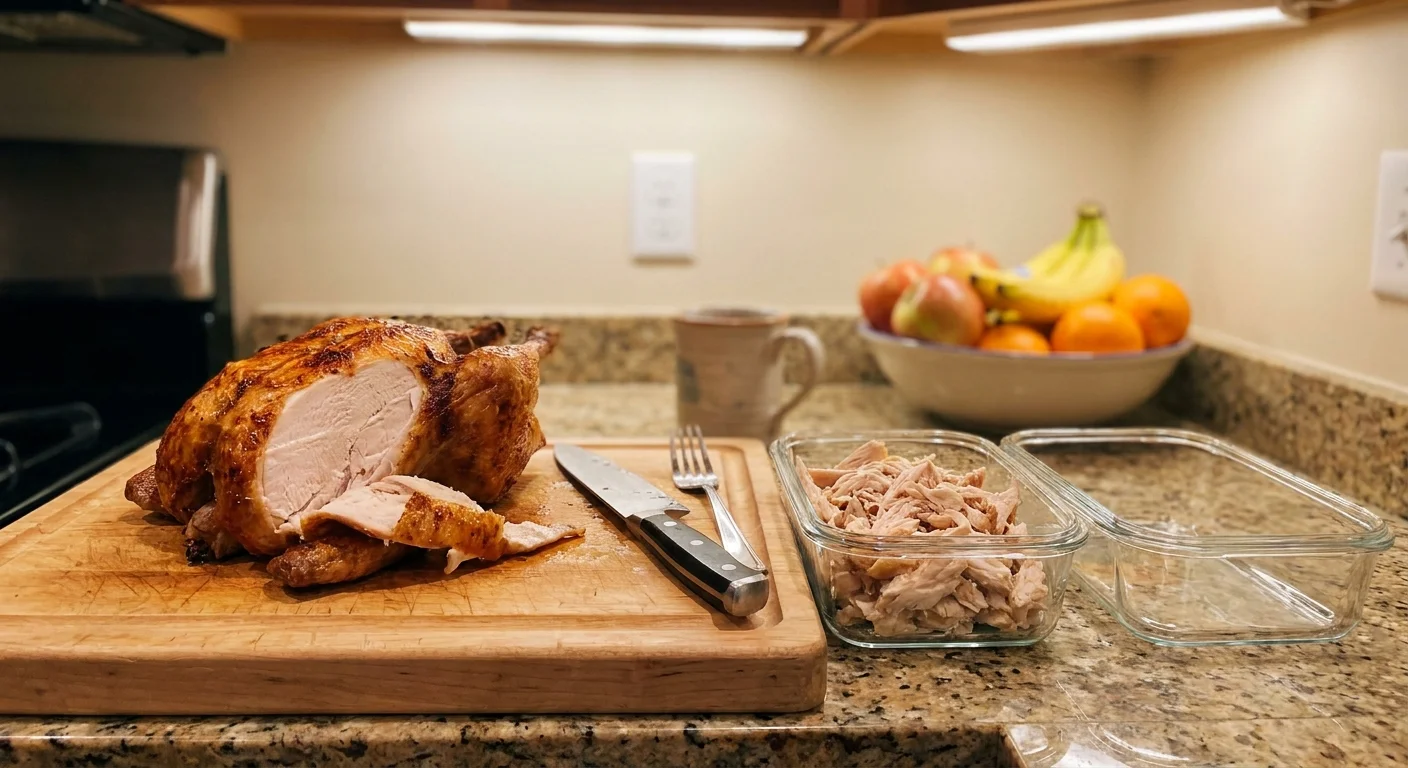
Rotisserie chicken stands as one of the most versatile and cost-effective healthy prepared foods available in your local supermarket. As you age, consuming adequate protein becomes critical to prevent sarcopenia—the age-related loss of muscle mass and strength. A standard rotisserie chicken provides a substantial amount of high-quality protein that requires absolutely no preparation on your part. You simply bring it home and carve it. For a quick lunch, you can slice the breast meat and serve it alongside a simple salad; for dinner, you might shred the dark meat and stir it into a warm, low-sodium broth with some tender vegetables.
To maximize the health benefits of this convenient option, carefully remove and discard the skin before eating. The skin harbors the majority of the saturated fat and the heavy sodium-based seasonings applied during the roasting process. By focusing on the tender meat underneath, you secure the essential amino acids your muscles need without overloading your cardiovascular system. Furthermore, you can easily portion the chicken into small, airtight containers and refrigerate them, providing you with days of ready-to-eat protein that you can pull out whenever hunger strikes.
2. Nutrient-Dense Bagged Salad Kits
Bagged salad kits revolutionize how older adults incorporate fresh greens into their daily diets. Washing, drying, and tearing multiple varieties of lettuce requires significant time and manual dexterity. Pre-washed salad blends eliminate these hurdles instantly, offering an immediate source of dietary fiber, folate, and vitamin K. Dark leafy greens—such as baby spinach, kale, and arugula—support healthy vision and protect cognitive function as you age. When you purchase a diverse salad kit, you introduce a wide spectrum of essential antioxidants into your body without touching a single kitchen knife.
While the greens themselves offer tremendous health benefits, you must exercise caution with the included dressing and topping packets. Many commercial salad dressings contain surprisingly high levels of added sugars, artificial preservatives, and excessive sodium. To keep your meal genuinely healthy, try using only half of the provided dressing packet; better yet, lightly toss your greens with a drizzle of extra virgin olive oil and a fresh squeeze of lemon juice. You can instantly upgrade this side dish into a fulfilling main course by adding a handful of pre-cooked shrimp, a scoop of canned chickpeas, or some shredded meat from your rotisserie chicken.
3. Frozen Steam-in-Bag Vegetables
Do not let the freezer aisle intimidate you; frozen vegetables rank among the most nutritious items in the entire grocery store. Produce companies typically flash-freeze their vegetables within hours of harvesting, a process that perfectly locks in heat-sensitive nutrients like vitamin C and potassium. For older adults, steam-in-bag frozen vegetables offer unparalleled convenience and physical safety. You do not need to boil heavy pots of water or stand over a steaming stove. You simply place the sealed bag into the microwave, press a button, and retrieve perfectly tender vegetables a few minutes later.
When selecting frozen vegetables, always check the ingredients list to ensure you are buying pure produce. Avoid the varieties packaged with heavy cheese sauces, garlic butter, or salty seasonings, as these additions quickly turn a healthy side dish into a high-calorie, high-sodium indulgence. Instead, choose plain vegetable medleys—such as broccoli, carrots, and cauliflower—and add your own flavor at home. A light dusting of garlic powder, a sprinkle of black pepper, or a small pat of real butter provides plenty of satisfying flavor while keeping your nutritional intake completely within your control.
4. Pre-Cooked Whole Grain Pouches
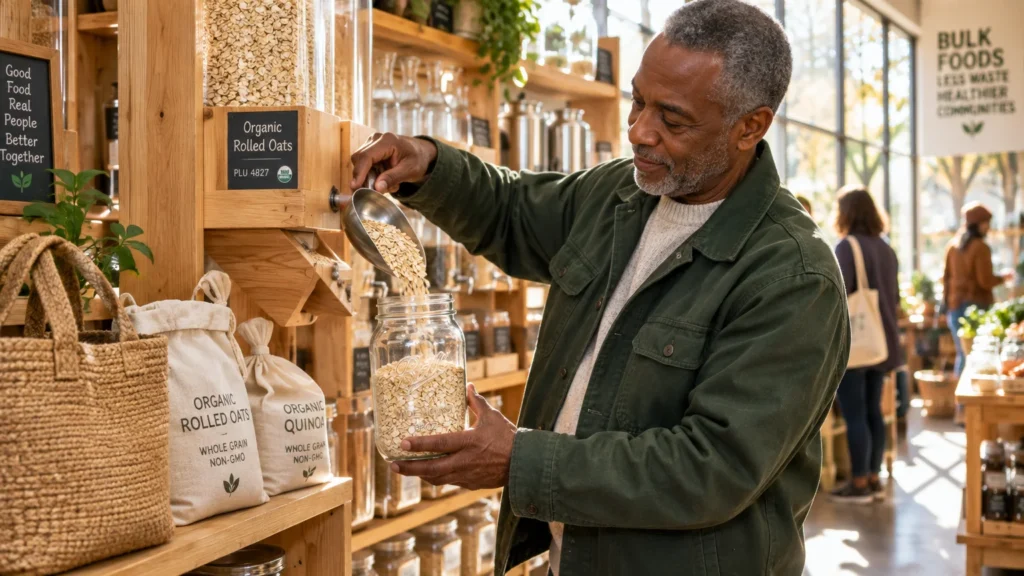
Maintaining proper digestive health often challenges older adults, making the high fiber content in whole grains incredibly valuable. Whole grains promote regular bowel movements, help stabilize blood sugar levels, and actively work to lower dangerous cholesterol. Unfortunately, cooking traditional brown rice, quinoa, or farro from scratch takes up to forty-five minutes and requires constant monitoring. Grocery stores solve this problem by offering pre-cooked whole grain pouches that heat up perfectly in the microwave in just ninety seconds.
These convenient pouches serve as the perfect foundational carbohydrate for your grocery meals. You can easily build a balanced bowl by scooping half a cup of warm quinoa, topping it with your steam-in-bag vegetables, and adding some sliced rotisserie chicken. Because whole grains digest slowly, they provide a steady, sustained release of energy throughout the day, preventing the sudden fatigue that often follows heavily refined meals. Just remember to read the nutrition facts on the pouch; opt for unflavored, plain grain blends to avoid the hidden sodium commonly found in the pre-seasoned varieties.
5. Low-Sodium Canned Lentil and Bean Soups
Canned soups represent the ultimate comfort food, providing warmth, hydration, and easily digestible nutrients in a matter of minutes. For seniors who prefer not to cook, canned lentil, black bean, or minestrone soups act as powerful nutritional tools. Legumes offer an outstanding combination of plant-based protein and soluble fiber, making them incredibly beneficial for heart health and cholesterol management. Furthermore, the soft texture of a hearty stew is wonderfully easy to chew and swallow, which is especially helpful if you experience dental sensitivity or jaw fatigue.
The primary concern with canned soups is their notoriously high sodium content. To protect your blood pressure, you must actively search the shelves for cans boldly labeled “Low Sodium,” “Reduced Sodium,” or “No Salt Added.” If you find a soup you love but it only comes in a standard version, you can dilute the sodium density by stirring in a handful of your own frozen spinach or a half-cup of plain canned beans that you have rinsed under cold water. This simple trick increases the overall volume and fiber of your meal while drastically lowering the sodium per spoonful.
6. Prepared Hard-Boiled Eggs
Eggs stand out as one of nature’s most perfect foods, offering highly bioavailable protein alongside critical micronutrients. They contain high levels of lutein and zeaxanthin—antioxidants that actively protect your eyes from macular degeneration—as well as choline, a nutrient absolutely essential for memory preservation and brain health. However, boiling water safely and peeling the delicate shells off eggs can frustrate hands affected by arthritis. Supermarket deli sections now commonly sell bags of pre-cooked, pre-peeled hard-boiled eggs that solve this exact problem.
These ready-to-eat eggs make meal assembly remarkably simple. You can quickly slice them over your bagged salad for an instant protein boost, chop them into a simple egg salad using plain Greek yogurt instead of mayonnaise, or just eat one whole as a satisfying mid-morning snack. Because they are securely packaged and fully cooked, they maintain a reliable shelf life in your refrigerator. Having these pre-peeled eggs readily available ensures you always have access to a brain-boosting, muscle-supporting food without ever needing to turn on your stove.
Important Safety Precautions to Keep in Mind
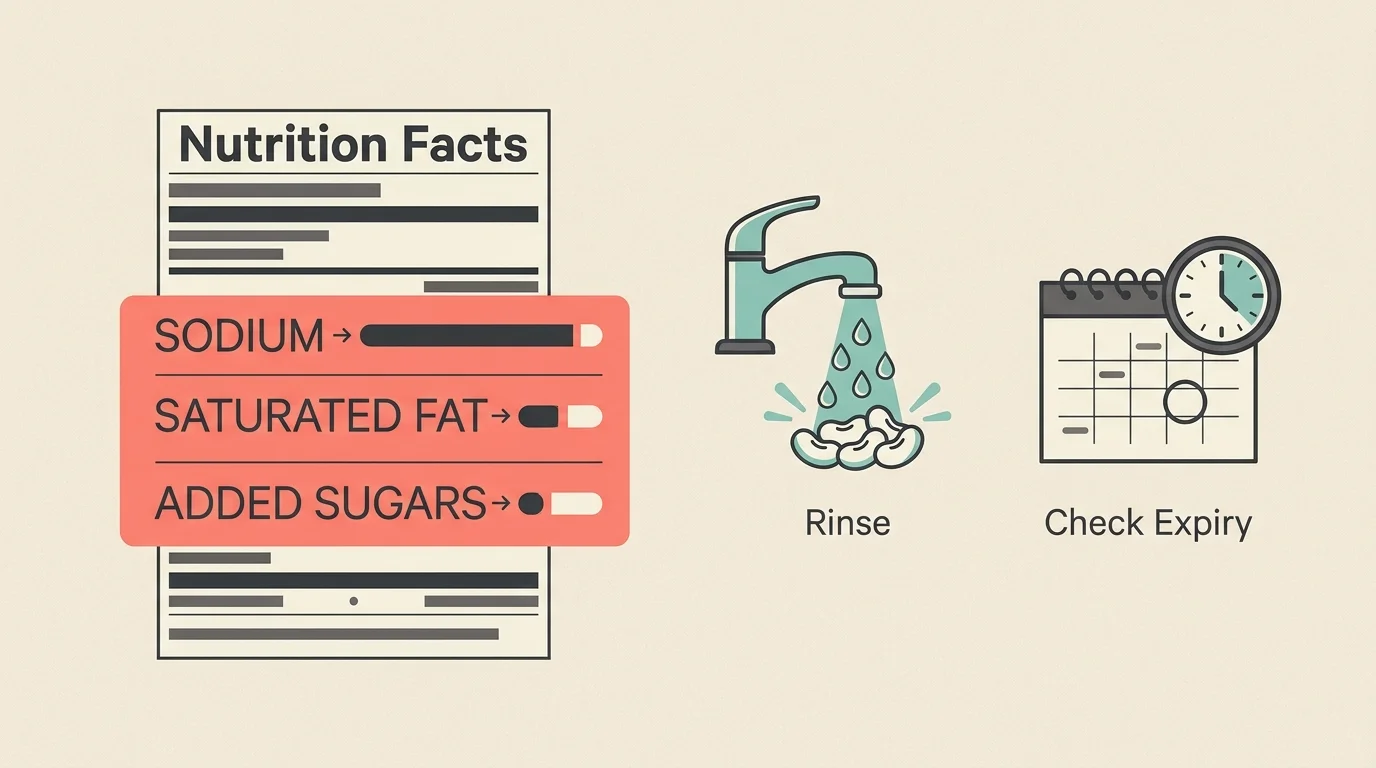
While convenient meals drastically simplify your life, you must remain vigilant about food safety and nutritional content. Sodium naturally acts as a preservative, meaning many packaged foods contain high levels of salt to extend their shelf life in the grocery store. Consuming excessive sodium forces your heart to work harder and raises your blood pressure, which significantly increases your risk for cardiovascular disease. Always read the nutrition facts panel on the back of any package. Look for items strictly labeled “low sodium” or “no salt added,” and aim to keep your total daily sodium intake well below the specific limits set by your physician.
Foodborne illness poses a much greater threat to older adults because your immune system naturally weakens over time. Listeria, a particularly dangerous bacteria, can occasionally contaminate deli meats, prepared salads, and pre-packaged foods. To protect yourself, always ensure your home refrigerator maintains a steady temperature of 40 degrees Fahrenheit or below. When you bring prepared foods home from the supermarket, immediately place them in the refrigerator; never leave perishable items sitting on your kitchen counter for more than two hours. If you choose to reheat any prepared foods, use a food thermometer to guarantee the internal temperature reaches a completely safe 165 degrees Fahrenheit.
Finally, pay close attention to the expiration and “use-by” dates printed on all grocery store packaging. Treat these dates as firm rules rather than gentle suggestions. If a sealed package of deli meat looks unnaturally puffy, a bagged salad smells unusually sour, or a container of prepared soup shows visible signs of mold, discard the item immediately. Never risk your health trying to salvage spoiled food to save a few dollars. Practicing excellent food hygiene ensures that your reliance on healthy grocery shopping remains a purely positive, stress-free aspect of your wellness routine.
When to Speak with a Healthcare Professional
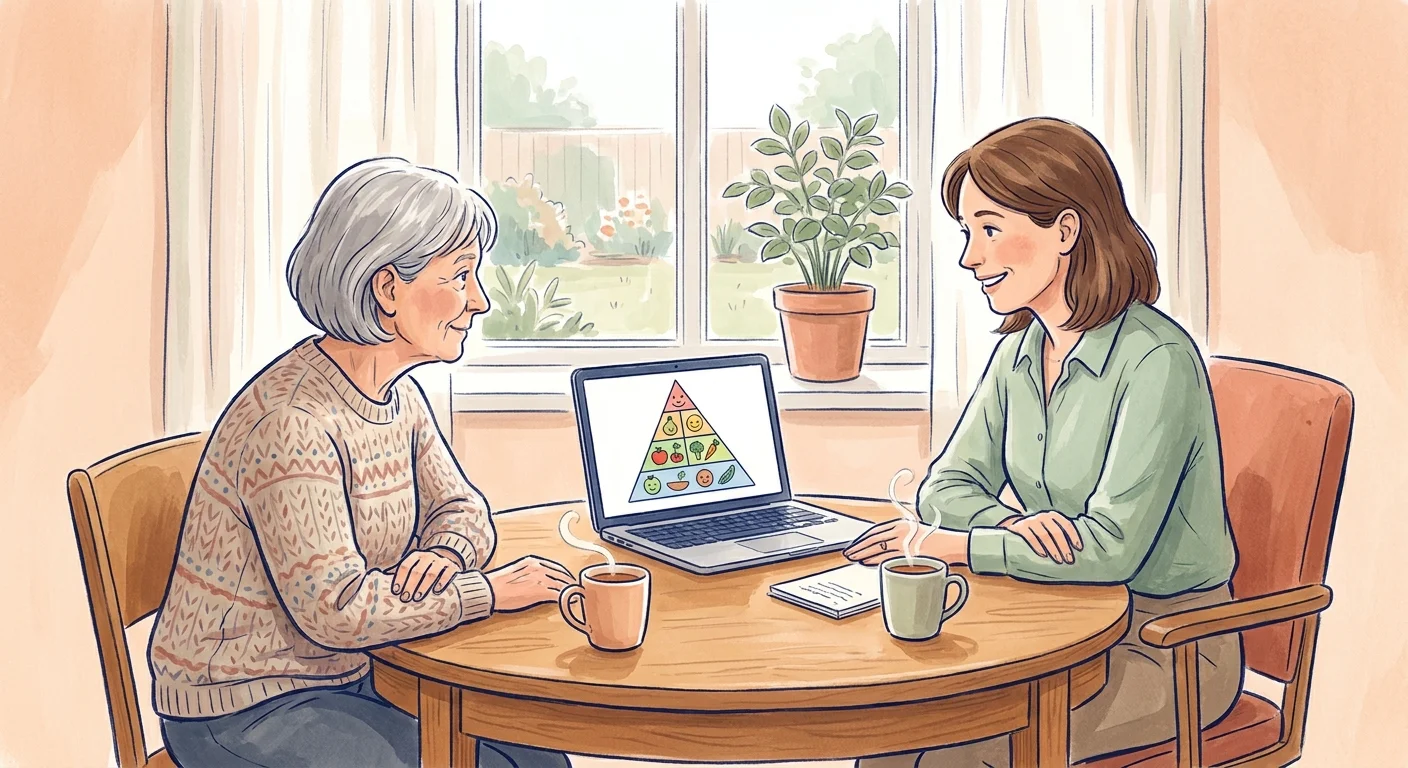
While incorporating nutritious grocery meals into your daily routine offers numerous physical and mental benefits, you must remember that diet alone cannot cure underlying medical issues. This article is for informational purposes only and does not serve as a substitute for professional medical advice. You should always consult your doctor before making significant changes to your diet, especially if you manage chronic conditions such as diabetes, chronic kidney disease, or congestive heart failure. These specific conditions often require highly monitored dietary interventions that go far beyond general healthy eating guidelines.
Speak with your healthcare provider immediately if you experience a sudden, unintentional drop in your body weight or a complete loss of your appetite. These specific symptoms can indicate underlying health complications that require prompt medical evaluation. Furthermore, if you find yourself frequently coughing while eating, struggling to swallow your food safely, or experiencing pain during meals, ask your doctor for a referral to a speech-language pathologist. They can thoroughly assess your swallowing function and recommend specific food textures to keep you safe from choking. Your physician remains your most valuable partner in navigating your health journey.
For authoritative, trustworthy health information, always consult official sources like the National Institute on Aging (NIA) and MedlinePlus from the National Library of Medicine. The CDC also provides excellent resources for older adults.
Frequently Asked Questions
Are frozen meals actually healthy for older adults?
Many frozen meals offer excellent nutritional value, provided you choose them carefully. The freezing process naturally preserves the vital vitamins and minerals in vegetables and proteins without the need for chemical preservatives. However, many traditional frozen dinners contain massive amounts of sodium and saturated fat to enhance their flavor and shelf life. When shopping for frozen grocery meals, strictly look for options that feature lean proteins, whole grains, and minimal creamy sauces. Always review the nutrition label to ensure the meal safely aligns with your specific dietary needs.
How can I easily reduce the sodium in prepared grocery store foods?
You can drastically cut the sodium content in many prepared foods using a few incredibly simple techniques. If you purchase canned beans or vegetables, pour them into a colander and rinse them thoroughly under cold running water; this simple step washes away up to forty percent of the added sodium. When using packaged whole grains or rice blends, discard the included seasoning packet and flavor the grains yourself using herbs, garlic powder, and a dash of black pepper. Combining naturally low-sodium fresh foods with your prepared items also helps balance out the overall sodium density of your meal.
What is the best way to ensure I get enough protein without cooking raw meat?
You have plenty of high-protein options available that require absolutely zero cooking. Beyond rotisserie chicken and hard-boiled eggs, dairy products serve as fantastic, easily digestible protein sources. Greek yogurt and cottage cheese offer substantial amounts of protein and require only a spoon to enjoy. Canned fish—such as wild-caught salmon, chunk light tuna, and sardines—provides an incredible boost of both protein and heart-healthy omega-3 fatty acids. Simply open a can and serve it over your pre-washed greens or alongside some hearty whole-grain crackers for a complete meal.
Can I freeze grocery store deli items to make them last longer?
Yes, freezing deli items serves as an excellent strategy to prevent food waste, especially if you live alone and have a smaller appetite. You can easily freeze leftover rotisserie chicken, sliced deli meats, and even certain firm cheeses. To maintain their texture and quality, divide the food into single-serving portions and wrap them tightly in plastic wrap before placing them into a heavy-duty freezer bag. Squeeze out as much air as possible to prevent freezer burn. When you feel ready to eat them, simply transfer a specific portion to your refrigerator and allow it to thaw safely overnight.
Disclaimer: This article is for informational purposes only and does not constitute medical advice. Always seek the advice of your physician or other qualified health provider with any questions you may have regarding a medical condition.