
Spotting subtle changes in your mouth gives you a powerful head start on protecting your entire body from serious systemic conditions. When you recognize the early signs of gum disease, you gain a vital window into your broader health profile, allowing you to take action before minor irritations become major medical events. Your oral health serves as a dynamic mirror reflecting your cardiovascular function, immune response, and even your metabolic stability. By paying close attention to minor shifts in how your gums look and feel, you empower yourself to preserve your natural smile while safeguarding your heart and mind. Taking control of your dental hygiene ultimately supports your long-term independence and vitality.
Understanding the Basics of Gum Disease for Seniors
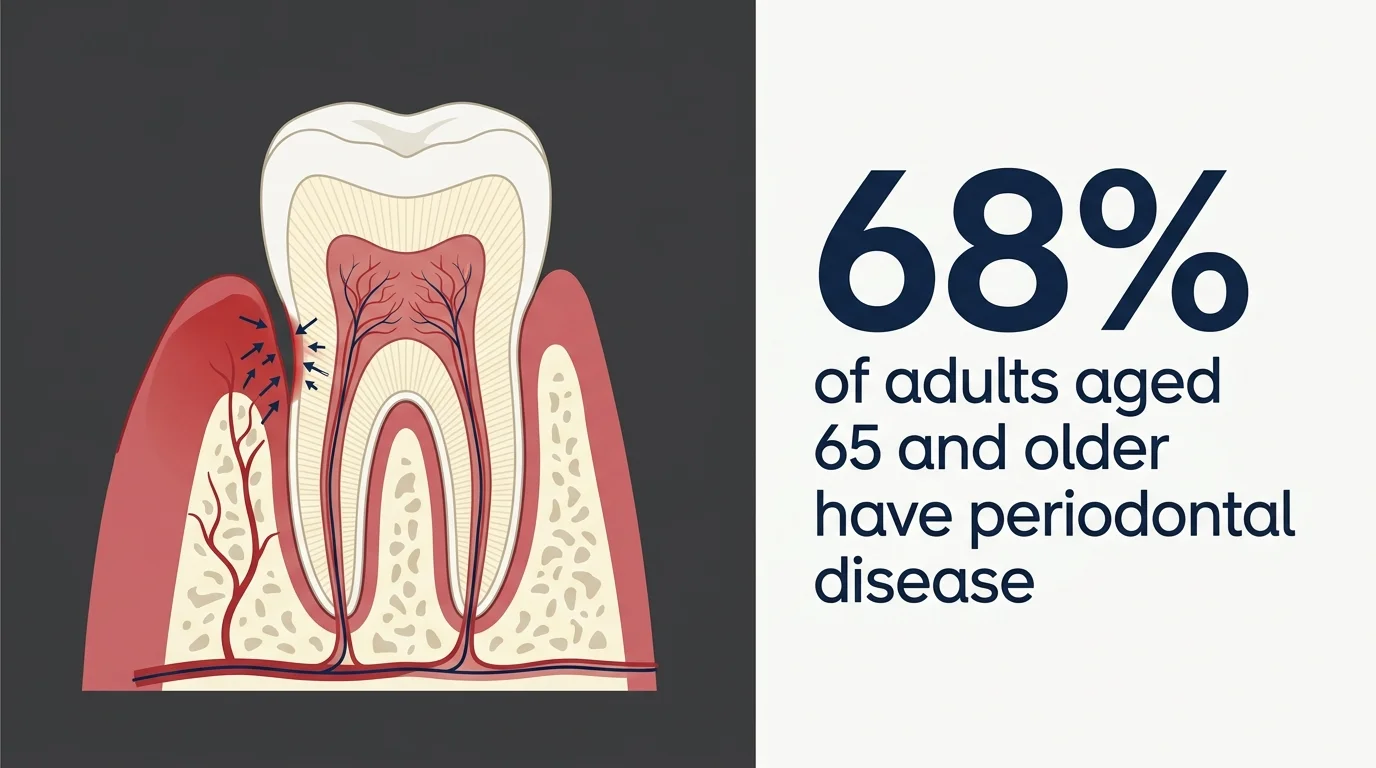
Viewing dental care solely as a cavity prevention strategy ignores the profound and well-documented connection between your mouth and your entire body. For decades, researchers have studied the oral-systemic link, which confirms that the health of your gums directly impacts your overall physical well-being. Periodontal disease, commonly known as gum disease, begins when plaque—a sticky film of bacteria—accumulates on your teeth and hardens into tartar. Over time, these bacterial deposits irritate the soft gingival tissues, triggering an inflammatory response that can degrade the structures holding your teeth securely in place.
As you age, your mouth undergoes natural biological changes that make you more vulnerable to this bacterial buildup. The Centers for Disease Control and Prevention reports that approximately 68 percent of adults aged 65 and older have some form of periodontal disease. This high prevalence stems from a combination of factors, including cellular aging, reduced saliva production, and cumulative wear and tear on dental restorations. Furthermore, age-related changes in your immune system can alter how your body responds to the presence of oral bacteria, often leading to prolonged, low-grade inflammation rather than a swift, decisive immune response.
The true danger of gum disease lies in its ability to breach the barrier between your mouth and your bloodstream. When your gums are infected, microscopic ulcerations form inside the gum pockets. Everyday activities like chewing your food or brushing your teeth can push harmful oral bacteria through these tiny wounds and into your circulatory system. Once in the bloodstream, these pathogens can travel to your heart, brain, and joints, exacerbating existing chronic conditions and sparking new systemic inflammation. By understanding this biological mechanism, you can prioritize proactive senior dental care as a fundamental pillar of your healthy aging strategy.
Practical Tips for a Healthier, Happier Life
Monitoring your mouth for subtle changes represents one of the most effective ways to intercept health complications early. Because gum disease often progresses silently in its initial stages, you must become an active observer of your own oral landscape. By identifying the following seven gum disease signs, you can implement targeted, practical routines to improve both your oral health and your systemic vitality.
1. Bleeding Gums When You Brush or Floss
You should never consider bleeding gums a normal consequence of brushing or flossing. Just as you would feel concerned if your scalp bled every time you combed your hair, you should view pink-tinged toothpaste as a clear warning sign of gingival inflammation. When plaque accumulates near the gumline, it triggers an immune response that makes the blood vessels in your gums swell and become exceptionally fragile. This fragility causes the tissue to rupture under the lightest pressure. Systemically, chronic bleeding provides a direct pathway for oral bacteria to enter your bloodstream, a process closely linked to atherosclerosis—the hardening of the arteries that forces your heart to work much harder.
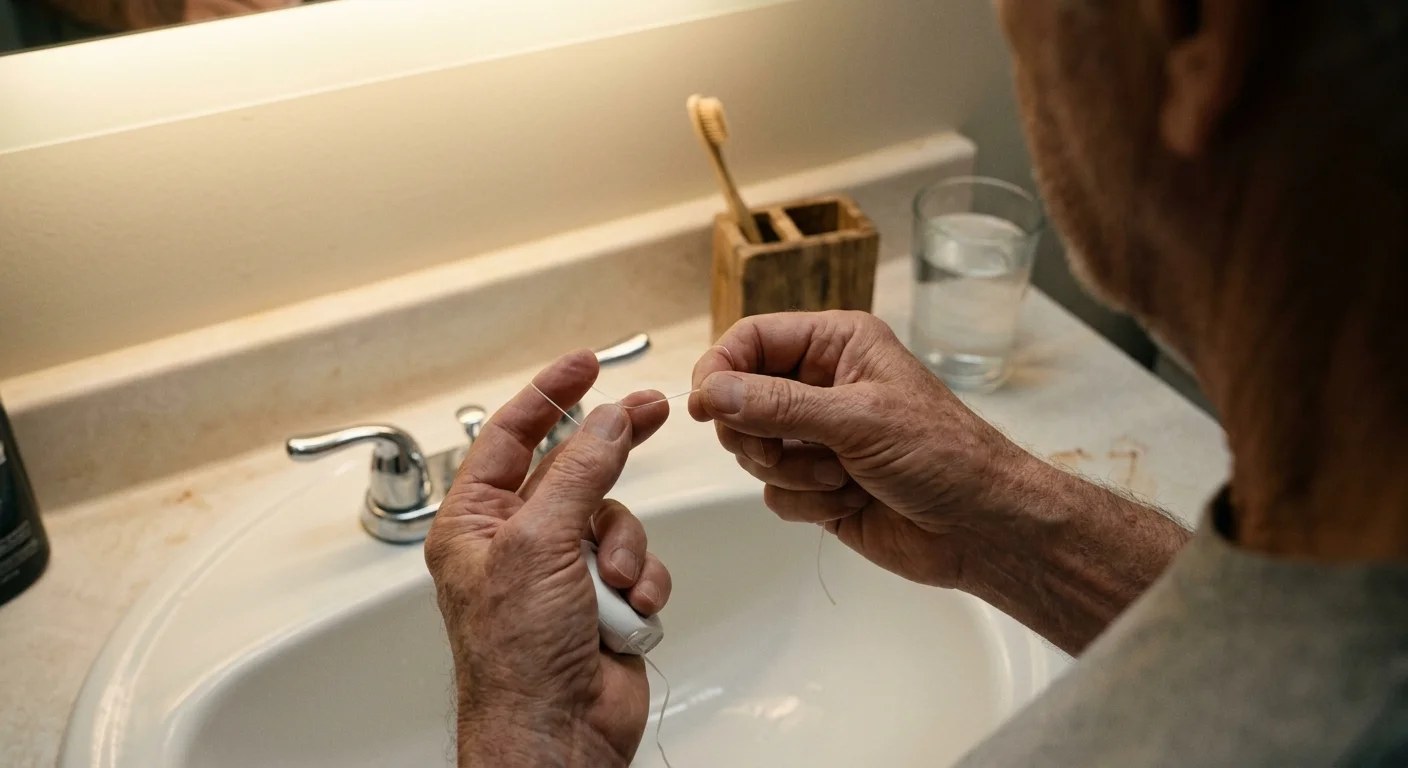
To address this issue practically, switch immediately to a toothbrush with extra-soft bristles. Many older adults mistakenly believe that aggressive scrubbing with firm bristles cleans teeth better, but this habit actually shreds delicate gum tissue and accelerates damage. Hold your brush at a 45-degree angle toward the gumline and use gentle, circular massaging motions rather than harsh back-and-forth sawing. Additionally, consider incorporating a water flosser into your daily routine. Water flossers use a pulsed stream of water to flush out bacteria from deep pockets gently, reducing bleeding and inflammation without the friction caused by traditional string floss.
2. Gums That Are Pulling Away from Your Teeth
If your teeth appear longer than they used to, or if you notice a distinct notch where the tooth meets the gum, you are likely experiencing gum recession. Receding gums expose the delicate root surfaces of your teeth, which lack the protective enamel coating found on the crowns. This exposure not only increases your risk for rapid root decay but also signals potential underlying bone loss. In older adults, receding gums frequently correlate with osteopenia or osteoporosis. As your body loses skeletal bone density, the jawbone that supports your gums also weakens, causing the soft tissue to pull back and recede.
Protecting your gums from further recession requires a combination of nutritional support and modified hygiene habits. Ensure you consume adequate amounts of calcium and Vitamin D to support overall bone density; dark leafy greens, dairy products, and fortified plant milks offer excellent dietary sources. When brushing, let the tips of the bristles do the work, and avoid pressing the brush head forcefully against your teeth. If you notice rapid or severe recession, request a comprehensive periodontal evaluation from your dentist, and discuss a bone density screening with your primary care physician to assess your systemic skeletal health.
3. Persistent Bad Breath or a Sour Taste
Occasional morning breath happens to everyone, but persistent halitosis that lingers even after thorough brushing indicates a deeper issue. Chronic bad breath or a constant sour taste in your mouth usually stems from volatile sulfur compounds produced by bacteria hiding in deep periodontal pockets. These bacteria thrive in environments devoid of oxygen, making the spaces beneath infected gums their ideal breeding ground. For seniors, a heavy load of these specific oral bacteria poses a serious risk to respiratory health. Inhaling these pathogens during sleep drastically increases your risk of developing aspiration pneumonia, a significant and dangerous lung infection.
To combat bacteria-driven halitosis, you must clean beyond the surfaces of your teeth. Purchase a dedicated tongue scraper and gently sweep it from the back of your tongue to the front every morning to remove the bacterial coating that harbors sulfur compounds. If you wear partial or full dentures, remove them every night and clean them meticulously; porous acrylic materials easily trap odor-causing bacteria. Finally, stay consistently hydrated throughout the day. Water helps wash away food particles and dilutes the concentration of sulfur compounds, keeping your breath fresher and your lungs safer.
4. Unusual Dryness in Your Mouth
While dry mouth—medically known as xerostomia—is technically a contributing factor rather than a direct symptom of gum disease, the two are inextricably linked. Saliva serves as your mouth’s natural washing machine, neutralizing bacterial acids and delivering essential minerals to your tooth enamel. When your mouth becomes chronically dry, plaque accumulates rapidly, and gum tissue quickly becomes inflamed. In older adults, dry mouth most frequently results from the side effects of necessary medications, including blood pressure stabilizers, diuretics, and antidepressants. It can also indicate the onset of autoimmune disorders, such as Sjögren’s syndrome, which attacks the moisture-producing glands.
Managing dry mouth requires continuous, proactive moisture replenishment. Keep a reusable water bottle beside you and sip water constantly throughout the day, ensuring the fluid washes over your teeth and gums. Avoid relying on sugary hard candies or mints to stimulate saliva, as the sugar will aggressively feed the plaque bacteria and trigger rapid tooth decay. Instead, look for over-the-counter saliva substitutes and moisturizing mouth gels formulated specifically for dry mouth relief. If your dry mouth remains severe, schedule a consultation with your doctor to review your prescriptions; sometimes, a simple dosage adjustment can restore your natural salivary flow.
5. Teeth Feeling Loose or Shifting Out of Place
Experiencing a sensation that your teeth are moving, turning, or spreading apart points to advanced periodontitis. This structural shifting occurs because chronic inflammation has begun destroying the periodontal ligament and the surrounding alveolar bone that anchor your teeth into your jaw. From a systemic perspective, loose teeth share a profound, bidirectional relationship with uncontrolled Type 2 diabetes. High blood sugar spikes the glucose levels in your saliva, feeding destructive oral bacteria. Simultaneously, the severe inflammation in your gums makes it significantly harder for your body to utilize insulin effectively, trapping you in a dangerous cycle of worsening diabetes and accelerating gum disease symptoms.
If you notice any mobility in your teeth, you must seek professional periodontal care immediately, as this stage of disease requires structural intervention. In the meantime, avoid biting into hard, crunchy, or exceptionally chewy foods that place excessive mechanical stress on weakened dental roots. Stick to a nutrient-dense diet of softer foods like steamed vegetables, baked fish, and soft fruits to minimize trauma to the mobile teeth. Most importantly, work closely with your endocrinologist to monitor and stabilize your A1C levels, as controlling your systemic blood sugar represents the most crucial step in halting further bone destruction.
6. Red, Swollen, or Exceptionally Tender Gums
Healthy gums possess a firm texture and a pale, stippled pink appearance. If your gums look dark red, feel puffy to the touch, or throb with a dull ache, you are looking at active, localized inflammation. This chronic inflammatory state in your mouth actively contributes to your body’s overall systemic inflammatory burden. Emerging research draws a compelling line between the chronic inflammation of severe gum disease and cognitive decline. Studies have found traces of specific periodontal bacteria in the brain tissue of Alzheimer’s patients, suggesting that prolonged oral inflammation may accelerate neurological degradation and aggravate conditions like rheumatoid arthritis.
Managing this inflammation requires a holistic approach to your daily diet and home care. Incorporate anti-inflammatory foods rich in omega-3 fatty acids, such as wild-caught salmon, chia seeds, and walnuts, to help your body modulate its immune response naturally. When you experience acute tenderness in your gums, dissolve a half-teaspoon of salt in a glass of warm water and rinse gently for thirty seconds; the warm saltwater acts as a natural, soothing astringent that draws out localized swelling. Avoid using strong, alcohol-based mouthwashes, as the alcohol will burn tender tissues and strip away the protective mucus layer of your mouth.
7. Changes in How Your Bite Feels or Dentures Fit
Your teeth and jaw form a precisely calibrated mechanical system. When advanced gum disease erodes the underlying bone, the entire foundation of this system shifts. You might notice that your upper and lower teeth no longer meet evenly when you chew, or you may discover that a previously comfortable partial denture now rubs painfully against your palate. These physical changes indicate significant structural alterations in your jawbone. Such structural shifts often highlight broader nutritional deficiencies, particularly a lack of the protein, vitamins, and minerals required for cellular repair and bone maintenance.
Never attempt to adjust the fit of a dental appliance yourself, and avoid using excessive amounts of denture adhesive to force a failing appliance to stay in place. Overusing adhesive can alter your bite further and cause severe gastrointestinal distress if swallowed in large quantities. Instead, schedule an appointment with a prosthodontist or your general dentist for a professional reline or bite adjustment. Simultaneously, evaluate your daily nutritional intake to ensure you consume enough high-quality protein—such as lean poultry, eggs, or legumes—which your body desperately needs to repair damaged gingival tissues and maintain structural integrity.

Important Safety Precautions to Keep in Mind
As you take charge of your oral health, you must navigate a few essential safety precautions to prevent accidental harm. First, exercise extreme caution when purchasing over-the-counter dental products. Many commercial mouthwashes contain high concentrations of alcohol, which desiccate your oral tissues and drastically worsen dry mouth. Always read labels carefully and select products explicitly marked as alcohol-free or formulated specifically for sensitive gums. Similarly, avoid harsh whitening toothpastes, as they contain abrasive silicas that can scrub away your protective enamel and permanently damage receding gumlines.
Furthermore, do not rely on topical numbing gels containing benzocaine to manage chronic gum pain. While these gels offer temporary relief, they effectively mask the pain of a severe, underlying infection, allowing a potentially dangerous abscess to grow unnoticed. Finally, adapt your physical environment to ensure safe and effective hygiene routines. If arthritis limits your hand dexterity, purchase an electric toothbrush with a thick, ergonomic handle that requires less grip strength. If you struggle with balance or vertigo, sit down comfortably at your vanity or bathroom stool while performing your oral care to prevent dangerous falls and ensure you can take your time cleaning thoroughly.

When to Speak with a Healthcare Professional
While establishing a robust daily home care routine forms the foundation of excellent oral health, certain symptoms require immediate professional intervention. You should contact your dentist promptly if you notice pus oozing from the gumline, experience a sudden and severe increase in tooth mobility, or develop swelling that extends from your gums into your cheek, jaw, or neck. Additionally, if oral pain is accompanied by a systemic fever or chills, you must seek emergency medical care, as this combination indicates that a localized infection has entered your bloodstream.
Always maintain open lines of communication between your dental professionals and your primary care physician. Because gum disease acts as a catalyst for broader health issues, your doctor needs to know if you are managing active periodontal disease, just as your dentist needs a complete and updated list of your medical conditions and current prescriptions. This collaborative approach ensures that your healthcare team can provide safe, comprehensive guidance tailored precisely to your unique physical needs.
Frequently Asked Questions
Can gum disease be reversed at an older age?
The ability to reverse gum disease depends entirely on its stage of progression, not on your age. The earliest stage, known as gingivitis, involves only the soft tissue and is completely reversible through professional dental cleanings and diligent, daily home care. However, once the condition progresses to periodontitis—where the underlying bone and connective tissues have been destroyed—the structural damage is permanent without surgical intervention. Fortunately, even advanced periodontitis can be successfully halted and strictly managed through specialized deep cleanings, preventing further bone loss and stabilizing your systemic health.
How often should older adults visit the dentist?
While the standard recommendation suggests visiting the dentist twice a year, many older adults require a more frequent schedule. If you have a history of periodontitis, or if you manage chronic systemic conditions like diabetes or cardiovascular disease, your dentist will likely recommend periodontal maintenance visits every three to four months. This accelerated schedule prevents aggressive oral bacteria from repopulating the deep pockets around your teeth, ensuring the infection remains controlled and reducing the inflammatory burden on your entire body.
Are electric toothbrushes safer for aging gums?
Yes, electric toothbrushes are generally much safer and far more effective for aging gums than manual brushes. High-quality electric brushes use sonic vibrations or oscillating heads to disrupt plaque biofilm with minimal physical effort, drastically reducing the urge to aggressively scrub your teeth. This gentle action protects delicate, receding gums from friction damage. Furthermore, electric toothbrushes provide a substantial ergonomic advantage for seniors living with osteoarthritis in their hands, wrists, or shoulders, allowing for a thorough cleaning without physical strain.
Does Medicare cover treatments for severe gum issues?
Traditional Original Medicare (Parts A and B) generally does not cover routine dental care, including cleanings, fillings, or standard periodontal treatments. However, Medicare may cover specific dental services if they are considered medically necessary prerequisites for another covered procedure, such as a heart valve replacement. To secure coverage for ongoing gum disease management, many seniors choose to enroll in specific Medicare Advantage (Part C) plans that include comprehensive dental benefits, or they purchase standalone supplemental dental insurance policies designed to offset the costs of regular periodontal care.
For authoritative, trustworthy health information, always consult official sources like the National Institute on Aging (NIA) and MedlinePlus from the National Library of Medicine. The CDC also provides excellent resources for older adults.
Disclaimer: This article is for informational purposes only and does not constitute medical advice. Always seek the advice of your physician or other qualified health provider with any questions you may have regarding a medical condition.