
Your thyroid gland dictates how your body uses energy, meaning a subtle dysfunction can quickly disrupt your daily vitality and overall aging wellness. Recognizing the signs of an underactive or overactive thyroid empowers you to address unexplained fatigue, unexpected weight shifts, or sudden mood changes before they severely impact your quality of life. Because thyroid symptoms in older adults often mimic the standard signs of aging, many cases go undiagnosed for years. By learning to identify these five crucial physical and emotional shifts, you can take immediate action to protect your hormonal health. Let us explore exactly what to watch for so you can maintain the vibrant, active lifestyle you deserve.
Understanding the Basics of Thyroid Health for Seniors
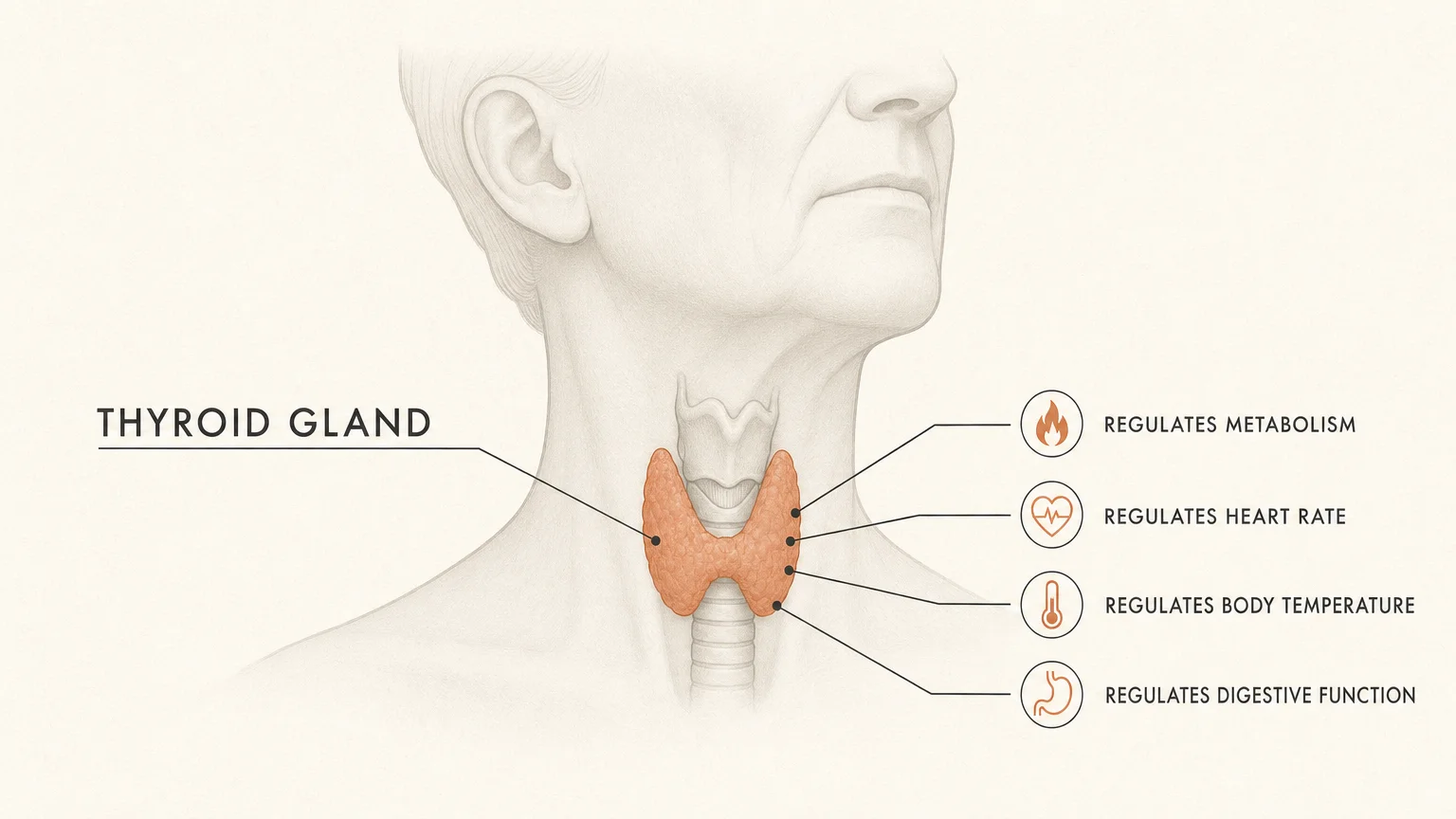
Your thyroid is a small, butterfly-shaped gland resting comfortably at the base of your neck, yet it holds immense power over your entire physical system. It produces specific hormones—primarily thyroxine and triiodothyronine—that directly regulate your metabolism, heart rate, body temperature, and digestive function. Think of your thyroid gland as the master conductor of an intricate biological orchestra; when it keeps the correct tempo, your bodily systems work in perfect, effortless harmony. However, when the conductor slows down or speeds up unprompted, the resulting physical and emotional dissonance can drastically reduce your quality of life and interfere with your daily activities.
As you enter your sixties and beyond, your risk of developing thyroid disorders naturally increases. Medical data suggests that thyroid dysfunction affects a significant portion of the senior population, particularly women, though men are certainly not immune to these changes. What makes senior health so complex in this regard is the subtle, often misleading nature of the symptoms. A younger person with an underactive thyroid might experience severe, classic symptoms that quickly point a doctor toward the correct diagnosis. In contrast, an older adult might only display mild cognitive changes, a slight decrease in energy, or vague joint discomfort. Healthcare professionals frequently refer to this phenomenon as atypical presentation, which unfortunately means that thyroid issues in seniors are frequently misdiagnosed as routine consequences of growing older.
The two primary thyroid conditions you need to understand are hypothyroidism and hyperthyroidism. Hypothyroidism occurs when your gland fails to produce enough hormones, causing your metabolic processes to slow down drastically. Hyperthyroidism represents the exact opposite scenario; your gland produces an excess of hormones, pushing your bodily systems into dangerous overdrive. Both conditions carry significant implications for your aging wellness, impacting everything from your cardiovascular stability to your emotional well-being. Recognizing these disorders requires deep vigilance, as blaming your physical symptoms on simple aging remains a common and dangerous trap. By understanding how your thyroid operates and staying alert to the physical signs your body sends you, you empower yourself to advocate for proper diagnostic testing and timely medical intervention.


Practical Tips for a Healthier, Happier Life
Listening to your body represents the most effective strategy for maintaining your hormonal health as you age. Your body communicates its needs through specific physical and emotional signs, and understanding this biological language can help you catch a thyroid disorder early. Below, we detail the five most common signs that your thyroid might be struggling, along with actionable, practical tips to help you gently manage these changes while you seek professional guidance.
Sign 1: Unexplained Changes in Your Weight and Appetite
When your thyroid slows down—a condition known as hypothyroidism—your metabolic rate drops right alongside it. This metabolic decline means your body burns significantly fewer calories at rest, which frequently leads to unexplained weight gain even if your eating habits remain entirely unchanged. Conversely, an overactive thyroid accelerates your metabolism to an unnatural and exhausting pace. You might find yourself losing weight rapidly despite experiencing a ravenous appetite and eating much larger portions than usual. For seniors, these sudden weight fluctuations pose unique physiological challenges. Unintended weight loss can compromise your vital muscle mass and reduce your bone density, severely increasing your risk of falls. Meanwhile, rapid weight gain places severe additional stress on your aging joints and your cardiovascular system.
If you notice your clothes fitting differently without any intentional changes to your diet or physical activity, your thyroid might be the underlying culprit. The most practical action you can take today involves keeping a simple, daily journal. Record your daily meals, your level of physical activity, and your weekly weight. This physical record provides invaluable, concrete data for your healthcare provider and helps you identify genuine patterns rather than minor daily weight fluctuations. Furthermore, focus on consuming nutrient-dense whole foods that naturally support your metabolic health, such as lean proteins, fresh vegetables, and whole grains, rather than attempting restrictive fad diets to force your weight back to normal.
Sign 2: Persistent Fatigue and Muscle Weakness
Feeling reasonably tired after a long day of gardening or playing with your grandchildren is perfectly normal; however, waking up exhausted after a full eight hours of sleep is not. Hypothyroidism frequently causes a profound, heavy fatigue that resting simply cannot cure. Your cells require thyroid hormones to generate functional energy, and without an adequate supply, your entire body feels drained and sluggish. You might also experience localized muscle weakness, particularly in your thighs and shoulders, making it difficult to climb stairs, stand up from a low chair, or lift your arms above your head. On the other end of the spectrum, hyperthyroidism can cause fatigue through relentless overstimulation. Your body remains in a constant state of high alert, eventually leaving you completely exhausted and physically depleted.
To combat this energy drain while you investigate the root cause, prioritize gentle, consistent movement over strenuous exercise routines. Engaging in light activities like daily walking, water aerobics, or restorative yoga can actually help boost your energy levels without overtaxing your weakened muscles. Additionally, establish a strict sleep hygiene routine. Go to bed at the exact same time every night, keep your bedroom exceptionally cool and dark, and avoid looking at bright television or phone screens for at least an hour before you intend to sleep. Protecting your resting environment ensures your body has the best possible chance to heal and recover.
Sign 3: Noticeable Shifts in Your Mood and Mental Clarity
Mental health and hormonal health are intimately connected, particularly in older adults. A sluggish thyroid often reduces blood flow to the brain, which can manifest as persistent brain fog, sudden forgetfulness, and intense difficulty concentrating. You might struggle to recall familiar names or find yourself regularly losing your train of thought mid-sentence. In many cases, seniors with undiagnosed hypothyroidism develop severe depression that does not respond well to standard antidepressant medications. Conversely, an overactive thyroid floods your nervous system with excess energy, frequently triggering intense anxiety, uncharacteristic irritability, and sudden panic attacks.
Because these cognitive symptoms closely mirror the early signs of dementia or standard age-related memory decline, they require immediate attention. To protect your mental clarity, engage in daily cognitive exercises that stimulate your brain, such as reading complex novels, completing crossword puzzles, or learning a new creative hobby. Furthermore, practice open communication with your loved ones about your emotional state. If you feel unusually anxious or deeply sad, sharing these feelings can relieve your emotional burden and provide your family with important context regarding your health. Keep a mood tracker alongside your weight journal; tracking your emotional highs and lows helps your doctor differentiate between a primary mood disorder and a secondary symptom of a thyroid condition.
Sign 4: Alterations in Your Heart Rate and Circulation
Your cardiovascular system responds highly sensitively to the exact amount of thyroid hormone circulating in your bloodstream. If you have hyperthyroidism, your heart rate can become dangerously fast and irregular. You might experience unsettling palpitations, a pounding sensation in your chest, or a resting heart rate that stays consistently above one hundred beats per minute. This overstimulation places significant strain on your heart muscle and increases your risk for atrial fibrillation. Alternatively, hypothyroidism slows your heart rate down, sometimes dropping it to less than sixty beats per minute. It can also cause your blood pressure to rise and contribute to elevated cholesterol levels, slowly accelerating the buildup of plaque in your arteries.
Monitoring your cardiovascular health from home is a highly practical and empowering habit. Purchase a reliable home blood pressure monitor that also clearly displays your pulse. Take your readings at the exact same time each morning before you consume any coffee or take your morning medications. Write these numbers down in your daily health log. If you consume large amounts of caffeine, try gradually reducing your intake, as coffee and certain dark teas can exacerbate heart palpitations and mask the true nature of your resting heart rate. Always remember that any sudden, severe chest pain or shortness of breath requires immediate emergency medical attention, regardless of your thyroid status.
Sign 5: Uncharacteristic Sensitivity to Cold or Heat
Your thyroid acts as your body’s internal thermostat, carefully regulating your core temperature by controlling how your cells burn available energy. When your thyroid function drops, your cells burn fewer calories, generating significantly less heat. Consequently, you might find yourself shivering and reaching for heavy sweaters even when you are sitting in a perfectly warm room. Your hands and feet may feel perpetually like ice. Conversely, an overabundant supply of thyroid hormones shifts your internal furnace into severe overdrive. Seniors with hyperthyroidism often experience sudden hot flashes, excessive sweating, and a profound inability to tolerate warm summer weather or heated indoor environments.
Managing these temperature fluctuations safely requires a thoughtful approach to your environment and your wardrobe. Instead of drastically altering your home’s thermostat—which might make your living companions highly uncomfortable and drastically increase your energy bills—utilize the practical strategy of layered clothing. Wear multiple thin, breathable layers of natural fabrics like soft cotton or merino wool. This technique allows you to easily add or remove clothing as your internal temperature fluctuates throughout the day. If you struggle with feeling chronically cold, use heated blankets with automatic shut-off timers to ensure you stay warm safely without the risk of accidental burns. If heat intolerance is your primary struggle, keep a refreshing glass of ice water nearby and place cooling gel packs on the back of your neck to quickly lower your body temperature.

Important Safety Precautions to Keep in Mind
While implementing practical lifestyle adjustments can drastically improve your daily comfort, you must approach your thyroid health with appropriate caution. The internet is flooded with unverified remedies and aggressive dietary supplements promising to restore your thyroid overnight. For seniors, experimenting with these unproven treatments poses severe, tangible medical risks.
One of the most dangerous modern wellness trends involves taking high-dose iodine supplements or consuming excessive amounts of kelp and seaweed to support an underactive thyroid. While iodine is biologically essential for hormone production, your aging thyroid gland is highly sensitive to abrupt chemical changes. Introducing massive amounts of supplemental iodine into your system without strict medical supervision can actually trigger a dangerous worsening of your condition or initiate a severe autoimmune response. Always source your essential nutrients through a balanced, varied diet rather than concentrated, synthetic supplements.
If you already take prescription medication for your thyroid, such as levothyroxine, timing is absolutely critical to your safety and treatment success. Thyroid replacement hormones require a highly acidic stomach environment for proper cellular absorption. You must take this medication on an entirely empty stomach, accompanied only by a full glass of plain water, and wait at least one full hour before eating your breakfast or drinking your morning coffee. Furthermore, common senior supplements like calcium carbonates, iron pills, and even certain daily antacids physically bind to thyroid medication in your digestive tract, rendering the hormone completely useless. You must maintain a strict window of at least four hours between taking your thyroid pill and consuming these specific supplements. By strictly adhering to these crucial medication rules, you ensure your body receives the exact hormonal support it requires to keep you safe, stable, and energized.

When to Speak with a Healthcare Professional
Listening to your body is essential, but professional medical evaluation remains the only definitive way to safely diagnose and treat a thyroid disorder. The symptoms discussed above are compelling clues, but they frequently overlap with other common senior health conditions like cardiovascular disease, sleep apnea, or severe vitamin B12 deficiencies. Therefore, you should never attempt to self-diagnose or self-treat based solely on how you feel.
You should schedule a dedicated appointment with your primary care physician if you experience any of the five signs mentioned for more than a few consecutive weeks. Bring your daily journal detailing your weight changes, resting heart rate readings, and emotional shifts; this highly organized information provides your doctor with a clear, factual picture of your recent health trends. Your physician will likely order a simple blood panel that checks your Thyroid Stimulating Hormone (TSH) levels, alongside your Free T4 and Free T3 levels. These standard blood tests definitively reveal exactly how well your gland is functioning.
Please remember that certain symptoms require urgent, immediate medical care rather than a scheduled clinic appointment. If you experience a sudden, severely irregular heartbeat, intense chest pain, profound shortness of breath, extreme mental confusion, or an inability to stay awake, do not wait. Call emergency services immediately, as severe thyroid fluctuations can precipitate serious cardiac events and severe physical crises in older adults.
Frequently Asked Questions
Question: Can thyroid issues develop suddenly in my sixties, even if I have never had a problem before?
Answer: Absolutely. While some individuals battle thyroid conditions their entire lives, many older adults develop dysfunction quite suddenly in their sixties or seventies. Aging naturally alters your immune system, which can trigger late-onset autoimmune conditions like Hashimoto’s thyroiditis or Graves’ disease. Additionally, certain routine medications commonly prescribed to seniors, particularly specific heart rhythm drugs, can rapidly alter your thyroid function as a secondary side effect.
Question: What exactly is a TSH test, and what does it tell my doctor?
Answer: TSH stands for Thyroid Stimulating Hormone. Ironically, this specific hormone is not produced by your thyroid; it is produced by your pituitary gland located in your brain. Your pituitary gland constantly monitors the thyroid hormones circulating in your blood. If your levels are too low, your brain pumps out more TSH to stimulate your thyroid to work much harder. If your levels are too high, your brain stops releasing TSH. Therefore, an unusually high TSH level typically indicates an underactive thyroid, while a very low TSH level strongly suggests an overactive thyroid.
Question: Is it safe to start a new exercise program if I strongly suspect I have a thyroid disorder?
Answer: Gentle movement is generally safe and highly beneficial for your overall aging wellness, but you must proceed with abundant caution. If your thyroid is severely overactive, strenuous exercise can place dangerous additional strain on an already overworked heart muscle. If your thyroid is underactive, pushing your weakened muscles too hard can lead to painful injury and severe physical fatigue. Stick strictly to light stretching, leisurely outdoor walking, and gentle water exercises until your doctor officially evaluates your hormone levels and clears you for more rigorous physical activity.
For authoritative, trustworthy health information, always consult official sources like the National Institute on Aging (NIA) and MedlinePlus from the National Library of Medicine. The CDC also provides excellent resources for older adults.
Disclaimer: This article is for informational purposes only and does not constitute medical advice. Always seek the advice of your physician or other qualified health provider with any questions you may have regarding a medical condition.