
Protecting your health as you grow older requires a thoughtful approach to preventive care, and staying up to date on recommended vaccines for seniors stands as one of the most effective steps you can take. As your immune system naturally shifts over time, vaccines for adults over 60 provide targeted protection against serious respiratory illnesses, painful nerve conditions, and severe infections. Staying informed about your personalized senior vaccination schedule empowers you to maintain your independence, protect your loved ones, and enjoy an active, vibrant lifestyle. By understanding which immunizations for seniors doctors recommend today, you can make confident decisions with your doctor to safeguard your overall wellness.
Understanding the Basics of Vaccines for Seniors
As you age, your immune system undergoes a natural biological evolution known as immunosenescence. Over time, your body produces fewer naive immune cells and protective antibodies, making it somewhat more challenging for your system to fight off new viral and bacterial infections quickly. A simple respiratory illness that you easily shook off in your thirties can cause more widespread systemic inflammation, prolonged illness, and extended recovery downtime after age 60. Recognizing this natural transition allows you to adopt a proactive, empowered approach to health rather than waiting for illness to disrupt your life.
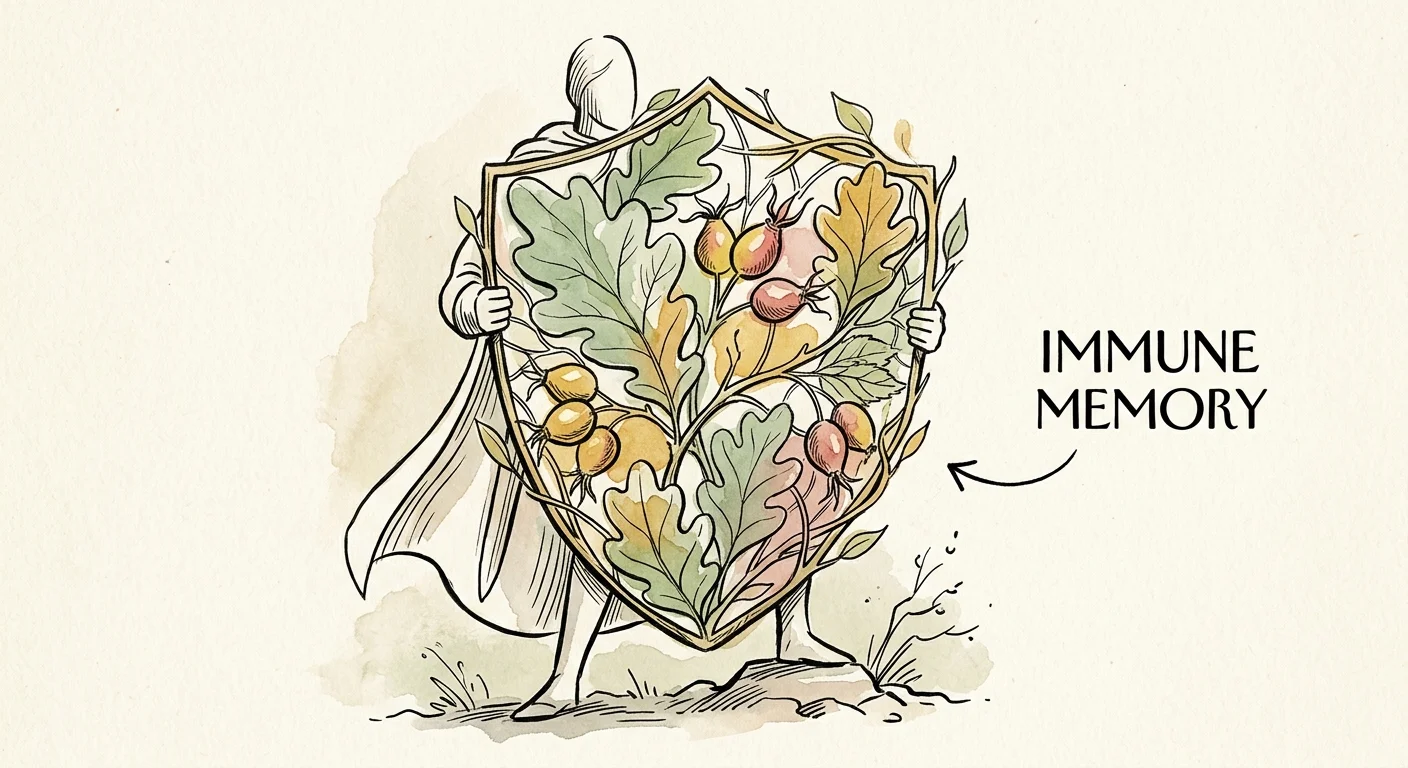
Modern immunizations for seniors work by providing your immune defense with a harmless, highly detailed training manual. When you receive vaccines for adults over 60, you present your immune system with harmless viral proteins or inactivated bacterial components; this prompts your white blood cells to build powerful memory cells and protective antibodies. If you encounter the wild virus or bacteria in your daily life, your body mobilizes defense forces instantly; this rapid response prevents the pathogen from taking hold, significantly lowering your risk of severe complications, hospital visits, or long-term disability.
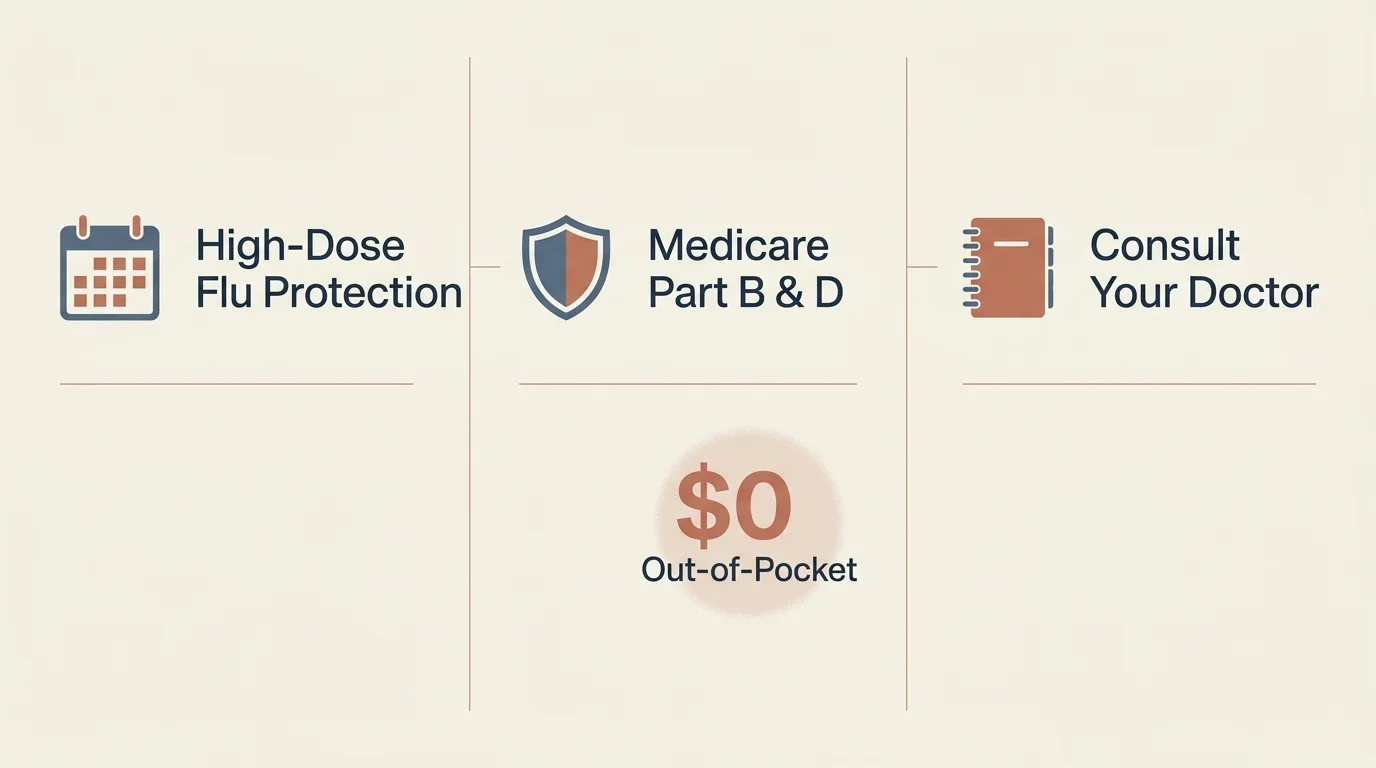
Embracing preventative immunizations forms a core pillar of a holistic senior lifestyle. Just as you prioritize nutrient-dense whole foods, gentle daily movement, stress management, and restorative sleep, maintaining an updated immunization routine protects your bodily vitality from preventable harm. Navigating the cost of these crucial shots has also become simpler than ever. Thanks to provisions in the Inflation Reduction Act, Medicare Part B covers your annual high-dose flu shot, seasonal COVID-19 vaccine, and pneumococcal immunizations with zero out-of-pocket copays. Simultaneously, Medicare Part D covers essential adult vaccines—such as the Shingrix shingles vaccine and Tdap boosters—at $0 out-of-pocket cost, removing financial friction from your wellness strategy.
Understanding your options gives you total agency over your long-term health trajectory. Public health agencies like the Centers for Disease Control and Prevention continuously update immunization guidelines based on rigorous clinical trials and real-world population data. By learning about the specific shots recommended for your age group and personal risk factors, you transform routine medical appointments into collaborative conversations with your doctor, ensuring your golden years remain active, healthy, and fulfilling.
Practical Tips for a Healthier, Happier Life
Taking concrete action to protect your immunity starts with knowing exactly which shots you need and when to get them. Medical organizations continuously refine guidelines to reflect new scientific developments, expanded age recommendations, and highly specialized vaccine formulations. Here is your comprehensive guide to the key vaccines recommended for older adults, along with practical steps to incorporate them seamlessly into your personal health routine.
1. Upgrade to High-Dose or Adjuvanted Flu Protection Every Autumn
Influenza poses serious health risks for older adults, often leading to secondary bacterial pneumonia or worsening heart and lung conditions. Because standard flu shots produce a milder antibody response in older immune systems, public health authorities specifically advise adults aged 65 and older to receive enhanced flu shots. You have three superior options: Fluzone High-Dose, Fluad (an adjuvanted vaccine), or Flublok (a recombinant vaccine). Fluzone High-Dose contains four times the antigen of a standard flu shot, while Fluad incorporates an immune-stimulating additive called MF59. Clinical trials confirm that these high-potency vaccines provide up to 24% greater protection against laboratory-confirmed influenza in older adults compared to standard options. Plan to receive your upgraded flu shot every year in late September or October before influenza spreads actively throughout your community.
2. Take Advantage of Expanded Pneumococcal Vaccine Guidelines
Pneumococcal bacteria cause severe infections, including bacterial pneumonia, blood infections, and meningitis. In October 2024, the CDC updated its routine pneumococcal recommendations, lowering the starting age for routine vaccination from 65 down to 50. This proactive change helps adults build protective immunity earlier in life. If you have not yet received a pneumococcal shot, you now have simplified, single-dose options. Your physician may recommend Capvaxive (PCV21), a breakthrough vaccine approved in 2024 specifically tailored for adults; Capvaxive covers 21 bacterial strains responsible for approximately 84% of invasive pneumococcal disease cases in adults aged 50 and older. Alternatively, your provider might recommend a single dose of PCV20 (Prevnar 20) or a two-step regimen of PCV15 followed by PPSV23. If you received older pneumonia vaccines years ago, ask your doctor if you require a modern booster dose.
3. Shield Your Lungs with the Respiratory Syncytial Virus (RSV) Vaccine
Respiratory Syncytial Virus (RSV) typically causes mild, cold-like symptoms in younger adults, but it can trigger dangerous lower respiratory infections, bronchitis, and severe asthma or COPD flare-ups in older adults. In June 2024, public health experts refined their RSV vaccination guidelines. The CDC now recommends a single dose of an RSV vaccine for all adults aged 75 and older, as well as for adults aged 60 to 74 who live with increased risk factors like chronic heart disease, lung conditions, or diabetes. Three FDA-approved RSV vaccines are currently available: Arexvy, Abrysvo, and mResvia. Unlike your annual seasonal flu shot, the RSV vaccine is currently classified as a one-time immunization—meaning you do not need to repeat it every single year.
4. Stop Shingles in Its Tracks with the Shingrix Series
If you ever had chickenpox, the varicella-zoster virus remains quietly dormant in your nerve tissues for life. As immune function gradually declines with age, this virus can reactivate as shingles—a painful, blistering rash that can cause debilitating long-term nerve pain known as postherpetic neuralgia. To prevent this painful condition, the CDC recommends a two-dose series of the Shingrix vaccine for all adults aged 50 and older, administered two to six months apart. Clinical studies show that Shingrix is over 90% effective at preventing shingles and postherpetic neuralgia across all age groups. Even if you previously received the older Zostavax vaccine or experienced a past shingles outbreak, completing the two-dose Shingrix series restores powerful, long-lasting immunity.
5. Keep Your Defense Robust with Updated COVID-19 Doses
COVID-19 remains an ongoing public health consideration, particularly for older individuals. Receiving an updated seasonal COVID-19 vaccine each autumn ensures that your immune system recognizes currently circulating viral variants. In October 2024, the CDC enhanced its protective guidance for older demographics, recommending that all adults aged 65 and older receive a second dose of the updated COVID-19 vaccine six months after their initial autumn shot. This second dose helps maintain elevated antibody levels throughout the spring and summer, shielding you against severe illness, hospitalization, and lingering cardiovascular complications.
6. Maintain Tetanus, Diphtheria, and Pertussis (Tdap) Boosters
Tetanus bacteria lurk in soil and dust, entering the body through minor skin punctures, scratches, or gardening injuries; pertussis (whooping cough) spreads easily through respiratory droplets. Public health guidelines recommend that every adult receive at least one lifetime dose of the Tdap vaccine, followed by a Td or Tdap booster every 10 years. Keeping your pertussis protection current is particularly essential if you spend quality time with infant grandchildren or young relatives, as adults with mild pertussis infections can unknowingly transmit this severe disease to vulnerable infants who have not completed their full childhood immunizations.
7. Organize Your Schedule and Utilize Same-Day Co-Administration
Staying organized makes managing your senior vaccination schedule simple and stress-free. You can safely combine multiple vaccinations during a single visit to save time and reduce clinic trips. For instance, safety data confirms that you can receive your annual high-dose flu vaccine and updated COVID-19 shot during the same appointment without compromising effectiveness or safety. Maintain a personal vaccine journal or keep digital health records on your smartphone listing the exact dates, locations, and brand names of every immunization you receive. Share this updated record during your annual wellness exam so your primary care team can keep your medical file synchronized.

Important Safety Precautions to Keep in Mind
While modern recommended vaccines for seniors demonstrate outstanding safety records through extensive research, keeping general safety guidelines in mind ensures a smooth, comfortable experience. Understanding common, expected side effects helps you approach vaccination with confidence. After receiving a shot, you may experience mild local reactions like temporary soreness, redness, or minor swelling at the injection site. You might also notice generalized symptoms like low-grade fatigue, mild headache, or light muscle aches for 24 to 48 hours. These short-lived symptoms are completely normal—they demonstrate that your immune system is actively responding to the vaccine and building durable defense mechanisms.
To alleviate minor arm discomfort after your appointment, place a clean, cool, damp washcloth over the injection area and keep your arm gently mobile throughout the day. Drinking plenty of water before and after your vaccination helps maintain hydration and supports cellular recovery. If you experience mild systemic aches or a low fever, talk with your doctor or pharmacist about taking over-the-counter discomfort relievers such as acetaminophen or ibuprofen. However, avoid taking pain medications preemptively before getting your vaccine, as some medical experts advise against pre-medication to ensure your immune system generates its unhindered initial response.
If you feel acutely ill with a moderate or high fever on the day of your scheduled immunization, consider rescheduling your appointment until you recover. While minor sniffling or mild allergies generally do not interfere with vaccination, waiting until you recover from acute illnesses allows your body to dedicate its full energetic resources toward generating protective antibodies. Furthermore, if you have a documented history of severe allergic reactions—such as anaphylaxis—to specific vaccine ingredients or previous shots, disclose this information to your healthcare provider before receiving any new injection. Individuals managing active autoimmune conditions, undergoing organ transplant therapy, or receiving chemotherapy should carefully time their vaccinations in close consultation with their medical specialists.

When to Speak with a Healthcare Professional
The information provided in this article serves to inform and empower you, but it should never replace personalized medical advice from a qualified healthcare professional. Every individual brings a distinct health profile, medical history, and set of lifestyle factors that shape medical care. Before beginning new vaccine series or modifying your current senior vaccination schedule, schedule a consultation with your primary care physician or geriatric specialist.
You should specifically consult your doctor or healthcare provider in the following clinical situations:
Managing Complex Chronic Conditions: If you live with chronic kidney disease, congestive heart failure, severe asthma, chronic obstructive pulmonary disease, or type 2 diabetes, your physician can guide you on precise timing and individual shot selection to optimize your protection.
Receiving Immunosuppressive Medical Therapies: If you undergo active cancer treatments, take high-dose corticosteroids, or receive biologic immunosuppressants, your specialist can create a safe, customized immunization timetable tailored to your treatment regimen.
Experiencing Unusual Post-Vaccination Reactions: Seek prompt medical evaluation if you encounter severe or unexpected symptoms after a shot, including a high fever exceeding 102°F, shortness of breath, facial or throat swelling, extensive hives, or persistent severe dizziness.
Reviewing Missing or Incomplete Records: If you lack clear records regarding childhood immunizations or adult boosters, your doctor can run blood antibody titer tests or recommend safe schedules to update your immunity against conditions like tetanus, shingles, or pneumococcal disease.
Navigating Multi-Dose Vaccine Timing: When receiving multi-dose regimens such as the two-dose Shingrix series, work directly with your clinic or local pharmacy to schedule reminders, ensuring you receive your second dose within the ideal two-to-six-month window for maximum protection.
Frequently Asked Questions
Q: Can I safely receive multiple vaccines, like my annual flu shot and updated COVID-19 vaccine, during the same doctor visit?
Yes, receiving multiple vaccines during a single visit is completely safe and effective. Extensive clinical data shows that getting your seasonal flu shot alongside your COVID-19 vaccine during the same appointment produces strong antibody responses for both viruses without increasing severe side effects. To maintain comfort, your healthcare provider can administer the injections in separate arms or space them apart in the same arm.
Q: Are all CDC-recommended vaccines for adults over 60 fully covered by Medicare?
Yes, under the Inflation Reduction Act, CDC-recommended adult immunizations are available to Medicare beneficiaries with $0 out-of-pocket copays. Medicare Part B covers your seasonal flu vaccine, annual COVID-19 doses, and pneumococcal shots with zero cost-sharing. Medicare Part D covers all other commercial adult vaccines—including the Shingrix shingles series and Tdap boosters—with no copay or deductible required.
Q: Is the RSV vaccine an annual shot that I will need to get every winter?
No, current public health guidelines categorize the RSV vaccine as a single-dose, one-time immunization rather than an annual shot. The CDC currently recommends one lifetime dose for all adults aged 75 and older, as well as for adults aged 60 to 74 who have underlying chronic health conditions. Ongoing medical surveillance will determine if booster shots become necessary in future years.
Q: Why do medical guidelines recommend high-dose flu shots specifically for adults over 65?
As your immune system matures, standard flu vaccines induce lower antibody levels than they do in younger adults. Specialized high-dose flu shots like Fluzone High-Dose contain four times the antigen of standard shots, while adjuvanted options like Fluad contain special additives that boost your body’s immune response. These enhanced formulations generate up to 24% better protection against flu-related illness and hospitalizations in seniors.
For authoritative, trustworthy health information, always consult official sources like the National Institute on Aging (NIA) and MedlinePlus from the National Library of Medicine. The CDC also provides excellent resources for older adults.
Disclaimer: This article is for informational purposes only and does not constitute medical advice. Always seek the advice of your physician or other qualified health provider with any questions you may have regarding a medical condition.