
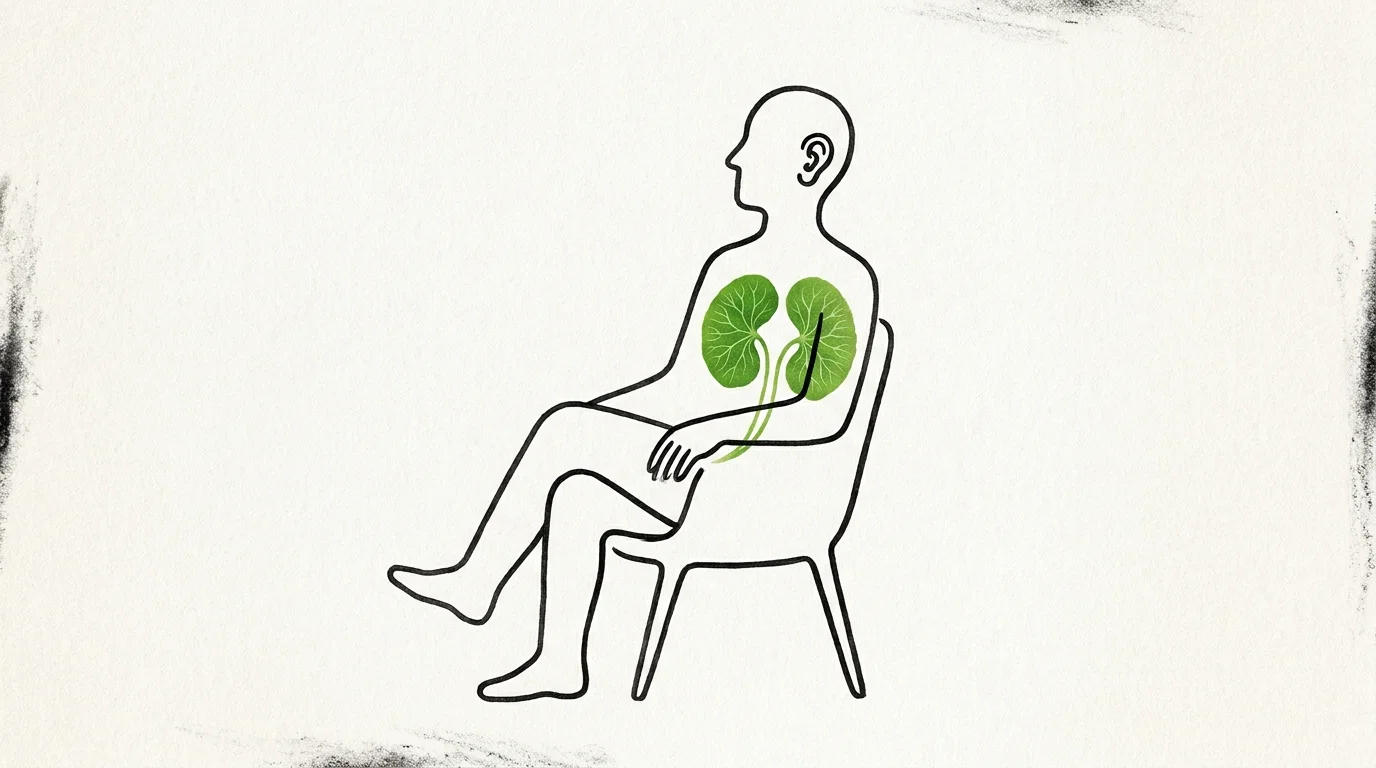
Listening to Your Body: Signs to Watch For
While physical activity offers incredible benefits for your longevity and kidney health, you must carefully tune into your body’s unique signals. Knowing how to differentiate between a productive, healthy workout and a serious medical warning sign keeps you safe and prevents unnecessary injuries.
When you begin a new exercise routine or slightly increase your walking distance, you will likely feel mild muscle soreness the following day. This dull, generalized ache simply means your muscles are adapting to the new workload and growing stronger.
However, you must stop exercising immediately if you experience sharp, localized pain in any joint or muscle. Sharp pain is a clear warning that you are risking a tear or a sprain.
Furthermore, you should pay close attention to the “Talk Test” during cardiovascular exercise. You should be breathing heavily but still capable of holding a basic conversation. If you find yourself gasping for air and unable to speak a full sentence, you are pushing your heart and lungs too hard.
Most importantly, if you notice an exacerbation of the early kidney warning signs discussed earlier—such as sudden, severe swelling in your feet immediately after a short walk, unexplainable dizziness, or profound shortness of breath—you must pause your routine.
Listen respectfully to what your body tells you. Rest when you feel fatigued, ensure you hydrate properly with water before and after your routine, and never attempt to bravely push through acute pain.
Consult your healthcare provider to adjust your exercise plan safely if any concerning symptoms arise.