
You can significantly improve your blood sugar regulation and cholesterol levels simply by incorporating more specific fruits into your daily routine. While vegetables frequently steal the spotlight in conversations about metabolic wellness, certain fruits possess unique biological compounds that deliver superior benefits for aging bodies. Berries, citrus, and stone fruits contain concentrated doses of specific flavonoids and soluble fibers that actively repair cellular function and enhance insulin sensitivity. This natural sweet bounty provides a dual advantage for your body; it satisfies your craving for something delicious while simultaneously delivering powerful antioxidants that vegetables often lack. By embracing these vibrant foods, you give your metabolism the precise tools it needs to thrive in your later years.
Understanding the Basics of Metabolic Health and Fruit for Seniors
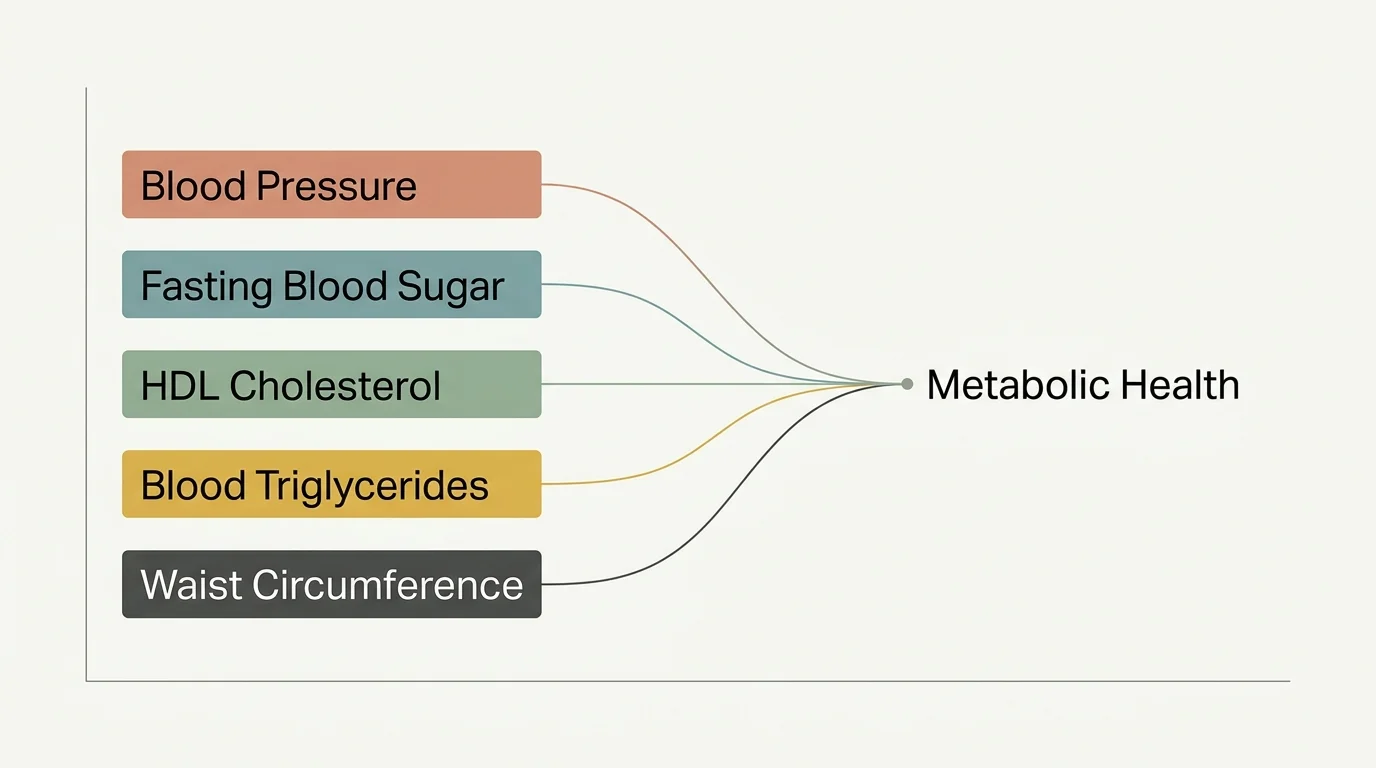
Metabolic health refers to how efficiently your body generates and utilizes energy at a cellular level. Medical professionals typically evaluate this by analyzing five primary markers: your blood pressure, fasting blood sugar levels, high-density lipoprotein (HDL) cholesterol, blood triglycerides, and waist circumference. When these critical markers drift out of a healthy range, your risk for cardiovascular complications and severe energy depletion rises exponentially. Maintaining optimal metabolic function becomes intensely important as you navigate your sixties and beyond; your body naturally experiences subtle biological slowdowns and fundamental shifts in how it processes daily nutrients.
Many older adults mistakenly fear fruit due to anxiety over sugar content, falsely believing that all sweet foods inevitably destroy metabolic health. This widespread misconception stems from confusing the highly refined, inflammatory sugars found in processed baked goods with the naturally occurring fructose encased within the cellular walls of whole fruits. When you consume a fresh apple or a bowl of berries, you ingest a complex matrix of hydrating water, essential vitamins, and dense dietary fiber. This robust fibrous structure drastically slows the entire digestive process; it ensures that the natural carbohydrates enter your bloodstream in a slow, steady trickle rather than a sudden, overwhelming rush that strains your pancreas.
Nutrition plays a foundational role in managing these complex internal processes, and this is exactly where the dynamic between fruits and vegetables becomes fascinating. While dark leafy greens and cruciferous vegetables remain an undeniable cornerstone of healthy eating, fruits offer distinct, targeted advantages that directly enhance metabolic efficiency. The unique phytochemicals present in brightly colored fruits act as sophisticated cellular messengers—they actively signal your nervous system to improve insulin response, reduce systemic inflammation, and regulate lipid metabolism. By understanding exactly how these specific fruits operate within your digestive tract, you can unlock a powerful, delicious dietary strategy for maintaining vibrant health throughout your senior years.

Practical Tips for a Healthier, Happier Life
1. Superior Soluble Fiber for Cholesterol Management
While most vegetables excel at providing insoluble fiber—the sturdy kind that adds bulk to your digestive tract—fruits truly shine when it comes to soluble fiber. Apples, pears, and citrus fruits are incredibly rich in a specific, highly active soluble fiber called pectin. When you consume pectin, it completely dissolves in your stomach acid to form a thick, gel-like substance. This specialized gel actively binds to circulating cholesterol particles and bile acids in your gut, safely escorting them out of your body before they can ever enter your bloodstream. Regular consumption of pectin-rich fruits provides a highly effective, natural method for lowering low-density lipoprotein (LDL) cholesterol. Managing these delicate lipid levels reduces the immense cardiovascular strain that often accompanies aging, allowing your metabolic engine to run smoothly without dangerous arterial blockages.
2. Unmatched Anthocyanin Density for Insulin Sensitivity
Dark, vibrant berries contain astonishing levels of anthocyanins; these are the powerful antioxidant compounds responsible for giving blueberries, blackberries, and dark cherries their stunning deep red and purple hues. While you might find trace amounts of anthocyanins in red cabbage or eggplant, the concentration in berries is vastly superior and much easier to consume daily. Clinical data demonstrates that these specific antioxidants actively improve insulin sensitivity by aggressively reducing oxidative stress on your cell membranes. When your cells become more receptive to insulin, your pancreas does not have to work nearly as hard to clear excess glucose from your blood. By consistently choosing these antioxidant-rich options, you actively protect your cellular infrastructure from the microscopic damage that ultimately leads to long-term metabolic dysfunction.
3. Instant Pre-Workout Energy to Fuel Metabolic Movement
Physical activity remains absolutely non-negotiable for a robust metabolism, particularly as we age and naturally begin to lose metabolically active muscle mass. To properly fuel a brisk morning walk, a lap swim, or a light resistance training session, your muscles require a readily available supply of glycogen. Vegetables generally lack the necessary carbohydrate structure to provide this immediate, easily accessible energy source. Conversely, a ripe banana or a handful of fresh grapes delivers the perfect balance of easily digestible carbohydrates and essential minerals like potassium. This natural pre-workout fuel prevents sudden mid-exercise fatigue and empowers you to sustain an active lifestyle. Maintaining this lean muscle tissue through consistent, energetic movement is arguably the most effective way to prevent age-related metabolic decline.
4. Potent Digestive Enzymes for Nutrient Assimilation
As the decades pass, your body naturally produces fewer digestive enzymes and substantially less stomach acid. This age-related reduction frequently leads to poor nutrient absorption, leaving your metabolic pathways starved of the precise chemical cofactors they need to function efficiently. Certain tropical fruits offer a brilliant, natural solution that conventional vegetables simply cannot replicate. Pineapples contain incredibly high levels of bromelain, while fresh papayas are exceptionally rich in papain; both are powerful proteolytic enzymes that physically help your body break down complex dietary proteins into highly usable amino acids. By thoughtfully adding these exotic fruits to your healthy eating plan, you actively support your aging digestive system. Efficient digestion ensures that your liver and pancreas receive the exact biochemical building blocks necessary to regulate your blood chemistry effectively.
5. Specialized Polyphenols that Nourish the Gut Microbiome
Your gut microbiome—the trillions of microscopic bacteria residing in your lower digestive tract—plays an astonishingly direct role in your everyday metabolic health. Lean, metabolically healthy individuals consistently demonstrate exceptionally high levels of specific beneficial bacteria, most notably Akkermansia muciniphila. Pomegranates and dark cherries contain unique ellagitannins and complex polyphenols that serve as the absolute preferred food source for these metabolic-boosting microbes. While leafy greens provide excellent general roughage, the specific phenolic compounds found in these vibrant fruits actively promote a highly specific bacterial profile associated with lower body weight, improved glucose tolerance, and drastically reduced systemic inflammation. Cultivating this diverse internal ecosystem transforms your digestive tract into a highly efficient metabolic engine that works tirelessly on your behalf.
6. Effective Management of Processed Sugar Cravings
Refined, artificial sugar is undeniably one of the greatest modern threats to your metabolic stability. When a powerful psychological craving for sweets strikes in the mid-afternoon or shortly after dinner, a plate of steamed broccoli or a handful of raw spinach will do absolutely nothing to satisfy that intense physiological urge. Fruits offer a brilliant strategic advantage by providing a profoundly satisfying natural sweetness beautifully paired with essential, life-giving nutrients. Reaching for a perfectly ripe peach or a generous slice of sweet melon can instantly neutralize a dangerous sugar craving, preventing you from consuming the heavily processed cookies or commercial candies that actively destroy metabolic health. Mastering this delicate balance of flavor and nutrition allows you to maintain dietary consistency without ever feeling painfully deprived of life’s simple pleasures.
7. Unparalleled Vitamin C Density for Vascular Health
Metabolic wellness is deeply and permanently intertwined with your vascular health; your blood vessels must remain highly flexible and exceptionally strong to deliver vital oxygen and nutrients to your metabolic organs. Vitamin C is scientifically essential for synthesizing collagen, the primary structural protein that maintains the elasticity and integrity of your aging arteries. While bell peppers and raw broccoli contain respectable amounts of Vitamin C, citrus fruits, kiwis, and strawberries provide exceptionally concentrated, highly bioavailable doses that your body absorbs instantly. Furthermore, the Vitamin C in these fruits works synergistically with naturally occurring hesperidin—a compound that actively improves endothelial function. Robust blood flow ensures that insulin and glucose travel swiftly to the muscle tissues that desperately need them, preventing dangerous circulatory bottlenecks.
8. Optimal Hydration Through Structured Cellular Water
Cellular metabolism requires constant, adequate hydration to seamlessly facilitate complex chemical reactions, yet many seniors struggle to drink enough plain water throughout the day. Chronic, mild dehydration can subtly but persistently suppress your resting metabolic rate. Fruits like watermelon, cantaloupe, and fresh strawberries are composed of up to 92 percent water, but this is not ordinary tap water. The natural moisture trapped within fruit cellular walls is rich in essential electrolytes and structured in a way that your body absorbs slowly and highly efficiently. This deeply hydrating characteristic provides a substantial metabolic advantage over denser, drier vegetables. Optimal fluid dynamics at the microscopic level allow your vital organs to process nutrients rapidly, keeping your entire metabolic system operating at absolute peak capacity.
9. Crucial Support for the Brain-Metabolism Axis
Recent scientific discoveries highlight a profound, undeniable connection between your cognitive health and your metabolic health; in fact, many leading neurologists now refer to certain cognitive declines as a specialized form of brain insulin resistance. The unique flavonoids found abundantly in brightly colored fruits—particularly wild blueberries and tart citrus—have demonstrated an incredible ability to cross the highly restrictive blood-brain barrier. Once inside your brain, these compounds actively enhance neuroplasticity and drastically improve how your delicate brain cells utilize circulating glucose for daily energy. Nourishing your neural pathways with these specific fruits ensures that your central nervous system maintains precise, uninterrupted control over your body’s energy distribution, a benefit that perfectly highlights the truly holistic nature of fruit health benefits.

Important Safety Precautions to Keep in Mind
While integrating a diverse array of fresh fruits into your daily diet offers tremendous metabolic rewards, you must approach your personal nutrition with mindfulness and informed care. Always prioritize fresh or flash-frozen whole fruits over commercially processed fruit juices. The intense industrial juicing process aggressively strips away the vital dietary fiber, leaving behind a highly concentrated liquid sugar that can rapidly spike your blood glucose levels. If you frequently enjoy dried fruits like raisins, dried apricots, or prunes, you must remain highly conscious of your portion sizes. The commercial dehydration process physically shrinks the fruit, making it incredibly easy to mindlessly consume an excessive amount of dense carbohydrates and calories in a single sitting.
Additionally, you must be acutely aware of how certain biological compounds in fruit can interact with your prescription medications. Grapefruit and grapefruit juice, for example, contain potent compounds called furanocoumarins that temporarily block a specific digestive enzyme in your liver and small intestine. This enzymatic blockage can cause dangerously high levels of certain statins, blood pressure medications, and anti-anxiety drugs to accumulate rapidly in your bloodstream. If you actively manage chronic kidney disease, you also need to monitor your daily potassium intake carefully; while the heavy potassium in bananas and avocados supports healthy blood pressure for most aging adults, it can pose serious cardiovascular risks if your compromised kidneys struggle to filter blood efficiently. Always try to pair your fruit with a rich source of healthy fat or protein—like a small handful of raw walnuts or a spoonful of plain Greek yogurt—to further stabilize your blood sugar and dramatically prolong your daily energy levels.
When to Speak with a Healthcare Professional
This article is for informational purposes only and does not constitute medical advice. Your metabolic health is deeply personal, and any significant dietary shifts should be undertaken with professional guidance, particularly if you actively manage existing health conditions like type 2 diabetes or heart disease. You should schedule an appointment with your primary care physician or a registered dietitian if you experience sudden, unexplained weight loss or dramatic weight gain, as these can be early clinical indicators of severe metabolic distress.
Furthermore, if consuming sweet fruit causes you to feel dizzy, excessively fatigued, or noticeably lightheaded shortly after eating, this could signal an underlying, unmanaged issue with your body’s insulin response. Extreme thirst, highly frequent urination, and sudden blurred vision are urgent, critical signs of poor blood sugar regulation that require immediate medical evaluation. A qualified healthcare provider can order comprehensive blood panels to accurately assess your specific metabolic markers and help you tailor a safe, nutritional strategy that effectively incorporates the incredible benefits of fruit into your unique senior lifestyle.
Frequently Asked Questions
Can I safely eat fruit if I have been diagnosed with prediabetes?
Yes, you can absolutely enjoy fresh fruit if you have prediabetes, provided you make highly mindful, educated choices. Whole fruits contain essential dietary fiber that physically slows down the intestinal absorption of naturally occurring sugars, preventing dramatic, dangerous glucose spikes in your bloodstream. Berries, crisp apples, and firm pears are particularly excellent choices for seniors due to their much lower glycemic index. To maximize your blood sugar stability throughout the day, always consume your fruit alongside a robust source of protein or healthy fat, such as a slice of natural cheese or a handful of almonds, rather than eating it completely on an empty stomach.
Should I peel my fruits before eating them to improve my digestion?
For the vast majority of common fruits, you should leave the nutrient-dense skin entirely intact. The outer peel of apples, pears, peaches, and plums contains the absolute highest concentration of both insoluble and soluble dietary fiber, as well as heavily concentrated, sun-ripened antioxidants. Peeling the fruit essentially discards a highly significant portion of its metabolic benefits. However, you should always wash your fresh fruit thoroughly under cool running water to remove potential pesticide residue and environmental bacteria. If you have a specific gastrointestinal condition that strictly requires a low-fiber diet, consult your doctor directly about whether peeling is absolutely necessary for your daily digestive comfort.
Are frozen fruits as nutritious as fresh ones from the grocery store?
Frozen fruits are exceptionally nutritious and very frequently contain much higher levels of essential vitamins than fresh produce that has been slowly shipped over incredibly long distances. Agricultural companies flash-freeze delicate berries, cherries, and mangoes at their absolute peak of seasonal ripeness, immediately locking in their volatile antioxidants and fragile nutrients. Fresh fruit, on the other hand, can easily lose significant nutritional value while sitting in warm transport trucks and brightly lit grocery store displays. Utilizing high-quality frozen fruit in your morning yogurt or warm oatmeal is a highly convenient, incredibly budget-friendly way to maintain consistent metabolic support throughout the entire calendar year.
What is the most effective time of day to eat fruit for metabolic health?
There is no single “magic hour” to consume fruit, but highly strategic timing can definitely enhance its impressive metabolic benefits. Eating a piece of easily digestible fruit about thirty minutes before moderate physical activity provides excellent, readily available energy for your working muscles. Many health-conscious seniors also find that substituting a piece of naturally sweet, fresh fruit for a highly processed, sugary evening dessert significantly improves their overnight fasting blood sugar levels. Ultimately, the very best time to eat fruit is whenever it successfully helps you avoid heavily processed snack foods and keeps your overall dietary pattern balanced, satisfying, and deeply nutritious.
For authoritative, trustworthy health information, always consult official sources like the National Institute on Aging (NIA) and MedlinePlus from the National Library of Medicine. The CDC also provides excellent resources for older adults.
Disclaimer: This article is for informational purposes only and does not constitute medical advice. Always seek the advice of your physician or other qualified health provider with any questions you may have regarding a medical condition.