A perfectly baked potato offers a nutritious, comforting foundation for any meal, providing essential fiber, potassium, and vitamin C to support healthy aging. Mastering the technique ensures you avoid common culinary blunders—like soggy skins or uneven cooking—that ruin the texture and diminish the nutritional benefits. As an older adult seeking simple and satisfying meals, refining your food preparation elevates your dining experience while protecting your digestive health. By learning how to select the right potato variety, handle oven temperatures correctly, and manage delicious toppings mindfully, you transform a simple staple into a culinary delight. Adjusting a few straightforward kitchen tips makes all the difference for your daily nutrition.
Understanding the Basics of Baked Potatoes for Seniors
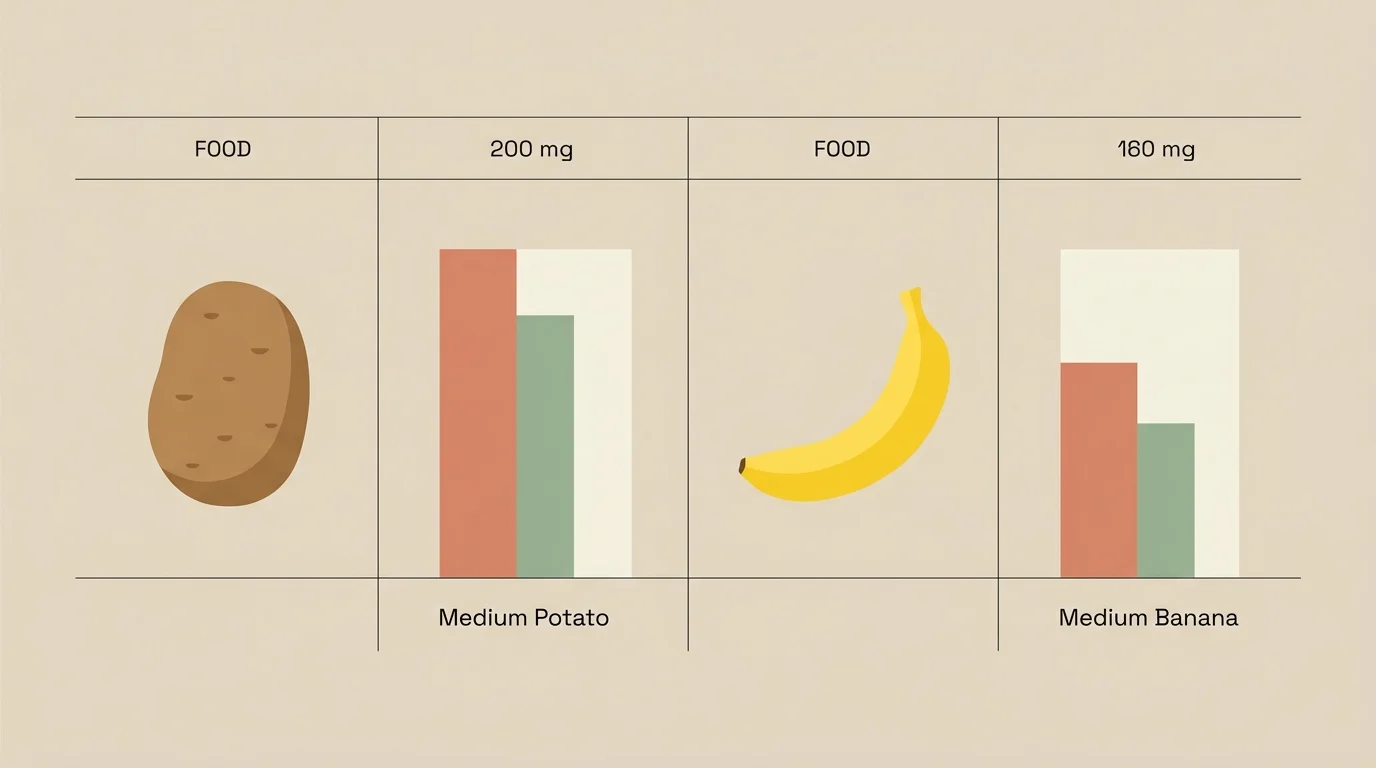
Potatoes frequently receive an unfair reputation in modern diet culture, often dismissed as nothing more than empty carbohydrates. However, for older adults, these humble root vegetables serve as an exceptional source of vital nutrients necessary for maintaining long-term vitality and physical independence. A single medium potato contains more potassium than a banana; this essential mineral actively regulates blood pressure and supports proper muscle function, which directly helps prevent debilitating falls as you age. Furthermore, the skin provides a robust dose of dietary fiber, promoting regular bowel movements and nurturing a highly thriving gut microbiome.
As you age, your digestive system benefits immensely from easily broken-down energy sources. The complex carbohydrates found in potatoes offer a steady, reliable release of energy without overtaxing your sensitive digestive tract. When you bake a potato rather than deep-frying it, you preserve its incredible nutritional profile while successfully avoiding unhealthy saturated fats and excess, empty calories. You also benefit from significant amounts of vitamin C and vitamin B6, both of which bolster your immune system and heavily support cognitive health.
Preparing baked potatoes properly ensures you receive maximum nutritional value in a soft, easily chewable format. Embracing this versatile vegetable allows you to create highly satisfying, budget-friendly meals that align perfectly with holistic senior wellness goals. Understanding the science behind the baking process guarantees that every meal you prepare remains both delicious and fundamentally nourishing.
Practical Tips for a Healthier, Happier Life
To help you maximize the nutritional benefits of your meals, avoiding common cooking mistakes ensures you achieve a perfectly fluffy, delicious outcome every single time. Here are ten frequent errors and how you can easily correct them.
Mistake 1: Choosing the Wrong Potato Variety
Selecting the appropriate potato variety establishes the foundation for culinary success. Many people mistakenly purchase waxy potatoes—such as red potatoes or Yukon Golds—for baking. Waxy potatoes contain high moisture and significantly lower starch levels; consequently, they develop a dense, heavy texture when roasted whole. You should consistently reach for high-starch varieties like Russet potatoes. The abundant starch cells inside a Russet swell and separate during the baking process, yielding the signature fluffy, cloud-like interior you desire. Their naturally thick skins also crisp up beautifully in the oven, providing a delightful textural contrast. By simply choosing the correct variety at the grocery store, you immediately elevate the overall quality of your meals.
Mistake 2: Wrapping Potatoes in Aluminum Foil
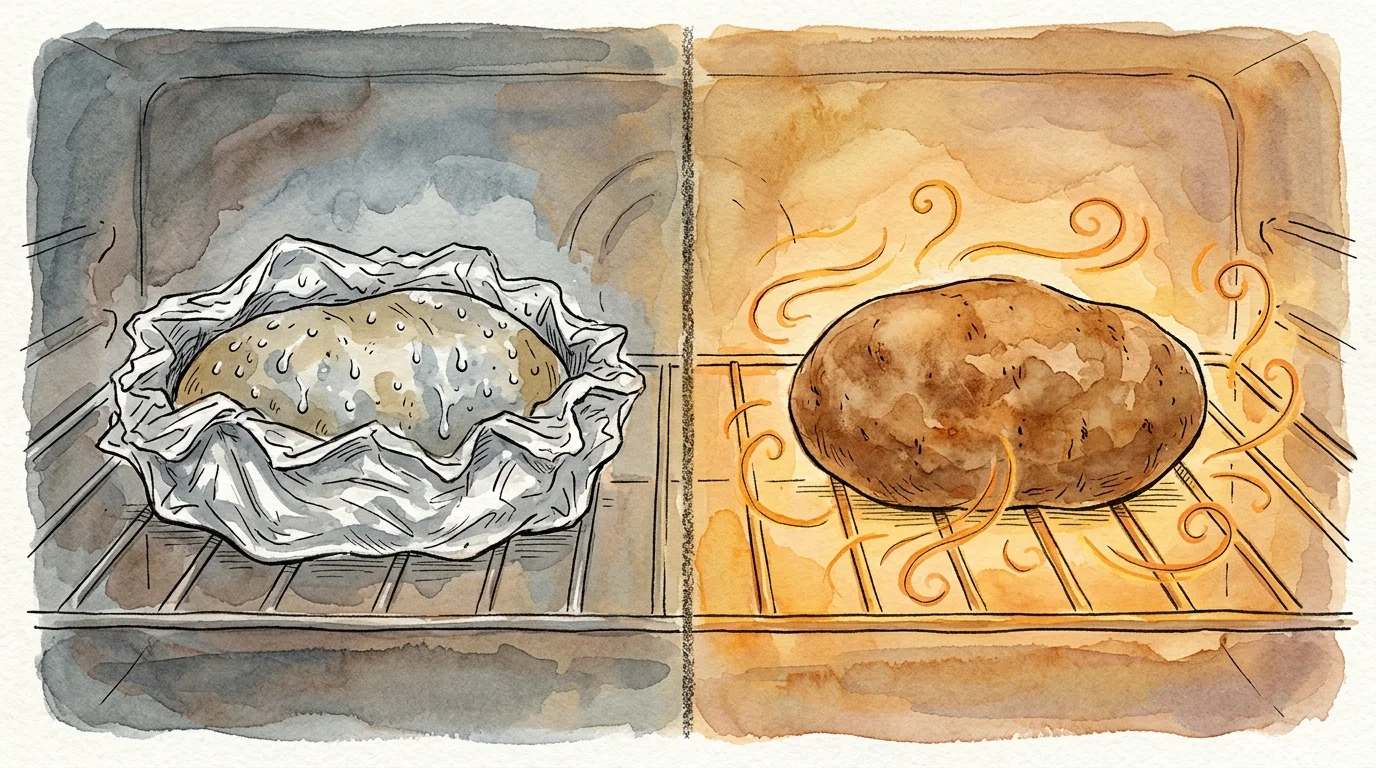
A pervasive kitchen myth suggests that wrapping potatoes in aluminum foil accelerates the cooking process and yields a softer result. In reality, tightly wrapping the vegetable traps its natural moisture, causing the potato to steam in its own juices rather than bake. This common error results in wet, soggy skin and a heavily gummy interior. To achieve that highly sought-after crispy exterior and light interior, you must bake your potatoes naked directly on an oven rack. Allowing the dry, hot air to circulate freely around the vegetable draws out excess moisture efficiently. If you worry about dripping juices dirtying your oven, simply place a flat baking sheet on the rack below to catch any potential mess.
Mistake 3: Forgetting to Pierce the Skin
Potatoes consist of approximately eighty percent water. As the intense oven heat penetrates the vegetable, this internal water rapidly converts into steam. If you forget to puncture the tough skin prior to baking, the steam becomes trapped inside a highly pressurized vessel. Eventually, the internal pressure builds until the potato violently explodes, leaving you with a tedious and frustrating oven-cleaning chore. You can easily prevent this culinary disaster by firmly piercing the raw potato six to eight times with a common table fork, ensuring you puncture all sides evenly. These tiny holes serve as essential steam vents, allowing the trapped moisture to escape safely throughout the entire baking process.
Mistake 4: Skipping the Oil and Salt Rub
Many individuals simply wash their potatoes and toss them directly into the hot oven, missing a crucial opportunity to enhance both flavor and texture. The skin holds a highly significant portion of its total dietary fiber; making the skin delicious encourages you to eat it and reap those excellent digestive benefits. Before baking, thoroughly dry the washed potato with a clean kitchen towel. Next, gently rub the entire surface with a heart-healthy fat, such as olive oil or avocado oil. Follow this by massaging a generous pinch of coarse kosher salt directly into the oiled skin. The oil promotes exceptional crisping, while the salt draws out surface moisture to create a beautifully seasoned exterior.
Mistake 5: Baking at the Incorrect Oven Temperature
Temperature control absolutely dictates the ultimate success of your baking endeavor. Setting your oven temperature too low—around 300°F or 350°F—prolongs the cooking time unnecessarily and frequently dries out the potato before the starches fully gelatinize. Conversely, cranking the heat up to 450°F severely scorches the exterior skin long before the dense center cooks through, leaving you with a burnt crust and a crunchy, inedible middle. For optimal results, preheat your oven to precisely 400°F. This specific temperature provides the perfect culinary balance; it supplies enough intense heat to aggressively crisp the oiled skin while allowing the internal heat to rise steadily, resulting in a perfectly cooked center.
Mistake 6: Relying Strictly on Baking Time Rather Than Internal Temperature
Oven thermostats frequently run hot or cold, and individual potatoes vary wildly in both size and density. Strictly following a printed recipe that dictates a sixty-minute baking time often leads to deep disappointment. Guessing when the potato is done typically results in either undercooked, hard centers or overcooked, dry husks. You can completely eliminate this frustrating guesswork by treating the potato much like a roasted cut of meat. Utilize a digital instant-read thermometer to reliably verify doneness. Insert the metal probe directly into the thickest part of the potato; a perfectly baked specimen registers an internal temperature between 205°F and 210°F. Adopting this precise measurement guarantees flawless results.
Mistake 7: Leaving the Baked Potato Closed After Removing It From the Oven
Your work does not magically end the moment you pull the meal from the hot oven. A baked potato retains immense internal heat and naturally continues to generate steam long after you remove it from the heat source. If you let the potato sit completely intact on your counter or plate, that residual steam remains trapped inside, rapidly turning the beautifully fluffy starches into a dense, watery paste. To meticulously preserve the ideal texture, you must act quickly. Immediately slice the top of the hot potato open with a serrated knife. Gently pinch the ends toward the center to blossom it open; this critical motion instantly releases the trapped steam.
Mistake 8: Smothering the Potato in High-Fat, High-Sodium Toppings
Traditional potato recipes frequently encourage smothering the vegetable in heavy butter, copious amounts of sour cream, melted processed cheese, and salty bacon bits. While undeniably delicious, these rich additions introduce excessive saturated fats, hidden calories, and high sodium levels that consistently stress an aging cardiovascular system. You do not have to sacrifice incredible flavor to protect your heart health. Consider adopting practical, nutrient-dense alternatives that deliver taste without the heavy physical toll. Try topping your hot potato with a generous dollop of plain, protein-rich Greek yogurt instead of traditional sour cream. Enhance the flavor profile beautifully with fresh chopped chives, vibrant low-sodium salsa, or a light drizzle of high-quality extra virgin olive oil.
Mistake 9: Eating Sprouted or Green-Tinged Potatoes
Food safety remains absolutely paramount, particularly for older adults with potentially vulnerable immune or digestive systems. Potatoes naturally produce a glycoalkaloid toxin called solanine as an innate botanical defense mechanism. When exposed to harsh light or warm temperatures, potatoes begin to turn green and sprout, visibly signaling a dangerous spike in solanine levels. Consuming elevated amounts of this toxic compound triggers severe gastrointestinal distress, including acute nausea and abdominal cramping. High oven temperatures do not destroy solanine. If you discover a potato with a distinct green hue or robust sprouts, you must prioritize your health and discard it entirely. Always store your fresh potatoes in a cool, completely dark environment.
Mistake 10: Storing Raw Potatoes in the Refrigerator
Many people mistakenly believe the home refrigerator preserves all root vegetables longer. However, exposing raw potatoes to extremely cold temperatures fundamentally alters their complex chemical structure. The chilling process forcefully prompts the complex starches within the potato to rapidly convert into simple sugars. When you attempt to bake a refrigerated potato, these excess sugars caramelize far too quickly in the oven, causing the skin to brown prematurely while imparting a distinctly unappealing, overly sweet flavor. To maintain their natural integrity, you should always store raw potatoes in a well-ventilated wire basket or dark paper bag located in a cool, dry pantry safely away from heat sources and direct sunlight.
Important Safety Precautions to Keep in Mind
As you embrace healthier cooking habits, you must also prioritize essential kitchen safety. Seniors often face a naturally heightened vulnerability to foodborne illnesses, making rigorous hygiene practices completely non-negotiable. Root vegetables grow deep within the earth, meaning their skins frequently harbor soil bacteria, including dangerous pathogens like Listeria and E. coli. You must scrub every single potato vigorously under warm, running water using a dedicated vegetable brush before you begin cooking. Removing all visible and invisible dirt significantly mitigates the risk of sudden bacterial infection.
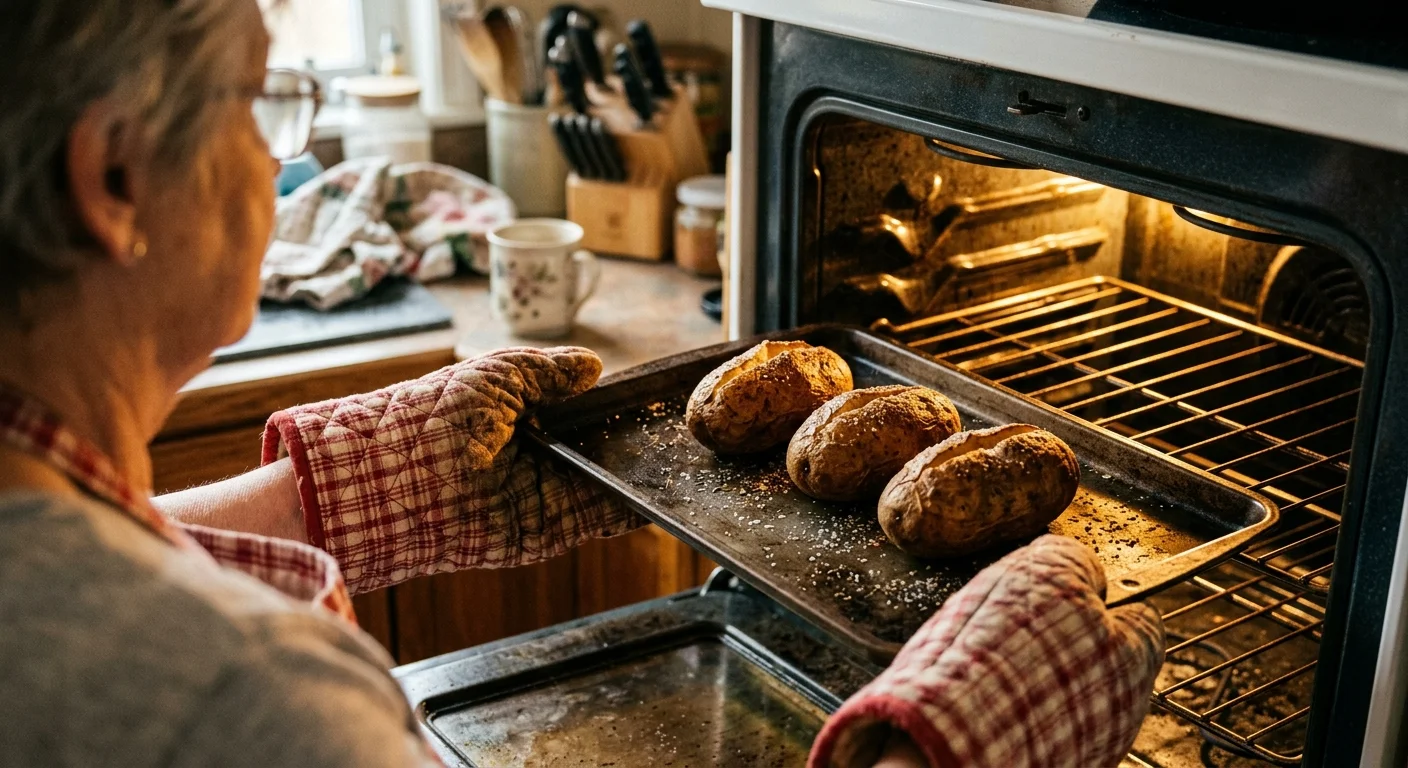
Furthermore, maintaining physical safety during meal preparation demands your full, undivided attention. Handling a large potato fresh from a 400°F oven requires thick, highly reliable oven mitts to prevent severe skin burns. As fine motor skills and overall grip strength naturally decline with age, lifting hot metal baking sheets can easily become hazardous. Take your time, ensure your kitchen floor remains completely clear of tripping hazards, and never rush the delicate process of transferring hot items. When slicing the hot baked potato open, always use a sharp serrated knife and a stable, non-slip cutting board; dull blades require excessive downward force and drastically increase the likelihood of accidental slips and serious cuts.

When to Speak with a Healthcare Professional
While incorporating well-prepared baked potatoes into your weekly diet provides substantial nutritional benefits, you must always recognize when your unique physical condition requires tailored medical advice. For example, individuals managing chronic kidney disease (CKD) often face incredibly strict dietary limits on their daily potassium intake. Because potatoes boast exceptionally high potassium levels, consuming them regularly could severely disrupt your internal electrolyte balances and pose an immediate, dangerous risk to your renal health. If you have been formally diagnosed with any kidney issues, you must consult your primary doctor or a registered dietitian before increasing your potato consumption.
Additionally, older adults currently managing type 2 diabetes must carefully monitor exactly how specific carbohydrate-rich foods influence their fasting blood sugar levels. A standard baked potato possesses a relatively high glycemic index, meaning it can cause rapid spikes in blood glucose if eaten entirely in isolation. A healthcare professional can gently guide you on safely incorporating these beneficial vegetables into your meals, perhaps by pairing them strategically with lean proteins and healthy fats to slow down the overall rate of glucose absorption.
For authoritative, trustworthy health information, always consult official sources like the National Institute on Aging (NIA) and MedlinePlus from the National Library of Medicine. The CDC also provides excellent resources for older adults.
Disclaimer: This article is for informational purposes only and does not constitute medical advice. Always seek the advice of your physician or other qualified health provider with any questions you may have regarding a medical condition.
Frequently Asked Questions
Can I eat potato skins if I have sensitive digestion?
While potato skins undeniably provide an exceptional source of necessary dietary fiber, older adults currently managing specific gastrointestinal conditions—such as diverticulitis, severe irritable bowel syndrome (IBS), or active Crohn’s disease—might find that extra roughage difficult to successfully process. If consuming the tough outer skin regularly causes uncomfortable bloating, excess gas, or sharp abdominal pain, you should absolutely peel the potato before eating. You still receive highly valuable vitamins, excellent potassium, and easily digestible complex carbohydrates entirely from the fluffy white interior.
Are sweet potatoes significantly healthier than regular white baked potatoes?
Modern nutritionists often praise sweet potatoes, but framing them as strictly superior to traditional white potatoes ignores the highly unique benefits of both options. Sweet potatoes certainly provide higher levels of vitamin A and beta-carotene, which heavily support long-term eye health and daily immune function. Conversely, regular white potatoes offer far more potassium, which remains essential for safe blood pressure regulation, alongside higher levels of resistant starch. Incorporating a well-balanced variety of both root vegetables into your regular diet reliably ensures you receive a much broader, more comprehensive spectrum of vital nutrients.
How long can I safely keep leftover baked potatoes in the refrigerator?
Leftover baked potatoes remain entirely safe to consume for roughly three to four days, provided you carefully store them in a sealed, airtight glass or plastic container directly within your refrigerator. To completely avoid the incredibly rare but severe risk of botulism, you must absolutely never store a baked potato wrapped tightly in aluminum foil at room temperature. Always remove any remaining foil immediately after the initial baking process, allow the hot potato to cool briefly on the counter, and refrigerate it promptly to actively inhibit dangerous bacterial growth.
Does microwaving a potato destroy its nutrients compared to oven baking?
Many individuals routinely worry that modern microwave radiation somehow destroys the innate nutritional value of their food; however, microwaving actually stands as a genuinely excellent method for preserving essential, delicate vitamins. Because microwaves uniquely utilize a significantly shorter cooking time and require absolutely no added boiling water, sensitive water-soluble nutrients like vitamin C remain wonderfully intact. While this highly convenient method will not successfully produce the signature crispy skin achieved through traditional oven baking, it safely provides a fast, highly nutritious meal option on busy days when you strongly prefer not to use the primary kitchen oven.