Discovering delicious, naturally gluten-free foods allows you to nourish your body without relying on heavily processed, expensive alternatives. Focusing on whole ingredients makes managing your digestion and boosting your daily energy both simple and highly rewarding. As we age, our digestive systems often require a gentler approach to meals; reducing gluten can soothe inflammation and improve gut health. Many seniors mistakenly believe cutting out gluten means sacrificing favorite flavors or constantly reading complicated nutrition labels. The truth is that your pantry likely already contains wonderful, nutrient-dense grains and starches that naturally bypass wheat, barley, and rye. By exploring these hidden gems, you can easily revitalize your daily nutrition while continuing to enjoy deeply comforting and deeply satisfying meals.
Understanding the Basics of Naturally Gluten-Free Foods for Seniors
Gluten functions as a naturally occurring structural protein found primarily in wheat, barley, rye, and triticale. It acts as a powerful binder, giving traditional baked goods their familiar chewy texture and helping breads rise beautifully. However, as your body ages, your digestive system undergoes subtle but significant changes. Enzyme production naturally slows down, and the protective lining of your gut can become more sensitive to complex proteins. For many older adults, digesting gluten transforms from a seamless process into a source of daily discomfort, leading to frustrating symptoms like bloating, chronic fatigue, and unexpected joint pain.
You might associate gluten-related issues exclusively with younger generations, but gastroenterologists increasingly diagnose celiac disease and non-celiac gluten sensitivity in adults over the age of sixty. When an older adult develops an intolerance, continuing to consume hidden gluten triggers an immune response that severely damages the small intestine. This damage prevents your body from absorbing vital nutrients like calcium, iron, and vitamin D—nutrients you desperately need to maintain bone density and preserve your cognitive health. Transitioning to a gluten-free diet provides an incredibly effective way to halt this inflammation and give your digestive tract the peace it requires to heal.
Navigating this dietary shift often pushes well-meaning seniors toward the “gluten-free” aisle of their local grocery store, where shelves overflow with boxed cookies, frozen waffles, and packaged breads. While these items offer a sense of familiarity, food manufacturers frequently load them with excess refined sugars, unhealthy fats, and artificial gums to mimic the texture of traditional wheat products. Relying on these highly processed substitutes can inadvertently lead to weight gain and dangerous blood sugar spikes. Instead, achieving true holistic health involves turning your attention toward whole, unprocessed foods. Mother Nature provides a bountiful variety of ancient grains, hearty root vegetables, and versatile legumes that never contained gluten in the first place. By centering your diet around these naturally gluten-free foods, you effortlessly increase your dietary fiber, boost your essential vitamin intake, and rediscover the simple joy of cooking wholesome, soothing meals.
Practical Tips for a Healthier, Happier Life
1. Buckwheat: The Misleadingly Named Superfood
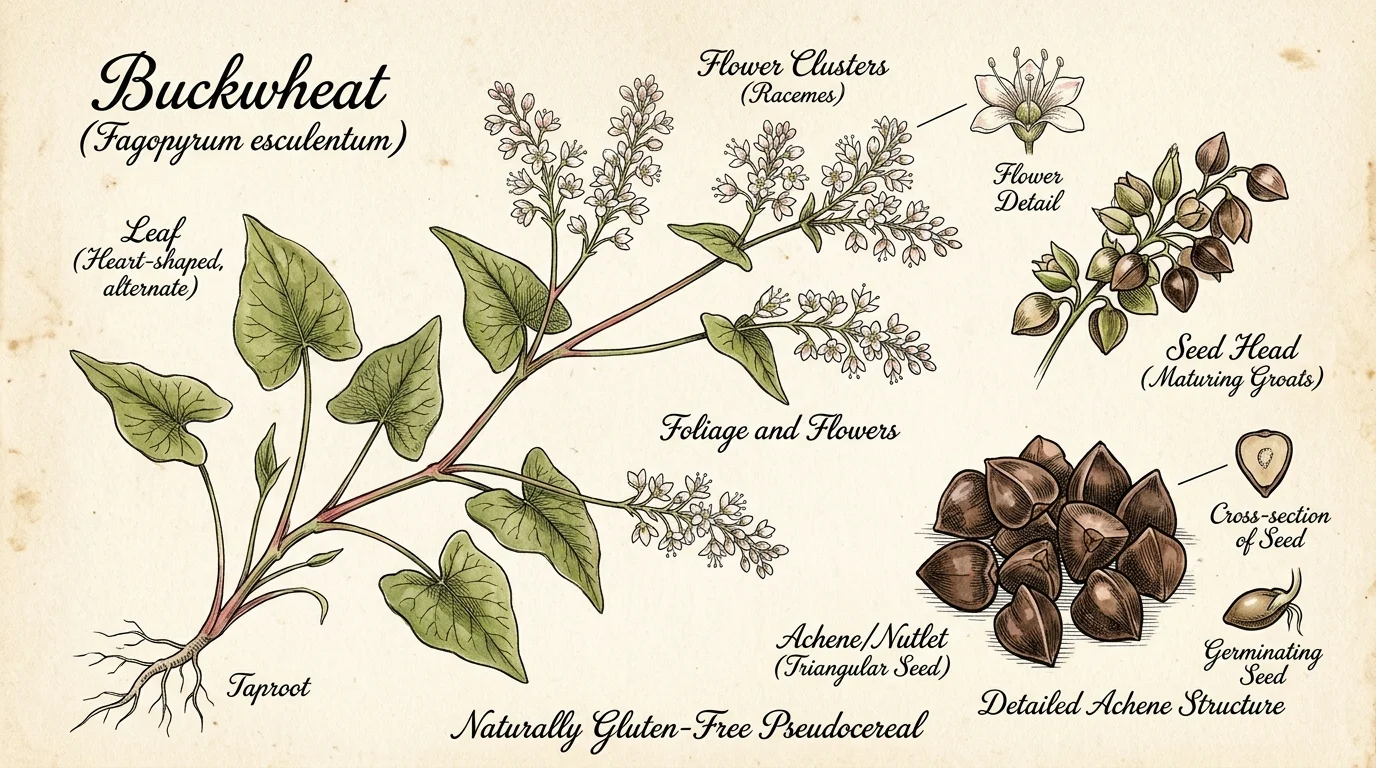
Despite carrying a highly misleading name that scares off many careful shoppers, buckwheat contains absolutely zero wheat and stands as a completely safe, naturally gluten-free ingredient. Botanically speaking, this robust plant qualifies as a pseudocereal and shares a much closer family relation to leafy greens like rhubarb and sorrel than it does to traditional cereal grasses. For seniors looking to proactively support their cardiovascular health, buckwheat offers an absolutely exceptional nutritional profile. It shines as a premier natural source of rutin—a potent bioflavonoid known to strengthen blood vessel walls, support healthy circulation, and aid in long-term blood pressure management.
Integrating buckwheat into your weekly meal rotation brings a wonderful, earthy richness right to your dining table. You can easily purchase toasted buckwheat groats, widely recognized as kasha, and simmer them gently in broth just as you would prepare wild rice; this creates a hearty, savory side dish that pairs beautifully with roasted poultry. Alternatively, keeping a bag of high-quality buckwheat flour in your pantry allows you to whip up traditional, nutrient-dense morning pancakes that provide sustained energy without the heavy, sluggish feeling that often follows a wheat-heavy breakfast. Because its natural flavor profile leans wonderfully robust and nutty, you might enjoy mixing buckwheat flour with a milder alternative—such as brown rice flour—until your palate fully adjusts to its unique, comforting taste.
2. Teff: The Tiny Grain with Massive Benefits
Originating in the highlands of Ethiopia, teff holds the title of the world’s smallest grain, yet it packs a nutritional punch that rivals foods ten times its size. This ancient staple serves as the foundational ingredient for injera, the famous spongy flatbread enjoyed throughout East Africa, and it remains completely free of gluten proteins. What makes teff particularly spectacular for older adults is its astonishingly high calcium content. Maintaining strong bones and preventing osteoporosis requires consistent calcium intake, and teff provides a rare, plant-based source of this vital mineral alongside a generous dose of vitamin C—an antioxidant almost never found in other grains.
Cooking with teff at home requires very little specialized knowledge or complex equipment. Because the grains are so minuscule, they naturally break down during cooking to create a beautifully creamy, comforting texture. You can boil whole teff grains with almond milk, a dash of pure vanilla extract, and a sprinkle of cinnamon to create a warm breakfast porridge that rivals traditional cream of wheat. If you enjoy baking, teff flour serves as an incredible addition to homemade muffins and quick breads, lending a mild, slightly sweet flavor that resembles cocoa. Incorporating this tiny powerhouse into your diet ensures you receive crucial minerals in a highly digestible, deeply satisfying format.
3. Sorghum: The Antioxidant-Rich Baking Champion
Sorghum has quietly nourished populations across the globe for thousands of years, yet it frequently goes completely unnoticed in Western grocery stores. As a resilient cereal grain that naturally resists drought, sorghum never developed the gluten proteins found in European wheat varieties. It boasts an incredibly tough outer hull that safely protects a treasure trove of beneficial antioxidants, dietary fiber, and plant-based protein. For older adults managing their blood sugar levels, sorghum digests at a slow, steady pace, preventing the rapid glucose spikes that often accompany heavily refined white flours.
Bringing sorghum into your home kitchen opens up a delightful array of culinary possibilities. Whole sorghum grains feature a chewy, satisfying texture that perfectly mimics traditional Israeli couscous or pearl barley. You can toss the cooked grains into a vibrant vegetable salad or stir them into a simmering pot of chicken soup for added bulk and nutrition. For a truly fun and unexpected treat, you can actually heat whole sorghum grains in a dry, covered skillet until they pop—creating a miniature, hull-free version of popcorn that will not get painfully stuck in your teeth. When ground into a fine flour, sorghum offers an impressively smooth texture that makes it an indispensable tool for baking tender, gluten-free cookies and perfectly risen breads.
4. Amaranth: The Aztec Secret to Preserving Muscle
Revered by the ancient Aztec civilization as a sacred crop, amaranth represents another brilliant pseudocereal that naturally bypasses the gluten spectrum. As we age, preserving lean muscle mass becomes incredibly important for maintaining our balance, supporting our mobility, and preventing dangerous falls. Amaranth actively supports this goal by providing a complete plant-based protein profile. Unlike many other grains, it contains abundant levels of lysine—an essential amino acid that your body cannot produce on its own. Furthermore, amaranth delivers a robust supply of magnesium, which actively helps soothe nerve tension and supports steady, healthy heart rhythms.
Preparing amaranth correctly ensures a delightful eating experience, though its unique texture occasionally catches newcomers off guard. When simmered in water or broth, the tiny golden seeds release a natural starch that thickens the liquid, resulting in a sticky, cohesive dish rather than fluffy individual grains. You can use this characteristic to your advantage by stirring cooked amaranth into stews to serve as a natural, nutrient-dense thickening agent. For a highly digestible breakfast option, combine amaranth with a handful of fresh berries and a drizzle of raw honey, allowing the natural sweetness to perfectly complement the grain’s prominent earthy, peppery undertones.
5. Millet: The Gentle, Alkaline Grain for Sensitive Stomachs
Far too many people mistakenly dismiss millet as nothing more than standard birdseed, completely ignoring its esteemed history as a crucial human staple across Asia and Africa. This exceptionally versatile, naturally gluten-free seed offers unique physiological benefits that make it an absolute necessity for senior wellness. Millet stands out because it acts as an alkaline-forming food within the body. If you frequently struggle with acid reflux, lingering heartburn, or general gastric distress, alkaline foods help gently neutralize excess stomach acid and soothe irritated digestive linings. Additionally, millet provides a wealth of phosphorus, a mineral that works directly alongside calcium to rebuild and maintain a resilient skeletal structure.
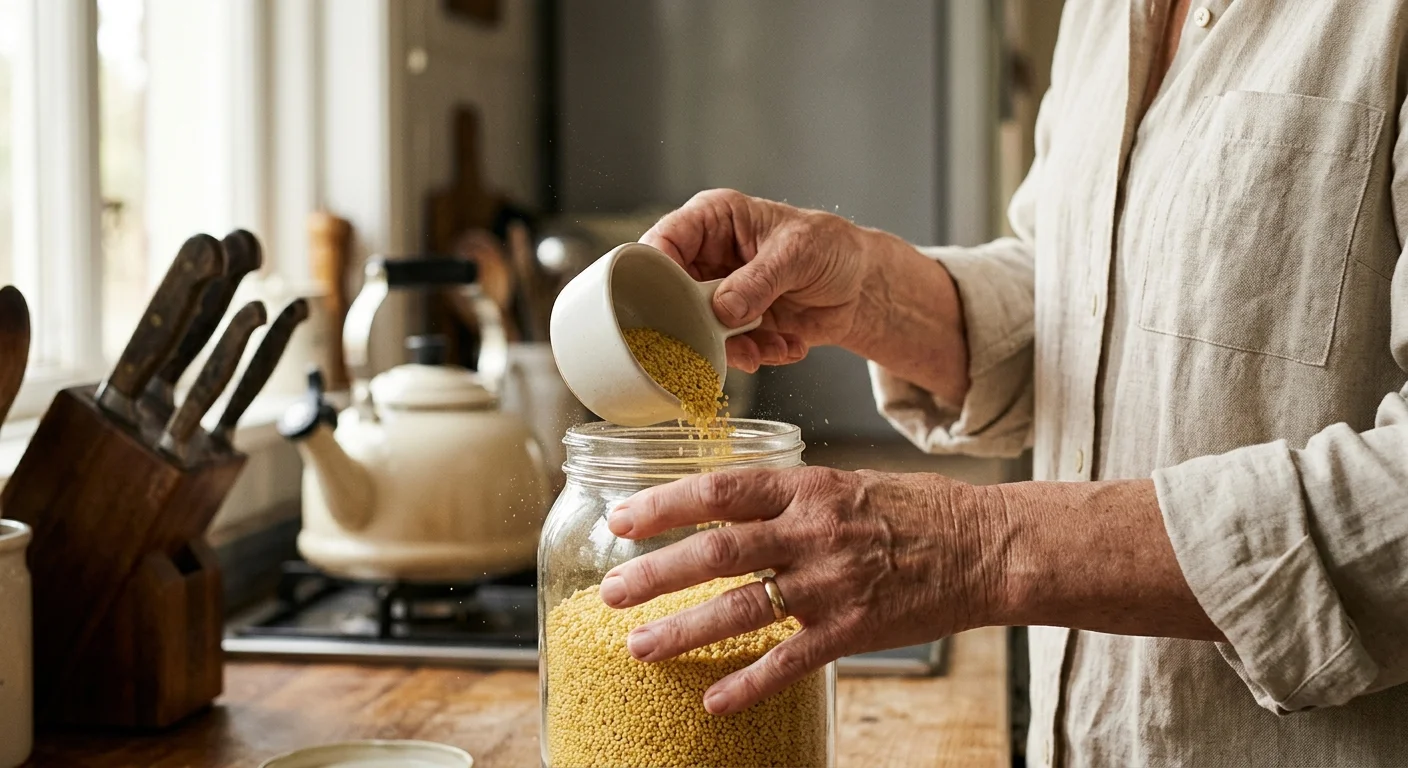
Cooking millet offers you the wonderful flexibility to achieve completely different textures based on your personal preference. If you crave a fluffy, distinct grain to serve alongside roasted vegetables or grilled fish, simply toast the dry millet in a hot skillet for three minutes before adding your cooking water; this locks the starches inside and enhances the seed’s buttery, nutty flavor. If you prefer a creamy, mashed potato-like consistency that requires minimal chewing, simply skip the toasting step and add an extra cup of broth during the boiling process. This incredible adaptability makes millet a deeply comforting, endlessly useful addition to your weekly menu.
6. Certified Gluten-Free Oats: The Heart-Healthy Staple
Oats generate a tremendous amount of confusion within the health and wellness community, making it vital to clarify their true nature. Inherently, pure oats contain absolutely no gluten. However, standard commercial farming practices typically grow, harvest, and process oats using the exact same machinery that handles wheat and barley. This intense cross-contamination means that ordinary oats sitting on a grocery store shelf pose a massive risk to anyone with celiac disease or severe sensitivities. To safely enjoy this incredible food, you must deliberately seek out packages prominently labeled as “Certified Gluten-Free,” which guarantees the oats grew in isolated fields and underwent rigorous testing protocols.
Once you secure a certified safe batch, incorporating oats into your diet provides unparalleled benefits for your cardiovascular system. Oats are renowned for their high concentration of beta-glucan, a unique type of soluble fiber that actively binds to cholesterol in your digestive tract and safely sweeps it out of your body. You can easily harness this heart-protecting power by preparing overnight oats: simply soak your certified gluten-free rolled oats in your favorite milk, stir in a spoonful of chia seeds, and leave the mixture in your refrigerator. When you wake up, you will have a soft, highly digestible, and deeply nourishing meal waiting for you, requiring zero morning effort.
7. Cassava: The Gut-Healing Root Alternative
Also known widely as yuca, cassava grows as a dense, starchy root vegetable native to the tropical climates of South America. Because it fundamentally belongs to the tuber family rather than the grain family, it exists entirely outside the realm of gluten. Cassava possesses a truly unique nutritional asset known as resistant starch. Unlike standard carbohydrates that break down quickly into simple sugars, resistant starch safely bypasses early digestion and travels directly to your large intestine. Once there, it ferments and acts as premium fuel for your beneficial gut bacteria, actively promoting a robust microbiome and significantly reducing systemic inflammation throughout your body.
Bringing cassava into your daily routine offers remarkable culinary versatility, especially if you miss the comfort of traditional baked goods. High-quality cassava flour, made simply by peeling, drying, and grinding the whole root, serves as one of the most effective grain-free baking substitutes available today. Its incredibly fine, powdery texture closely mimics conventional white flour, allowing you to seamlessly bake tender tortillas, delicate crepes, and comforting dinner rolls. If you prefer eating foods in their whole form, you can purchase fresh or frozen cassava root, boil it until incredibly tender, and mash it with a touch of olive oil and roasted garlic for a deeply satisfying alternative to standard mashed potatoes.
8. Chickpea Flour: The Protein-Packed Binder
Created by finely milling dried garbanzo beans, chickpea flour—frequently labeled as gram flour or besan—represents a staple ingredient in Indian and Mediterranean cuisines. Naturally devoid of all gluten, this pale yellow powder serves as an absolute powerhouse of senior nutrition. It delivers an extraordinary volume of plant-based protein and dietary fiber in every single serving. This specific combination actively slows down your body’s digestion process, ensuring that sugar enters your bloodstream at a safe, steady pace. For older adults managing prediabetes or seeking long-lasting afternoon energy without the dreaded sugar crash, chickpea flour provides a brilliant, satisfying solution.
You will quickly discover that chickpea flour acts as a magical binding agent in the kitchen, easily stepping in where wheat flour or eggs typically do the heavy lifting. You can whisk chickpea flour with water, a splash of olive oil, and a pinch of sea salt, then bake the batter in a hot cast-iron skillet to create socca—a rustic, savory French flatbread that pairs flawlessly with fresh salads. Furthermore, if you enjoy making homemade vegetable fritters or savory meatloaf, adding a few spoonfuls of chickpea flour holds your ingredients together perfectly without introducing a single trace of gluten into your comforting family recipes.
9. Arrowroot: The Flawless, Gentle Thickener
Arrowroot comes from the starchy rhizomes of several tropical plants and undergoes a gentle, water-based extraction process to become a fine, brilliantly white powder. While you would never consume arrowroot as a standalone meal, it deserves a permanent and prominent place in your naturally gluten-free pantry. It digests with incredible ease, making it highly recommended for individuals currently recovering from stomach bugs or dealing with chronic digestive flare-ups. More importantly, it replaces wheat flour and heavily processed cornstarch as the ultimate natural thickening agent for your favorite savory and sweet liquids.
When you transition to a gluten-free lifestyle, you often realize that many traditional gravies, hearty winter stews, and luscious fruit pie fillings rely heavily on wheat flour to achieve their thick, satisfying consistency. Arrowroot solves this problem flawlessly. You simply dissolve a small amount of the powder in a splash of cold water, stir the slurry into your simmering pot, and watch as the liquid thickens almost instantly. Unlike wheat flour, which can sometimes turn sauces opaque or leave behind a raw, chalky taste, arrowroot creates a beautiful, glossy finish and remains completely flavorless, allowing the true, vibrant taste of your carefully prepared food to shine through.
10. Plantains: The Potassium-Rich Starchy Staple
Though they closely resemble large, thick-skinned bananas, plantains possess a completely different culinary personality. They contain significantly more natural starch and far less sugar than standard bananas, meaning you must cook them before consumption. As a fruit, they naturally eliminate any concern regarding gluten. For seniors, incorporating plantains offers a delicious, deeply traditional way to dramatically boost your daily potassium intake. Potassium plays a strictly non-negotiable role in regulating your heartbeat, relaxing your blood vessel walls, and actively counteracting the blood pressure-raising effects of dietary sodium.
Your culinary approach to plantains changes beautifully depending on the exact ripeness of the fruit. When the skin remains entirely green, the flesh acts exactly like a firm potato; you can safely slice green plantains into thin rounds, toss them with a touch of avocado oil, and bake them into spectacular, crunchy chips that easily replace processed wheat crackers. As the plantain’s skin darkens to a deep yellow or black, the starches begin converting to natural sugars. You can gently pan-fry these sweet, ripe plantains to create a deeply comforting, caramelized side dish that perfectly complements spicy proteins or robust, savory black bean stews.

Important Safety Precautions to Keep in Mind
Transitioning to a naturally gluten-free lifestyle requires more than simply buying the right whole foods; it demands a mindful awareness of how your food is prepared and packaged. Cross-contamination represents the most significant hidden danger for seniors managing celiac disease or severe sensitivities. This occurs when an inherently safe, gluten-free food physically comes into contact with gluten-containing ingredients. In your own home, sharing a standard pop-up toaster with family members who eat wheat bread almost guarantees that microscopic crumbs will transfer onto your safe food. You must invest in a separate toaster, utilize dedicated cutting boards, and carefully wash shared colanders to protect your delicate digestive system from accidental exposure.
Beyond the kitchen counter, you must cultivate the habit of meticulously reading ingredient labels, as food manufacturers hide gluten in incredibly unexpected places. Traditional soy sauce, for example, heavily relies on fermented wheat for its distinct flavor profile; you must specifically seek out tamari, a naturally gluten-free alternative, to safely season your meals. Furthermore, you will frequently find hidden wheat starch acting as a cheap filler in canned cream soups, commercial salad dressings, and pre-packaged spice blends. Never assume a product is safe simply because it appears wholesome. Look actively for the “Certified Gluten-Free” seal on packaged goods, and remember that a label stating “wheat-free” does not guarantee safety, as the product might still contain harmful barley or rye derivatives.
Finally, exercise profound caution when examining your daily medications and nutritional supplements. Pharmaceutical companies occasionally use gluten-based excipients—the inactive binding agents that hold pills together—in prescription drugs and over-the-counter pain relievers. Because medication labeling laws differ wildly from food labeling laws, identifying hidden gluten in your pillbox often proves frustratingly difficult. You should proactively speak with your local pharmacist, requesting that they verify the gluten-free status of every single medication you currently take, ensuring that your path to wellness does not inadvertently sabotage your hard-earned digestive health.

When to Speak with a Healthcare Professional
While exploring naturally gluten-free foods offers incredible benefits for reducing systemic inflammation and soothing chronic digestive upset, changing your diet should always happen under careful medical supervision. If you consistently experience severe abdominal bloating, rapid and unexplained weight loss, chronic fatigue, or sudden, painful changes in your daily bowel habits, these symptoms indicate that your body needs immediate, professional medical evaluation. Ignoring these warning signs or attempting to self-treat through diet alone can allow serious underlying conditions to progress dangerously unchecked.
Crucially, if you suspect you might have celiac disease, you must consult your primary care physician to undergo official blood testing before you permanently remove gluten from your meals. Medical tests for celiac disease require active gluten antibodies to be present in your bloodstream; if you stop eating wheat prematurely, your test results may return a false negative, leaving you without a vital, accurate medical diagnosis. Partnering with a registered dietitian who specializes in senior nutrition provides you with an invaluable resource. They can thoroughly evaluate your new dietary habits, ensure you receive adequate daily fiber and essential vitamins, and help you craft a safe, joyful, and fully balanced meal plan tailored entirely to your unique physical needs.
Frequently Asked Questions
Does eating naturally gluten-free foods automatically mean I am eating low-carb?
No, a gluten-free diet does not inherently translate to a low-carbohydrate diet. Many naturally gluten-free foods, including sweet potatoes, cassava, brown rice, and plantains, contain significant amounts of healthy, complex carbohydrates. These complex carbohydrates remain absolutely vital for providing your brain and muscles with sustained, reliable energy throughout the day. While removing traditional wheat bread eliminates one specific source of carbohydrates, replacing it with naturally starchy root vegetables or ancient grains ensures your body still receives the essential fuel it requires to function optimally.
Can I still enjoy standard commercial oats if my gluten sensitivity is very mild?
Even if you only experience mild digestive discomfort rather than severe celiac reactions, consuming standard commercial oats remains highly unadvisable. The agricultural cross-contamination with wheat and barley during the harvesting process occurs at incredibly high levels. Regularly exposing your digestive tract to these trace amounts of gluten keeps your immune system in a constant state of low-grade inflammation, preventing your gut from truly healing. Choosing certified gluten-free oats completely removes this unnecessary physical stress and allows you to enjoy your breakfast with total peace of mind.
How should I properly store my new naturally gluten-free flours at home?
Naturally gluten-free flours—particularly those derived from whole grains, nuts, or seeds like buckwheat, teff, and almond—contain highly beneficial natural oils that standard refined white flour lacks. Unfortunately, these healthy oils make the flours significantly more prone to spoiling or turning rancid when exposed to heat and sunlight. To preserve their delicate flavors and protect their nutritional integrity, you should always store your gluten-free flours in tightly sealed, airtight containers kept directly in your refrigerator or freezer, rather than leaving them out in a warm, humid pantry.
For authoritative, trustworthy health information, always consult official sources like the National Institute on Aging (NIA) and MedlinePlus from the National Library of Medicine. The CDC also provides excellent resources for older adults.
Disclaimer: This article is for informational purposes only and does not constitute medical advice. Always seek the advice of your physician or other qualified health provider with any questions you may have regarding a medical condition.