Getting enough daily protein protects your muscle mass, supports your immune system, and keeps your energy levels stable as you age. You do not need to rely on meat to achieve these vital health benefits; a well-planned vegetarian diet offers abundant, nutrient-dense options. Transitioning to or maintaining a plant-based lifestyle provides your body with heart-healthy fiber and essential antioxidants alongside high-quality protein. By incorporating the right legumes, grains, and dairy or soy into your daily meals, you easily meet your nutritional needs while enjoying delicious, digestible foods. Discovering these excellent vegetarian protein sources empowers you to build strength, maintain your independence, and nourish your body naturally without ever feeling deprived at the dinner table.

Understanding the Basics of Vegetarian Protein for Seniors
As you advance in age, your body undergoes natural changes that fundamentally alter your nutritional requirements. Beginning in your late thirties, you naturally begin to lose muscle mass and physical strength—a process clinically known as sarcopenia. When you reach your sixties and seventies, this muscle loss accelerates, potentially threatening your mobility, physical balance, and overall independence. Protein acts as the essential building block your body uses to repair damaged tissues and construct new muscle fibers. While standard dietary guidelines suggest 0.8 grams of protein per kilogram of body weight, many gerontology experts now recommend that seniors consume between 1.0 and 1.2 grams per kilogram to actively counteract age-related muscle deterioration safely and effectively.
You might mistakenly believe that only animal products can provide the high-quality protein necessary to support your aging body. However, vegetarian protein sources offer phenomenal, life-enhancing alternatives that actually deliver unique health advantages. When you choose plant-based proteins, you simultaneously eliminate the high levels of saturated fats and dietary cholesterol frequently found in heavy animal products. This dietary shift profoundly benefits your cardiovascular system, reducing your overall risk of developing severe heart disease or managing hypertension. Furthermore, replacing meat with plant-based protein dramatically increases your daily intake of dietary fiber. Fiber ensures proper digestive motility and prevents uncomfortable constipation, a common concern for many older adults.
Your body naturally breaks down the protein you eat into smaller, vital components called amino acids. While animal proteins contain all nine essential amino acids in a single package, you can easily acquire these exact same amino acids by eating a varied vegetarian diet throughout your day. Your liver acts as an incredibly efficient storage facility, pooling different amino acids from the wholesome grains, nuts, and legumes you consume. It then combines them precisely when your body needs to build or repair muscle tissue. Eating a diverse array of fresh, wholesome vegetarian foods naturally satisfies all your nutritional demands while keeping your meals exciting and profoundly healthy.
Practical Tips for a Healthier, Happier Life
1. Hearty Lentils
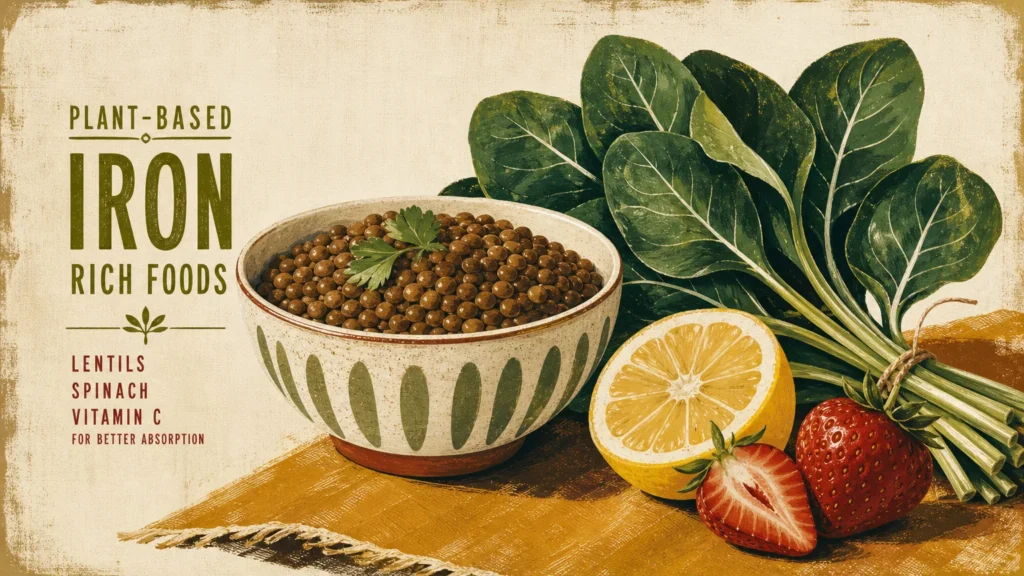
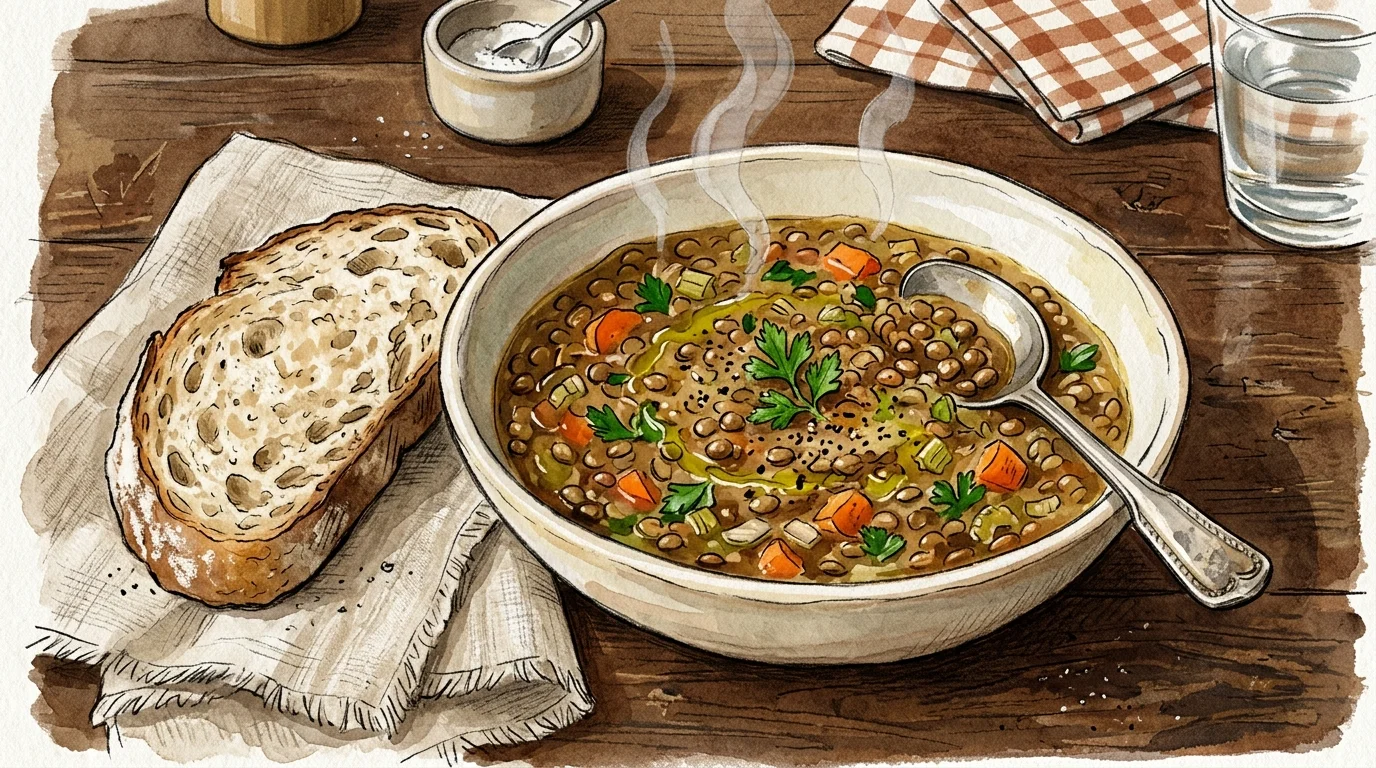
Lentils stand out as an exceptional foundation for any vegetarian diet, offering roughly eighteen grams of high-quality protein in a single cooked cup. Unlike dried beans, lentils require absolutely no pre-soaking, saving you considerable kitchen preparation time. As you age, maintaining a healthy digestive tract becomes vital; the immense fiber content found in lentils supports regular bowel movements and nurtures a healthy gut microbiome. Furthermore, lentils provide a substantial amount of iron, an essential nutrient that actively helps combat daily fatigue. For older adults who experience difficulties with chewing, you can effortlessly cook lentils until they reach a wonderfully soft, manageable texture. They blend beautifully into creamy vegetable soups and hearty stews, making them a gentle yet powerful addition to your weekly meals.
2. Creamy Greek Yogurt
Greek yogurt serves as a phenomenal, ready-to-eat source of vegetarian protein, delivering between fifteen and twenty grams per six-ounce serving. The traditional straining process removes the liquid whey, resulting in a much thicker product that contains twice the protein of standard yogurt. This satisfying dairy delight provides abundant calcium and vitamin D—two critical nutrients your body desperately requires to preserve bone density and defend against osteoporosis. Additionally, Greek yogurt contains live probiotic cultures that actively promote a perfectly balanced digestive system. The incredibly smooth texture requires absolutely no chewing, making it an ideal, effortless breakfast for seniors with dental sensitivities. When shopping, consistently choose plain, unsweetened varieties to easily avoid the excessive added sugars frequently hidden in flavored options.
3. Fluffy Quinoa
Quinoa frequently masquerades as a standard grain, but it actually functions as a complete plant-based protein derived from a seed. Most plant proteins lack certain essential amino acids, but a single cup of cooked quinoa delivers eight robust grams of protein alongside all nine essential amino acids your body requires for optimal health. This unique nutritional profile makes quinoa incredibly valuable for older adults actively striving to sustain healthy muscle tissue. Quinoa also boasts a low glycemic index, meaning it releases its glucose very slowly into your bloodstream to help you maintain perfectly stable energy levels all day. You will find that perfectly cooked quinoa possesses a delightfully soft, fluffy texture. You can easily substitute it for white rice in your favorite dinner dishes or simmer it with warm milk for a comforting morning porridge.
4. Versatile Tofu and Tempeh
Soy products like tofu and tempeh consistently rank among the most versatile and protein-dense foods available for healthy aging. A standard half-cup serving provides an impressive fifteen to twenty grams of highly digestible plant protein. Tofu acts much like a culinary sponge, seamlessly absorbing the rich, delicious flavors of the marinades and sauces you cook it with. Silken tofu blends completely invisibly into fresh fruit smoothies, instantly boosting your morning protein content without altering the sweet taste. Tempeh consists of fermented whole soybeans, rendering it exceptionally easy for your sensitive digestive system to process while introducing beneficial, healthy bacteria to your gut. Both options supply powerful plant compounds known as isoflavones, which medical researchers firmly link to improved cardiovascular health and significantly reduced joint inflammation.
5. Bright Green Edamame
Edamame—which are simply young soybeans harvested just before they fully ripen—offer a truly delightful and convenient way to increase your daily protein intake safely. One cup of gently cooked edamame yields an impressive seventeen grams of complete protein, alongside a very healthy dose of dietary fiber and essential antioxidants. You can easily find edamame waiting in the frozen section of your local grocery store, packaged either in their fuzzy pods or pre-shelled for your ultimate convenience. Steaming a small handful takes only a few short minutes, providing you with a warm, immensely satisfying snack that easily keeps afternoon hunger at bay. For fantastic mealtime inspiration, toss shelled edamame into leafy green salads or gently mash them into a vibrant, savory spread for soft whole-wheat toast.
6. Soft Cottage Cheese
Cottage cheese remains a classic, time-tested favorite for individuals actively seeking a soft, easily digestible, and highly nutritious vegetarian protein source. A simple half-cup serving packs approximately fourteen grams of protein, predominantly in the form of casein. Casein is a wonderfully slow-digesting dairy protein that supplies your recovering muscles with a steady, prolonged stream of amino acids, making it an excellent choice for a light evening snack to support overnight muscle repair. Furthermore, cottage cheese supplies an absolute abundance of leucine, a specific amino acid that directly fights age-related muscle loss. Because cottage cheese is incredibly soft and moist, it requires minimal effort to chew and swallow safely. You can enjoy it purely on its own or perfectly paired with soft canned peaches for added natural sweetness.
7. Nutrient-Dense Chia and Hemp Seeds
Do not let their incredibly tiny size deceive you; chia seeds and hemp seeds operate as massive nutritional powerhouses capable of transforming any ordinary meal. Just three tablespoons of shelled hemp seeds contain ten full grams of easily digestible protein, while two tablespoons of chia seeds provide nearly five grams of protein along with massive amounts of soothing soluble fiber. Both of these remarkable seeds deliver plentiful omega-3 fatty acids, which actively fight painful joint inflammation and fiercely protect your delicate cardiovascular system. The true beauty of these seeds lies in their completely effortless application in the kitchen. You simply sprinkle hemp hearts directly over your morning yogurt. When you soak chia seeds in cold milk, they rapidly develop a soft, gel-like texture that gently soothes your entire digestive tract.
8. Affordable Beans and Chickpeas
Black beans, kidney beans, and plump chickpeas proudly represent the hearty, highly economical backbone of traditional vegetarian diets across the world. A single cup of tender, cooked beans provides about fifteen grams of robust plant protein. More importantly, beans deliver massive quantities of soluble fiber, which physically binds to cholesterol in your digestive tract and safely carries it entirely out of your body, thereby powerfully protecting your heart. Using canned beans saves you significant, valuable preparation time in the kitchen every week. To ensure you strictly protect your blood pressure, always purchase low-sodium varieties or thoroughly rinse standard canned beans under cold running water; this simple, quick technique washes away up to forty percent of the added sodium. You can easily simmer beans until they become incredibly tender or mash chickpeas into a smooth, creamy hummus.
9. Sweet Green Peas
Green peas often suffer from a completely unfair reputation as a mundane dinner side dish, yet they secretly harbor an incredibly impressive nutritional profile tailored perfectly for healthy aging. One cup of warmly cooked green peas provides roughly nine grams of protein, easily making them one of the most uniquely protein-dense vegetables available to you. Beyond just protein, green peas boldly supply significant amounts of vitamins A and C, which collectively support your aging vision and maintain your skin elasticity. Because they naturally possess a very sweet flavor, peas often successfully stimulate diminished appetites in seniors who might otherwise struggle to enjoy eating bitter vegetables. Keeping a simple bag of frozen peas stored in your freezer guarantees you always have a vibrant, healthy ingredient ready to steam until perfectly soft.
10. Smooth Nut Butters
Almonds, walnuts, cashews, and their respective delightfully creamy butters offer a highly concentrated source of satisfying vegetarian protein, delivering about seven grams per two tablespoons. While whole, raw nuts provide an excellent crunch for those seniors with very strong dental health, perfectly smooth nut butters deliver the exact same profound nutritional benefits in a completely effortless format. Almonds naturally contain extremely high levels of vitamin E, a potent antioxidant that medical researchers closely associate with slower cognitive decline and better memory in older populations. The incredibly heart-healthy fats found in nuts also actively help your body absorb fat-soluble vitamins from your other meals. You can effortlessly swirl a hearty spoonful of smooth almond butter directly into your morning oatmeal or warmly blend it into a soft banana smoothie.
Important Safety Precautions to Keep in Mind
While transitioning to a daily diet rich in vibrant vegetarian protein sources offers incredible, long-lasting health benefits, you must approach this dietary change thoughtfully to safely protect your overall well-being. The primary safety consideration when drastically increasing your intake of plant-based proteins involves their exceptionally high fiber content. Wholesome foods like lentils, fresh beans, and raw seeds introduce substantial amounts of complex carbohydrates directly into your digestive system. If you dramatically increase your daily fiber intake overnight, you will highly likely experience uncomfortable abdominal bloating, excessive gas, and painful cramping. To absolutely ensure a smooth, comfortable transition, you should intentionally increase your fiber consumption very gradually over several weeks. Start by introducing just one small, gentle serving of beans into your daily routine, allowing your delicate gut microbiome ample time to adjust safely.
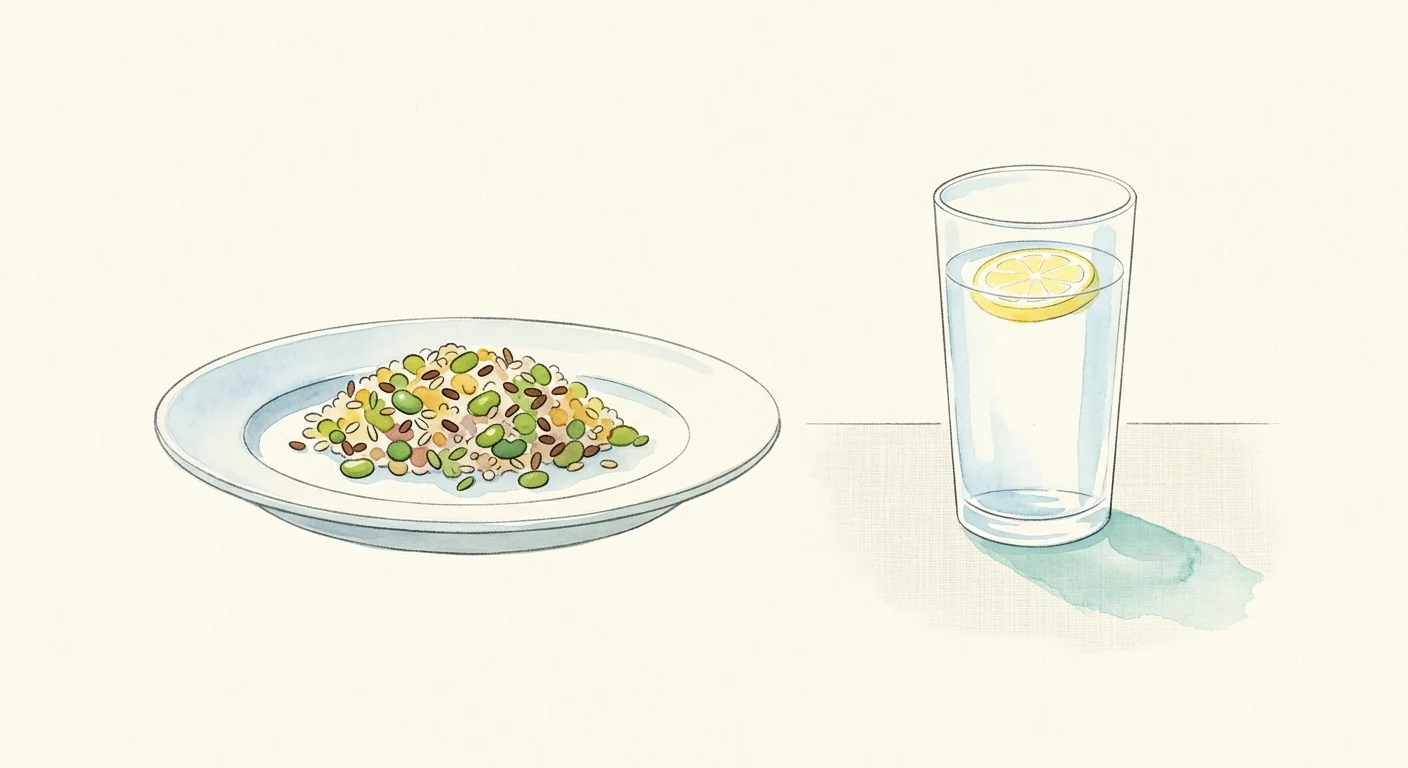
As you consciously and slowly increase the fiber in your daily diet, you must also heavily prioritize your daily hydration habits. Fiber absolutely requires adequate water to soften properly and move efficiently through your intestinal tract. Older adults naturally experience a significantly diminished thirst mechanism, meaning you might easily become dehydrated without ever actually feeling thirsty. You must actively remind yourself to deliberately drink plenty of fresh water, soothing herbal teas, or clear, warm broths throughout the entire day to prevent heavy fiber from causing severe constipation.
Additionally, you must remain highly vigilant regarding the dangerous sodium content quietly hidden inside convenient, pre-packaged vegetarian options. Canned beans and processed vegetarian freezer meals frequently contain exorbitant amounts of added salt, which actively elevates your blood pressure and places dangerous, unnecessary strain on your aging heart. Always read the printed nutrition labels carefully, deliberately select items marked “low-sodium,” and thoroughly rinse any standard canned beans. Finally, if you currently experience sudden chewing or swallowing difficulties, ensure you thoroughly cook all legumes and grains until they become exceptionally soft to completely prevent any risk of choking.

When to Speak with a Healthcare Professional
Taking proactive control of your daily nutrition beautifully empowers you to live a much healthier life, but you must always remember that sudden dietary changes can profoundly impact your underlying, pre-existing medical conditions. You should never view general online health information as a direct, safe substitute for personalized medical advice provided by a licensed physician. If you currently live with chronic kidney disease, for instance, your weakened kidneys may severely struggle to filter large quantities of new protein or dietary potassium safely. In such specific cases, you must strictly follow the precise dietary protein limits officially established by your nephrologist to firmly prevent any further organ damage.
You should immediately schedule an appointment with your primary care doctor or a licensed registered dietitian if you experience any alarming physical changes while safely adjusting your diet. Watch very closely for warning signs such as unexplained or rapid weight loss, which often clearly indicates severe malnutrition or an underlying illness rather than healthy dietary success. If you continually feel profound daily fatigue, debilitating muscle weakness, or a sudden, scary loss of physical balance, your body may be directly signaling a dangerous deficiency in essential vitamins like B12 or iron.
Furthermore, if introducing completely new vegetarian proteins causes severe, persistent gastrointestinal distress—such as chronic daily diarrhea, severe acid reflux, or sharp abdominal pain that lasts longer than a few short days—you must consult a healthcare professional immediately. A registered dietitian can thoughtfully and safely review your specific medical history, carefully identify potential food intolerances, and help you craft a highly customized meal plan.
Frequently Asked Questions
Do I need to combine different plant proteins in the same meal?
You absolutely do not need to stress over meticulously combining different plant proteins at every single meal. For many years, experts incorrectly believed that vegetarians had to eat highly specific combinations, like rice and beans together on the exact same plate, to properly form a complete protein. Modern nutritional science clearly reveals that your liver actively stores various amino acids from the different wholesome foods you eat. As long as you consume a wonderfully diverse variety of whole grains, fresh legumes, dairy, and wholesome seeds throughout your entire day, your body efficiently gathers all the necessary building blocks to repair your muscles perfectly.
Is soy safe for older adults to eat regularly?
Yes, consuming whole, natural soy foods is remarkably safe and highly beneficial for the vast majority of aging older adults. Wholesome foods like firm tofu, fermented tempeh, and fresh edamame provide truly excellent lean protein and contain completely unique plant compounds called isoflavones. Extensive medical research clearly indicates that seamlessly incorporating whole soy into your weekly diet actively helps lower elevated cholesterol levels, significantly reduces harmful systemic inflammation, and powerfully supports strong cardiovascular function. You should always aim to consume wholesome, minimally processed soy products rather than the heavily refined soy protein isolates too often found in artificial protein bars.
How do I know if I am eating enough protein?
Carefully monitoring your physical bodily strength and daily energy levels provides the absolute best indication of your current protein status. If you consistently struggle with profound, unexplainable fatigue, actively notice your aging muscles feeling unusually weak during normal chores, or directly experience incredibly slow wound healing after minor skin scrapes, you very likely may not be consuming enough daily protein. A highly practical strategy involves gently aiming for twenty to thirty grams of high-quality vegetarian protein at each of your three main daily meals. If you remain unsure, quickly track your meals in a small journal and share it directly with your doctor.
Can vegetarian protein sources cause digestive discomfort?
Vegetarian protein sources can definitely cause temporary digestive discomfort if you introduce them too rapidly into your sensitive system. Nutritious foods like hearty lentils, plump chickpeas, and tiny chia seeds naturally contain massive amounts of complex dietary fiber. When your digestive system suddenly encounters a massive, unexpected influx of rough fiber, it very often responds with uncomfortable bloating, excessive gas, or sharp cramping. You easily and safely prevent this daily discomfort by starting with very small portions—such as just two simple tablespoons of beans sprinkled on a lunch salad—and slowly increasing the amount safely over several long weeks.
For authoritative, trustworthy health information, always consult official sources like the National Institute on Aging (NIA) and MedlinePlus from the National Library of Medicine. The CDC also provides excellent resources for older adults.
Disclaimer: This article is for informational purposes only and does not constitute medical advice. Always seek the advice of your physician or other qualified health provider with any questions you may have regarding a medical condition.