
You can experience persistent exhaustion even when routine blood work shows normal circulating iron and hemoglobin levels. This confusing situation often points to depleted ferritin, a hidden deficiency that standard lab screenings routinely overlook.
Your body relies on ferritin to store iron inside your cells for ongoing energy production and tissue repair. When these internal reserves drop, frustrating symptoms quickly emerge across your body and disrupt your daily routine.
Recognizing early iron storage deficiency signs helps you advocate for your health and regain your physical vitality. Exploring these subtle symptoms will give you the practical knowledge needed to restore balance and well-being.
Understanding the Basics of Low Ferritin for Seniors
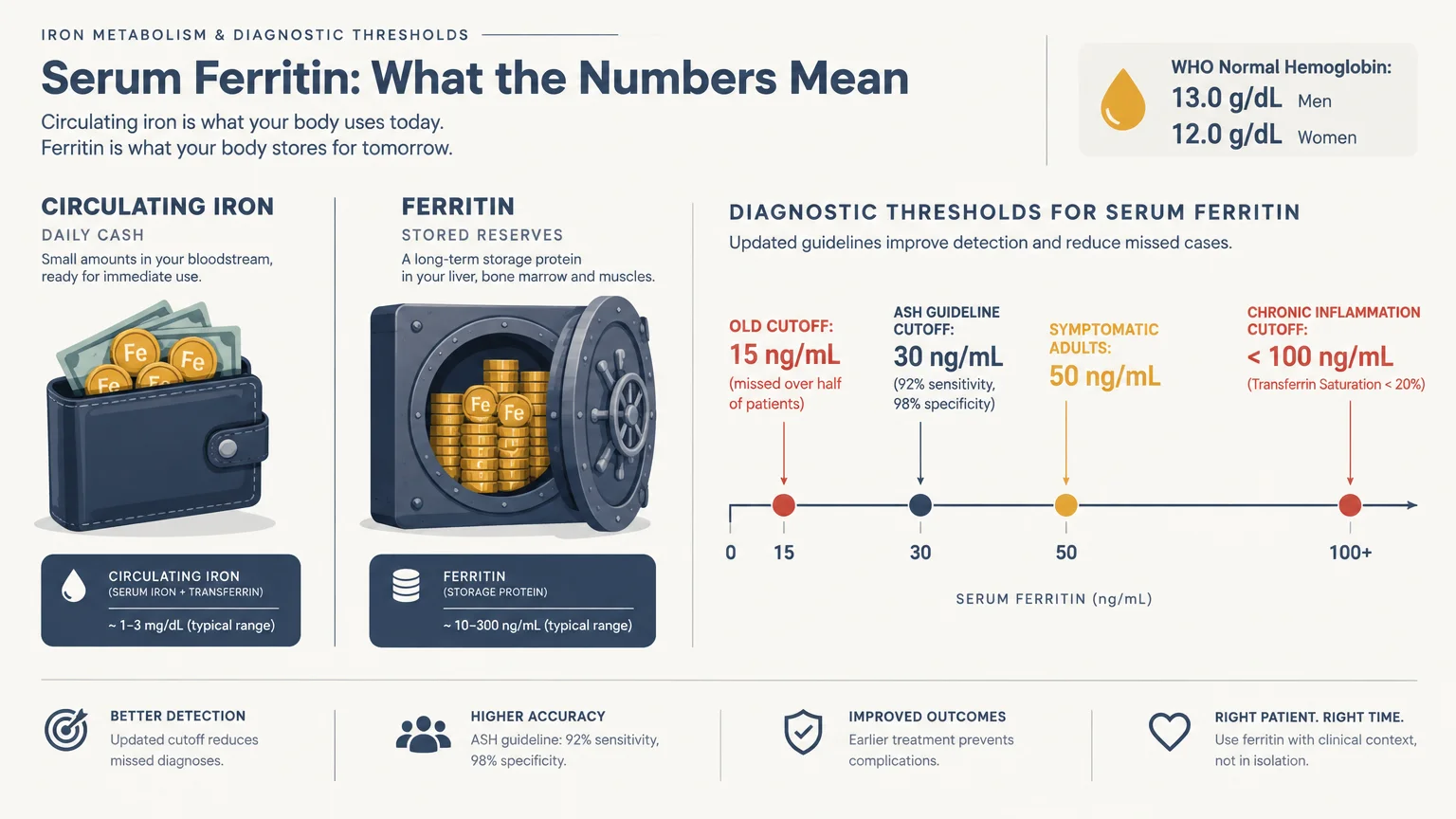
Think of circulating serum iron as the cash in your wallet that you spend on daily tasks. Ferritin, on the other hand, acts like your personal bank account where your body locks away long-term reserves.
You can possess enough loose cash to get through the day while your bank vault sits completely empty. This common physiological disconnect is known in medicine as iron deficiency without anemia.
Global health data indicates that iron deficiency anemia affects roughly 1.2 billion people. Remarkably, clinical researchers estimate that iron deficiency without anemia is twice as prevalent in the general population.
Most annual wellness exams only order a complete blood count to evaluate your hemoglobin concentration. The World Health Organization defines normal hemoglobin as at least 13.0 g/dL for men and 12.0 g/dL for non-pregnant women.
Because your body prioritizes hemoglobin synthesis above all else, your blood count often stays normal until your reserves vanish completely. Consequently, many doctors inadvertently overlook severe cellular shortages.
Fortunately, updated clinical guidelines provide greater diagnostic clarity for older adults. In September 2026, the American Society of Hematology issued its first evidence-based guidelines for diagnosing iron deficiency.
The hematology guidelines officially increased the adult diagnostic cutoff for serum ferritin from 15 ng/mL to 30 ng/mL. Furthermore, they recommended a threshold of 50 ng/mL for symptomatic adults facing persistent risk factors.
Clinical evidence shows that a 30 ng/mL cutoff delivers 92 percent sensitivity and 98 percent specificity for bone marrow iron depletion. In sharp contrast, the old 15 ng/mL cutoff missed over half of all deficient patients.
Interpreting laboratory results requires extra caution if you are 55 or older. Ferritin functions as an acute-phase reactant protein, which means its levels naturally spike whenever your body experiences systemic inflammation.
Common age-related conditions like osteoarthritis, cardiovascular disease, and chronic kidney disease artificially inflate your ferritin score. This inflammatory elevation can easily disguise a severe biological iron shortage.
For adults managing chronic inflammation, hematology guidelines define iron deficiency as a ferritin level under 100 ng/mL. A transferrin saturation score below 20 percent also confirms that your tissues lack usable iron.
Decoding your ferritin blood test meaning allows you to identify nutritional deficits before they trigger debilitating health setbacks. Looking beneath standard laboratory values gives you the power to protect your daily health and independence.
Practical Tips for a Healthier, Happier Life
Identifying low ferritin normal iron patterns requires tuning in to subtle physical cues. Here are ten practical signs to watch for, along with proactive steps you can take today.
1. Unrelenting Fatigue and Low Ferritin
Chronic exhaustion that lingers after a solid night of rest is the hallmark symptom of depleted storage. Your cellular power plants, known as mitochondria, require iron to convert dietary nutrients into usable energy.
When facing fatigue and low ferritin, your body rations energy strictly for essential survival needs. This leaves you feeling profoundly drained during simple leisure activities or morning errands.
Keep an energy diary for one week to track when your stamina peaks and plummets. Sharing this objective timeline helps your doctor understand the functional impact of your fatigue.
Pace your daily tasks by alternating thirty minutes of light activity with short periods of quiet rest. Structured pacing conserves your limited physical reserves while you work to rebuild your cellular stores.
2. Persistent Brain Fog and Mental Fatigue
Low ferritin levels can disrupt mental sharpness long before your red blood cell count drops. Iron acts as an essential cofactor for producing dopamine and serotonin, which regulate focus, processing speed, and recall.
You might find yourself misplacing household items, struggling with familiar names, or losing your train of thought mid-sentence. Many mature adults mistake these lapses for irreversible cognitive decline when iron depletion is the true cause.
Support cognitive resilience by breaking complex daily projects into small, sequential steps. Using written checklists reduces working memory load and keeps you organized throughout the day.
Engage in low-stress mental stimulation, such as solving word puzzles or listening to educational audiobooks. These gentle mental workouts strengthen neural connections while you address your nutritional status.
3. Restless Legs and Nighttime Twitching
An uncontrollable urge to move your legs during quiet evenings strongly suggests depleted iron reserves. Medical studies confirm that insufficient iron in brain tissues disrupts motor control signals and triggers restless leg syndrome.
This frustrating creeping sensation typically peaks when you lie down in bed, severely disrupting your sleep architecture. Chronic sleep fragmentation then worsens daytime fatigue, creating an exhausting cycle.
Practice gentle hamstring and calf stretches for ten minutes before getting into bed each night. Gentle stretching relieves localized muscle tightness and calms overstimulated peripheral nerves.
Soak your feet in a warm Epsom salt bath to promote muscular relaxation before bedtime. The combination of warm water and soothing magnesium helps settle restless limbs naturally.
4. Unexplained Cold Sensitivity in Hands and Feet
If your hands and feet feel like ice while others feel comfortable, your iron reserves may be struggling. Iron is vital for optimal thyroid function, which regulates your body temperature and resting metabolic rate.
Furthermore, depleted stores signal your vascular system to redirect blood flow away from extremities toward your vital organs. This protective reflex leaves your fingers, toes, and ears feeling persistently chilled.
Wear warm, moisture-wicking wool socks and dress in breathable layers to preserve core body heat. Keeping your core warm encourages your circulatory system to send warmth back out to your extremities.
Perform simple hand clenches and ankle circles while sitting to stimulate peripheral circulation. Gentle physical movement rapidly restores blood flow to cold fingertips and toes.
5. Shortness of Breath During Gentle Exertion
Feeling unexpectedly winded while walking up a gentle incline often indicates low ferritin symptoms. Even when hemoglobin appears normal, depleted storage iron starves muscle enzymes of the oxygen needed for physical work.
Your respiratory rate increases as your lungs attempt to compensate for poor cellular oxygen utilization. Routine activities like carrying groceries or gardening can suddenly leave you gasping for breath.
Practice rhythmic pursed-lip breathing when you feel winded during your daily walks. Inhale deeply through your nose and exhale slowly through pursed lips to steady your heart rate and oxygen exchange.
Modify your physical activities into smaller, manageable intervals rather than stopping exercise altogether. Consistency maintains cardiovascular conditioning while protecting you from severe physical overexertion.
6. Thinning Hair and Brittle, Ridged Nails
Sudden hair shedding or fragile fingernails frequently reflect subtle iron storage deficiency signs. Your body considers hair follicles and nail beds non-essential tissues during times of nutrient scarcity.
When your ferritin drops below 30 ng/mL, your system diverts iron away from cosmetic structures toward survival functions. Consequently, hair strands enter their resting phase prematurely, and nails develop vertical ridges or spoon-like depressions.
Switch to mild, sulfate-free shampoos and avoid aggressive brushing to protect fragile hair follicles from mechanical damage. Treat your scalp gently to minimize unnecessary shedding while internal iron levels recover.
Apply natural jojoba or almond oil directly to your cuticles and nail plates every evening. Topical hydration shields brittle nails from splitting and supports healthier ongoing growth.
7. Sudden Heart Palpitations or Fluttering
An unexpected fluttering sensation in your chest can be both frightening and deeply unsettling. When iron reserves diminish, your heart must pump with greater force and frequency to deliver adequate cellular oxygen.
These rapid beats or pounding sensations often occur while you rest quietly in bed or stand up suddenly. While low ferritin is a common culprit, you must always evaluate palpitations with your physician.
Sit down comfortably and practice slow abdominal breathing whenever you experience sudden fluttering sensations. Deliberate relaxation stimulates your vagus nerve, which helps slow your heart rate naturally.
Limit dietary stimulants like excess caffeine and alcohol, which can irritate sensitive heart tissue. Choosing calming herbal teas like chamomile prevents unnecessary strain on your cardiovascular system.
8. Dizziness and Postural Lightheadedness
Feeling lightheaded when rising from your chair is another subtle indicator of depleted iron reserves. Inadequate ferritin impairs oxygen delivery to brain tissues, making quick postural transitions difficult for your circulatory system.
Older adults frequently attribute lightheadedness to dehydration or prescription medications, overlooking the role of iron storage. Unchecked dizziness significantly increases your risk of accidental falls and physical injuries.
Sit on the edge of your bed or chair for thirty seconds before standing up completely. This brief pause allows your blood pressure and cerebral circulation to adapt smoothly to postural shifts.
Place sturdy grab bars near high-traffic areas and keep walking paths clear of clutter at home. Practical home modifications keep you safe while your doctor evaluates and addresses your iron levels.
9. Increased Anxiety and Mood Fluctuations
Unexpected feelings of nervous tension, irritability, or emotional fragility can stem from depleted iron reserves. Iron serves as a vital biochemical partner in creating the neurotransmitters that maintain emotional equilibrium.
When reserves dwindle, your brain chemistry shifts, leaving you more vulnerable to worry and unexplained tearfulness. Recognizing that your mood changes have a physical cause helps relieve personal frustration and distress.
Establish a comforting morning routine that incorporates ten minutes of quiet reflection or gentle meditation. Calming mindfulness practices lower stress hormones and foster a peaceful mental outlook.
Share your feelings openly with trusted companions or family members who offer compassionate emotional support. Honest social connection prevents feelings of isolation while you restore your physical health.
10. Prolonged Muscle Weakness and Slow Recovery
Lingering muscle soreness that persists for days after light gardening signals impaired tissue recovery. Your muscle fibers require myoglobin, an iron-containing protein, to store oxygen and rebuild after physical exertion.
Without sufficient ferritin stores, cellular repair stalls, leaving your limbs feeling heavy, weak, and stiff. This sluggish recovery often discourages older adults from maintaining their regular exercise routines.
Support muscular recovery by taking warm showers or applying soothing heating pads to tight areas after exercise. Gentle heat boosts localized blood flow, bringing vital oxygen and nutrients to tired muscle fibers.
Allow your body at least one full day of rest between demanding household projects or fitness sessions. Respecting your recovery timeline prevents overuse injuries while your cells rebuild their iron foundation.
Important Safety Precautions to Keep in Mind
Never begin taking high-dose oral iron supplements without a confirmed diagnosis and explicit medical supervision. The human body lacks an active mechanism to excrete excess iron, meaning surplus mineral accumulates in your organs.
Over time, excess iron deposition causes oxidative stress and permanent damage to your liver, heart, and pancreas. Genetic conditions like hereditary hemochromatosis can also masquerade as fatigue before causing dangerous iron overload.
For men and postmenopausal women, low ferritin is a clinical red flag that requires immediate investigative attention. Because this demographic does not lose blood through menstruation, internal bleeding represents the most common underlying cause.
Respected clinical guidelines from the British Society of Gastroenterology and American Gastroenterological Association mandate gastrointestinal investigations for these patients. Endoscopic evaluations help doctors locate the precise source of blood loss.
Upper endoscopy and colonoscopy procedures allow specialists to identify bleeding ulcers, colon polyps, or early vascular lesions. These screenings also detect malabsorption disorders like celiac disease, which prevents your intestines from absorbing dietary iron.
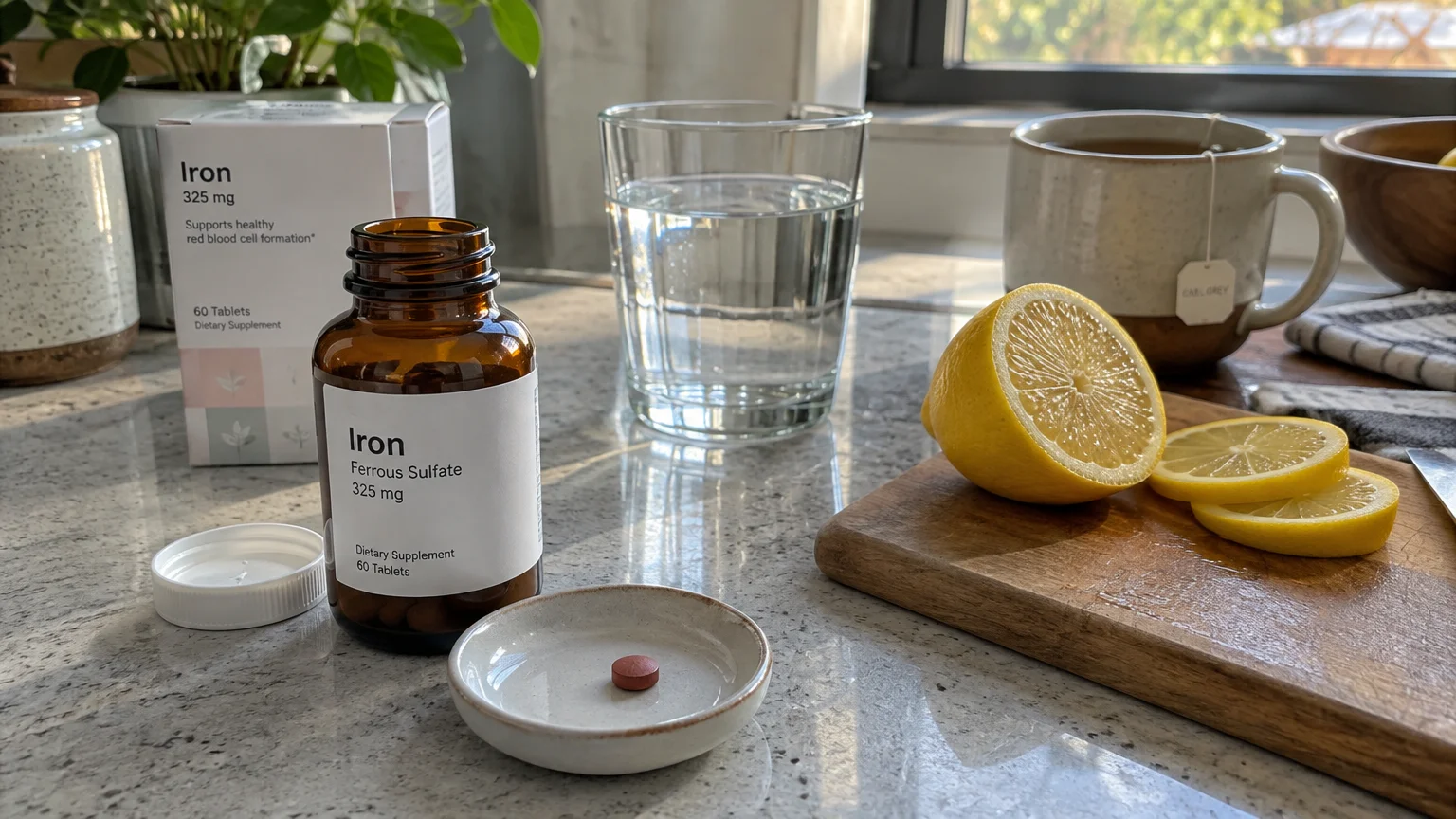
If your doctor prescribes iron pills, follow specific administration protocols to optimize absorption and avoid interactions. Calcium supplements, antacids, and morning dairy products drastically reduce the amount of iron your gut absorbs.
Common medications like levothyroxine and proton pump inhibitors also compete directly with iron absorption in your stomach. Separate iron supplements from these medications by at least four hours to maintain treatment effectiveness.
Emphasize wholesome, iron-dense foods like lentils, spinach, pumpkin seeds, and lean meats in your daily diet. Pairing plant-based iron sources with vitamin C foods, such as strawberries or bell peppers, significantly improves natural absorption.

When to Speak with a Healthcare Professional
This article provides general educational information and cannot replace direct diagnostic care from your physician. Always seek personal medical advice whenever you experience unexplained weakness, severe exhaustion, or breathing difficulties.
Certain symptoms demand urgent medical evaluation rather than routine scheduling. Contact your doctor immediately if you notice black tarry stools, vomit resembling coffee grounds, or sudden chest pain.
When scheduling your clinical consultation, ask your physician to order a complete iron panel rather than a basic blood test. Request serum ferritin, total iron-binding capacity, serum iron, and transferrin saturation testing.
Requesting a C-reactive protein test alongside your iron panel helps uncover hidden systemic inflammation. This additional marker ensures your physician does not misinterpret an artificially elevated ferritin reading.
Bring a complete list of your prescription medications, dietary supplements, and daily symptoms to your appointment. Clear documentation allows your healthcare team to formulate a safe, accurate, and personalized treatment plan.
Frequently Asked Questions
Can my ferritin be low if my iron test looks normal?
Yes, serum iron tests only capture the iron circulating through your bloodstream at that exact moment. You can have adequate circulating iron while your internal storage reserves are critically depleted.
Requesting a dedicated ferritin test provides an accurate assessment of your deep cellular storage levels.
What is the optimal ferritin level for seniors?
The 2026 American Society of Hematology guidelines define any ferritin level below 30 ng/mL as true iron deficiency. For seniors with chronic inflammatory conditions like arthritis, clinicians recommend keeping ferritin above 100 ng/mL.
Maintaining a transferrin saturation score above 20 percent also confirms that your tissues receive sufficient oxygenation.
How long does it take to restore low ferritin reserves?
Replenishing depleted cellular iron reserves typically takes between three to six months of consistent, monitored care. Your body first directs incoming iron toward daily metabolic tasks before depositing surplus mineral into storage.
Your physician will order follow-up blood work every three months to verify progress and prevent over-supplementation.
Why do older adults need a digestive evaluation for low ferritin?
Men and postmenopausal women do not experience regular blood loss, making digestive bleeding the primary cause of deficiency. Microscopic bleeding from polyps, ulcers, or vascular abnormalities can deplete iron reserves silently over time.
Diagnostic evaluations like colonoscopies allow doctors to identify and treat these underlying issues before serious complications develop.
For authoritative, trustworthy health information, always consult official sources like the National Institute on Aging (NIA) and MedlinePlus from the National Library of Medicine. The CDC also provides excellent resources for older adults.
Disclaimer: This article is for informational purposes only and does not constitute medical advice. Always seek the advice of your physician or other qualified health provider with any questions you may have regarding a medical condition.